Snowboards
Amplid Morning Glory Review: A Mellow Cruiser With Serious Float
A directional snowboard built around camber underfoot and a rockered nose, tuned for cruisy carving and powder days rather than aggressive charging.
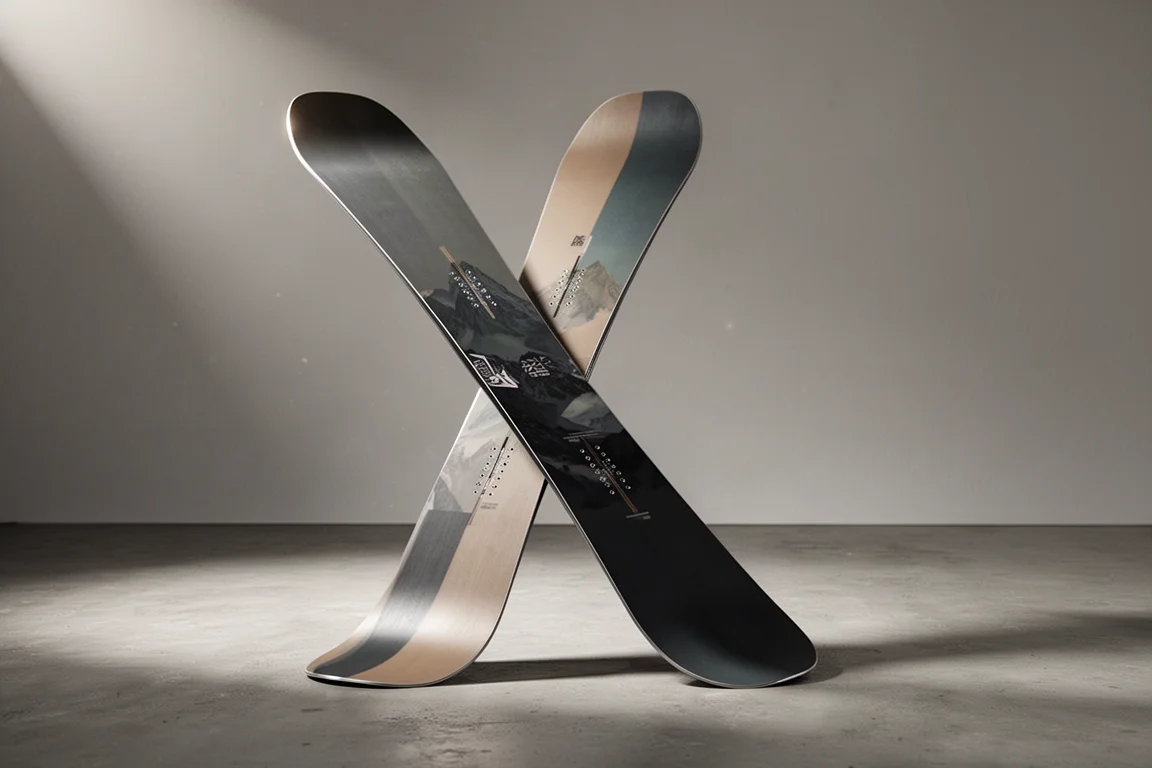
Introduction
The Amplid Morning Glory is a directional all-mountain snowboard that leans hard into a single idea: make relaxed, cruisy riding genuinely fun. It comes in one size, a 160, and pairs Amplid’s Cruise Camber profile with a soft, rockered nose. After riding it on a day with eight inches of fresh, wet, heavy snow, followed by tracked-out and sticky conditions, the board’s character became clear pretty quickly. It rewards a mellow approach and does not punish you for taking it easy.
Camber Profile and Float
The Morning Glory uses Amplid’s Cruise Camber profile, which means camber from just outside the front inserts all the way through the tail, combined with early-rise rocker in the nose. That camber section delivers the stability, pop, and drive you would expect from a cambered board, while the large rocker section in the nose provides float and an easier entry and exit into turns. In practice, it makes the board noticeably more forgiving in everyday riding without giving up the drive of camber underfoot.
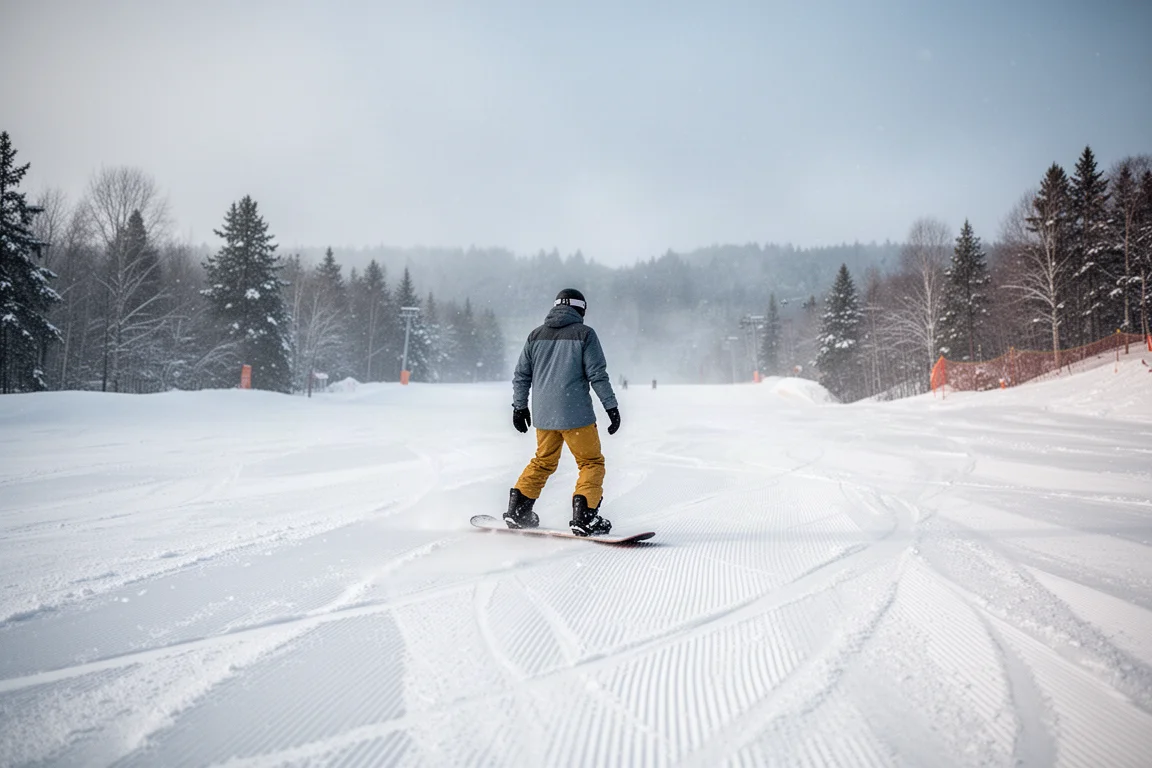
The one-size-only 160 also reinforces the board’s intent. This is not a quiver board with a full size range; it is a specific tool for a specific kind of rider.
Ride Feel and Flex
Overall flex sits slightly stiffer than the middle of the road, but the flex is clearly directional. The nose feels quite a bit softer than the rest of the board, while the middle and tail are more rigid, though still forgiving enough to load up and get a decent amount of snap out of the tail.
Stability is a mixed story. The Morning Glory handles fresh snow and groomers noticeably better than choppy, wet, tracked-out snow, where you feel bounced around a little. It never feels dangerous or out of control, but it is not going to be the most stable board out there. What it does have going for it is a genuinely damp ride. Even ploughing through uneven, sticky terrain, the board soaked up vibration, and there was no harsh chatter or knee-battering feedback, even at higher speeds.
Pop, Ollies, and Butters
For a directional board, the pop came as a pleasant surprise. The first ollie caught me off guard: with a short, flat-looking tail, the expectation was limited snap. Instead, the tail loads well and produces a solid pop, and the board felt stable on both takeoff and landing. Even when landing in beaten-up, less-than-ideal conditions, the nose wanted to stay above the snow. Landings bounced around slightly, but the strong tail held up and the nose refused to submarine, so it never felt like a nose-catch was one turn away.
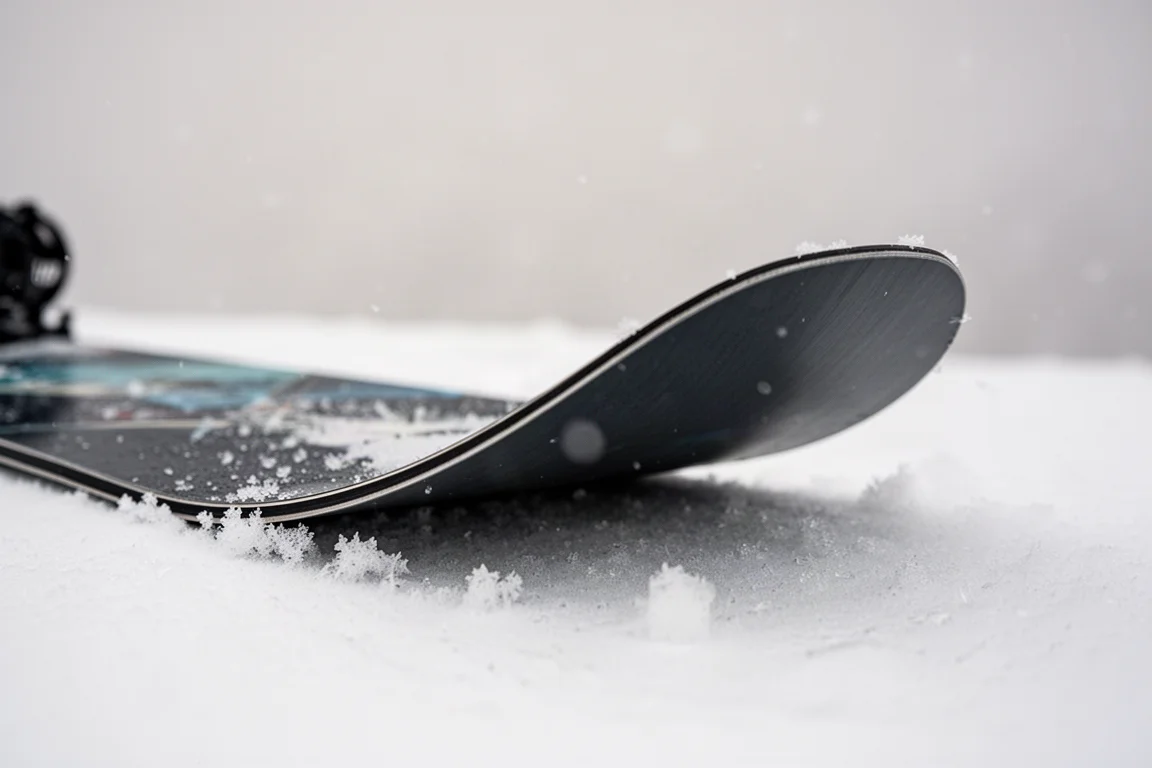
Butters split along the directional flex. The nose is wide and long, with a huge surface area and plenty of leverage, and because there is rocker rather than straight camber into the upkick, balancing is easy. Shift your weight over the nose and it butters naturally. The tail is a different animal: it is shorter with less kick, so butters there require more effort and commitment. Expect more of a pop out of the tail, since you are loading the camber zone, whereas the rockered nose does not fight back.
Carving Performance
The first thing to know about carving on this board is that it is a mellow, cruisy carver. All that rocker in the nose makes it easy to get the board on edge without charging into turns. This is not an aggressive full-camber ride that demands speed; you can keep it relaxed, lay it over at a cruisy pace, and it will hit every carve.
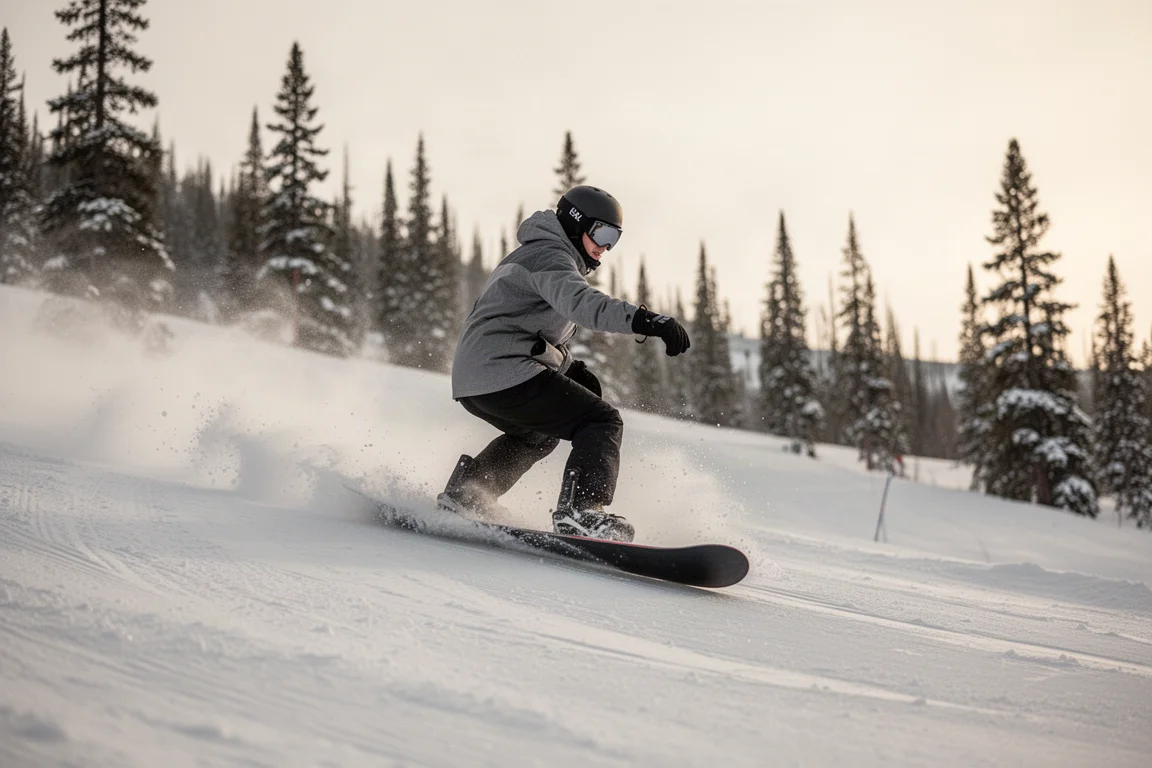
There are two caveats. First, if you come in hot over uneven snow, the nose bounces around, so hard carving in choppy conditions turns into a more back-foot-dominant affair. The overall ride is noticeably back-foot heavy: let the nose wander a little and the board takes care of the rest. Second, the wider nose makes short, quick carves take a bit more effort. Keep the speed in Sunday-cruiser territory and it will carve comfortably even for riders who are not highly advanced. Top speed is simply not this board’s friend.
Who This Board Is For
The Morning Glory is made for the power rider who likes to keep things mellow. Not someone chasing speed records or laying down the hardest, most aggressive carves, but a rider who wants a relaxed day on the hill with a smile on their face. It is also a genuinely good fit for the parent who cruises with the kids but wants a board that will still float nicely when a few free minutes of powder riding appear.
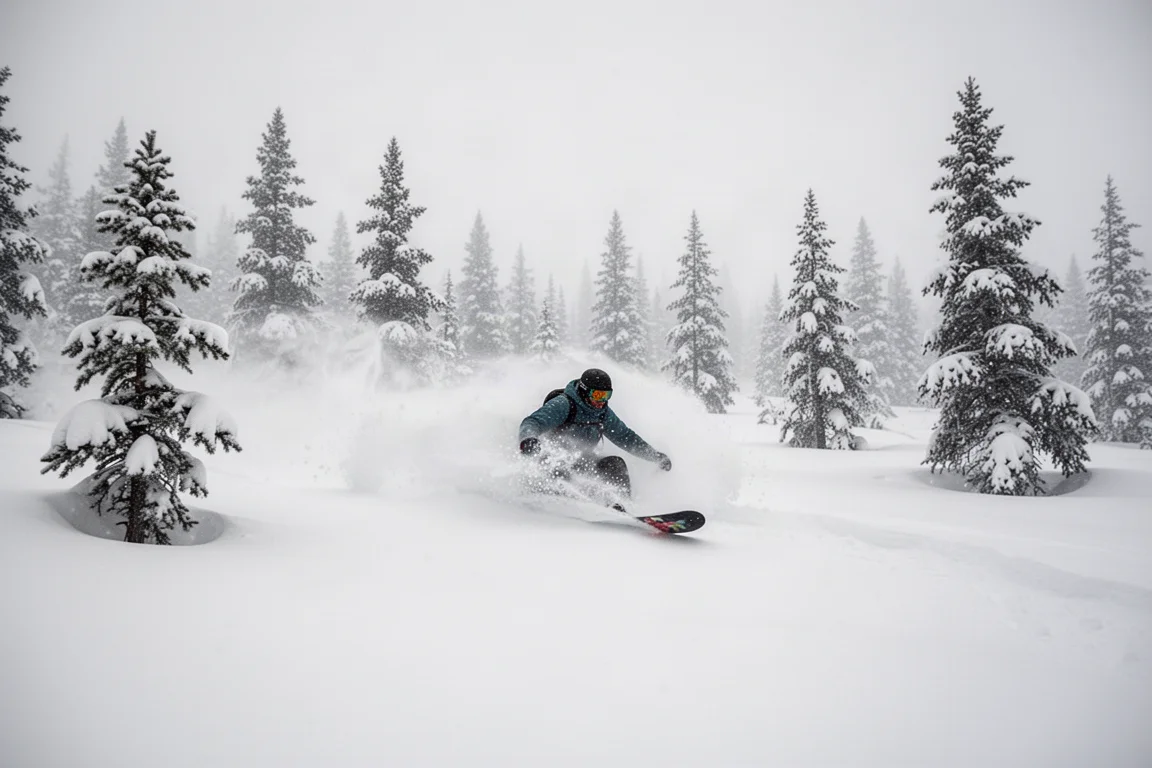
If your style demands aggressive carving or high-speed stability, this will not be the best fit. But if you want to cruise, have a good time, and not take anything too seriously, it is a solid choice.
Buying Advice
Ride it with a patient, back-foot-heavy style and keep your speeds moderate. The damp flex keeps your legs fresh all day, the nose handles fresh snow beautifully, and the tail has more pop than it advertises. If the character is not quite right, comparable boards worth looking at include the Jones Hovercraft 2.0, the Salomon Jetstream, and the Rome Ravine. Recommended pairings include Ride Drone, Nitro Team-style bindings such as the Kon Plus, and the Bent Metal Transfer.
Conclusion
The Amplid Morning Glory does exactly what it sets out to do: it is a great cruisy, mellow carver with easy float and a surprisingly capable tail. It is not built for charging or aggressive riding, and it is honest about that. For relaxed riders who value comfort, float, and an easy pace over outright performance, it is a genuinely solid board.
Product link
View more details for Amplid Morning Glory
This product is mentioned in the review. Check the specifications, options, and compatibility before buying.
View more details for Amplid Morning GloryFurther reading
Related Reviews

Snowboards
32 Middle Earth Scott Stevens Pro Model Snowboard Review: A Park Board With a Reversed Flex
A medium traditional camber park board with carbon V reinforcement that is stiffer in the tips and more playful between the feet. Here is how it rides and who it suits.

Snowboards
32 Snafu Review: A Directional All-Mountain Freestyle Board with Serious Pop
The 32 Snafu pairs a directional camber-rocker profile with a stiffening tail for powerful carves, big ollies, and a surprisingly damp ride.

Snowboards
32 XXX Pat Fava Pro Snowboard Review: A Stiff Camber Beast for Hard-Charging Riders
A full-width traditional camber deck that rewards aggression with stability and edge power, but demands effort everywhere else.