Snowboards
Amplid Memory Stick Review: A Budget Freeride Board With a Bite
A directional camber snowboard with rocker in the nose that leans freeride, rewards effort, and suits riders on a budget who already know how to carve.
Introduction
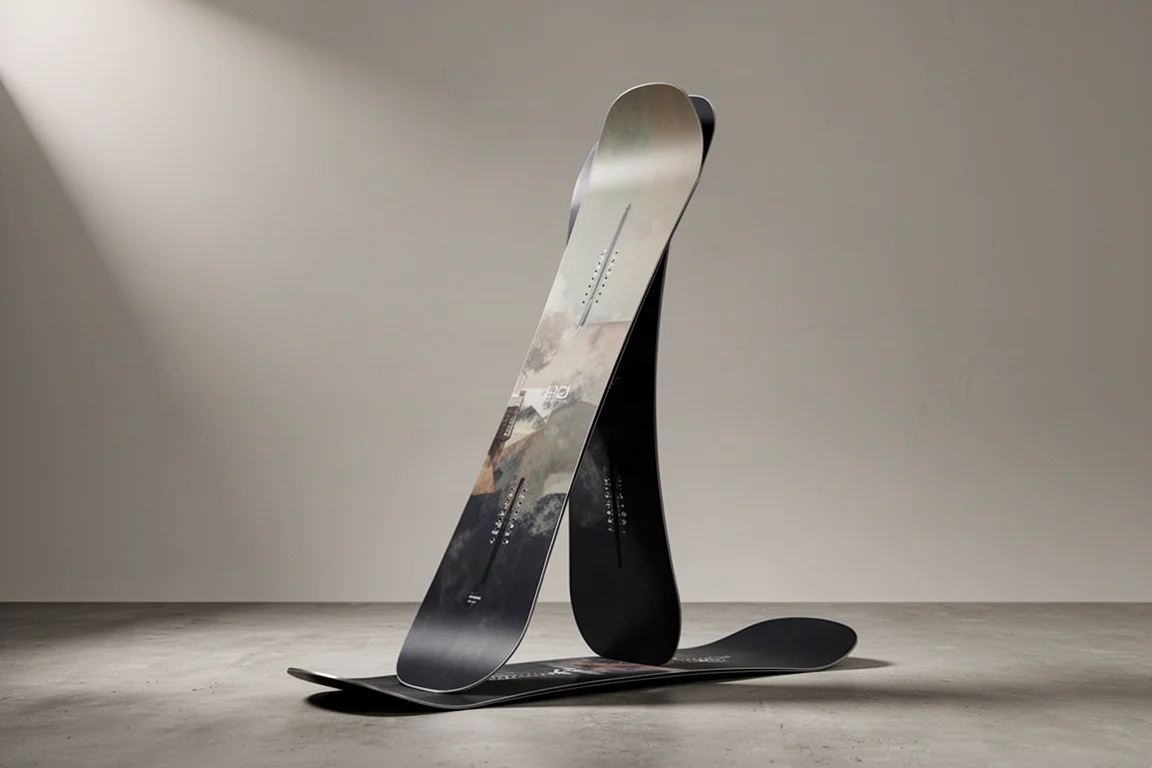
The Amplid Memory Stick is a directional twin that mixes camber underfoot with rocker in the nose. That profile gives you the load, pop, snap, and drive of a camber section, while the rocker tip makes turn entry and exit easier and adds a bit of extra powder float. It is available in 148, 153, 156, 159, and 163, and it sits in a slightly set back stance.
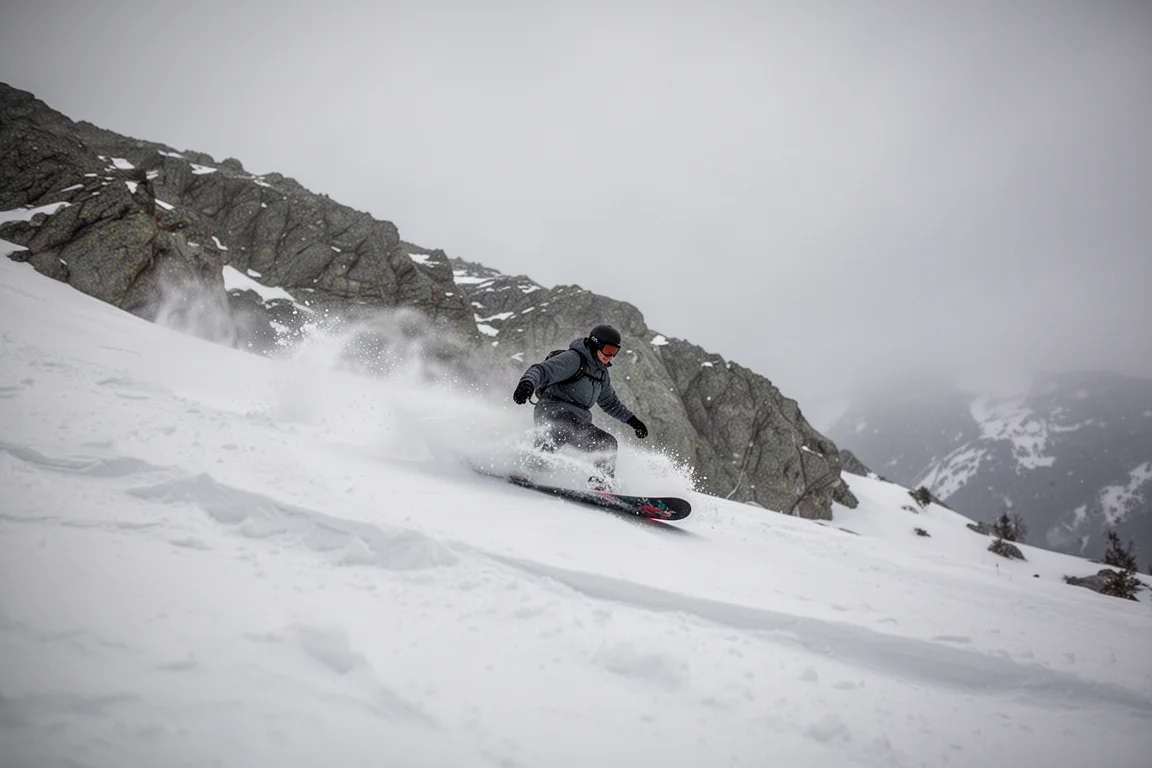
We tested it at Copper Mountain on a genuinely bad snow day: overcast skies, wind, graupel, falling snow, chop, chunder, ice, and death cookies. End-of-day spring conditions, in other words. That is a tough but honest test, and it told us a lot about where this board belongs.
Who This Board Is For
The Memory Stick is aimed at the slightly more freeride-focused rider on a budget. It started out feeling like a board you could argue about, somewhere between all-mountain freestyle and all-mountain freeride, but the longer we rode it the clearer it got: it leans more heavily toward the freeride side. There are freestyle-friendly traits here, but the overall character is that of a budget freeride board.
If you mostly want a playful jib-and-park platform, this probably is not your board. If you want something that charges through imperfect snow and does not cost a fortune, it deserves a serious look.
Flex, Stability, and Crud Performance
This board is stiffer than you would expect from a directional twin. The nose is slightly softer right up to the flex point where rocker meets camber, and from there it progressively stiffens through the tail. Torsional flex is present without being overly aggressive.
You will feel some kinetic energy coming up underfoot, but the Memory Stick does a genuinely good job of busting through crud and crust while staying stable. You never really worry about getting bucked around; the board either plows through chopped snow or skips across the top of it.
One honest trade-off: while the camber is easy to load, you have to put a little more in to get average snap out of it. It is not the most responsive board out there, so you work slightly harder for the same output you would get from a comparable board. Side hits and rollers need a bit of calculation. It is not the snappiest board, but it is consistent enough that getting in the air is never a problem.
Carving and Edge Power Transmission
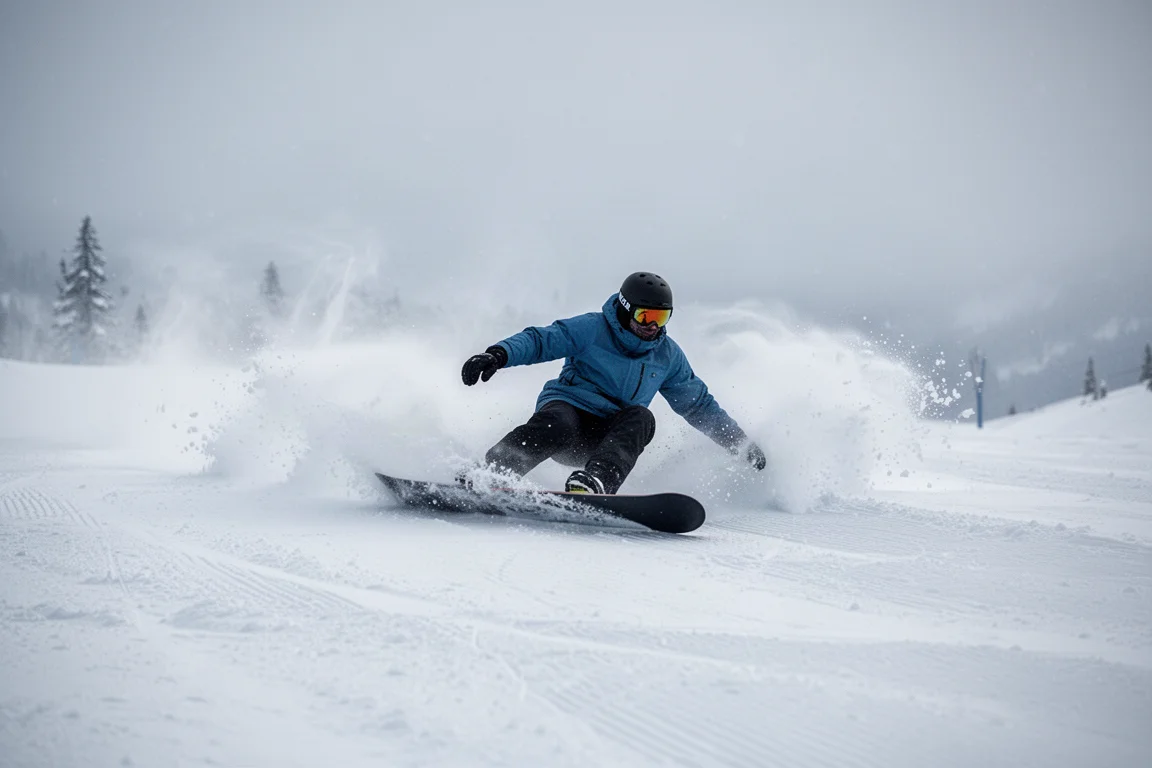
Edge-to-edge power transmission is smooth and fluid. The catch is that driving this board aggressively means throwing your weight and hip out through the front. You can ride it more laid-back, but you will not get as deep or aggressive a carve that way.
When you really lay it over, you are working it: driving from outside the hip on the front foot, cranking the back knee, trying to apex the carve, and still pushing hard off the tail to slingshot through the turn.
If you already know how to carve, none of this is a problem. If you do not, you might have issues. This is a board that rewards technique.
Butters and Presses
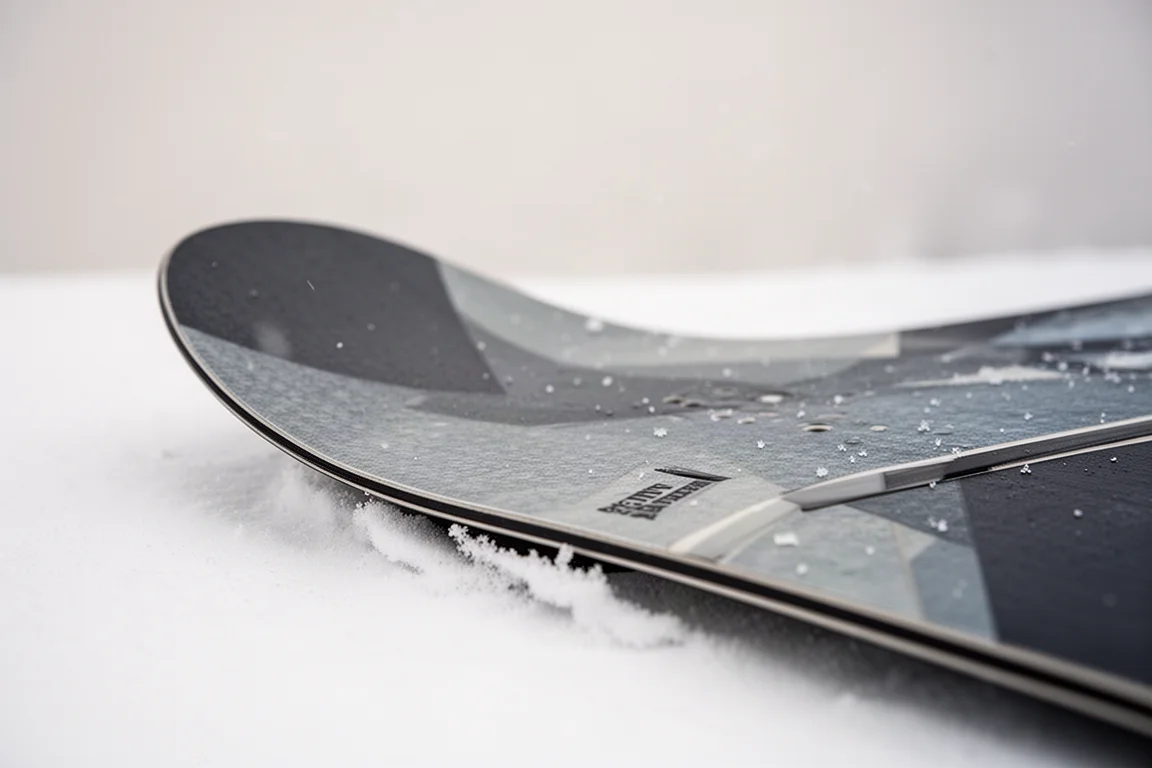
The lower tip kick is one of the most pleasant surprises here. You can leverage the nose easier than you would expect to get a butter going. Because the board is stiffer, though, you need a bit of muscle to hold a solid press, and the more you put in, the more it presses.
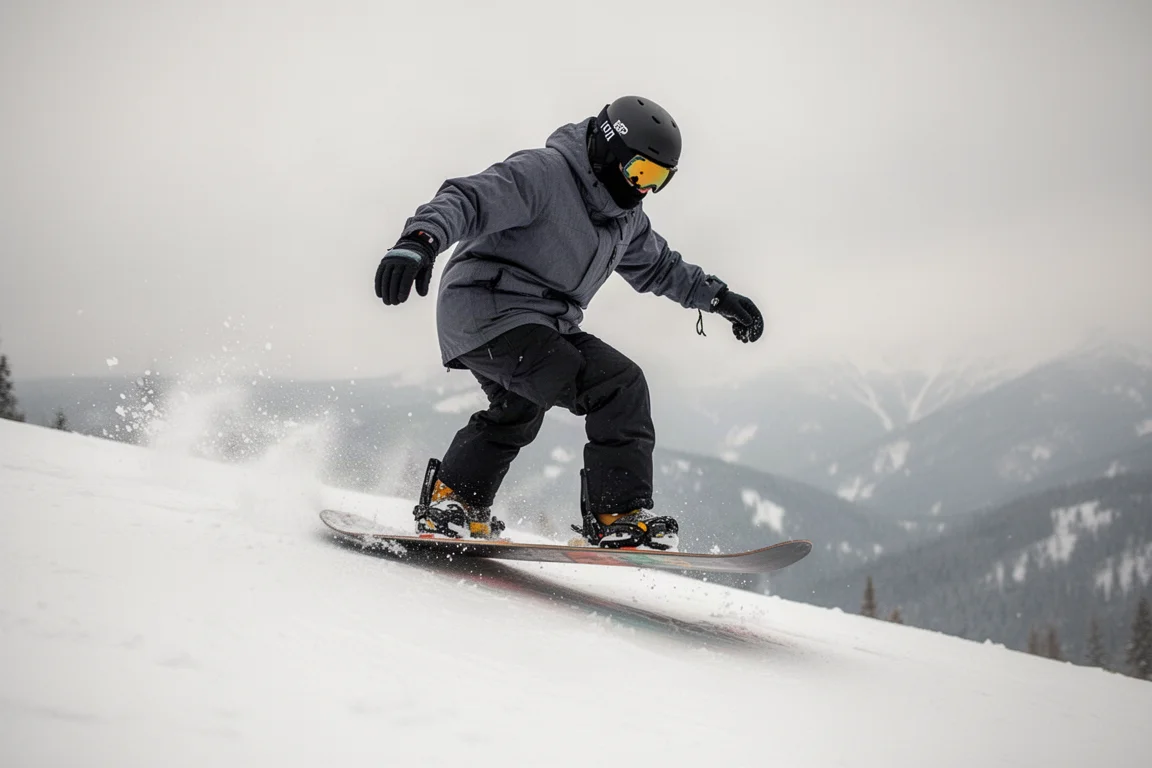
Expect a little bit of a fight. It would not be fair to call it the easiest board to butter, but it is clearly not the hardest either.
Buying Advice
The Memory Stick makes the most sense for a freeride-leaning rider who wants camber drive and stability in variable snow without spending premium money. Comparable boards in this space include the Ride Smokescreen, the Nitro SMP, and the Salomon Super 8. For bindings, the Nitro Phantom, the Ride A-8, and the Union Atlas pair well.
If you are confident on edge, ride a mix of chop and corduroy, and appreciate a board with a bit of fight in it, this one fits. If you want effortless responsiveness and snappy pop out of the box, keep looking.
Conclusion
The Amplid Memory Stick is not a board for everyone, and it does not pretend to be. It asks for effort in the carve, a bit of muscle in the press, and calculated timing on side hits, and in return it delivers stability, smooth power transmission, and a profile that floats surprisingly well for its price bracket. For the budget-minded freeride rider who knows what they are doing, it is a very solid pick.
Product link
View more details for Amplid Memory Stick
This product is mentioned in the review. Check the specifications, options, and compatibility before buying.
View more details for Amplid Memory StickFurther reading
Related Reviews

Snowboards
32 Middle Earth Scott Stevens Pro Model Snowboard Review: A Park Board With a Reversed Flex
A medium traditional camber park board with carbon V reinforcement that is stiffer in the tips and more playful between the feet. Here is how it rides and who it suits.

Snowboards
32 Snafu Review: A Directional All-Mountain Freestyle Board with Serious Pop
The 32 Snafu pairs a directional camber-rocker profile with a stiffening tail for powerful carves, big ollies, and a surprisingly damp ride.

Snowboards
32 XXX Pat Fava Pro Snowboard Review: A Stiff Camber Beast for Hard-Charging Riders
A full-width traditional camber deck that rewards aggression with stability and edge power, but demands effort everywhere else.