Running Shoes
Altra Torin 7 vs Altra FWD Experience: Which Daily Trainer Should You Buy?
Altra's top-selling zero-drop Torin 7 goes up against the brand's first low-drop road shoe. We break down stack, weight, ride feel and who each one suits.
Introduction
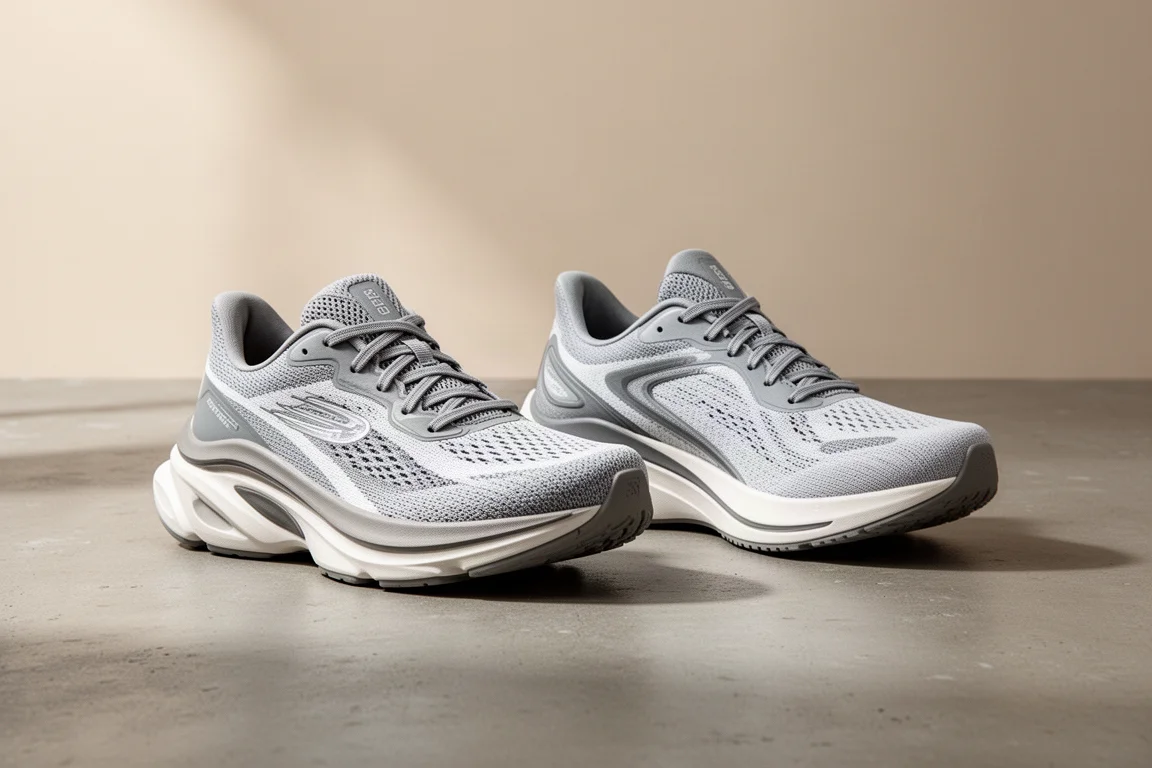
Altra has built its reputation on zero-drop, foot-shaped running shoes, and the Torin 7 is the brand’s top-selling road trainer. Now the brand has taken a notable step in a new direction with the FWD Experience, Altra’s very first road shoe to move away from zero drop.
Both are built as do-it-all daily trainers, and both retail at a similar price point, which makes the comparison genuinely interesting. We have clocked the miles in both shoes, mixing slow recovery runs, faster sessions, and long efforts up to 90 minutes, with miles on both road and light off-road park terrain. Here is how they stack up.
Quick Comparison: Stack, Weight and Price
The Torin 7 follows Altra’s balanced cushioning design with a 30mm heel stack and 30mm forefoot, giving it that trademark zero-drop platform. The FWD Experience is a different animal entirely: 32mm at the heel and 28mm at the forefoot in the men’s version, or 30mm and 26mm in the women’s, delivering a 4mm drop in both cases.
Weight also differs. In a men’s UK size 8, the Torin 7 weighs 9.7oz (275g), while the FWD Experience comes in at 8.9oz (252g), making the low-drop option the lighter and racier of the two.
Price is close. In the UK both shoes cost £130. In the US, the Torin 7 sits at $150, with the FWD Experience slightly cheaper at $140.
Altra Torin 7: The Classic Zero-Drop All-Rounder
The Torin 7 received an updated midsole this generation. Two extra millimetres of Altra Ego Max foam across the base of the shoe raise the heel stack from 28mm to a more generous 30mm while retaining the zero-drop platform. That compression-moulded EVA Ego Max foam is tuned to be softer than the standard Ego foam used in the FWD Experience, though it is not as energetic as the Ego Pro foam found in Altra’s faster, more premium shoes.
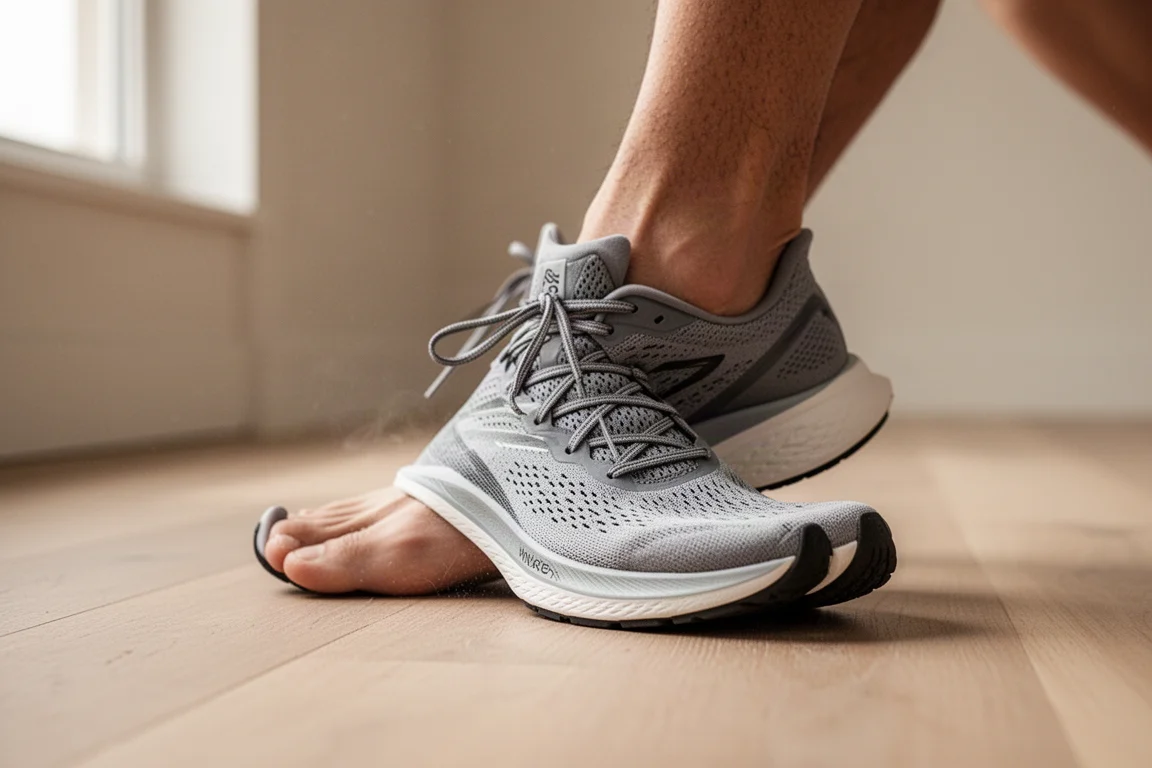
Up top, the Torin 7 uses a thick, foot-wrapping engineered mesh upper with a few more applied overlays than the FWD Experience, though many of these feel more cosmetic than functional. The heel is much more structured here too, with a proper heel counter that changes how the shoe holds at the back of the foot.
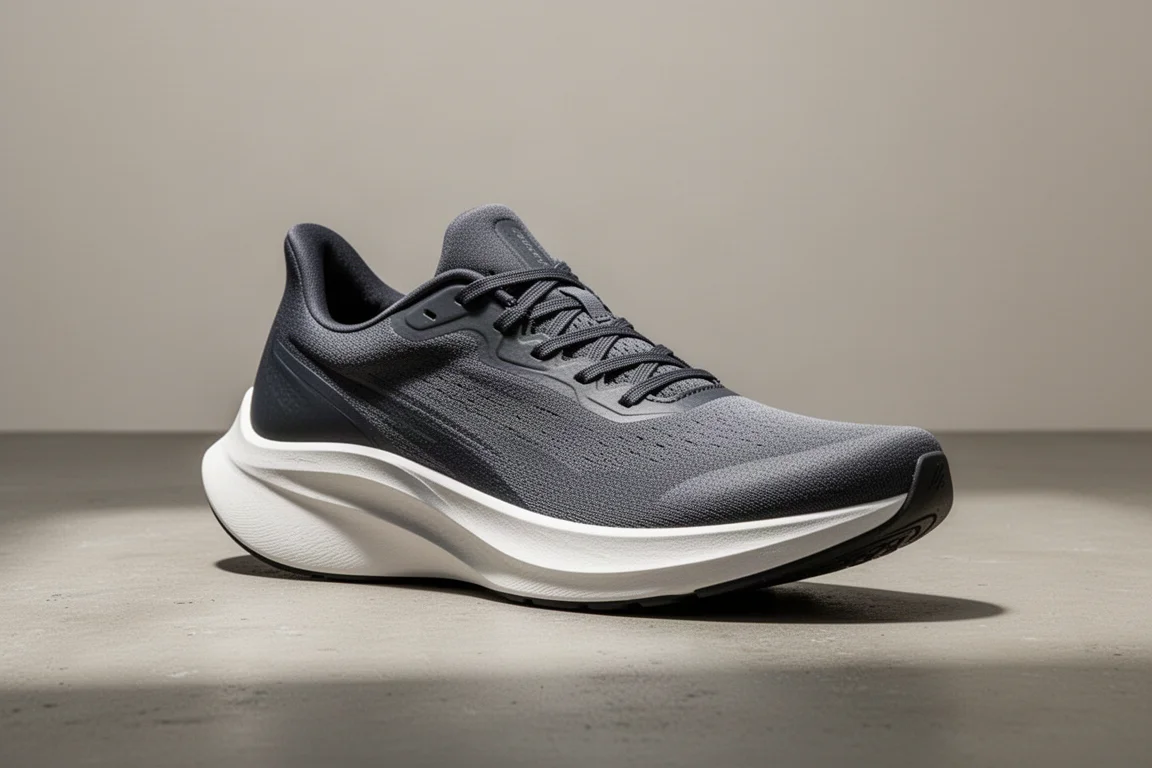
The midsole sits on a wide platform that creates a bigger, more reliable landing zone, and there is a mild forefoot rocker to assist toe-offs. Out on the road, this is a shoe that delivers a soft, protective landing, almost giving you a cushioned cuddle on lazier-paced runs.
Altra FWD Experience: Altra’s First Low-Drop Road Shoe
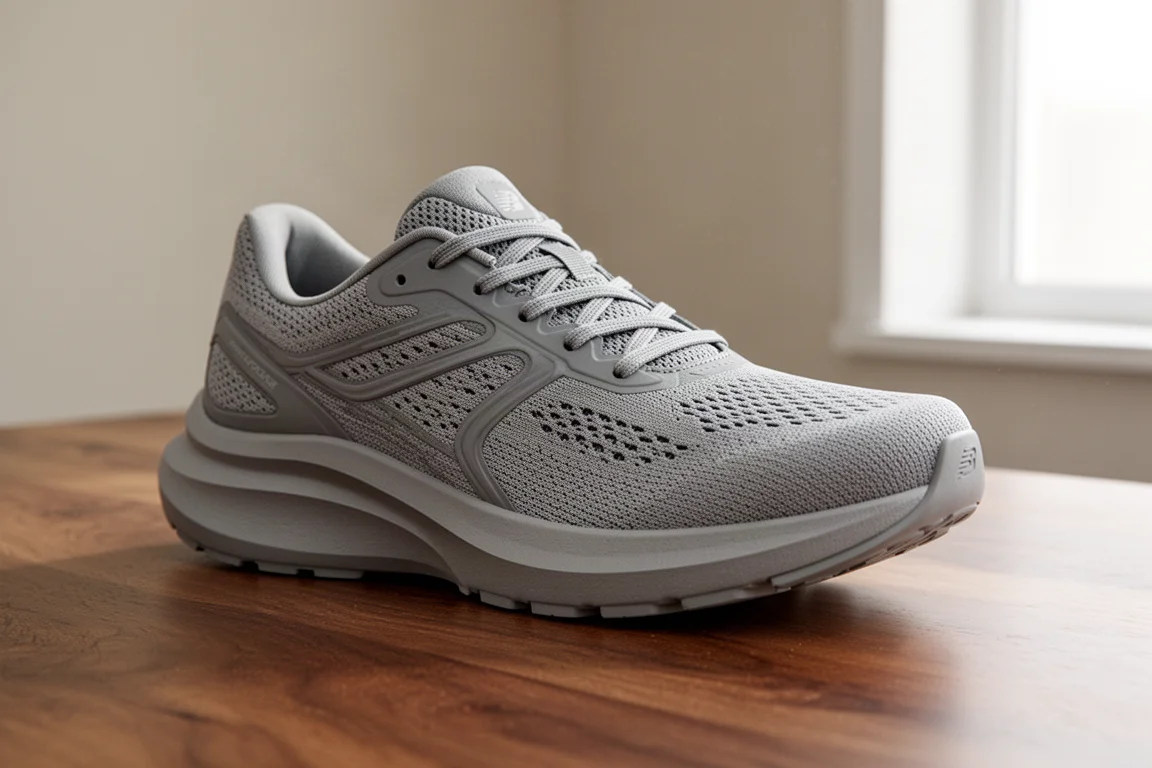
The FWD Experience is Altra’s first-ever shoe to ditch zero drop, and the midsole choice is surprising: rather than the livelier Ego Max or Ego Pro foams, it uses regular compression-moulded EVA Ego foam tuned somewhere between semi-firm and semi-soft.
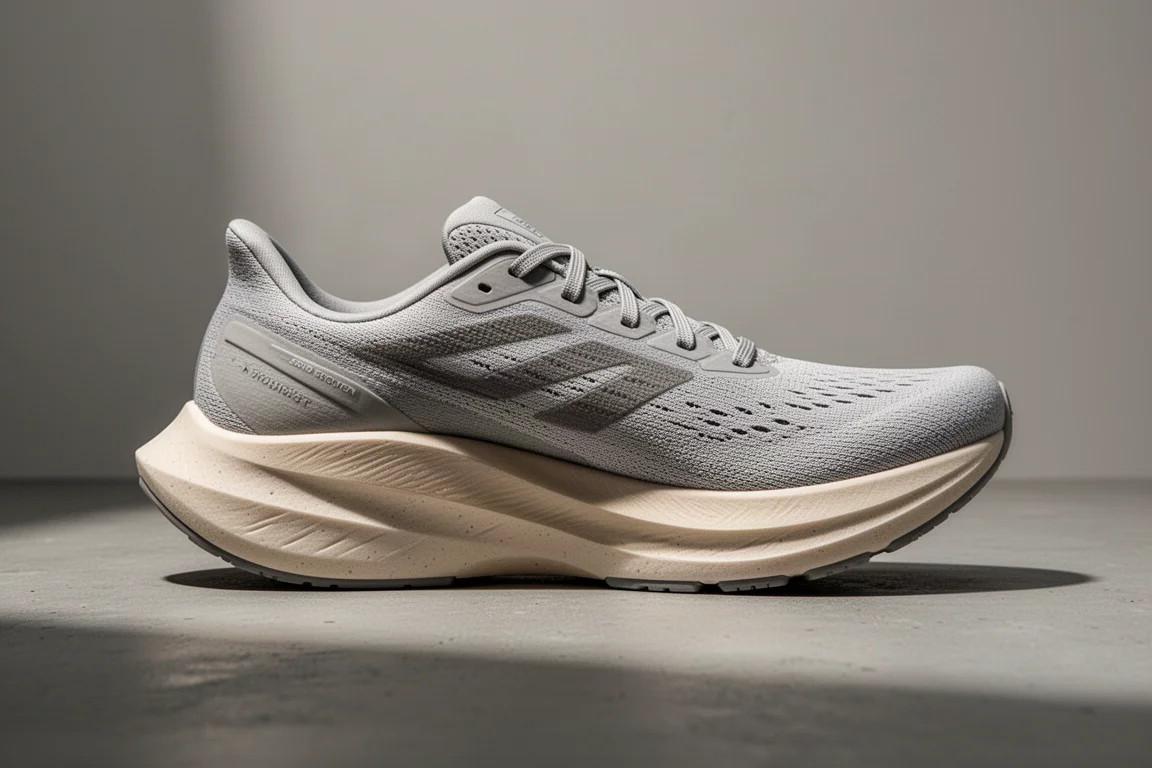
The geometry is where this shoe stands out. There is a more considerable forefoot rocker than the Torin 7 to help with toe-offs, and a much more pronounced curve through the heel than the flatter Torin. The upper ditches overlays entirely, keeps the same medium-plush tongue and collar padding, and adds two small pads that sit just below the ankle bones with no heel counter.
The foot-shaped toe box has also been tapered more than most Altra shoes, so it looks and fits much more like a traditional running shoe, though there is still ample space lengthwise and across the top of the foot.
Ride and On-Foot Feel
Run side by side for a mile, one shoe on each foot, and the difference comes down to the midsole. The FWD Experience hits a bit firmer and more solid underfoot, while the Torin 7 offers a softer landing with a little less response as a result. The FWD also feels a touch lower to the ground, which is the lack of drop showing through.

Stability favours the FWD Experience slightly. Its firmer landings feel a shade more reliable, and the lower midsole stack likely helps. It is also lighter, and that encourages a faster, more efficient foot turnover, with the firmer platform rewarding good running form rather than softening it.
Fit is true to size in both shoes, running in a regular running shoe size worked well. Both feature Altra’s trademark foot-shaped toe box, offering a snugger version of the brand’s anatomic fit in the FWD. Compared to most running shoes, both still feel pretty roomy.
Durability, Fit and Verdict
Durability looks equal on both. There has been no worrying wear and tear in testing miles so far, though it is still early days. One caveat on the FWD Experience: while testing surfaced no issues with its heel pads, some wearers have reported problems, and fiddly heel designs always carry a risk that some runners simply will not get on with them.
So how do you choose? If you want a more direct, racier shoe that is a little firmer, more responsive, and more capable at faster paces, the FWD Experience wins. If you prefer a slightly more cushioned, protective ride and do not mind sacrificing a bit of top-pace efficiency, go for the Torin 7. Altra itself says both shoes can be used for the same types of runs, but the lighter FWD Experience provides the more efficient ride.
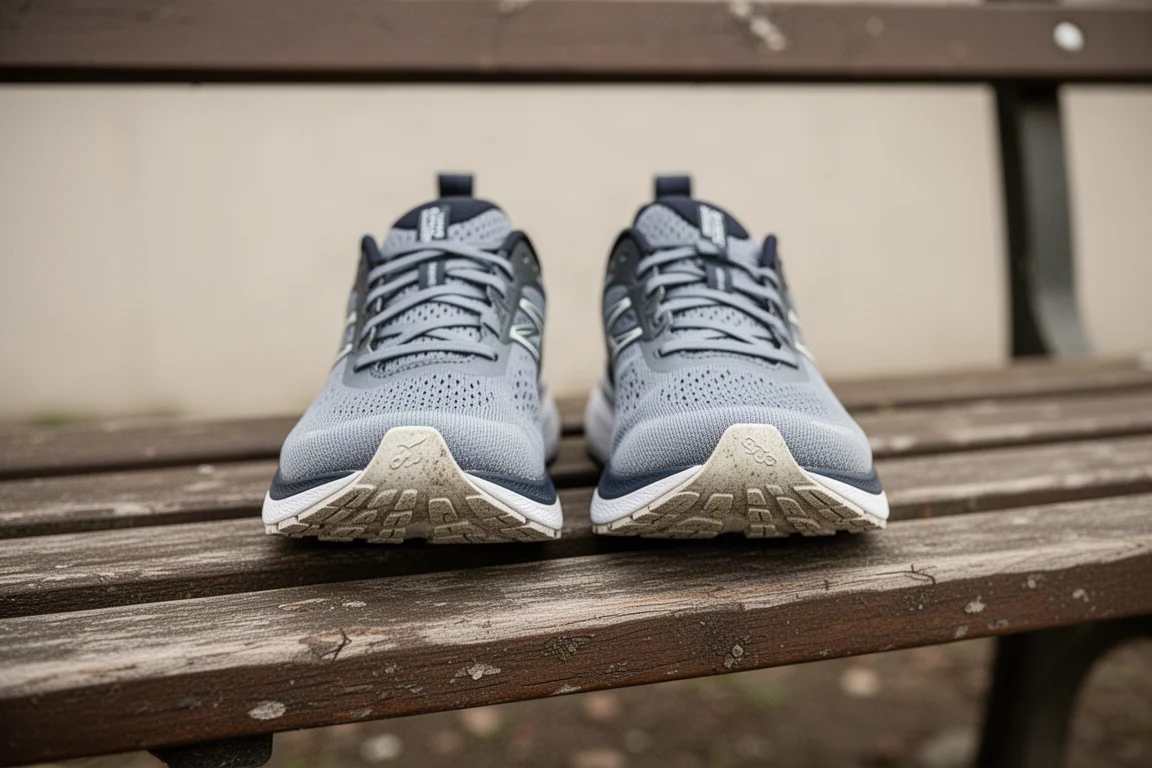
It is slightly baffling that Altra did not use one of its more energetic foams in such an important shoe, especially against the springier ride of newer daily trainers. Still, if you can get along with a slightly firmer feel even on easy runs, the FWD Experience offers more versatility and a better overall range, and it is arguably the better-looking shoe of the pair.
Conclusion
Both are capable daily trainers that land in the “good and very capable but not standout wow” category. For most runners looking to test the waters of a lower-drop shoe while keeping Altra’s roomier toe box benefits, the FWD Experience is the more versatile pick. Those who prioritise soft cushioning and protection over pace will be better served by the Torin 7.
Further reading
Related Reviews

Running Shoes
Best Road-to-Trail Running Shoes: Three Versatile Options for Mixed Terrain
A practical guide to three road-to-trail running shoes that handle both pavement and mild trails, with clear strengths and trade-offs for different runner types.

Running Shoes
Best Running Shoes for Achilles Tendonitis: Three Options Explained
Three running shoes with different heel drops and support features designed to help reduce Achilles tendon pain during walking and running.

Running Shoes
Best Running Shoes for Women: Five Top Choices Ranked
A ranked guide to five women's running shoes, from versatile daily trainers to high-performance racing options, with real strengths and trade-offs for each.