Running Shoes
Altra Paradigm 6 vs Topo Magnifly 4 vs Altra Lone Peak 5: Three Zero-Drop Shoes Compared
A high-stack zero-drop stability trainer, a Topo daily trainer, and a through-hiking favorite: three wide-toe-box shoes with very different personalities, compared.
Introduction
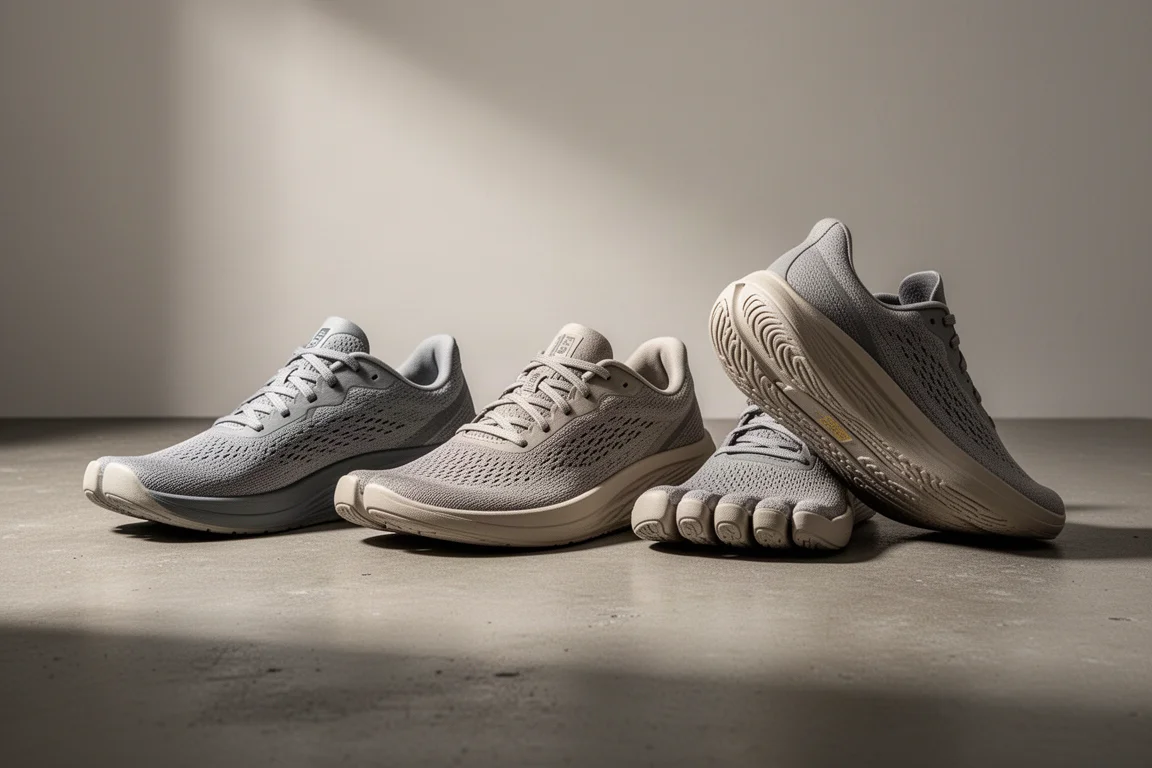
Zero-drop running shoes with wide, anatomical toe boxes have carved out a loyal following, and three models keep coming up in those conversations: the Altra Paradigm 6, the Topo Magnifly 4, and the Altra Lone Peak 5. All three share a roomy forefoot and a level platform, but they serve noticeably different purposes. The Paradigm 6 leans premium and stability-driven, the Magnifly 4 is a straightforward zero-drop daily trainer, and the Lone Peak 5 is a soft, wide-fitting favorite among long-distance hikers.
We spent time running in the Paradigm 6 and the Magnifly 4 side by side, with the Lone Peak 5 as a familiar reference point. Here is how each one behaves, who it suits, and what to check before buying.
How We Looked at These Shoes
The Paradigm 6 and Magnifly 4 sit in a similar camp: both are slightly higher-stack, zero-drop daily trainers, though the Paradigm is the more stability-focused design of the two. The Lone Peak 5 plays a different role entirely, as a softer, more trail- and walking-oriented shoe with an even roomier fit.
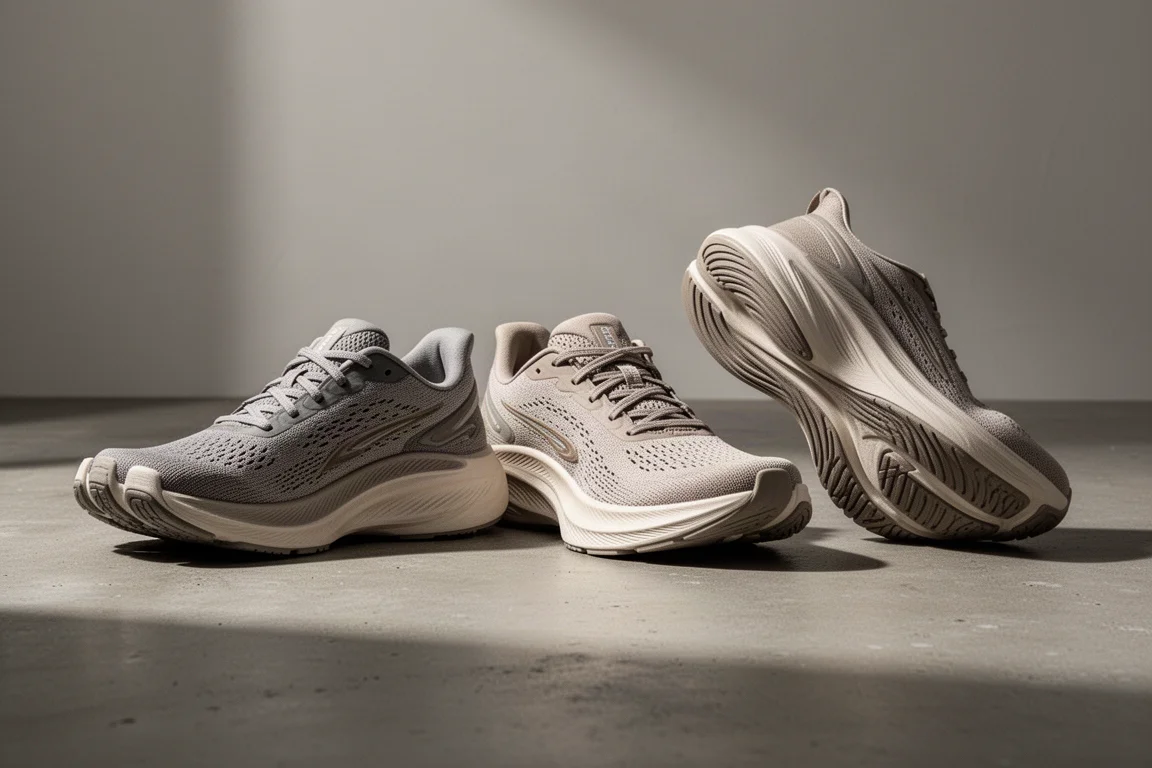
For each shoe, we looked at fit and upper quality, how the stability or platform design works in practice, ride character and firmness, and how the shoe handles the demands of zero-drop geometry. Since zero-drop shoes load the calf and Achilles differently than traditional drops, transition advice matters too, and we cover that near the end.
Altra Paradigm 6: Premium Zero-Drop Stability
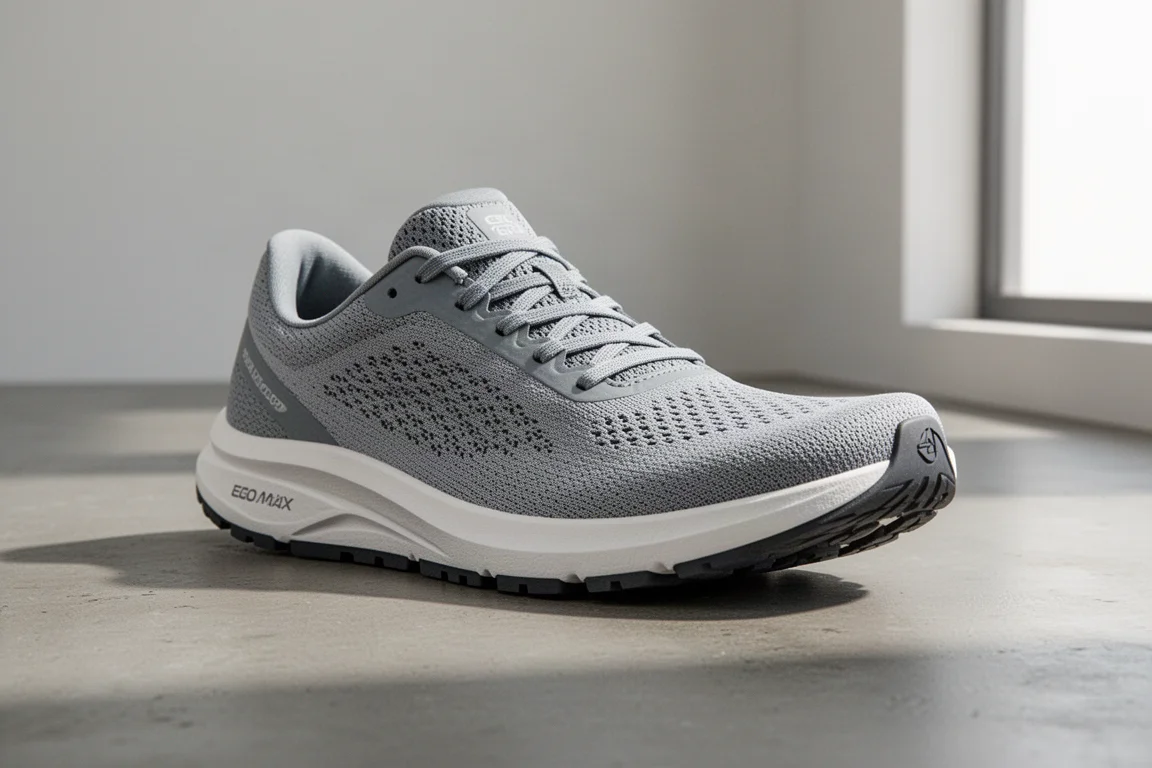
The Paradigm 6 is Altra’s premium stability shoe, built on the new Egomax midsole with large sidewalls on both the medial and lateral sides that Altra calls guide rails. Flex grooves in the outsole keep a 34 mm stack reasonably flexible, and there is a unique lacing system, called the In-of-Arch, with a strap that runs down into the foot platform and lifts the arch area when cinched. Weight comes in at 10.3 ounces in a men’s size 9, which is substantial but not heavy for the category.
Fit is classic Altra: a wide, foot-shaped toe box, a slightly thick and premium-feeling upper, and a heel that runs wide. Testers with narrower heels needed to lace down tightly or use the heel-lock lacing to prevent slippage, and the non-gusseted tongue can drift sideways over the course of a run. If your usual complaint is shoes being too narrow, this fit will feel like a relief; if you have a narrow foot, expect some work to lock down the midfoot.
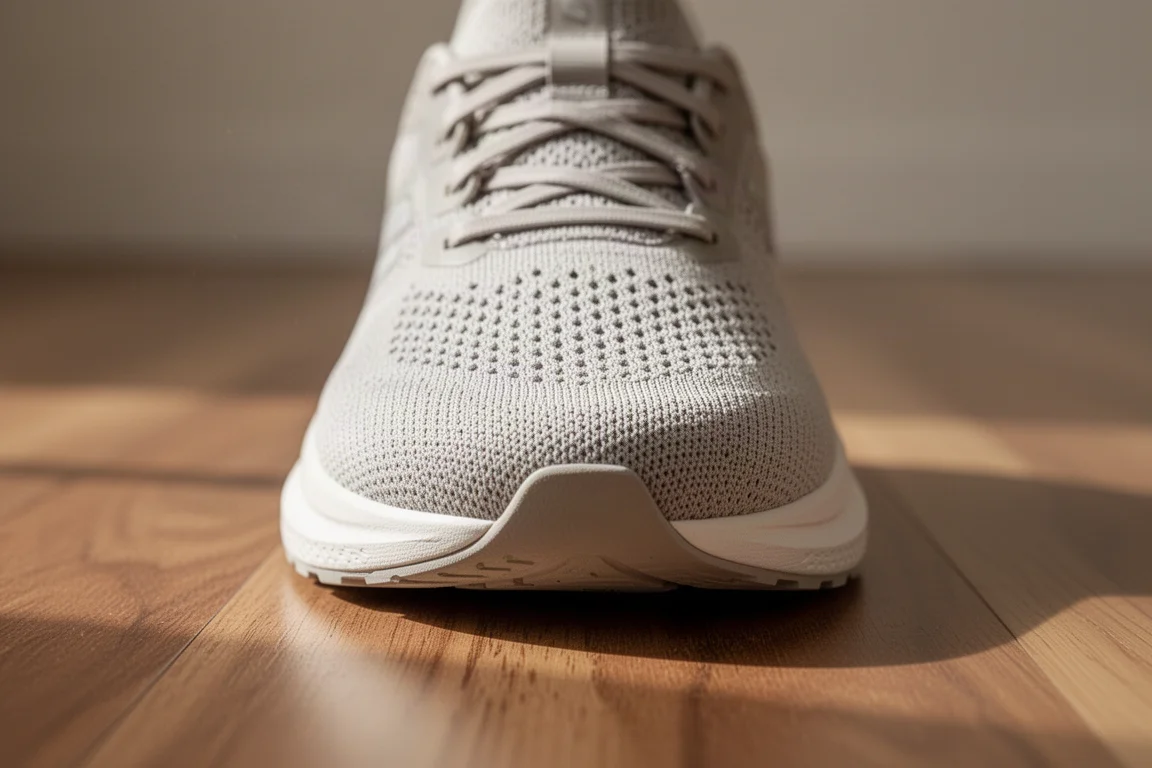
On the foot, the stability approach is guidance rather than correction. The guide rails are elevated sidewalls instead of a firm dual-density post, the midfoot is filled in for a wide platform, and the rails taper off toward the forefoot so the shoe lets you do your own thing. That makes it workable even for runners with neutral mechanics, and the lateral rail may even suit those who tend to roll slightly outward. The ride runs firmer than previous Paradigm models, with better ground feel, a smooth heel-to-forefoot transition, and solid traction. It feels more like a low-drop daily trainer than an obvious zero-drop shoe, though you will notice the extra calf and ankle work late in a run. It is a mileage shoe rather than a workout shoe, with a slightly bottom-heavy feel that resists quick turnover.
Topo Magnifly 4: A Zero-Drop Daily Trainer
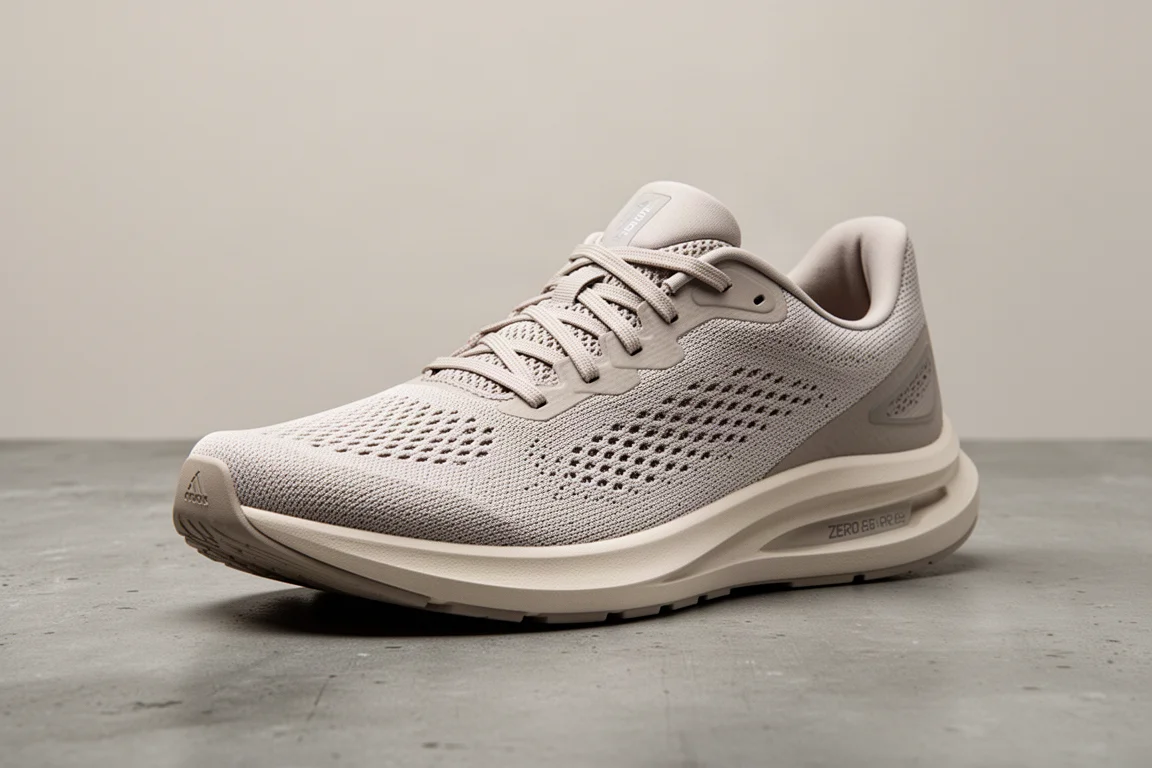
The Magnifly 4 from Topo shares the same broad recipe as the Paradigm: a slightly higher stack, a zero-drop platform, and a roomy forefoot, with a daily-trainer personality rather than a heavy stability focus. Where the Paradigm adds guide rails and a wider platform through the midfoot, the Magnifly keeps things simpler and lighter on its feet, which makes it a good companion for runners who like the zero-drop feel without much built-in steering.
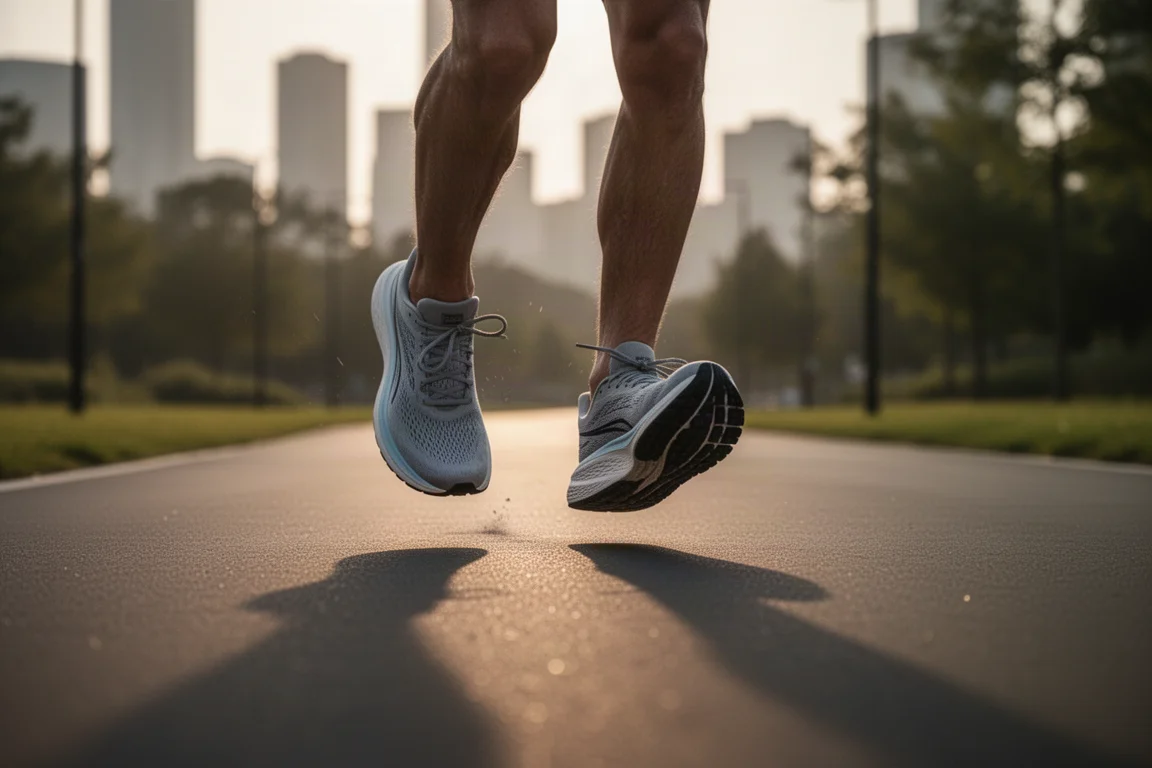
Side by side, the two shoes made an interesting comparison pair. If you want some guidance and cushion in a zero-drop package, the Paradigm 6 is the stronger pick; if you want a more conventional zero-drop daily trainer with a roomy forefoot, the Magnifly 4 covers that role well.
Altra Lone Peak 5: The Through-Hiker Favorite
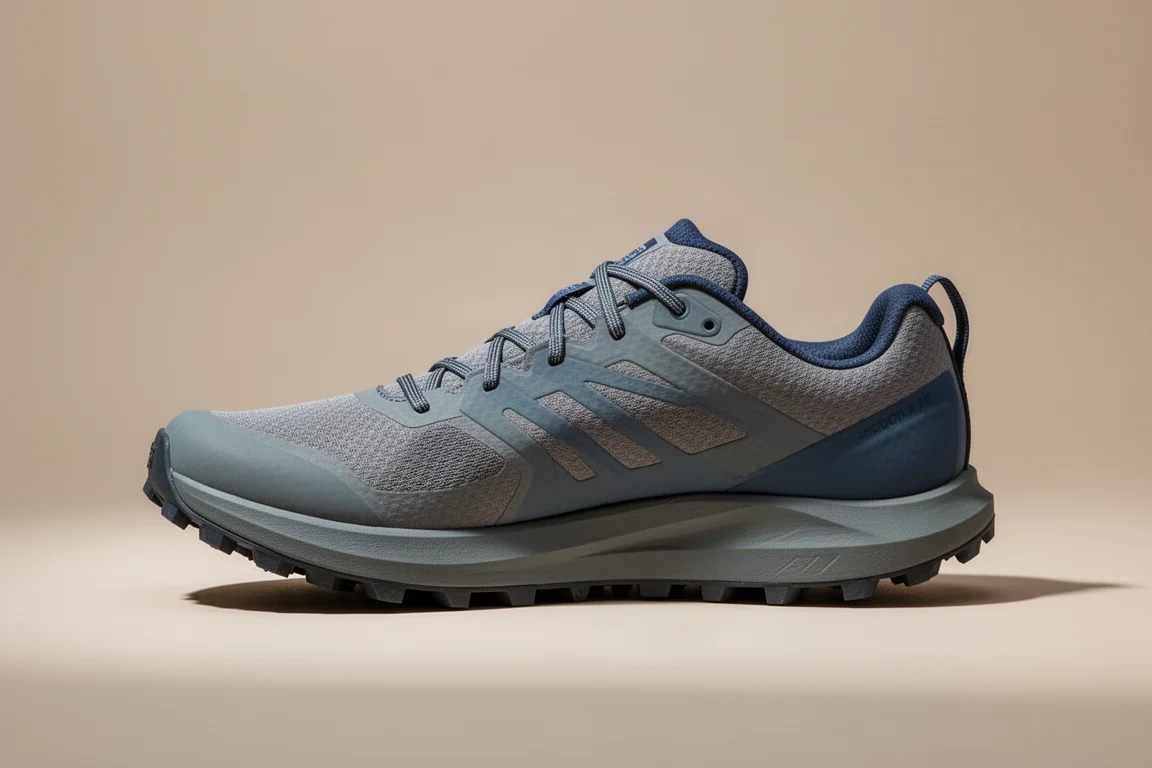
The Lone Peak 5 is the odd one out in this trio, and deliberately so. It uses a softer midsole than the Paradigm 6’s Egomax, which underfoot feels noticeably plusher, partly because there is less of it. The trade-off is fit: the heel is wider than the Paradigm’s by a fair margin, which is superb for walking comfort and less ideal for running, where it can let the foot wander on uneven ground.
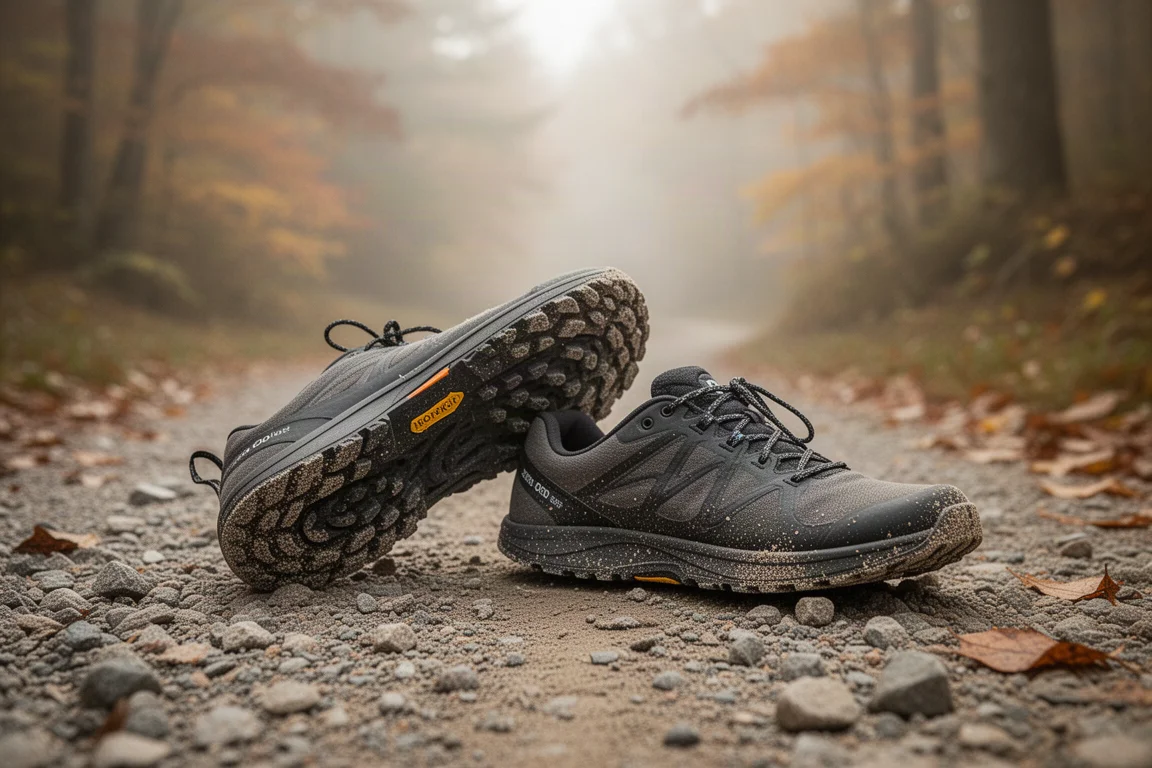
It is easy to see why the Lone Peak has been a top choice among Appalachian Trail through-hikers for years. As a walking shoe, especially for long days on varied terrain, it is extremely comfortable. As a running shoe, it rewards wide feet and patience with heel lockdown.
How to Transition to Zero-Drop Running Safely
The main difference with zero-drop geometry is the demand placed on the Achilles and calves, both in range of motion and in workload. A sensible transition starts before your first run: wear the shoes for daily walking and standing for the first couple of weeks so your body adapts to the new geometry.
From there, take a short first run, then rest the shoe for several days before running in it again. Tendons need roughly 36 to 52 hours to remodel their collagen after loading, so spacing out early zero-drop runs and keeping a 10 to 20 percent weekly mileage increase in the shoe is a reasonable guideline. Daily calf raises, some light plyometric work, ankle mobility, and single-leg balance practice all help prepare the tissues, and remember that muscles take six to twelve weeks to genuinely strengthen, so patience pays off. Encouragingly, the Paradigm 6’s firmer, higher-cushioned platform and smooth transitions make it one of the more approachable zero-drop shoes to adapt in, even for runners who have never worn the category before.
Conclusion
These three zero-drop shoes cover distinct needs. The Altra Paradigm 6 is the pick for runners who want premium cushion, real guidance, and a roomy toe box in one shoe, and it is forgiving enough for neutral runners too. The Topo Magnifly 4 is the cleaner, simpler zero-drop daily trainer. The Altra Lone Peak 5 remains the comfort-first choice for hikers and walkers who value soft cushion and maximum room over running precision. Match the shoe to the job, take your transition slowly, and any of the three can earn a long-term spot in the rotation.
Further reading
Related Reviews

Running Shoes
Best Road-to-Trail Running Shoes: Three Versatile Options for Mixed Terrain
A practical guide to three road-to-trail running shoes that handle both pavement and mild trails, with clear strengths and trade-offs for different runner types.

Running Shoes
Best Running Shoes for Achilles Tendonitis: Three Options Explained
Three running shoes with different heel drops and support features designed to help reduce Achilles tendon pain during walking and running.

Running Shoes
Best Running Shoes for Women: Five Top Choices Ranked
A ranked guide to five women's running shoes, from versatile daily trainers to high-performance racing options, with real strengths and trade-offs for each.