Running Shoes
Altra Paradigm 6 Review: A Zero-Drop Stability Shoe for Recovery Miles
Altra's Paradigm 6 pairs gentle guide rail stability with a grippy FootPod outsole and Ego Max cushioning, but the upper fit raises some sizing questions.
Introduction
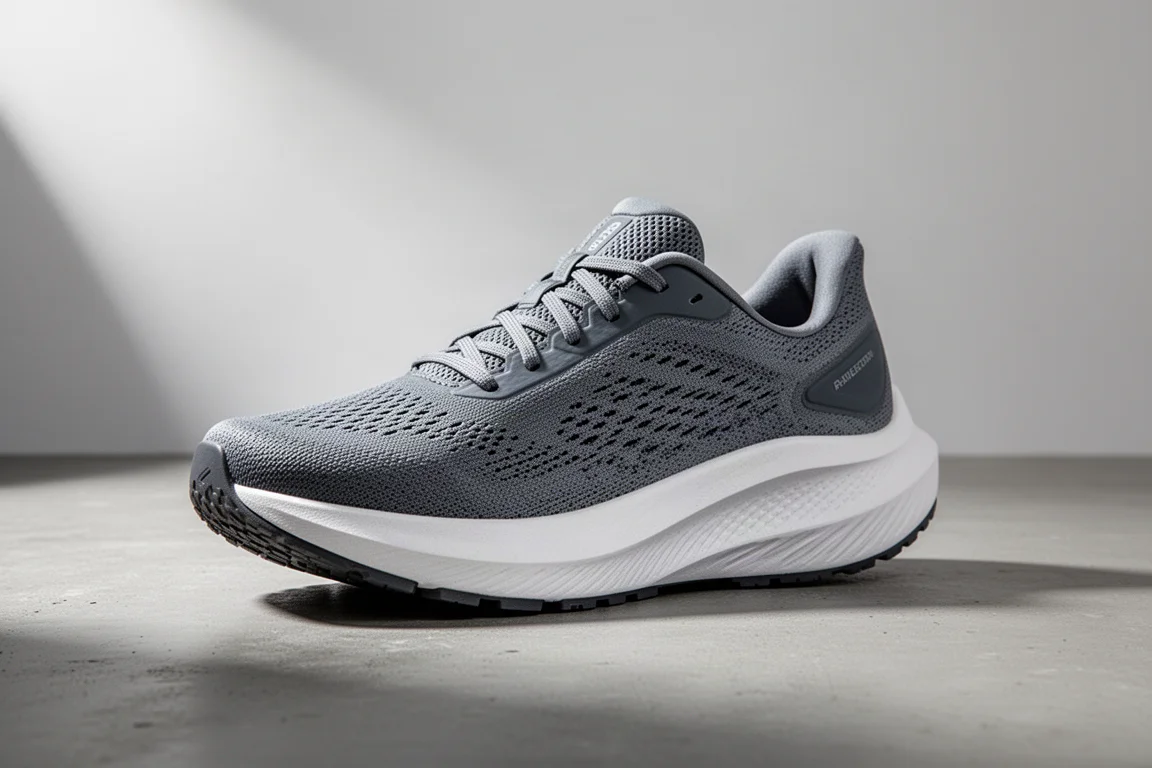
Altra built its reputation on zero-drop running shoes, meaning the slope from heel to toe inside the shoe is completely flat. While most traditional running shoes sit at a 4, 6, 8, or even 10-12 millimeter drop, Altra keeps the foot level, which many runners use to stretch out the lower leg and let the foot splay naturally in a wide toe box.
The Paradigm 6 is Altra’s gentle stability shoe, built around guide rail technology in the midsole. After roughly 50 miles of testing, including winter running on snowy and icy pavement in Denver, it earns a solid if imperfect 6.9 out of 10. The traction and midsole are the highlights. The upper is where things get complicated.
Who This Shoe Is For
This is a shoe for stability runners who want a zero-drop platform and a soft, forgiving ride for recovery days and easy mileage. If you are an Altra fan, chances are you already appreciate the wide toe box and the way these shoes let your foot work naturally: splaying, striking, and pushing off without the shoe dictating every step.
For runners who rotate through multiple shoe models, the zero-drop feel becomes especially noticeable. Moving between a traditional 4 millimeter drop shoe and a true zero-drop shoe like the Paradigm 6 changes how the lower leg loads, which is exactly why it works well as a recovery-day option.

Main Strengths
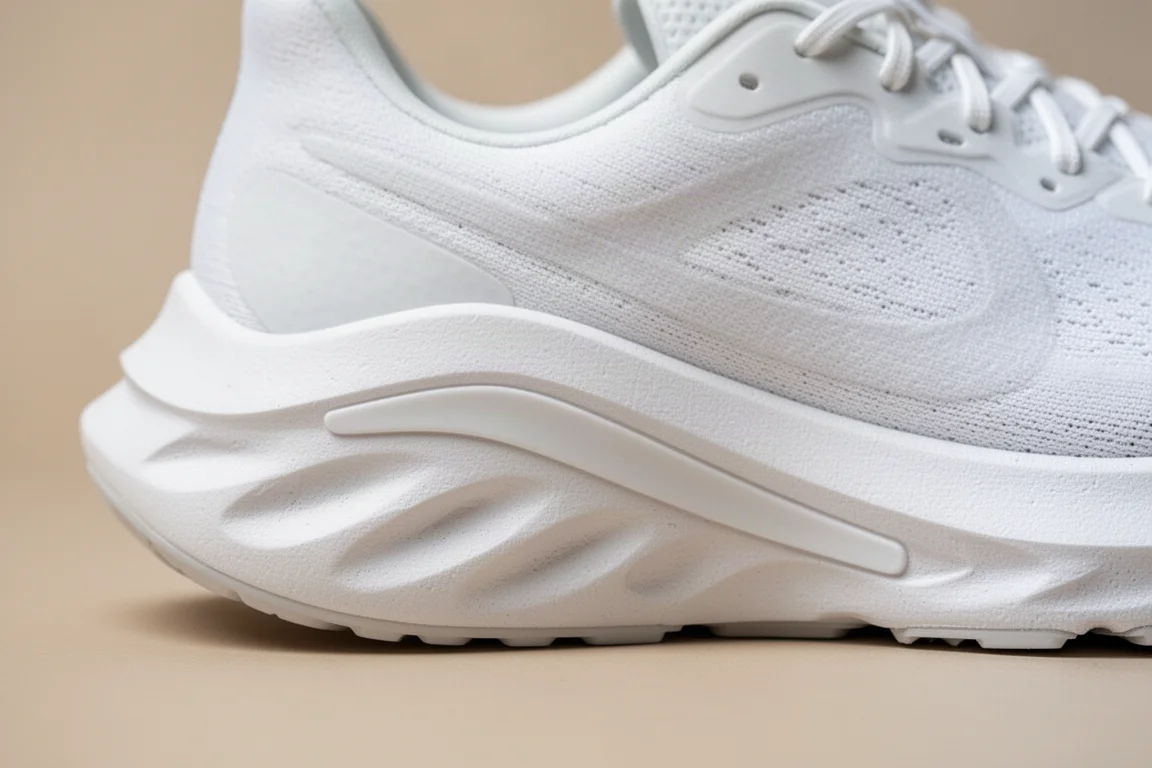
The midsole uses Altra’s Ego Max foam, and it delivers a genuinely nice ride. It is not in the ultra-soft category; durometer readings land around 42 to 45 in the heel and roughly 37 under the forefoot, so it sits firmly in the moderately plush zone. What matters more in practice is the energy return: the foam feels lively underfoot without being mushy, and it works beautifully for easy, relaxed running.
Stability comes from guide rails through the midsole rather than a hard medial post. The idea is gentle guidance rather than correction, which pairs well with Altra’s natural-foot philosophy.
Upper and Fit
The upper is an engineered mesh, and it is the weakest part of this shoe. The tongue is not gusseted, and there is noticeable slop through the end of the eyelet chain. Tested true to size, the fit felt roomy to the point of swimming in the upper. The practical recommendation: go at least a half size down, possibly a full size, keeping in mind that some Altra models do not offer half sizing at all.
One nuance: with thick winter running socks, the true-to-size fit actually worked much better, so intended sock thickness should factor into your sizing decision. The heel counter also lacks structure, which is a bit of a missed opportunity for a stability shoe that could benefit from a touch more rearfoot support.
Outsole and Traction
The FootPod outsole was the standout of the entire test. Rubber coverage is not plastered across the entire sole, but the grip is exceptional. Across about 50 miles of testing on slushy, slick snow and packed ice, the shoe felt completely confident without micro spikes. This is a genuinely trustworthy winter running outsole.
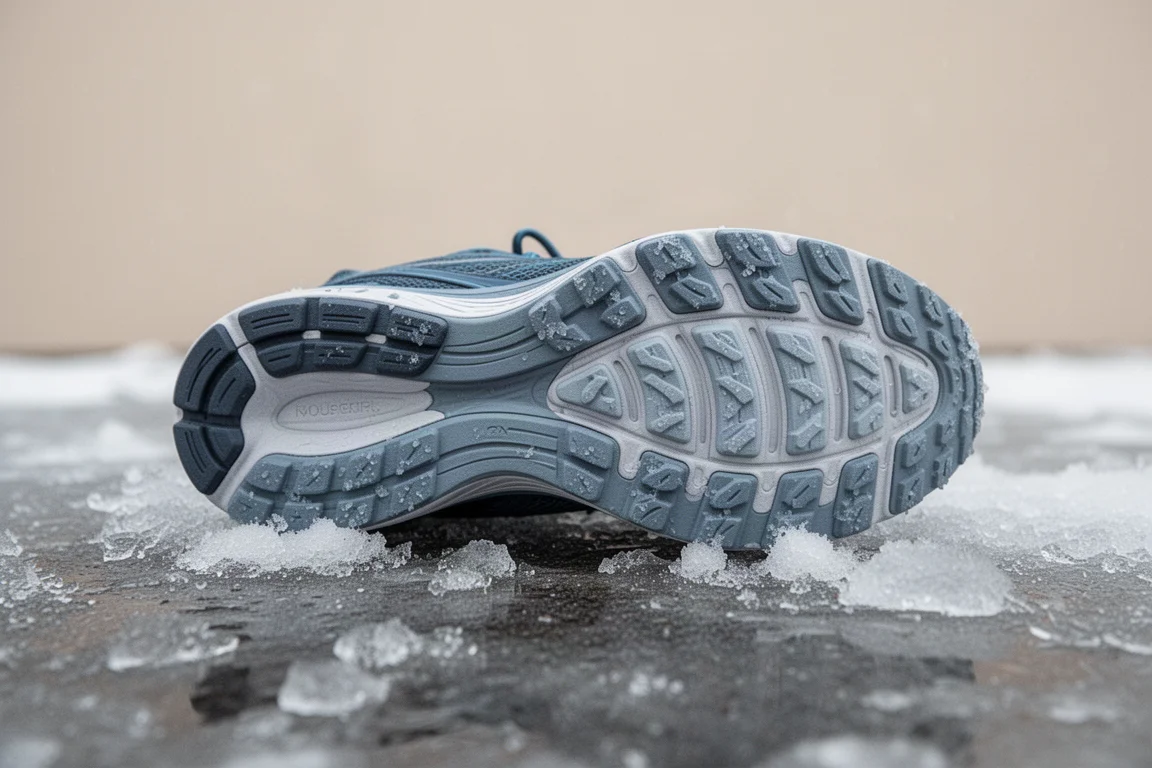
Flex grooves in the outsole let the foot flex and splay naturally, supporting Altra’s core design thesis: let your foot strike the ground and push off on its own terms. If you want to stay in charge of your foot strike rather than have the shoe control it, that design approach is worth considering.
Things to Consider Before Buying
Fit is the main caveat. If you order true to size and wear thin socks, expect a loose upper. The twisting flexibility of the shoe is also higher than expected for a stability model, likely connected to the flex grooves, so runners wanting a rigid platform should look elsewhere.
Then there is the price. At around $170, it sits well above the typical $140 to $155 range for many stability shoes. The encouraging news is durability: after 50 test miles, the midsole shows essentially zero breakdown and the outsole still looks excellent, so the shoe should deliver plenty of miles for the money, especially if bought on sale.
Buying Advice
Despite the 6.9 out of 10 score, the verdict on repurchasing is straightforward: yes, 100 percent, particularly on sale. The combination of Ego Max cushioning, gentle guide rail stability, and outstanding traction makes this an easy recommendation for recovery miles and winter easy runs, as long as you size with intent.
If you are new to Altra, take the half-size-down advice seriously and consider how you will actually use the shoe. Thick socks in winter, true to size; thin socks and summer running, size down. And if you want to be in charge of your own foot strike rather than having the shoe dictate it, the Paradigm 6’s natural-flex design is a genuinely useful tool.
Conclusion
The Altra Paradigm 6 is a well-cushioned, gently stable zero-drop shoe with a legitimately excellent outsole for slippery conditions. The loose upper and premium price keep it from breaking into the sevens, but for recovery runs and winter mileage, it earns its place in a shoe rotation.
Product link
View more details for Altra Paradigm 6
This product is mentioned in the review. Check the specifications, options, and compatibility before buying.
View more details for Altra Paradigm 6Further reading
Related Reviews

Running Shoes
Best Road-to-Trail Running Shoes: Three Versatile Options for Mixed Terrain
A practical guide to three road-to-trail running shoes that handle both pavement and mild trails, with clear strengths and trade-offs for different runner types.

Running Shoes
Best Running Shoes for Achilles Tendonitis: Three Options Explained
Three running shoes with different heel drops and support features designed to help reduce Achilles tendon pain during walking and running.

Running Shoes
Best Running Shoes for Women: Five Top Choices Ranked
A ranked guide to five women's running shoes, from versatile daily trainers to high-performance racing options, with real strengths and trade-offs for each.