Trail Running Shoes
Altra Lone Peak 8 Review: A Natural-Feeling Daily Trail Shoe
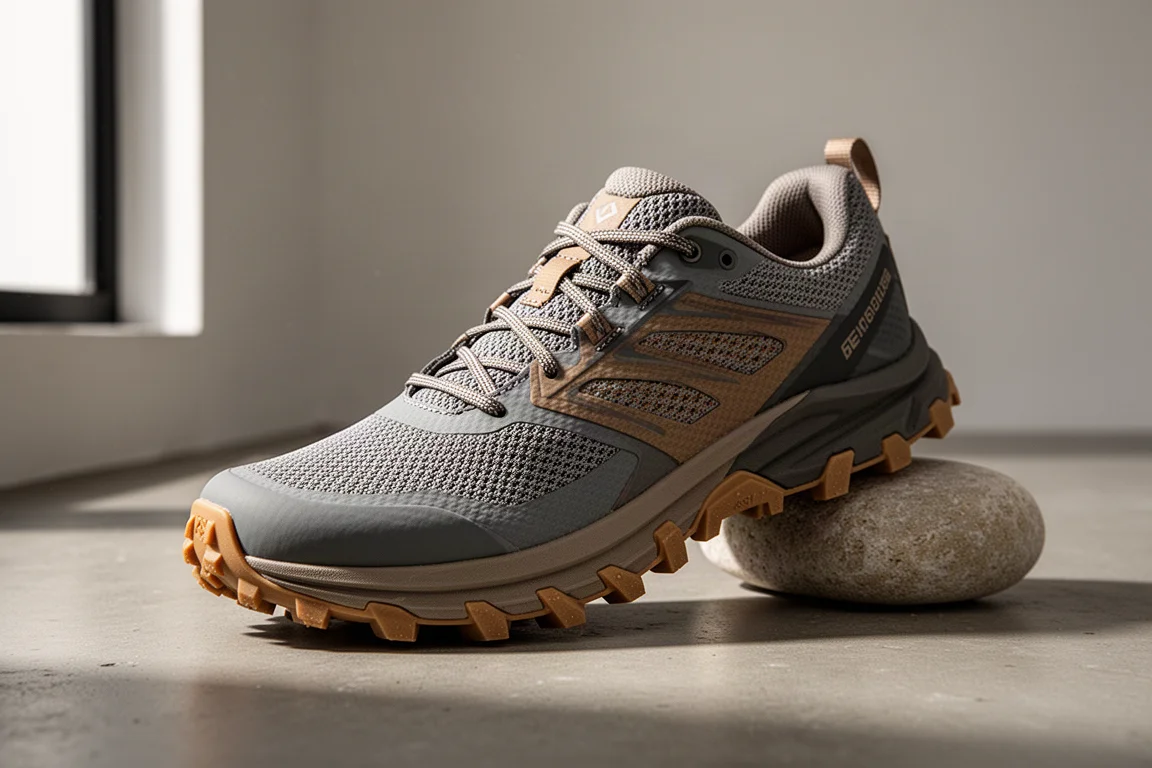
Initial impressions of the Altra Lone Peak 8: a zero-drop trail runner with a wide toe box, sticky MaxTrac outsole, and a grounded ride for everyday trail use.
Introduction
The Altra Lone Peak has been a fixture in the trail running world for a long time, and the Lone Peak 8 continues that lineage as a favorite for many trail runners. This first-look review is based on an initial run of just over 7 miles with around 1,100 ft of gain and loss, mostly on runnable fire road and single track with a couple of winding turns, one rocky section, and a few wet stretches after recent rain.
In a men’s size 9, the shoe weighs 10.7 oz (303 g) with a 25 mm heel stack and 25 mm forefoot stack, giving it the 0 mm drop platform Altra is known for. It is a relatively low-riding shoe, but that does not stop it from being a genuinely good daily trail option.
Who This Shoe Is For
The Lone Peak 8 suits runners who want a natural, grounded trail experience rather than a plush, super-cushioned ride. If you like feeling connected to the ground and you are comfortable with a zero-drop platform, this shoe is an easy one to like. It is positioned as a daily trail shoe, and the ride is forgiving enough for most runs, especially for runners who are already used to this style of shoe.
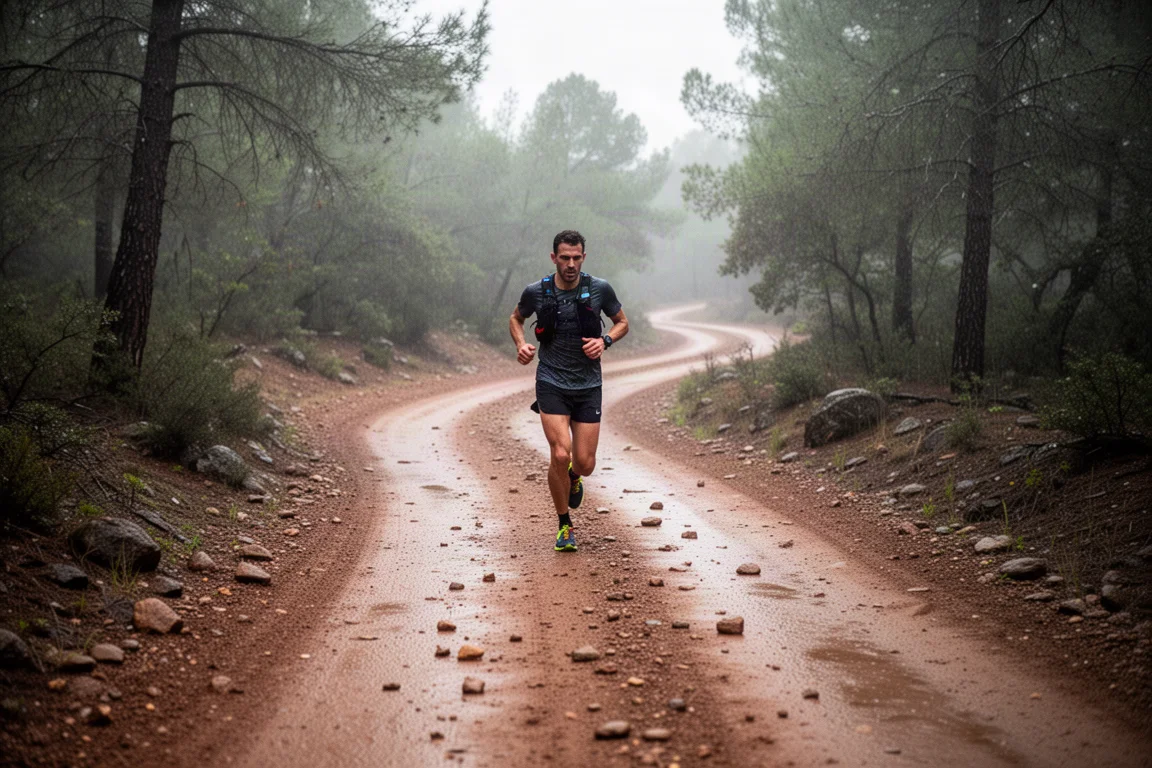
Runners who value a wide, anatomical toe box will also feel at home here. Altra uses its original foot shape fit rather than the slimmer alternative options, so there is plenty of room up front for toes to splay.
On-Trail First Impressions
The standout impression from the first run was how natural the shoe felt, almost like an extension of the foot. The ride is low to the ground, but there is still enough cushioning underfoot for most trail runs, and the platform inspires confidence on runnable terrain.
Ride and Midsole Feel
The Lone Peak 8 uses an Altra Ego midsole, which delivers a fairly standard EVA feel rather than a bouncy super foam. There is no plate, and the geometry is decidedly flat: there is only a very slight bevel and a very slight toe spring, with a little flexibility up front as well.
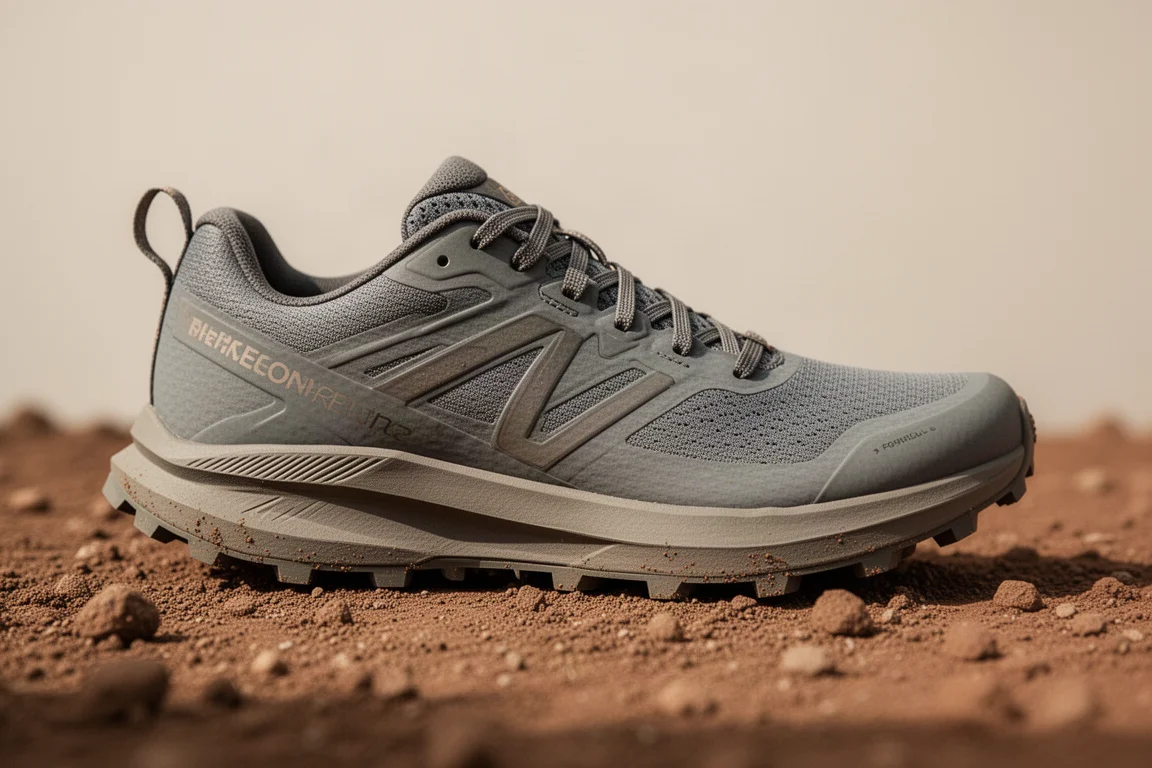
That flat, flexible character is exactly what gives the shoe its grounded feel. On winding turns and uneven stretches, the shoe keeps you connected to the trail instead of isolating you from it, which many natural-feel seekers will appreciate.
Upper Fit and Lockdown
Upper security was genuinely good. The engineered mesh provides solid lockdown through the midfoot, which has not always been a consistent strength across Altra’s lineup, so this is a welcome refinement.
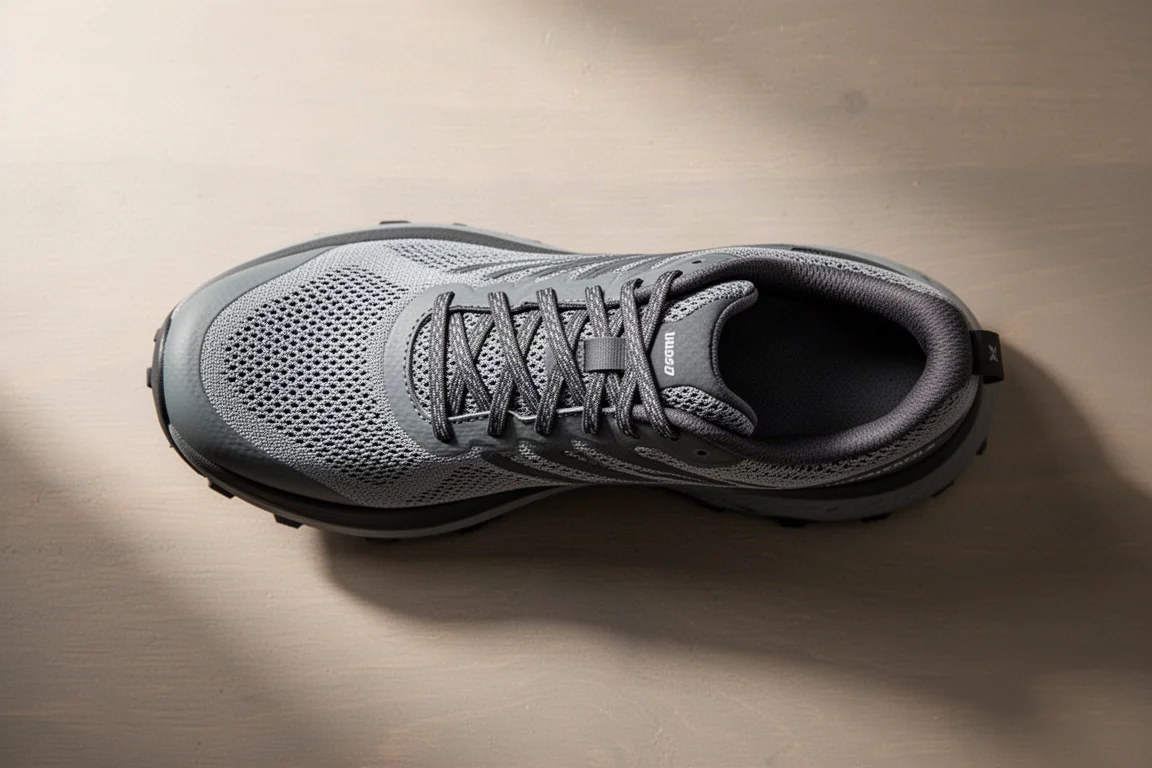
The extended heel flare where the upper meets the outsole did not cause any irritation during the run and worked well in practice. Combined with the roomy original-fit toe box, the overall fit felt secure without feeling cramped.
Outsole Grip and Traction
The MaxTrac outsole felt very sticky and dependable across the test run. In the tighter turns there was confidence to lean into corners without much slipping, and the wet sections were handled without drama.
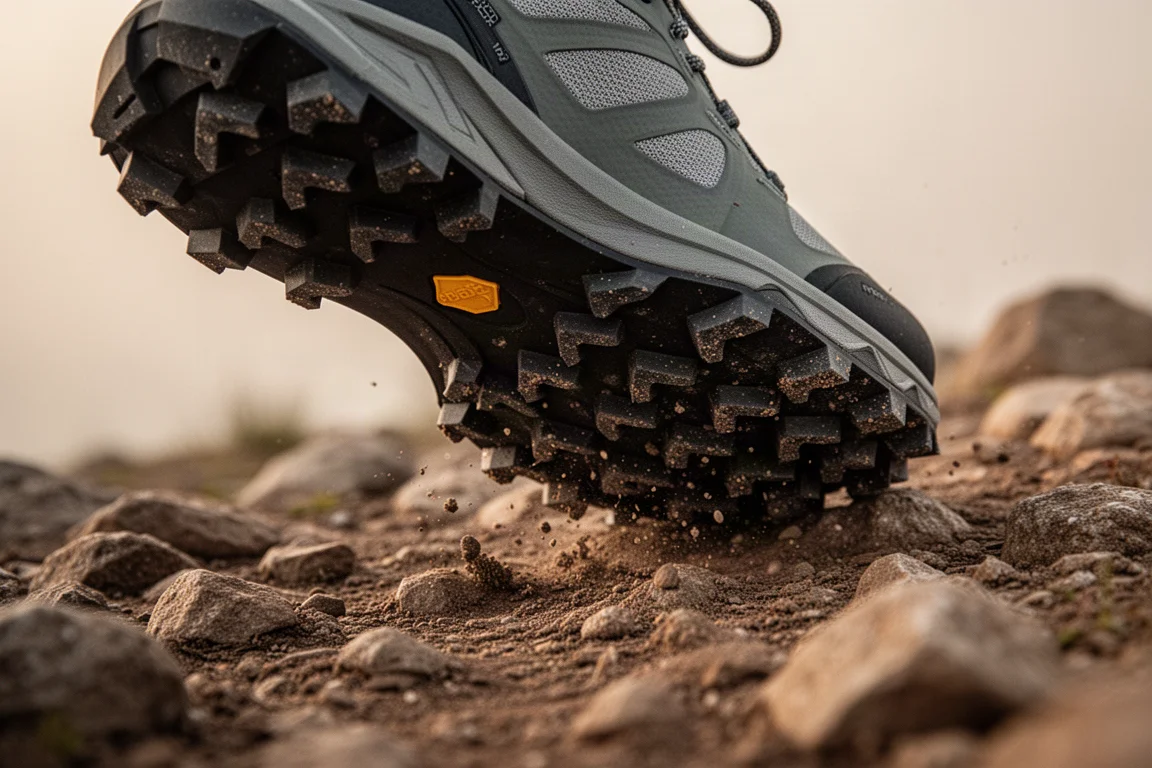
Traction is one of the clearest reasons to consider this shoe if your trails include mixed surfaces, damp conditions, and occasional rocky patches that are still mostly runnable.
Things to Consider Before Buying
This is not a max-cushion shoe, and the EVA-based midsole is not designed to feel bouncy. Runners who want a softer, more energetic ride from a plated or super foam trainer should look elsewhere. It is also a flat, low-riding platform, so anyone not used to zero-drop shoes may want to transition gradually.
Buying Advice
If your priority is a reliable daily trail shoe with a natural ride, a secure midfoot, a wide toe box, and sticky traction, the Lone Peak 8 makes a strong case. The stack and weight are modest, but the shoe rewards runners who value ground feel and consistency over plushness. For anyone already comfortable with Altra’s fit and zero-drop geometry, this latest version looks like an easy upgrade to consider.
Conclusion
The Altra Lone Peak 8 delivers what the line has always promised: a natural, connected trail ride with dependable MaxTrac grip, a roomy original foot shape fit, and improved midfoot lockdown. Initial impressions are very good, and as a daily trail shoe it is easy to recommend to runners who like a low, grounded platform.
Product link
View more details for Altra Lone Peak 8
This product is mentioned in the review. Check the specifications, options, and compatibility before buying.
View more details for Altra Lone Peak 8Further reading
Related Reviews
Trail Running Shoes
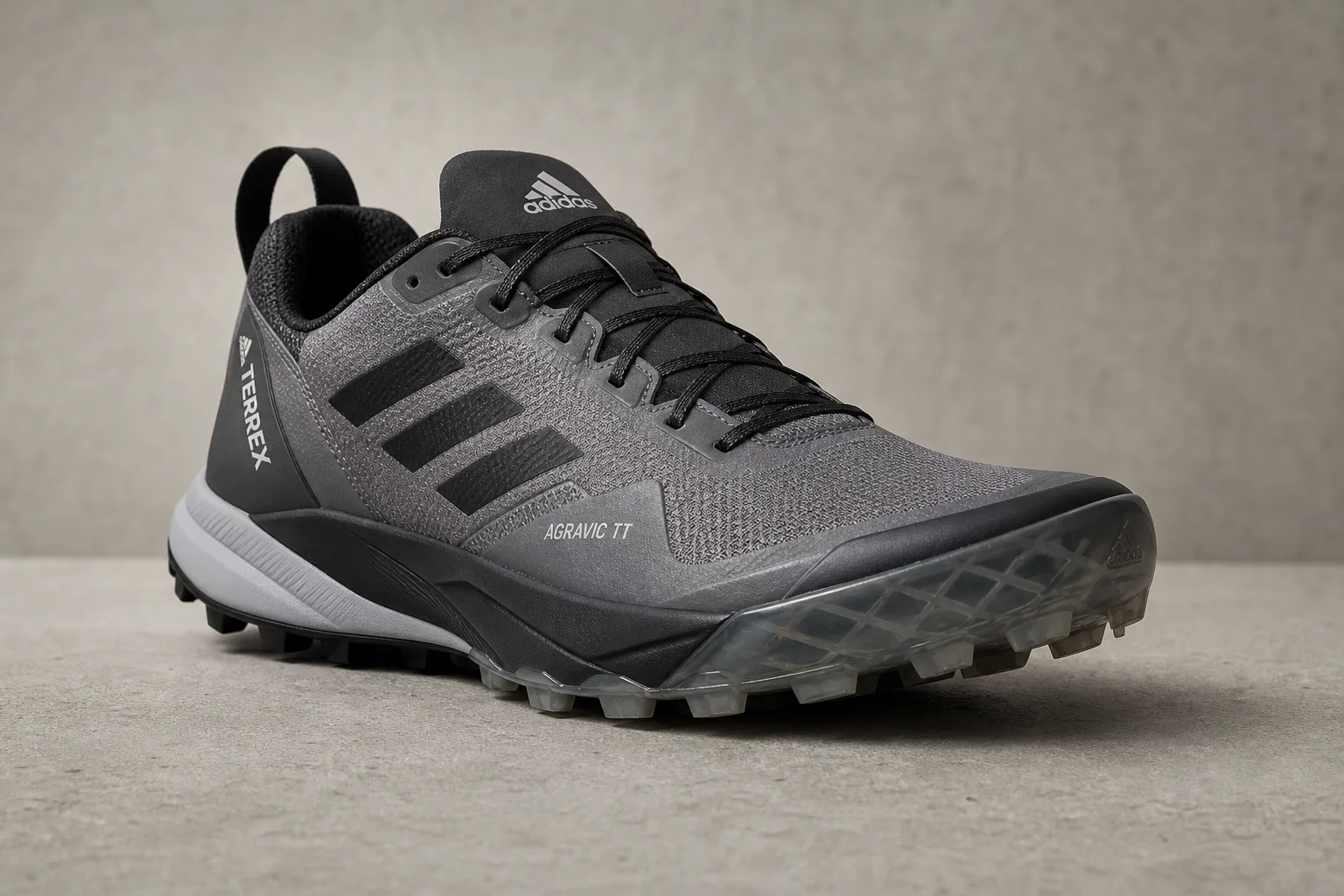
Adidas Terrex Agravic TT Review: A Technical Trail Shoe Built for Rocky Terrain
The Adidas Terrex Agravic TT combines a full-coverage rock plate with a firmer midsole to deliver protection and stability on technical, rocky trails. A capable choice for runners who prioritize underfoot defense over lightweight cushioning.
Trail Running Shoes
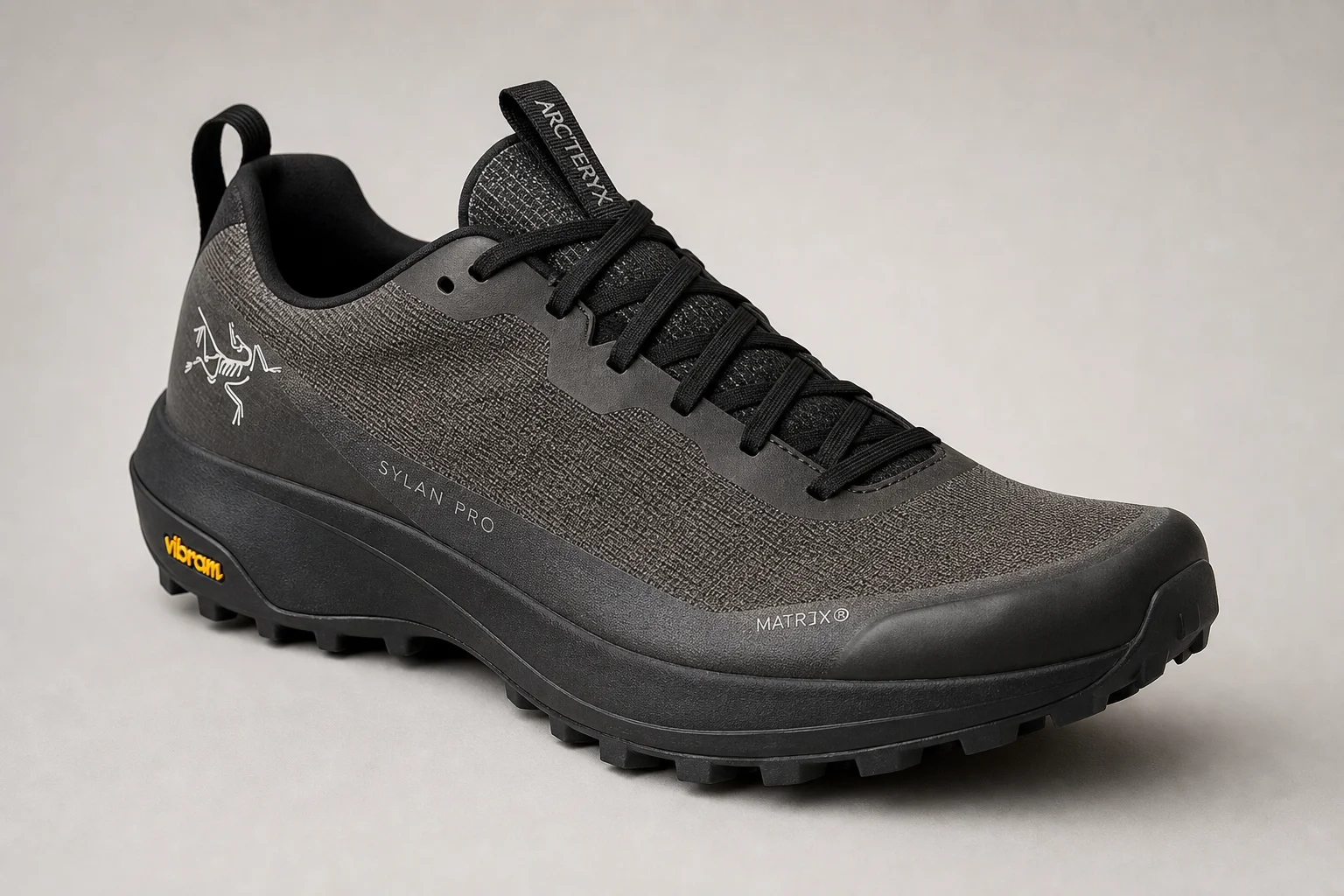
Arc'teryx Sylan Pro Review: A Rocker-Focused Mountain Running Shoe Tested on 20 Miles
The Arc'teryx Sylan Pro brings a pronounced rocker geometry and secure fit to mountain terrain. We tested it on a 20-mile Sawtooth loop to evaluate its climbing efficiency, protection, and handling of technical descents.
Trail Running Shoes
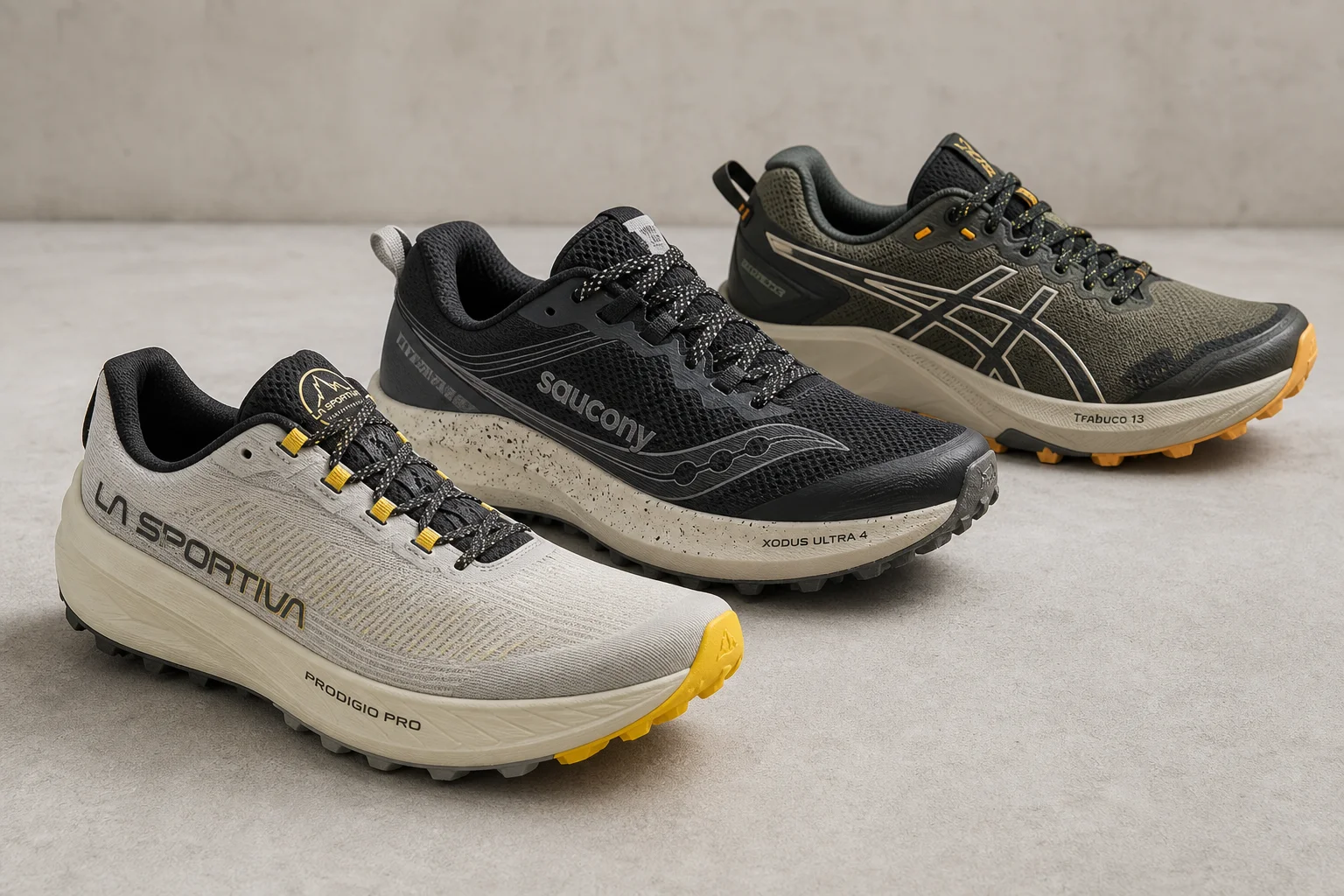
Best All-Mountain Trail Running Shoes: Three Versatile Options for Any Trail
A focused roundup of three all-mountain trail running shoes that handle technical terrain, long distances, and variable conditions with real strengths and practical trade-offs.