Trail Running Shoes
Altra Lone Peak 7 First Run: Back to Altra's Most Popular Trail Shoe
A 12-mile test across Cornish coast path, mud, wet rock and snow. Strong lockdown and superb grip on rock, with a couple of caveats worth knowing.
Introduction
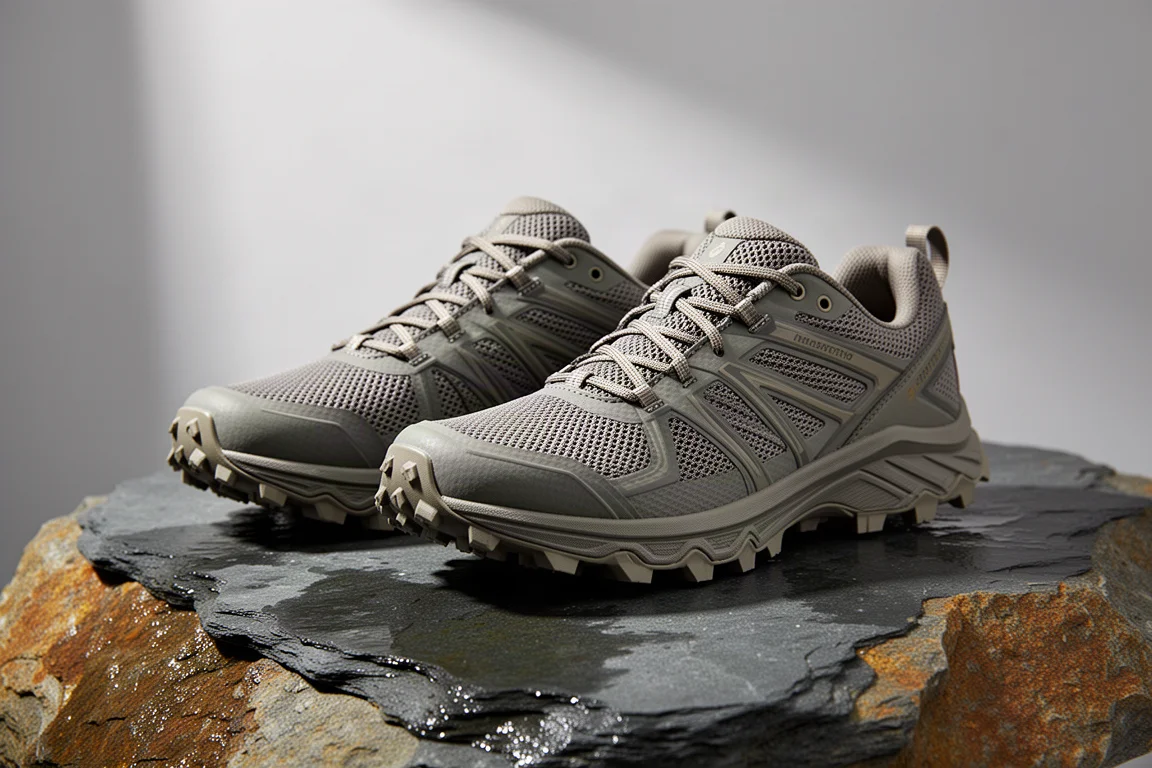
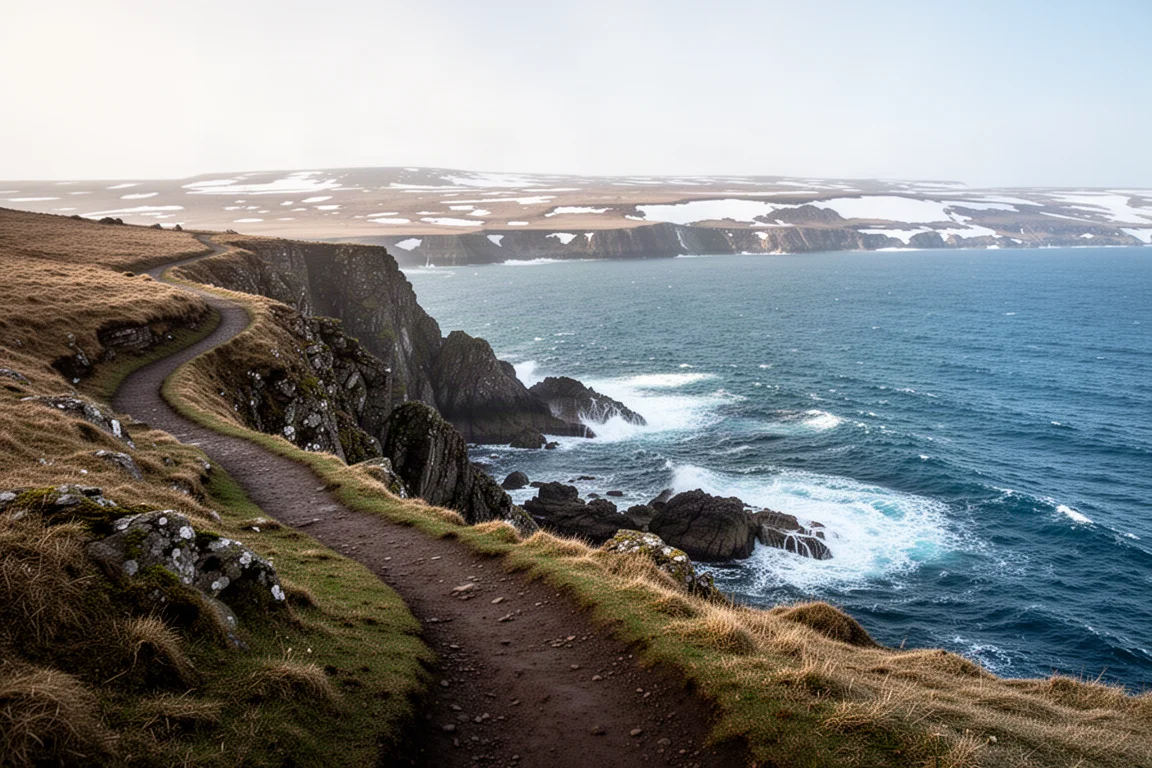
Two Altra shoes arrived at the same time, and the one that got its first outing was the Lone Peak 7, the latest version of the brand’s most popular trail running shoe. The test route delivered about as thorough a first-run trial as you could ask for: a 12-mile loop covering tarmac, wet grass, gravel, rocky trail, boggy mud and even snow, finishing along a demanding stretch of Cornish coast path.
Altra’s approach is easy to summarise. The shoes use a distinctive foot-shaped design with a very wide, high-volume toe box so feet can splay and spread under load, paired with a zero-drop platform: the same height under the heel as under the forefoot, with no heel offset. The Lone Peak 7 follows that formula in its newest form.
Lone Peak 7 Specs and Construction
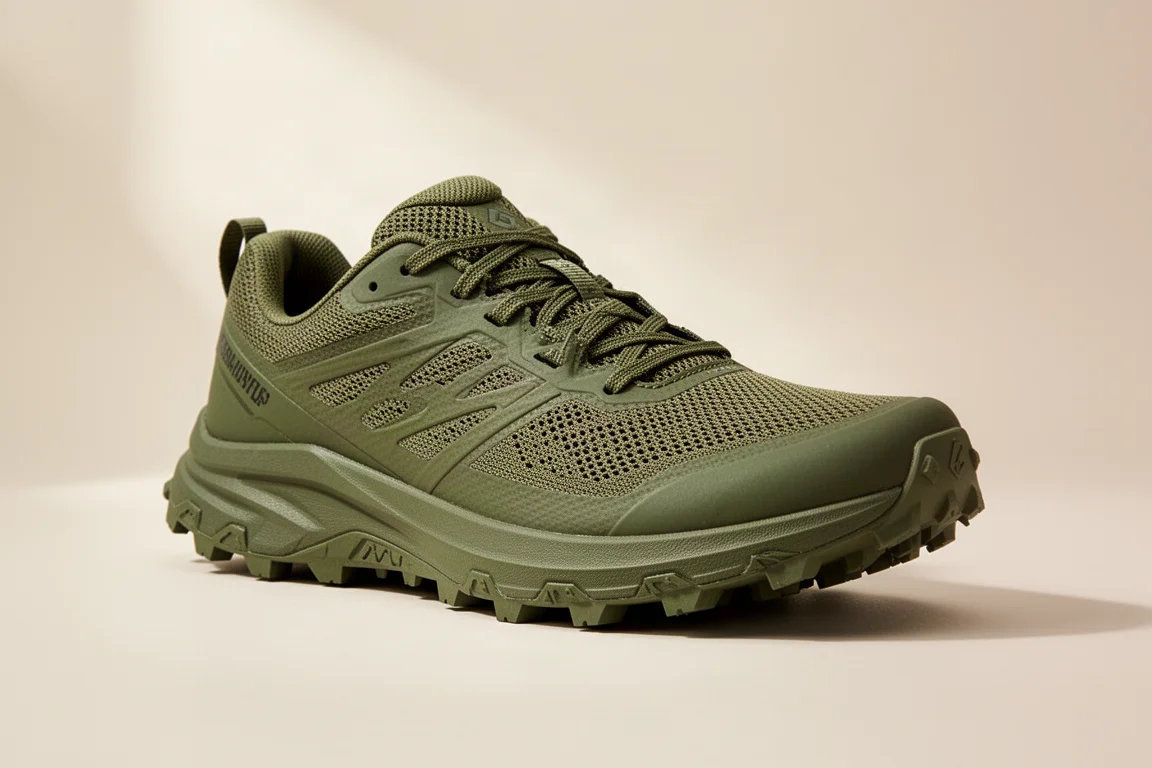
The numbers first. The Lone Peak 7 retails for £135 in the UK, weighs 320 grams in a men’s UK 9.5, and carries a 25mm stack height in the midsole. The outsole lugs measure roughly 3 to 4mm deep, measured the old-fashioned way with a ruler since Altra doesn’t publish much detail there.
The upper is a quick-drying, seamless, stitch-free design that feels lightweight but durable, with plenty of padding around the ankle collar and in the gusseted tongue. Two pull tabs, one on the heel and one on the tongue, make the shoe easy to get on. Structural overlays start at the heel, wrap around the midfoot and toe box, and there is added reinforcement around the lace eyelets. A substantial heel cradle wraps the back end for stability, and Altra’s gaiter attachment system rounds out the upper.
Underneath, the Ego Max midsole is designed to balance comfort, connection, durability and energy return, and the outsole is a redesigned MaxTrac rubber compound that Altra claims is the grippiest, stickiest outsole ever fitted to the Lone Peak.
First Impressions on the Trail
Conditions on the first run were brutal. Overnight rain left the inland fields soaked and boggy, and an unexpected layer of snow sat on the ground. Feet were wet and icy cold within the first few miles, which made it a genuinely demanding environment for any trail shoe.
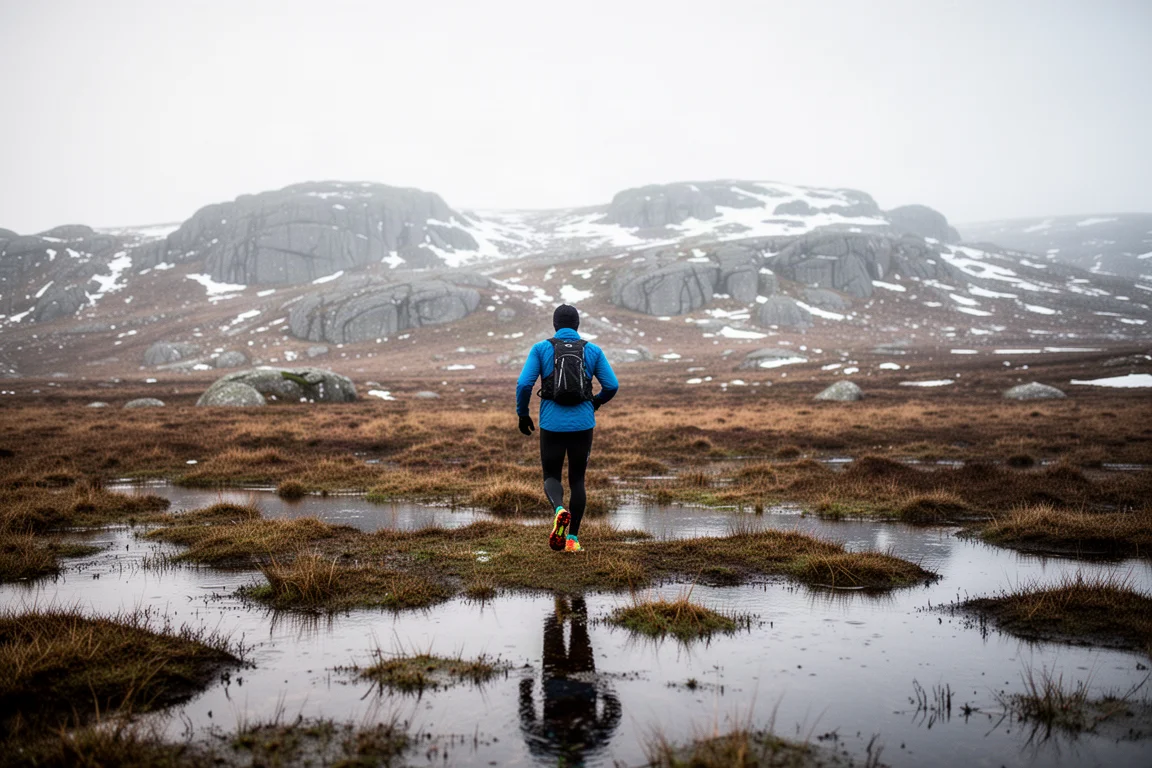
The good news: after a disappointing fit experience with the Altra Mont Blanc in the past, the Lone Peak 7 was a clear step forward. It locked down nicely around the midfoot, felt really secure in the heel, and hit just the right level of padding in the tongue and heel cradle. The upper also drained water surprisingly well, which was thoroughly tested.
Grip and Outsole Performance
The MaxTrac outsole was the standout. On wet, slippery rock along the coast path, the rubber felt remarkably sticky, and there was never a moment of doubting grip on rocky sections, wet or dry. The shoe felt planted and confident in exactly the conditions where grip matters most.
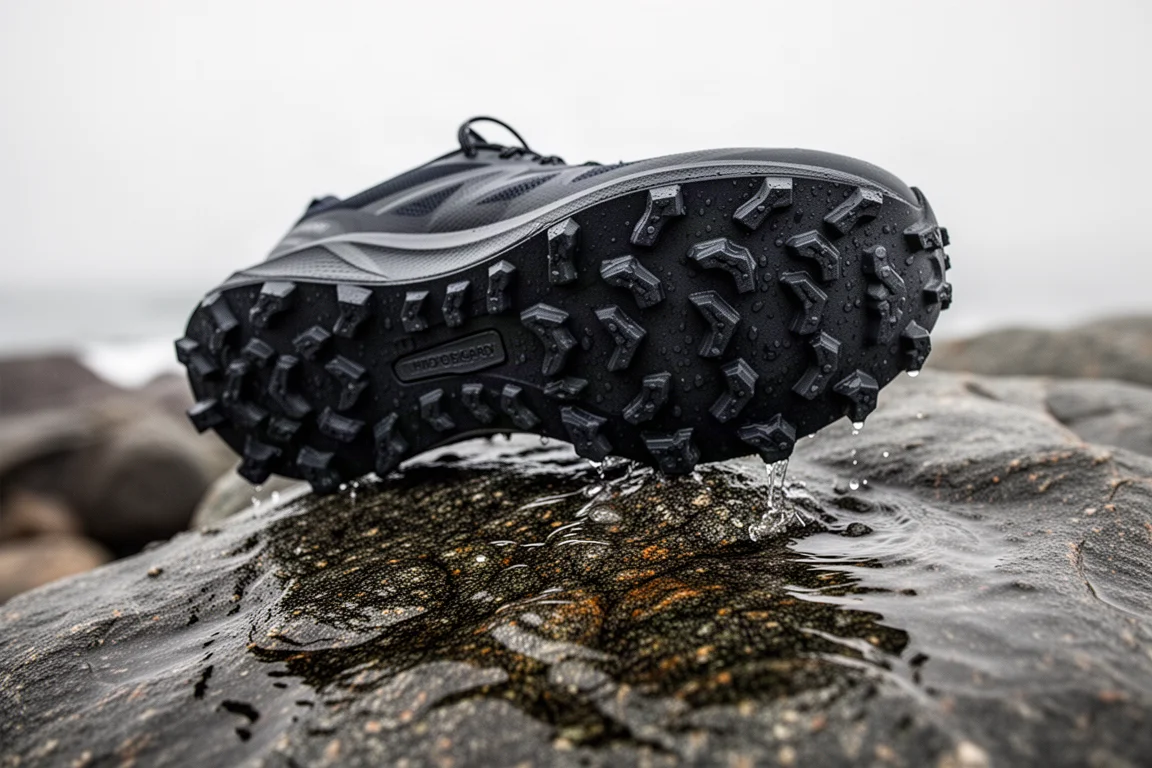
The one weakness showed up on boggy, muddy ground that was slightly off camber. With only 3 to 4mm of lug depth, the outsole simply isn’t built for deep mud on sloping terrain, and there were moments of hanging on for dear life. On flat muddy trails, traction was fine. This is a shoe for rocky and mixed trail, not a mud specialist.
Fit, Comfort and Ride Quality
The 25mm Ego Max midsole delivers a comfortable, well-connected ride rather than deep plushness. There is good underfoot protection and plenty of ground feel, which made the shoe feel stable on more technical trail. If you want noticeably more cushioning depth, Altra’s Timp line would be the natural step up. The included insole is a quality, plush footbed that clearly contributes to the ride quality.
Sizing proved to be true to size. They felt slightly short when first tried on indoors, but on the run the length was spot on. The foot-shaped upper delivers all that signature width and volume, keeping feet relaxed with no restrictions.
Two things worth flagging. The toe box is very soft, and clipping it against the coast path early in the run took some impact on the big toe; a firmer toe bumper would be welcome. And at 320 grams in a UK 9.5, the shoe runs heavier than its minimal, lightweight reputation suggests.
Overall Verdict on the Lone Peak 7
A genuinely strong first outing. Twelve miles of mixed terrain in the toughest conditions any first-run test here has covered, and the shoe was comfortable straight out of the box, gripped superbly on rock, and fit securely. Watch out for deep mud on off-camber ground, and expect a slightly heavier shoe than you might assume from the Lone Peak name. These are first impressions; a fuller verdict will follow once more miles are logged.
A Quick Word on the Altra Via Olympus
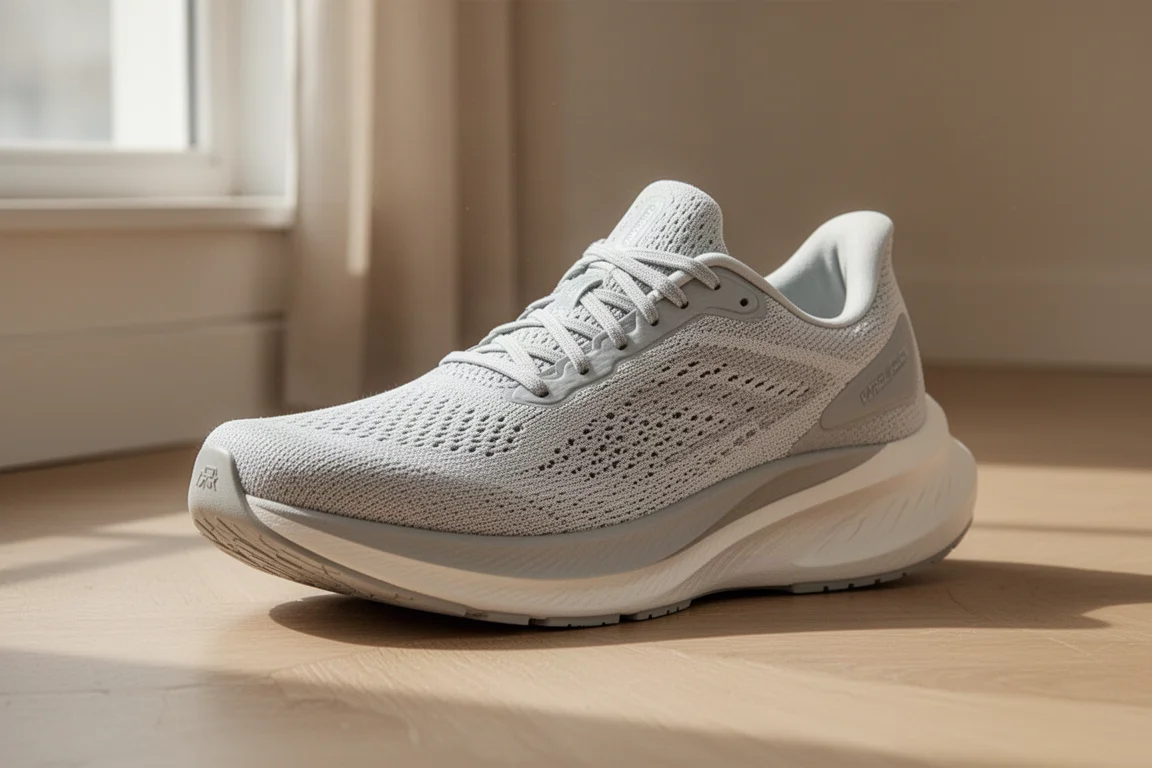
The second shoe Altra sent along was the Via Olympus, its new road running shoe built with a very deep level of cushioning. It has yet to go out for a first run, so a full breakdown is still to come, but on paper it positions itself at the opposite end of the cushioning spectrum from the Lone Peak 7: maximum plushness on tarmac rather than low-stack connection on trail.
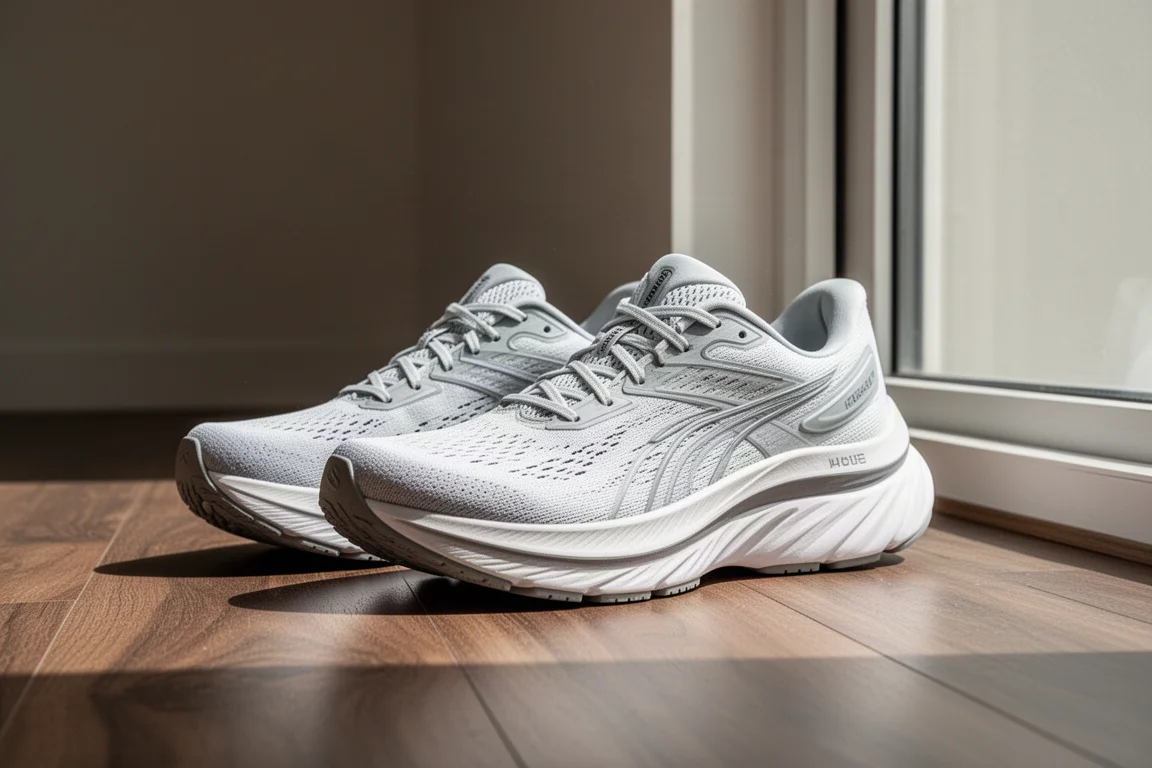
If a highly cushioned road trainer fits your running mix better than a trail shoe, it is one to watch, and a dedicated first-look will follow soon.
Conclusion
The Lone Peak 7 restores faith in Altra’s fit and lockdown, pairs a comfortable Ego Max ride with arguably the best wet-rock grip the line has had, and handles almost every trail condition thrown at it apart from deep, off-camber mud. Trail runners who favour a wide toe box, zero drop and rocky terrain will feel right at home, while anyone wanting more cushioning depth on the road side should keep an eye on the Via Olympus.
Further reading
Related Reviews
Trail Running Shoes
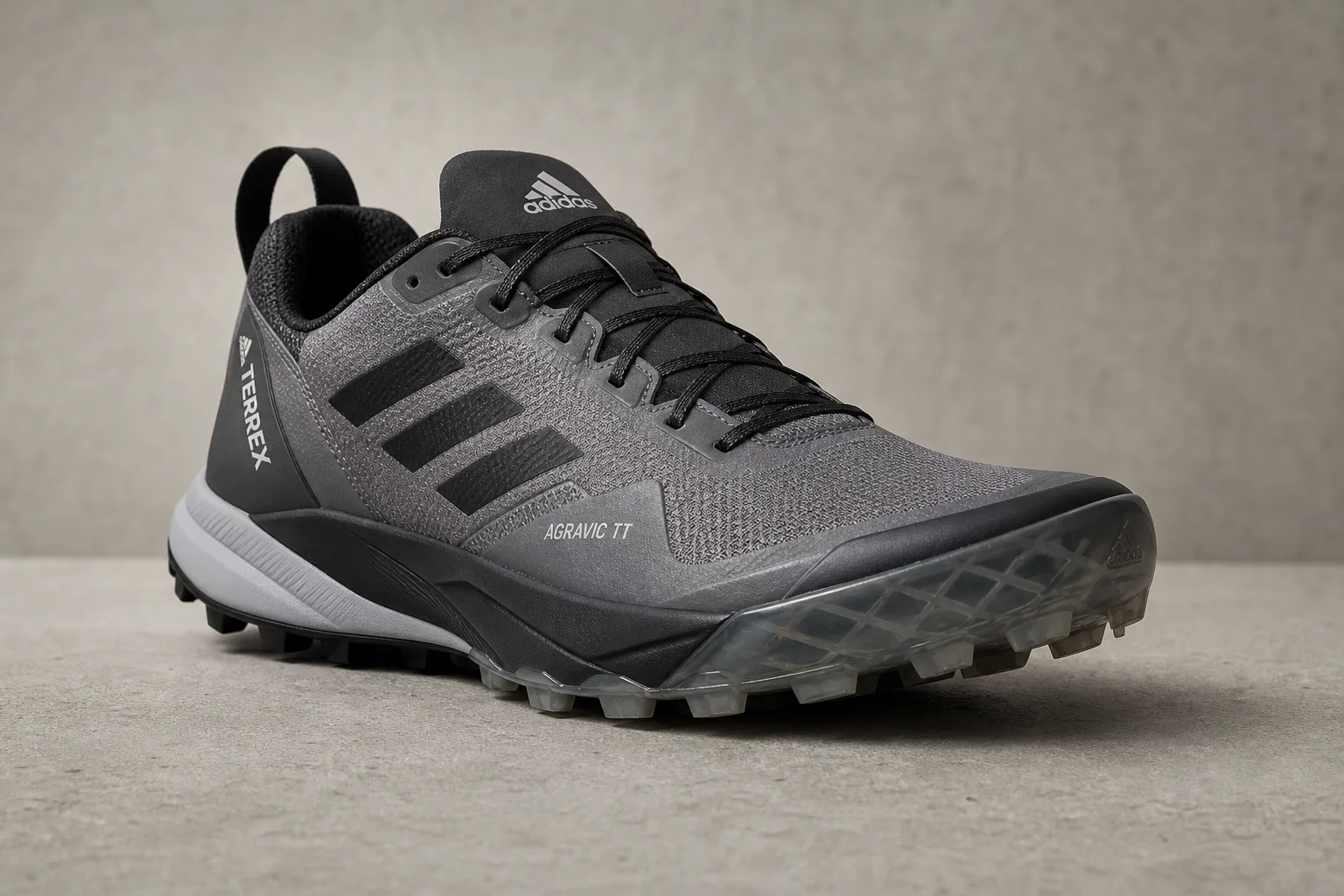
Adidas Terrex Agravic TT Review: A Technical Trail Shoe Built for Rocky Terrain
The Adidas Terrex Agravic TT combines a full-coverage rock plate with a firmer midsole to deliver protection and stability on technical, rocky trails. A capable choice for runners who prioritize underfoot defense over lightweight cushioning.
Trail Running Shoes
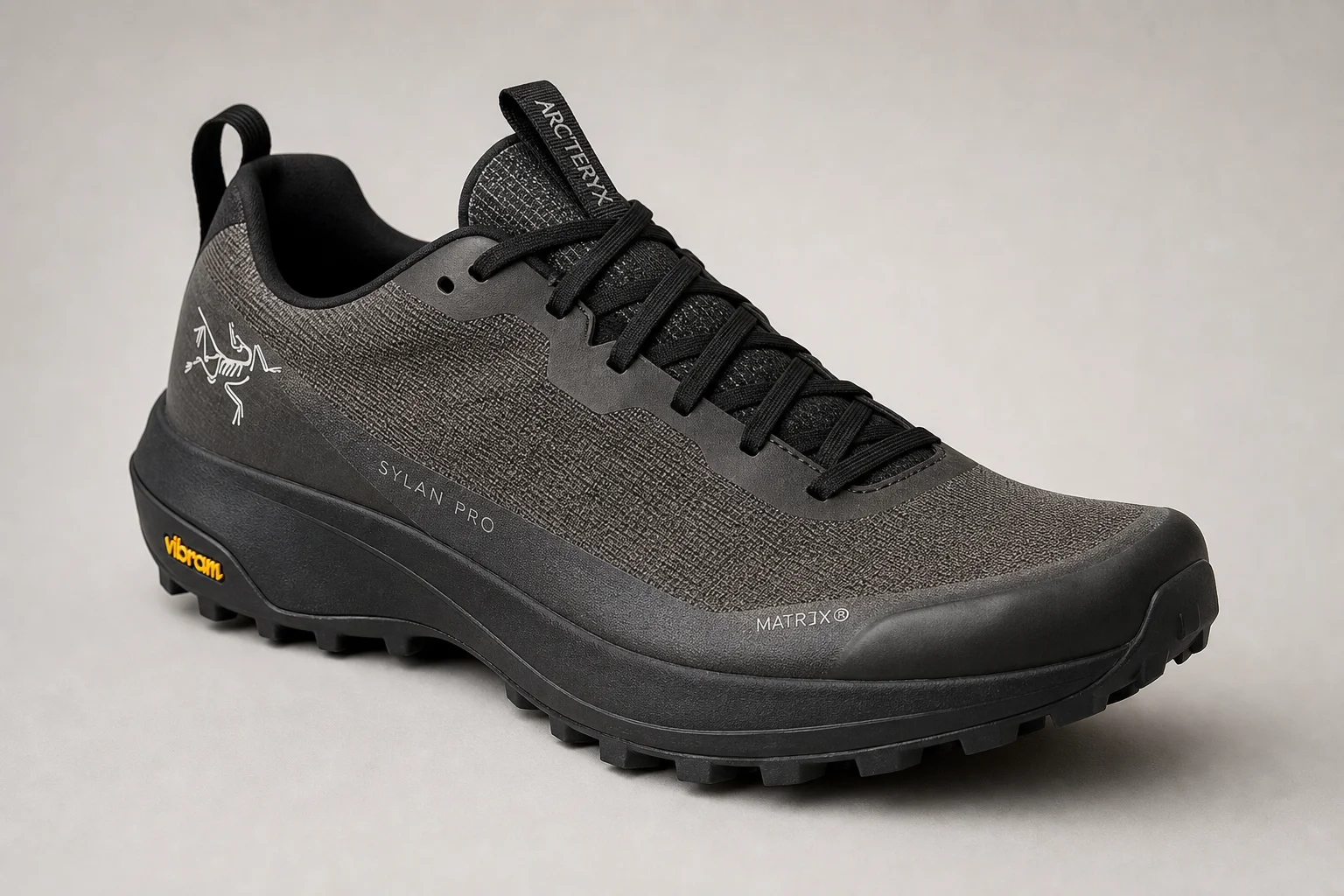
Arc'teryx Sylan Pro Review: A Rocker-Focused Mountain Running Shoe Tested on 20 Miles
The Arc'teryx Sylan Pro brings a pronounced rocker geometry and secure fit to mountain terrain. We tested it on a 20-mile Sawtooth loop to evaluate its climbing efficiency, protection, and handling of technical descents.
Trail Running Shoes
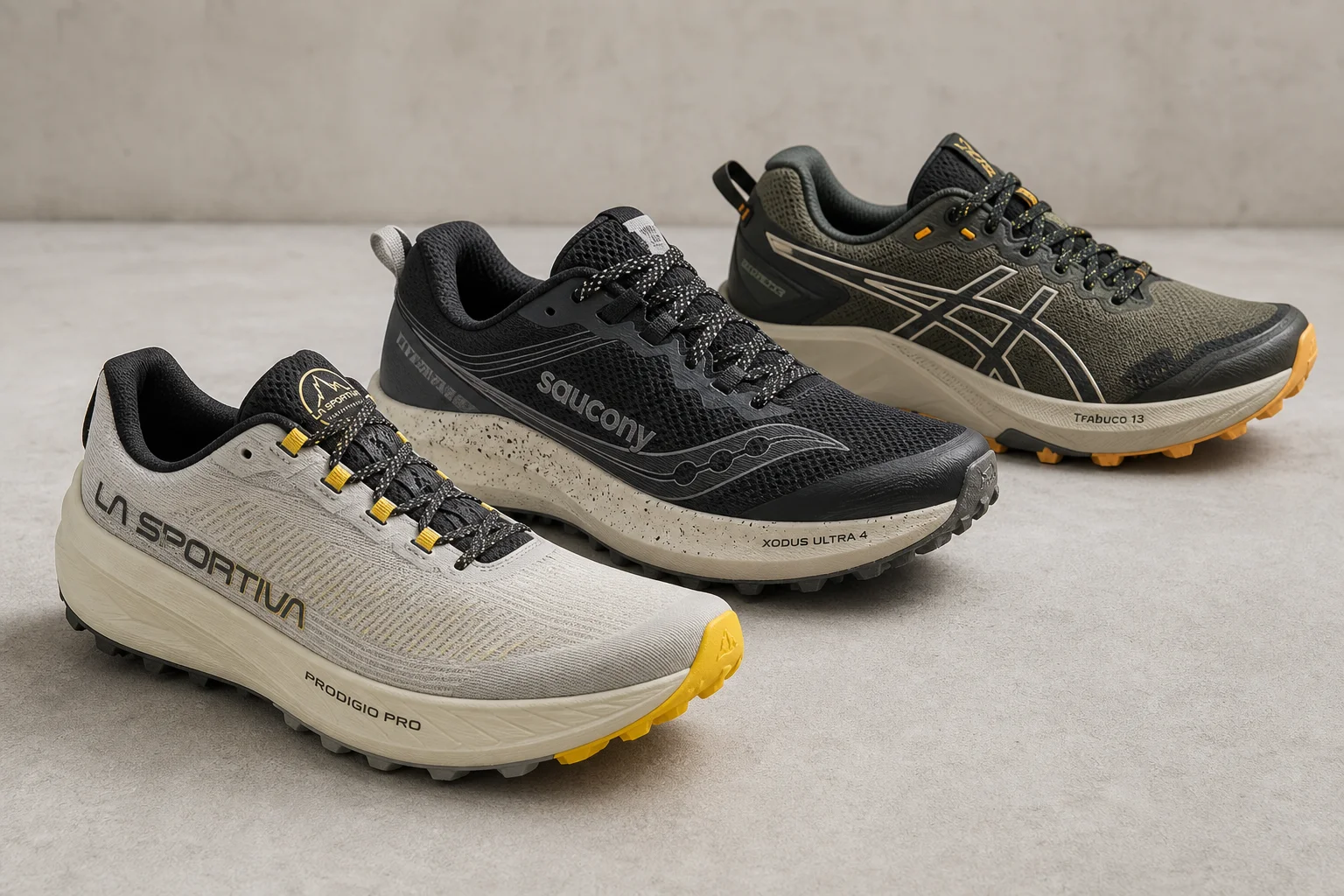
Best All-Mountain Trail Running Shoes: Three Versatile Options for Any Trail
A focused roundup of three all-mountain trail running shoes that handle technical terrain, long distances, and variable conditions with real strengths and practical trade-offs.