Running Shoes
Altra FWD Via 2 First Run Review: A Softer, More Modern Altra Daily Trainer
The Altra FWD Via 2 swaps the firm, blocky ride of the original for plush new Ego P35 foam, a roomy anatomical toe box, and a livelier feel at pace.
Introduction
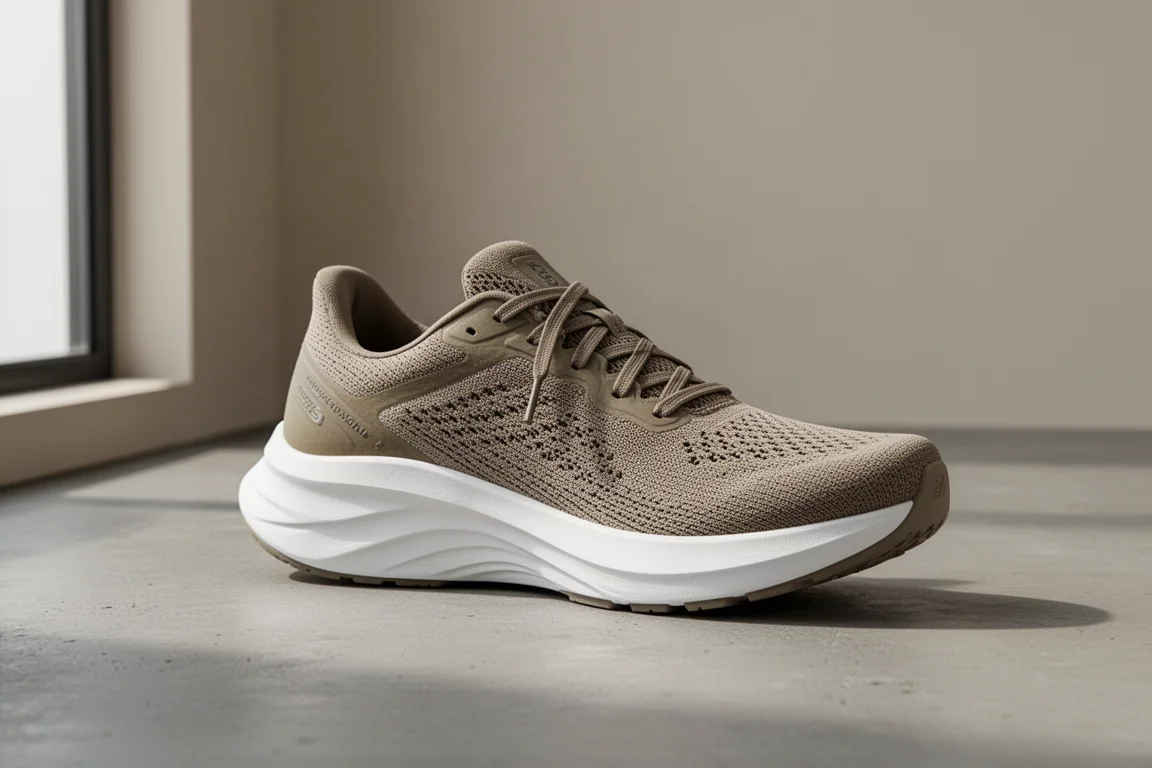
The original FWD Via had a distinct character: firm, somewhat blocky, and best suited to a particular kind of runner. The Altra FWD Via 2 changes that formula in a meaningful way. With new, plusher midsole foam, more flex underfoot, and a slightly higher price and weight, it feels like a much more modern daily trainer, and a far more accommodating one.
I took the FWD Via 2 straight out of the box for a mixed first run of around eight and a half miles through the New Forest, mostly on easy, runnable forest roads with some light gravel paths. Here is what stood out.
Design and Specifications
The stack measures 37mm in the heel and 34mm at the forefoot, giving a 4mm drop. That keeps the shoe firmly in low-drop territory while adding a noticeable rocker to the ride.

Weight comes in at 283g (10 oz) in a UK 8.5 / US 9.5 test shoe, which is heavier than the previous generation. Pricing has also moved up, to £155 or $165 in the US.
The midsole is a big stack of new Altra Ego P35 foam, described as producing a light and efficient ride that is softer, plusher, and more responsive than before. Up top there is a new engineered mesh upper that is thick but flexible, with softer, plusher tongues and medium-to-well-padded heel collars. Altra’s anatomical toe box remains, and the outsole carries a good covering of rubber for grip and durability, giving the shoe a durable, big-mileage daily trainer character.
Fit and Sizing
I ran in my regular Altra size, UK 8.5 / US 9.5, and I would recommend going true to size. The first thing you notice is the sweeping anatomical toe box, which follows the natural curve of the toes and leaves generous clearance at the front and around the little toes.
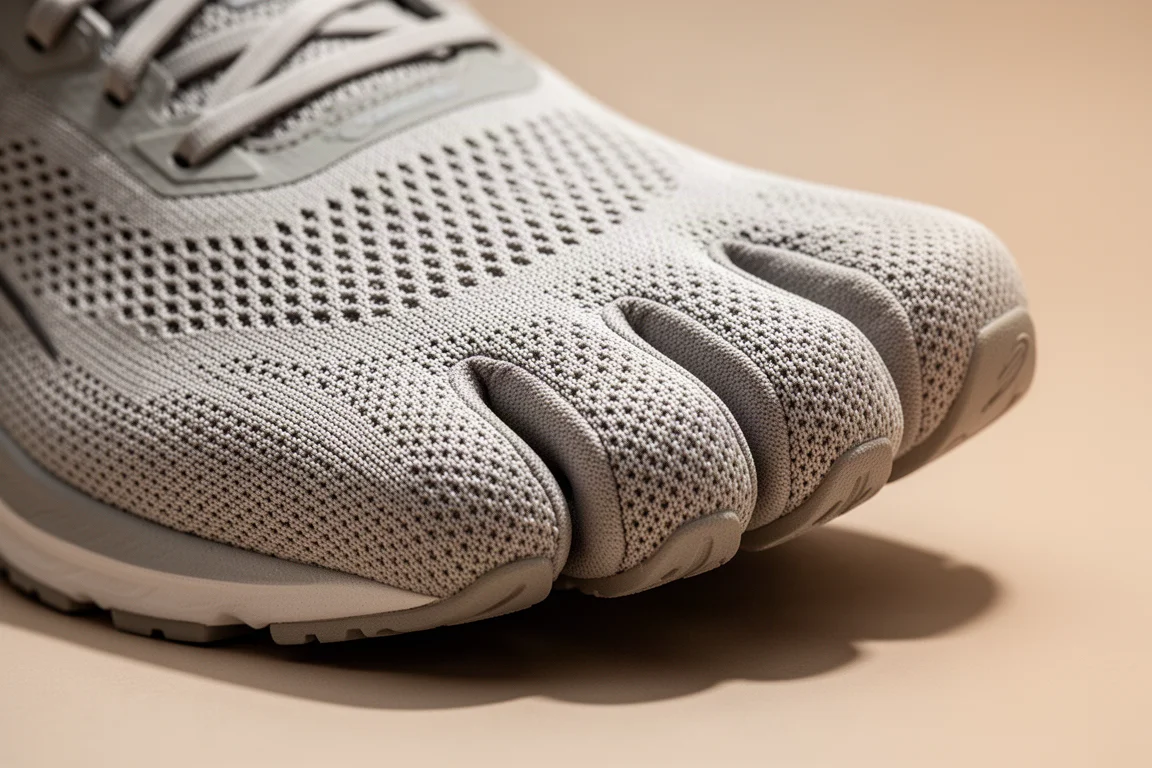
The forefoot is genuinely roomy, with good clearance across the top of the toe box as well. The thicker mesh upper holds the midfoot well, giving solid hold around the toe knuckles without feeling restrictive. The padded tongue lets you lace down securely with no pinch, no slipping, and no movement, and the heel collar feels secure despite leaving a little space.
Some runners may find the spacious toe box a little loose and baggy if they prefer a snug fit, but if you like Altra’s signature shape, this is a standout element of the shoe.
Ride and Performance at Pace
Out of the box, I expected the FWD Via 2 to be firm and blocky like its predecessor. Instead, the midsole is much, much softer, with more compression and a more cradling feel. It is not too sinky though: the foam comes back with a bit of bounce and energy, and it is probably the most modern-feeling foam I have experienced on an Altra shoe to date.
At easy paces the cushioning feels ample and protective. When I picked up the pace to around 6:55 per mile and engaged more through the midfoot and forefoot, the foam came back nicely and quickly. It is not a hugely bouncy, energy-returning ride that bounds you along, but there is good spring for an Altra shoe, and the shoe felt light on the feet and smooth rather than clunky.

Heel strikers get a surprise too: the heel has a good amount of softness and compression, taking the edge off landings without feeling wild or unstable. Underfoot, there is also more flex than the original, particularly through the forefoot and toe area, giving a bit more ground feel than most daily trainers. It is not a full ground-feel shoe, but runners who like their feet working will appreciate it. The overall feel is reminiscent of the Glycerin Flex.
First Run Verdict
After eight and a half miles at mixed paces over mixed terrain, the FWD Via 2 gave me more than I expected. The original felt limited, a bit behind, and aimed at a distinct type of runner. This version, with extra softness, more flex, and a bit more energy, feels much improved, comfortable at slow paces, spritely at faster ones, and genuinely cushioned and protective.
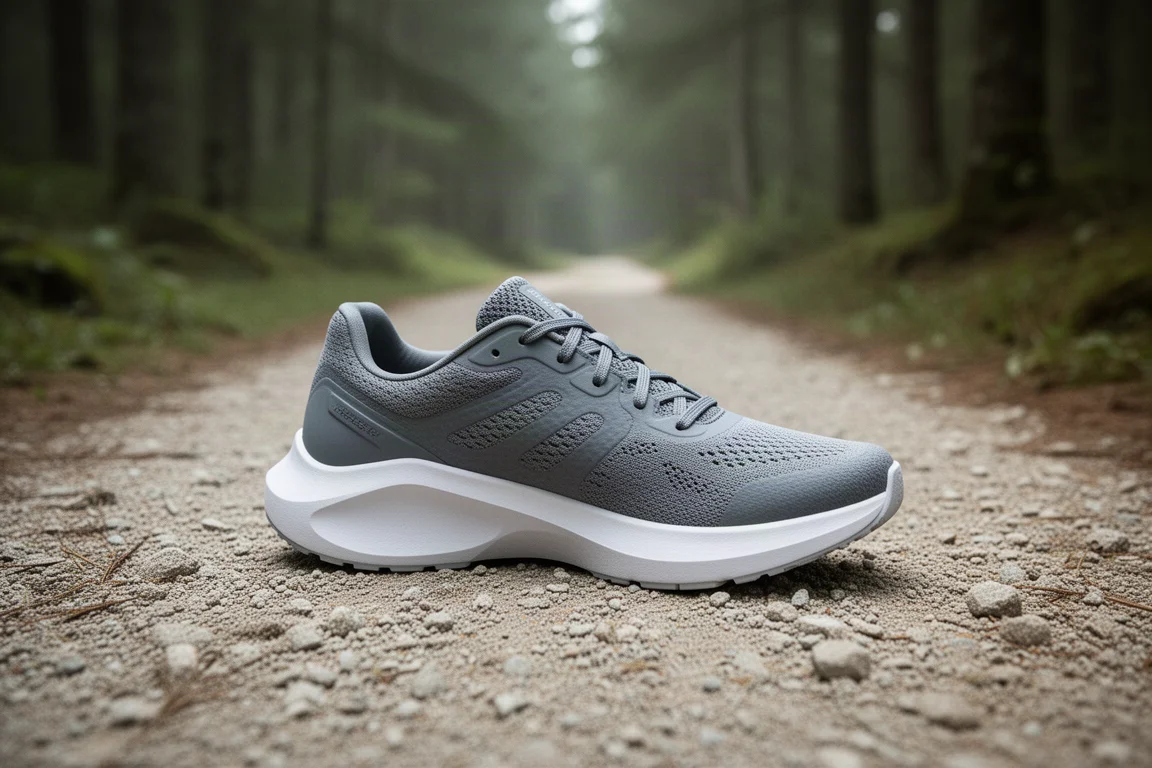
It is still not the liveliest shoe on the market, and I still think you need to be a fan of Altra shoes and low-drop running to get the most out of it. Whether it can compete with the more popular mainstream daily trainers is a question that needs further testing. But as a first impression, this is the most interesting Altra I have run in for a long time, and the roomy toe box alone may be enough to tempt some runners over.
Conclusion
The Altra FWD Via 2 is a big step forward for the line: softer Ego P35 foam, more forefoot flex, a bit more energy, and the same wonderfully spacious anatomical toe box, at £155 / $165. It will not suit runners chasing maximum bounce or a snug fit, but for Altra fans and anyone curious about a more modern-feeling low-drop daily trainer, it is well worth a closer look. A full review will follow after more testing at faster paces.
Product link
View more details for Altra FWD Via 2
This product is mentioned in the review. Check the specifications, options, and compatibility before buying.
View more details for Altra FWD Via 2Further reading
Related Reviews

Running Shoes
Best Road-to-Trail Running Shoes: Three Versatile Options for Mixed Terrain
A practical guide to three road-to-trail running shoes that handle both pavement and mild trails, with clear strengths and trade-offs for different runner types.

Running Shoes
Best Running Shoes for Achilles Tendonitis: Three Options Explained
Three running shoes with different heel drops and support features designed to help reduce Achilles tendon pain during walking and running.

Running Shoes
Best Running Shoes for Women: Five Top Choices Ranked
A ranked guide to five women's running shoes, from versatile daily trainers to high-performance racing options, with real strengths and trade-offs for each.