Running Shoes
Altra FWD Experience Review: Altra's First Low-Drop Daily Trainer
A 4mm-drop, rocker-based daily trainer that steps away from Altra's zero-drop tradition, with a firmer ride aimed at faster, shorter running.
Introduction
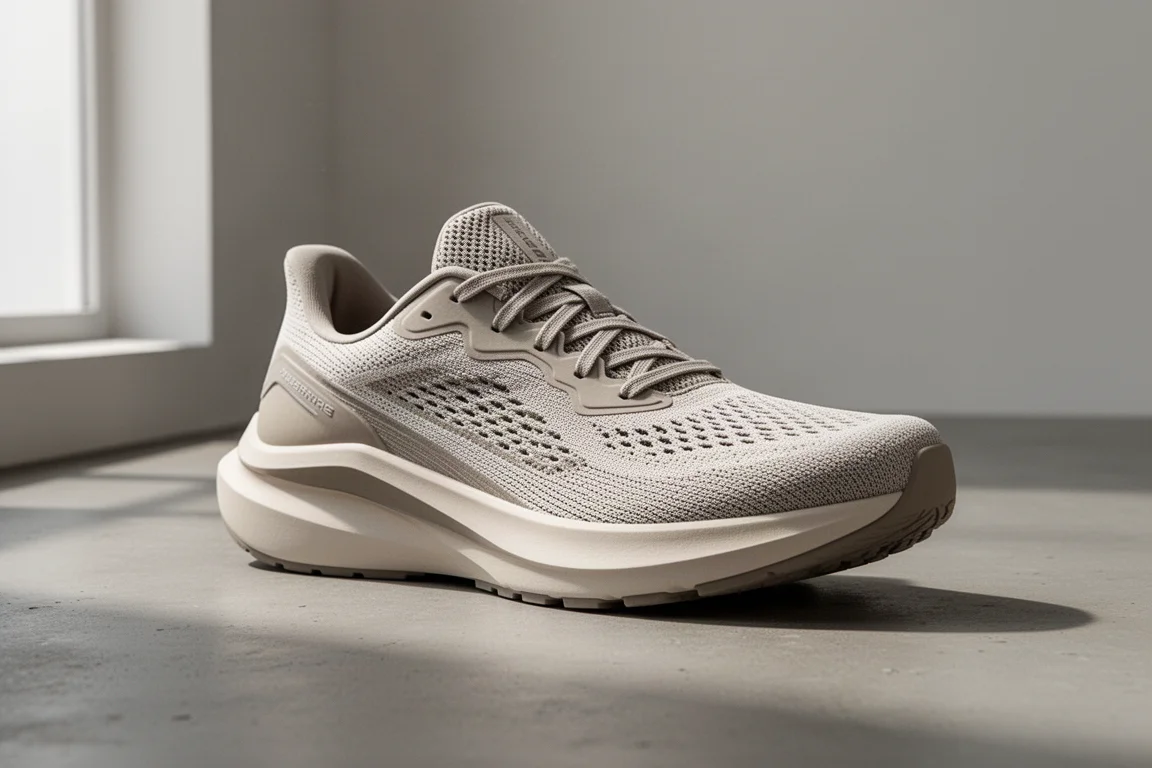
Altra has built its reputation on zero-drop geometry, so the FWD Experience is a notable step: it is the brand’s first shoe to move away from that trademark platform. Instead of the usual flat balance, you get a 4mm drop, a pronounced rocker, and a ride that feels closer to a mainstream daily trainer than anything Altra has made before.
The question is whether that gamble works. After roughly 30 miles of testing across easy runs, progression efforts, and one longer 90-minute outing, the answer is a qualified yes: this is a good, versatile daily trainer, even if the midsole foam holds it back from greatness.
Who This Shoe Is For
The specs make the intent clear. The men’s version packs a 32/28mm stack for a 4mm drop, and the women’s a 30/26mm stack with the same drop. At 8.9oz (252g) in a UK men’s 8.5, it is slightly lighter than the Torin 7 and a good chunk lighter than the Via Olympus. Pricing sits at £150 in the UK and $140 in the US, squarely in the mid-range for daily trainers.
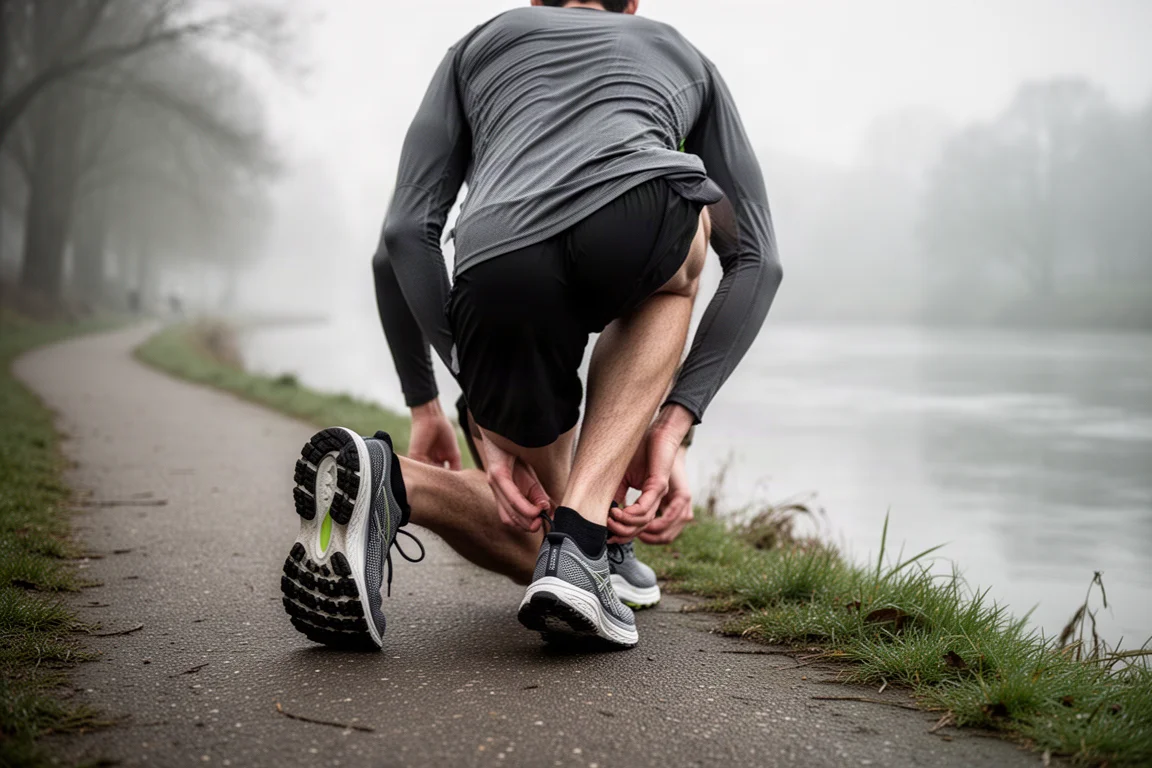
If you have been curious about Altra but put off by zero drop, this is arguably the best entry point in the range. One tester who historically found zero-drop shoes hard on the calves reported no calf tightness at all here, crediting the 4mm drop and pronounced rocker for making the shoe feel very different from Altra’s traditional geometry. It also works as a bridging shoe for runners considering a move toward lower-drop options.
Main Strengths
The midsole uses a compression molded EVA foam tuned somewhere between semi-firm and semi-soft. Altra deliberately skipped its livelier Ego Max and Ego Pro foams here, explaining that they did not align with the experience the brand wanted to create. What saves the firm foam is the geometry: a wide base, a pronounced rocker to aid toe-offs, and Altra’s FootShape toe box, now narrowed to look more like a traditional shoe.
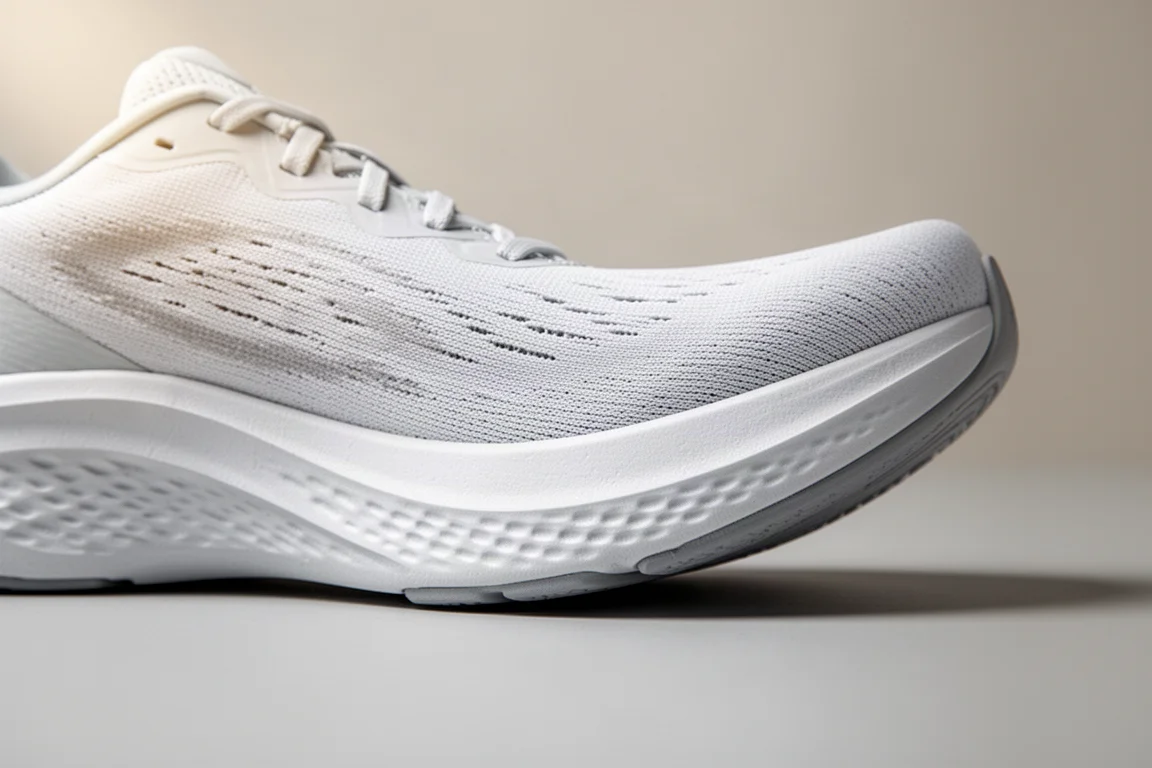
That combination delivers a smooth, fluid ride at almost any pace. Easy recovery runs feel comfortable thanks to the rocking effect, and at faster paces the firm platform gives you something stable to push off. Testers clocked around 60km in the shoe across easy, steady, and progression running, with the longest efforts around 10 miles, and found it consistently enjoyable, particularly with a heel-striking, shuffling stride that works naturally with the rocker.
The upper is a thick, dense engineered mesh with no overlays, medium padding at the heel collar and tongue, and internal heel pads for fit security. Despite the lack of a heel counter, the built-up Achilles and heel area held feet snugly without irritating even a tester who had been suffering Achilles rub from other shoes. Underfoot, there is decent outsole rubber coverage plus Altra’s Innerflex grooves, which follow the metatarsal line and flex with the foot for a more natural ride.
Things to Consider Before Buying
Fit feedback split slightly between testers. One found the shoe a touch short, with toes brushing the front on downhills and faster running, suggesting a half size up. Another found the UK 8.5 true to size with plenty of toe box room despite the narrowed anatomical sweep. If you are between sizes or downhill-heavy, trying the half size up is a reasonable call.
The bigger caveat is the foam. Compared with super daily trainers running supercritical foams, the ride here is undeniably old-fashioned: stable and balanced rather than bouncy. Runners who want sinky, squishy softness for easy days will likely find the cushioning insufficient for long distances, and fans of energetic daily trainers may find the whole package a shade dull. The enjoyment of this shoe leans heavily on the rocker working for your stride; without that, you are left with a fairly lifeless platform.
Buying Advice
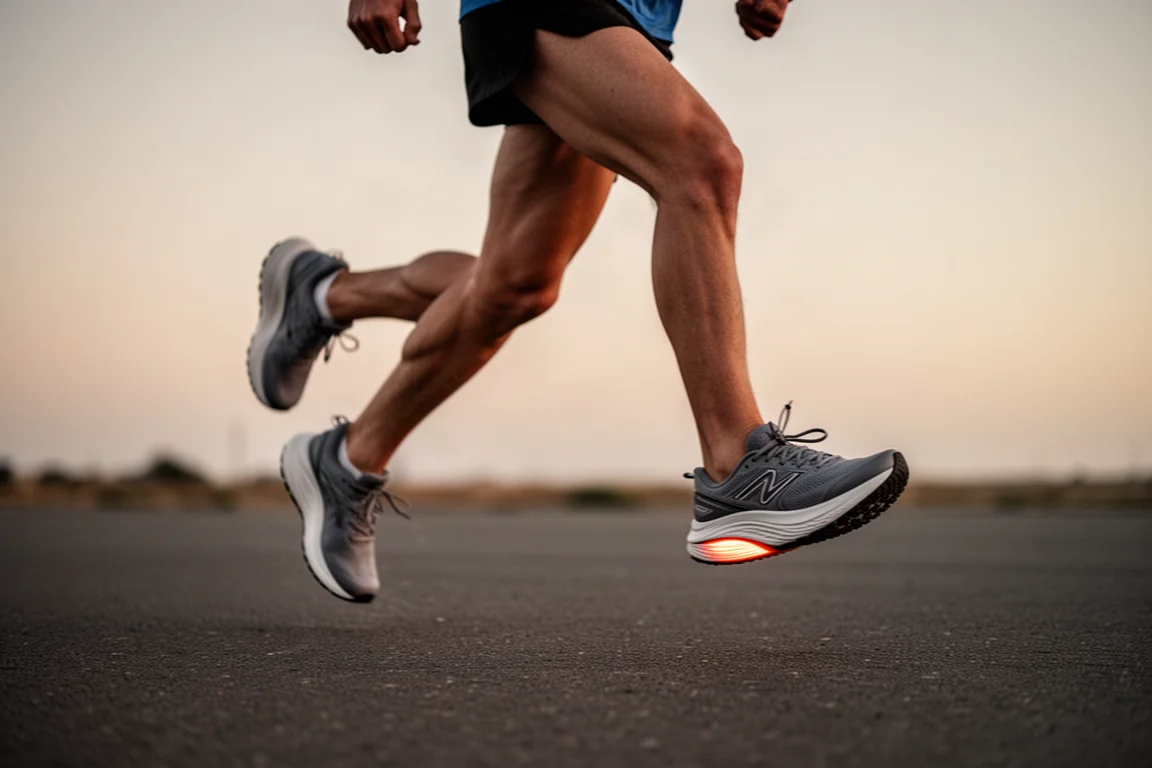
Against the wider market, the competition is stiff. The obvious comparison is the Hoka Clifton 9, which shares a similar setup, weight, stack, and drop. The Clifton offers a slightly bouncier and more comfortable ride overall, making it the better pick if comfort is the priority, while the FWD Experience has the edge if you prefer a firmer, more grounded feel and want to use the shoe for more speed work. If you are not specifically after a FootShape toe box in a 4mm shoe, there are impressive daily trainers available for less.
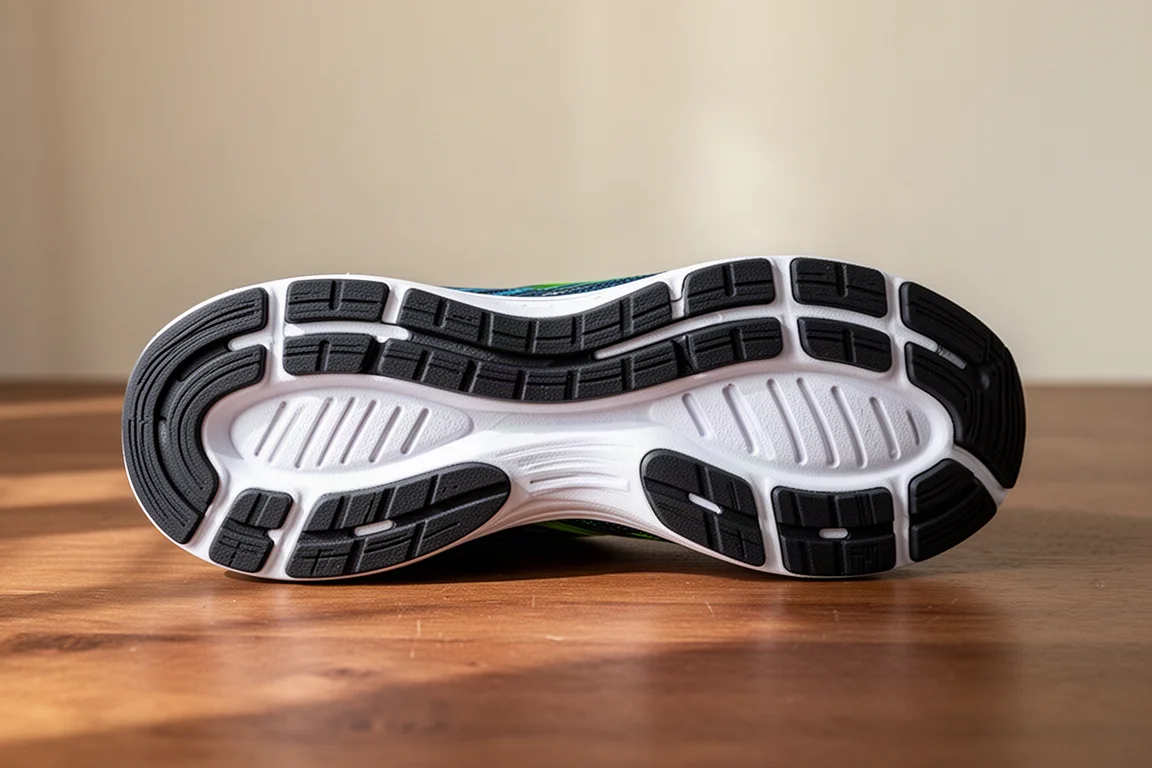
That said, the shoe succeeds at what Altra seems to have aimed for: opening the brand to runners who never got on with zero drop. It is also, arguably, Altra’s best-looking shoe today, perhaps because it looks less like a traditional Altra. If the brand wants to genuinely compete with the best in class going forward, a more energetic supercritical foam in this geometry would be the obvious next move.
Conclusion
The Altra FWD Experience is a good, not great, daily trainer: light, versatile, and easy to run in, with a firm, rocker-driven ride tilted toward faster, shorter running. It will not dethrone the standout daily trainers in this category, but as a first low-drop Altra and a bridge for runners curious about the brand, it ticks its box convincingly.
Product link
View more details for Altra FWD Experience
This product is mentioned in the review. Check the specifications, options, and compatibility before buying.
View more details for Altra FWD ExperienceFurther reading
Related Reviews

Running Shoes
Best Road-to-Trail Running Shoes: Three Versatile Options for Mixed Terrain
A practical guide to three road-to-trail running shoes that handle both pavement and mild trails, with clear strengths and trade-offs for different runner types.

Running Shoes
Best Running Shoes for Achilles Tendonitis: Three Options Explained
Three running shoes with different heel drops and support features designed to help reduce Achilles tendon pain during walking and running.

Running Shoes
Best Running Shoes for Women: Five Top Choices Ranked
A ranked guide to five women's running shoes, from versatile daily trainers to high-performance racing options, with real strengths and trade-offs for each.