Backpacking Tents
ALPS Mountaineering Trail 2 (TP2) Review: A Trekking Pole Tent That Pitches in Minutes
A single-wall two-person trekking pole tent with a genuinely simple six-stake pitch, plus the trade-offs and open questions to weigh before buying.
Introduction
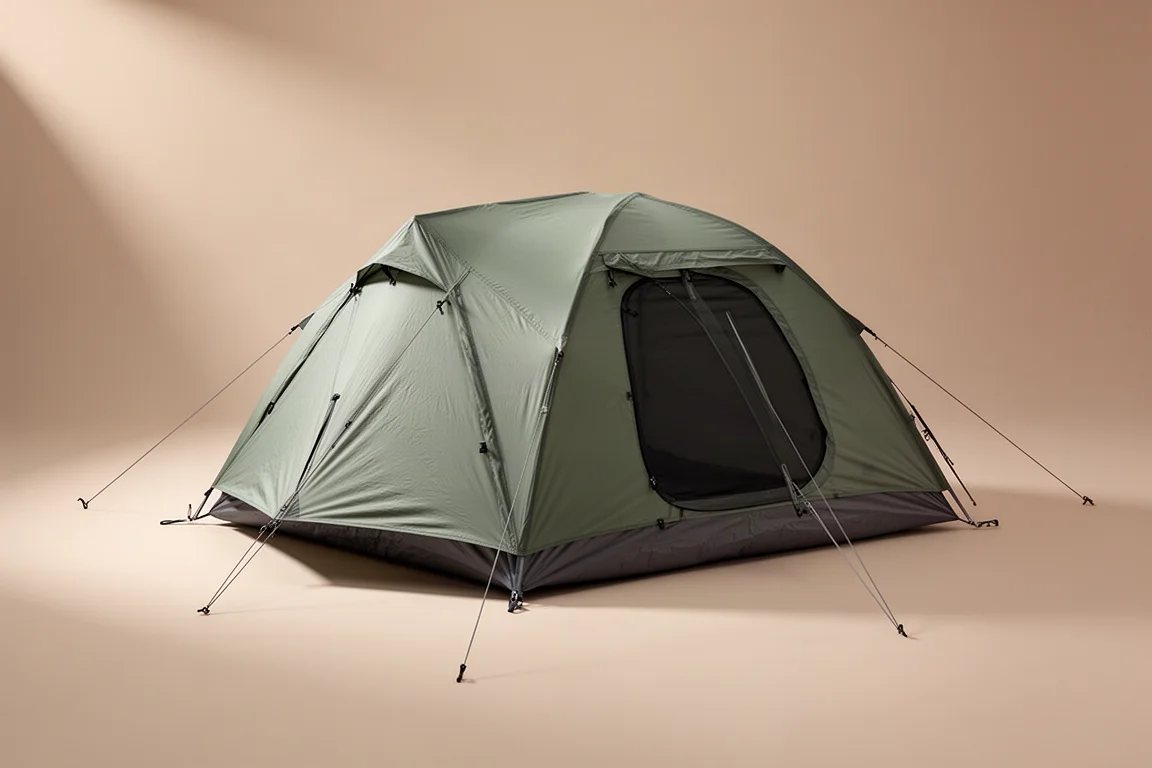
The ALPS Mountaineering Trail 2 Person Tent, usually shortened to the TP2, is a single-wall backpacking shelter that stands on a trekking pole instead of a dedicated pole set. That one design decision shapes almost everything about it: how it packs, how it pitches, and what you need to bring along with it.
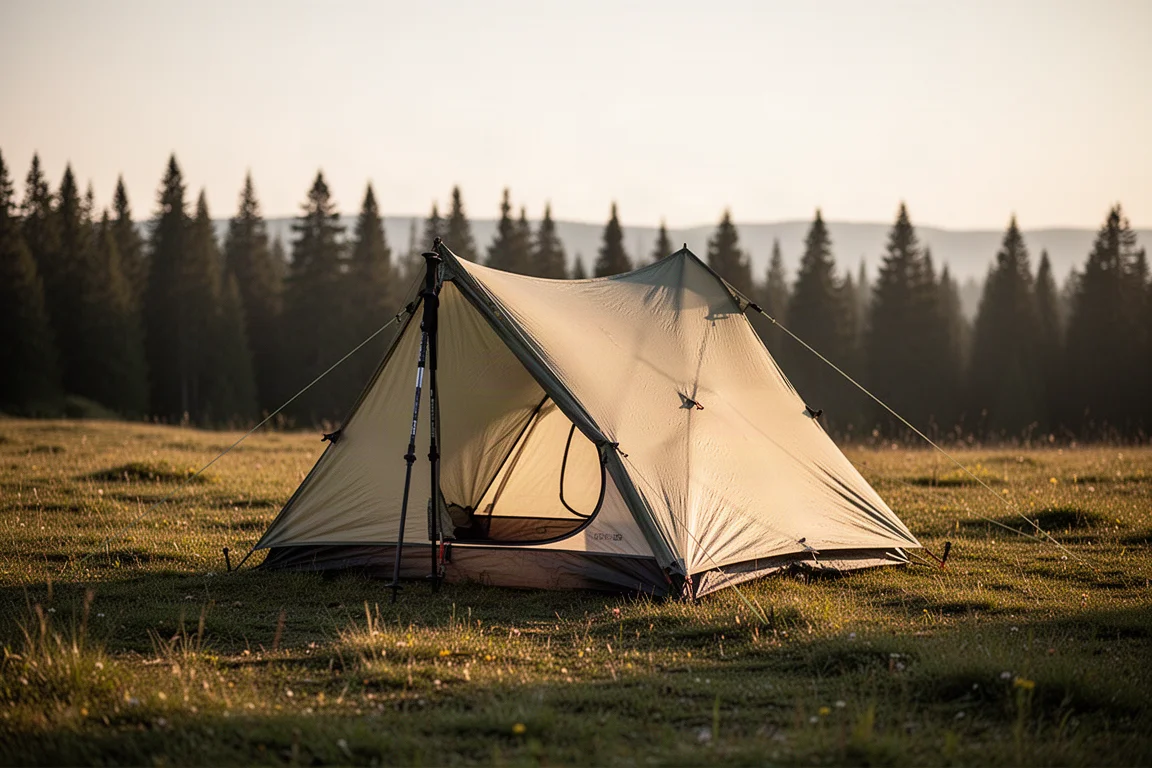
The pitch itself is short and unfussy. One trekking pole, six stakes, and a few minutes of walking the perimeter are enough to get the tent standing. The body and the fly are joined as a single piece, so there is no separate rainfly to attach and no second layer to tension. Once the perimeter is staked and the pole is seated, the remaining work is adjustment.
This guide covers who the TP2 suits, how the pitch works step by step, and the trade-offs worth understanding before you commit to buying one.
Who This Tent Is For
The TP2 is aimed at backpackers who already carry a trekking pole and want a shelter that goes up fast. Because the tent does not include a pole, it makes the most sense if you are already hiking with one or are happy to add one to your kit.
It also suits campers who value a short, predictable sequence over a fiddly one. There is a single door, a single wall, and a small number of steps. If you want a shelter you can pitch quickly at the end of a long day, that simplicity is the whole appeal.
It is less suited to anyone who wants a freestanding design, or who expects a ground sheet and a pole to arrive in the box. Both are items you supply yourself.
Main Strengths
Setup speed is the headline. The sequence is short enough to learn on the first attempt: stake the perimeter, seat the pole, tighten the lines, open the vents. On a complexity scale, this sits at the very easy end, and there is little in the process that can trip you up as long as the perimeter is staked out generously at the start.
The single-wall construction keeps the component count low. Body and fly are interconnected, so there is nothing to attach in the rain and fewer separate pieces to keep track of or leave behind at a campsite.
The TP2 also comes with numerous guy-out points and a matching set of guy lines. In stormy or windy conditions, running those lines is the step that matters, and the hardware to do it is already in the bag.
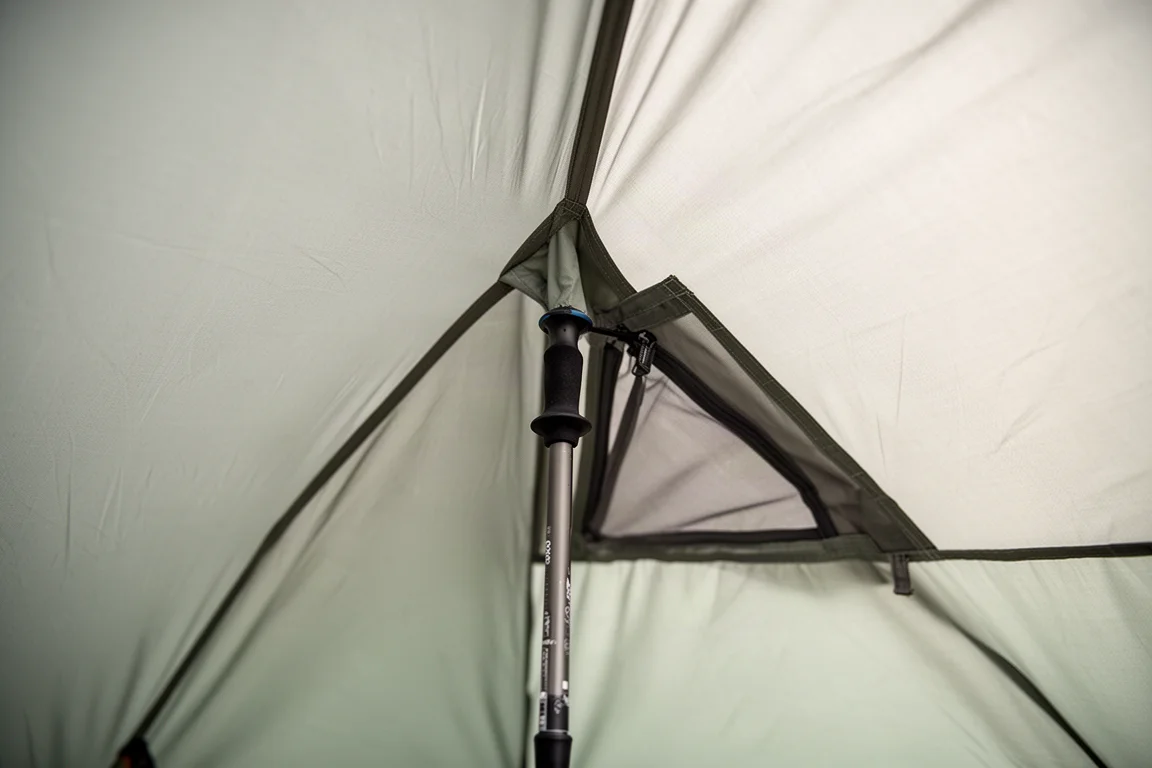
Inside, there are straps near the pole that can be attached to the trekking pole if you prefer, or simply left hanging. Those make a practical place to clip a lantern or a headlamp for evening use.
Pitching the TP2 Step by Step
The order below follows the natural sequence of the pitch. Nothing here requires tools, and the whole process stays inside a few minutes once you know it.
Staking Out the Perimeter
Start with a ground sheet if you plan to use one. The TP2 does not include one, but a simple sheet of plastic works fine. Its purpose is to protect the floor of the tent from debris and to keep the underside clean. It is not a waterproofing layer, and a tent in good condition does not need plastic underneath it to stay dry.
Lay the tent body out on top of the sheet and orient the door the way you want it. At each stakeout point you will find an adjustable line with a metal loop at its middle. Walk the perimeter once and extend those lines before you stake anything, which leaves you room to tighten everything later.
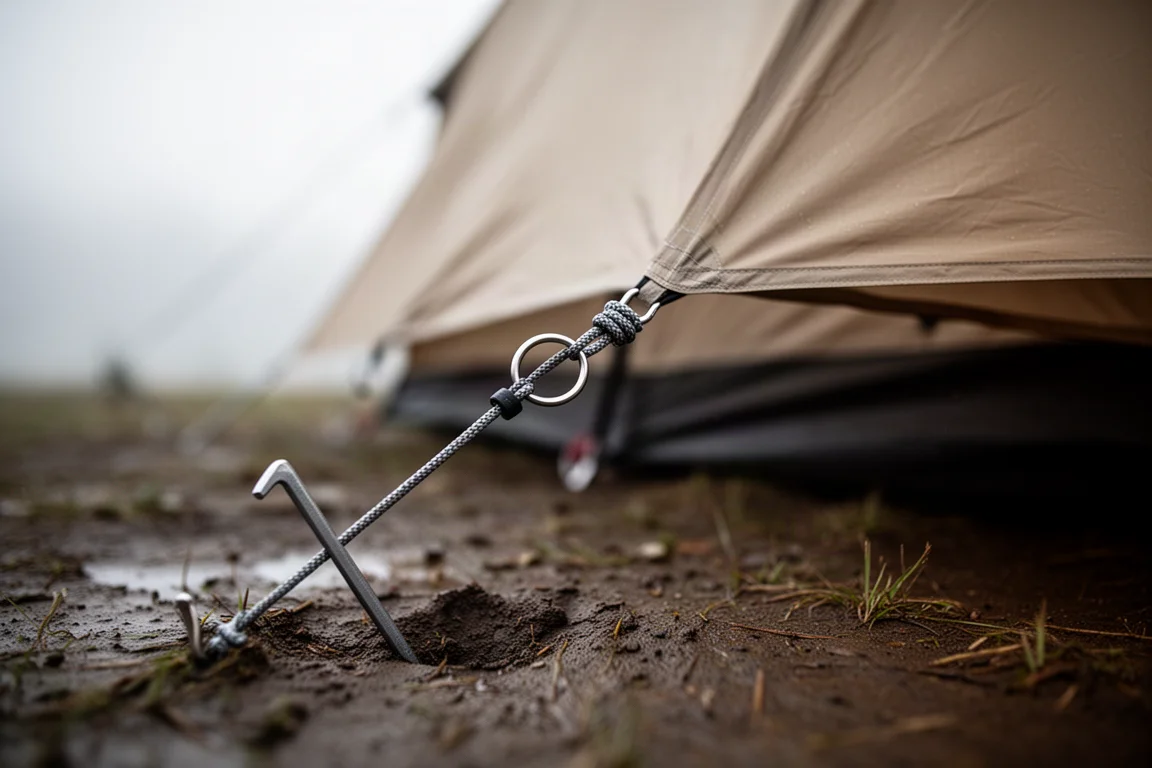
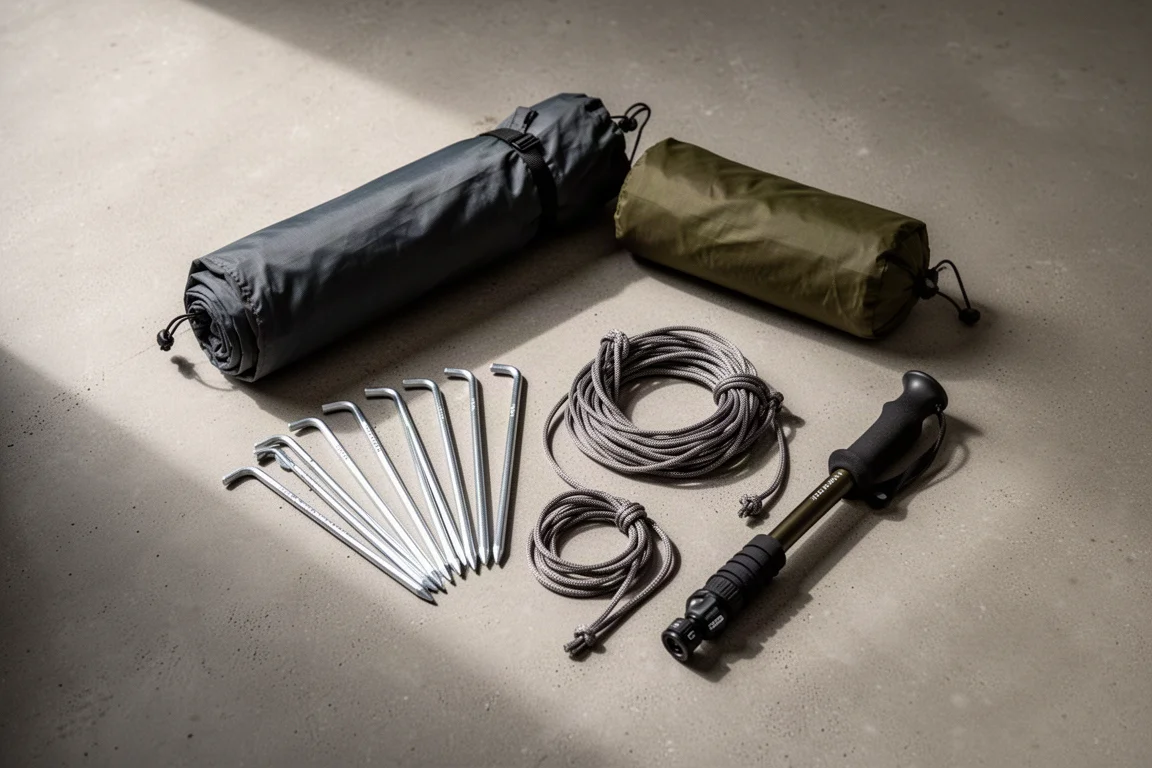
Then take five stakes and work around the body. Start at the back, which sits opposite the single door, then place two stakes along each side. Leave the doorway unstaked for the moment.
Seating the Trekking Pole
Extend your trekking pole to 51 inches, then fit the protective cap over the tip. That cap matters: it sits between the metal tip and the tent fabric and prevents a puncture at the apex.
Unzip the door and slide the pole inside. The hand grip goes into a sleeve slit at the bottom of the floor, and the capped tip seats at the top of the tent. Once the pole is in place, close the mesh door, zip the front of the tent, and stake out the doorway.
Final Tension and Venting
Walk the perimeter one more time and adjust the stakeout lines until the pitch is taut. Giving yourself leeway at the start pays off here: pull the lines away from the body first, then tighten everything at the end. With the tent tensioned, open the vents.
If wind or storms are expected, take the extra time to run the guy lines. The TP2 has numerous guy-out points and ships with matching lines, and using them is the recommended step when conditions turn rough.
Things to Consider Before Buying
The pole is not included. This is a trekking pole tent, so you need to own a trekking pole or budget for one alongside the tent.
The ground sheet is not included either. That is a minor cost, but it is another item to sort out before your first trip.
There is only one door. For a two-person shelter, that means a single entry and exit point for everyone inside.
The tent is single-wall, meaning the body and the fly are one interconnected piece. That is what keeps the pitch simple, and it is also the design choice that defines how the shelter behaves in practice.
Most importantly, build quality and real-world weather performance remain open questions, and the current signs are not encouraging. The easy pitch is a genuine strength, but it is only one measure of a tent. Anyone considering the TP2 should treat setup simplicity as one data point rather than a verdict, and weigh whether they want to commit before a clearer durability picture is available.
Buying Advice
If you already carry a trekking pole and want the fastest possible pitch, the TP2 delivers exactly that. Staking the perimeter, seating the pole, and tensioning the lines takes minutes, and the sequence is hard to get wrong even on a first attempt.
Ease of pitching is not the same as confidence in a shelter, though. Because questions about build quality and long-term weather performance remain open, it is reasonable to wait for a fuller picture before committing, or to look at a shelter with a longer track record if you need something for demanding conditions.
If you do decide to buy, plan the extras in advance: a trekking pole, a ground sheet, and a set of stakes you trust. Doing that before your first trip keeps the setup as quick in the field as it is on paper.
For calm-weather weekend trips where speed matters more than anything else, the TP2 is easy to live with. For exposed terrain and changeable forecasts, the open questions deserve real weight in your decision.
Conclusion
The ALPS Mountaineering Trail 2 is a very easy tent to pitch and a very simple one to understand: one trekking pole, six stakes, a taut perimeter, and vents you can open once it is standing. Whether that convenience outweighs the open questions about build quality and weather performance is the decision in front of you. Weigh it honestly, and make sure the trekking pole and ground sheet are ready before your first night out.
Product link
View more details for ALPS Mountaineering Trail 2 Person Tent (TP2)
This product is mentioned in the review. Check the specifications, options, and compatibility before buying.
View more details for ALPS Mountaineering Trail 2 Person Tent (TP2)Further reading
Related Reviews
Backpacking Tents
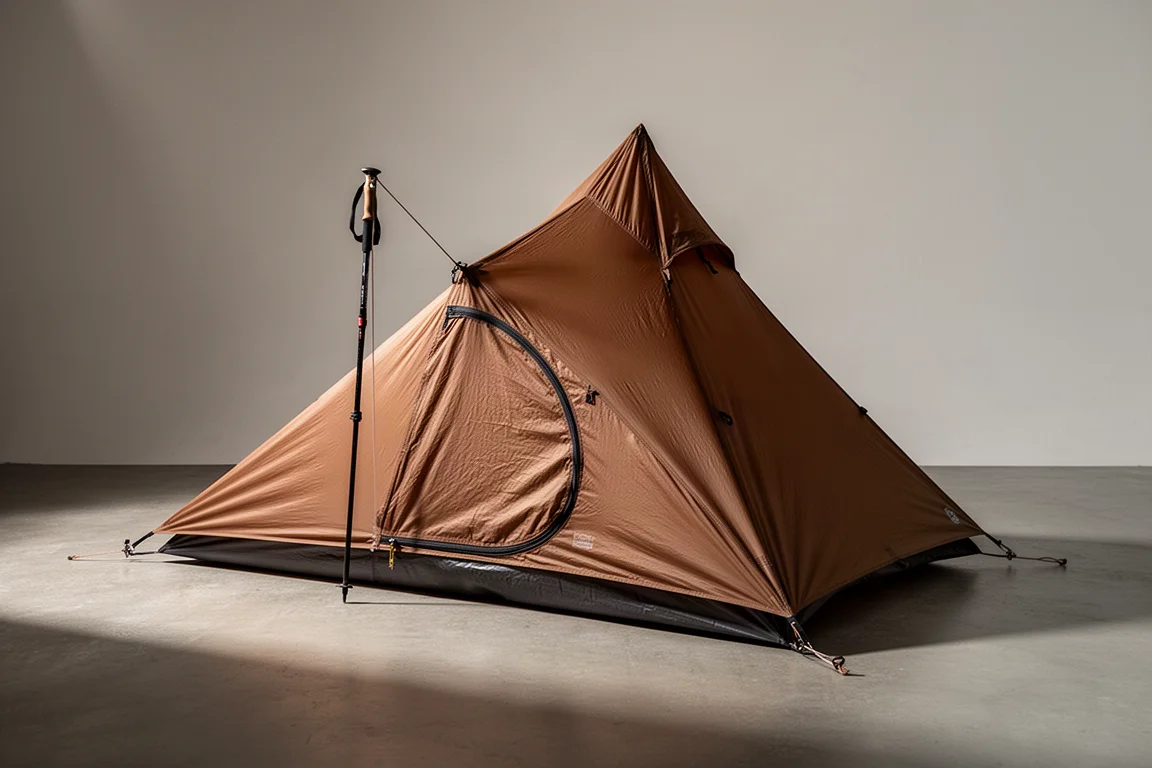
3F UL Lanchan Pro 1 Review: A 1 lb 8 oz Single-Wall Trekking Pole Tent
A practical look at the 3F UL Lanchan Pro 1, a single-wall trekking pole shelter with a 1 lb 8 oz weight, 20D silnylon fabrics, and a roomy 90 x 31 x 49 inch interior.
Backpacking Tents
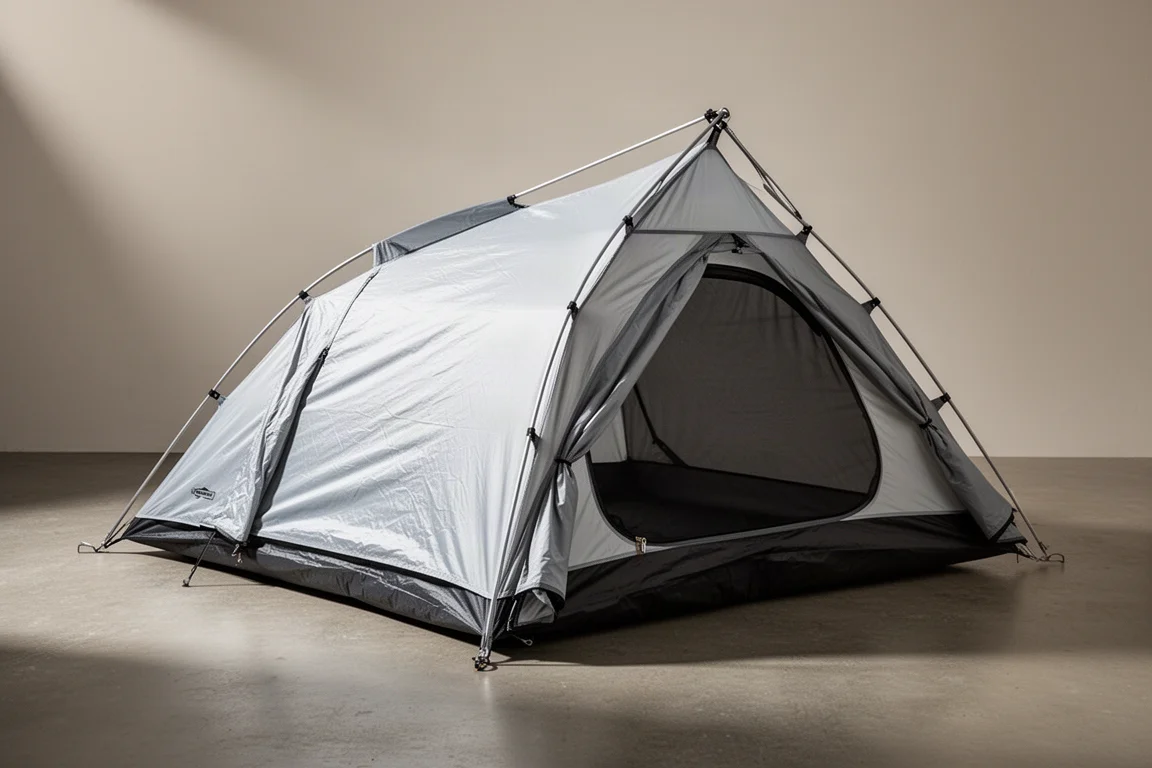
3F UL Taiji 2-Person Tent: A Convertible Backpacking Shelter Worth a Closer Look
A practical look at the 3F UL Taiji two-person tent, covering its materials, true two-person interior, fly-first pitching, and the seasonal inner swap that lets one shelter cover more of the year.
Backpacking Tents
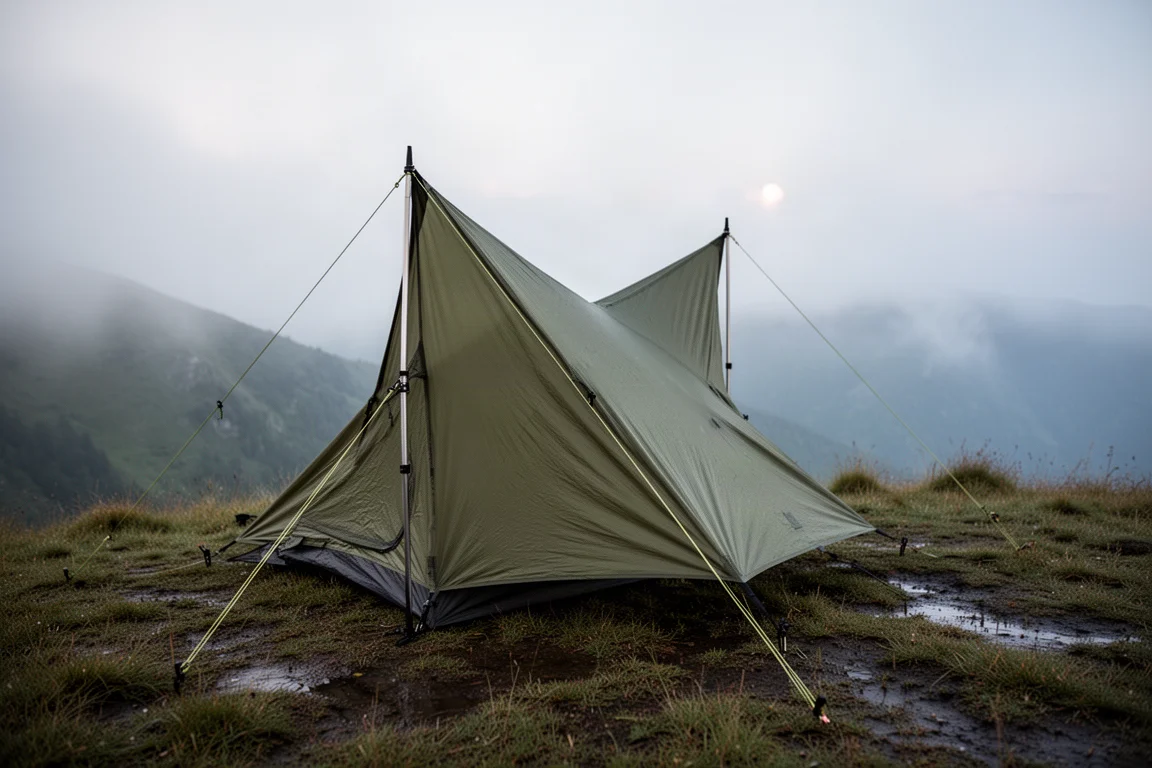
3FUL Lanshan Twoerson Pro Review: A Light Trekking Pole Shelter That Struggled in Rain
A two-person trekking pole shelter with a 2026 redesign, pitched with sticks and put through a night of steady rain. Here is what worked, what did not, and what to check before buying.