Cookware
All-Clad Cookware Review: Every Collection Tested, From D3 to G5 Graphite Core
After years of cooking with every All-Clad collection, here is an honest look at design, performance, durability, and whether the premium price still makes sense.
Introduction
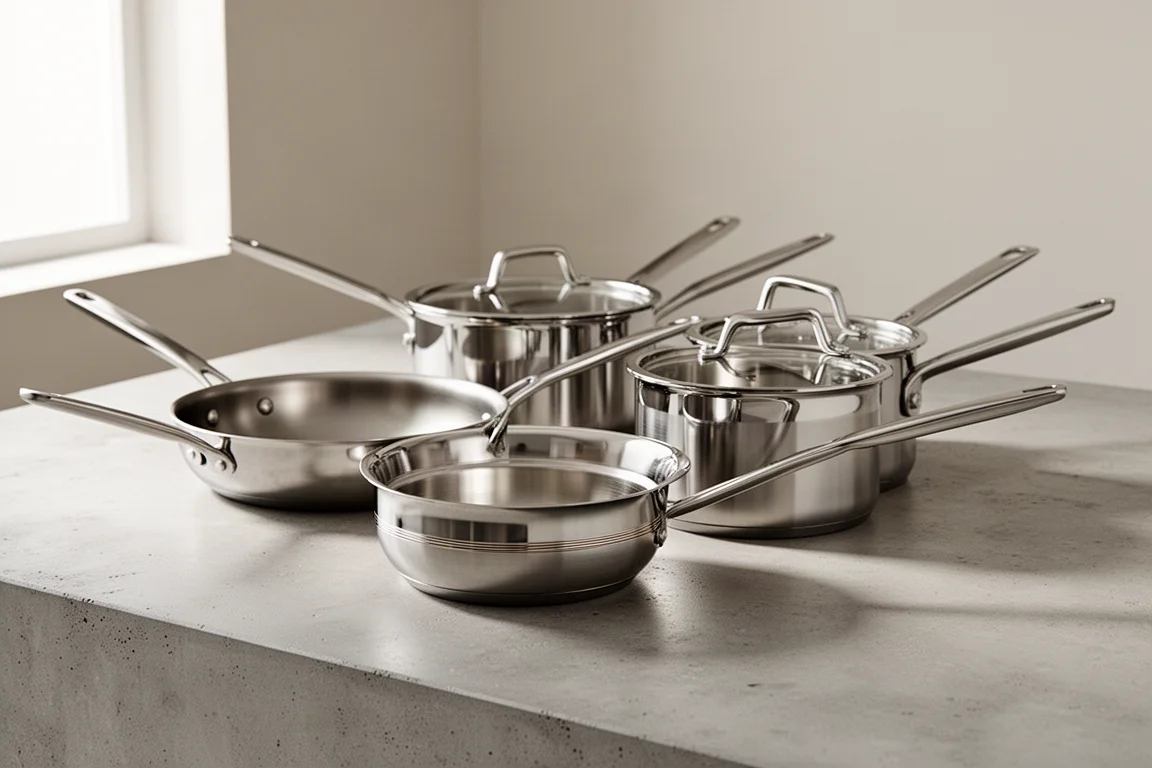
All-Clad is one of the most expensive cookware brands on the market, and it has been a status symbol in premium kitchens for decades. After more than ten years of cooking with it and testing every collection, this review covers the design, real-world performance, durability, the recent class action settlement over dishwasher claims, and whether the brand is still worth buying now that its original patents have expired.
The All-Clad Collections Explained
All-Clad offers several collections, each designed for different cooking styles and budgets.
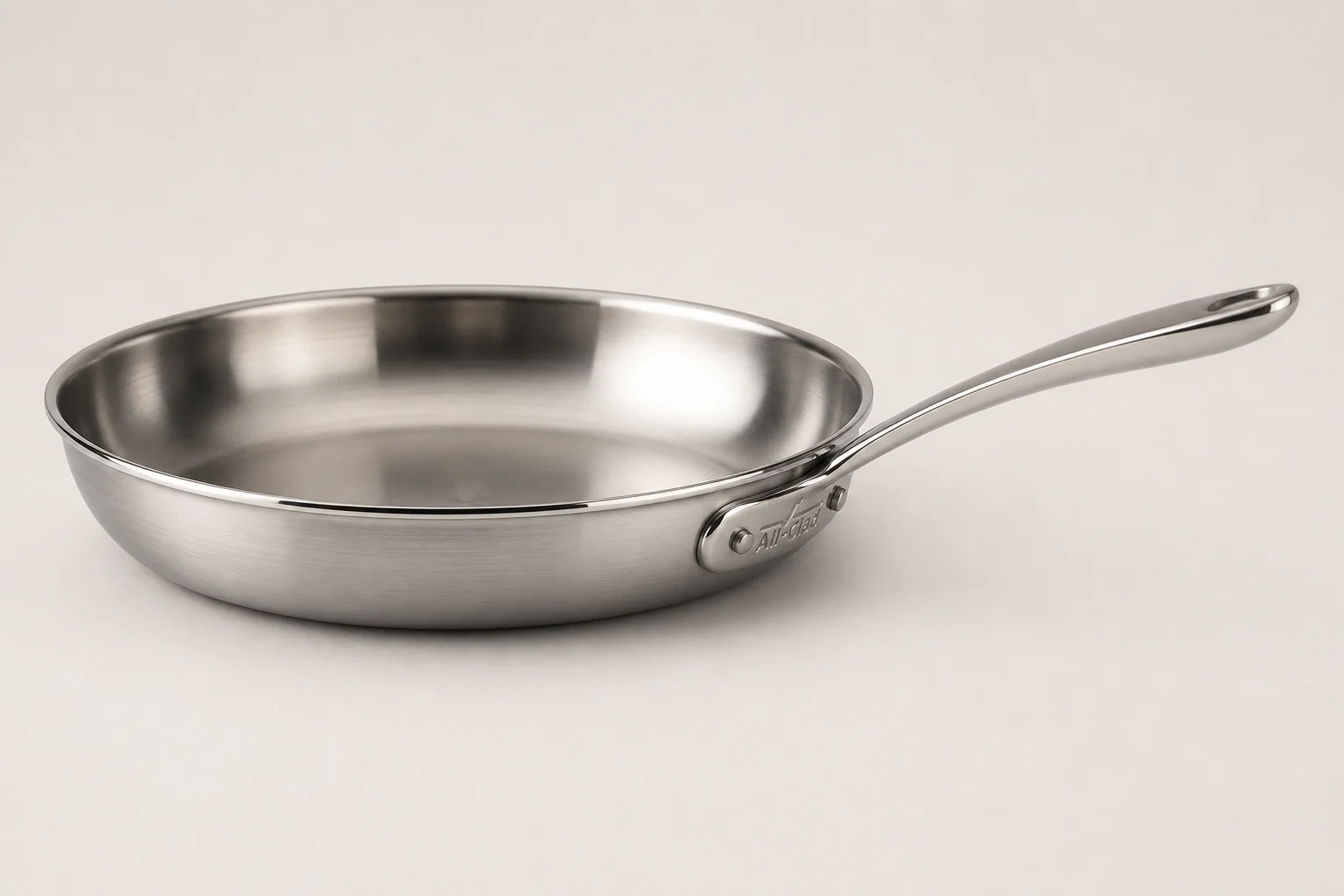
D3 is the original, best-selling, and most affordable stainless steel line. It uses 3-ply construction with durable steel layers on the top and bottom and a conductive aluminum core that extends through the entire pan, including the sides. That fully clad design is what gave the brand its name, and it has since become the industry standard. D3 Everyday is a revamped version with the same construction but a larger cooking surface and more comfortable handles.
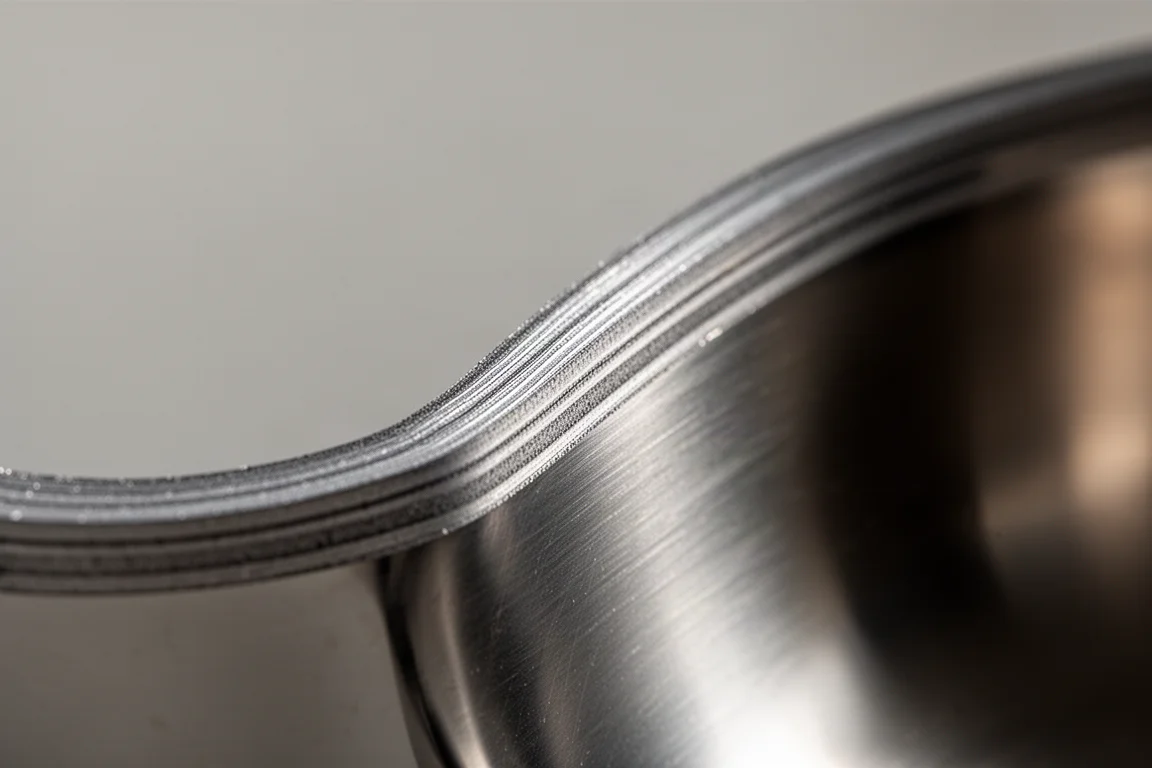
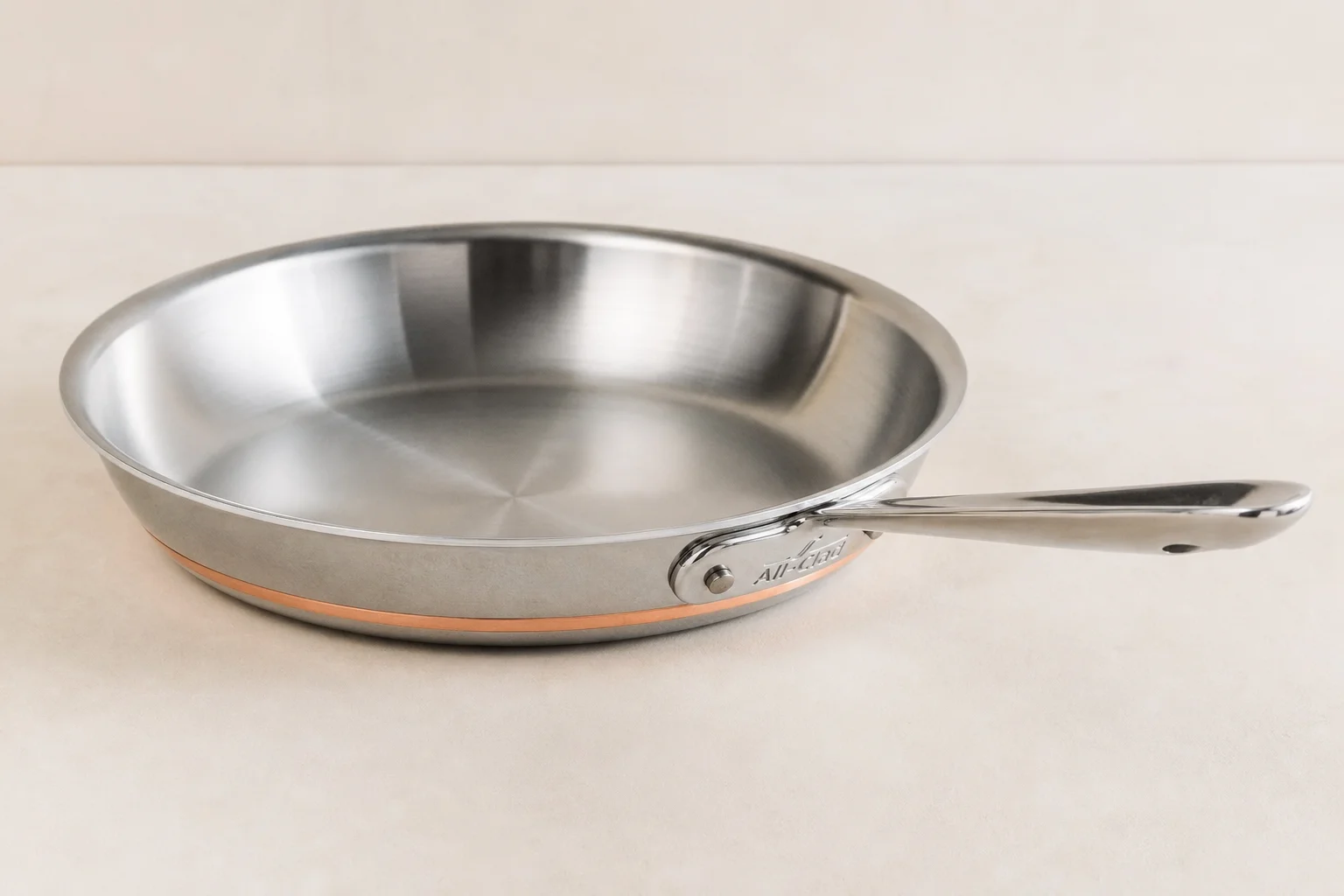
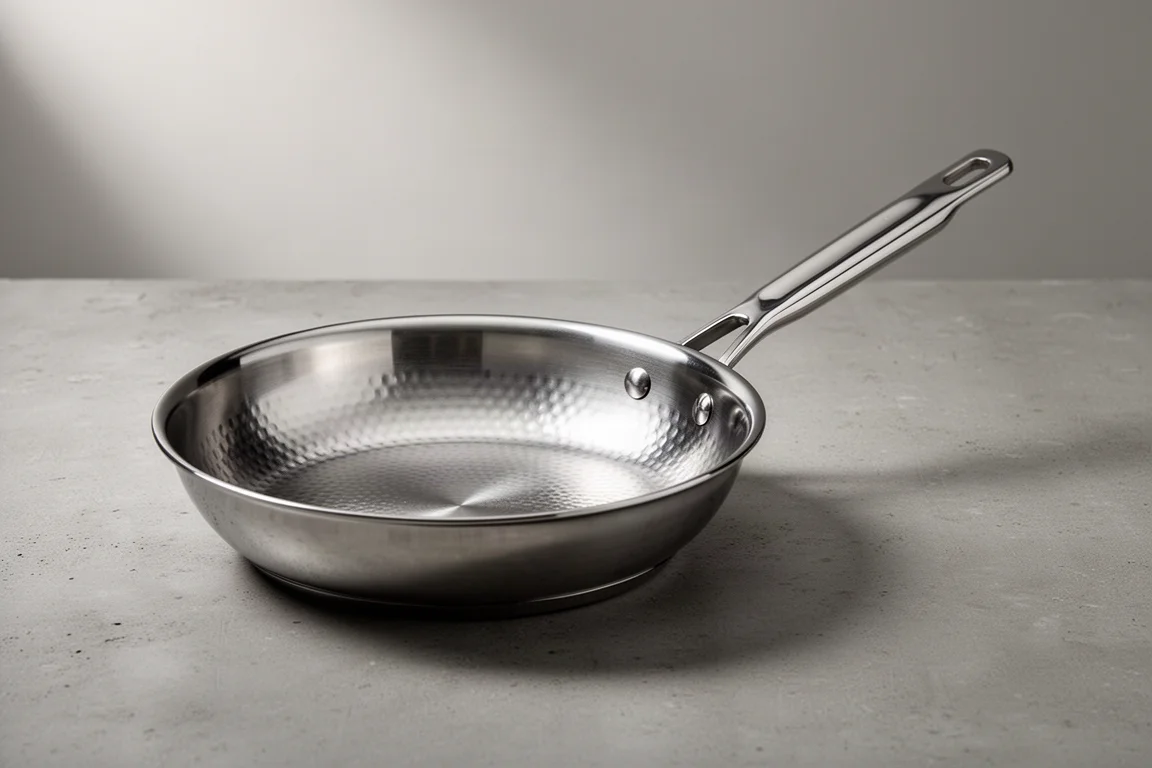
D5 uses five bonded layers, including a thin steel core. It costs more than D3, but the steel core slows heat transfer, so the pans heat slightly more evenly. Copper Core is the most expensive collection: the exterior is steel, but the inner layers are aluminum and copper, so these pans heat up and respond to temperature changes very quickly. G5 Graphite Core is the newest collection, with five layers including a thin graphite core disc. Graphite is highly conductive and lightweight, so these pans heat fast and are easy to maneuver.
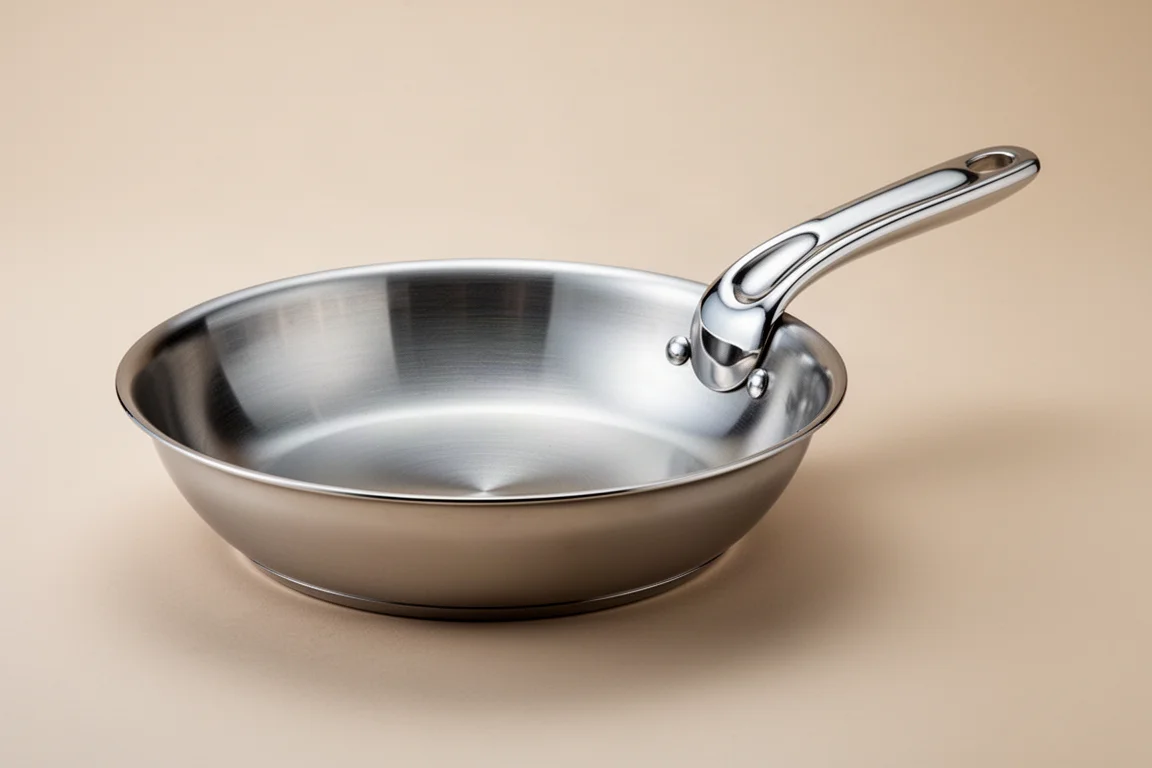
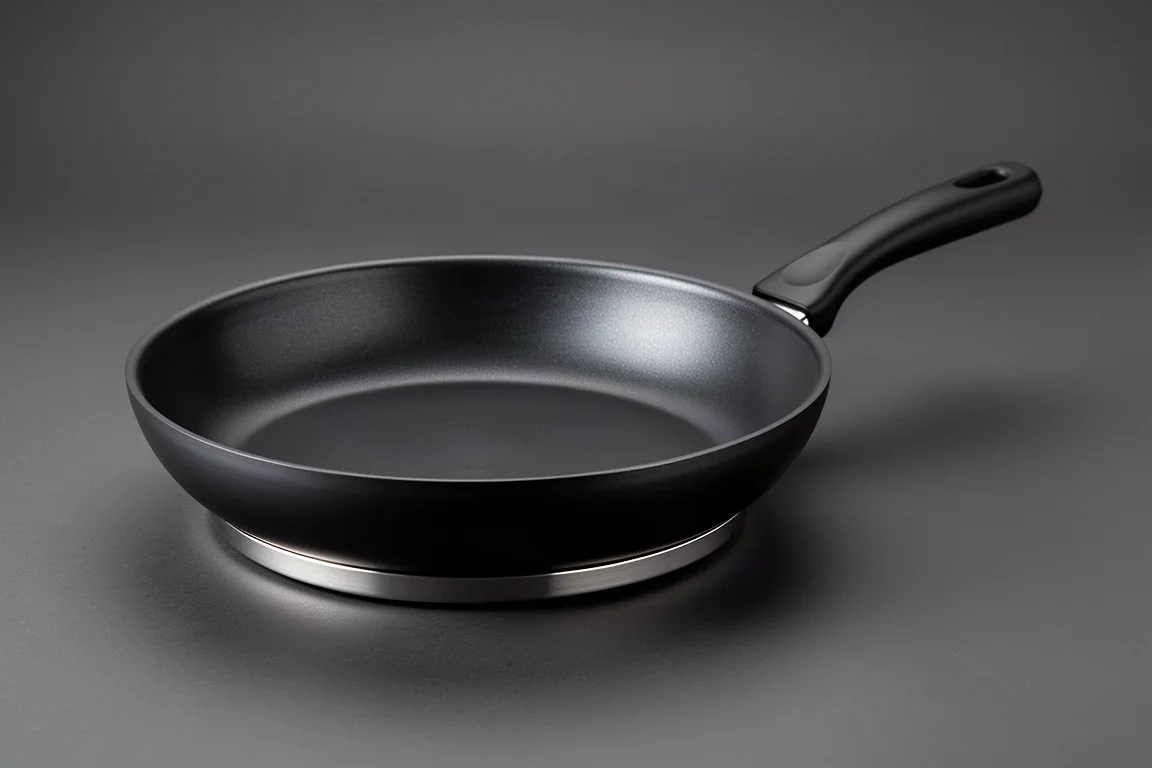
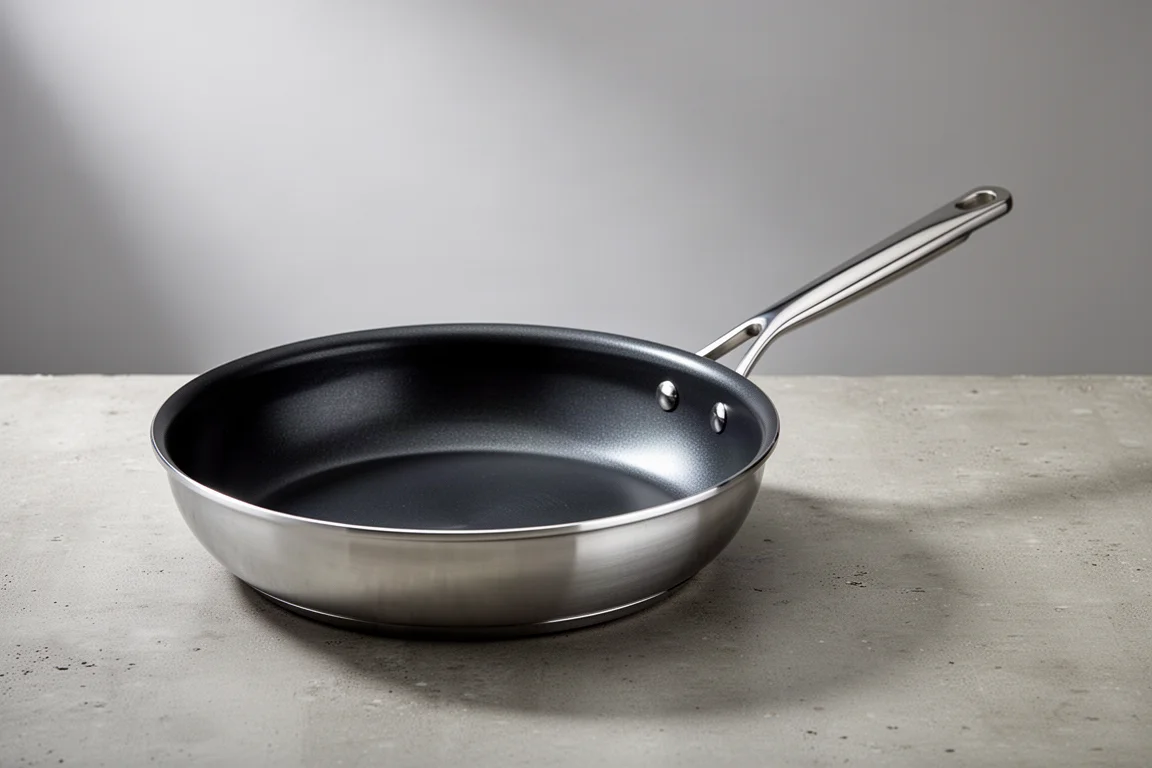
All-Clad also makes non-stick cookware. HA1 is its most popular non-stick line, with a thick hard-anodized aluminum base, a triple-layer non-stick coating, and a steel induction plate bonded to the bottom. Essentials shares the same construction but lacks the induction plate, so it costs less but does not work on induction cooktops.
Design Details: The Good, the Awkward, and the Lawsuit
On the plus side, All-Clad offers both polished and brushed exteriors. D3, D3 Everyday, and Copper Core have a mirror-like polished finish, while G5 has a brushed finish that looks more modern and hides fingerprints better. D5 comes in both finishes.
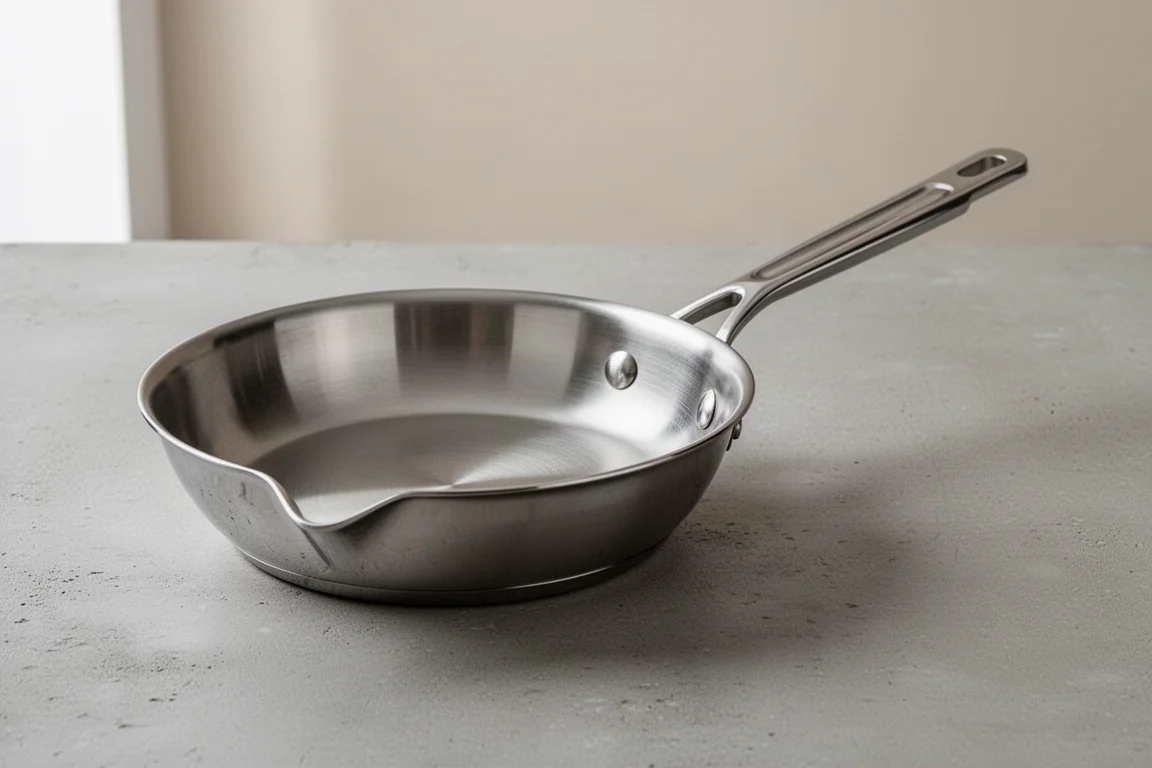
The pan shapes are excellent, especially the fry pans. The walls are sloped and the rims are flared, which makes it easy to flip eggs and slide food onto a plate, while still offering enough height to contain ingredients and limit splatter. The straight handles taper as they approach the pan to help disperse heat, include a small bump underneath to warn your hand when it is getting close to the heat, and angle upward so you can baste and coat the pan with oil while keeping your hand away from the burner. The trade-off is clearance: there are about five inches between the bottom of the pan and the top of the handle, so you need more room between oven racks than with brands that use lower handle angles.
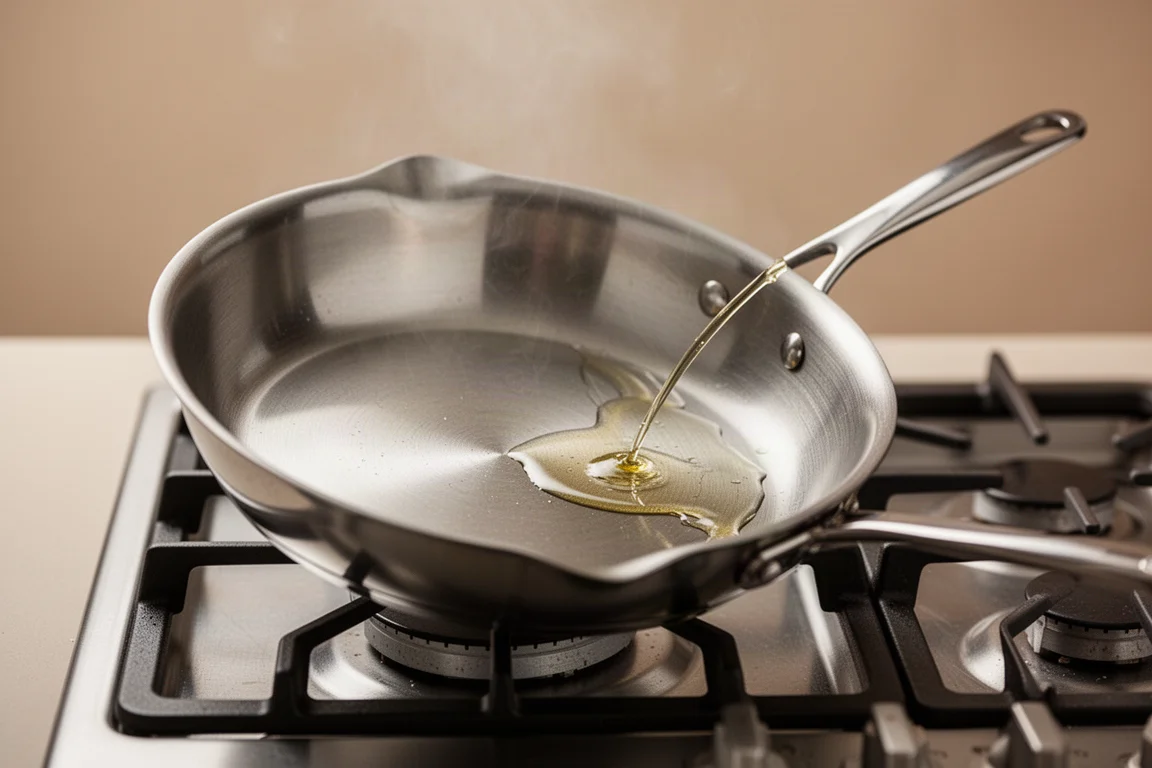
The most common complaint is handle comfort. All-Clad handles have a cup-shaped design, rounded on the bottom with a concave groove on top. That keeps your hand from rotating when you tilt your wrist, even with greasy hands or an oven mitt, but it feels awkward if you are used to flat or rounded handles. The design was originally built for professional chefs who grab handles with a towel, and newer collections like D3 Everyday, G5, and Essentials now use a much more subtle indentation.
Two other design points to weigh: the rivets that attach the handles are secure but collect grime and can be a pain to keep clean, and the edges along the rim are not sealed, so you can see the bonded layers. That unsealed rim is behind the brand’s recent legal trouble. A class action lawsuit alleged that pans advertised as dishwasher safe could develop thin, sharp edges in the dishwasher as the aluminum core receded over time. All-Clad did not admit wrongdoing but agreed to a settlement, refunding or replacing damaged pans, and now states its pans are not dishwasher safe. Brands like Sardel, Hestan, and Misen use sealed rims to avoid the issue entirely.
Performance: Does All-Clad Live Up to the Hype?
After years of searing steak, sautéing vegetables, frying chicken, cooking eggs, and simmering sauces, plus dozens of head-to-head tests against top-rated brands, All-Clad performs as well as or better than any other cookware tested here. It heats up fast and evenly and holds a consistent temperature.
Each collection performs differently, which is a genuine advantage. D3 is the most well-rounded: it heats fast, responds quickly, and holds heat well. D5 heats slower and more evenly, making it more forgiving if you accidentally turn the heat too high. Copper Core and G5 react incredibly fast to temperature changes, ideal for fish, onions, sauces, garlic, and anything that needs frequent adjustments. In a standard heat conduction test, Copper Core and G5 boiled two cups of water about 20% faster than D3, HA1, and D5, and they heat up faster than nearly every brand tested. The flip side is that they do not retain heat as well as D3 and D5.
As with any stainless cookware, delicate foods like eggs and fish can stick. Preheat the pan, use enough oil, and let the food cook a few minutes before touching it, and it will release naturally.
Durability: Decades of Use
Durability is guaranteed with All-Clad. The pans are thick and heavy, they stay flat on the stove, they resist denting and warping, and the handles never budge. Plenty of brands claim their pans last a lifetime; All-Clad is one of the few that can prove it, with thousands of customers using the same pans for decades.
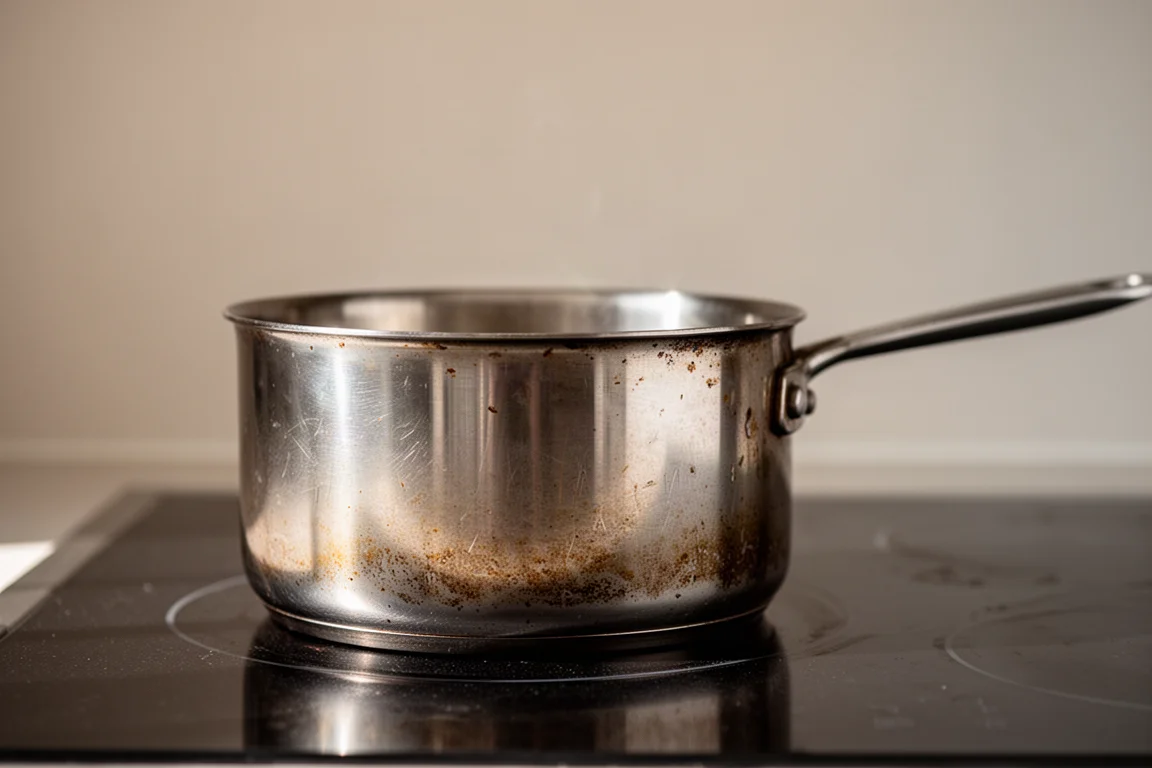
A pan used here for a year still looks and cooks well. A pan used for about seven years performs the same. And a family saucepan bought in 1995 and used several times a week for nearly 30 years still sits flat on the stove and heats as evenly as it did on day one.
Made in America, With Caveats
If American-made cookware matters to you, the news is mostly good. All-Clad manufactures the bodies of its stainless steel pans at its factory in Canonsburg, Pennsylvania, using local steel, aluminum, and copper, with strict quality control; pans with even minor imperfections are sold at steep discounts during Factory Seconds sales events. However, the lids and handles are produced in China and attached in the US, and the non-stick collections, HA1 and Essentials, are made entirely in China. The company is also owned by the French consortium Groupe SEB, though it operates from its Pennsylvania headquarters.
Why Is All-Clad So Expensive?
All-Clad was founded in 1971 by John Ulam, an expert in bonding metals. At the time, most cookware was aluminum, which reacts with acidic foods, or steel, which is durable but a poor heat conductor. Ulam bonded stainless steel and aluminum to create an ideal cooking material, secured several patents on the process, and spent the 1980s and 1990s cementing All-Clad as the leader in premium fully clad stainless steel.
Today, the original patents on those 3-ply aluminum core pans have expired, and brands like Misen, Goldilocks, Cuisinart, and Calphalon produce similar pans at lower cost by manufacturing in China. All-Clad keeps its premium pricing thanks to its reputation, first-mover status, loyal customers, US manufacturing, quality materials, high standards, and unique metal combinations like the graphite core in G5. But mainly, it is the brand prestige built over decades.
Is It Still Worth Buying?
In short, yes, for the right buyer. All-Clad offers more variety than almost any other brand, so you can mix and match collections to suit your cooking style and budget. Its quality control is in a class of its own. And it is one of the few brands that has proven its pans last for decades, which makes the long-term value excellent despite the high initial price.
That said, brands like Made In, Misen, and Heritage Steel make excellent stainless steel pans for less, and their handle designs may suit you better. If price is the sticking point, waiting for a sale or one of All-Clad’s Factory Seconds events can meaningfully lower the cost.
Conclusion
All-Clad earns its reputation. The performance is excellent across every collection, the durability is proven over decades, and the range lets you match construction to how you actually cook. The main drawbacks are the polarizing handle shape, visible rivets, unsealed rims that rule out the dishwasher, and a premium price that competitors now undercut with very similar construction. If you want the original and can absorb the cost, All-Clad remains a sound long-term investment.
Further reading
Related Reviews
Cookware
Best Carbon Steel Pans Tested: Which Brands Deliver Real Value
We tested eight popular carbon steel pans with controlled durability, heat, and cooking tests. Here's which ones perform best and which to avoid.
Cookware
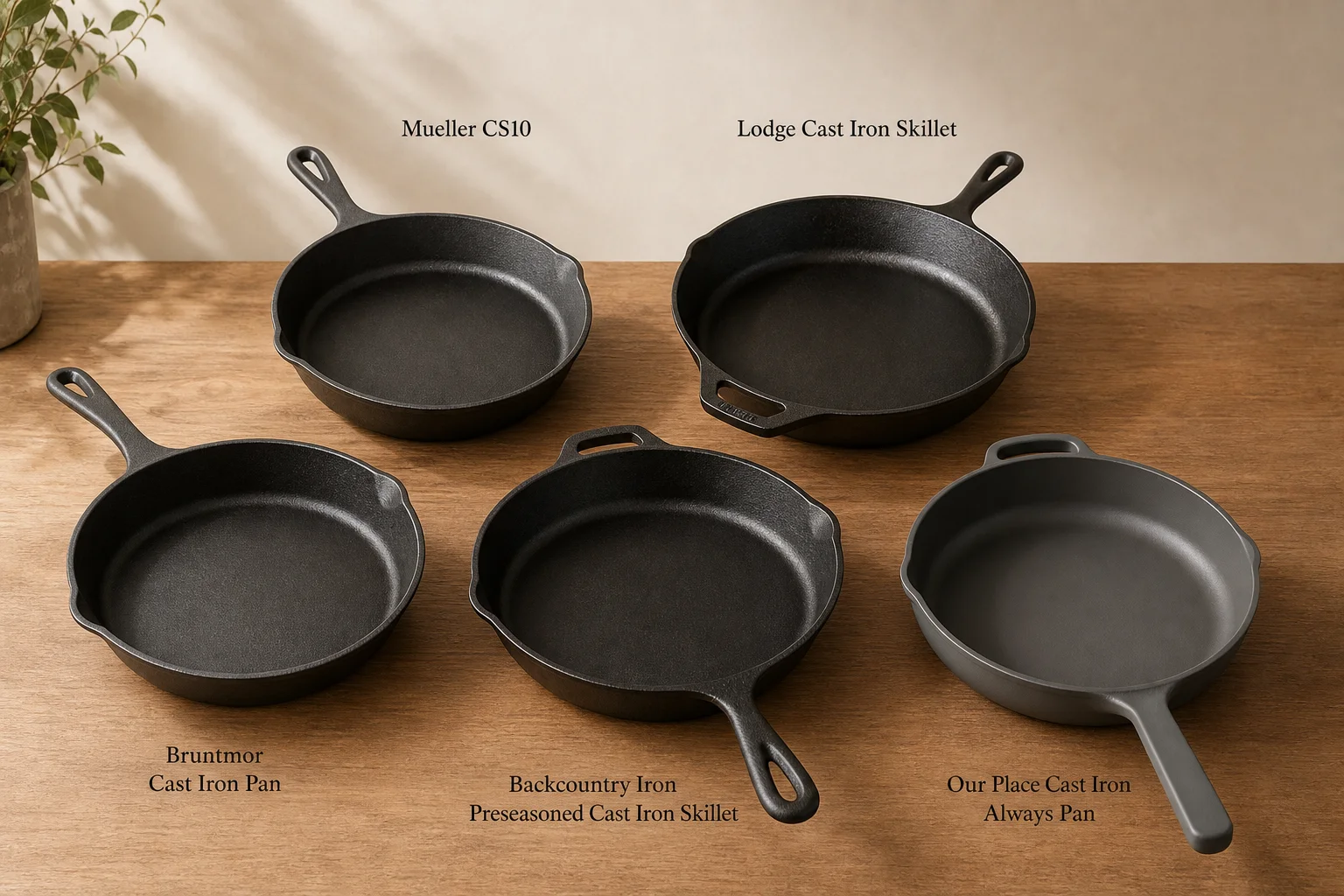
Best Cast Iron Pans 2026: Five Options from Budget to Premium
A practical breakdown of five cast iron skillets, from affordable Mueller to premium Our Place, with clear strengths and trade-offs for different cooking needs.
Cookware
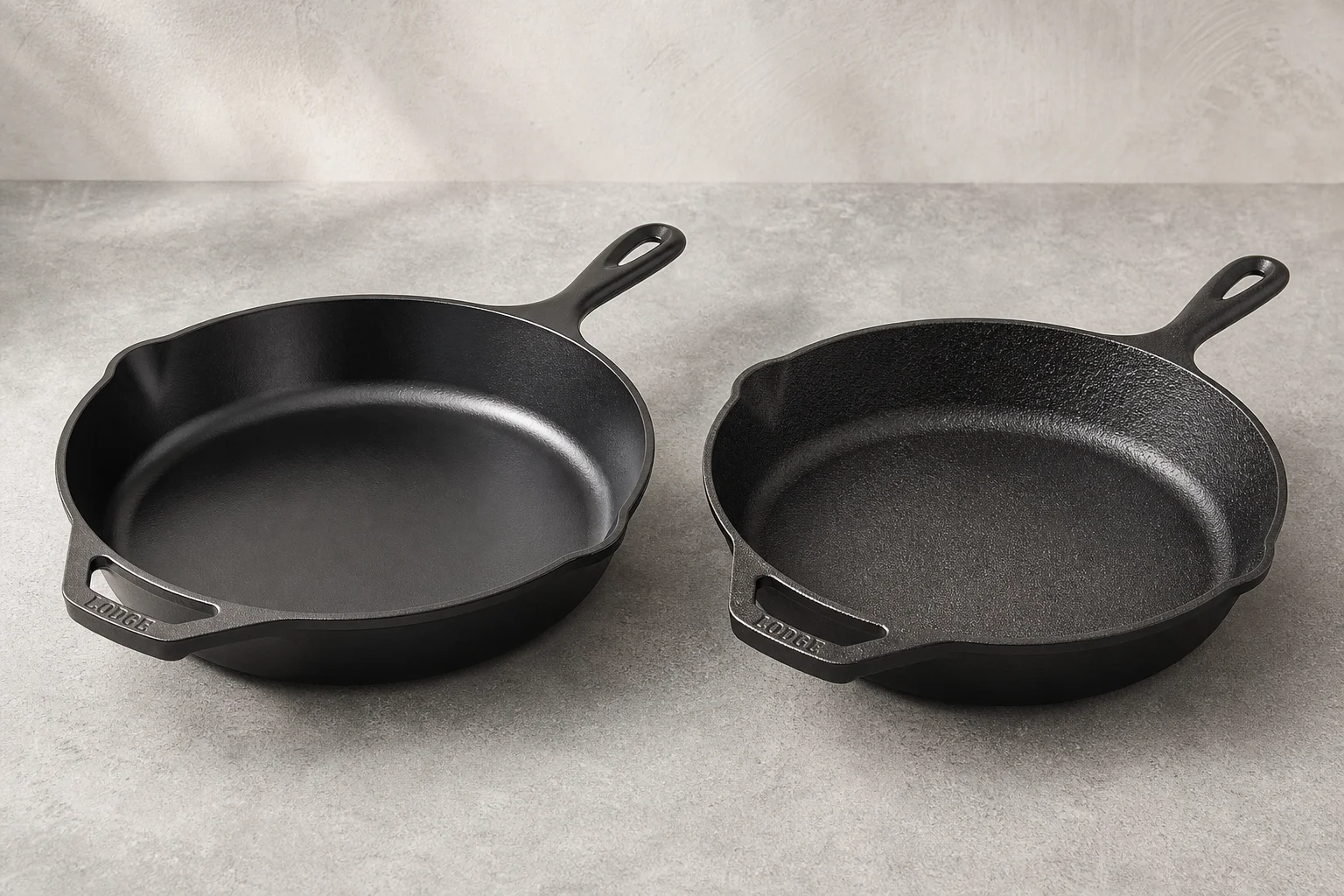
Best 12-Inch Cast Iron Skillets: Premium Craftsmanship vs. Reliable Budget Option
Two standout 12-inch cast iron skillets tested for heat retention, surface finish, and durability. One premium choice and one budget-friendly alternative that both deliver.