Tech
Apple AirPods Pro 3 Review: Heart Rate Sensing Comes to the Best All-Rounder for iPhone Users
A redesigned fit, noticeably better sound, IP57 water resistance, and accurate in-ear heart rate tracking make the AirPods Pro 3 a much stronger sports earbud than before.
Introduction
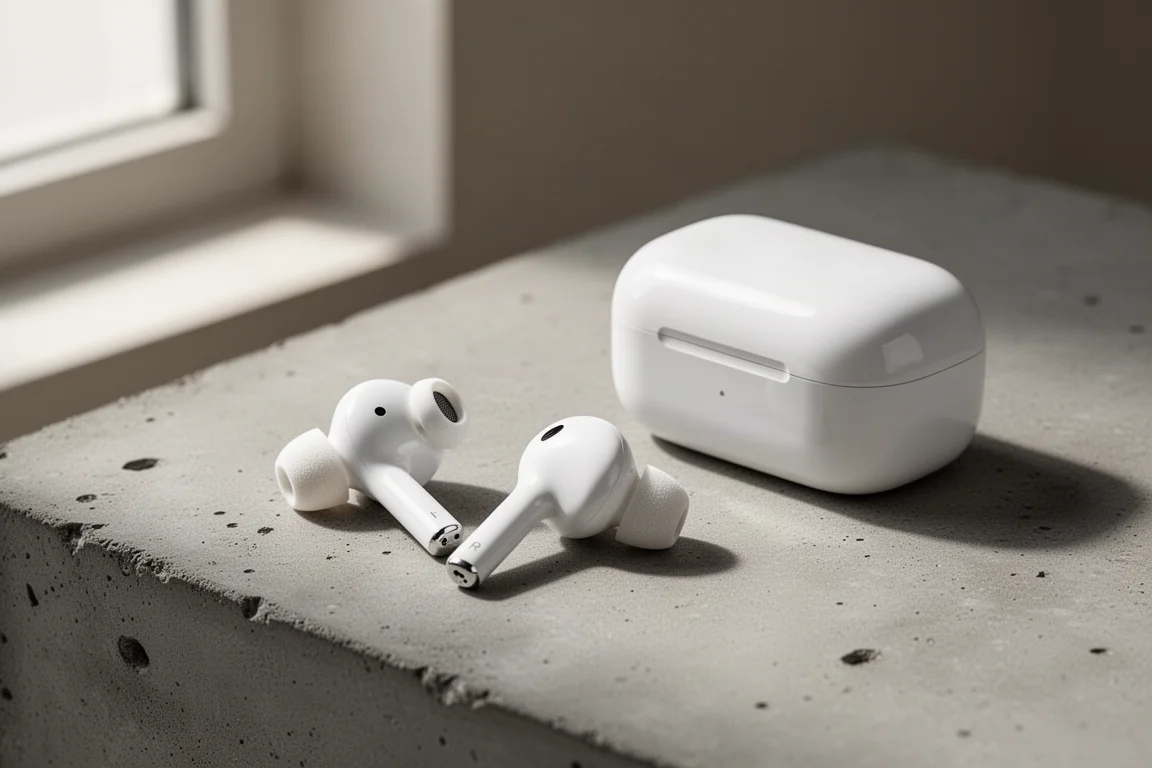
The AirPods Pro 3 arrive with a longer list of changes than the usual incremental refresh. Apple redesigned the buds to fit more ears, improved sound quality, bumped up water resistance, and added a built-in heart rate sensor, the same idea found in the more recent Powerbeats Pro 2, though the implementation here is quite different.
AirPods Pro have always been about balance rather than excelling at one single thing. There are earbuds with better sound, better transparency or active noise cancellation, and longer battery life, but the AirPods Pro have typically been the best everyday pick if you live inside the Apple ecosystem. What they were never particularly known for is sports: weaker sweat resistance, less secure fit, and thinner bass for workouts. The AirPods Pro 3 attack all of those weaknesses directly, and at the same $250 launch price as the previous generation, the heart rate sensor comes at no extra cost.
Fit and New Ear Tips
The buds themselves are a little smaller than before, which allows them to fit more people. The bigger story is the new foam-infused silicone ear tips, which aim to combine the grip of foam with the feel of silicone. In practice, that blend grips the skin noticeably better while still keeping the springy quality that foam tips lack. The tips also use an oval shape that matches the natural anatomy of the ear, and there are now five sizes instead of four, with a new extra-small option added.
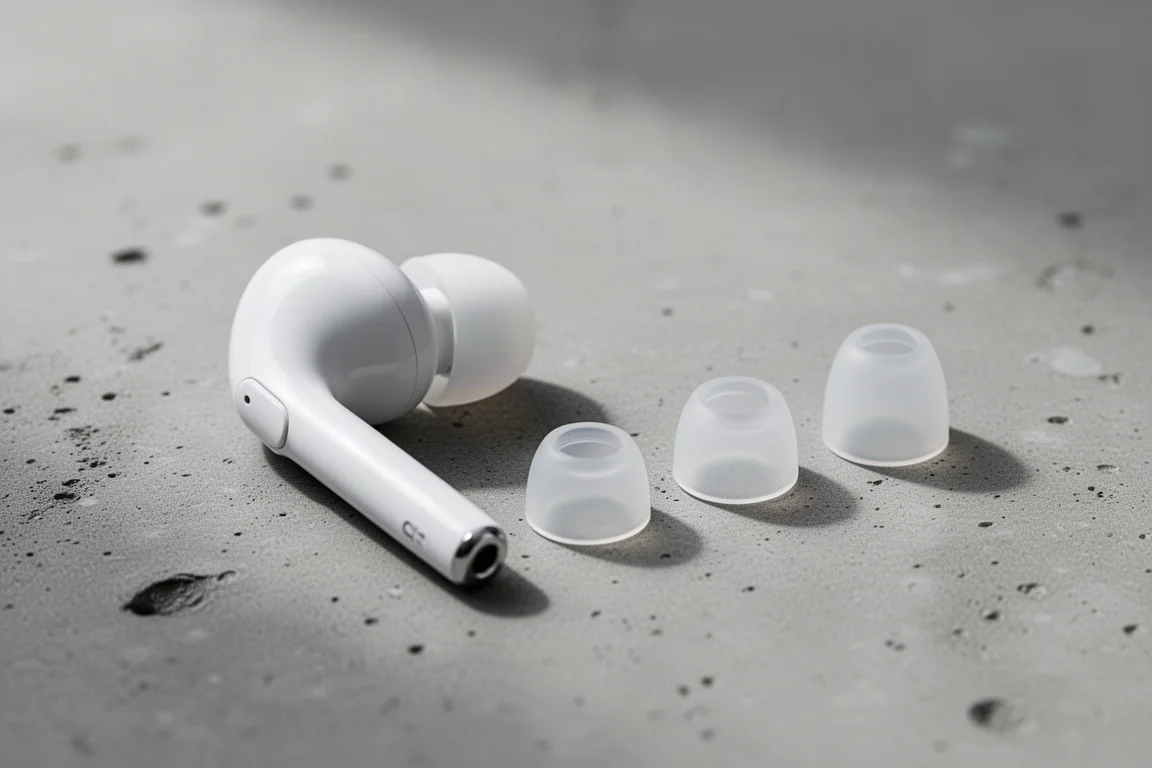
They take a bit of effort to remove, which is a good thing, and they snap satisfyingly into place when installed. One catch: these new tips will not fit previous-generation AirPods Pro.
The added grip and smaller body make these sit more securely in the ear. The most noticeable change is that readjusting becomes rare, where the previous generation occasionally needed a nudge depending on the activity. For running and weight training there were no security issues at all. Mountain biking is the exception, not because these would fail, but because any earbud without a hook can pop out on genuinely rough terrain.

Apple includes an ear tip fit test in the iPhone settings, but it is worth experimenting beyond it. The test recommended a medium here, while the small tips turned out better for sound quality, noise cancellation, and even sensor accuracy. Apple itself suggests starting with the size used on previous AirPods Pro and then trying one size smaller.
Sound Quality
The sound upgrade is immediate. The new tuning delivers a wider sound stage with more presence in the highs and lows, plus clearer vocals. Compared with the jump from the originals to the AirPods Pro 2, which felt like moving from a five out of ten to a seven, these land at a solid eight and possibly a nine.
The standout change is the bass. There is significantly more low-end, and it is projected rather than just audible, to the point of being felt. More bass often muddies the overall presentation, but these stay as crisp and clear as before. Even using Spotify rather than Apple Music, the difference is obvious, though Apple Music users will likely hear more of it.
For anyone who has kept a pair of Sony or Sennheiser earbuds around purely for better sound, those alternatives still edge ahead, especially on the low end. But they are less comfortable and less convenient, and the gap has now shrunk enough that the AirPods Pro 3 can plausibly replace them for everyday use. Volume is a non-issue, with more headroom than most listeners will ever use. The personalized volume feature, which adapts loudness to your environment, is more annoying than helpful and is easy enough to switch off.
Battery, ANC, and Everyday Features
Battery life improves to eight hours of listening time with active noise cancellation, and a five-minute charge in the case buys about an hour of playback. Two scenarios make this genuinely useful: covering an entire transatlantic flight, and sleep use, where the buds can play nighttime guided meditation and keep noise cancellation running all night. A neat trick tied to the heart rate sensor: the buds can detect when you fall asleep and pause playback automatically, with ANC still active.
On noise cancellation, Apple claims the AirPods Pro 3 are two times better than the previous generation and four times better than the originals. In a demo simulating airplane cabin and loud bar noise, the first impression was simply good rather than transformative, until the ear tips were swapped from medium to small. With a proper seal, the ANC moved from good to extremely good. If background noise still bleeds through, experiment with tip sizes.
Transparency mode remains among the best available, blending outside sound with your audio in an unusually natural way, and it works well for running.
Two additional features round things out. The buds can act as a camera remote for photos and video recording via single press or press and hold, available on any AirPods with the H2 chip paired with an iPhone running iOS 26, though it is off by default. Live translation, when paired with an Apple Intelligence-capable iPhone, translates spoken conversation with a delay of roughly five to seven seconds, because it translates full sentences for context rather than word by word. Both parties need AirPods and AI-capable iPhones for two-way real-time use, and translation runs on device, so it works without Wi-Fi or cellular once the language pack is downloaded.
Sports Use and Cycling
For cycling, redesigned vents are meant to reduce wind noise at speed. They improve on the previous generation, but wind noise is still intrusive enough that wearing a single earbud remains the more pleasant option, letting you keep one ear on your surroundings. Note that with one bud there is no transparency mode or ANC, just passive isolation, which is perfectly serviceable, and heart rate sensing still works from either single earbud.
Heart Rate Accuracy
The heart rate sensor is the headline feature, and the intended use case is real: watches struggle with activities involving gripping, where the hands and wrists are tensed, such as cycling, weight training, and high-intensity interval training. For anyone who does not wear a watch, the buds can track workouts, heart rate, calories burned, and distance and speed for supported outdoor activities through the redesigned workouts app in the Fitness app.
The workouts app supports up to 50 workout types, indoor and outdoor, and shows heart rate and other metrics in real time, with a live activity view on a locked iPhone. If you wear an Apple Watch at the same time, the system fuses data from both sources and keeps the higher-quality signal, and starting a workout in the app starts it on the watch too. Workouts sync to Strava for both indoor and outdoor activities once access is enabled in the Health app.
On accuracy, the results were startlingly good. During indoor cycling, the heart rate line from the AirPods Pro 3 was nearly indistinguishable from chest straps and other external monitors, with only tiny gaps visible where momentary Bluetooth drops occurred. Outdoor riding was nearly as close, even when testing with both earbuds and then with each single earbud in turn. Running showed no sign of the cadence lock issue that plagues the Powerbeats Pro 2, where the sensor mistakes footstep rhythm for heart rate.
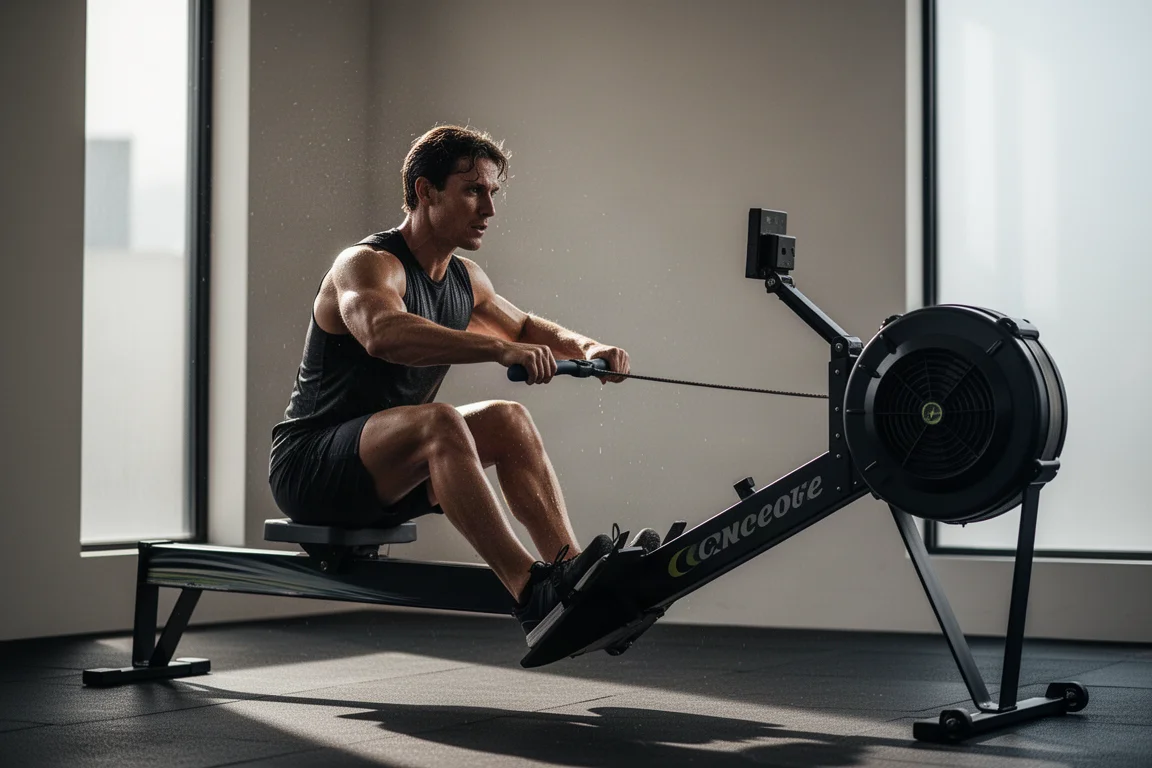
Weight training produced solid results with only mild wandering during bench presses and bicep curls, and high-intensity work including rowing, ski erg, and wall balls was excellent. Rowing and ski erg are among the hardest activities for wrist-based sensors to track, even with the best smartwatches, so accurate readings here carry real weight. The performance is good enough that these could serve as a reference source when comparing other heart rate devices.
Where It Falls Short
The main limitation is connectivity beyond the Apple ecosystem. The heart rate data works with any iPhone app tied to Apple’s HealthKit, such as the Peloton or Nike Run Club apps, but the buds do not appear as a heart rate source on bike computers or non-Apple watches. They also cannot serve as a heart rate source on Android, which the Powerbeats Pro 2 can. The restriction is likely related to privacy, but it is hard to see the logic, since opening the connection would presumably sell more units.

Buying Advice
If you own an iPhone, the AirPods Pro 3 are an easy recommendation. The combination of better sound, stronger ANC, longer battery life, a more secure and comfortable fit, and genuinely accurate heart rate tracking covers nearly every use case most buyers have. Riders and gym-goers who already wear a watch with a heart rate sensor should weigh whether the in-ear sensor adds value; for gripping activities, it genuinely does. Anyone wanting earbuds that pair with bike computers or non-Apple devices should look elsewhere for now.
Conclusion
The AirPods Pro 3 take what was already the most well-rounded everyday earbud for Apple users and fix nearly every long-standing complaint. The heart rate accuracy in particular exceeds expectations, and the sound and fit improvements make the previous generation feel dated. The closed-off heart rate connectivity is the one real frustration, but within Apple’s own ecosystem, this is the most complete version of the AirPods Pro yet.
Product link
View more details for AirPods Pro 3
This product is mentioned in the review. Check the specifications, options, and compatibility before buying.
View more details for AirPods Pro 3Further reading
Related Reviews
Tech
Apple MacBook Neo Review: A Surprisingly Capable Budget Laptop
The MacBook Neo brings M1-equivalent performance to a $599 entry-level laptop. We tested it across real workflows to see if it's worth considering over pricier alternatives.

Tech
ASUS ZenBook 16 With Snapdragon and RTX 4060: Can an ARM Laptop Game With an External GPU?
An early look at pairing an Nvidia RTX 4060 with a Snapdragon-powered laptop using a Thunderbolt 5 eGPU dock, including real gaming results.

Tech
GPD G2 eGPU Dock Review: A Sturdy, Future-Ready Boost for Your Handheld or Mini PC
The GPD G2 eGPU dock brings new connectivity standards, a robust build, and desktop-class graphics to laptops, handhelds, and mini PCs.