Tech
AirPods for Runners: AirPods 3 vs AirPods Pro vs AirPods 2
A runner-focused comparison of Apple's three mainstream wireless earbuds, covering battery life, fit, sound, and which one earns your money.
Introduction
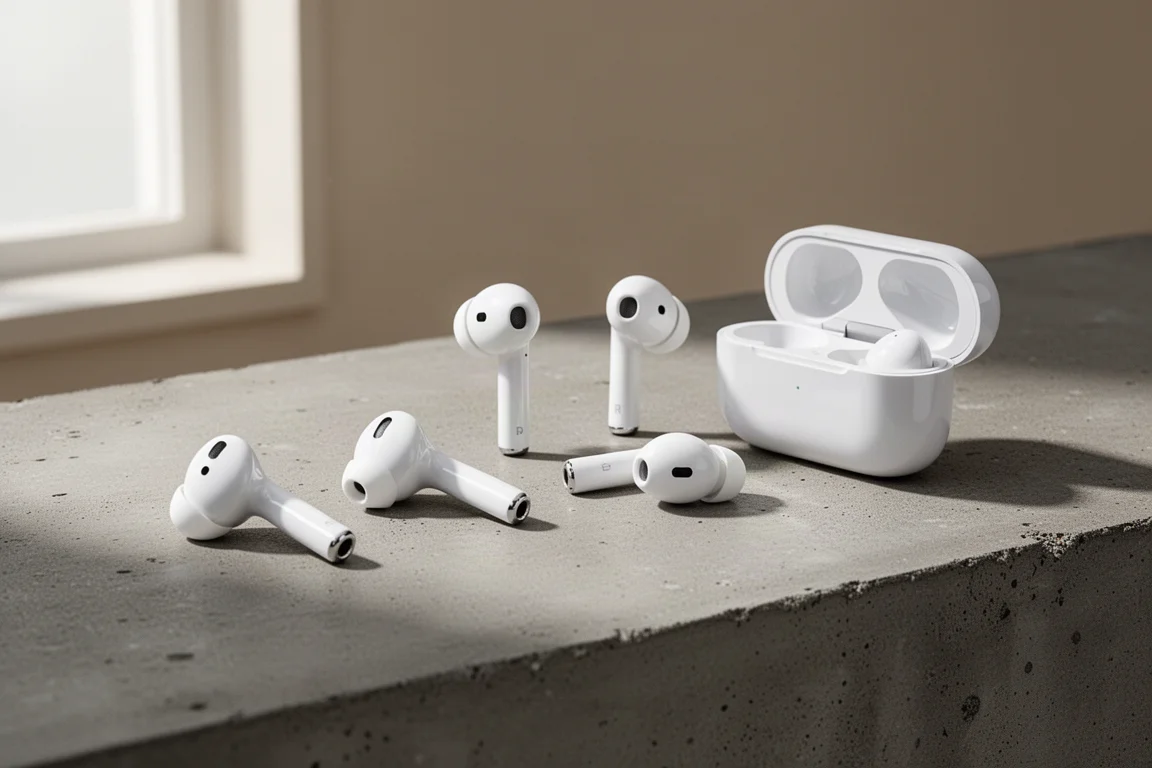
Apple’s AirPods lineup can be hard to untangle for runners. The AirPods 3 look a lot like the AirPods Pro and share an almost identical spec sheet, yet the differences that matter most on a run are exactly the ones Apple doesn’t spell out on the box. After testing both across long runs, including an 18-mile session with a 10-mile marathon-pace block in the middle, one thing is clear: the better pick depends almost entirely on how you listen while you run.
This comparison covers three price points: the AirPods 3 at $180, the AirPods Pro at $250 (and often found at $200), and the older AirPods 2 at $130.

Shared DNA: Nearly Identical Specs
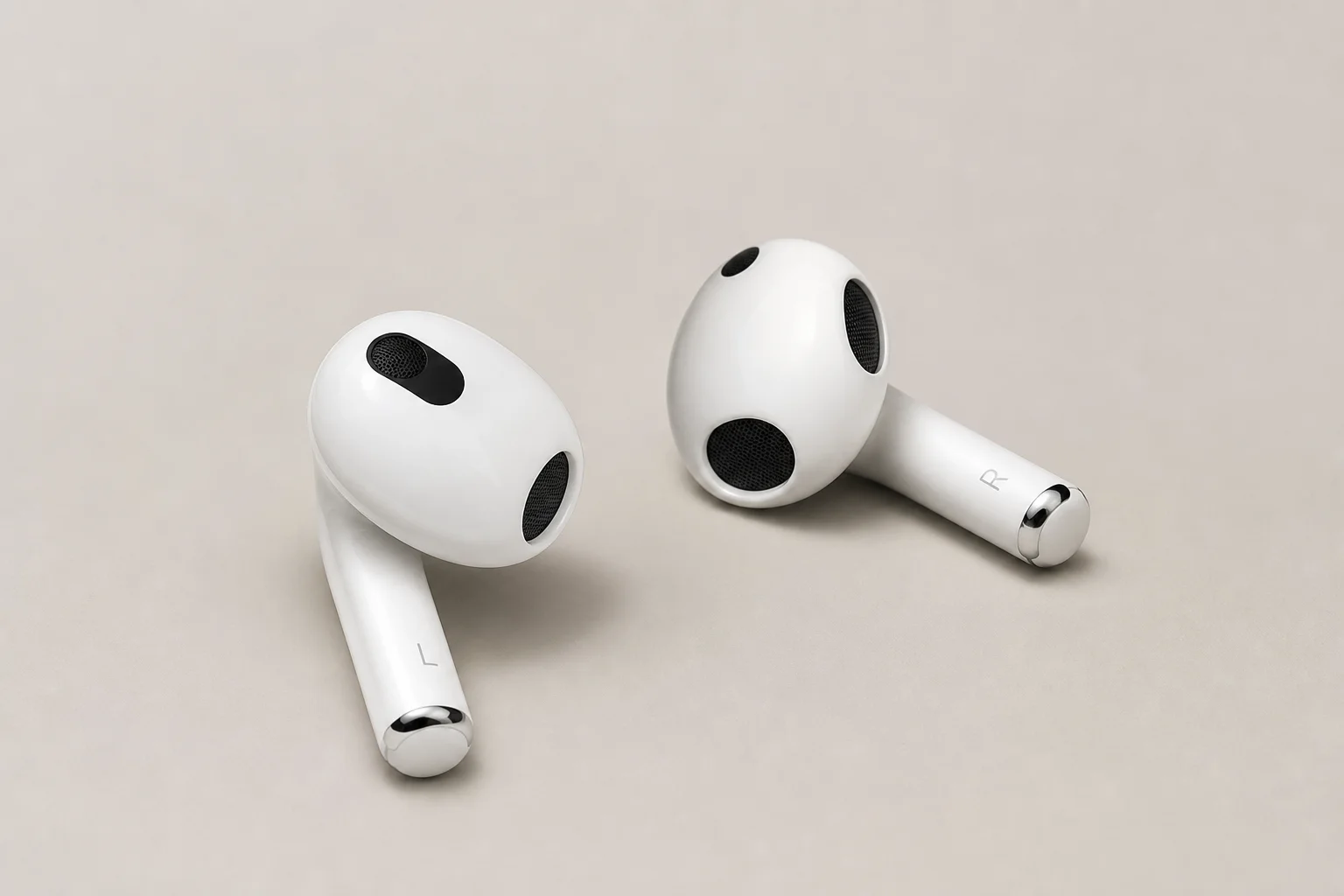
On paper, the AirPods 3 and AirPods Pro are strikingly similar. Both feature Adaptive EQ, a high-excursion Apple driver, a high dynamic range amplifier, speech-detecting accelerometers, motion-detecting accelerometers, a force sensor for a physical-button feel, and an excellent haptic engine, all managed by the H1 chip. Apple may tune the driver and amplifier implementations slightly differently, but the spec sheets read the same.
The sensor approach differs: the AirPods 3 use a skin-detection sensor to know when they’re in your ears, while the AirPods Pro use optical sensors. Both carry an IPX4 rating, which is worth pausing on. IPX4 handles light splashes, not heavy rain or submersion, so neither is fully weatherproof for stormy runs. Both charge via MagSafe and wireless charging, ship with a USB-C to Lightning cable, and support quick charging: five minutes in the case buys about an hour of listening.
The Differences That Matter
Three things separate these earbuds for runners. First, battery life: the AirPods Pro last about 4.5 hours per charge, which can cut it close for a marathon including warm-up and corrals, while the AirPods 3 stretch to 6 hours, comfortably covering a full race morning.
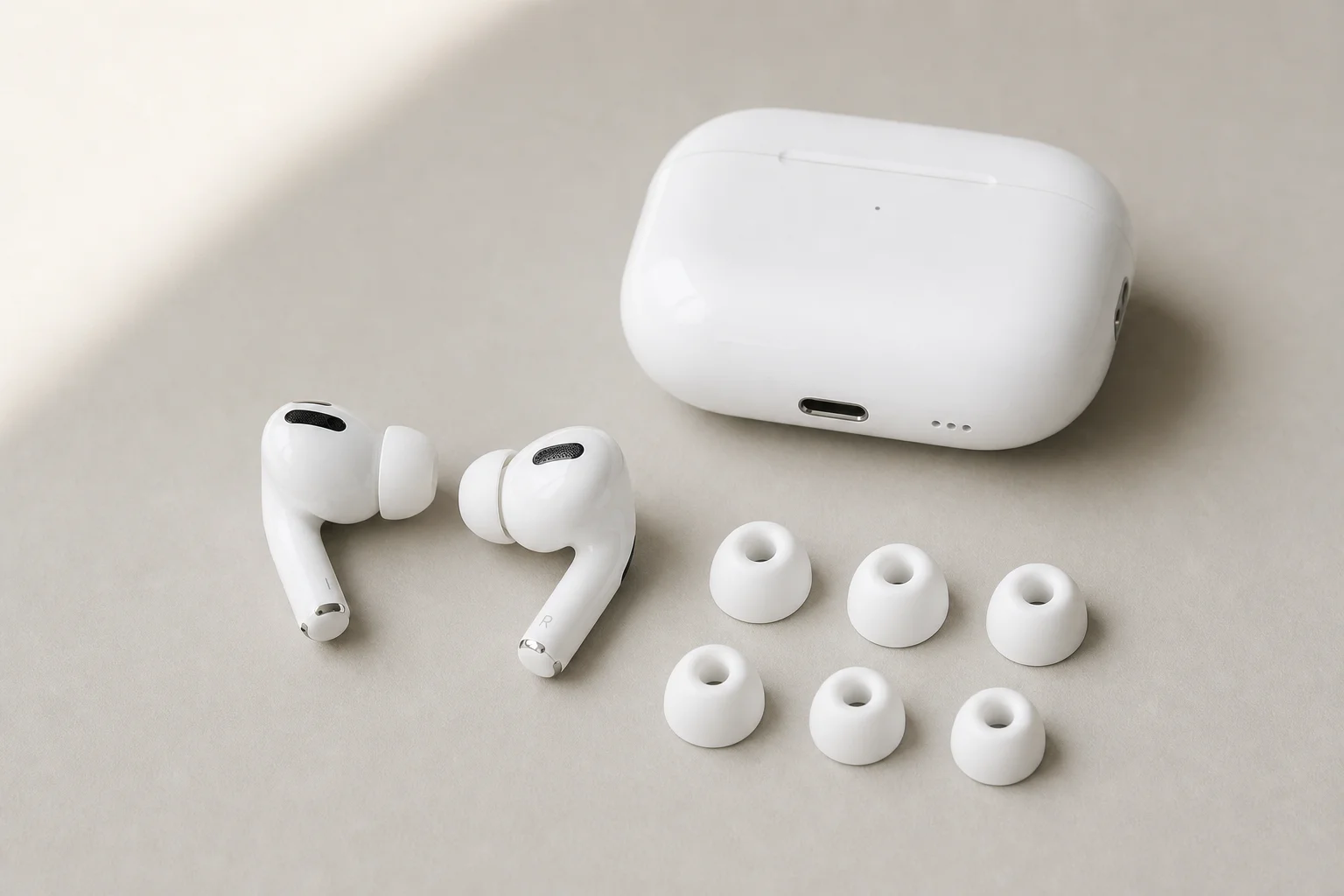
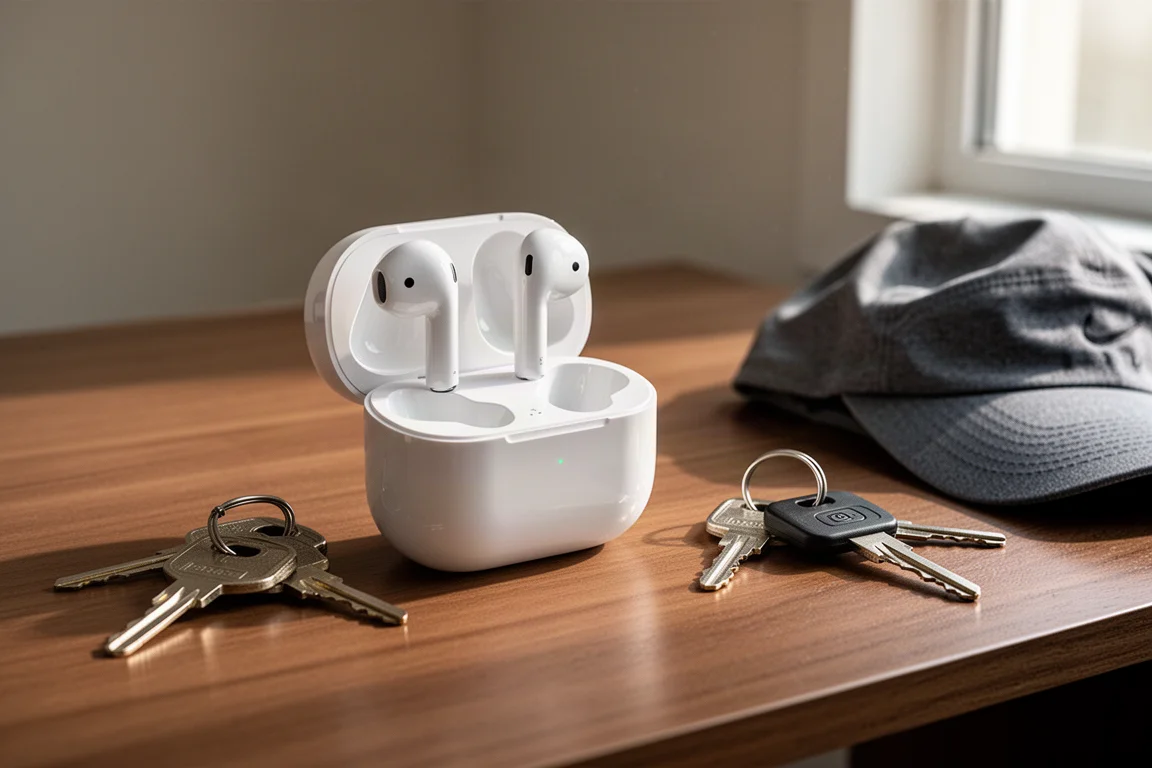
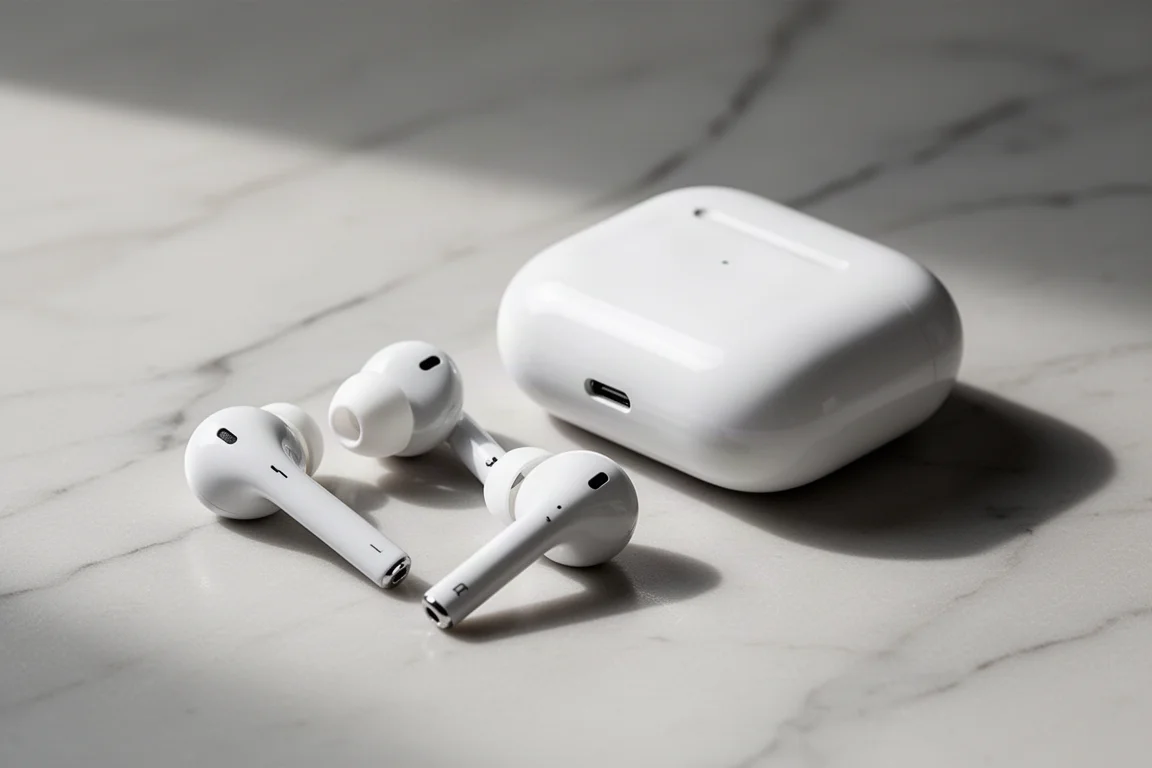
Second, the fit. The AirPods Pro use silicone tips that create a seal in the ear, which feels more locked in. The AirPods 3 sit more openly in the ear; they never fell out and never came close, but they always felt gently laid in rather than firmly wedged.
Third, noise handling. The AirPods Pro offer active noise cancelling plus a transparency mode that pumps ambient sound in, helping you stay aware of cyclists, other runners, pedestrians, and traffic. The AirPods 3 have no noise cancelling at all, relying instead on their open design to let surrounding sound in naturally.
AirPods 3: The Runner’s Sweet Spot
In quiet-room listening, the AirPods 3 genuinely impress. The music sounds a touch fuller and better balanced than the AirPods Pro, with crispness across the entire register, no distortion, and enough bass to enjoy the track, though bass lovers always want a little more.
Running with them is where the compromise shows. The open design lets bass leak out, and during hard efforts with the volume up, the low-end foundation of the music just dribbles away. Podcasts and audiobooks are unaffected, but music on a tough workout loses its punch. The upside is awareness: even with music playing, the open fit keeps you tuned into your surroundings better than most earbuds in this price range.
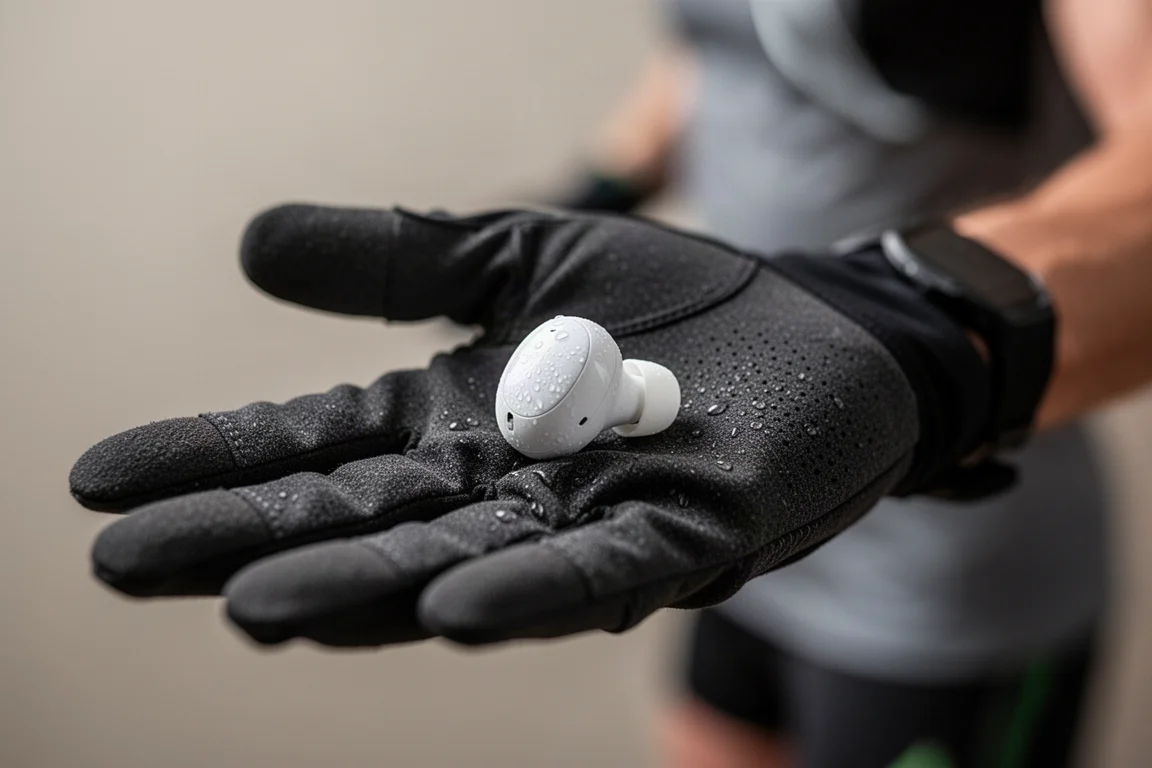
For everyday living, the AirPods 3 shine. They are smaller and lighter than their predecessor and easy to keep in for long stretches. The skin-detection sensor is a genuinely useful feature: take an earbud out to talk to someone and the music stops automatically, then resumes when you put it back in. Call quality through an iPhone is solid and close to just using the phone’s own microphone.
AirPods Pro: Noise Cancelling That Earns Its Keep
The AirPods Pro are not the pick for pure music fidelity in a quiet room; the AirPods 3 edge them there. But for media with well-engineered sound, like shows and films on streaming services, the Pro deliver a more immersive, realistic sense of being inside the scene.
For running, however, the Pro win by a wide margin. The sealed silicone tips keep the bass where it belongs, so music retains its drive even during hard efforts. The fit feels more secure too, and the transparency mode keeps you aware of traffic and pedestrians while you run.

The real argument for the Pro shows up on a windy day. With any earbud lacking noise cancelling, your choices are to let wind drown out your music or crank the volume until your ears are fatigued by the end of the workout. Noise cancelling removes most of that wind roar: you still feel the gusts, but you can actually turn the music down instead of up, finishing the run with far less ear fatigue.
AirPods 2: Still the Budget Pick
The older AirPods 2 remain on sale at $130 and are a genuinely good deal if you are shopping in the hundred-dollar range. They lack the newer design, the shorter stem, the better sensors, and the longer battery life of the AirPods 3, but if $130 is your ceiling, you will not be disappointed stepping up to them rather than buying something less proven. They are not the earbuds to buy if you can stretch further, but they hold their ground as the budget entry in Apple’s lineup.
Buying Advice for Runners
Here’s where the math gets interesting. At the full $250, the AirPods 3 at $180 are the better value for most runners; only buy the Pro at that price if noise cancelling and transparency mode are must-haves. But the AirPods Pro have been out long enough that they regularly sell for around $200, and at just a $20 premium over the AirPods 3, the calculus flips: the more secure fit, transparency mode, and wind-taming noise cancelling make the Pro the recommendation at that price.
The short version: pay $200 for AirPods Pro if you can find them, pay $180 for AirPods 3 if you can’t, and grab the AirPods 2 at $130 only if that’s your hard budget.
Conclusion
For runners, the AirPods 3 are the sensible value pick with the longest battery life and better awareness out of the box, while the AirPods Pro at their common discounted price are the better running earbuds overall, thanks to a more secure fit and noise cancelling that transforms windy-day runs. The AirPods 2 round out the lineup as an honest budget option. Match the earbuds to how you listen on the move and you won’t regret any of the three.
Further reading
Related Reviews
Tech
Apple MacBook Neo Review: A Surprisingly Capable Budget Laptop
The MacBook Neo brings M1-equivalent performance to a $599 entry-level laptop. We tested it across real workflows to see if it's worth considering over pricier alternatives.

Tech
ASUS ZenBook 16 With Snapdragon and RTX 4060: Can an ARM Laptop Game With an External GPU?
An early look at pairing an Nvidia RTX 4060 with a Snapdragon-powered laptop using a Thunderbolt 5 eGPU dock, including real gaming results.

Tech
GPD G2 eGPU Dock Review: A Sturdy, Future-Ready Boost for Your Handheld or Mini PC
The GPD G2 eGPU dock brings new connectivity standards, a robust build, and desktop-class graphics to laptops, handhelds, and mini PCs.