Art Supplies
AFMAT PSD1 Rechargeable Pencil Sharpener Review: A Powerful Desk Companion for Artists
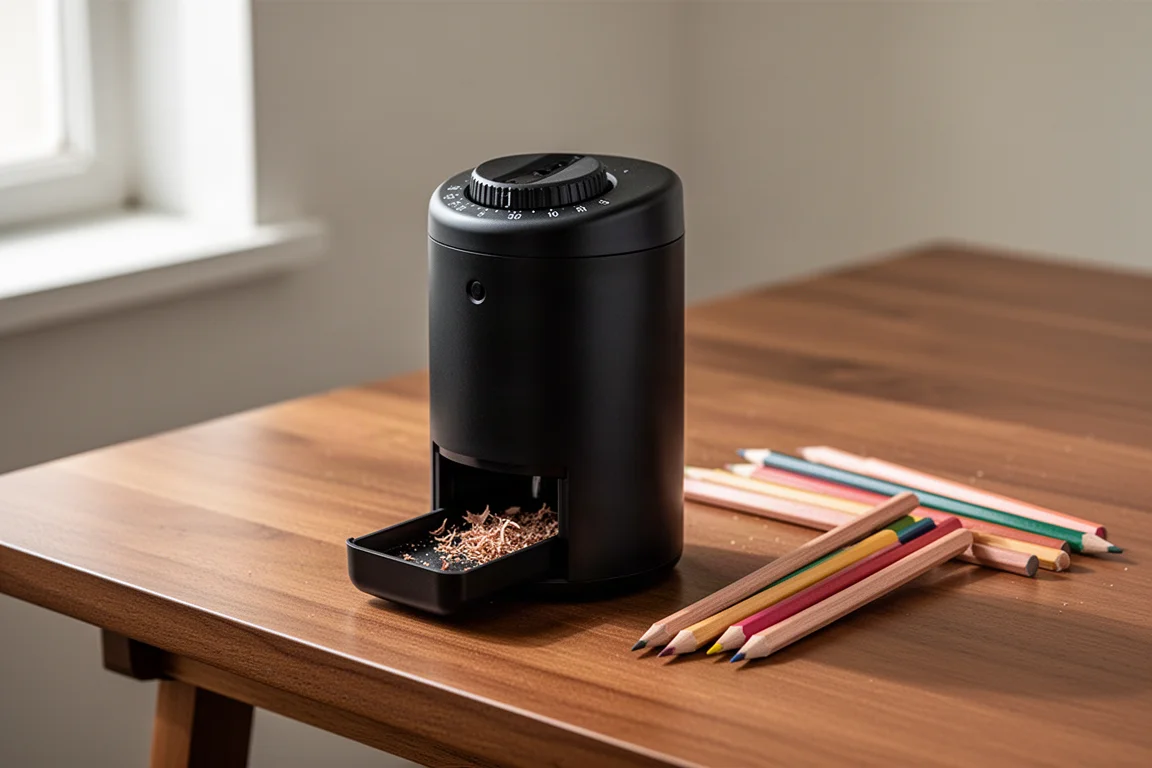
A larger, professional-feeling electric sharpener with six hole sizes, USB-C charging, and enough power to handle triangular, square, and chunky barrels with ease.
Introduction
If you spend long hours working with colored pencils, the AFMAT PSD1 rechargeable sharpener is worth a close look. It is a bigger, more professional-looking unit than typical desktop sharpeners, and it is aimed squarely at colored pencil artists who want a fast, consistent point without cranking a handle. After running it through a wide range of real-world pencils, it handled nearly everything thrown at it, from chunky triangular barrels to notoriously fragile soft-core pencils.
Who This Product Is For
This sharpener makes the most sense for colored pencil artists, illustrators, and anyone who sharpens a lot of pencils during a long project. A handheld sharpener is fine for one or two pencils, but for extended sessions it is slow and tiring. The PSD1 lets you insert a pencil, hold it steady for a couple of seconds, and pull out a clean point. That alone can cut sharpening time dramatically on big pieces.
Design and Build Quality
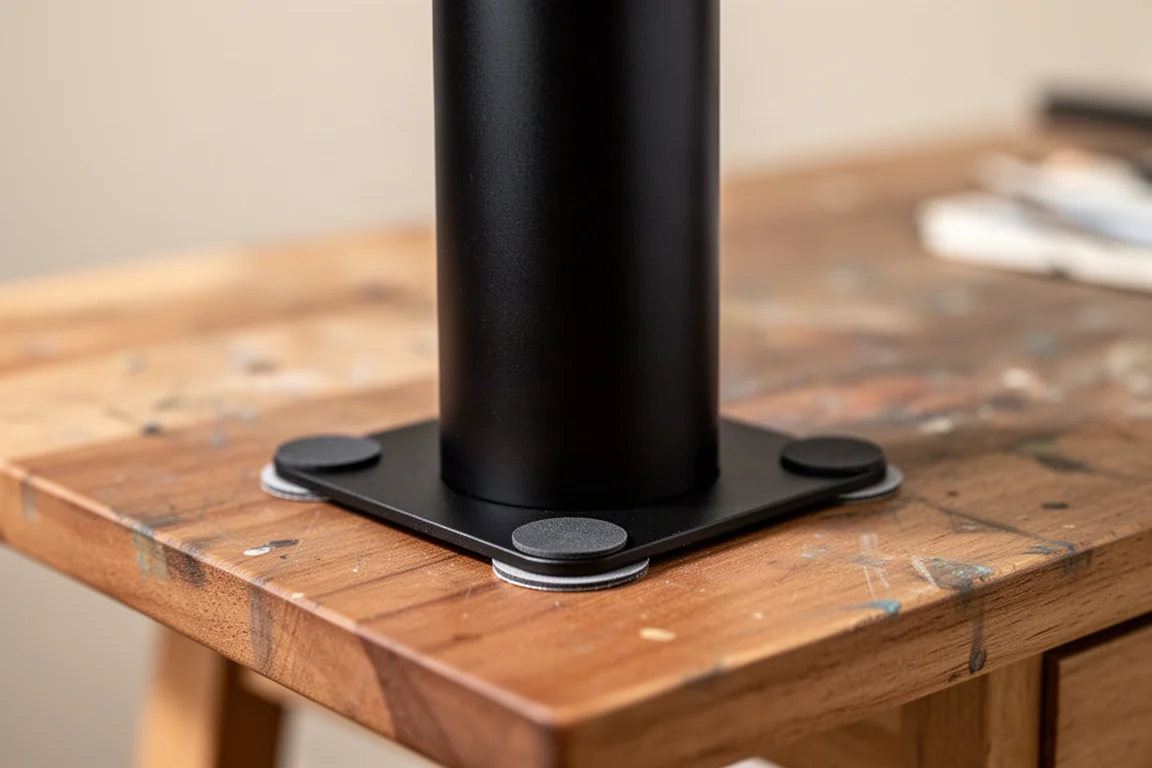
The PSD1 looks and feels like a professional studio tool rather than a plastic desk gadget. One of the most practical design details is at the bottom: the unit sits on sticky pads that screw into the base rather than snapping on loosely. Cheaper sharpeners often lose their pads when you lift the unit off the desk, but these stay firmly attached, so the sharpener grips the desk surface reliably and does not wander while in use.
Pencil Capacity and Hole Sizes
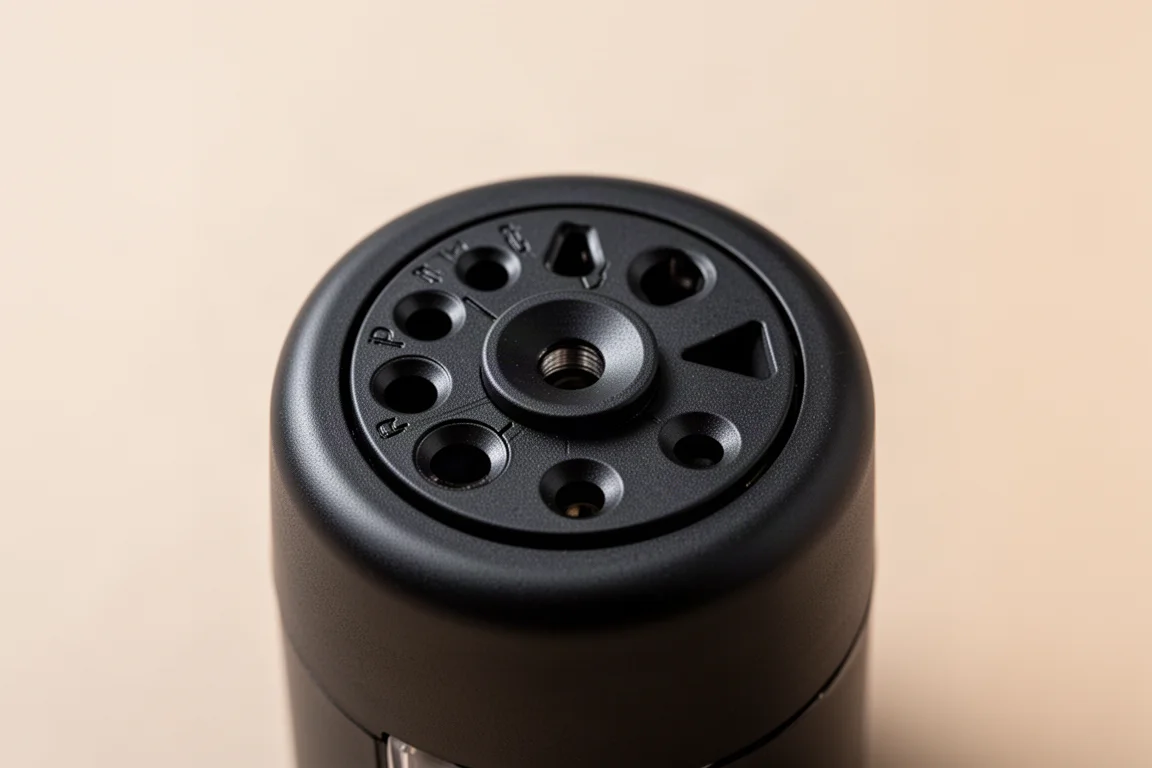
A rotating dial on top gives you six hole sizes: three triangular and three round, covering a broad range of barrel widths. AFMAT rates the maximum capacity at 10.5 mm for round or hexagonal pencils and 11.2 mm for triangular pencils. To put that in perspective, chunky drawing pencils such as Derwent Lightfast sit around an 8 mm barrel, so there is plenty of headroom. Thin-barrel pencils like the Prismacolor Verithin fit the smallest hole without issue.
Sharpening Performance
The sharpening mechanism is the familiar rotating helical blade found in many electric and hand-crank sharpeners, and it is genuinely powerful. A brand-new, completely unsharpened pencil takes roughly 4 seconds to reach a full point, while a partially sharpened pencil takes around 2 seconds. Those are rough estimates, but the unit was consistently quick across the entire test.
The test set covered the pencils artists find hardest to sharpen by hand: a Caran d’Ache Luminance, a Carbothello pastel pencil, a Cretacolor Albrecht Durer Magic triangular barrel, a WH Smith triangular pencil, a square Marco pencil, a Faber-Castell Albrecht Durer Magnus with its hefty 6.1 mm core, Prismacolor Premiers, Prismacolor Verithin, Col-Erase, Polychromos, and more. It produced clean, sharp points on all of them, including the triangular and square barrels that are a nightmare with a handheld sharpener.
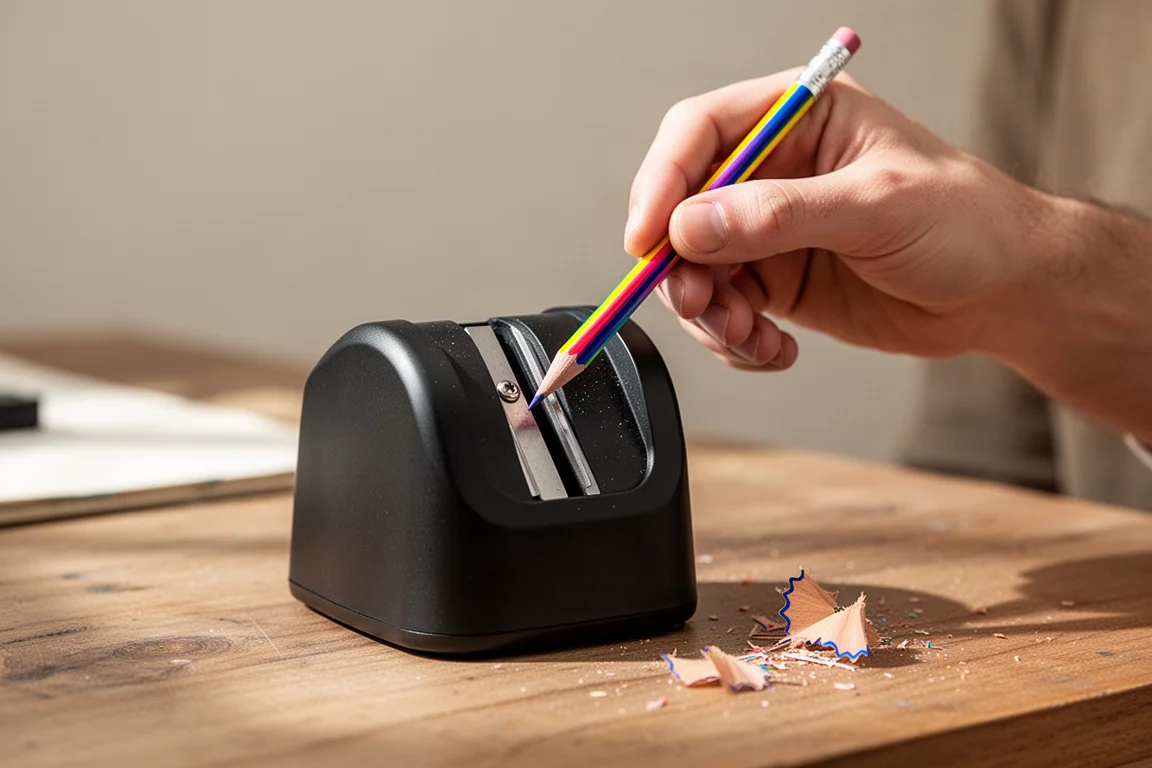
One important note: the motor is strong, so you need to hold the pencil barrel firmly and keep it steady while the blade turns. If you do not, the pencil can spin out of your hand. It will not cause damage, but anyone with arthritis or limited hand strength should be aware of this before buying. The sharpener also has an automatic stop: once the pencil reaches a full point, it keeps spinning but stops cutting, which you can both feel and hear.
Things to Consider Before Buying
Two caveats stand out. First, AFMAT explicitly advises against using pastel pencils in this sharpener. In testing, softer pastel pencils like the CarbOthello and Derwent pastel pencils sharpened acceptably, but the larger Conte pastel pencil broke its core, which is the expected risk. Pastel ingredients also tend to blunt blades over time, so a craft knife remains the better tool there. Second, the sharpener does not have an automatic feed; you push the pencil in and hold it. The automatic stop compensates well, but it is a manual process.
Battery, Charging, and Maintenance
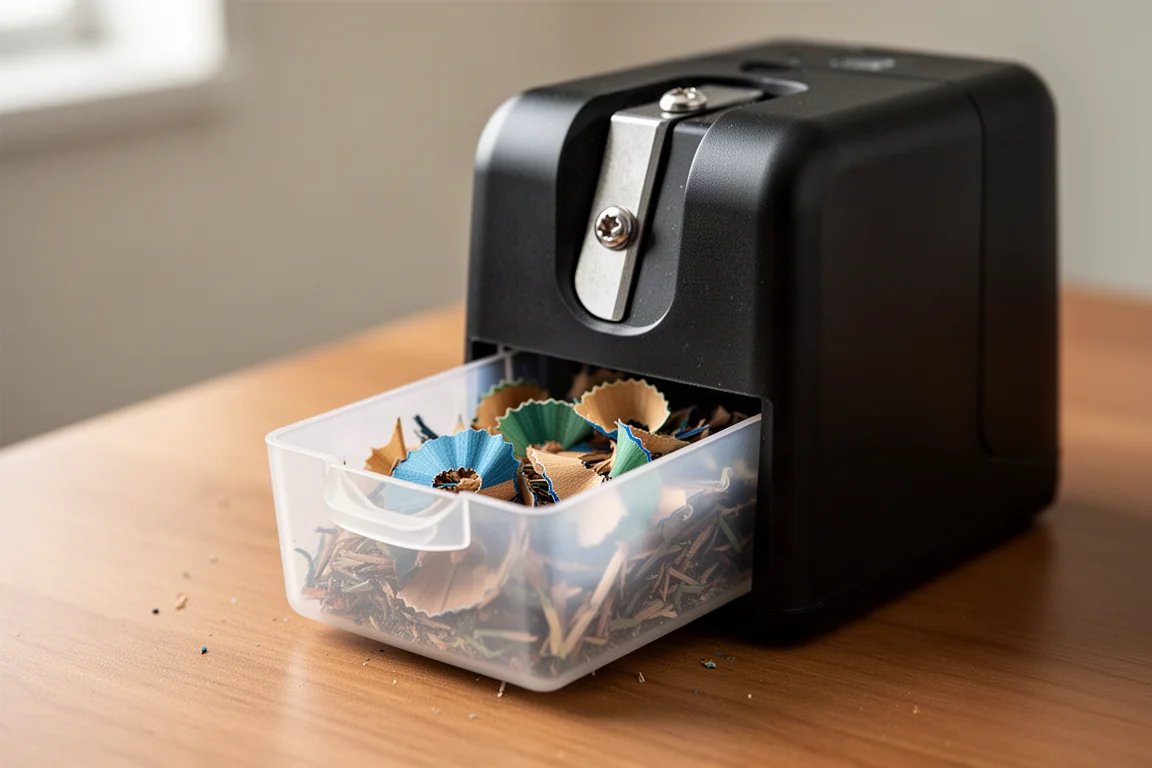
Charging is handled through a USB-C port on the back. You can run it cordless or use it while plugged in with the cable connected. A small indicator light flashes blue and red during charging, then stays solid blue when the battery is full. A complete charge takes about 2.5 hours, and AFMAT estimates 600 to 700 sharpenings per charge. Blade life is rated at roughly 10,000 pencils. Emptying shavings is simple: the sizable tray slides out, holds a good volume of waste, and slides straight back into place.
Buying Advice
If you mostly sharpen pastel pencils, look elsewhere or plan to use a craft knife for those. But if your work revolves around standard graphite and colored pencils, including large, triangular, and square barrels, the PSD1 is an excellent desk companion. Its power, speed, and six-hole versatility make it a genuine upgrade over handheld sharpeners for long working sessions, and the cordless USB-C design keeps it convenient to move around the desk.
Conclusion
The AFMAT PSD1 earns its place on the desk. It is powerful, quick, well anchored, and versatile enough to handle the pencil types that defeat most handheld sharpeners, with only pastel pencils off the menu. For colored pencil artists who sharpen constantly, it is an easy recommendation.
Product link
View more details for AFMAT PSD1 Rechargeable Pencil Sharpener
This product is mentioned in the review. Check the specifications, options, and compatibility before buying.
View more details for AFMAT PSD1 Rechargeable Pencil SharpenerFurther reading
Related Reviews
Art Supplies
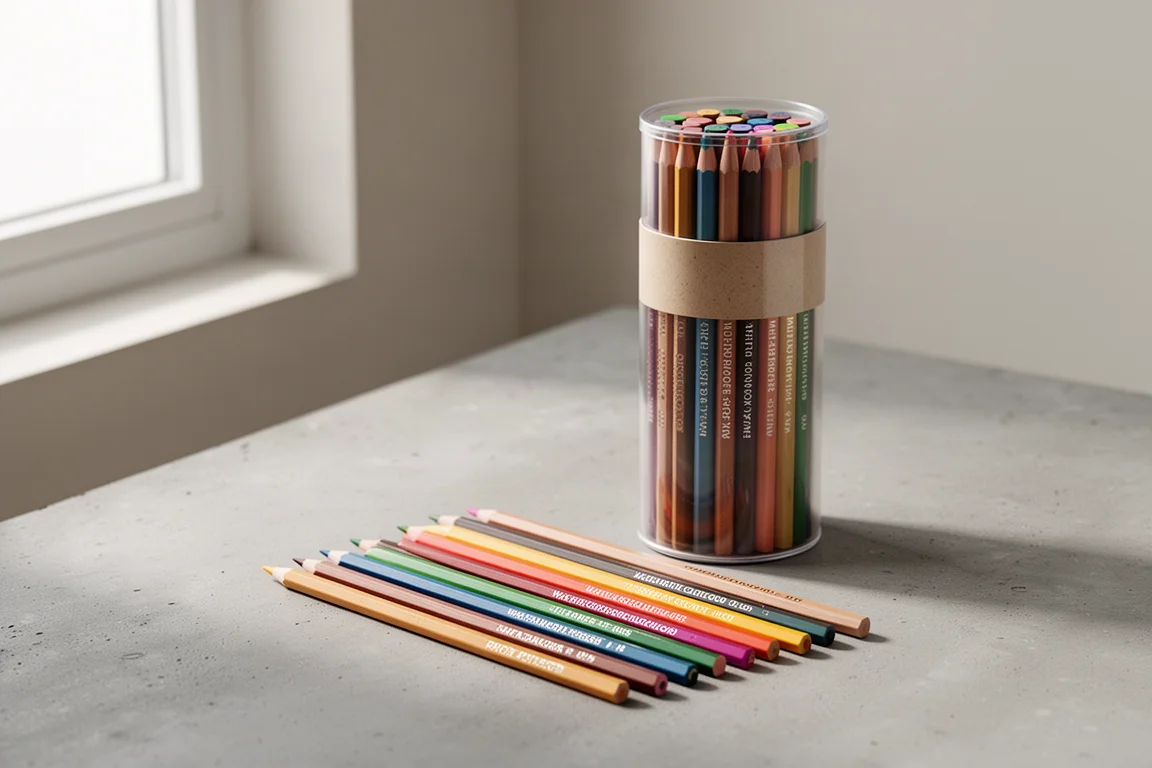
Art Pop Watercolor Pencils 48-Color Set: A Thoughtfully Designed Student-Grade Option
The Art Pop 48-color watercolor pencil set blends well, dissolves smoothly, and includes artist-friendly details like barrel-printed color names, all at an affordable price.
Art Supplies
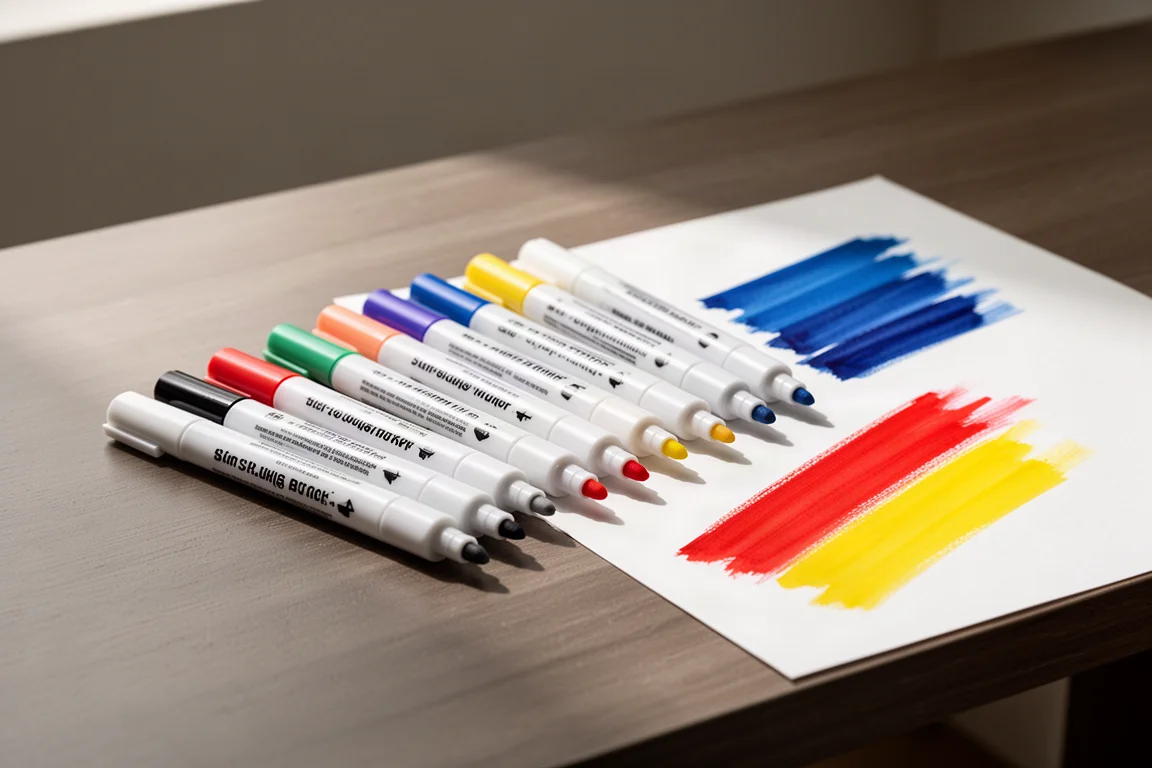
Artics Acrylic Markers 3mm Review: Versatile Paint Markers With a Few Caveats
A 48-color set of water-based acrylic paint markers that blend while wet, dry permanent, and keep the price low, though safety transparency remains a question.
Art Supplies
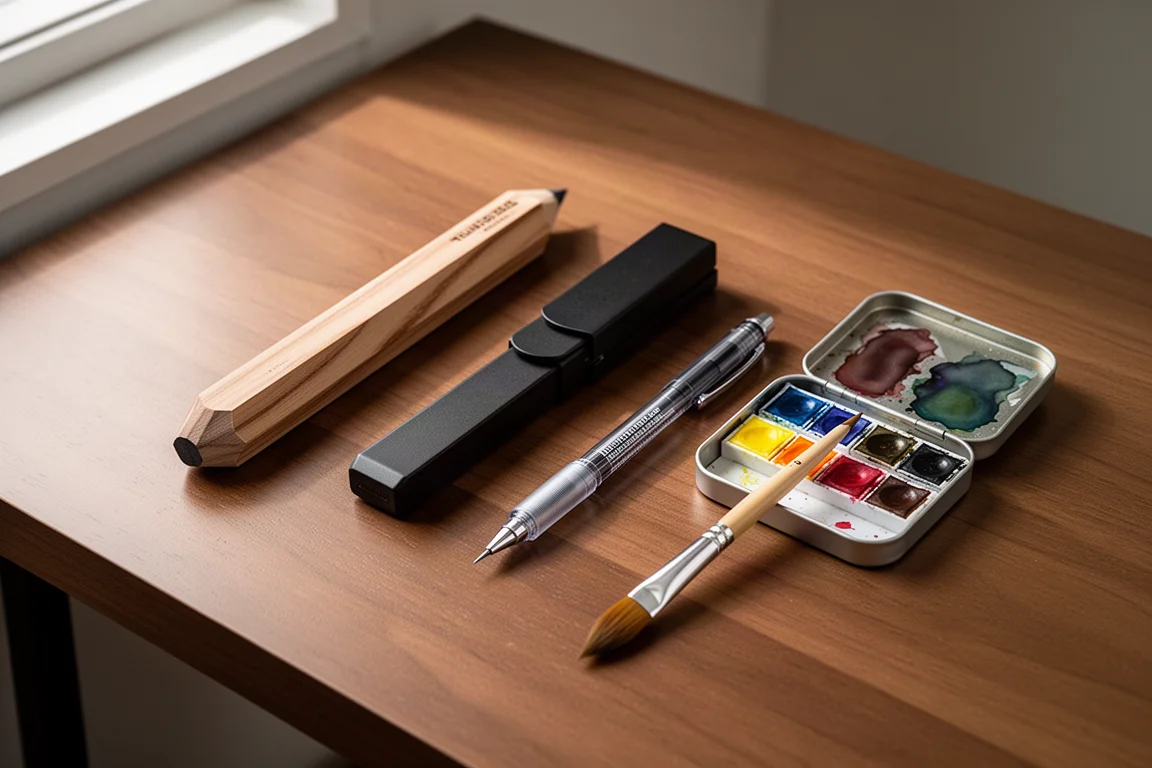
Best Art Supplies Worth Your Money: Pencils, Pens, Paints, and Paper That Earned Their Spot
After years of daily use and testing, these are the pencils, pens, watercolors, gouache, brushes, sketchbooks, and erasers that stand above the rest.