Camping Gear
Affordable Sleeping Bags and Hiking Boots: How to Read the Ratings Before You Buy
A certified down sleeping bag, a sub-$40 synthetic bag, and a $50 pair of water-resistant hiking boots, compared on the numbers that actually matter.
Introduction
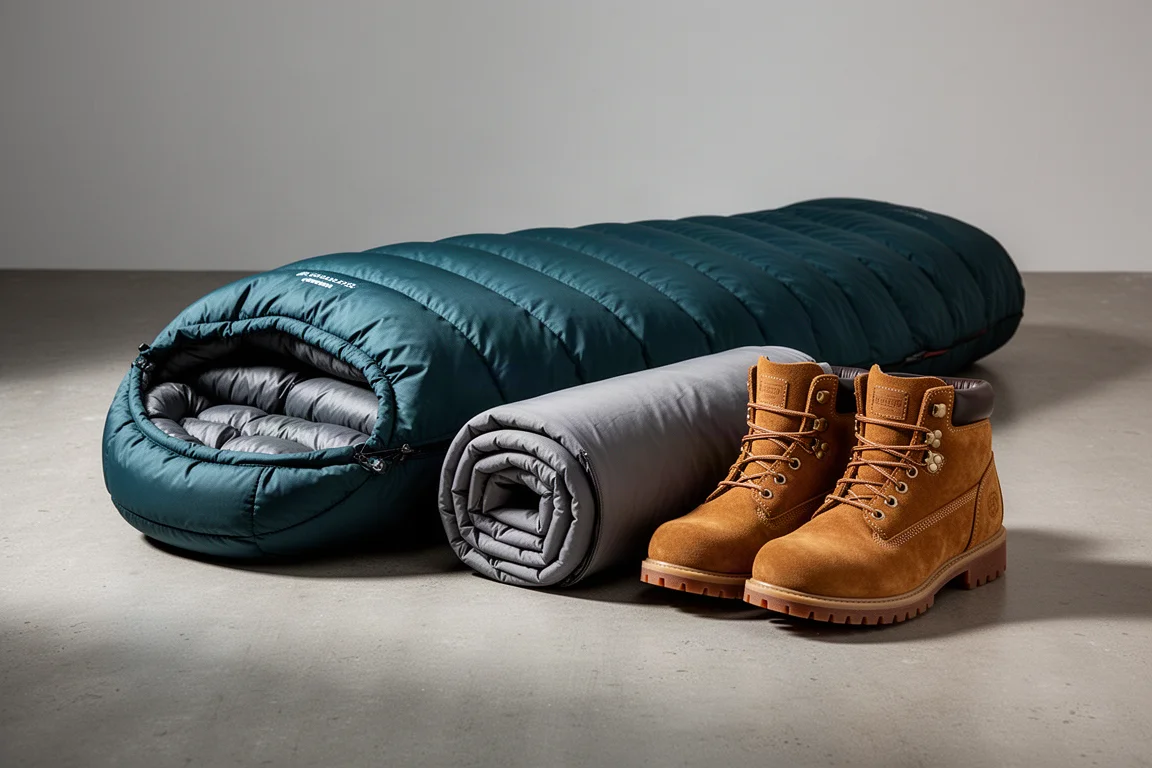
Two categories of outdoor gear carry some of the most confusing labels on the shelf: sleeping bags and hiking boots. Both are sold on numbers, and both numbers mean less than they appear to at first glance.
A sleeping bag can be marketed as a 0° bag while most people would sleep cold in it at that temperature. A pair of hiking boots can cost $50 and still claim to keep water out. The question worth asking is not whether expensive gear performs better, because it usually does. The question is whether the cheaper option gives you published figures you can compare against anything else.
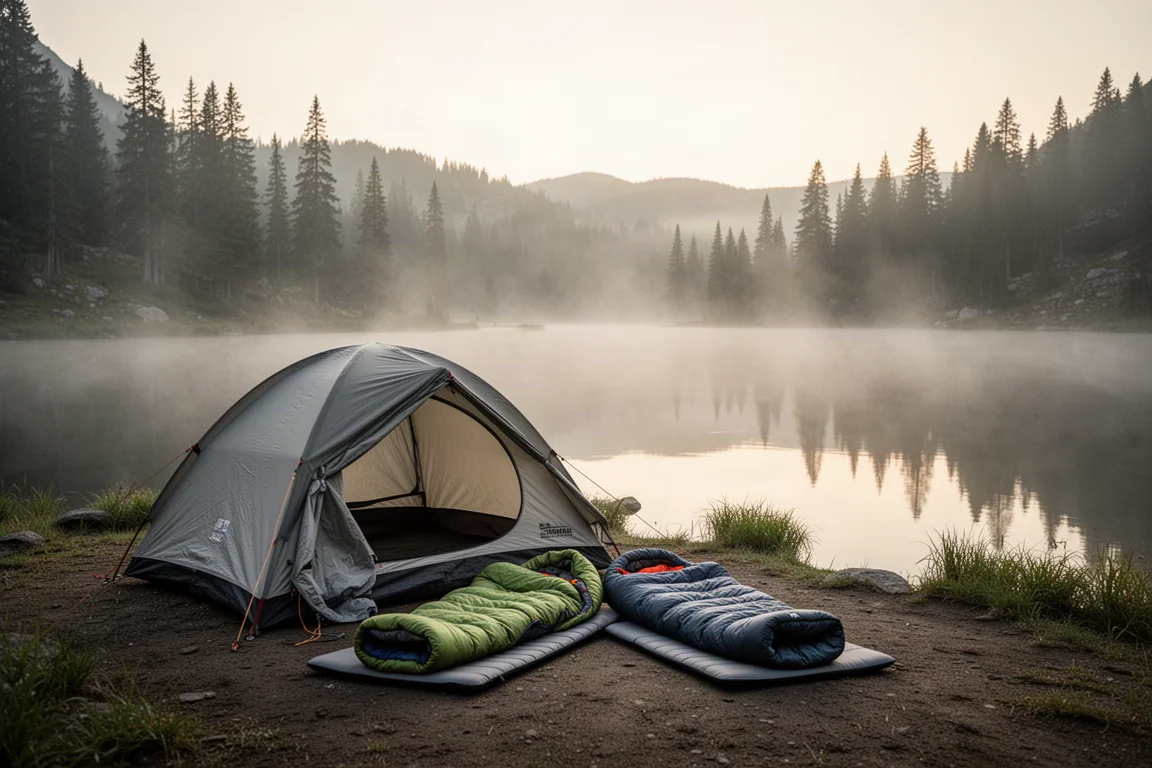
This guide looks at three specific pieces of gear: a premium down sleeping bag, a budget synthetic bag from a big-box retailer, and an affordable pair of water-resistant hiking boots. Each is interesting for a different reason, and together they show how to read outdoor gear specifications without getting misled.
How Sleeping Bag Temperature Ratings Work
Most sleeping bags carry three temperature figures, and mixing them up is the most common mistake buyers make.
The comfort rating is the temperature at which essentially everyone, including people who tend to sleep cold, will stay warm. The limit rating is the point at which most people start to feel cold, and it is called the limit because it marks the edge of what the bag can realistically handle. The extreme rating is a survival figure: you are not expected to be comfortable, only to come through it.
That explains how a bag can be named after a number most users would find uncomfortable. Listing the limit rating in the product name is a widespread convention, and it is meant to communicate the lowest realistic working temperature rather than the temperature you would choose for a restful night.
Certification is what makes these numbers comparable. The International Organization for Standardization, or ISO, tests bags under standardized procedures, and bags carrying that certification have been measured the same way. Certification is voluntary. Manufacturers are not required to test their bags, and even those that do are not required to publish the certified figures, so a number on a label may reflect nothing more than marketing. When two bags are both certified, though, their ratings can be compared directly regardless of price. The catch is that the certified data is often buried on a website or available only by asking the manufacturer.
Nemo Sonic 0° Sleeping Bag: Certified Down Performance
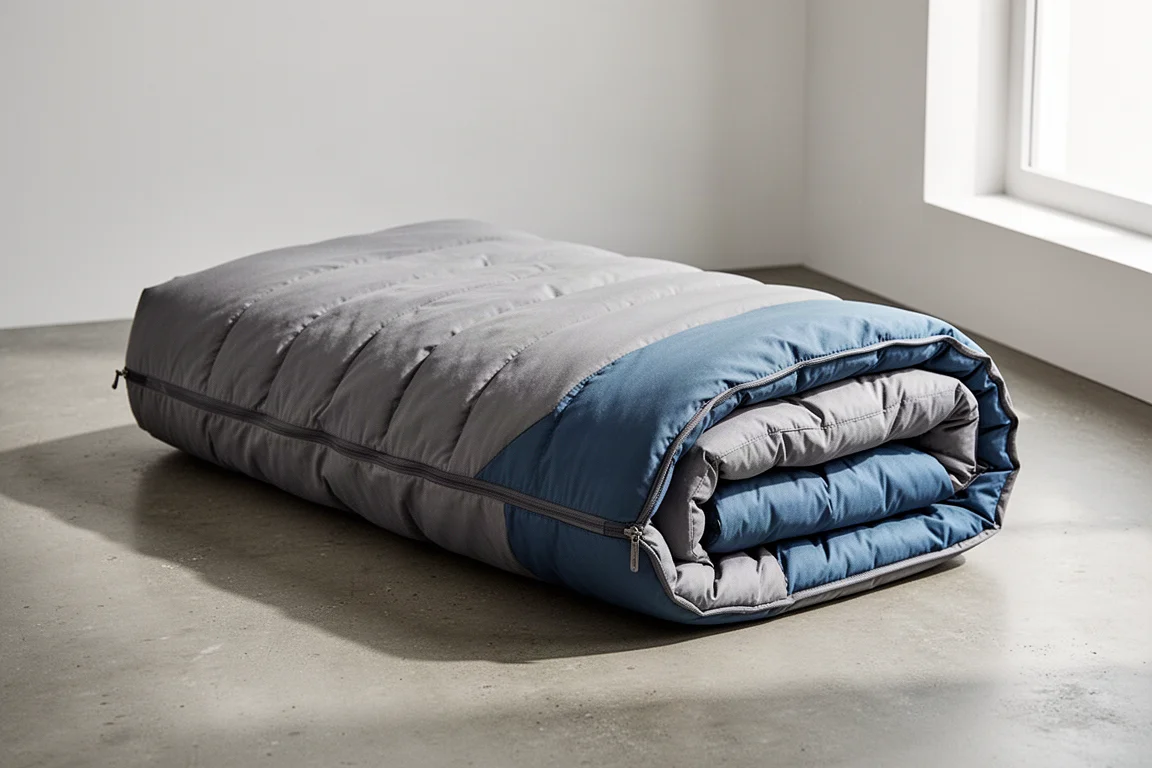
The Nemo Sonic 0° is a down-filled sleeping bag with independently certified ratings. Its comfort rating is 14°, and its limit rating is 0°, which is where the model name comes from. In practice that means the bag keeps most sleepers warm around 14° and becomes genuinely cold at 0°, where you would be curled up and shivering but not in danger.
Weight is where the down fill pays off: the Sonic comes in at 3.6 lb. It also includes regulating gills that let you vent excess heat when you are running warm, along with the construction quality, materials, and zippers you would expect at this end of the market. It costs roughly $500 more than the budget bag below, and the differences between them are real.
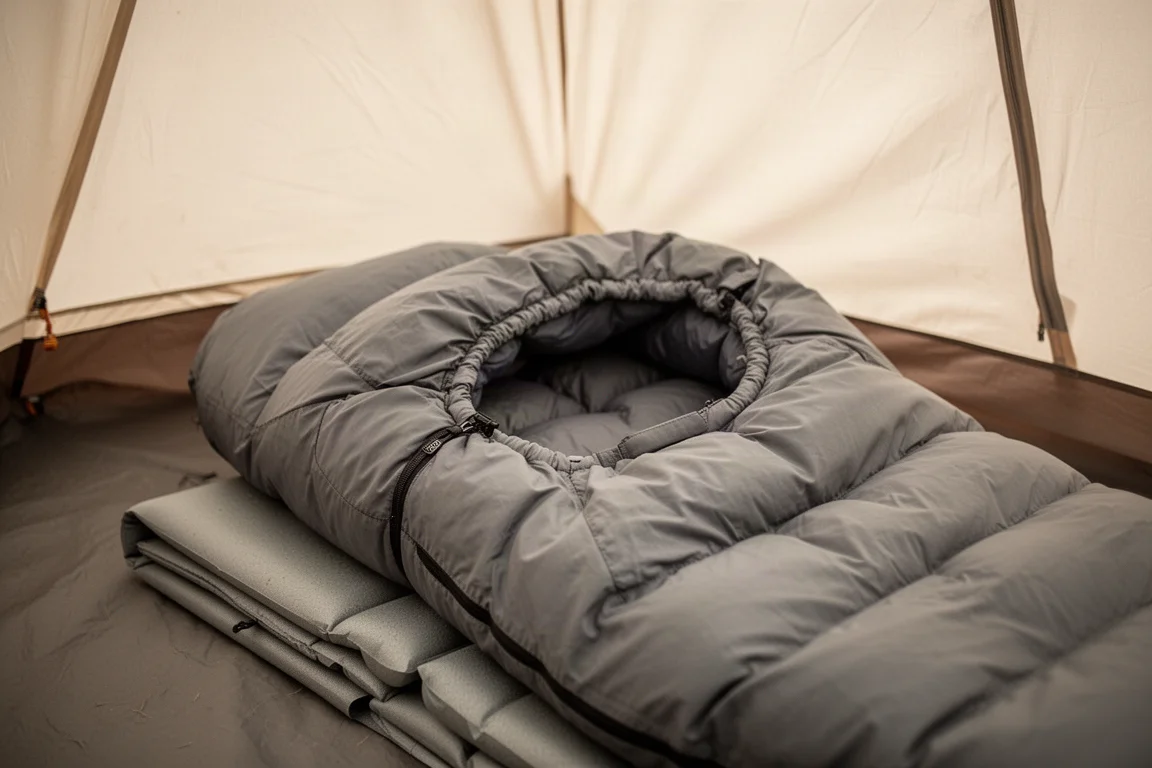
For a buyer, the practical takeaway is that the certified comfort figure is the one to plan around. Treat the 0° in the name as the floor of usable performance rather than the temperature you would pick for a comfortable night.
Ozark Trail 10° Sleeping Bag: Budget Synthetic With Certified Numbers
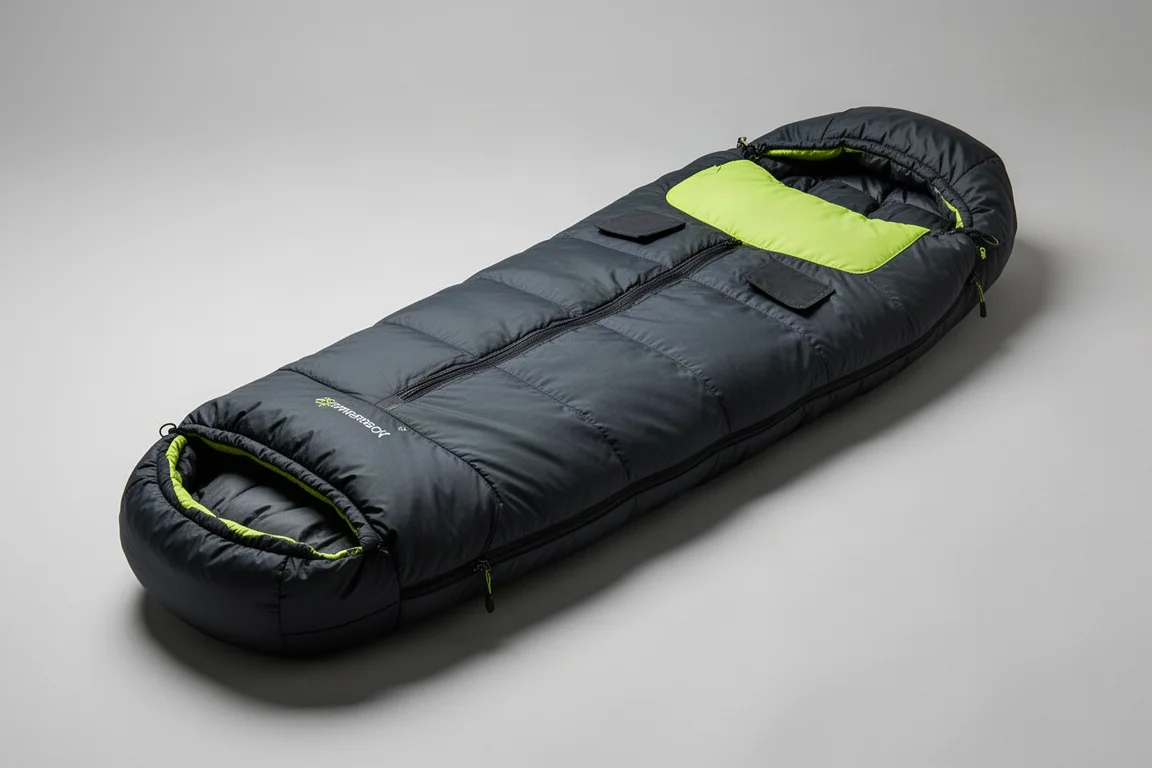
The Ozark Trail 10° bag sits at the other end of the price spectrum. It sells for under $40, uses synthetic fill, and weighs 5.7 lb.
Its labeling is a useful lesson in reading the fine print. The bag presents 10° as a comfort rating, but an asterisk notes that 10° is actually the limit rating. The tag goes further: the certified limit rating is 12° and the certified comfort rating is 24°. The number on the front of the packaging therefore sits a long way from the temperature at which most people would actually sleep warm.
What makes this bag worth attention is that it was independently certified using the same procedures and measurements as the Nemo. That is what puts a $40 bag and a $500 bag on a level playing field: different ratings, but a shared basis for comparison. Synthetic fill is heavier and bulkier than down, and the bag is not trying to match the Nemo on materials or construction, but the certified numbers let you judge it on performance rather than price alone.
Nordace Armadillo 2 Hiking Boots: Water Resistance at a Low Price
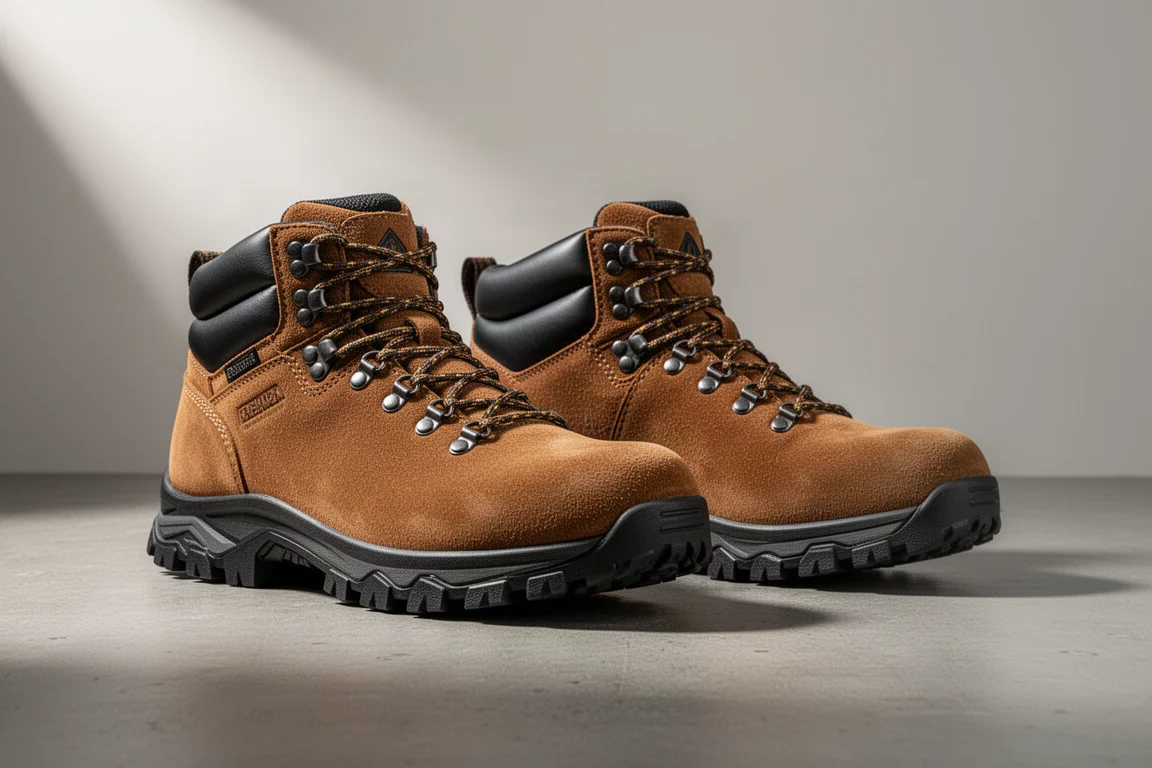
Hiking boots are another category where prices climb quickly, with capable pairs often running $150 to $200 or more. The Nordace Armadillo 2 sits at $50 and carries several features normally associated with more expensive footwear.
The upper is premium suede, paired with an aggressive outsole for grip. Comfort comes from improved arch support, shock absorption, and stability. Water resistance comes from a membrane liner built with microscopic holes that are too small for water to pass through but large enough for vapor to escape, so moisture can leave the boot while rain stays out. The tongue is designed to keep water and debris away from the opening, which means you can walk through reasonably deep water without your feet getting wet.
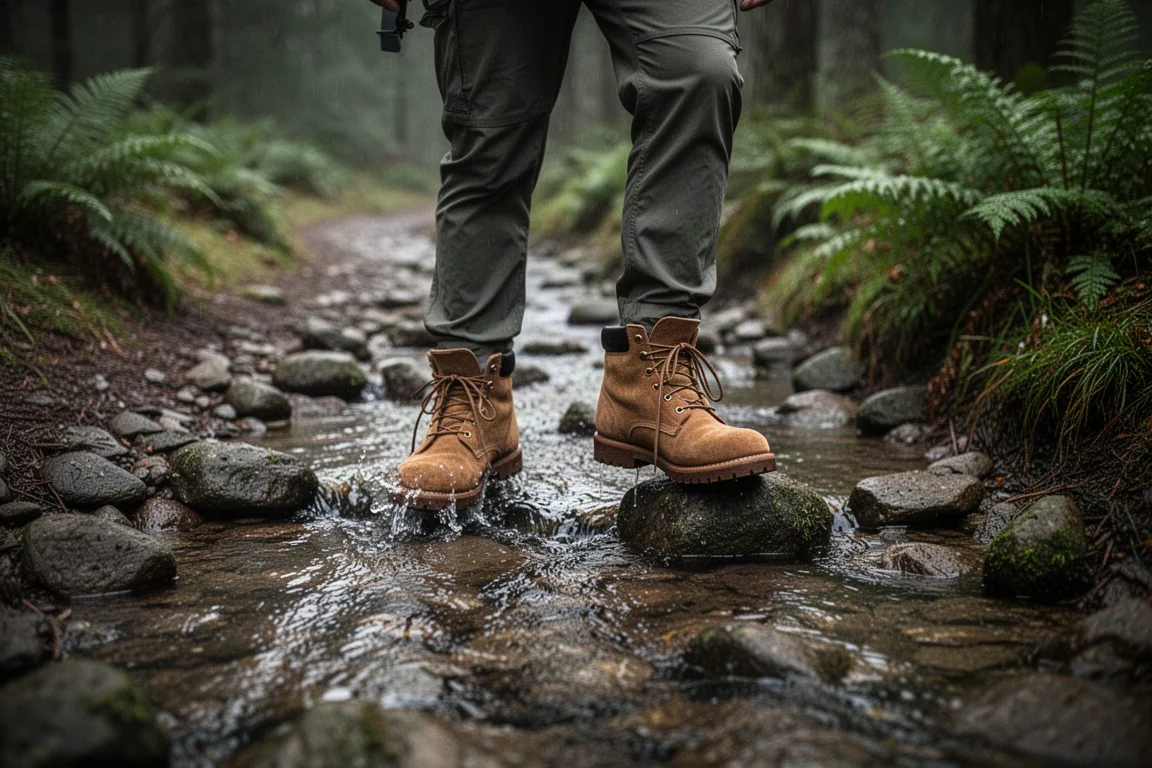
Water-resistant boots are not for every hike. They make the most sense in snow and in constant cold rain, where staying dry matters more than breathability, especially if gaiters or rain pants keep water from running down your legs into the boot. The one thing that cannot be confirmed yet is long-term durability, since these have not been worn over an extended period.
What to Weigh Before You Buy
For sleeping bags, the deciding factor is the certified comfort rating, not the number in the product name. If a bag is not certified, treat its temperature claim as a rough guide at best. Weight and fill material come next: down is lighter for the same warmth, synthetic is heavier but usually cheaper, and a bag with ventilation features gives you more flexibility across a wider range of conditions.
For boots, decide first whether you need water resistance at all. In dry, warm conditions a more breathable boot is often the better choice, while cold rain and snow favor a membrane liner. Then check the structure: a supportive midsole and a grippy outsole matter more than the name on the side.
Buying Advice
The most useful habit when shopping for either category is to look for third-party certification and published test data before looking at the price tag. A certified budget bag gives you a real basis for comparison, and a low-cost boot with a membrane liner, suede upper, and a proper outsole can cover a lot of ground.
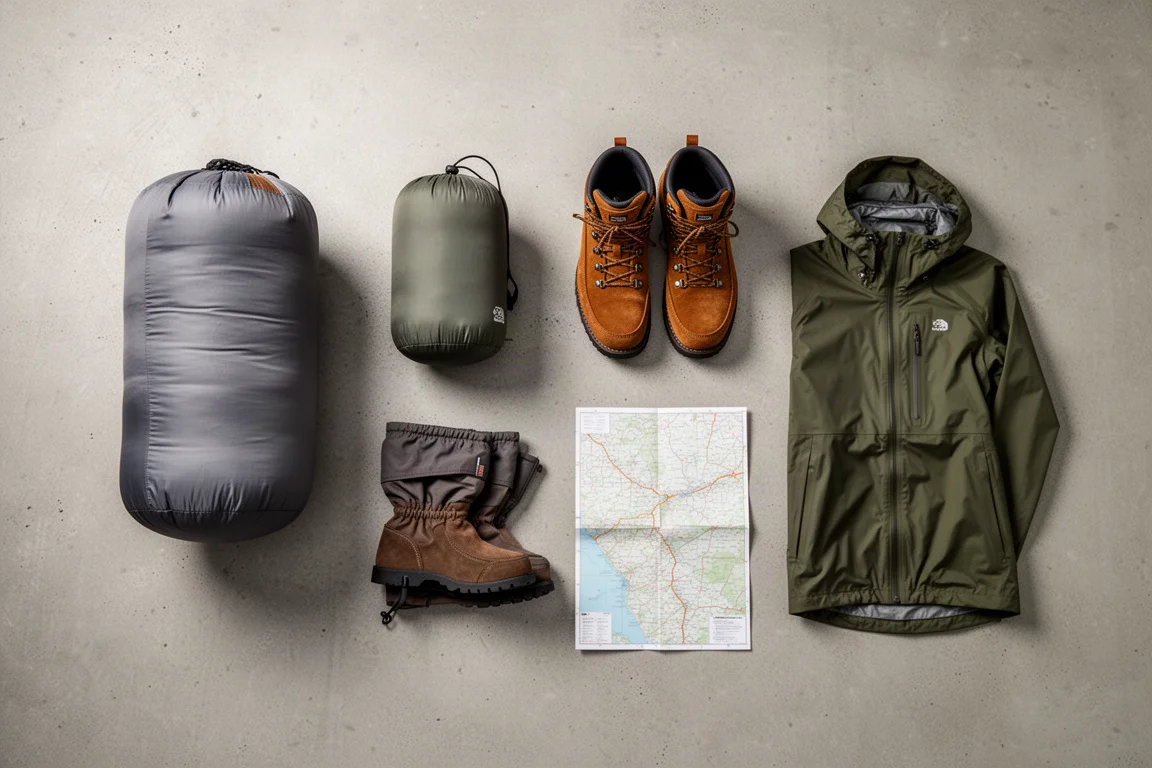
Where the budget option makes sense: if you sleep in mild conditions and want a bag that will not break the bank, the certified ratings on the Ozark Trail tell you exactly what you are getting. If your trips run cold and wet, the weight savings and ventilation of a down bag like the Nemo Sonic are worth paying for. And if you need water resistance on a tight budget, the Armadillo 2 delivers the features without the usual price.
Where to be cautious: no bag performs at its limit rating the way it performs at its comfort rating, and no water-resistant boot stays dry indefinitely without gaiters or rain pants in sustained rain.
Conclusion
The gear here spans a wide price range, but the way to judge it does not change. Certification makes temperature ratings comparable, published materials and construction details explain where the extra money goes, and a low price does not automatically mean a compromised product. Match the gear to the conditions you actually hike in, and the decision becomes much simpler.
Further reading
Related Reviews
Camping Gear
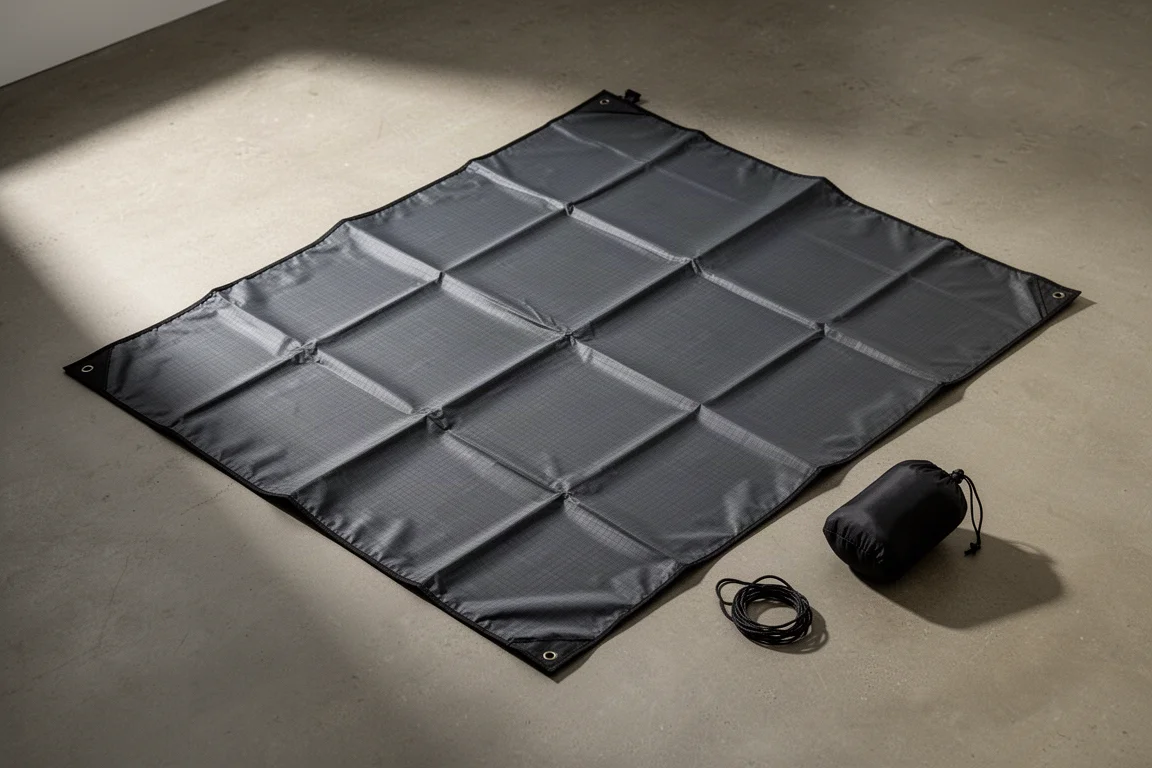
3FUL Ultralight Ground Sheet Review: A Two-Person Footprint Worth Packing
A 6.7 oz two-person ground sheet in ripstop silnylon, priced around $30. Here is what it protects, what it does not do, and who should pack it.
Camping Gear
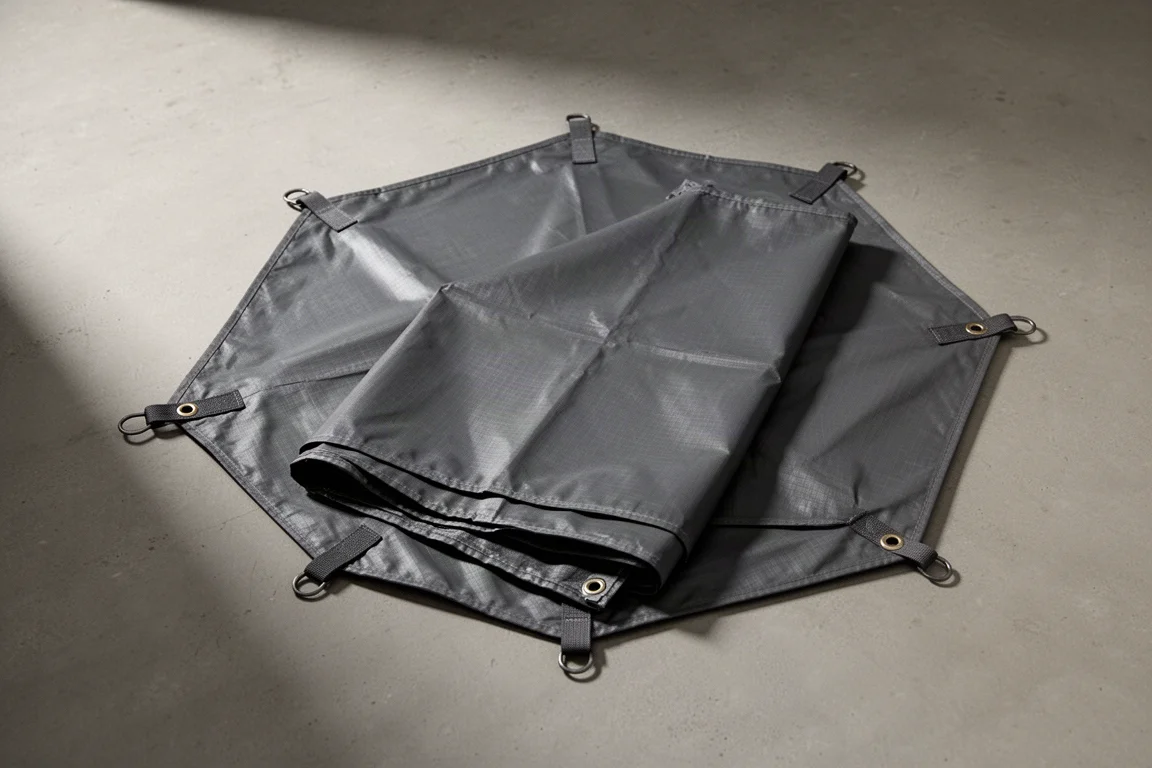
Backcountry Light Dual-Function Tarp and Floor Review: A Footprint First
A dual-purpose tent floor and tarp that keeps falling rain off you, but cannot block wind. Here is where it works and where it does not.
Camping Gear
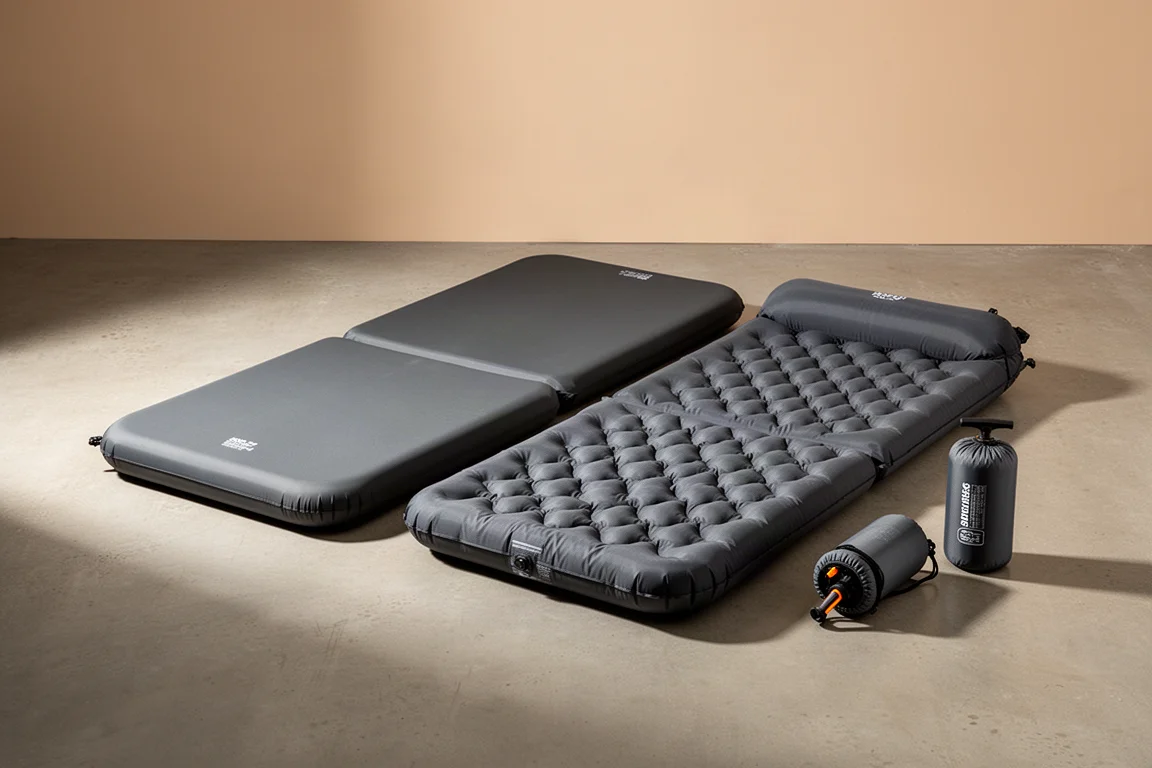
Best 2-Person Camping Mattresses for Couples: 10 Options Compared
A practical comparison of ten two-person camping mattresses, covering self-inflating pads, air pads and air mattresses for couples.