Running Shoes
Adidas Adizero Boston 12 vs Hoka Mach X: Which Plated Performance Trainer Fits Your Running?
Two plated performance trainers with partial super foam midsoles, aimed at different kinds of running. Here is how the Boston 12 and Mach X differ in fit, ride, and stability.
Introduction
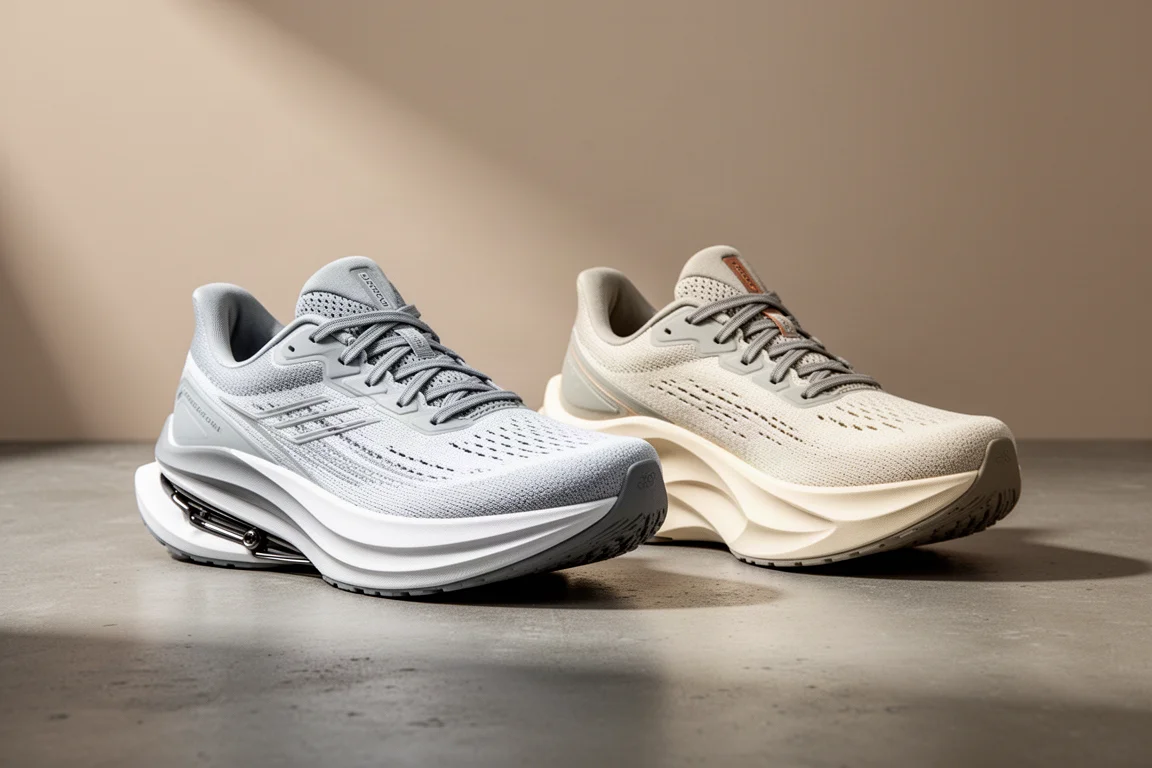
Plated performance trainers have become the middle ground between traditional daily trainers and full super shoes, and two of the most interesting options in this space right now are the Adidas Adizero Boston 12 and the Hoka Mach X.
Both shoes share a similar recipe: a partial super foam midsole layered over EVA, a stiffening agent, and a weight in the nine-ounce range. That makes each one flexible enough to serve as a faster workout shoe, a lightweight race option for runners who find super shoes too aggressive, or even a daily trainer for people who want a taste of super shoe technology without committing to it every run.
The Boston name carries a long lineage and the 12 is a significant evolution of it, while the Mach X is an entirely new shoe for Hoka. On paper they look remarkably close. In practice, they are very different shoes, and choosing between them comes down to fit, ride character, and how stiff you want your trainer to feel.
At a Glance: Similar on Paper, Different in Practice
The specifications line up almost perfectly. The Boston 12 weighs a claimed 9.4 ounces in a men’s size 9 and 8 ounces in a women’s size 8. The Mach X matches those numbers exactly. Stack height is where things diverge slightly: the Boston 12 sits at 37mm in the heel and 30.5mm in the forefoot for a 6.5mm drop, while the Mach X uses a 32mm heel with a 5mm drop, a very classic Hoka geometry.
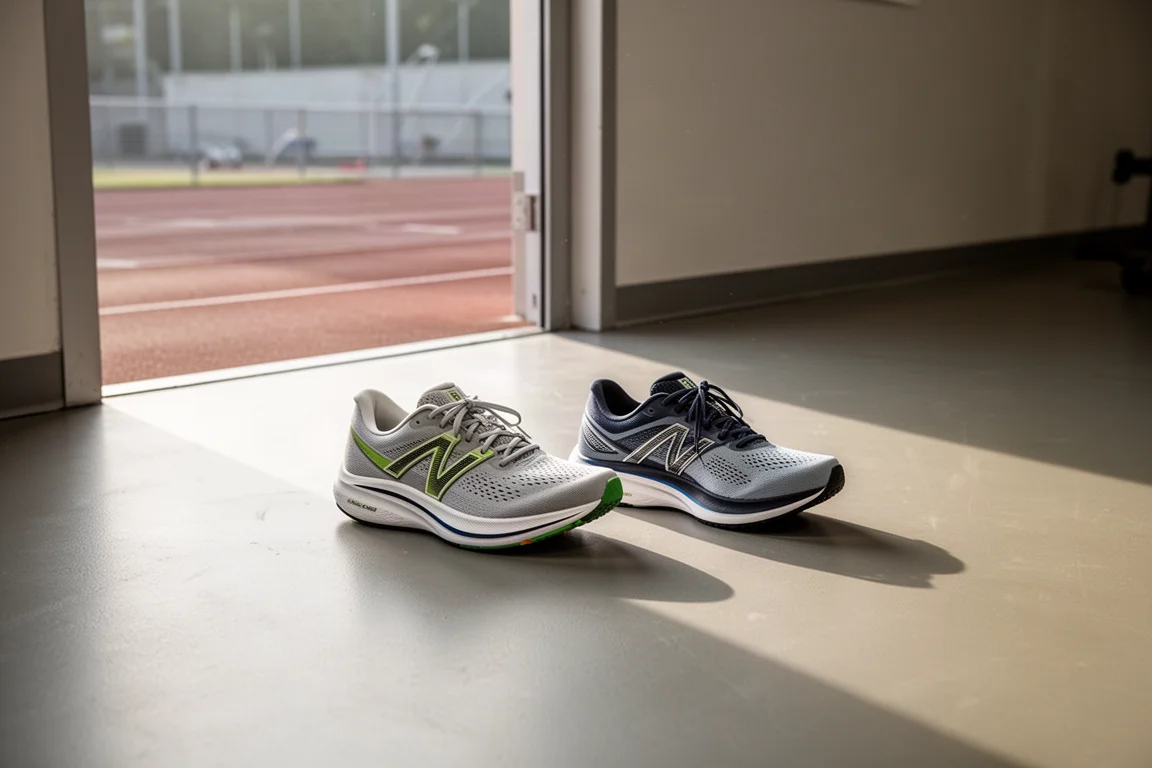
Both use a super foam layer on top with EVA underneath. The Boston 12 pairs Lightstrike Pro over Lightstrike 2.0, while the Mach X uses PEBA foam over Hoka’s EVA. The stiffening agents differ in an interesting way: the Boston 12 uses carbon rods, and the Mach X uses a PEBAX plate. Counterintuitively, the plate makes the Mach X the stiffer of the two, so do not judge the ride by the material name alone.
Fit: Snug Versus Roomy
This is where the two shoes part ways first. The Mach X has a snug, lower-volume fit that is very characteristic of Hoka. It does break in slightly, but it feels like a performance shoe from the first mile: locked in, close to the foot, and clearly built with faster running in mind. Heel hold is excellent, with no slippage reported at all.
The Boston 12 is a bit more relaxed. The heel is slightly snug, but the forefoot has plenty of room for toes to splay and runs a touch on the wider side, which many runners will appreciate. The midfoot is fairly standard. The lacing system takes a little experimentation to dial in, but once set it locks the foot down without over-compressing. There was a tiny bit of heel slippage early on that proper lacing resolved completely.
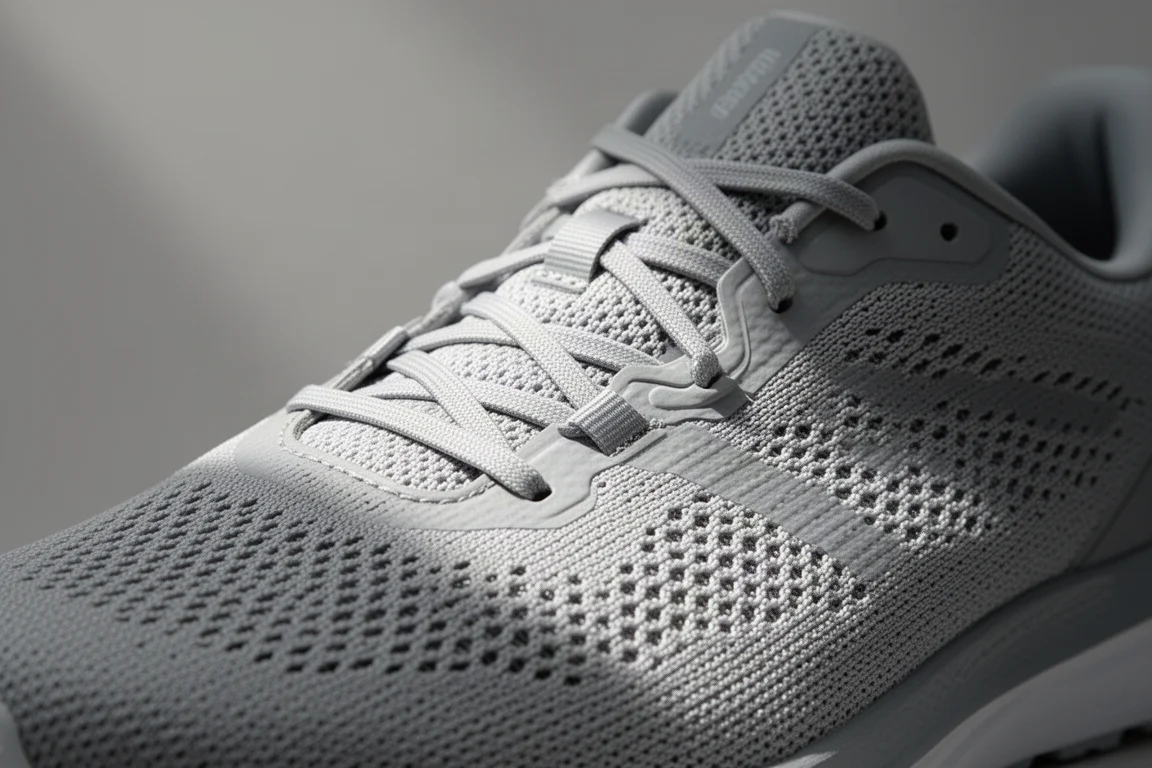
If you want something more trainer-like in fit, the Boston 12 is the safer pick. If you want a faster, more performance-oriented feel on your foot, the Mach X delivers that.
Ride: Short and Fast Versus Long and Smooth
The Mach X is very stiff out of the box, and for the first stretch of miles that stiffness can feel uncomfortable for easy running. Where it shines is shorter, faster work: fartleks, track sessions, and intervals. The snappy, firm character makes picking up the pace feel immediate and rewarding. Where it struggled was easier efforts and longer tempo runs, though it became more comfortable over longer distances as it broke in.
The Boston 12 tells the opposite story. On one of the first workouts in the shoe, a tempo run, the ride felt so smooth it could be mistaken for a super shoe. It handles long tempo efforts and long runs noticeably better than the Mach X, with a softness and smooth transition that make daily training genuinely pleasant.

That said, the Boston 12 can still pick up the pace. It has no problem with shorter work; the Mach X is just a little better at it. The Boston 12 is a significant improvement over the Boston 11, which was stiffer and less comfortable, and it retains the softer, smoother character that made earlier versions so popular for longer efforts.
Stability: Mixed in Both
Neither shoe is a stability shoe, and both have quirks worth knowing about before buying.
The Mach X does a genuinely good job filling in the midfoot, which deserves credit. However, there is more EVA on the lateral sidewall than on the medial side, which creates a slight bias at the heel and a small tendency to kick the foot inward on landing. There is a slight posterior lateral bevel, but it is not significant. If you want a neutral shoe that is simply a bit stiff side to side, the Mach X will do well. The forefoot is actually the most stable part of the shoe, with small sidewalls and a slightly wider, stiffer platform.
The Boston 12 is also a mixed bag. Its pronounced posterior lateral bevel creates an almost lateral bias for rearfoot strikers. At the midfoot, the carbon rods extend outward on the lateral side, which pushes the foot inward on contact. The forefoot is the strong point here too: wider rods do a good job. In short, the Boston 12 offers mild heel stability but a fully neutral midfoot, while the Mach X is neutral at the heel and better at the forefoot.
Purpose: Which One Should You Buy?
Both shoes carry partial super foam and stiffening elements, so if you are sensitive to a very stiff midsole during training, neither may be the right choice. But if you are looking to introduce your body to super shoe technologies gradually, both work well as transitional trainers: shoes you can rotate into daily training to ease off super shoes while staying familiar with the components.
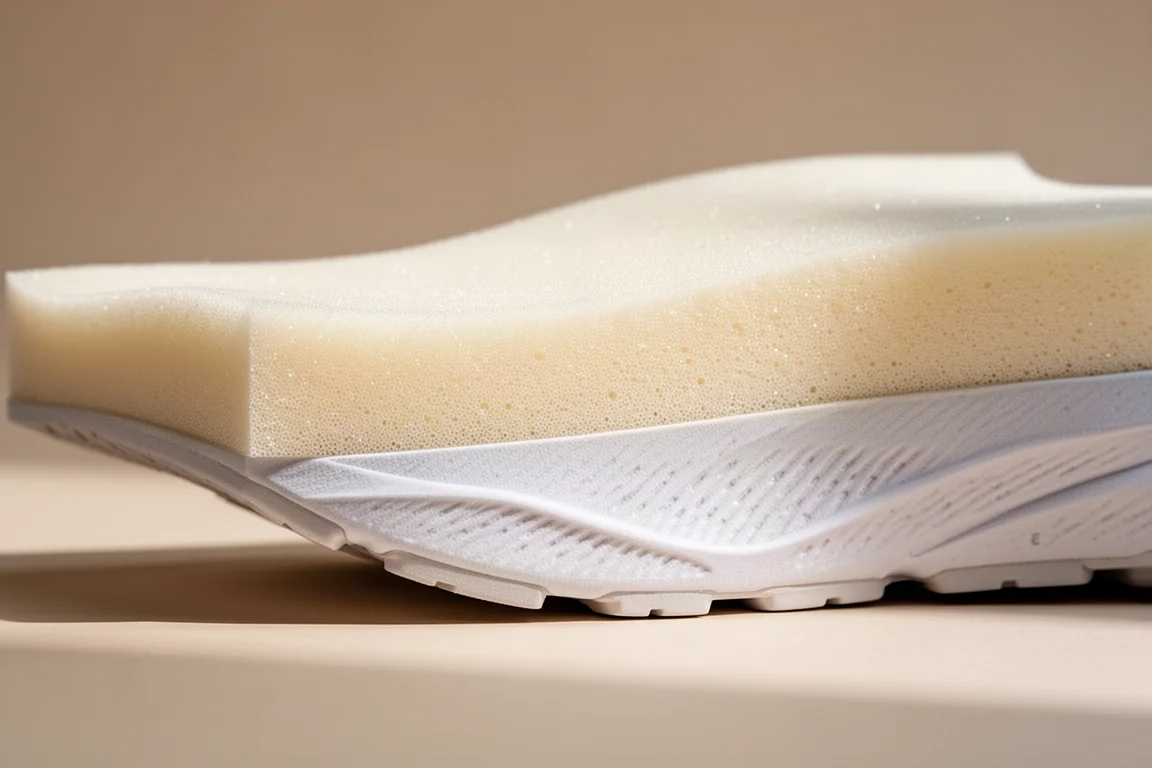
The Mach X is the pick if you want to go really fast over short distances and prioritize a locked-in, snappy performance feel. The Boston 12 is the pick if you want a classic daily trainer that can still handle tempo efforts, with more emphasis on everyday mileage and long-run comfort.
Both are strong options in this growing category of performance trainers that balance traditional shoe feel with super shoe technology. It comes down to which end of that spectrum your running lives on.
Conclusion
The Adidas Adizero Boston 12 and Hoka Mach X look like twins on a spec sheet but behave like different shoes on the road. The Boston 12 is the smoother, more trainer-friendly option with a roomier fit and better long-run comfort. The Mach X is stiffer, faster-feeling, and more performance-focused, best suited to shorter intervals and quicker sessions. Match the shoe to the running you actually do most, and either one can be a rewarding addition to your rotation.
Product link
View more details for Adidas Adizero Boston 12
This product is mentioned in the review. Check the specifications, options, and compatibility before buying.
View more details for Adidas Adizero Boston 12Further reading
Related Reviews

Running Shoes
Best Road-to-Trail Running Shoes: Three Versatile Options for Mixed Terrain
A practical guide to three road-to-trail running shoes that handle both pavement and mild trails, with clear strengths and trade-offs for different runner types.

Running Shoes
Best Running Shoes for Achilles Tendonitis: Three Options Explained
Three running shoes with different heel drops and support features designed to help reduce Achilles tendon pain during walking and running.

Running Shoes
Best Running Shoes for Women: Five Top Choices Ranked
A ranked guide to five women's running shoes, from versatile daily trainers to high-performance racing options, with real strengths and trade-offs for each.