Running Shoes
Adidas Adizero Adios Pro Evo 1 vs Nike Alphafly 3: Marathon Racer Showdown
Two of the most advanced marathon racing shoes on the market compared across price, availability, weight, and performance to help you pick the right one.
Introduction
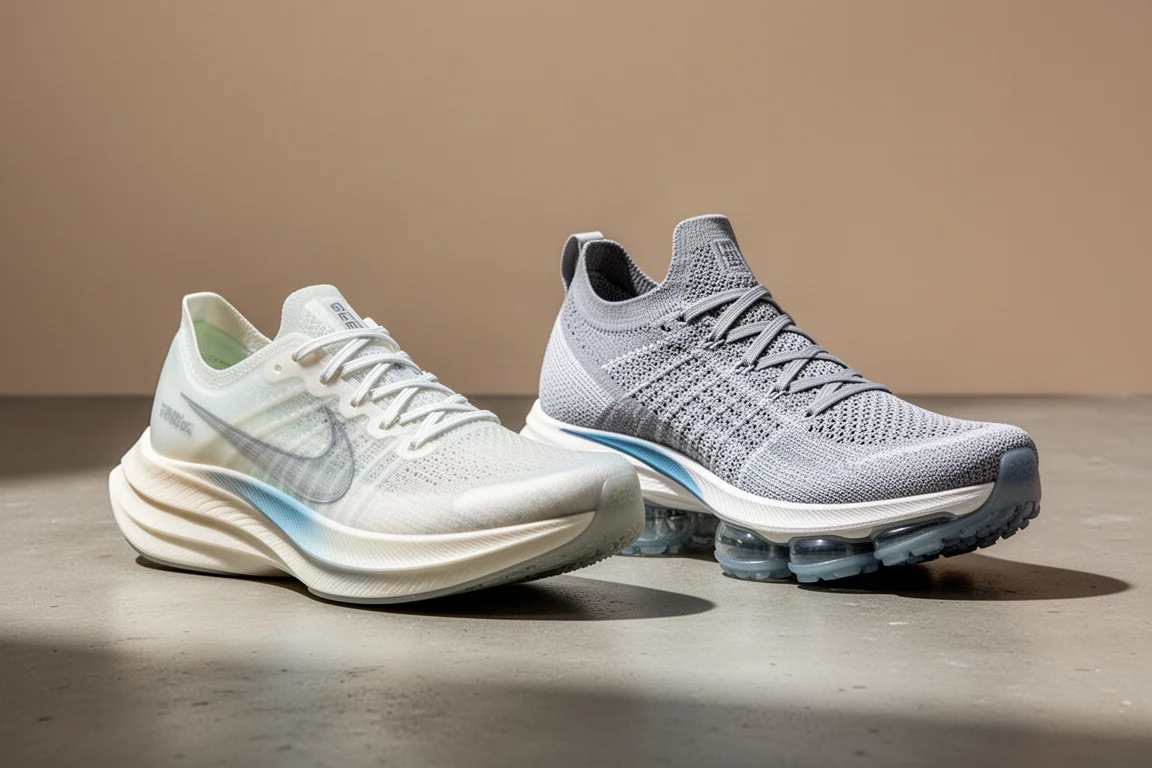
Marathon racing shoes rarely get more elite than this pairing: the Adidas Adizero Adios Pro Evo 1, the lightest marathon racer available today, and the Nike Alphafly 3, a shoe that restores the magic of the original Alphafly and arguably surpasses it.
This comparison comes down to four factors: price, availability, weight, and performance. Whether you are chasing a personal best or simply want the best tool for race day, understanding the trade-offs between these two shoes makes the decision much easier.
Adidas Adizero Adios Pro Evo 1
The Adizero Adios Pro Evo 1 is the lightest shoe on the market for the marathon. Adidas stripped it down to the bare minimum, resulting in a claimed weight of around 5 ounces for a men’s size 10.5, which is basically the weight of a sock.
It uses new Lightstrike Pro foam that feels light, airy, and bouncy, with geometry moved slightly rearward so you toe off closer to the midfoot. The translucent upper fits great and the shoe simply feels amazing on foot. The liquid rubber outsole works well in dry conditions, though in fully wet conditions it could arguably use a little more grip. For regular racing conditions, it does the trick.
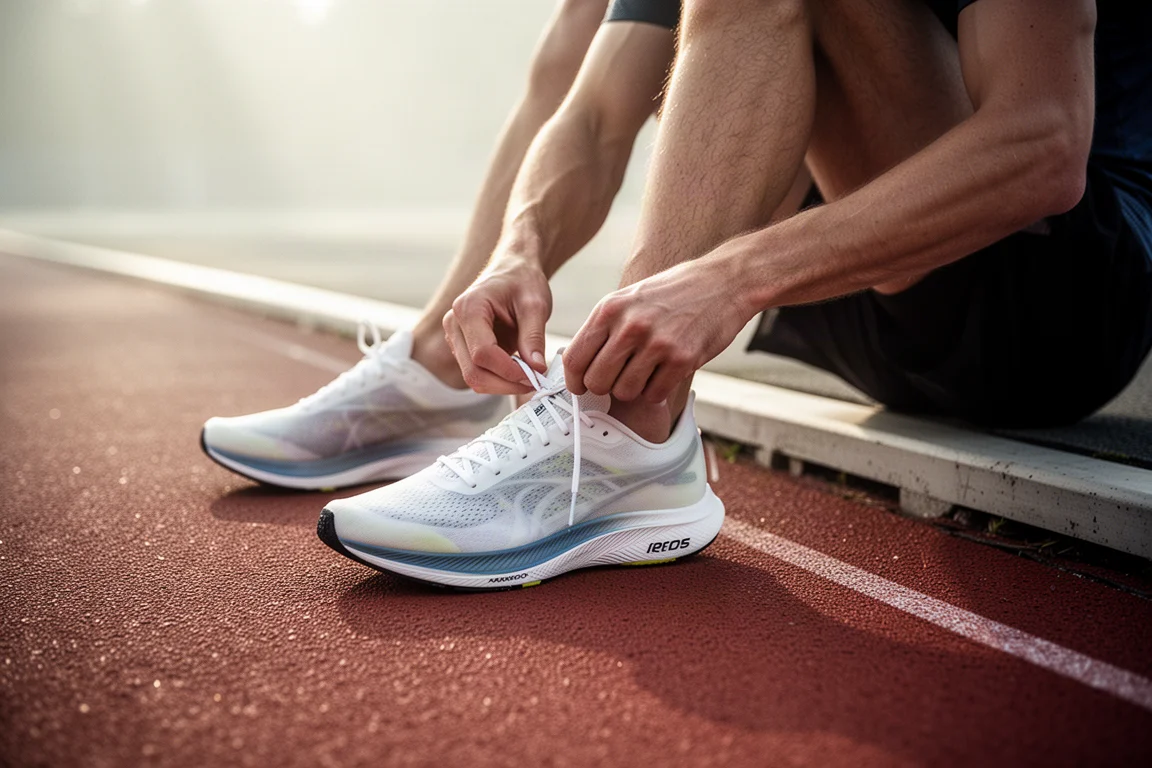
There are two significant drawbacks. Only 521 pairs of this shoe were made, so availability is extremely limited. Some top Adidas athletes do not even have them. For most people, this is a unicorn shoe. Then there is the price: $500 is a hefty ask.
That said, if you are investing serious time and training into the marathon, the argument for buying the best available is real. Runners who spend thousands on road bikes to save a few grams will understand the appeal. It has enough cushion for the marathon, feels great underfoot, and the super light upper fits fantastically. Getting a shoe down to this weight is a genuine achievement.
Nike Alphafly 3
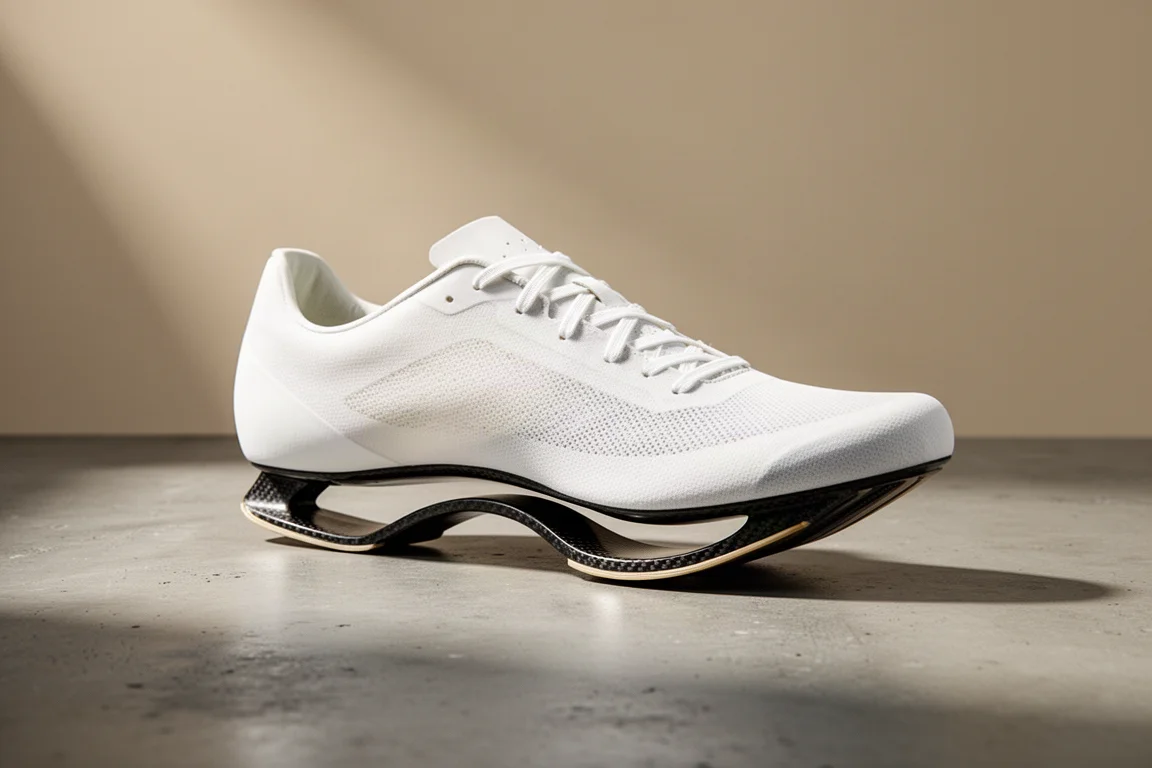
The Alphafly has long been a favorite, though the Alphafly 2 did not land well. The Alphafly 3 brings the line right back to the top, and for many it is even better than the first version.
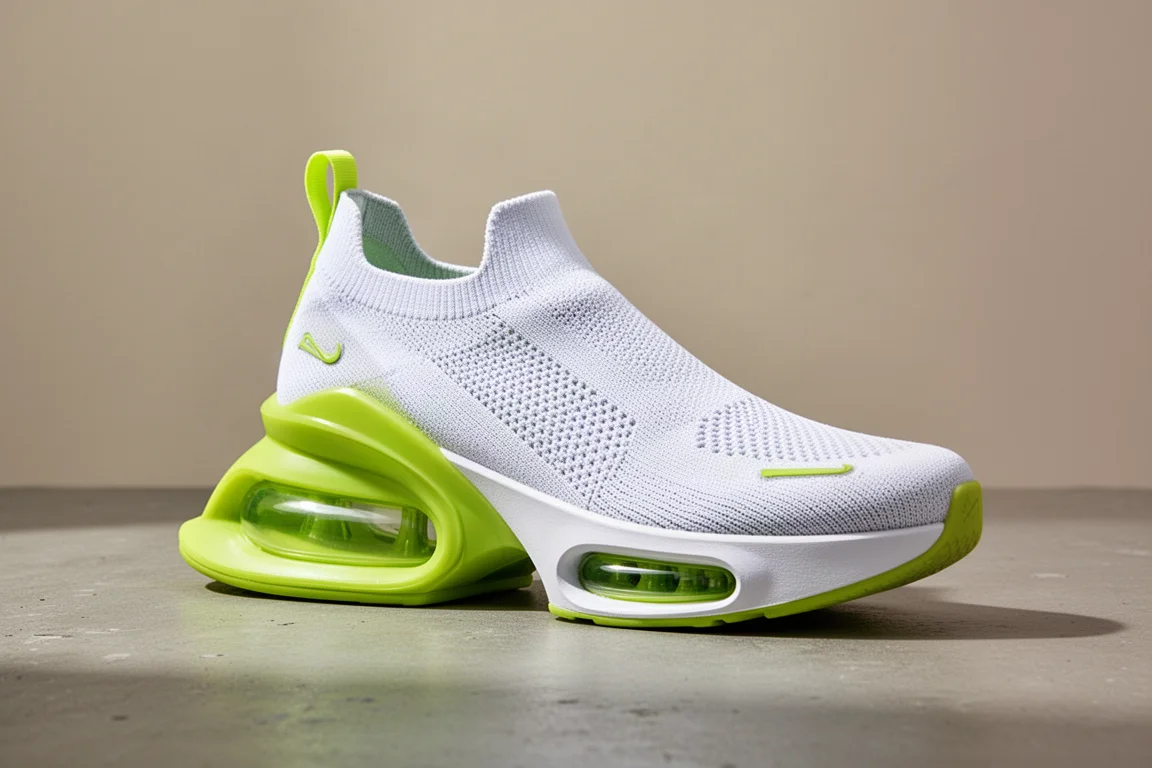
The improvements start with a better-fitting Atomknit upper than previous models, combined with the familiar ZoomX foam and Air Pods in the forefoot that give the shoe its signature bounce.
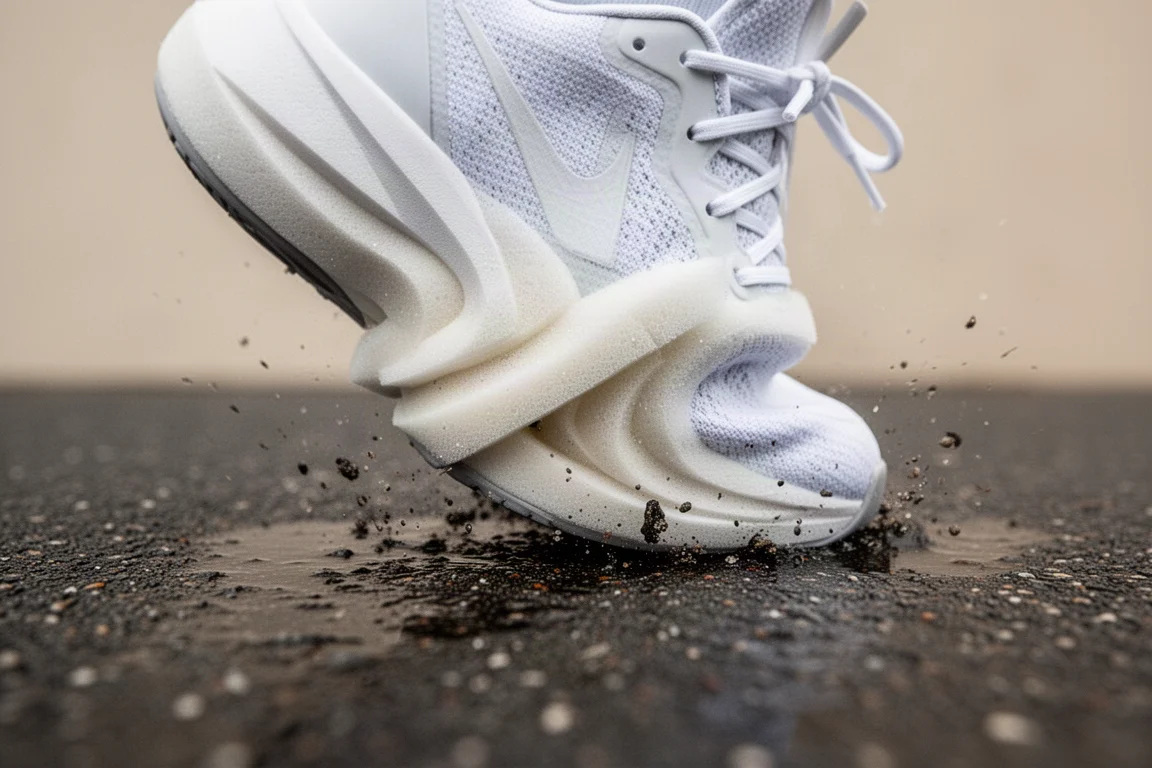
In weight terms, the Alphafly 3 is more than 2 ounces heavier than the Adios Pro Evo 1, but the Air Pods create a mechanical sensation of bouncing off the ground that makes up for the extra mass. When your turnover gets tired or lazy in a workout, the Alphafly never feels flat. You can look for that toe-off bounce and correct your stride in the moment.
Availability is much stronger than the Adidas shoe. Even though the US release day saw it sell out in minutes, more pairs are being made, and it will be far more accessible overall. At $285 it is still expensive, but it looks like a bargain next to the $500 Adizero.
Weight and Ride Feel
Both shoes are fantastic on the road, but they deliver performance in different ways.

The Adios Pro Evo 1 offers a lightweight, efficient ride that suits runners who can lock into a pace and roll. It feels closer to a traditional racing shoe, similar to a Vaporfly or even old-school racing flats: cushioning, help from the energy rods, and a featherweight feel to carry you through the marathon.
The Alphafly 3 instead leans on its cushioning and the mechanical toe-off bounce from the Air Pods, giving you a propulsive sensation throughout the stride that no amount of weight savings quite replaces.
Overall Buying Advice
For most runners, the Alphafly 3 is the smarter pick once price, availability, and durability are weighed together.

The Adios Pro Evo 1 is recommended for roughly 100 miles, essentially one familiarization effort and one marathon. A non-professional runner can reasonably expect around 200 miles from the Alphafly 3, since it holds up longer when you do not need maximum foam responsiveness. It is also simply fun to run in.
If you are chasing a world record and every gram matters, the Adizero makes sense. For everyone else, more miles, a lower price, and wider availability tip the scales decisively toward the Alphafly 3.
Conclusion
Both shoes represent the highest level of marathon racing footwear. The Adizero Adios Pro Evo 1 is a remarkable ultra-lightweight achievement with severe availability limits and a $500 price tag. The Nike Alphafly 3 costs $285, is far easier to find, delivers a bouncy and engaging ride, and lasts longer. For the majority of marathon runners, the Alphafly 3 is the winner of this matchup.
Further reading
Related Reviews

Running Shoes
Best Road-to-Trail Running Shoes: Three Versatile Options for Mixed Terrain
A practical guide to three road-to-trail running shoes that handle both pavement and mild trails, with clear strengths and trade-offs for different runner types.

Running Shoes
Best Running Shoes for Achilles Tendonitis: Three Options Explained
Three running shoes with different heel drops and support features designed to help reduce Achilles tendon pain during walking and running.

Running Shoes
Best Running Shoes for Women: Five Top Choices Ranked
A ranked guide to five women's running shoes, from versatile daily trainers to high-performance racing options, with real strengths and trade-offs for each.