Running Shoes
Adizero Adios Pro 3 vs Boston 12, Vaporfly 3 and Diadora Gara: Which Plated Shoe Fits Your Race?
A hands-on comparison of four plated running shoes, covering foam feel, stability, weight and which runner each one actually suits.
Introduction
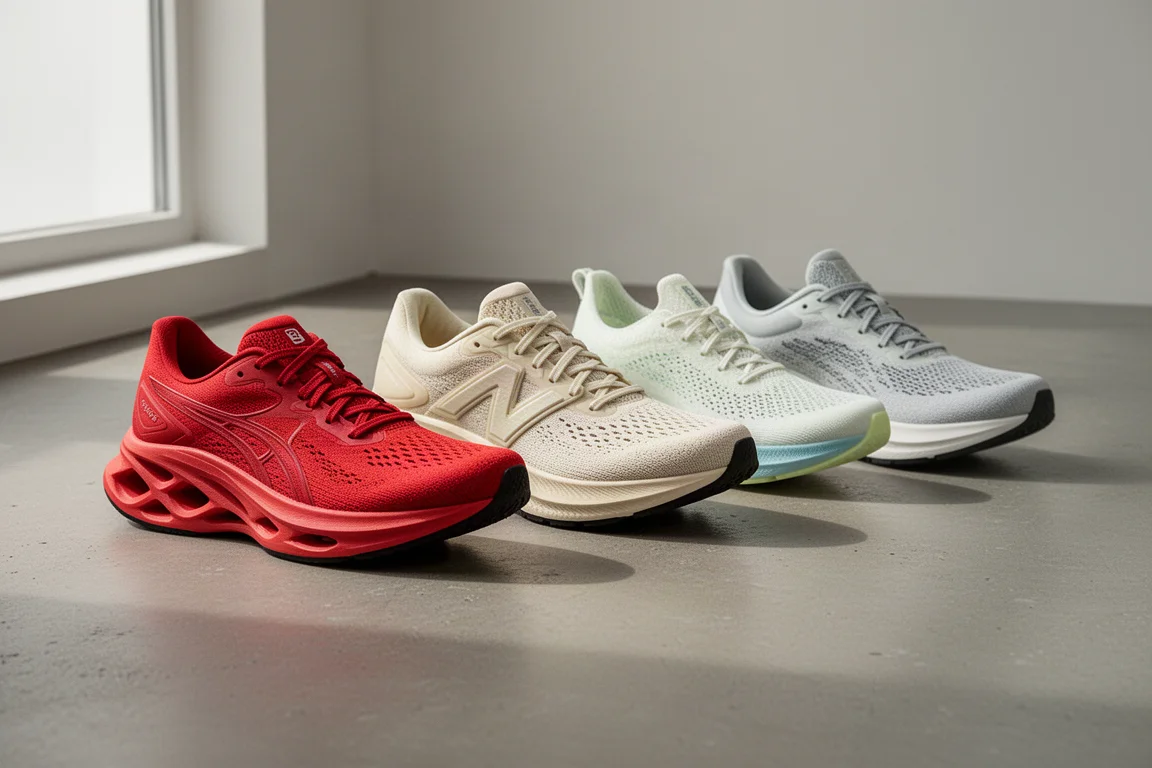
Plated racing shoes have split into clear personalities: some are firm and stable, some are featherweight and twitchy, and some just feel fun. After putting serious miles into the Adidas Adizero Adios Pro 3 and comparing it directly with the Boston 12, Nike Vaporfly 3 and Diadora Gara, the differences are bigger than any spec sheet suggests.
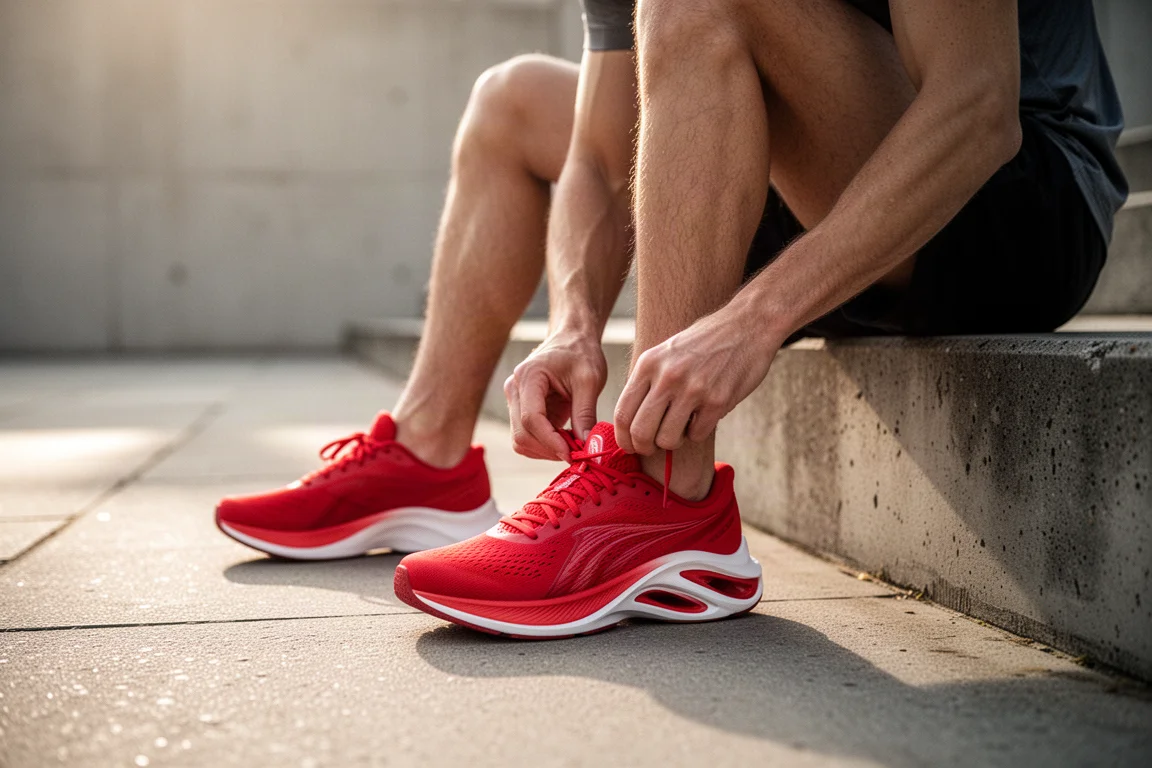
The interesting part of this comparison is that the shoe with the strongest racing pedigree did not deliver the most enjoyable ride at marathon pace. If you are choosing one of these four for your next race, the decision comes down to your weight, your foot strike and how much cushion density you want underfoot.
How We Compared These Four Shoes
The comparison focused on four practical criteria: how the foam feels at steady and faster paces, how stable the platform is for midfoot and heel strikers, how the upper locks the foot down, and overall weight. Each shoe was run at marathon-effort paces around 6:40 per mile, with the Vaporfly 3 and Gara also tested at half marathon and longer long-run efforts.
Weight was checked on a scale in US mens 10.5, and midsole construction was compared side by side to see how firmness and bounce differ between compounds.
Adidas Adizero Adios Pro 3: Firm, Stable and Demanding
The Adios Pro 3 is built on Lightstrike Pro foam with carbon fiber rods instead of a full carbon plate, a full-length Continental rubber outsole, and a claimed 39.5 mm heel, 33 mm forefoot and 6.5 mm drop. At 242 g it is a noticeably more substantial shoe than the Vaporfly 3, and the wide midfoot and chunky heel make it one of the most stable marathon racers available.
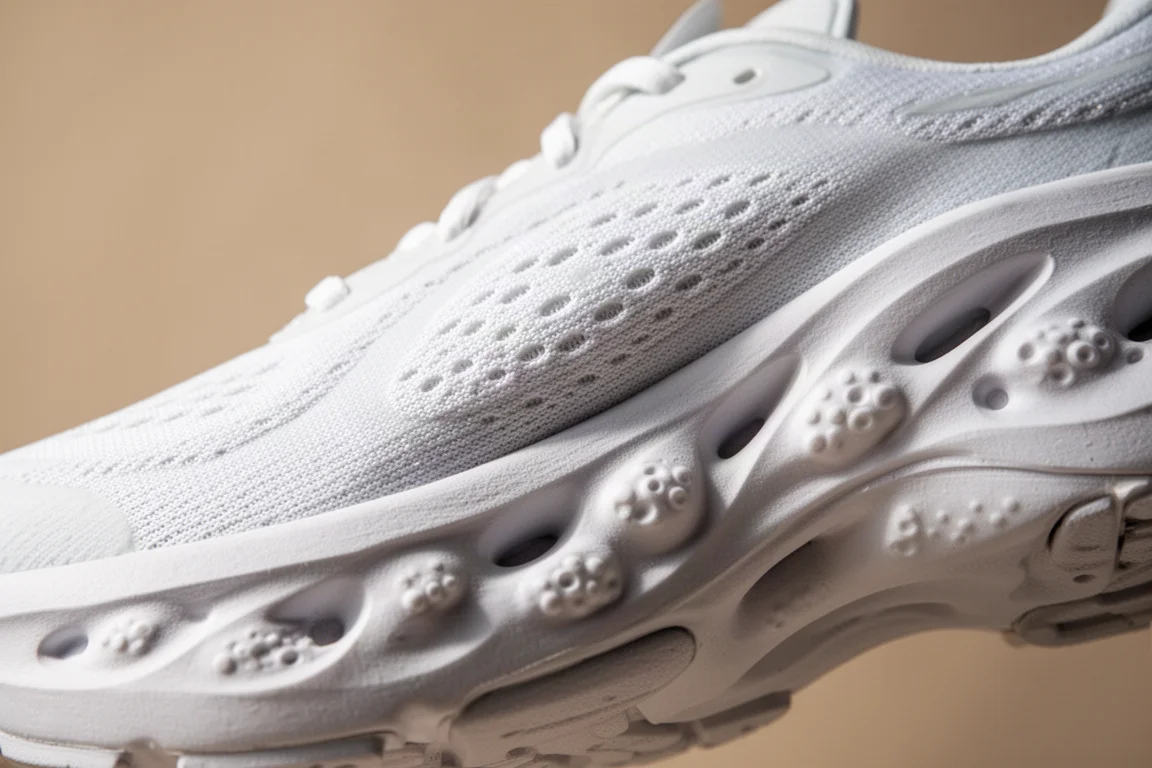
On the road it rides dense and firm, with an aggressive forefoot rocker that keeps the shoe rolling forward. Stability and lockdown were genuinely good, and heel cushioning is well contoured for recreational runners and heel strikers. The trade-offs: the upper fits in that classic snug Adidas way, the lace system takes fiddling with individual eyelets to dial in, and at marathon-pace efforts the foam can feel like it is waiting for more speed than you are putting down. Heavier runners logging 3:30 to 4-hour marathons tend to love this exact combination, which makes it a strong pick if you fit that profile.
Adidas Adizero Boston 12: The Do-Everything Plated Trainer
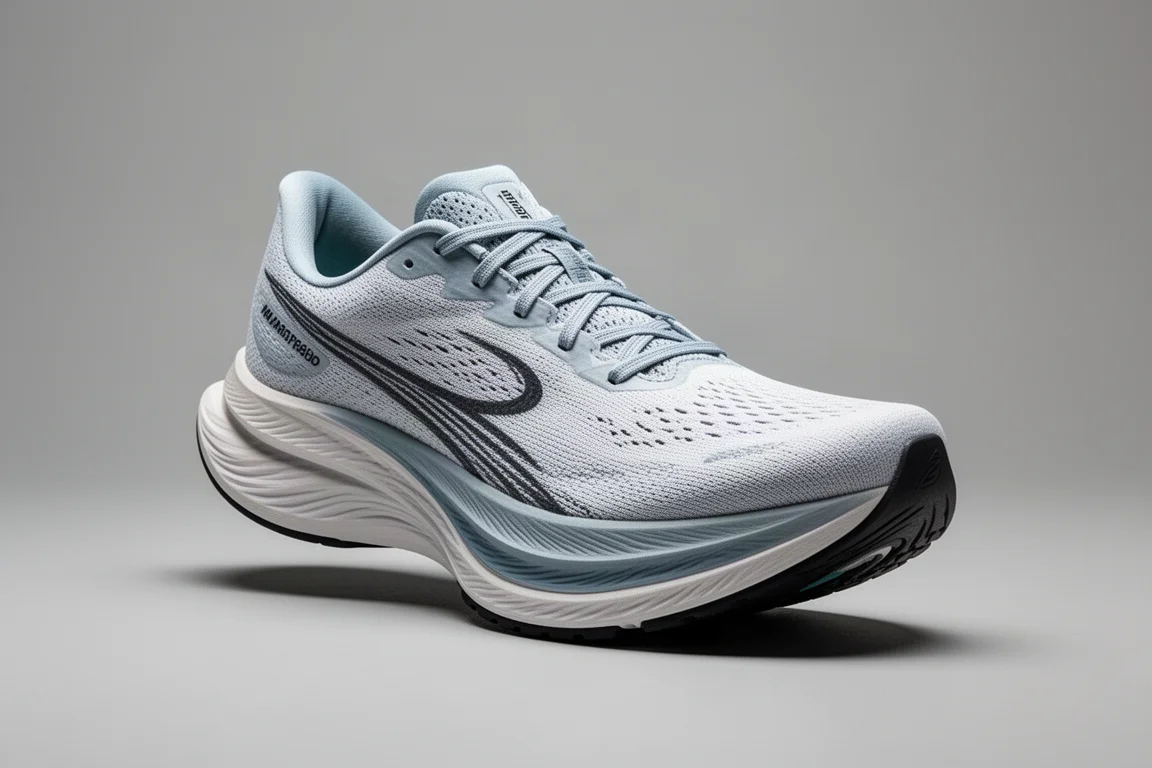
The Boston 12 has earned near-300 miles of loyal use because it genuinely does everything a marathon trainer should. It shares the Lightstrike Pro foam family with the Adios Pro 3 but pairs it with glass fiber rods, which leave a little more flexibility in the forefoot, and adds a structured EVA frame at the heel for extra stability.
Where the Boston 12 wins is feel: landing midfoot or forefoot at speed produces a brief soft squish followed by a lively pop that makes fast running enjoyable. The upper fit is its weakest point, with somewhat sloppy heel lockdown compared with other plated trainers, but on the road it remains one of the most complete plated training shoes around.
Nike Vaporfly 3: Featherweight Half Marathon Weapon
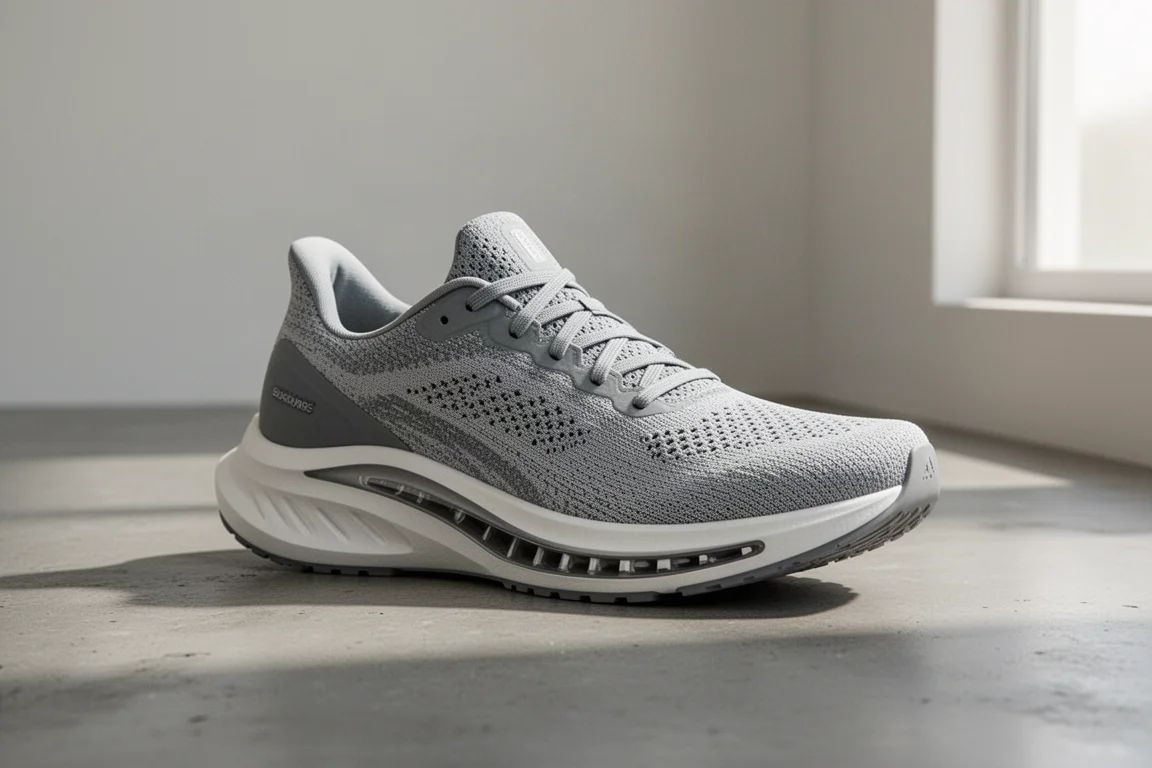
The Vaporfly 3 is the lightest of the group at 203 g, and that weight saving comes largely from a superbly breathable, perforated upper. The ZoomX foam is much softer than Lightstrike Pro, and the narrow heel and pinched midfoot encourage a forefoot strike.
That geometry is exactly why it shines at the half marathon distance: less time on the ground at the back of the platform means the limited stability matters less, and the low weight and soft compression feel effortless at faster paces. For a full marathon, however, heel strikers and heavier runners may find the narrow heel too twitchy for comfort.
Diadora Gara: The Softer, Bouncier Alternative
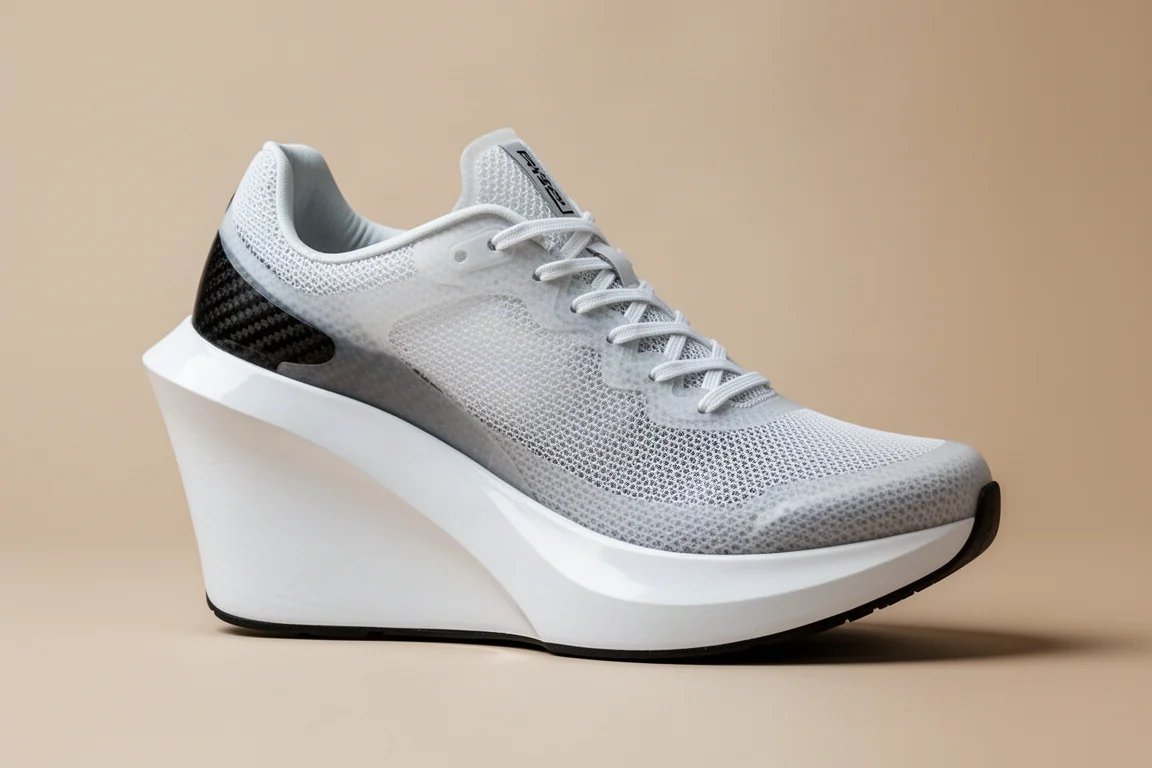
The Diadora Gara has quietly become the favourite of this group for race day. Its PBX foam is visibly softer and squishier than Lightstrike Pro when pressed, and underfoot it delivers a soft bounce and an easy snap through the stride that the firmer Adios Pro 3 never quite matched.
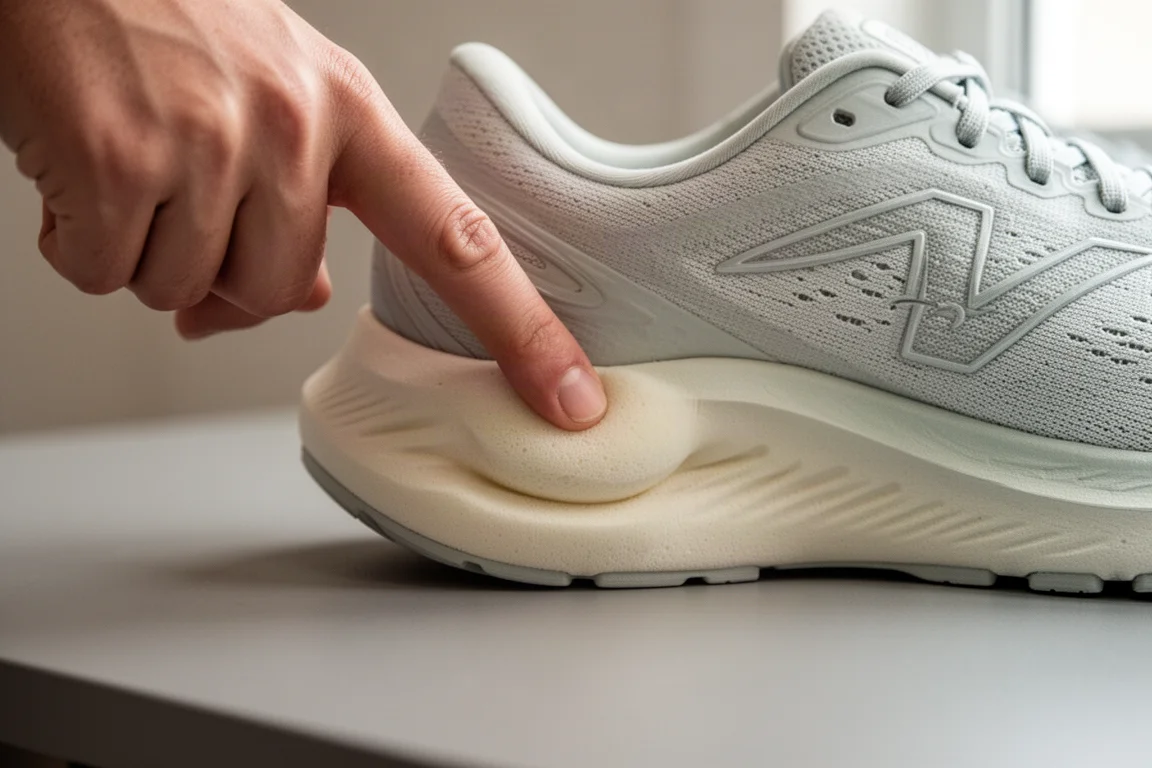
On a 22-mile run at the same 6:40-pace efforts, the Gara simply worked better for a midfoot strike: it is easier to run in, rolls through the stride naturally, and still feels fun late into a long session. If you found the Adios Pro 3 too dense, this is the shoe to try.
Overall Buying Advice
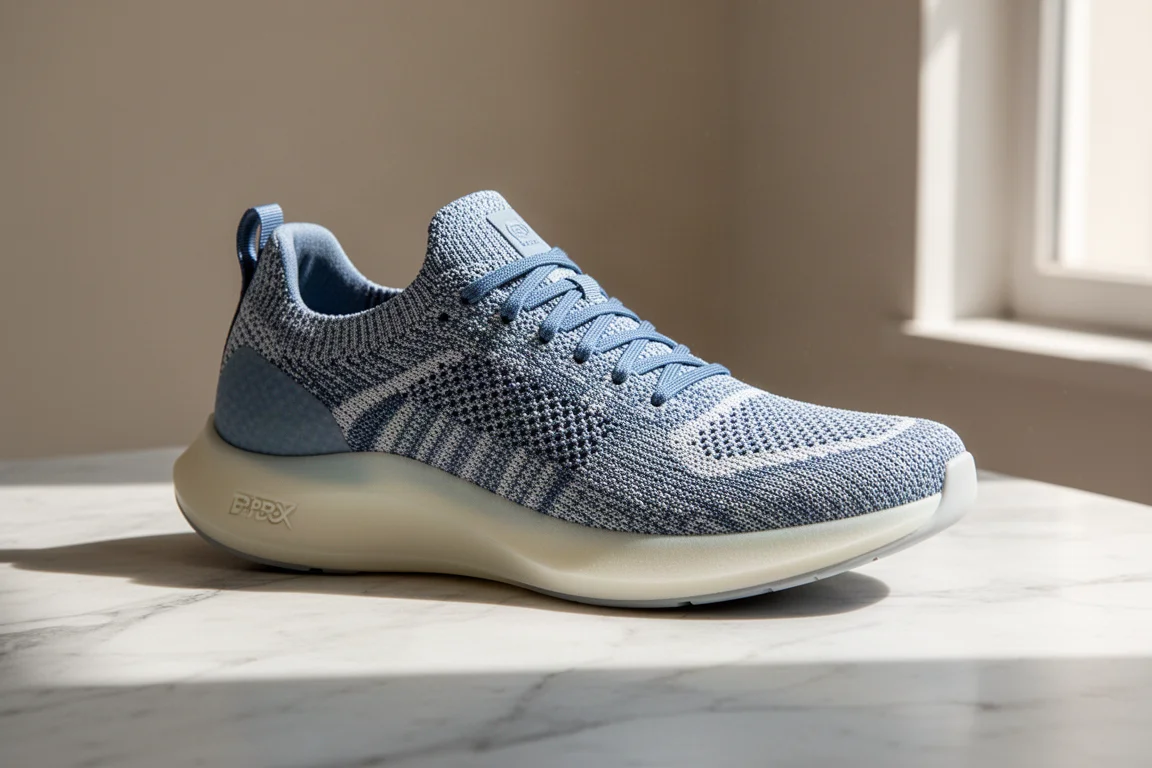
Match the shoe to the job. If you want a plated daily trainer that can handle fast work and long miles with a bit of added stability, the Boston 12 remains hard to beat. If your race is a half marathon and weight matters most, the Vaporfly 3 is the pick, as long as you land forefoot and do not need heel support.

For the full marathon, firmer and more stable platforms reward heavier runners and heel strikers, which is where the Adios Pro 3 earns its loyal following among 3:30 to 4-hour marathoners. But if pure ride enjoyment at marathon pace is the priority, the softer, bouncier Gara is the more natural race-day choice.
Conclusion
Four shoes, four personalities: the Adios Pro 3 is firm, stable and best for bigger or heel-striking marathoners; the Boston 12 is the versatile plated trainer; the Vaporfly 3 is the lightweight half marathon specialist; and the Gara is the soft, fun race-day pick. Try them at your goal pace, not just around the block, because at these speeds the differences are real.
Further reading
Related Reviews

Running Shoes
Best Road-to-Trail Running Shoes: Three Versatile Options for Mixed Terrain
A practical guide to three road-to-trail running shoes that handle both pavement and mild trails, with clear strengths and trade-offs for different runner types.

Running Shoes
Best Running Shoes for Achilles Tendonitis: Three Options Explained
Three running shoes with different heel drops and support features designed to help reduce Achilles tendon pain during walking and running.

Running Shoes
Best Running Shoes for Women: Five Top Choices Ranked
A ranked guide to five women's running shoes, from versatile daily trainers to high-performance racing options, with real strengths and trade-offs for each.