Running Shoes
Adidas Adizero Adios Pro 3 vs Nike Alphafly Next% 2: Marathon Super Shoe Showdown
Two flagship carbon racing shoes go head to head for marathon duty, comparing fit, stability, energy return, and value.
Introduction
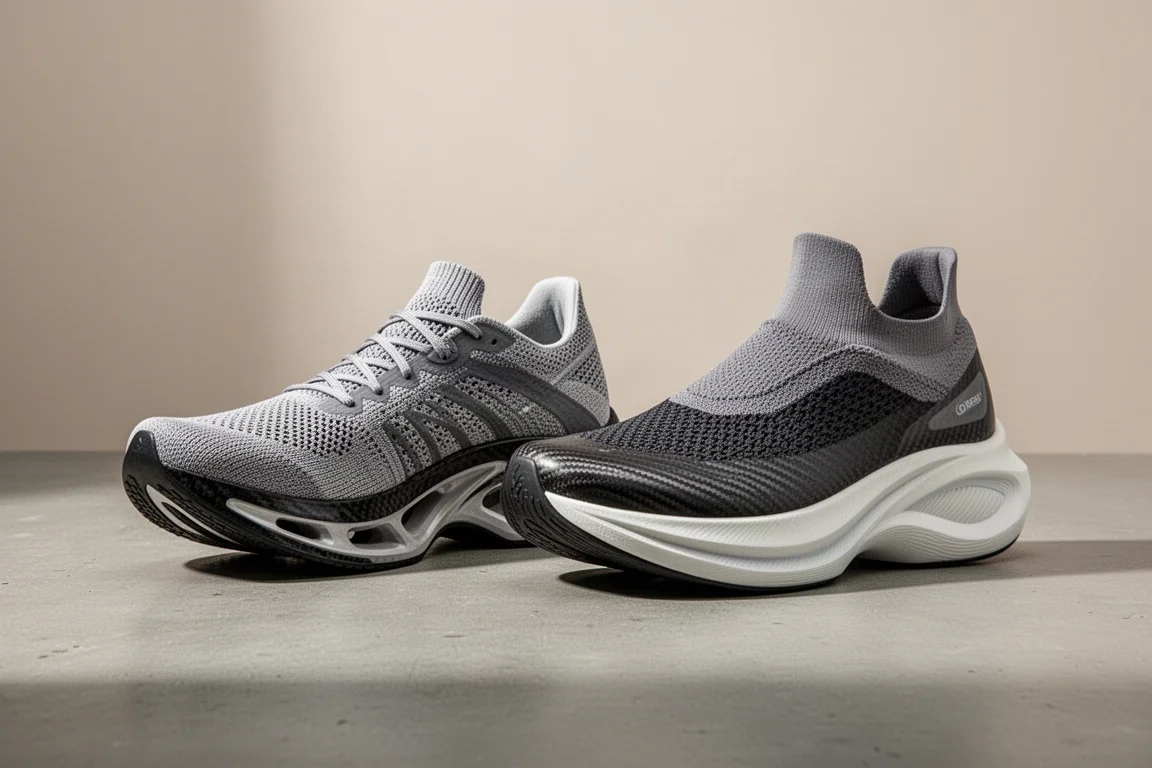
The adidas Adizero Adios Pro 3 and the Nike Alphafly Next% 2 represent the latest long-distance racing flagships from two of the biggest names in running. Both are big, chunky carbon-plated super shoes built for the long haul, and both come with premium price tags. The Alphafly sits at the top of the market at 275 pounds in the UK or 275 dollars in the US, while the Adios Pro 3 comes in noticeably cheaper at 225 pounds in the UK or 250 dollars in the US.
They are similar in weight too. The Alphafly is listed at 249 grams (8.8 ounces) in a UK 9, with real-world pairs straddling that figure at roughly 244 to just over 250 grams. The adidas is listed at 247 grams (8.7 ounces), but in a slightly smaller UK 8.5. Stack heights on both heel sections bump right up against the World Athletics limit of 40 millimeters. The Alphafly runs an 8mm heel-to-toe drop, while the adidas drops 6.5mm.
Adidas Adizero Adios Pro 3
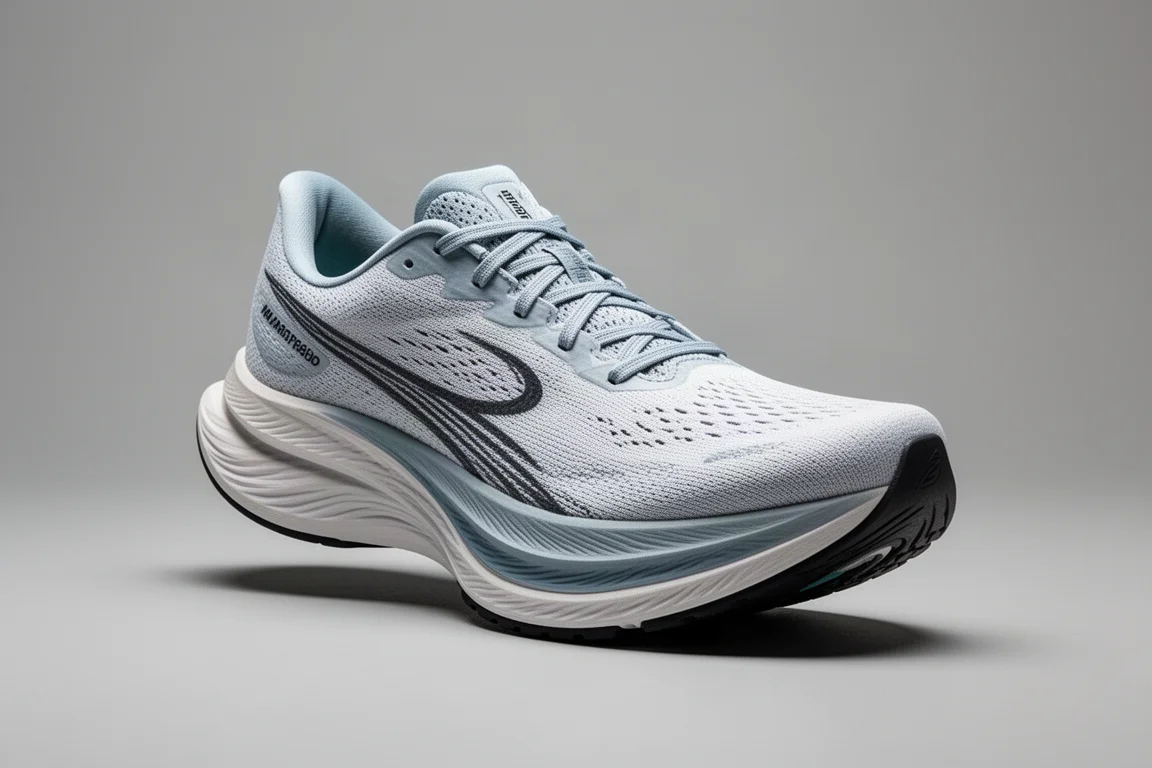
The Adios Pro 3 has a very sculpted midsole with lots of cutouts, a thin mesh upper, and a redesigned carbon setup inside. The five energy rods that run through the forefoot now connect all the way back to a small carbon plate under the heel. In the previous version, the rods and plate were separate; now they are linked, creating a better transition and a slightly stiffer ride overall. The midsole is dual-density Lightstrike Pro, with two layers tuned slightly differently, though it is hard to feel the difference by touch alone.
The outsole uses Continental rubber at the forefoot, the key zone for grip at toe-off, with a thinner secondary material providing good coverage elsewhere so you are not running on exposed foam. The drop has been reduced to 6.5mm, adding more stack under the forefoot for a more comfortable feel, and there is a very aggressive, sharp toe spring at the front of the shoe.
Sizing is the main fit consideration. A UK 9.5, half a size up from the usual size, fit perfectly. The toe box narrows to a sharp point, and in a normal size it might have felt tight on the toes. The upper mesh feels slightly scratchy, there have been some reports of issues around the unusual heel flap, and it is worth thinking carefully about fit before committing.
Nike Alphafly Next% 2
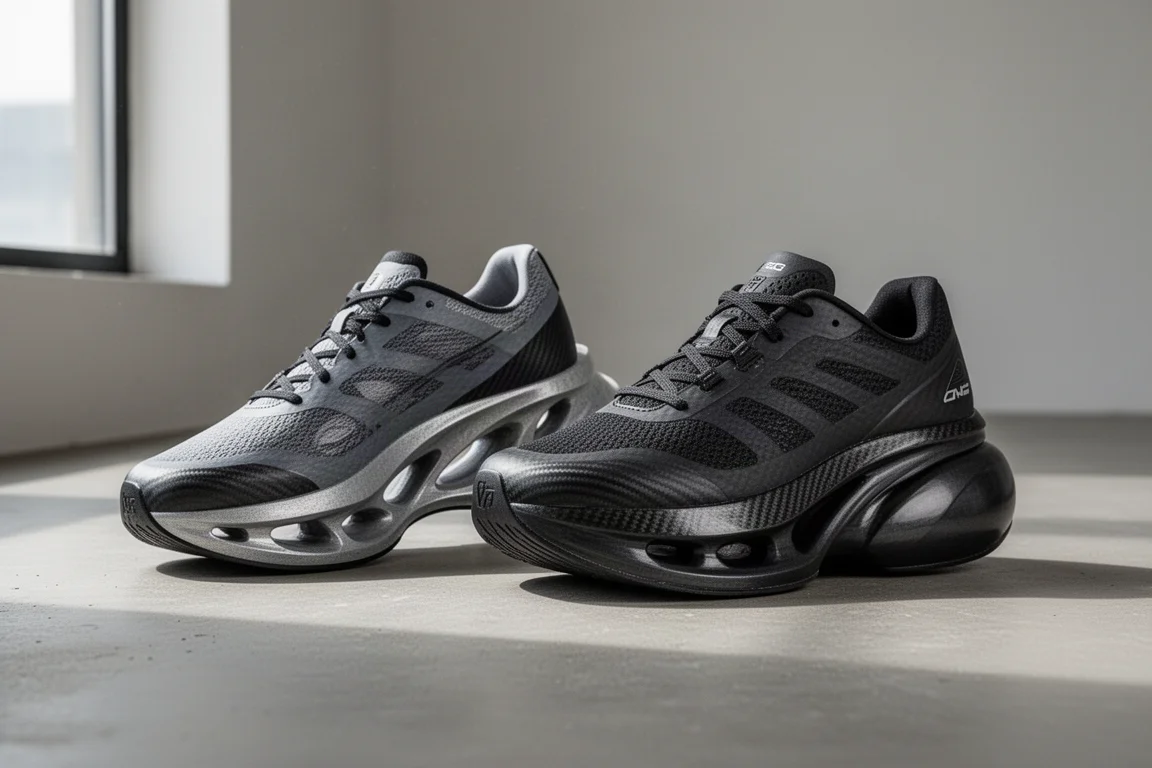
The Alphafly Next% 2 uses a structured Atomknit upper with plenty of reinforcement around the heel. The midsole is ZoomX, Nike’s soft and springy PEBA-based foam, plus Air Zoom pods under the forefoot. A big addition in this second edition is ZoomX foam running underneath those Air Zoom pods. A full-length carbon plate sits inside, visible through an expanded midsole cutout. The outsole has good forefoot coverage and two strips at the rear, with slightly thinner material than the previous version and a new grip pattern for racing.
Fit is a bootie-style design with the tongue built into the shoe and two pull tabs to help get it on. It is slightly tricky to put on at times, but once on it is very comfortable with a secure hold all around, and the reinforced heel keeps everything locked in place during the run. True to size worked well with no heel issues.
Ride and Performance
With over 90km run in the Alphafly and over 80km in the Adios Pro 3, including long runs, hard sessions, and all-out race efforts, a clear picture emerges. The Adios Pro 3 did not impress at first: an opening hard 5k session left it feeling stiff, unforgiving, and not well suited to faster 5k pace. But the shoe softens noticeably after the first 20km or so, and it came into its own on longer efforts. Rides like 50 miles around six-minute-mile pace felt comfortable and bouncy, and the aggressive toe spring never actually created an aggressive ride. It is best around marathon pace, where it cruises like a big ship: soft, stable, and with a smoother, less snappy heel-to-toe transition than its predecessor. The lower drop helped eliminate forefoot discomfort over very long runs.
The Alphafly is the more explosive of the two. From the first hard session it felt strong and powerful, with a feeling of near-invincibility once you start running fast. On a five-mile race in the middle of heavy marathon training, despite tiring legs, the shoe just kept rolling at a pace faster than expected. A 20-miler run by feel felt effortless, with fast paces simply not registering as hard work.
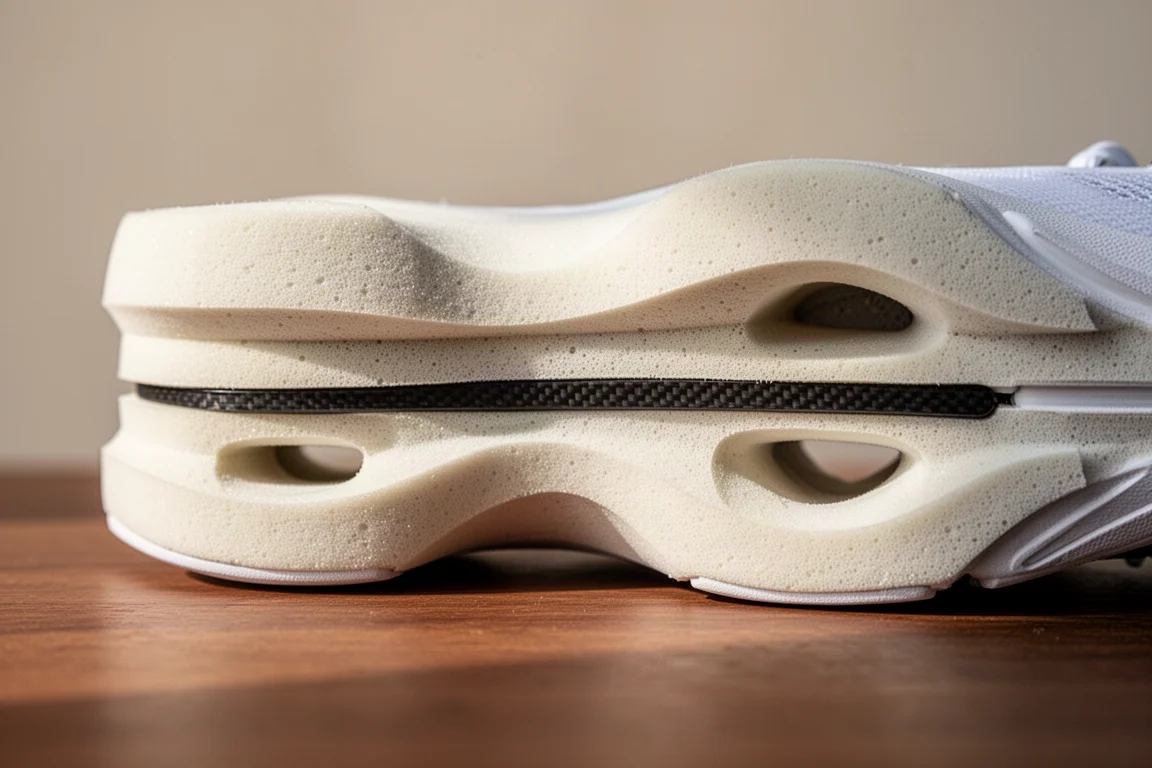
Both shoes make marathon pace feel easier, but the ZoomX foam and pods combination gives the Alphafly the edge in pure explosiveness. It also holds up better at faster paces: even at sub-5:30 per mile it felt more comfortable and easier to sustain than a lower-stacked super shoe.

Neither shoe is great at taking turns at speed. The Adios Pro 3 is significantly more stable thanks to its widened forefoot base, while the Alphafly can feel a bit squiggly on slick roads. Both are best on good surfaces, straight lines, and gentle curves.
Buying Advice: Which One Should You Race In?
Both brands have done a strong job with these latest versions, and both will help you run fast marathons with fresher legs at the end. If you can afford to train in them, both also help protect your legs on long runs and support a quicker bounce back for the next day.
The Alphafly has more versatility across paces. It is probably not the top pick for twisty 5k and 10k courses, but on a straight or gently looping course it is hard to top at almost any distance thanks to the foam and plate combination. For shorter events, adidas’ own Takumi Sen would be the better pick within that range.

Over the marathon distance it is close to a coin flip, and the adidas is significantly cheaper, around 50 pounds less. ZoomX foam still edges out Lightstrike Pro on energy return, so if money were no object the Alphafly would be the pick for the marathon and for racing at any distance. If you want to save, the Adios Pro 3 is a fantastic long-race shoe, provided the fit quirks do not put you off.
Conclusion
You will not be unhappy with either shoe. The Nike Alphafly Next% 2 is the slightly more impressive, more explosive ride that works across more distances, while the adidas Adizero Adios Pro 3 offers a very comfortable, stable, and cheaper alternative that excels at marathon pace. Think carefully about sizing on the adidas, trust the shoe on race day, and both will serve you well.
Further reading
Related Reviews

Running Shoes
Best Road-to-Trail Running Shoes: Three Versatile Options for Mixed Terrain
A practical guide to three road-to-trail running shoes that handle both pavement and mild trails, with clear strengths and trade-offs for different runner types.

Running Shoes
Best Running Shoes for Achilles Tendonitis: Three Options Explained
Three running shoes with different heel drops and support features designed to help reduce Achilles tendon pain during walking and running.

Running Shoes
Best Running Shoes for Women: Five Top Choices Ranked
A ranked guide to five women's running shoes, from versatile daily trainers to high-performance racing options, with real strengths and trade-offs for each.