Running Shoes
Adidas Ultra Boost Light Review: Lighter, Firmer, and Finally Back in the Race
The Ultra Boost Light trims serious weight from the classic trainer, but a firm ride, snug fit, and high price make it worth comparing against rivals before buying.
Introduction
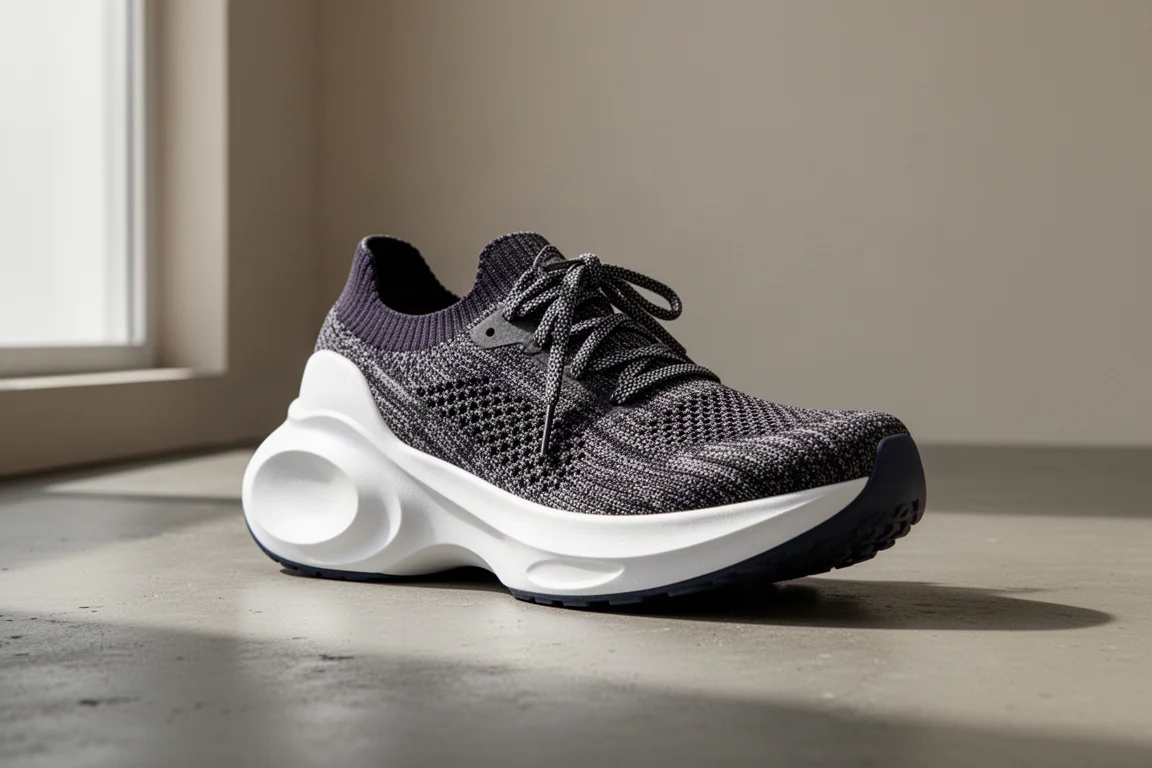
The Ultra Boost Light is the newest addition to the Ultra Boost range, and it essentially repositions the line as a running-first trainer again. Priced at £170 in the UK and $190 in the US, it carries a 10 millimeter drop with a stack of 30mm at the heel and 20mm at the forefoot. The headline change is the new Boost Light foam, claimed to be 30 percent lighter than standard Boost, which drops the shoe to 314 grams (11 ounces) in a UK size 9. That is a big step down from the Ultra Boost 22, which weighed 357 grams (12.6 ounces) in a 9.5. After several generations where the Ultra Boost became too heavy to be an enjoyable running shoe, this is the best version for runners in a long while. But with strong competition at similar and lower prices, the question is whether “lighter” is enough.
Weight and Midsole Construction
The weight saving comes entirely from the Boost Light midsole foam, and 314 grams puts the shoe right in line with other big cushion trainers such as the Nike Invincible 3, the Asics Gel Nimbus 25, and the New Balance Fresh Foam More v4. In a UK size 5, testers found the Light around 20 grams lighter than the same size Ultra Boost 22. That is not a difference most runners will feel on every stride, but it does make daily runs more pleasant, and it brings the shoe into line with the rest of the everyday trainer market rather than making it a genuinely lightweight option.
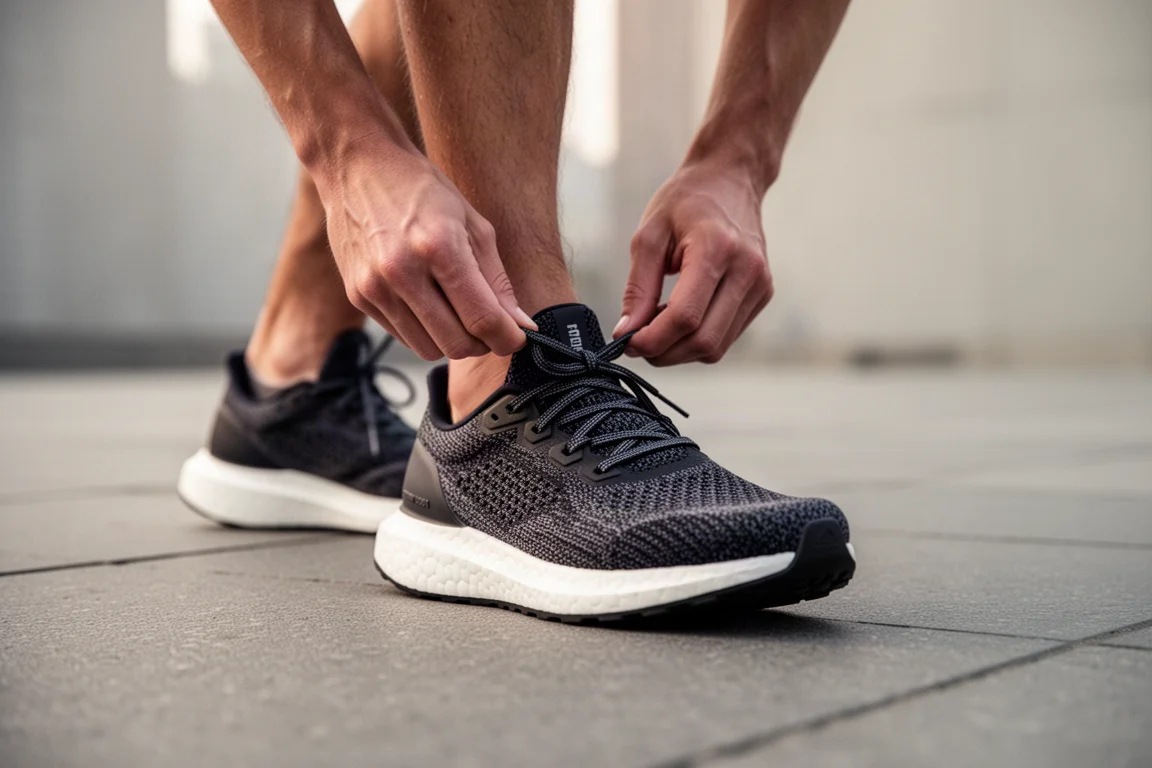
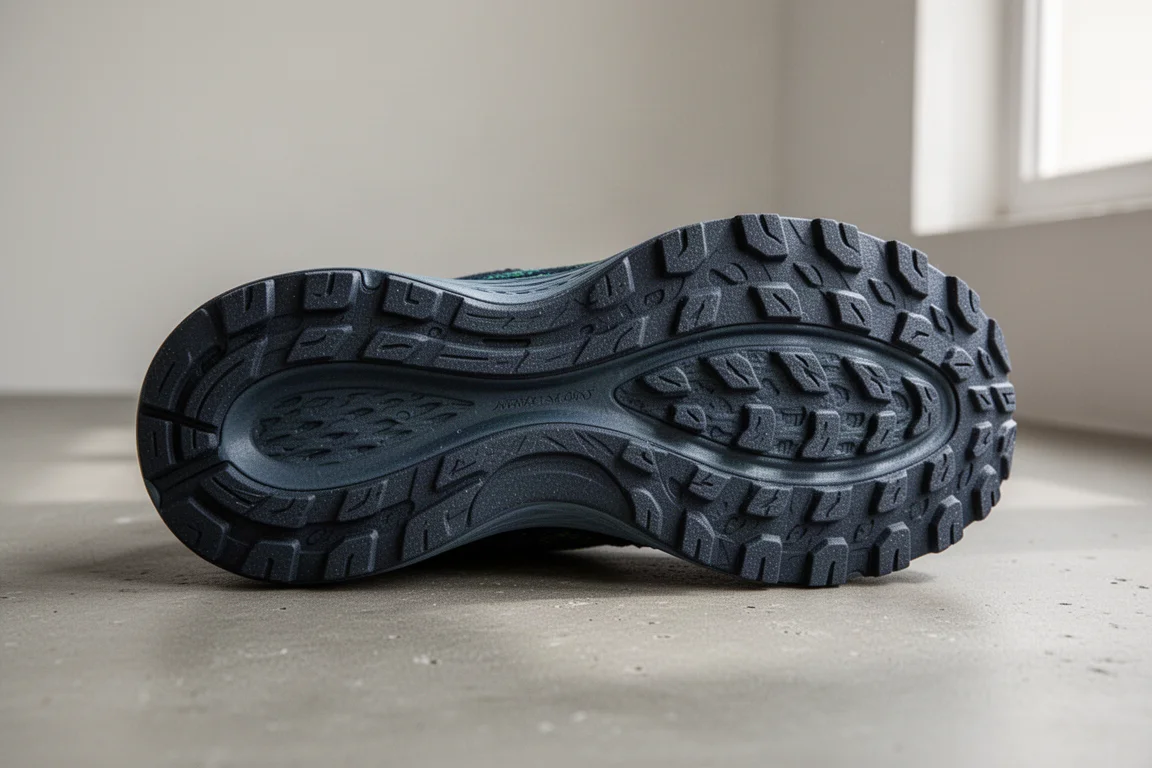
Beyond the foam, the shoe keeps the classic Ultra Boost elements: a plastic midfoot cage, a large plastic heel counter for stability, and the Primeknit bootie upper with its sock-like fit. The midsole shape matches the standard Ultra Boost too, with the big rounded heel, a mild rocker, and foam side walls that let your foot sit within the stack rather than on top of it. A Linear Energy Push plastic shank helps tip you onto your toes through the stride, and a Continental rubber outsole covers the heel and midfoot sides with solid forefoot coverage.
Fit and Sizing
Fit is the area where this shoe splits opinion. Lengthwise it runs true to size, and heel and midfoot hold is secure with no issues reported from the plastic cage. But the sock-like Primeknit upper hugs the foot tightly, and two recurring themes came out of testing: it feels tight across the top of the foot, especially for runners with high arches, and some found it snug in the toes, with toes hitting the front of the shoe on downhills.
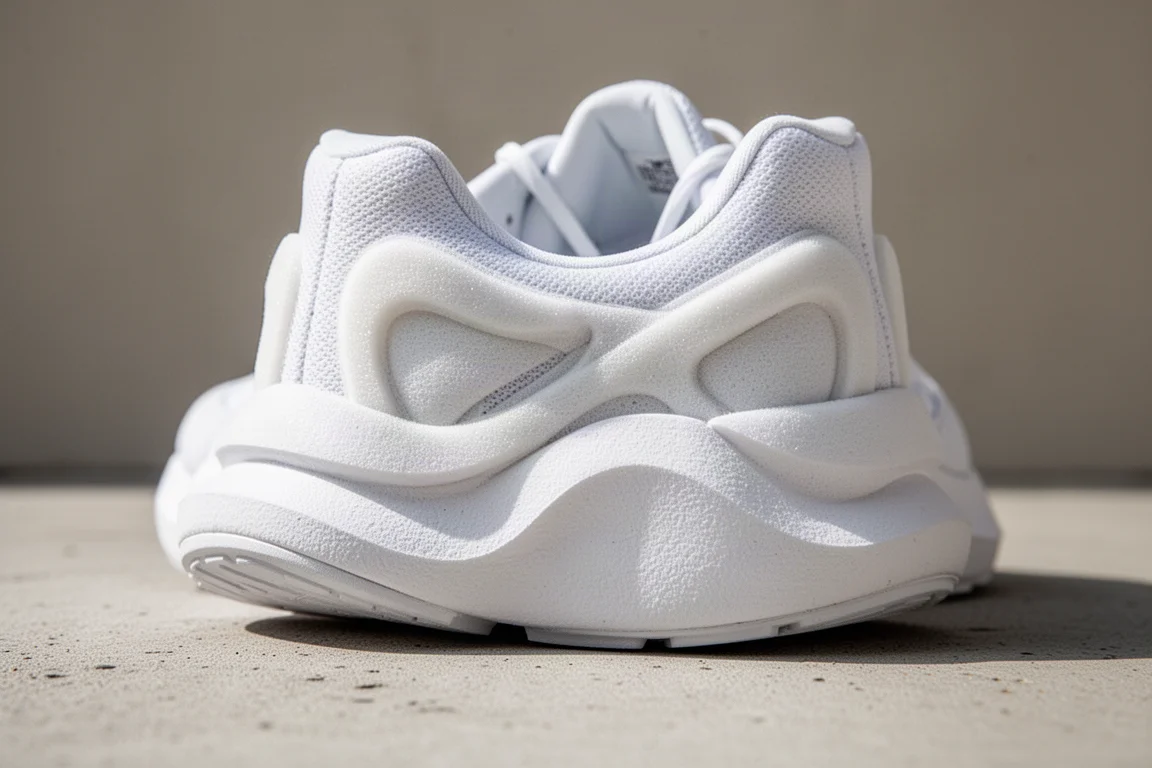
The practical advice from both angles: if you have high arches, try it on in a shop before buying, and consider going half a size up. The upper does loosen slightly over time, but not enough to change the locked-in feel, and going half a size up still preserves a snug hold. If the Ultra Boost 22 fit you well, this will fit you the same way.
Ride and Performance
The Boost Light foam is firmer rather than plush. You never feel the ground, and there is a lot of cushioning underfoot, but you are not sinking into the shoe either. The ride is snappy and fairly firm, and the plastic shank throws you forward onto your toes quickly enough that the drop feels even higher than the stated 10 millimeters. That makes the shoe best suited to easy miles, long runs, and general daily training rather than faster work.

There is genuine versatility for a max cushion shoe. The foam is resilient and keeps its bounce over long runs, the stable heel sits you inside the stack, and when you roll into a progression run or steady pace it handles itself reasonably well. It is not a shoe for sustained fast running or race day, though. The biggest ride complaint is underfoot cushioning at the forefoot: past roughly 13 to 15 kilometers, some discomfort showed up under the forefoot, and pushing the pace makes that more noticeable. It is an okay, competent ride rather than a standout one.
How It Compares
Against the broader market, the Ultra Boost Light faces tough competition. The Brooks Glycerin 20 and Saucony Triumph 20 are cheaper, more comfortable, more versatile across paces, and equally durable, with a similarly traditional firm-but-giving ride. The Asics Gel Nimbus 25 offers a livelier and very stable max cushion ride with a great long-run feel, while the New Balance Fresh Foam More v4 delivers a smooth rocker-based ride, a lower drop, and better all-round comfort, especially for easy and long runs.
The Nike Invincible 3 is much softer, squishier, and bouncier but noticeably less stable, so the Ultra Boost Light can actually be the more practical choice for tired legs, even if the Nike is the more exciting shoe. Further down the price scale, the Puma Velocity Nitro 2 and Nike Pegasus 39 around the £100 mark are versatile, comfortable daily trainers with excellent outsoles, and the Reebok Floatride Energy 4, at around £75 RRP, delivers a comparable experience well under £100.
Where the Ultra Boost Light genuinely earns its keep is durability and lifestyle use. Boost shoes last a long time, the Continental outsole grips well, and you can comfortably walk hundreds of miles in it and wear it around town. You get a lot of that high price back in longevity.
Verdict: Should You Buy It?
If you are an Ultra Boost fan, this is the version to upgrade to: lighter, responsive, and solid for everyday miles, with a break-in period that makes it more comfortable as the foam softens. If you are simply looking for an Ultra Boost at a good price, the Ultra Boost 22 feels very similar on the run and will likely be cheaper now that this model has arrived.
If you want one shoe that does everything, though, be aware that it is not the most responsive option when picking up the pace, it lacks some forefoot cushioning, and at £170 or $190 there are more exciting and often cheaper alternatives. Runners who prefer a firm, stable ride should still look hard at the Saucony Triumph 20 and Brooks Glycerin 20, and max cushion fans will probably enjoy the Gel Nimbus 25 or Invincible 3 more for easy days.
Conclusion
The Ultra Boost Light is a genuine improvement and the best running-focused Ultra Boost in generations. It is stable, durable, good-looking, and finally competitive on weight. But its firm ride, forefoot comfort limits, snug upper, and high price mean it earns a recommendation mainly for loyal fans of the line. If that sounds like you, you will love it. If not, several rivals offer a better ride for less money.
Product link
View more details for Adidas Ultra Boost Light
This product is mentioned in the review. Check the specifications, options, and compatibility before buying.
View more details for Adidas Ultra Boost LightFurther reading
Related Reviews

Running Shoes
Best Road-to-Trail Running Shoes: Three Versatile Options for Mixed Terrain
A practical guide to three road-to-trail running shoes that handle both pavement and mild trails, with clear strengths and trade-offs for different runner types.

Running Shoes
Best Running Shoes for Achilles Tendonitis: Three Options Explained
Three running shoes with different heel drops and support features designed to help reduce Achilles tendon pain during walking and running.

Running Shoes
Best Running Shoes for Women: Five Top Choices Ranked
A ranked guide to five women's running shoes, from versatile daily trainers to high-performance racing options, with real strengths and trade-offs for each.