Running Shoes
Adidas Ultra Boost 5X vs the Everyday Trainers Challenging It in 2024
The Ultra Boost 5X returns with a lighter Boost midsole and Continental grip, but at $180 it faces tough competition from the Adizero SL2, New Balance More v5, and ASICS Novablast 4.
Introduction
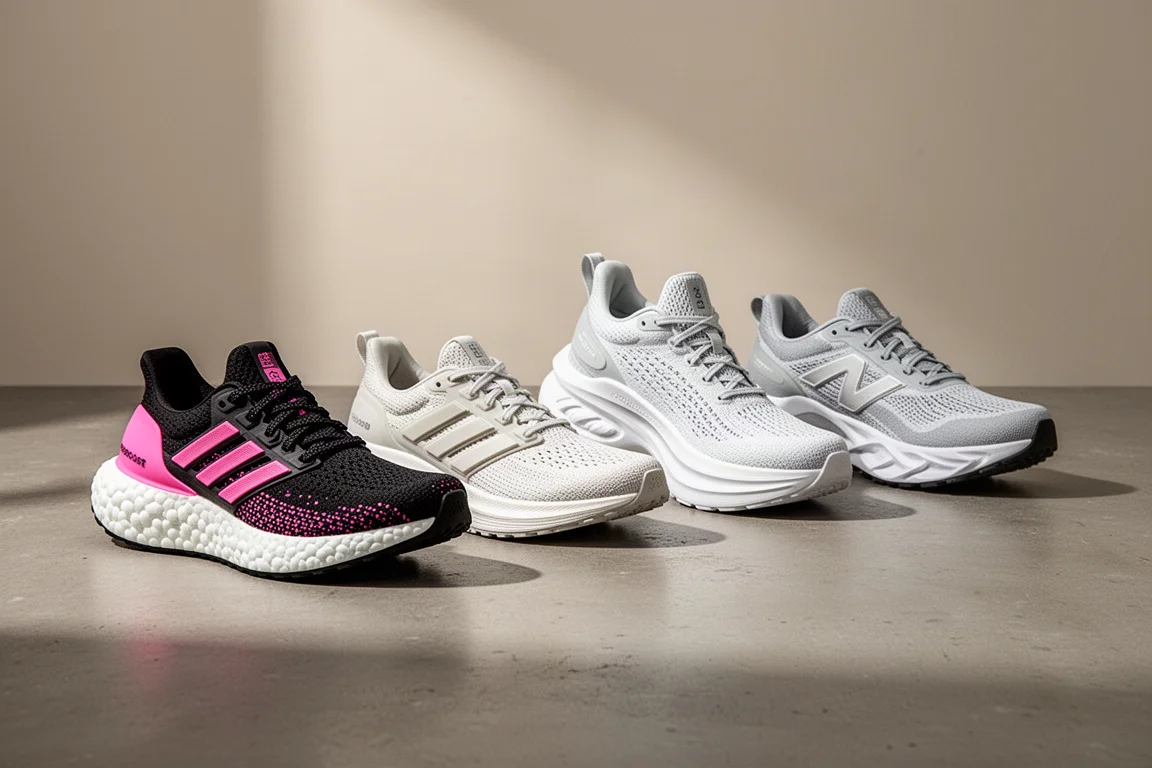
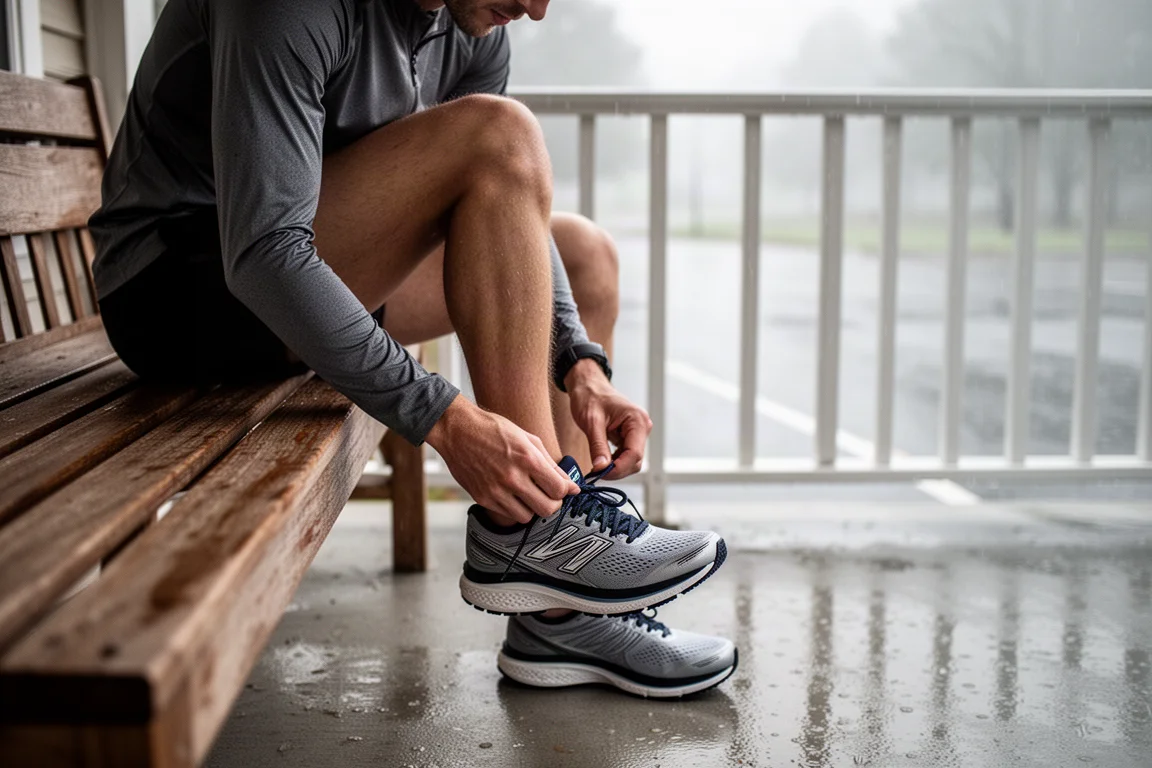
Every month brings a new Adidas running shoe, and every month the same question comes up: is this the one that puts Adidas back on the map for everyday running? The latest answer is the Ultra Boost 5X, a $180 shoe from the Adidas Running business unit that promises a lighter, bouncier Boost experience. To judge whether it can reclaim its former “cool kid shoe” status, we put it through a rainy 10-mile test and lined it up against three strong 2024 alternatives: the Adizero SL2, the New Balance Fresh Foam More v5, and the ASICS Novablast 4.
Adidas Ultra Boost 5X: The Flagship Under Pressure
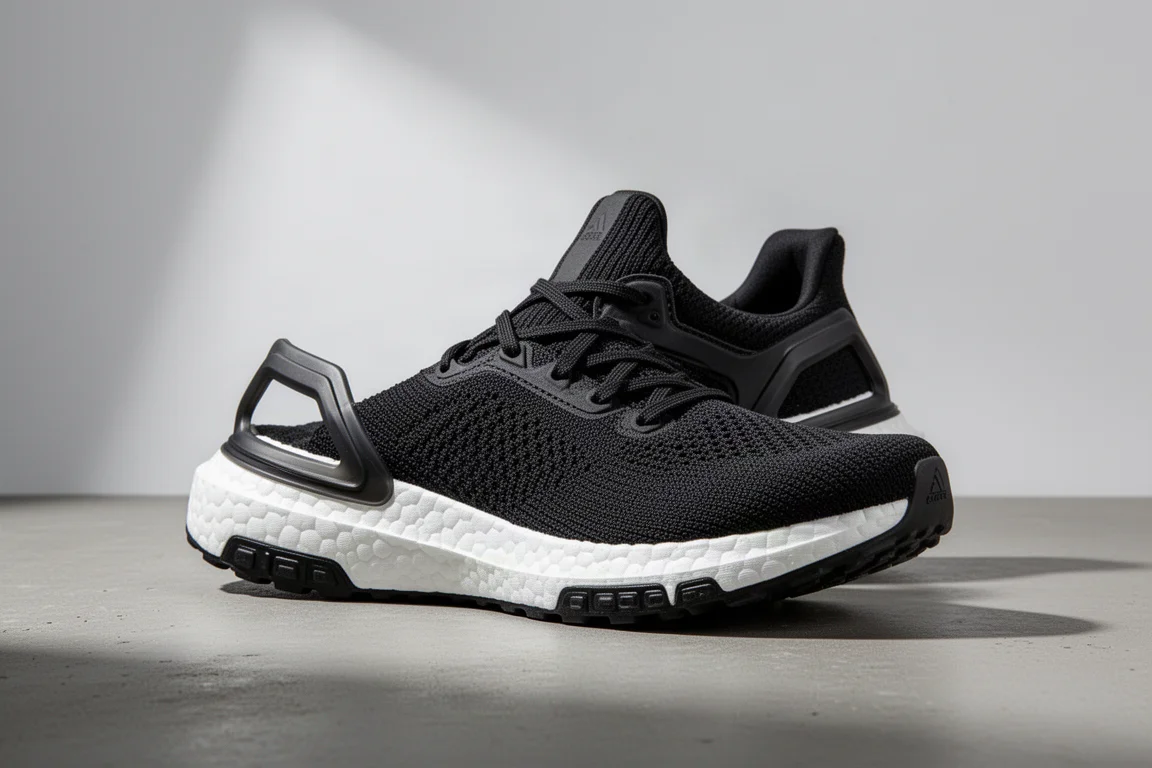
The 5X drops the plastic cage of the standard Ultra Boost and keeps the do-it-all DNA the franchise has always had. It is not a max-cushion shoe like the More v5; it is a versatile everyday trainer that runs slow and fast with equal ease. The one-piece sock-fit upper is comfortable and easy to slip on, though it is also the shoe’s biggest performance question mark.
Measures put it at 38 mm in the heel and 28 mm in the forefoot, a 10 mm drop that creates an aggressive, forward-leaning stance. At 295 g it is not a lightweight shoe by current market standards, but it is lighter than previous generations, and the Boost midsole still delivers that signature bounce with enough compression for impact absorption. The launch pink men’s colorway with orange accents is also a genuinely nice touch that few brands attempt.
Grip, Stability, and the 10 mm Drop Question
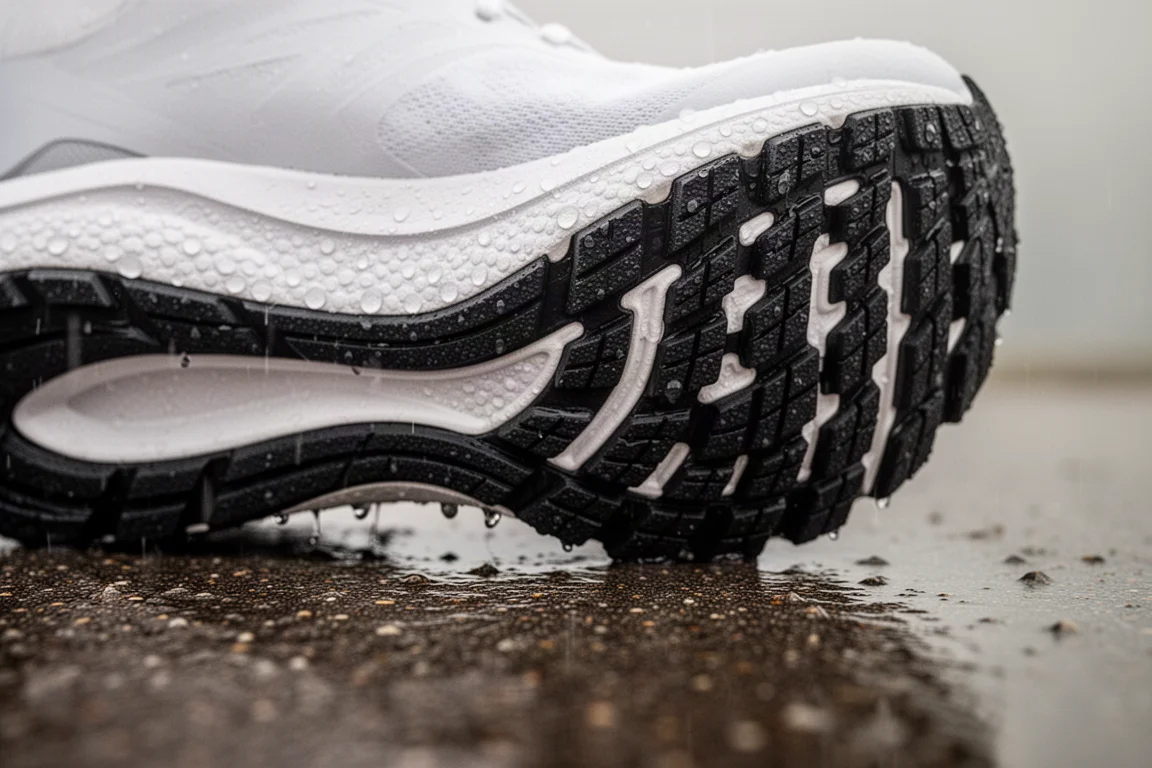
The Continental tire rubber outsole is the standout hardware here, and it proved itself in genuinely wet conditions: grip was solid, though slightly behind Adidas’s own race shoes that use the same compound. Stability was good, with the foam landing in a sweet spot between firm and soft.
The trade-off is the 10 mm drop. It slants the shoe forward and creates a chunkier heel feel compared to flatter platforms like the More v5’s 4 mm drop. If you dislike 10 mm drops, this will not be the shoe for you. The four-hole lacing system is another oddity: every serious performance trainer in this comparison has six or seven eyelets directly in the upper, and the sock-fit lacing here is the main reason the shoe gets lifestyle allegations despite its legitimate running performance.
Adidas Adizero SL2: The $130 Problem for the Ultra Boost
The Adizero SL2 is arguably Adidas’s best everyday shoe right now, and it undercuts the Ultra Boost 5X by $50. It pairs the brand’s race foam wrapped in training foam for a ride that is fun, bouncy, and comfortable, at 259 g, roughly 35 g lighter than the 5X.
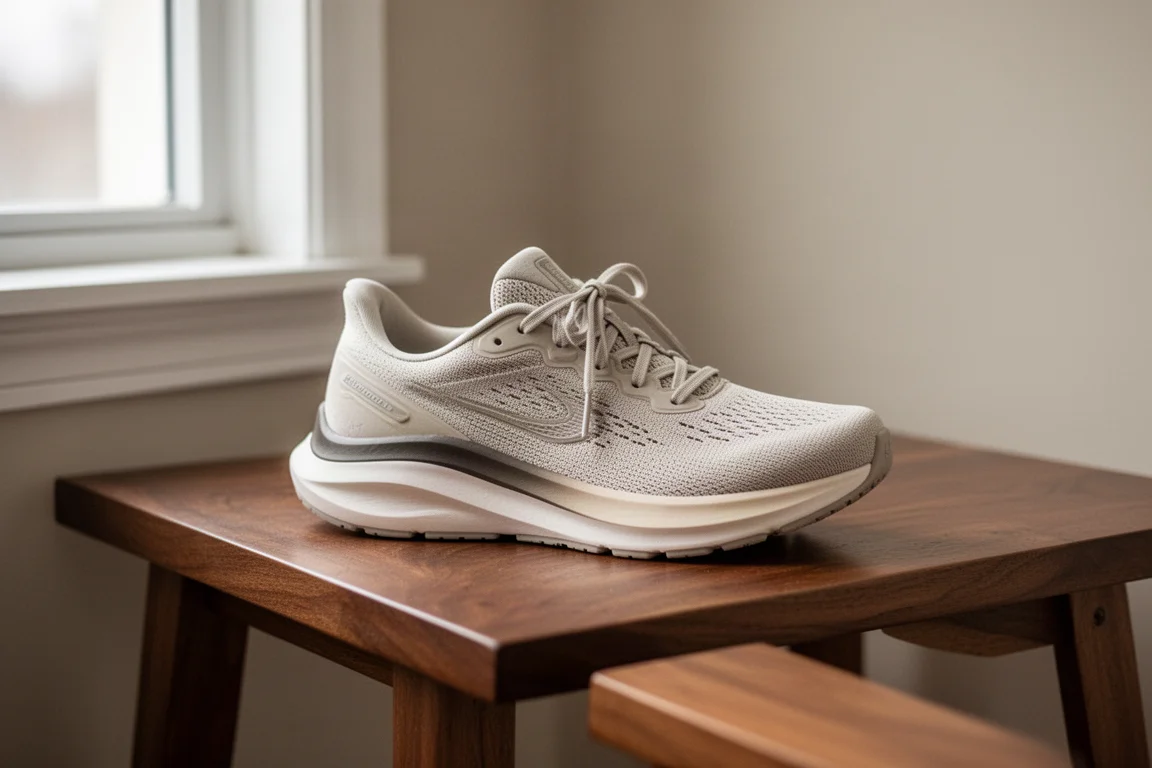
It is a 10 mm drop shoe as well, so the geometry argument does not separate them. What separates them is value and versatility: the SL2 offers a more modern foam feel for everyday running, and it is hard to recommend the Ultra Boost over it at full price. If you want the Boost experience on a budget, this is the smarter pick.
How the Field Stacks Up: Max Cushion and Everyday Fun
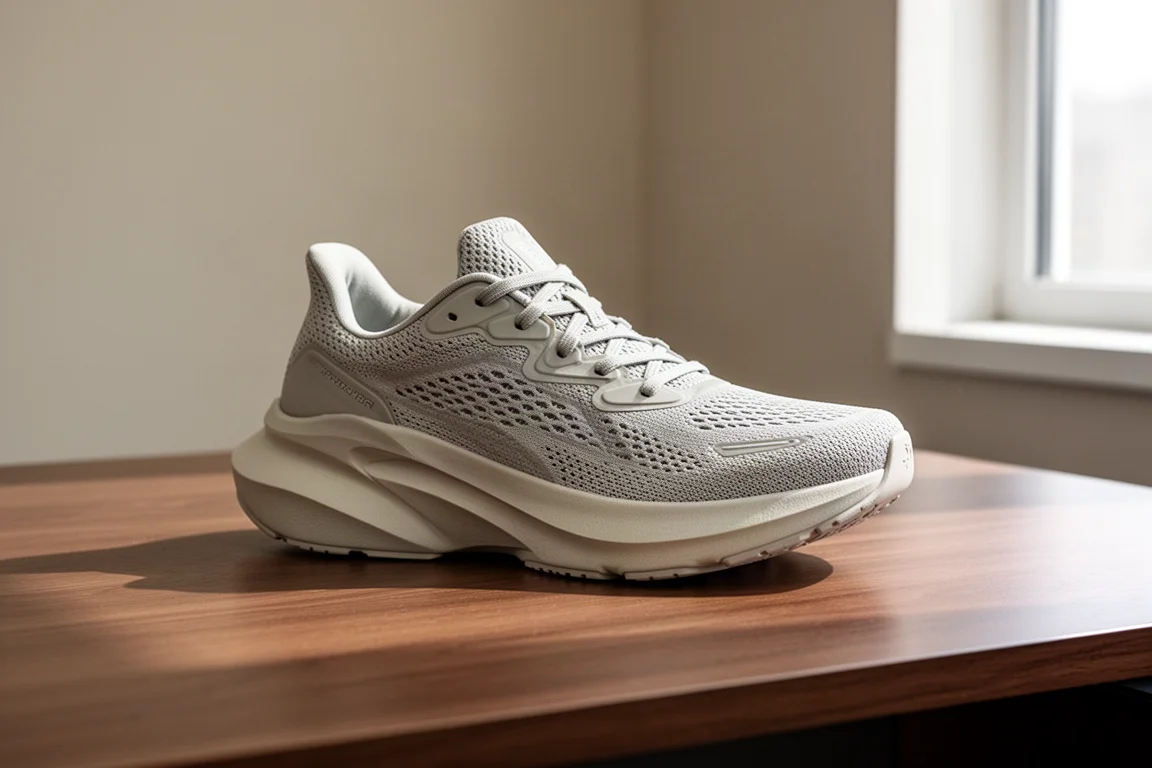
The New Balance Fresh Foam More v5 represents the other direction the market is heading: gigantic, comfortable stacks. It weighs 340 g, sits on a thick, stable base, and feels like strapping a mattress to your foot. It is heavier and less versatile than the Ultra Boost 5X, but its curved bottom makes it surprisingly capable at faster paces, and New Balance currently carries more trendy brand cachet.
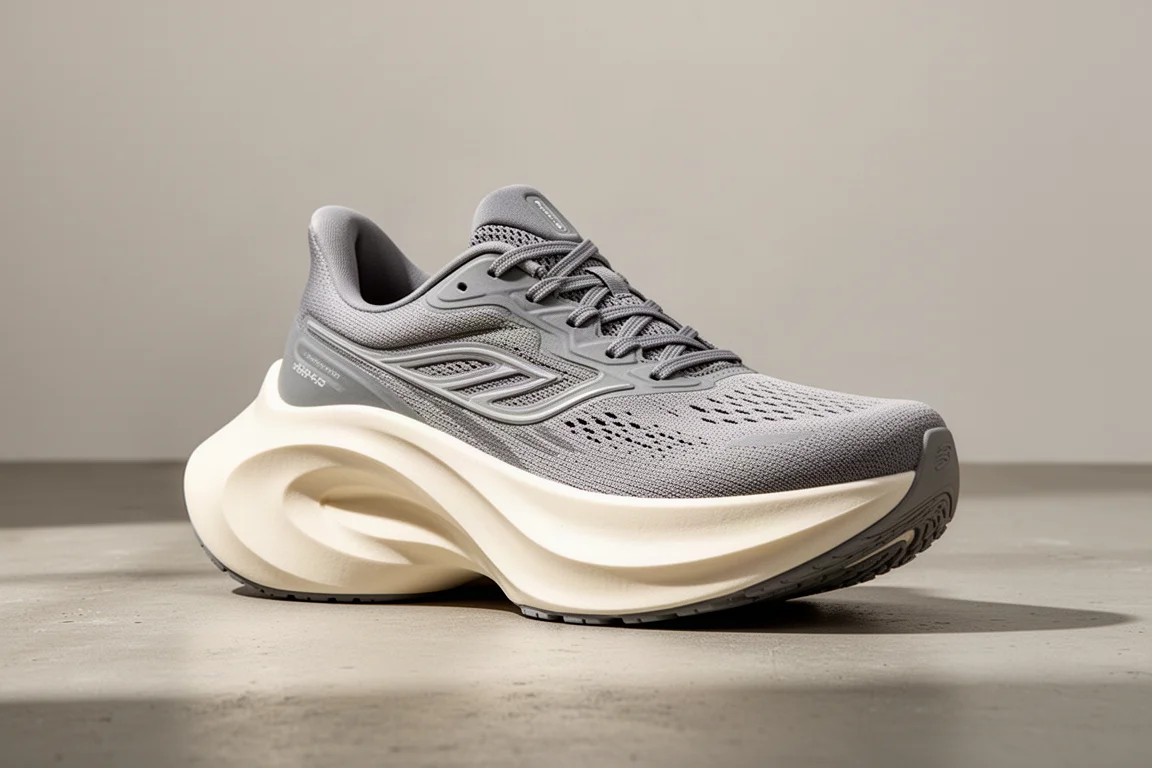
The ASICS Novablast 4, at 282 g, is the closest thing to the current king of everyday trainers. It has more foam, is wider and taller, and is lighter than the Ultra Boost 5X, though its forefoot fit is the weak point and the Ultra Boost likely has the nicer upper. The Novablast is the shoe most likely to end up on the feet of anyone joining a running club, which is exactly the cultural territory Boost used to own.
Buying Advice: Is the Ultra Boost 5X Worth It?
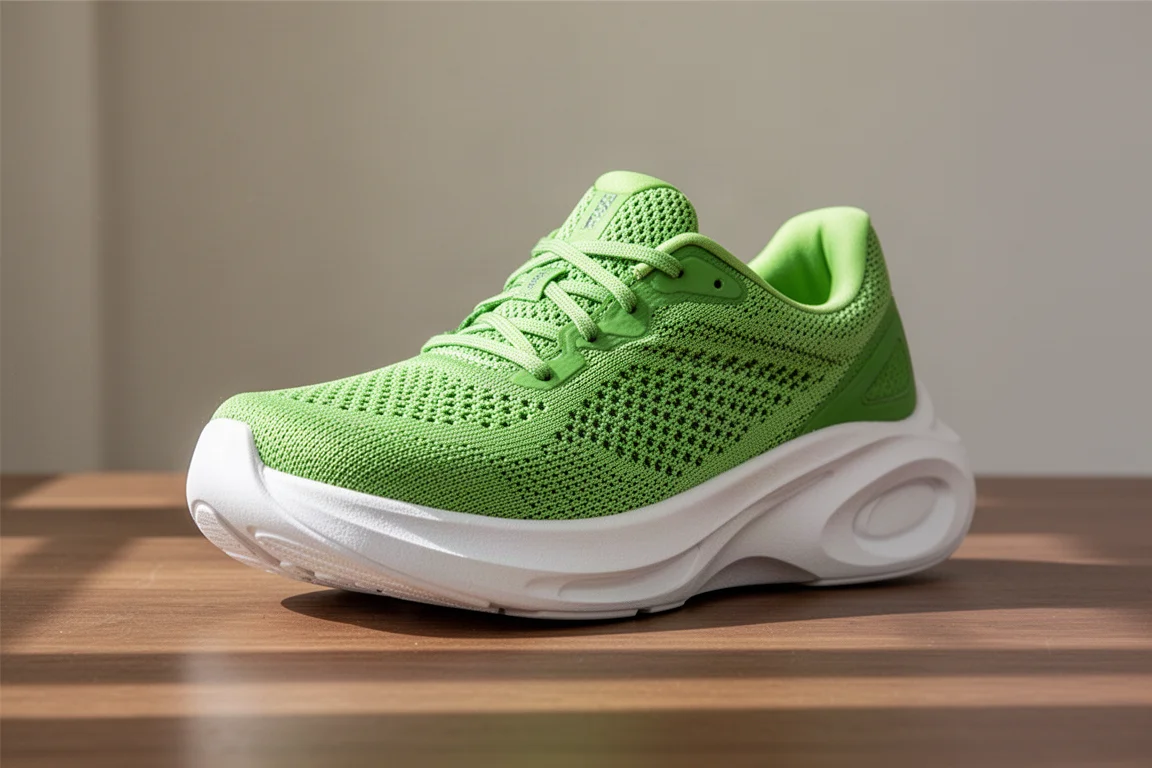
After 10 miles, the verdict is that the Ultra Boost 5X is a legitimate performance running shoe: it runs well at easy paces, handles strides and faster surges smoothly, offers good stability, and should be very durable thanks to the beaded TPU foam. It is better than comparable firm beaded-TPU shoes and a clear improvement on previous generations.
The problem is the $180 price. Nothing in the shoe justifies that figure: there is no race foam, no advanced plate tech, and no feature set that other brands do not offer for less. Every alternative in this comparison delivers comparable or better value: the SL2 at $130, the Supernova Rise at $140, the More v5 and Novablast 4 in the mid-range. If you want the Ultra Boost 5X specifically, waiting for holiday discounts makes far more sense than paying full price.

Conclusion
The Ultra Boost 5X restores much of what made Boost great: bounce, durability, and do-it-all versatility, with excellent Continental grip and a comfortable one-piece upper. But the market has moved on, and at $180 it competes against shoes that match or beat it for less money. Buy it on deep discount if you love the franchise; otherwise the Adizero SL2, More v5, or Novablast 4 are the more rational choices in 2024.
Further reading
Related Reviews

Running Shoes
Best Road-to-Trail Running Shoes: Three Versatile Options for Mixed Terrain
A practical guide to three road-to-trail running shoes that handle both pavement and mild trails, with clear strengths and trade-offs for different runner types.

Running Shoes
Best Running Shoes for Achilles Tendonitis: Three Options Explained
Three running shoes with different heel drops and support features designed to help reduce Achilles tendon pain during walking and running.

Running Shoes
Best Running Shoes for Women: Five Top Choices Ranked
A ranked guide to five women's running shoes, from versatile daily trainers to high-performance racing options, with real strengths and trade-offs for each.