Running Shoes
Adidas Ultra Boost 5X Review: Lighter, Softer, Still Divisive
A big weight reduction and a new Light Boost midsole make the Ultra Boost 5X feel fresh, but the Primeknit upper limits who this shoe will actually work for.
Introduction
The Ultra Boost has always been Adidas’s comfort-first flagship, but past versions carried a reputation for being heavy. The Ultra Boost 5X changes that equation with a new Light Boost midsole, a revised upper, and a meaningful weight reduction. The question is whether this update finally turns the Ultra Boost into a proper running shoe rather than a lifestyle classic with running pretensions.
This pair was purchased independently, so the impressions here are unfiltered.
Weight and Stack: A Genuine Shake-Up
In a UK 11.5 (US 12), the Ultra Boost 5X weighs 313g (11 oz). That is a dramatic drop from previous Ultra Boost models, which were creeping up towards 360-370g. Impressively, it is even 13g lighter than the Nike Pegasus 41 in the same size, which is not something anyone would have predicted from an Ultra Boost a few years ago.
The stack measures 39mm in the heel and around 32mm in the forefoot. Adidas markets a 10mm drop, but on the foot it does not feel that aggressive, and the heel stack in this size sits noticeably below the sample-size figures listed on the website.
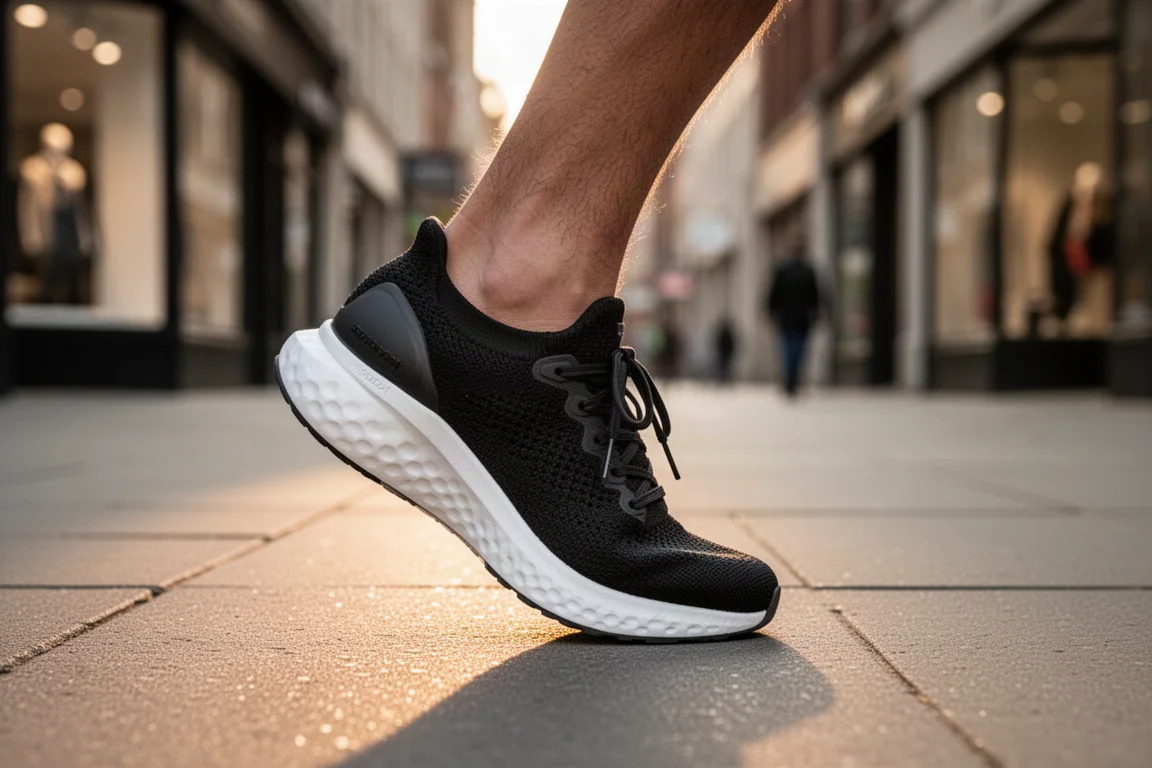
The platform is broad: 12.1cm wide in the forefoot and a still-generous 9.8cm in the heel. It is one of the widest surface-area shoes tested recently, which could make it a genuine option for runners with more voluminous feet.
Upper: Looks Great, Fits Fewer Feet
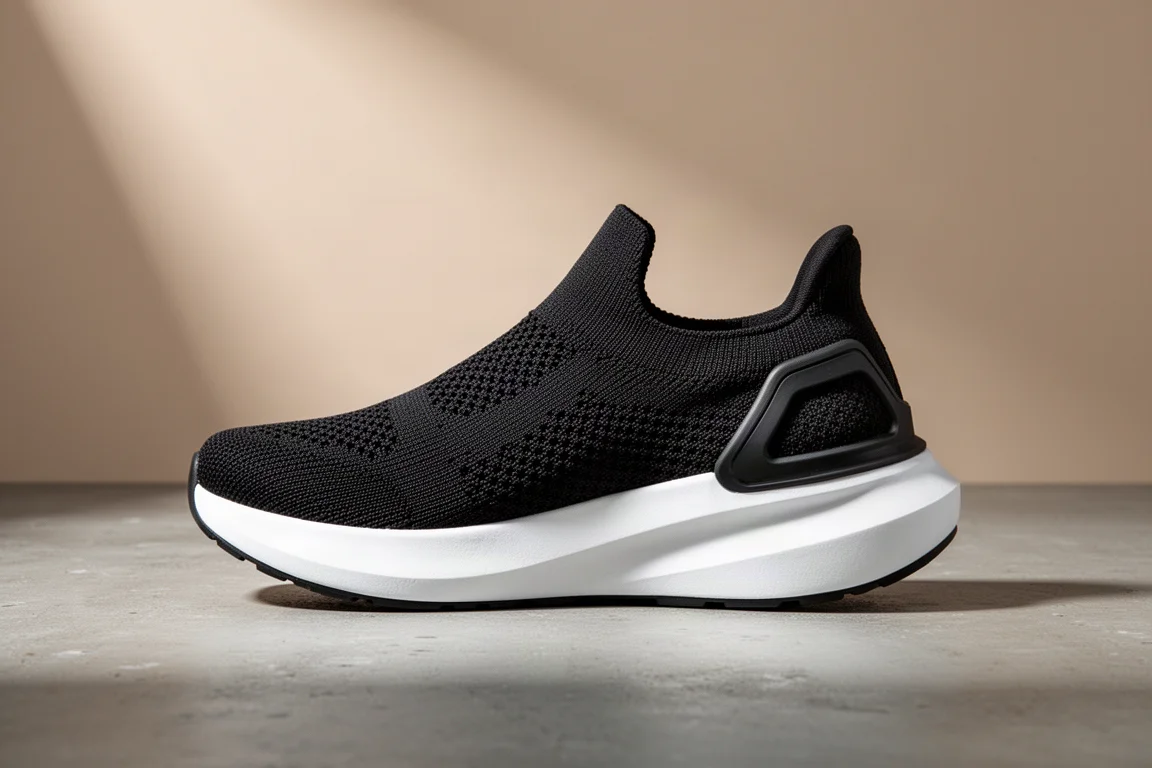
Visually, this is a superb-looking shoe. The Primeknit upper is flexible and airy up front, with a bootie construction, hard fabric lace overlays, and substantial external plastic heel counters at the rear. The heel area itself is padded with a neoprene-like material over an otherwise empty shell.
The problem is that the toe box is too stretchy and lacks structure. Without an extra eyelet for heel-lock lacing, a lot of cinching is needed to get a secure fit. On a run of around six miles, the upper stretched so much that stopping to retighten the laces was necessary.
Worse, the lack of lockdown pushed the foot forward into the toe box, causing blisters on the outer edge of both big toes and painful rubbing on one heel. That is the first shoe in roughly two years to do that. Narrow-footed runners in particular should be cautious: the updated lace cage does not fully solve the fit problems of earlier Primeknit Ultra Boosts, and for some foot shapes it simply will not work.
Sizing up half a size is a reasonable middle ground for length, but a normal or narrow foot may still struggle. The upper scores around 2 out of 3.
Midsole: A Real Step Forward
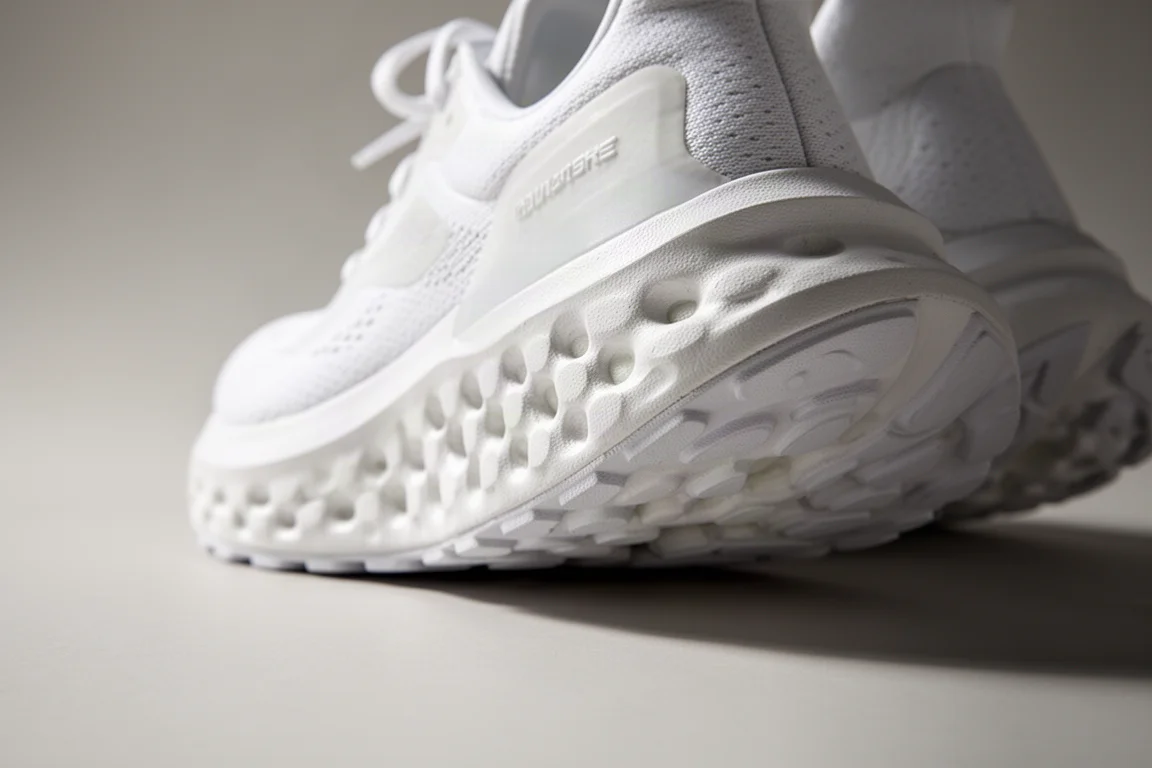
The Light Boost midsole is the headline upgrade. Measuring around 25 Shore A from the exposed sections directly beneath the insole, the foam is very soft and compressive, with less excess material around the heel than previous models and more stack actually underfoot. The ride moves closer to something like a Saucony Ride 17 or a Triumph: pleasant, cushioned, and enjoyable, though still on the denser side rather than super-squishy.
The exposed midsole under the insole amplifies the squash, and the smooth heel-to-toe transition is genuinely nice. That said, the torsion system on the underside acts like a plate and tends to encourage heel striking, and stability elements borrowed from the Supernova Rise slightly nerf the foam’s character.
This is not a shoe for faster efforts. Nobody will be running kilometer repeats or mile attempts in it. It shines at easy paces, roughly 8:00 to 7:45 per mile, up to steady efforts, and it locks itself into that training zone: easy runs, recovery days, and comfortable mileage. The midsole earns about 2.5 out of 3.
Outsole: Early Wear Concerns
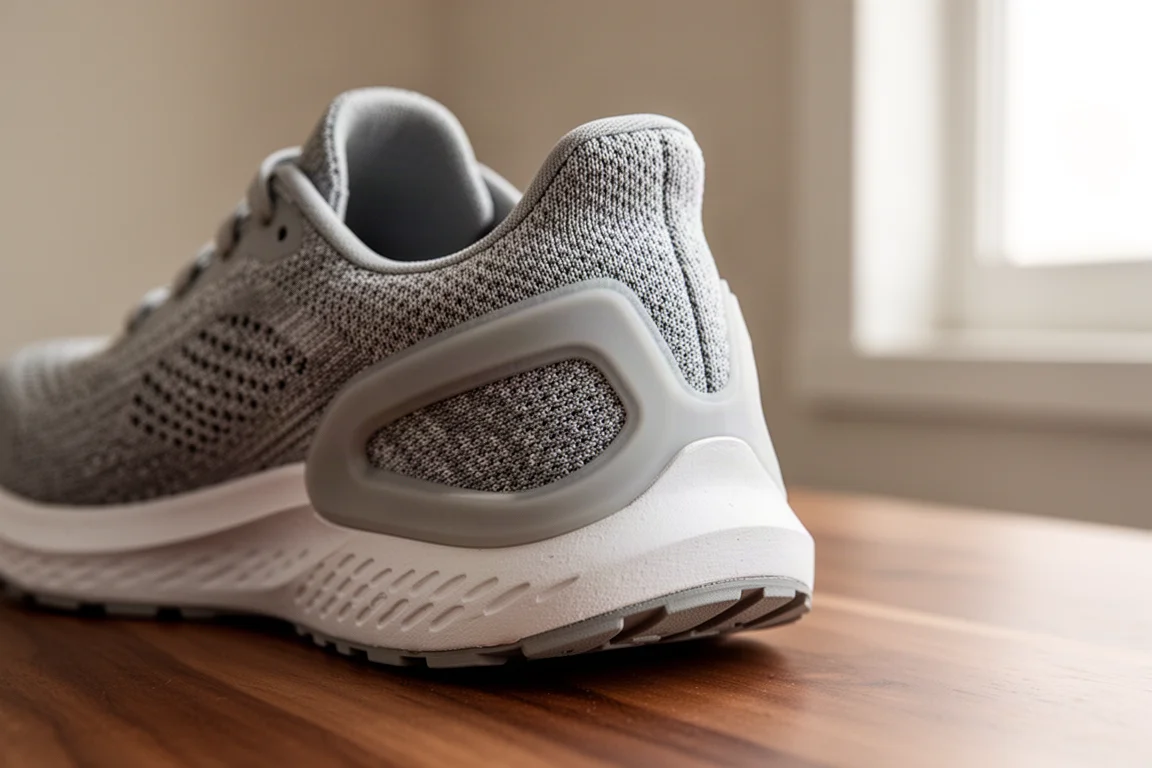
The Continental rubber branding suggests durability, but the reality is mixed. After only about 14 miles, visible wear has appeared on the lateral heel and toe-off area, exactly where the coarser tread pattern sits. The smoother rubber zones are untouched, but the coarse sections are scuffing and losing their pattern sooner than expected from any Adidas model.
Grip itself is decent, though the seams between smooth and coarse rubber trap grit and small stones, which is worth knowing if you run on debris-strewn paths. The ridged lugs sit only under the forefoot and heel, so despite the tread texture, this is firmly a road and pavement shoe. Trail use is best avoided.
Early wear sometimes levels out over time, but it is a genuine concern at this stage. The outsole sits around 2.3 out of 3.
Value: Who Should Actually Buy It
At a £160 retail price (this pair was picked up for £145 with a discount from a specialist retailer), the Ultra Boost 5X delivers real improvements in weight and comfort. Build quality is solid, with no glue seams or sloppy stitching, though the midsole has odd protrusions from the forming process and a lot of paint on the side walls that may slightly affect how the foam behaves.
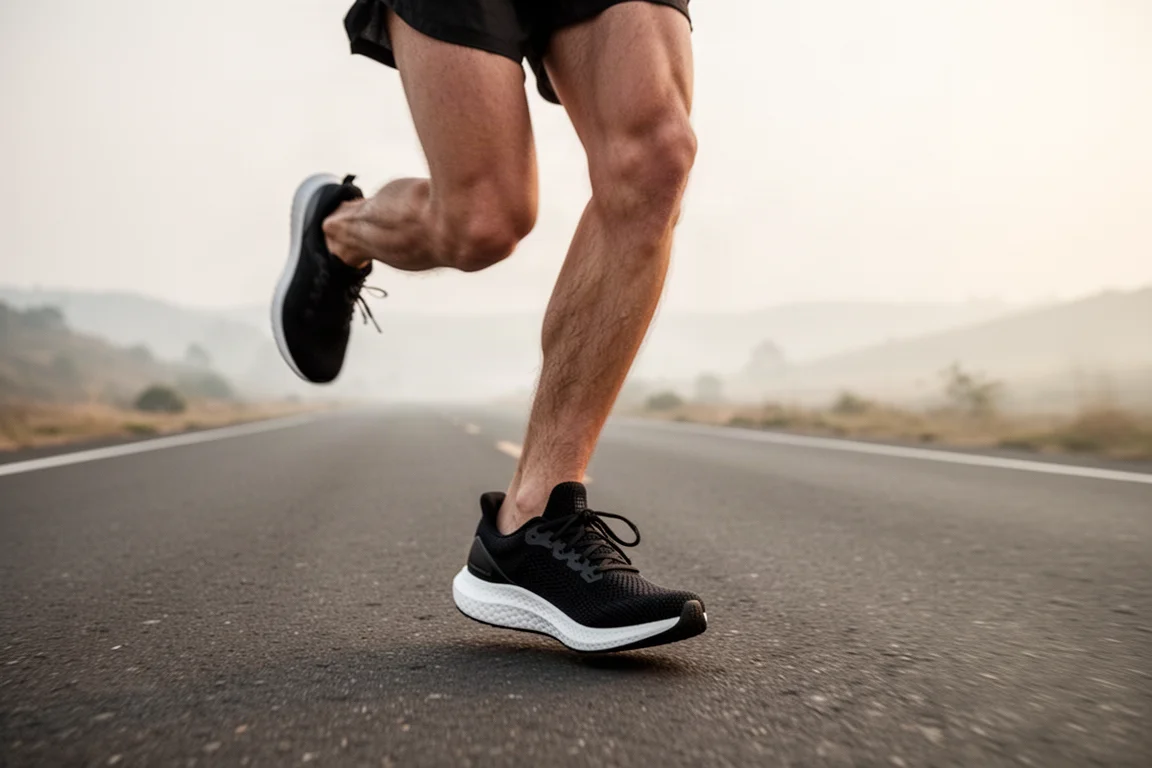
The Ultra Boost remains a shoe you will either love or hate. If you liked previous versions, this hits the spot. If the Primeknit upper never worked for you, this one probably will not either, since the revised lace cage changes little in practice. For wider or voluminous feet seeking maximum comfort, it can be great. For runners wanting a versatile shoe across a range of paces, cheaper and better-rounded options exist, including the Adizero SL2.
Conclusion
The Ultra Boost 5X is the most runable version of the Ultra Boost yet: dramatically lighter, with a genuinely enjoyable Light Boost ride for easy and recovery miles. But the soft, unstructured upper causes blisters and fit problems that no amount of midsole magic can excuse. With an overall score of 9.1 out of 12, it is a shoe for comfort-first runners with the right foot shape, not a versatile daily trainer for everyone.
Product link
View more details for Adidas Ultra Boost 5X
This product is mentioned in the review. Check the specifications, options, and compatibility before buying.
View more details for Adidas Ultra Boost 5XFurther reading
Related Reviews

Running Shoes
Best Road-to-Trail Running Shoes: Three Versatile Options for Mixed Terrain
A practical guide to three road-to-trail running shoes that handle both pavement and mild trails, with clear strengths and trade-offs for different runner types.

Running Shoes
Best Running Shoes for Achilles Tendonitis: Three Options Explained
Three running shoes with different heel drops and support features designed to help reduce Achilles tendon pain during walking and running.

Running Shoes
Best Running Shoes for Women: Five Top Choices Ranked
A ranked guide to five women's running shoes, from versatile daily trainers to high-performance racing options, with real strengths and trade-offs for each.