Running Shoes
Adidas Ultra Boost 5 vs Ultra Boost 5X: Which One Should You Buy?
Two nearly identical Adidas Ultra Boost models with one key difference: the cage. Here is how the Ultra Boost 5 and 5X compare for daily miles and casual wear.
Introduction
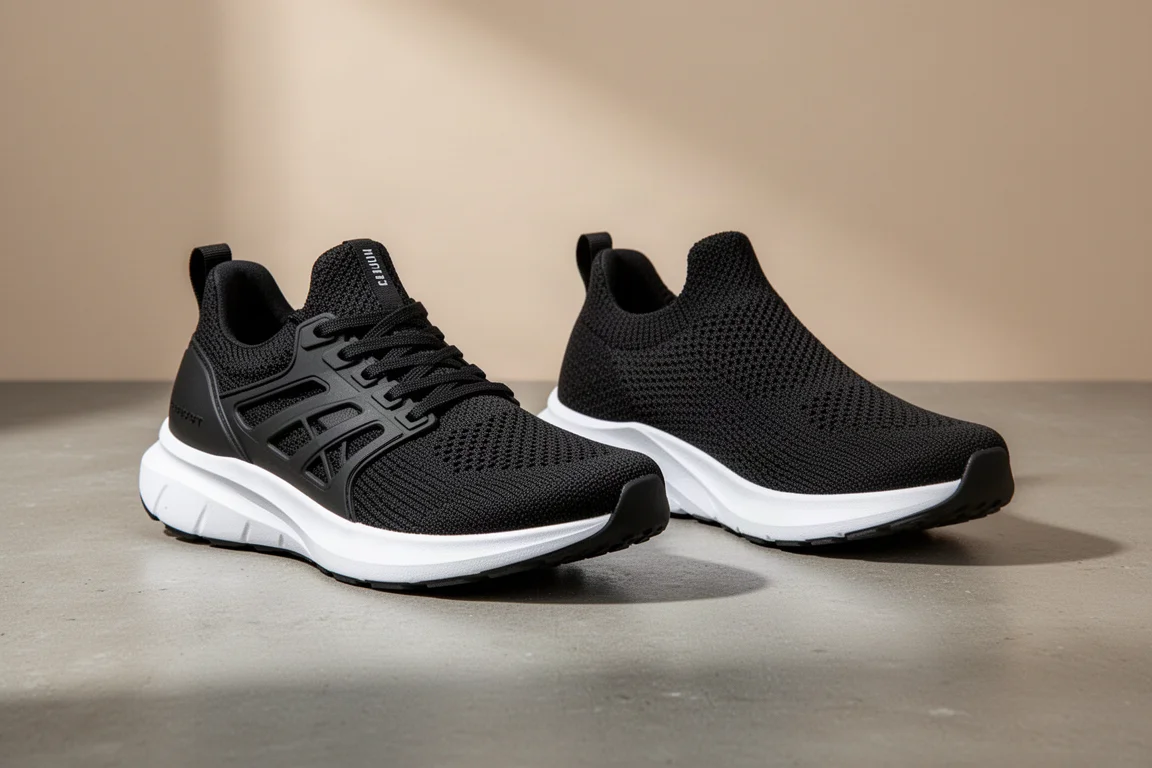
Adidas now sells two Ultra Boost models that look almost identical at first glance: the Ultra Boost 5 and the Ultra Boost 5X. Same knit upper aesthetic, same white Boost midsole look, same Continental rubber outsole. The differences are small but real, and knowing which version fits your needs will save you a frustrating purchase decision.
What makes this generation interesting is that the Ultra Boost finally sheds its reputation as a fashion-only shoe. The new Boost Light midsole puts both models in the weight range of proper daily trainers, so you can genuinely run in them and still wear them around town.
The Key Difference: The Cage
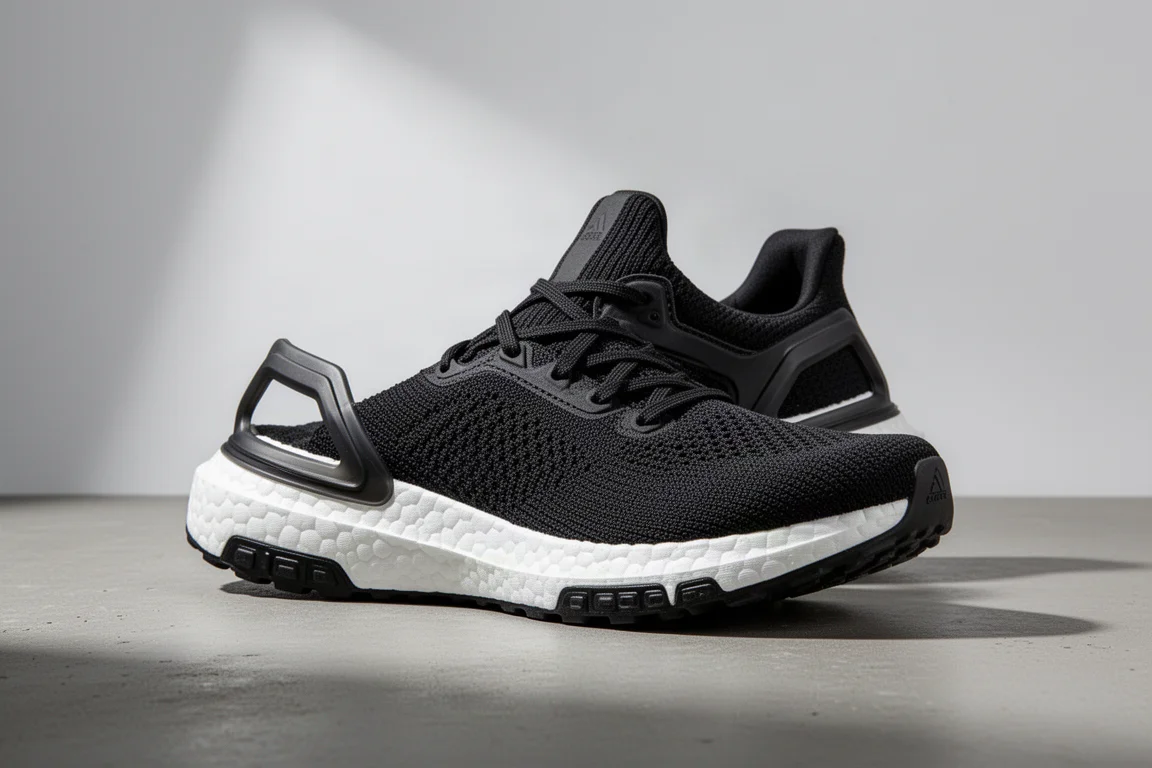
The Ultra Boost 5 keeps the traditional side cage that has defined the line for years. That rubberized cage wraps both sides of the shoe and locks your foot down over the sock-like knit upper. It is a polarizing detail, and plenty of runners over the years have cut the cage off or simply skipped the shoe because of it.
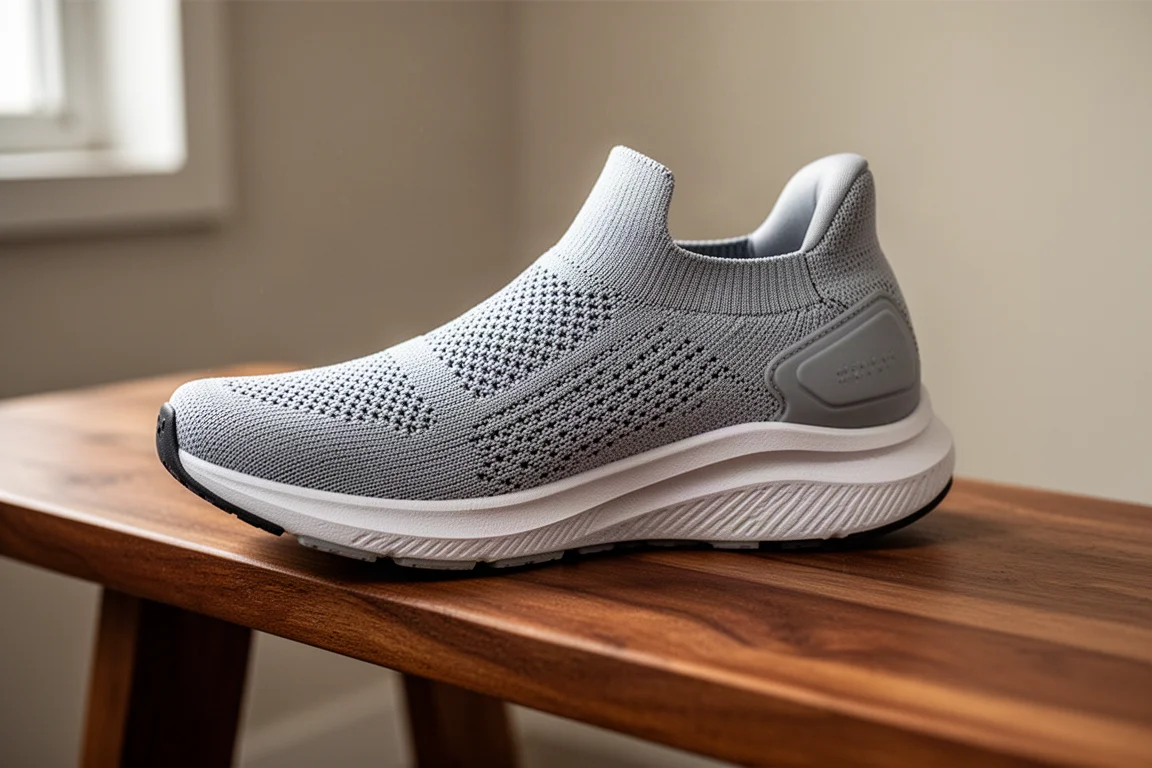
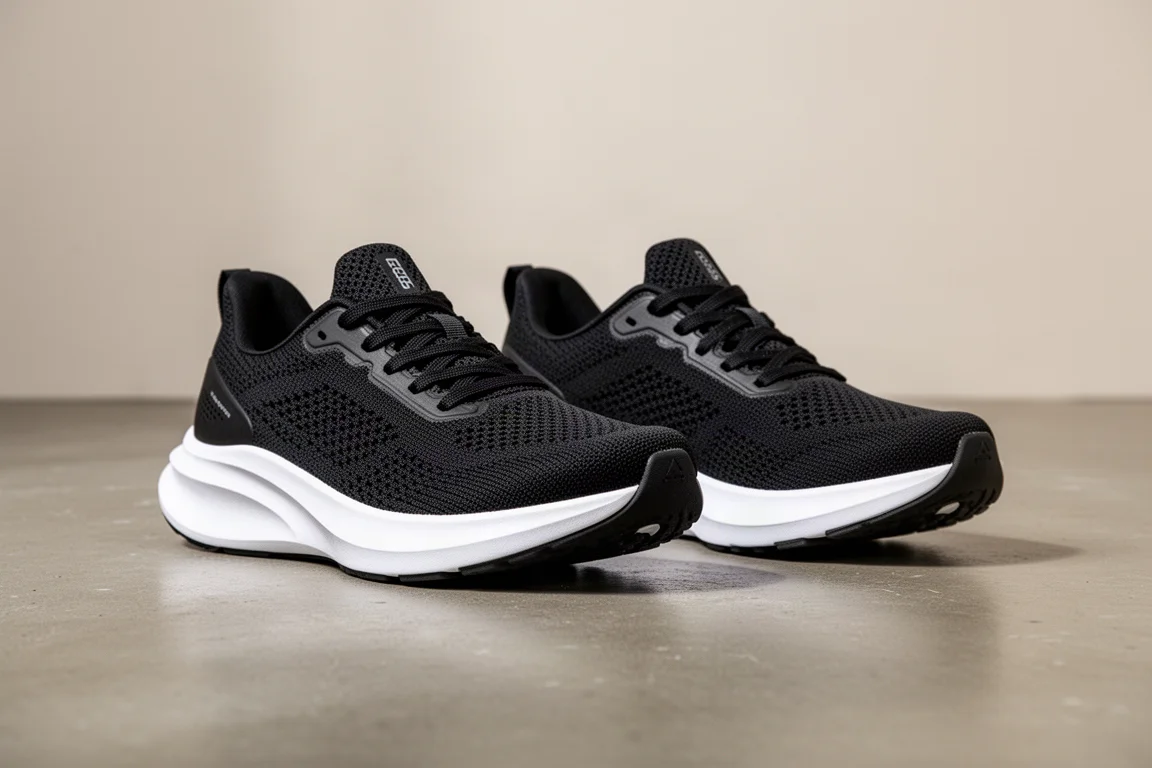
The 5X removes the cage entirely. Instead, it uses rubberized stripes on both sides that are also reflective, meeting up with a rubberized lace eyelet hold that does much of the same lockdown job. Beyond that, the two shoes are extremely similar: there are only about two ounces between them, with the caged version coming in just under 11 ounces and the cage-free version at 10.6 ounces, or 312 grams versus 301 grams for those who track grams.
Performance: A Daily Trainer That Actually Runs
The big news here is the new Boost Light midsole. It delivers the bouncy, responsive Boost feel long-time fans expect, but slightly lighter than previous versions. Adidas has positioned it against cushioned daily trainers like the Saucony Triumph, the Saucony Hurricane, and the ASICS Nimbus or Gel-Kayano, and it sits in a similar weight class.

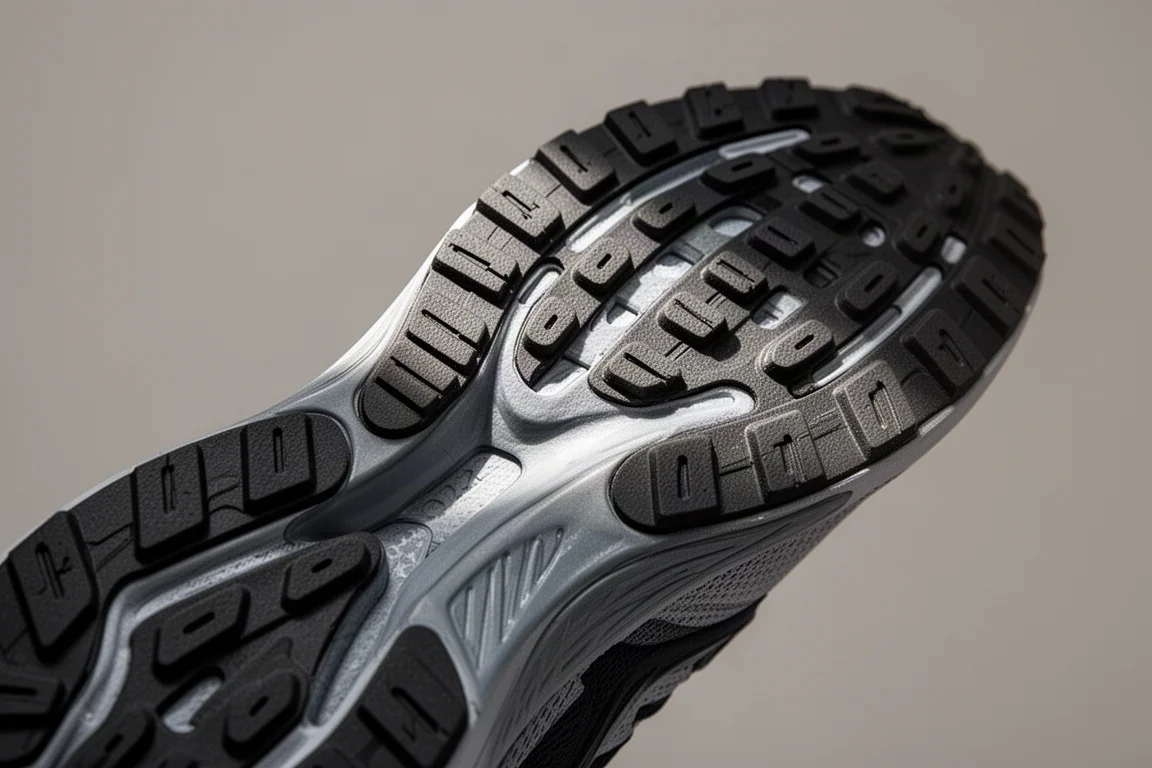
The full Continental rubber outsole is a durability win, though it does encase the foam and limits how dynamic the midsole can feel underfoot. Trimming some of that rubber out would let the foam breathe and expand a bit more. As tested over many miles, the Ultra Boost 5 handles daily miles well: comfortable, enough foam underfoot, and even capable of picking up the pace occasionally. It will never be your fastest shoe at this weight, but it feels nice for easy and recovery days.
The sock upper fits great, if a little warm. And while the cage was underwhelming on first try-on, it all but disappears once you start running in it.
Adidas Ultra Boost 5
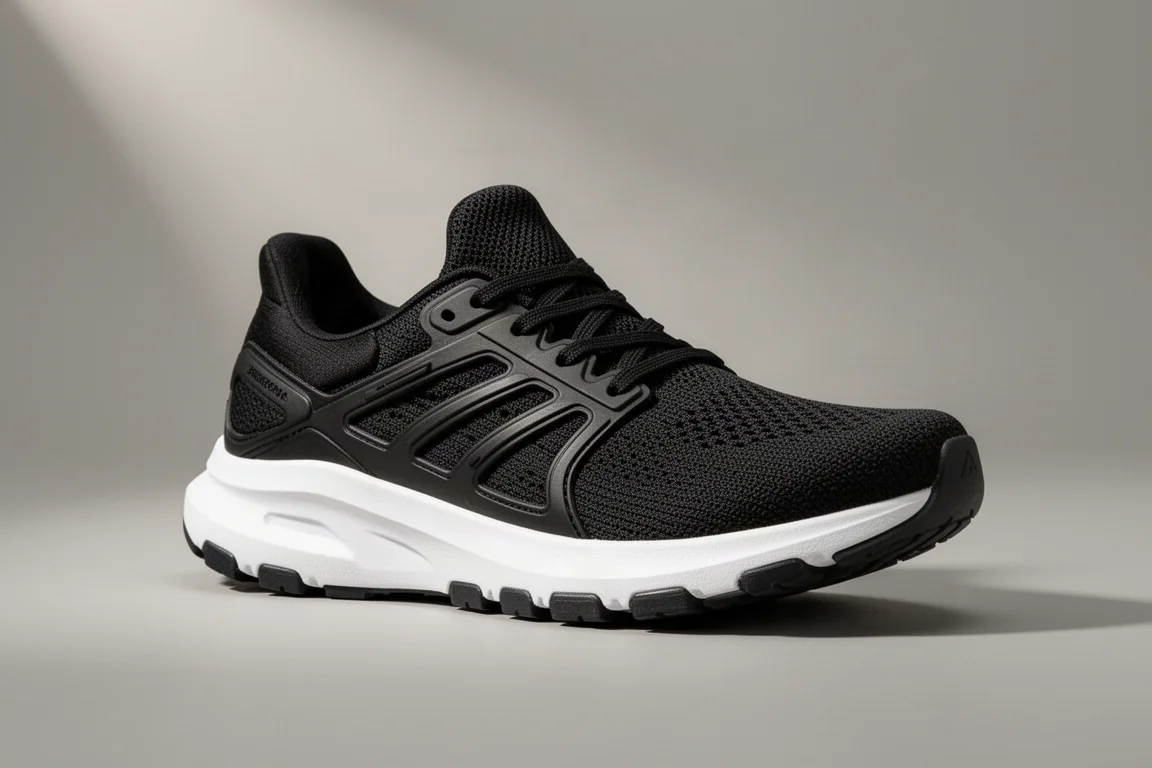
The Ultra Boost 5 is the classic of the two: caged, just under 11 ounces, and the shoe that benefits from the Boost Light update most visibly. It works for daily miles, doubles as a stable gym shoe, and remains one of the better-looking shoes of the year for casual wear.
Adidas Ultra Boost 5X
The Ultra Boost 5X takes the cage away and leans on rubberized reflective stripes plus a reinforced lace eyelet hold for structure. At 10.6 ounces it is the marginally lighter option, and the cleaner upper gives it a sleeker look. If you never liked the cage, this is the version that finally fixes that complaint.
Which One Should You Buy?
Honestly, there is not much separating these two shoes beyond the cage. If you want the traditional Ultra Boost look with its rubberized side panels, get the 5. If you prefer a cleaner, cage-free upper with reflective stripes doing the same job more subtly, the 5X is the better pick.
Either way, the Ultra Boost is back as a legitimate daily trainer option. It suits runners who want one shoe for easy miles, the gym, and everyday wear, while faster days are better served elsewhere in the Adidas lineup. For pure pace work, something lighter like an SL2 or a dedicated fast-day shoe makes more sense, but for all-around comfort and versatility, both Ultra Boost versions deserve a spot on your shortlist.
Conclusion
The Ultra Boost 5 and 5X are effectively the same shoe with and without a cage, separated by about an ounce. With the Boost Light midsole finally making the line runnable, both are worth considering if you want a comfortable daily trainer that looks good everywhere else you wear it.
Further reading
Related Reviews

Running Shoes
Best Road-to-Trail Running Shoes: Three Versatile Options for Mixed Terrain
A practical guide to three road-to-trail running shoes that handle both pavement and mild trails, with clear strengths and trade-offs for different runner types.

Running Shoes
Best Running Shoes for Achilles Tendonitis: Three Options Explained
Three running shoes with different heel drops and support features designed to help reduce Achilles tendon pain during walking and running.

Running Shoes
Best Running Shoes for Women: Five Top Choices Ranked
A ranked guide to five women's running shoes, from versatile daily trainers to high-performance racing options, with real strengths and trade-offs for each.