Running Shoes
Adidas Ultra Boost 5 Review: Boost Is Back, But Is It Enough?
A re-engineered Light Boost midsole, a bigger stack, and a comfortable Primeknit upper make the Ultra Boost 5 a better running shoe than recent versions, but it still lags behind the best daily trainers.
Introduction
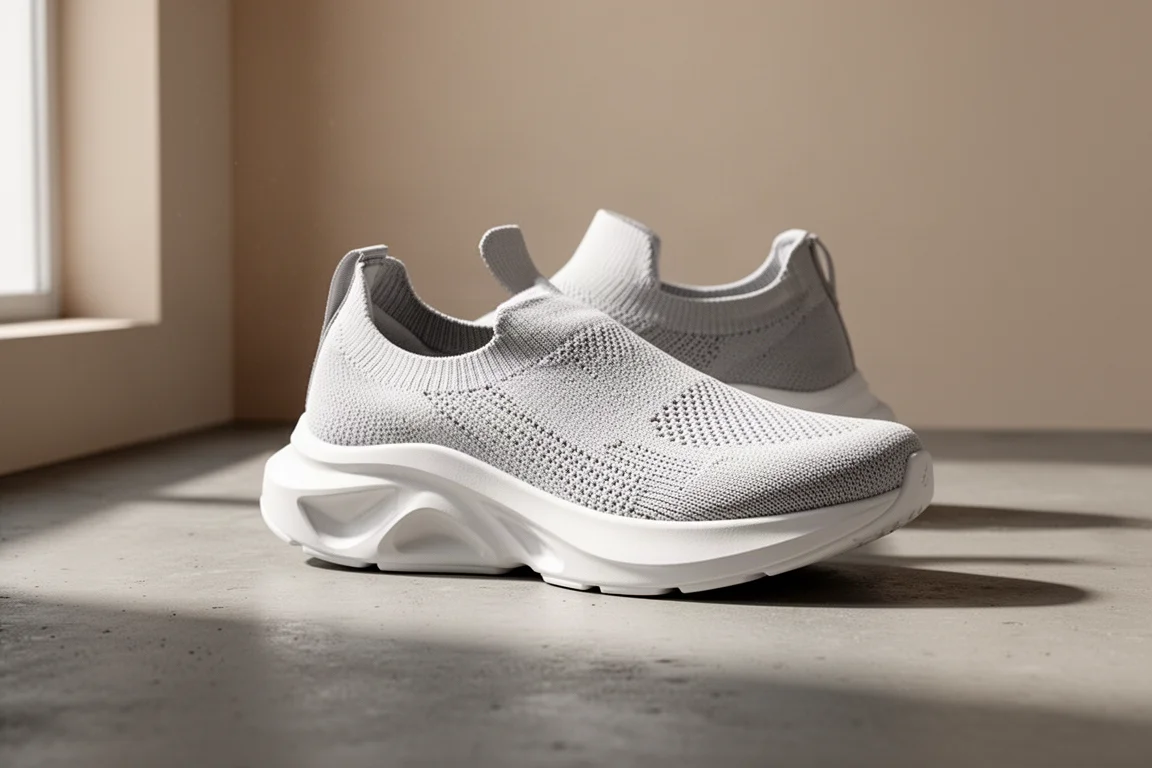
If you thought Boost was fading into the fashion shelves, the Adidas Ultra Boost 5 is here to argue otherwise. This latest version takes the Light Boost formula from the Ultra Boost Light and re-engineers it to spring back quicker underfoot, while the stack has grown and the fit has been refined. After our test miles, the short version is this: the Ultra Boost 5 is a better running shoe than recent models in the line, but it still sits below the strongest cushioned daily trainers on the market.
Quick Details and Specs
The Ultra Boost 5 stacks 39mm of foam at the heel and 29mm under the forefoot, giving a generous 10mm drop in the Pegasus 41 mould. In a UK men’s size 8 test shoe it weighs 10.2oz (289g). The launch price was set at £160 or $180, which places it at the higher end for daily trainers, above the Nike Pegasus 41 at $140, the Saucony Ride 17 at the same price, and Adidas’s own Supernova Rise ($140) and Supernova Prime ($160).
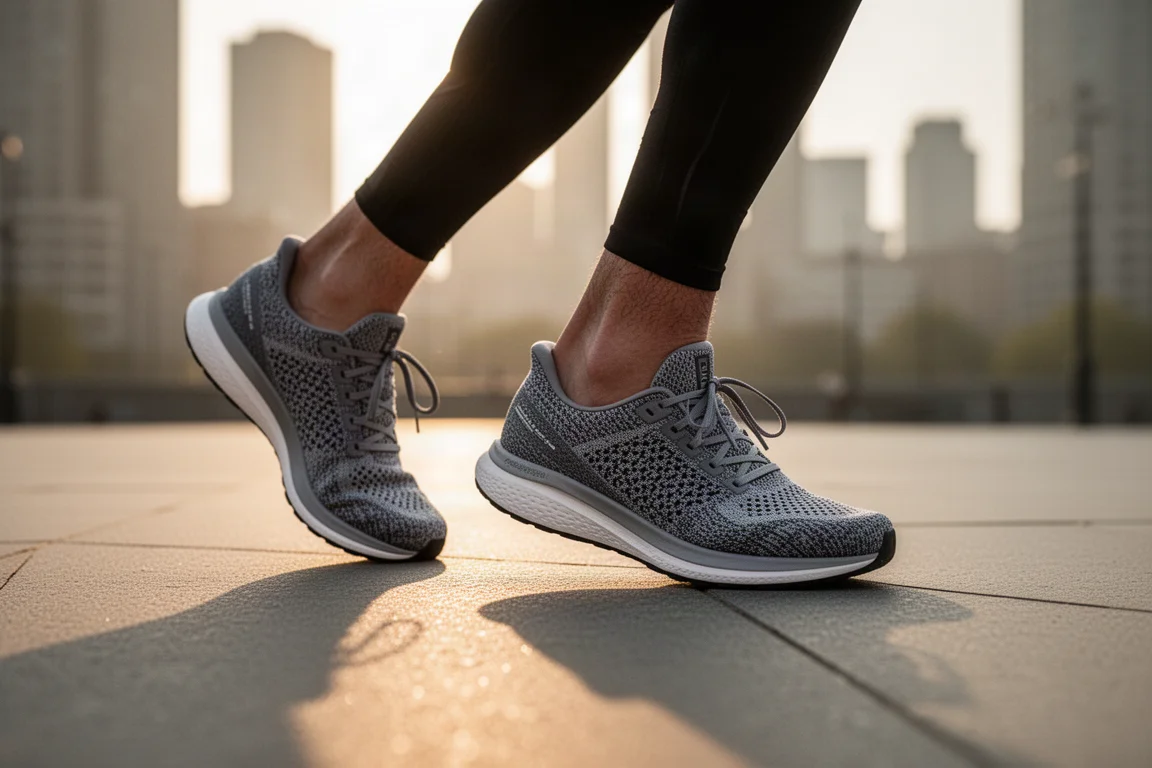
The headline upgrade is that new Light Boost midsole. It uses the same base material as last year’s Ultra Boost Light but has been reworked to save weight while delivering significantly higher cushioning and 2% more energy return. The lighter foam allowed Adidas to add 9mm more across the foot without adding weight, and a new X-shaped torsion plate in the forefoot supports transitions. There is also a moulded heel counter for security, a Primeknit upper tuned for breathability and support where needed, and a generous covering of Continental grip rubber on the outsole.
Fit and Testing Notes
Fit is one of the genuine strengths here. One tester ran in a UK 8, a half size down from their usual Adidas size, and found the shoe surprisingly roomy and flexible, with plenty of stretch in the toe box and reliable midfoot lockdown. Another tester used their normal size and praised the secure, comfortable midfoot cage, a well-redesigned heel that disappears on the run, and zero heel slippage, notable for a runner whose Achilles is easily irritated by certain heel counters.
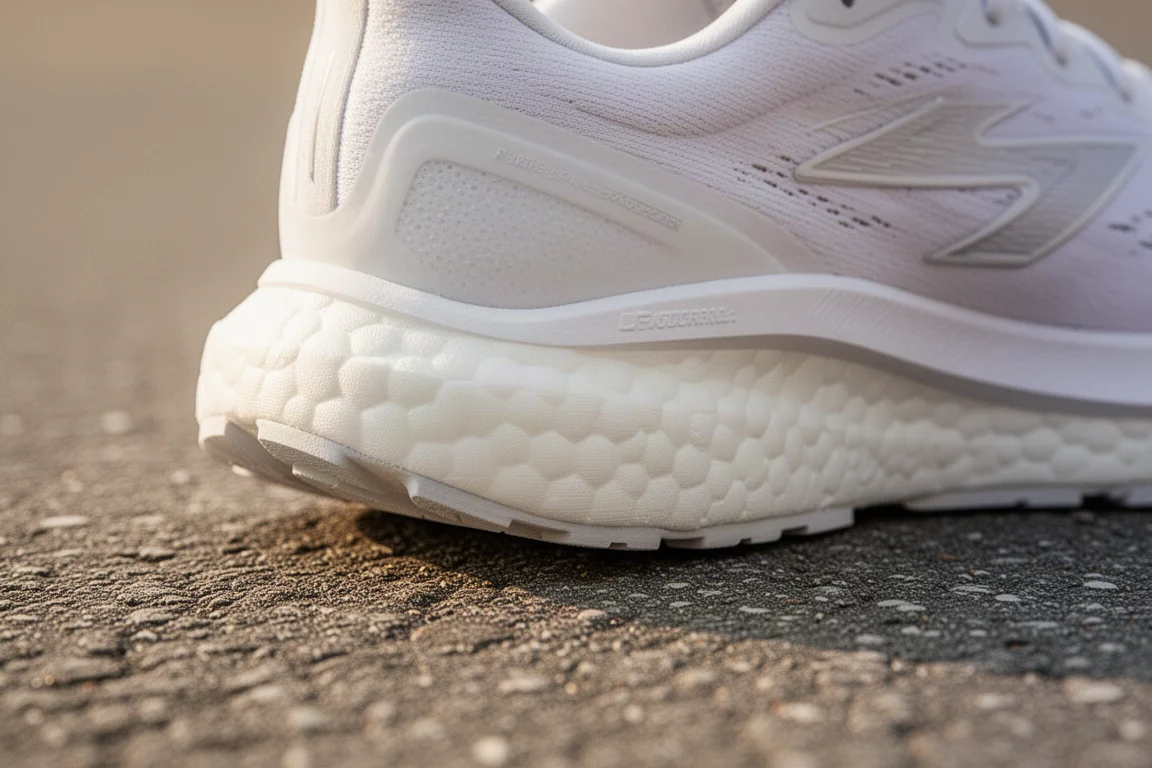
In testing we covered more than 30 miles on the road, mixing easy 5Ks, longer runs up to 90 minutes, and some faster miles in hot summer conditions. Our advice on sizing: unless you like a snug fit, stick with your regular running shoe size.
Ride and Performance
The ride can be described as competent but wholly unremarkable. The bigger stack of rejuvenated Boost is soft and nicely cushioned without being soggy, and there is a little energy at toe-off, but the rebound falls well short of the lively, propulsive feel of more aggressive daily trainers. It is not in the same conversation as the Saucony Endorphin Speed 4, and it lacks the snap of something like the Hoka Mach 6 style of ride.

Where it works well is easy, hour-long running. It offers a reliable platform, ample road protection, good grip, and a predictable, smooth rolling feel despite the 10mm drop. It is a straight-down-the-middle shoe in the Pegasus 41 and Ride 17 mould: it disappears into the background and lets you get on with it.
The limitations show up when you push. The forefoot still feels a little thin, the shoe is not particularly versatile for anything longer than very short fast intervals, and it can feel a bit wooden beyond around 15K. Adidas’s own Supernova Prime has a better foam that gives more back and feels more set up for long runs, and shoes like the Saucony Hurricane or Brooks Ghost Max 2 offer more cushioning and protection.
Verdict and Buying Advice
The Ultra Boost 5 is perfectly competent, easy to run in, nicely balanced, and a clear improvement on the Ultra Boost Light, which was never that light. The fit is very good, the heel lockdown is excellent, the shoe is durable, and it looks good enough to wear around town. That is exactly where its strength lies: relaxed 5K and 10K runs, gym cardio, and casual daily wear, all from one shoe.

But if you are buying purely on running performance, there are better options. The Supernova Prime and Saucony Hurricane are more comfortable cushioned choices, while the Nike Pegasus and Puma Velocity Nitro 3 offer a similar 10mm drop setup that feels more effective and enjoyable over longer distances. If you want a rocker-style big cushion shoe, something like the Saucony Hurricane 24 or Brooks Glycerin Max goes further, at a higher price.
The price has come down a little compared to the Ultra Boost Light, which helps, but you really need to value the general-use and styling appeal to justify the tag. If that retro Boost appeal matters to you, this is the best version of the shoe in years. Just maybe skip the orange colourway.
Conclusion
The Adidas Ultra Boost 5 proves Boost is not dead. It is lighter, more comfortable, and smoother-riding than its recent predecessors, with a genuinely good fit. As an all-round casual run-and-wear shoe for short, relaxed miles, it does a very good job. As a high-mileage cushioned trainer, however, better and often cheaper options exist from Adidas and beyond.
Product link
View more details for Adidas Ultra Boost 5
This product is mentioned in the review. Check the specifications, options, and compatibility before buying.
View more details for Adidas Ultra Boost 5Further reading
Related Reviews

Running Shoes
Best Road-to-Trail Running Shoes: Three Versatile Options for Mixed Terrain
A practical guide to three road-to-trail running shoes that handle both pavement and mild trails, with clear strengths and trade-offs for different runner types.

Running Shoes
Best Running Shoes for Achilles Tendonitis: Three Options Explained
Three running shoes with different heel drops and support features designed to help reduce Achilles tendon pain during walking and running.

Running Shoes
Best Running Shoes for Women: Five Top Choices Ranked
A ranked guide to five women's running shoes, from versatile daily trainers to high-performance racing options, with real strengths and trade-offs for each.