Running Shoes
Adidas Ultra Boost 22 Review: A Comfort-First Cruiser for Long, Slow Miles
Eleven miles of wet, windy testing reveals a heavy but forgiving daily trainer with a stretchy upper and a Boost midsole that stays consistent in cold weather.
Introduction
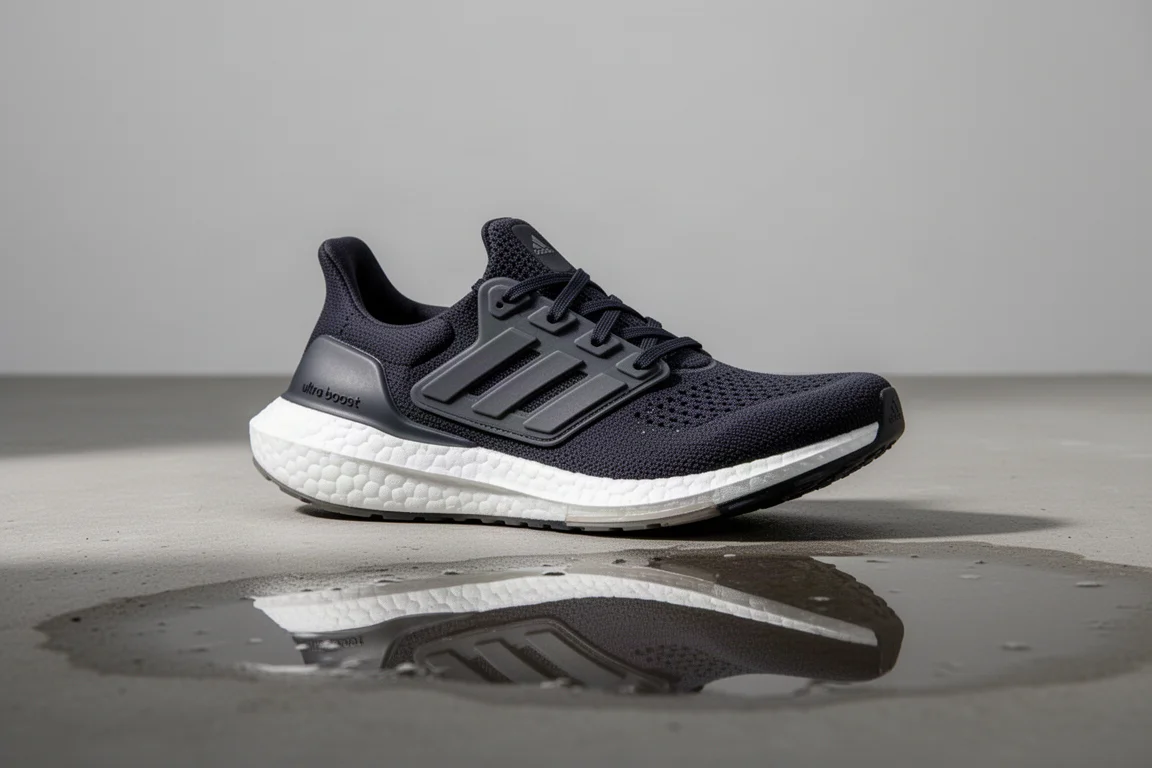
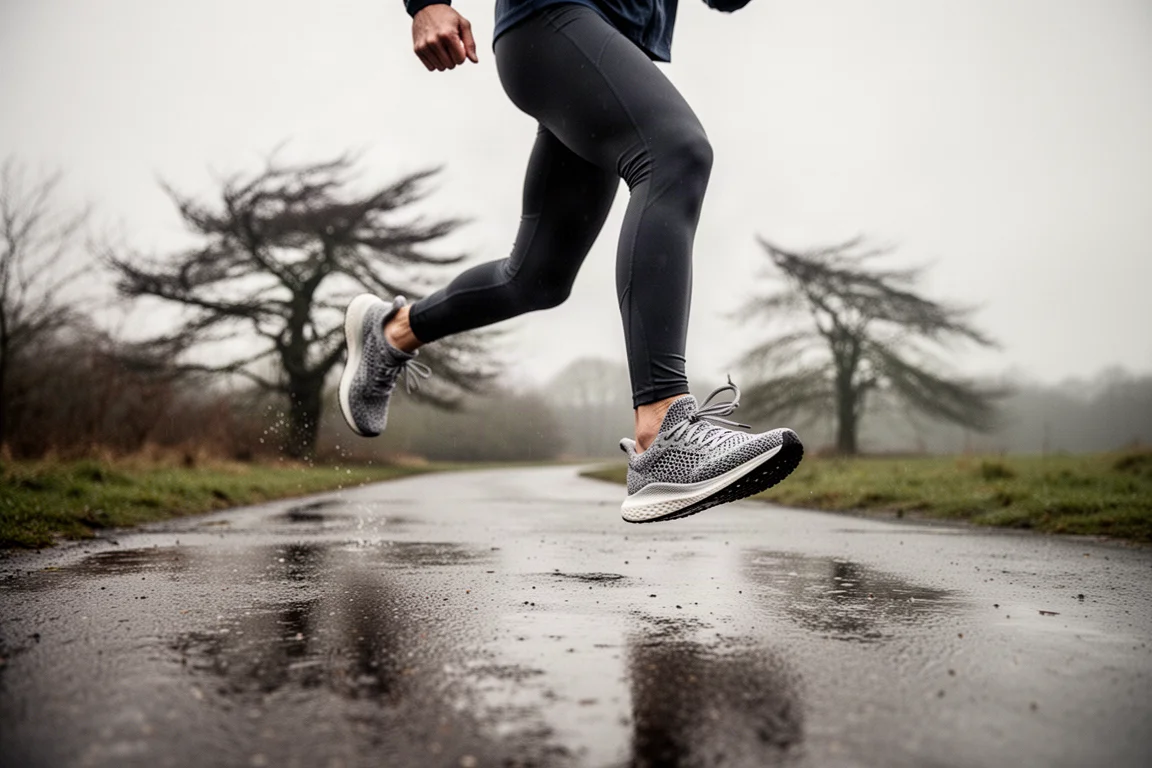
The Adidas Ultra Boost 22 carries a reputation problem. Many runners regard it as a non-running shoe, a lifestyle model made famous by a certain triple white colorway at a concert, retired to casual wear or the occasional walk around town. But on a wet, windy, eleven-mile (17.7 km) long run at an easy 8:15 per mile average, it proved to be a different animal than its streetwear image suggests.
First Impressions: Heavy, But Built for the Long Haul
Let’s address the weight first. The Ultra Boost 22 is the heaviest shoe in the current collection at roughly 380 grams for a UK size 11.5, and that heft is noticeable from the first stride. It is not a shoe that makes you feel quick, and it was never meant to. What it does deliver is a super smooth, predictable ride over longer, slower efforts, with very few surprises even when the weather was throwing them minute by minute.
The run itself was a deliberately easy endurance-zone effort, averaging around 130 beats per minute in heart rate, and the shoe fit that rhythm perfectly. It is a training tool for base building, not for tempo fireworks.
Upper: Stretchy, Accommodating, and Comfortable Over the Miles
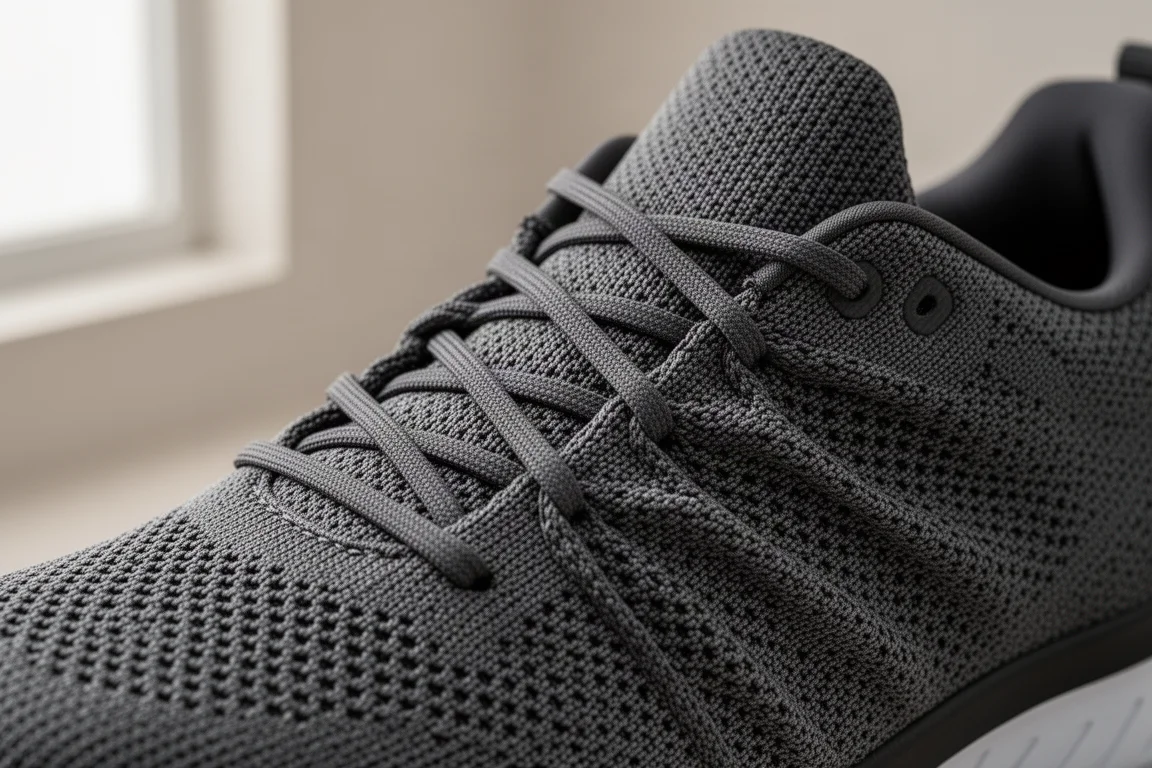
The Primeknit upper was fantastic for comfort over the long run. It recalls the stretchy Flyknit used on certain lightweight racers rather than the non-stretchy variety: it surrounds the foot while still allowing a little flex and movement as the miles rack up and your foot begins to swell. Even with a medium-thickness sock, there was good room in the toe box.
Sizing deserves attention. The Ultra Boost 22 is noticeably a half size longer than the Ultra Boost 21, and it was comfortable throughout without any pressure points. Adidas in general seems to be moving toward a more true-to-size fit across models like the Adios Pro 2, Takumi Sen 8, and AdiStar, but this one still rewards the half size up that Ultra Boost models have traditionally wanted. Going down half a size would probably be a struggle.
One genuine fit quirk: lockdown over the top of the foot. Getting the lace pressure exactly right is vital. Too much pressure at the front of the shoe is uncomfortable, so the trick is working the tension in the last few eyelets. An extra eyelet or a runner’s loop would likely solve a lot of complaints here. Compared with Ultra Boost models from a few years back, the fit is very different, but comfort was never in doubt over the miles.
Midsole and Outsole: Consistent Cushioning That Earns Its Reputation
The Boost midsole gets unfairly dismissed by plate-obsessed runners, but hundreds of people still genuinely enjoy it, and today was a reminder why. Where some EVA blends turn harsh as temperatures drop, Boost stays consistent in cold weather. It is not the softest midsole material in the world, but the cushioning here is dense rather than squashy, and it was crazy forgiving across eleven miles on cold, harsh concrete and the rubbery give of tarmac alike.
This version feels a touch softer than the Ultra Boost 21, likely thanks to a thinner, less dense Strobel board between the Boost material and the insole. The geometry also does something interesting: the raised rubber section on the mid-to-forefoot outsole subtly encourages a midfoot landing, almost like a trampoline, and it worked even at slower paces. Despite the bulbous appearance, the drop feels fairly aggressive, with most of the Boost sitting directly underfoot.
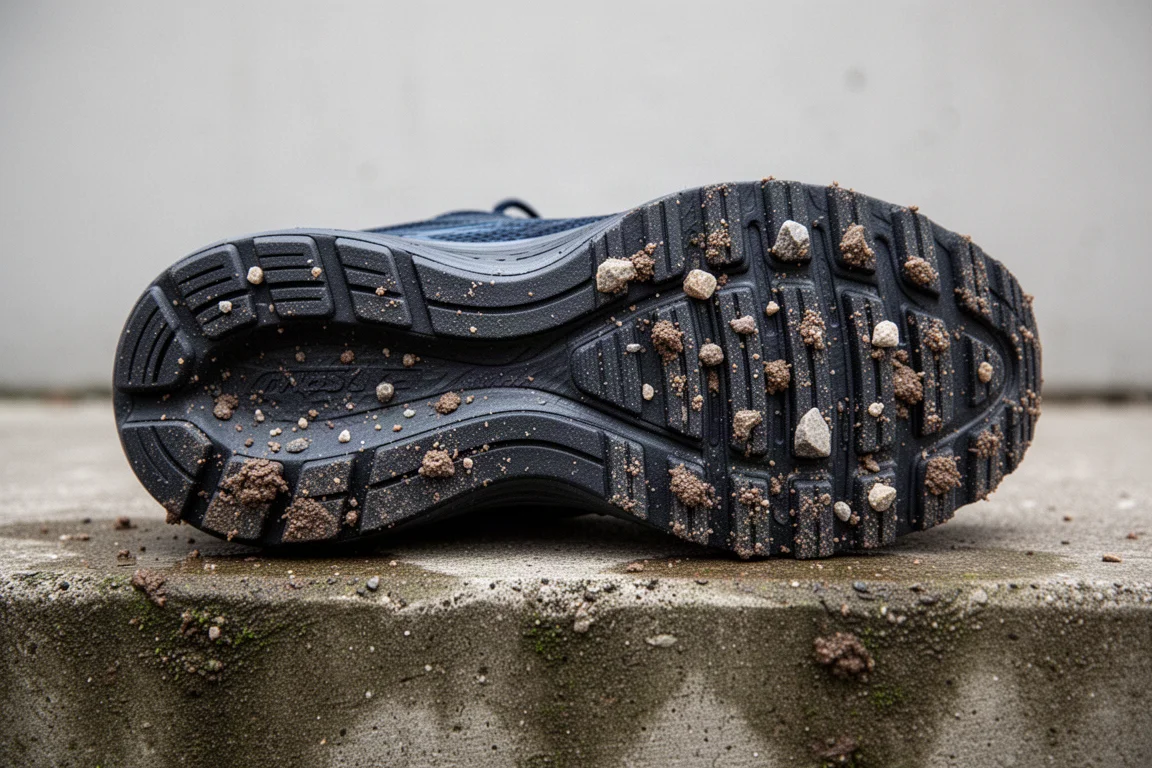
The outsole itself gripped confidently through puddles and posed no issues, but it carries over the Ultra Boost 21’s biggest flaw: an excessive number of ridges, nooks, and crannies that suck up mud, grit, and small stones. Around 15 to 20 grams of debris was wedged into the tread after this single run, and dislodging it required an appropriate implement. For a daily cruiser, that’s a chore you don’t want every day. A thinner, coarser rubber, like that on some of Adidas’s faster trainers, would make this a real winner.

Who Should Buy the Ultra Boost 22
For average everyday runners, this shoe has a lot of appeal. It does many things well and is ideal for logging daily miles. If you are marathon training and need something consistent for longer, slower runs, the Ultra Boost 22 is a really good bet. The bread-and-butter long runs of a 26.2-mile build demand reliable cushioning and a bit of toe box stretch so you never feel contained, and Primeknit accommodates a wide range of foot widths, shapes, and sizes nicely.
Not everyone chasing a sub-three-hour marathon needs a plated super shoe; some runners just want to finish and enjoy the experience. Over the long run at slower pace, this shoe did the job, the legs felt great afterward, and stacking miles in it over time will genuinely build strength.
Things to Consider Before Buying
The weight is real, so temper expectations if you want a snappy tempo partner. The debris-trap outsole demands regular cleaning if you run on trails, grass verges, or muddy roads. Lace lockdown over the instep needs careful dialing in. And while Boost is consistent and forgiving, it is dense rather than plush, so runners seeking maximum softness should look elsewhere. The upside: it fits half a size longer than the 21, which is worth checking if sizing frustrated you before.
Buying Advice
Buy the Ultra Boost 22 if your running revolves around easy daily miles, marathon build-up long runs, and cold-weather consistency. Skip it if you want a lightweight tempo shoe, an off-road specialist, or a plush max-cushion feel. At slower paces on the road, it delivers exactly what it promises, and the Boost midsole still has something to offer in 2022 that plenty of newer foams don’t.
Conclusion
The Ultra Boost 22 is exactly what a comfort-first cruiser should be: heavy, yes, but smooth, forgiving, and dependable when the goal is simply to get the miles in and feel good afterward. It may never shake the lifestyle reputation, but for marathon training and everyday easy running, it earns its place in the rotation.
Product link
View more details for Adidas Ultra Boost 22
This product is mentioned in the review. Check the specifications, options, and compatibility before buying.
View more details for Adidas Ultra Boost 22Further reading
Related Reviews

Running Shoes
Best Road-to-Trail Running Shoes: Three Versatile Options for Mixed Terrain
A practical guide to three road-to-trail running shoes that handle both pavement and mild trails, with clear strengths and trade-offs for different runner types.

Running Shoes
Best Running Shoes for Achilles Tendonitis: Three Options Explained
Three running shoes with different heel drops and support features designed to help reduce Achilles tendon pain during walking and running.

Running Shoes
Best Running Shoes for Women: Five Top Choices Ranked
A ranked guide to five women's running shoes, from versatile daily trainers to high-performance racing options, with real strengths and trade-offs for each.