Running Shoes
Adidas Tread Flow Review: A Treadmill-Specific Running Shoe Worth a Look?
Adidas' first treadmill-focused running shoe brings a low-ish stack, dual Lightstrike cushioning and a slipper-like upper. Here's how it performed across fast interval sessions and easy miles.
Introduction
Treadmill-specific running shoes are a genuinely new idea, and the Adidas Tread Flow is the brand’s first entry in the category. The pitch is simple: if you regularly rack up indoor miles on the belt, a shoe tuned to work with the mechanics of a treadmill could make those sessions feel better than a standard road trainer. We put roughly 20 miles on it, mostly in fast treadmill interval sessions with a few outdoor miles mixed in, to see whether the idea holds up in practice.
Adidas Tread Flow: Design and Specs
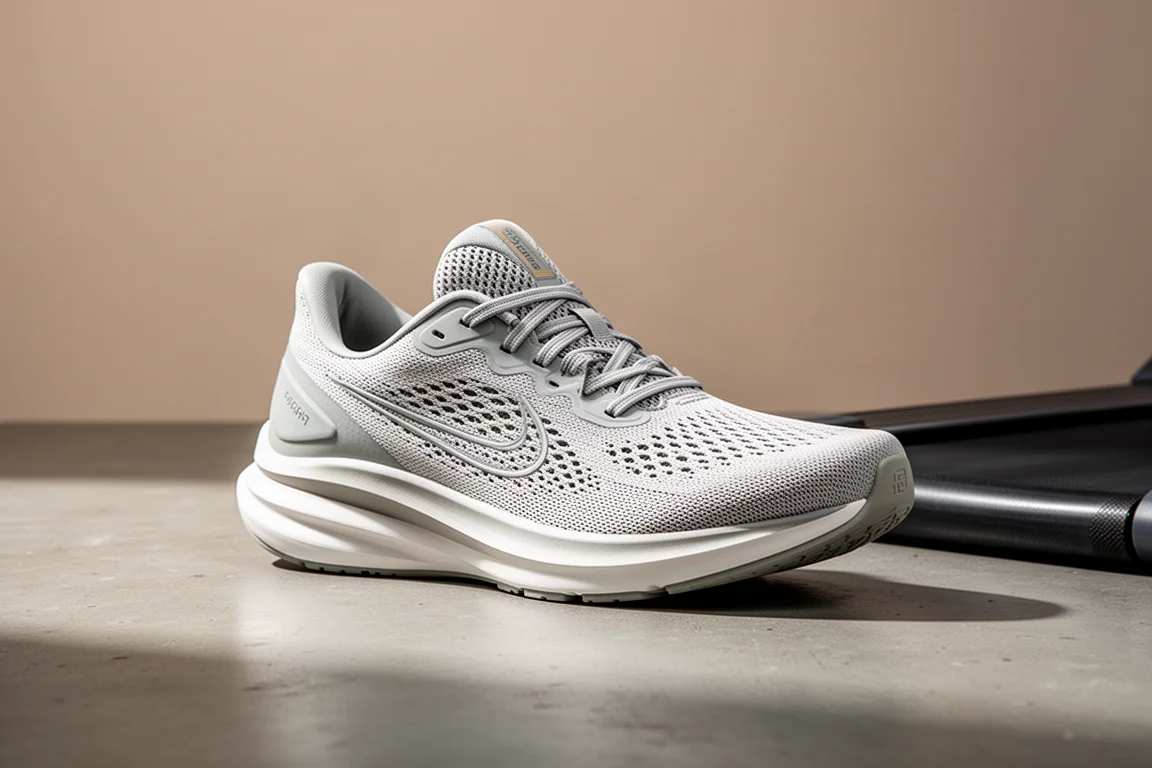
The Tread Flow packs 32mm of cushioning in the heel and 22mm in the forefoot for a 10mm drop, weighing in at 7.7 oz (218g) in a UK 8.5 / US 9 test shoe. Pricing sits at £110 or $130.
The midsole combines Lightstrike with Lightstrike Pro in a dual-foam setup that Adidas says is tuned to work in sync with a treadmill belt. The logic: a treadmill already brings its own bounce and cushion, so you don’t need as much stack or energy from the shoe. The result is a midsole that feels firmer and snappier than today’s big, squishy daily trainers, with a fast-engaging transition rather than deep compression.
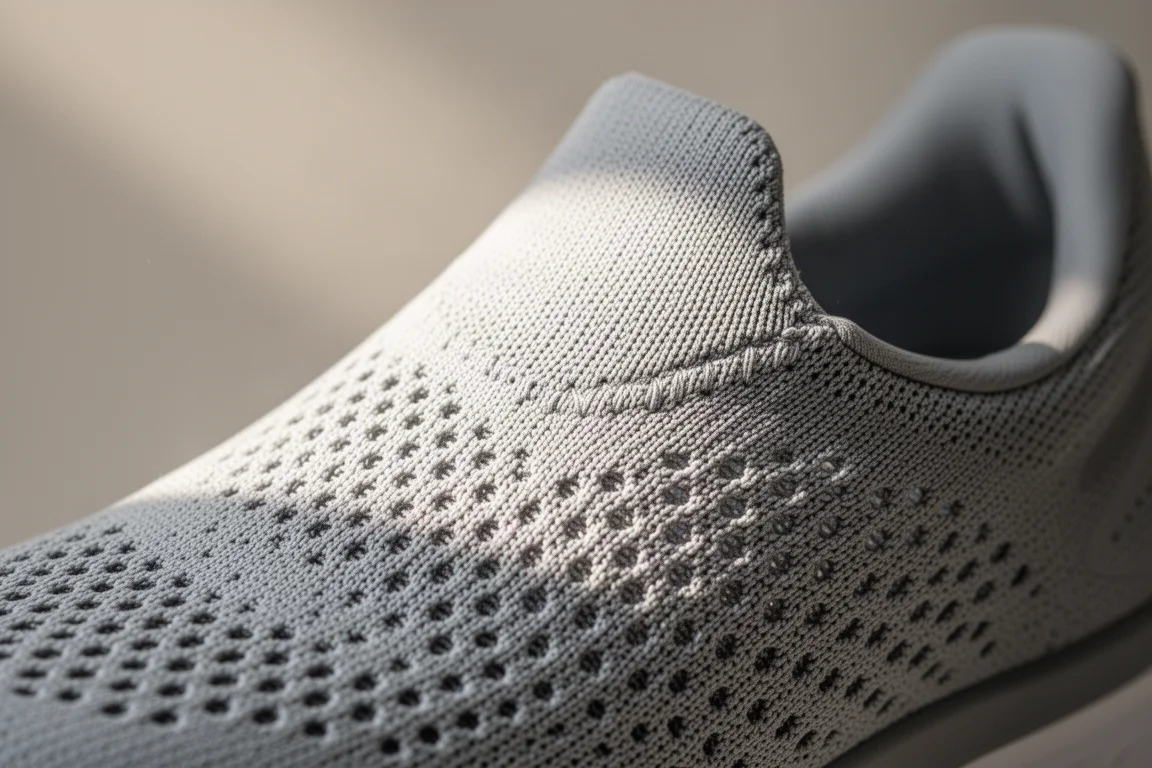
Up top, there’s an airy, flexible, highly breathable Climacool open-mesh upper aimed at offsetting hotter indoor conditions, with knitted integrated tongues that create a bootie-like feel. The heel collar uses two internal pads in a more race-style arrangement, paired with only a small, flexible heel counter. All of this saves weight and gives the shoe a malleable, slipper-like character. Underfoot, a smooth Light Traction outsole features cutouts that increase airflow, and there appear to be small stiffening inserts that add a touch of rigidity without making it a plated shoe.
Fit and On-Foot Feel
The test pair ran in a UK 8.5 / US 9, the tester’s regular size across Adidas shoes like the Boston and Adios Pro lines, and going true to size is the recommendation here. There’s plenty of clearance at the end of the toe box and a genuinely roomy, airy feel up front, with a flexible mesh that moves almost slipper-like, reminiscent of classic minimal uppers. There is a slightly narrow taper toward the little toe, which sits snug, but that translates into excellent midfoot lockdown.
Laces sit a little further back, everything holds nicely, and the heel collar, though minimal, bends and flexes while gripping well. You won’t get much support from the collar, but in terms of lockdown, midfoot hold and heel hold, the fit works very well.
Treadmill Performance
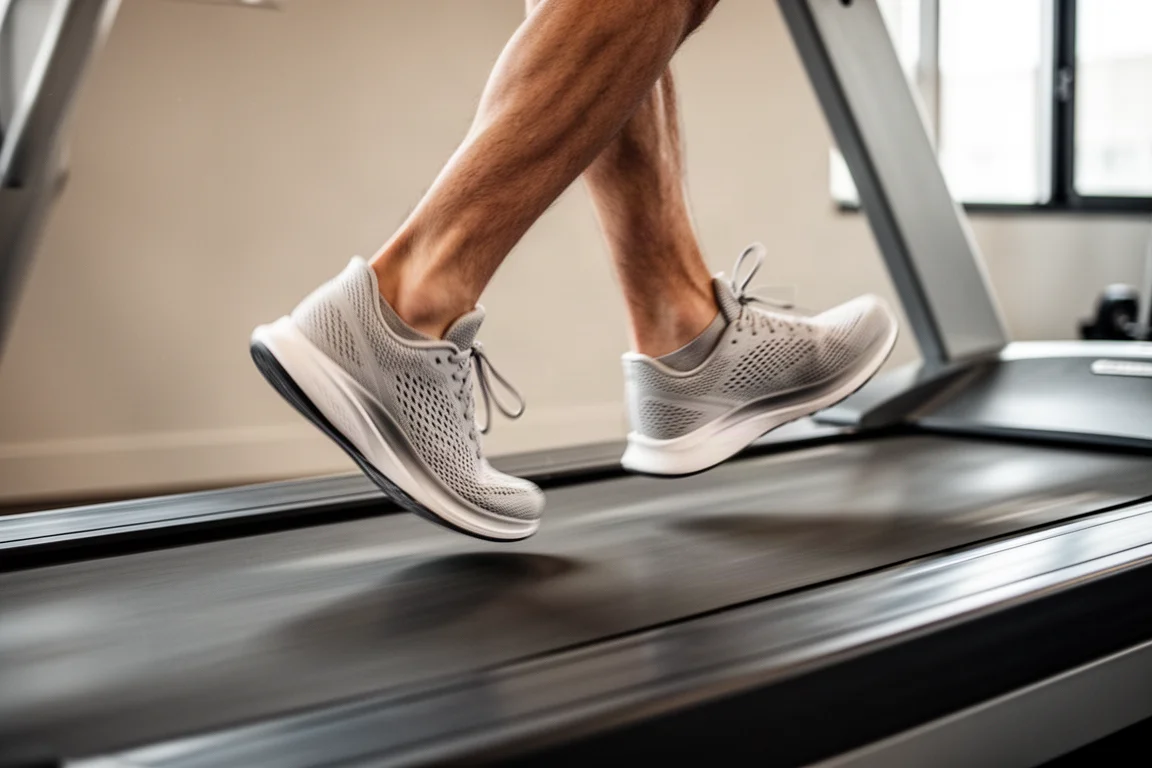
Testing consisted of repeated fast interval sessions at a local gym: roughly 4.5 miles per session, with a 10-minute easy warm-up followed by around 10 reps of one minute on at 15 to 20 km/h and one minute off around 11 km/h.
The first thing you notice is how light the shoe is and how thin and flexible the upper feels. On the belt, that lightness carries over into a light, agile ride with direct landings that encourage quick foot turnover. There’s plenty of control, and you can feel the midsole working with the belt rather than adding bounce on top of it. That firmness and snap proved an effective antidote to super-soft, bouncy daily trainers, which can feel wild when combined with the treadmill’s own give.
At all-out paces, at times faster than mile pace, the Tread Flow felt smooth, responsive and, crucially, nicely controlled. There was no slipping on the belt, traction was good, and it held up well for up to about half an hour at top paces while remaining fine for easy sections in between. Off the belt, it also coped well with strength drills like lunges and box steps thanks to a fairly stable platform, giving it some merit as a hybrid treadmill-plus-gym-workout shoe.
Alternatives Worth Considering
If the Tread Flow doesn’t quite fit your needs, two other shoes came up as practical alternatives for treadmill runners.
Adidas Boston 13
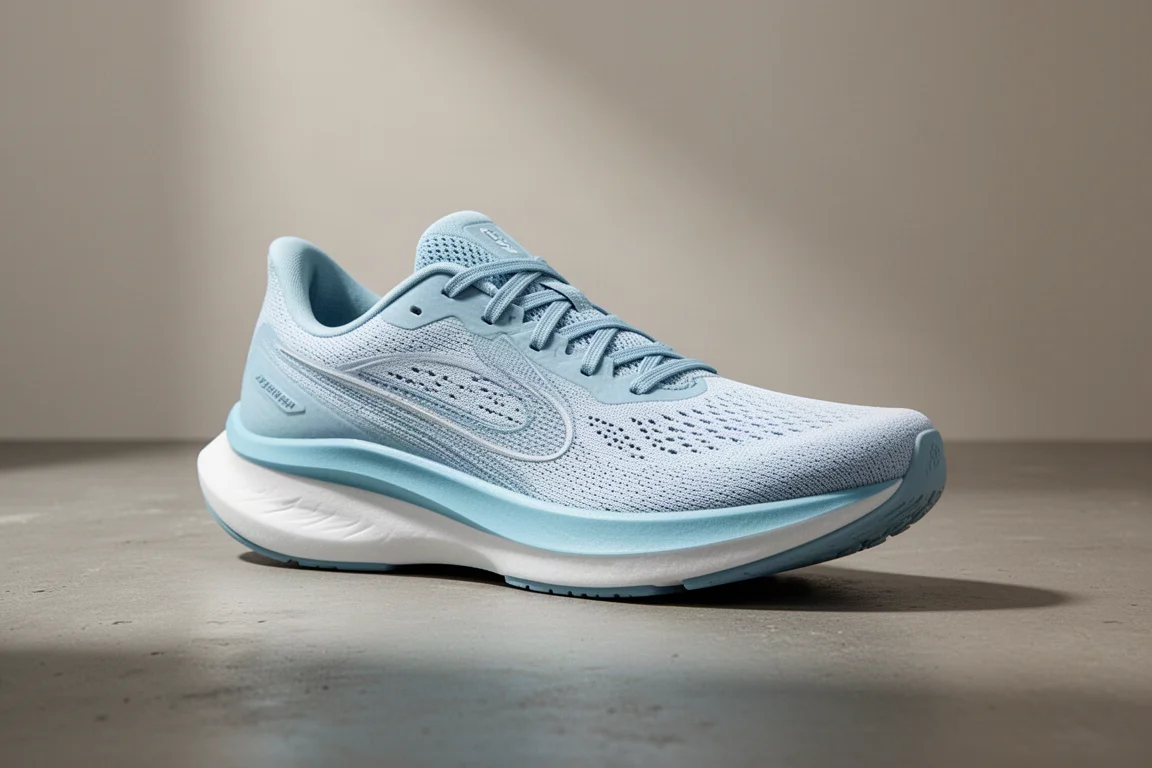
The Boston 13 is the shoe many testers would personally choose over the Tread Flow, simply for its versatility. It’s firm enough to run happily on the treadmill, but it also handles outdoor road miles much better than the Tread Flow, making it a stronger pick if you split your time between indoor and outdoor running.
Inov-8 Roadfly
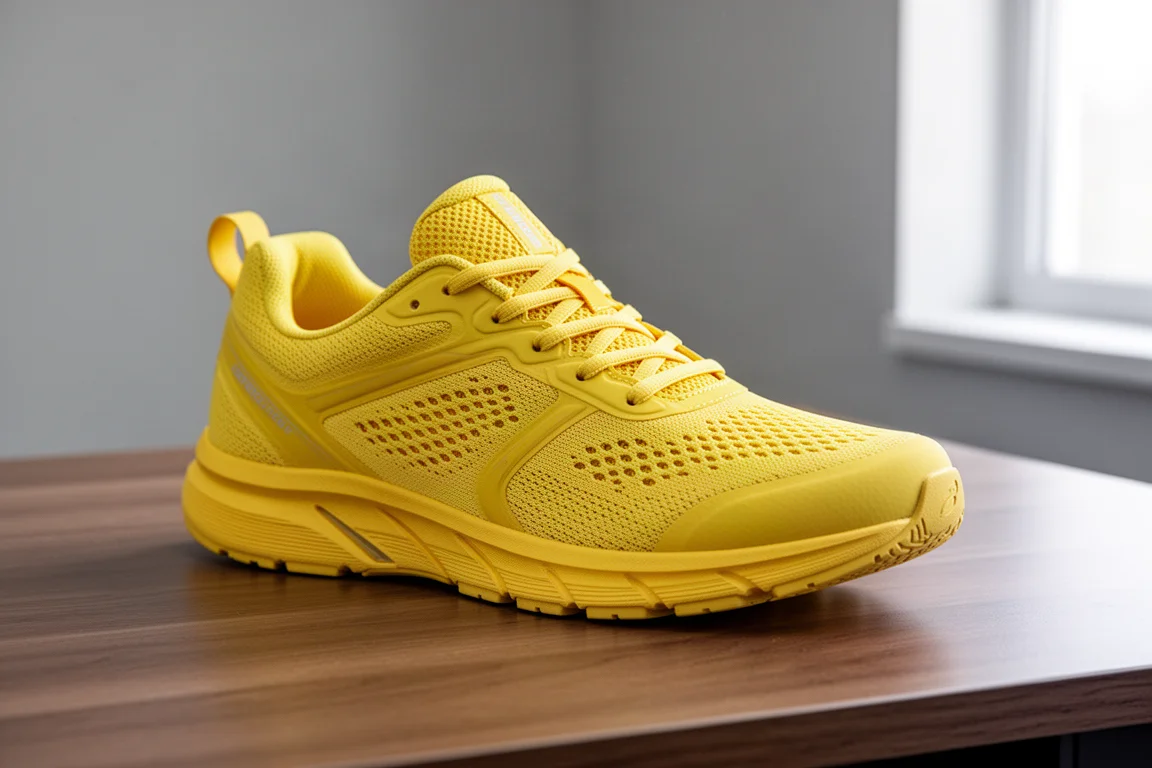
The Inov-8 Roadfly offers an even lower stack and a slightly cheaper £100 price point. It isn’t a million miles from the Tread Flow in performance, and it’s arguably the better outdoor option of the two, which makes it interesting for runners who want a similar character with a bit more road-going ability.
Buying Advice
Here’s the honest verdict: not everyone needs a treadmill-specific shoe, and if you only occasionally run indoors, a firmer regular road shoe that works indoors and outdoors is probably the smarter buy. But if you spend serious time grinding out miles on the belt, the Tread Flow has real merit. It’s affordable, very light, and brings an agile, light-footed control that encourages a fast turnover and asks you to do a bit more of the work yourself.
The trade-offs are clear. If you like bigger energy, this isn’t as energetic or lively as most daily trainers, including others in Adidas’ own lineup. And while you can run outside in it, it’s not built for big outdoor mileage, with stone-catching outsole cutouts and some durability concerns making it a poor all-rounder for road use.
Conclusion
The Adidas Tread Flow is a thoughtfully executed first attempt at a treadmill running shoe: light, breathable, controlled and genuinely quick on the belt, all at a reasonable price. Whether it deserves a spot in your rotation depends entirely on how much indoor running you actually do. Belt regulars will find a lot to like; everyone else should probably look at a more versatile trainer first.
Further reading
Related Reviews

Running Shoes
Best Road-to-Trail Running Shoes: Three Versatile Options for Mixed Terrain
A practical guide to three road-to-trail running shoes that handle both pavement and mild trails, with clear strengths and trade-offs for different runner types.

Running Shoes
Best Running Shoes for Achilles Tendonitis: Three Options Explained
Three running shoes with different heel drops and support features designed to help reduce Achilles tendon pain during walking and running.

Running Shoes
Best Running Shoes for Women: Five Top Choices Ranked
A ranked guide to five women's running shoes, from versatile daily trainers to high-performance racing options, with real strengths and trade-offs for each.