Trail Running
adidas Terrex Agravic Ultra Trail Review: 100 Miles on a Built-Like-a-Tank Trail Shoe
After 100 miles of technical, muddy trail running, the adidas Terrex Agravic Ultra Trail proves tough and protective, but its rigid fit demands a serious break-in.
Introduction
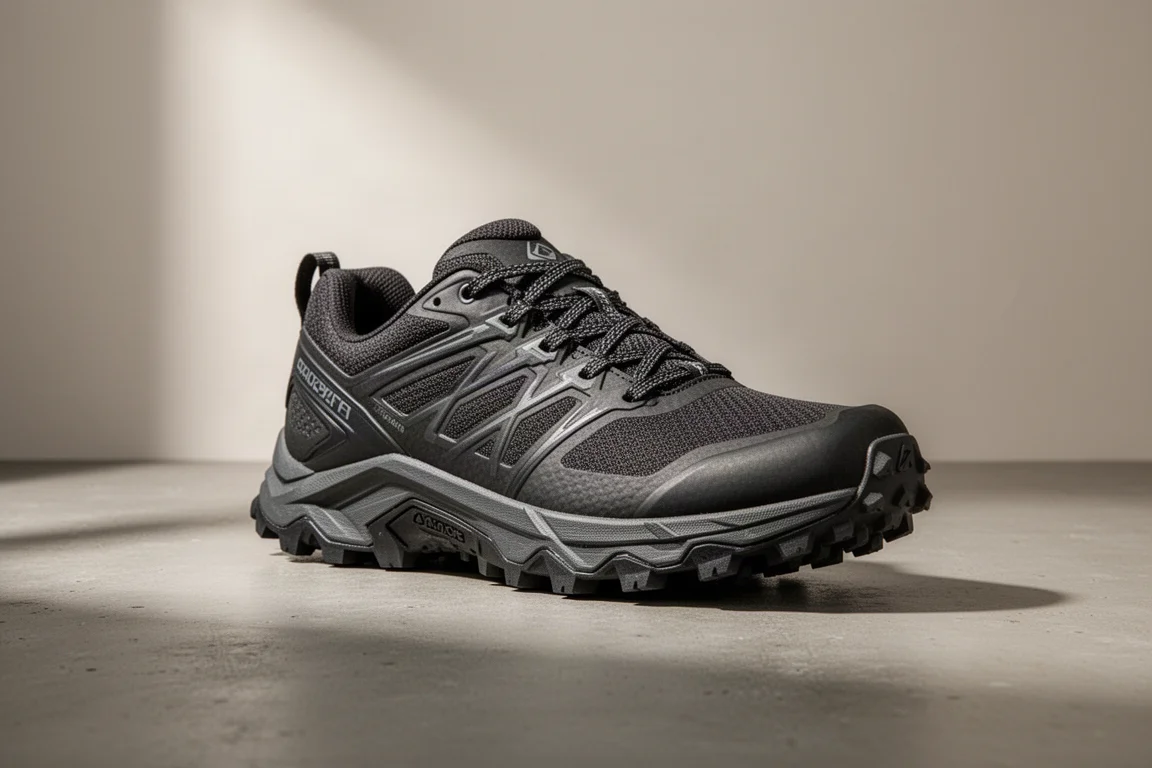
adidas makes some of the most handsome trail shoes on the market, and the Terrex Agravic Ultra Trail continues that streak. But good looks can come with pain, and this is a shoe that took real time to prove itself. After 100 miles of testing, including steep, messy and highly technical trail days, the picture that emerges is clear: an incredibly protective, structured, tank-like trail shoe that rewards patience, with a couple of trade-offs that keep it from being an easy recommendation for everyone.
Who This Shoe Is For
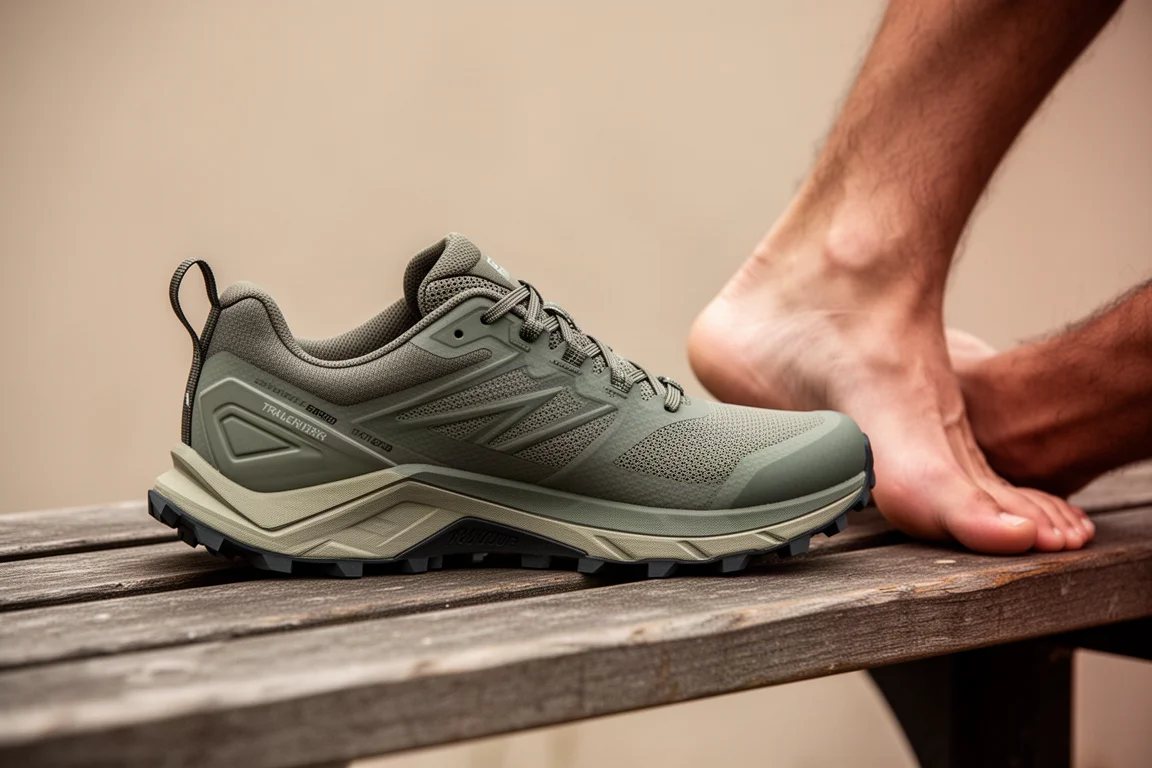
The Agravic Ultra Trail is aimed at trail runners who regularly face the kind of terrain where you genuinely worry about rolling an ankle: steep grades, slippery slopes, technical climbs and descents. It is built like armor. The moment you step in, the sensation is less like slipping into a soft knit trainer and more like running in a very agile ski boot. That boot-like construction makes it a shoe you save for the messiest and most demanding days rather than an everyday do-everything trainer.
Main Strengths
Structure and Protection
The defining characteristic of this shoe is its rigidity, and that rigidity is put to good use. The toe cap is dense and has done an excellent job protecting the foot whenever a rock or root gets kicked mid-stride. The heel cup is extraordinarily built up, more so than in nearly any other trail shoe, and the whole chassis feels so solid that nothing penetrates, twists or hurts the foot on rugged trails. Once the foot is clamped down, it is not sliding around and the ankle is not turning over. On technical terrain, that confidence is the whole point.
Grip, Plate and Underfoot Feel
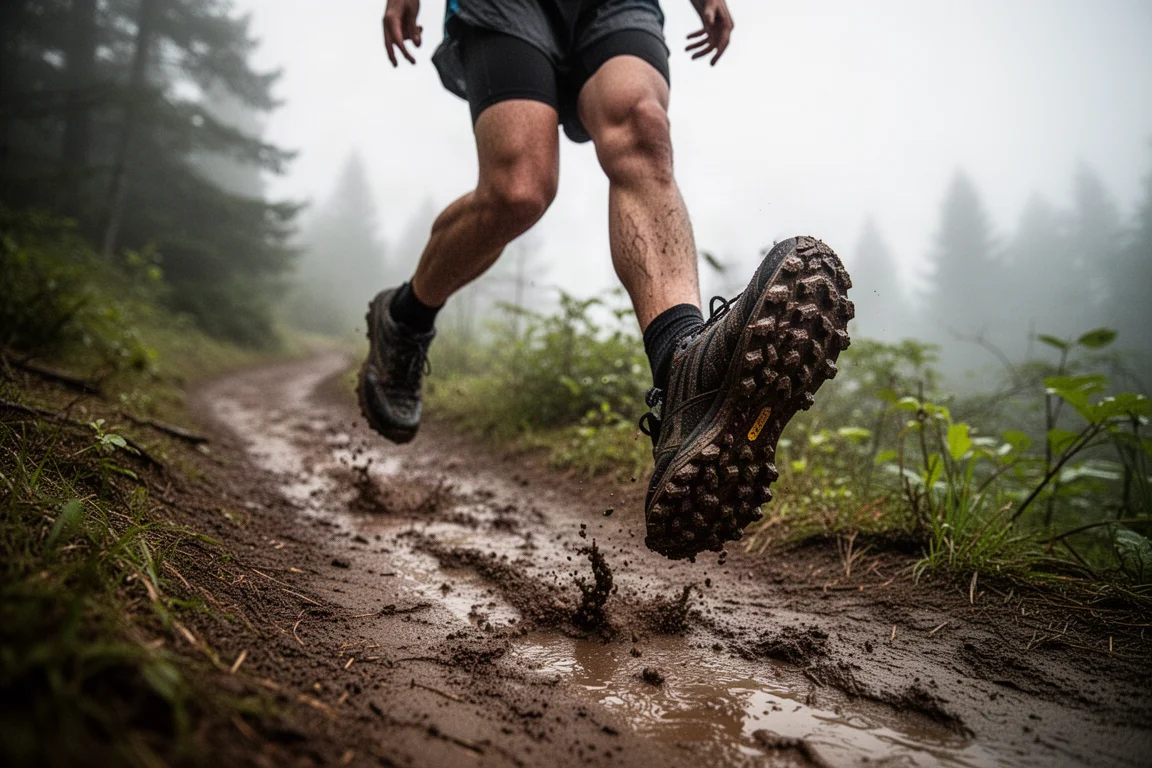
The outsole uses Continental rubber with dense four-millimeter lugs, and on muddy days it performs well on both counts: it makes solid contact with the ground and sheds mud effectively. The only spot where mud builds up is the cutout near the midfoot and heel, the window into the full-length TPE plate. That plate serves two purposes: it acts as a rock plate so sharp or jagged trail obstacles never poke through, and it adds stability plus a touch of spring to each step, doing some of the work a carbon plate would.
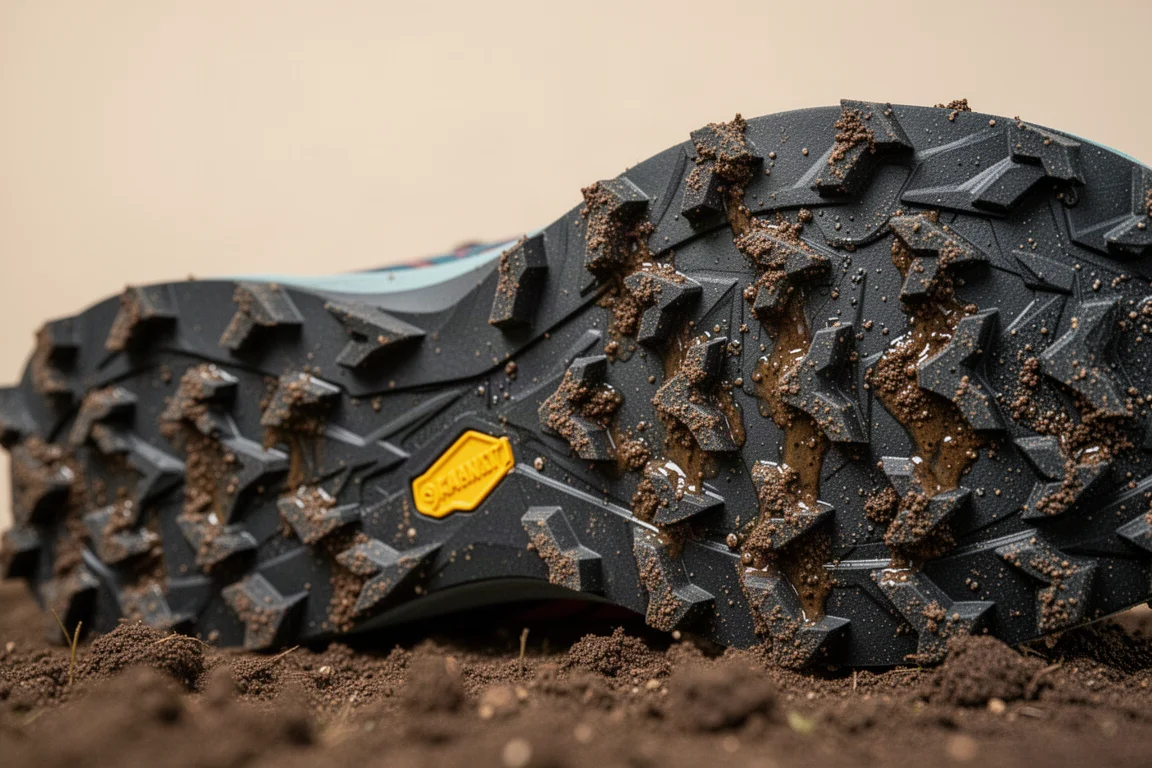
The midsole combines Boost and Lightstrike, and the pairing works surprisingly well. Boost delivers the cushioning and comfort, while Lightstrike keeps things snappy for quick footwork in technical sections or faster paces. With the plate and Lightstrike working together, the shoe keeps things moving quickly, and comparing it to a road racing shoe with aggressive lugs and a burly trail upper would not be far off. It became a shoe comfortable enough to run in for several hours at a time once broken in.
Durability After 100 Miles
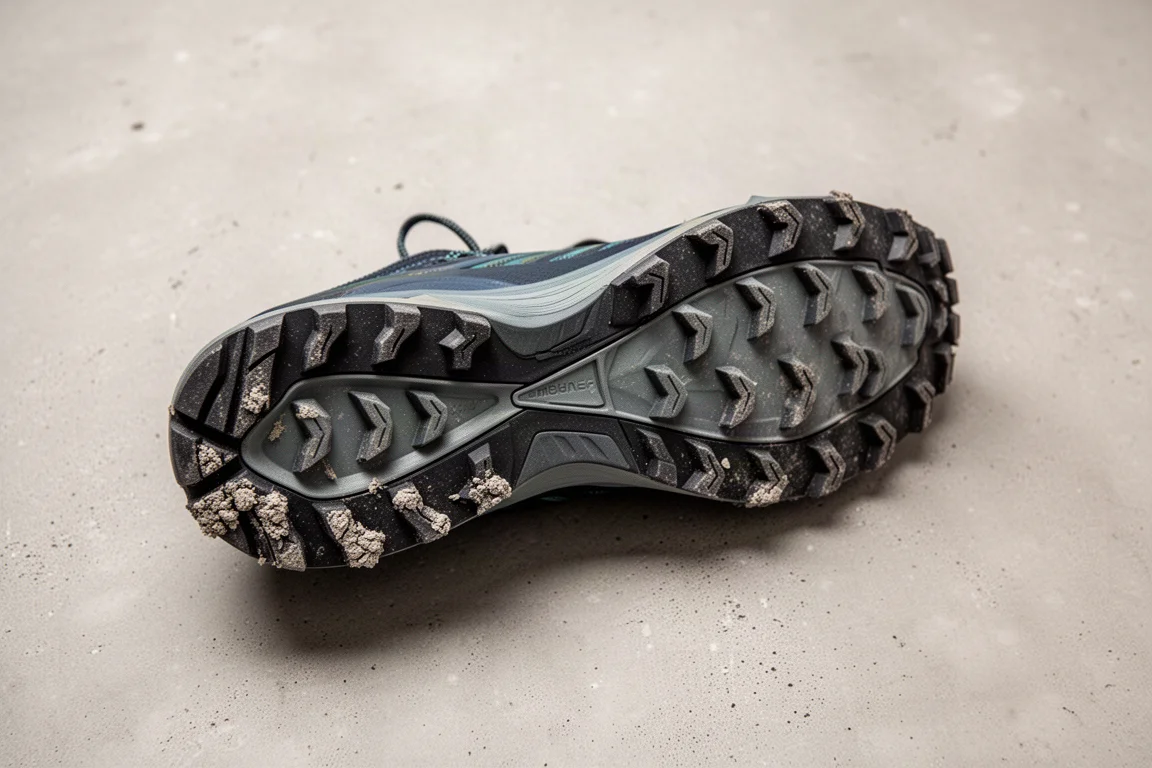
Wear and tear after 100 miles is excellent. The shoe held its structural integrity, meaning the protection that makes it suitable for messy, technical days is still fully intact. The Continental rubber outsole is wearing down only slightly, mostly at the outer edges, and even then the wear is hard to spot. The Boost and Lightstrike foams show no degradation in springiness or impact absorption over the full 100 miles, which is exactly what you would expect from a midsole with this much Boost in it.
Things to Consider Before Buying
The Break-In Period
The stiffness cuts both ways. The heel cup is so rigid that the first handful of runs were genuinely uncomfortable: the sides dug into the ankle, and the Achilles area pressed in too. The first few runs required a recovery gap of a couple of days afterwards to let bruised-feeling ankles settle. Over time the shoe mellowed enough that the stiffness remains but no longer cuts into the leg. That break-in is real, and it is the biggest hurdle between unboxing this shoe and enjoying it.
Cushioning for Ultra Distances
For a shoe positioned as a multi-hour ultra trail runner, the comfort underfoot feels slightly short of the name. The wish list is simple: more Boost. The Lightstrike is snappy, but for long hours on the trail a little more cushion would let you stay out longer. The trail running shoe market is highly competitive right now, and there are options offering similar performance with noticeably more comfort.
A Small Outsole Surprise
One of the shoes lost some chunks out of the lugs on the lateral forefoot side, leaving that area eaten away. It does not materially affect the ride, but it is a surprising sight on a Continental rubber outsole from adidas.
Buying Advice
The Agravic Ultra Trail earns its place in a rotation as a technical-terrain specialist. Buy it if your trails are steep, slippery or rocky and you want maximum protection and ankle security, and if you are willing to push through a stiff, uncomfortable first stretch of miles. Skip it, or look elsewhere, if your priority is out-of-the-box comfort for long ultra days, because the market currently offers comparable performance with more comfort and far less break-in. If adidas shaves the sides of the upper so it stops hitting the ankle so sharply, and adds a bit more Boost underfoot, this would be an easy pick for the messy days.
Conclusion
After 100 miles, the adidas Terrex Agravic Ultra Trail turned out to be a genuinely good shoe that developed well over time. Early doubts about whether it could even reach 100 miles faded as the heel softened enough to enjoy running in it again. Its armor-like construction does exactly what it promises on technical and muddy terrain, the Continental rubber grip and full-length TPE plate deliver confidence, and durability is excellent. The stiff upper and modest cushioning are the things that hold it back, but for runners who value protection above plushness, it is a strong, capable choice.
Product link
View more details for adidas Terrex Agravic Ultra Trail
This product is mentioned in the review. Check the specifications, options, and compatibility before buying.
View more details for adidas Terrex Agravic Ultra TrailFurther reading
Related Reviews
Trail Running
How to Choose Trail Running Shoes: A Guide to Shoe Type, Cushioning, and Drop
Learn the three most important factors when selecting trail running shoes: shoe type, cushioning level, and heel-to-toe drop.
Trail Running
Trail Running Poles: A Complete Guide to Technique, Fit, and Use
Learn why trail running poles redistribute workload, how to choose the right length and strap system, and master three essential climbing techniques for longer races.
Trail Running
Arc of Attrition Kit List: The Gear Worth Packing for a Winter Ultra
A practical look at the shoes, waterproofs, lighting, race vest and poles lined up for a brutal 100-mile winter coastal ultra, and why each piece earned its place.