Trail Running Shoes
Adidas Terrex Agravic Ultra Review: Great on Paper, Flawed on Muddy Trails
After 60 miles of testing, this plated trail shoe impresses with fit and midsole feel but stumbles badly on technical and muddy ground.
Introduction
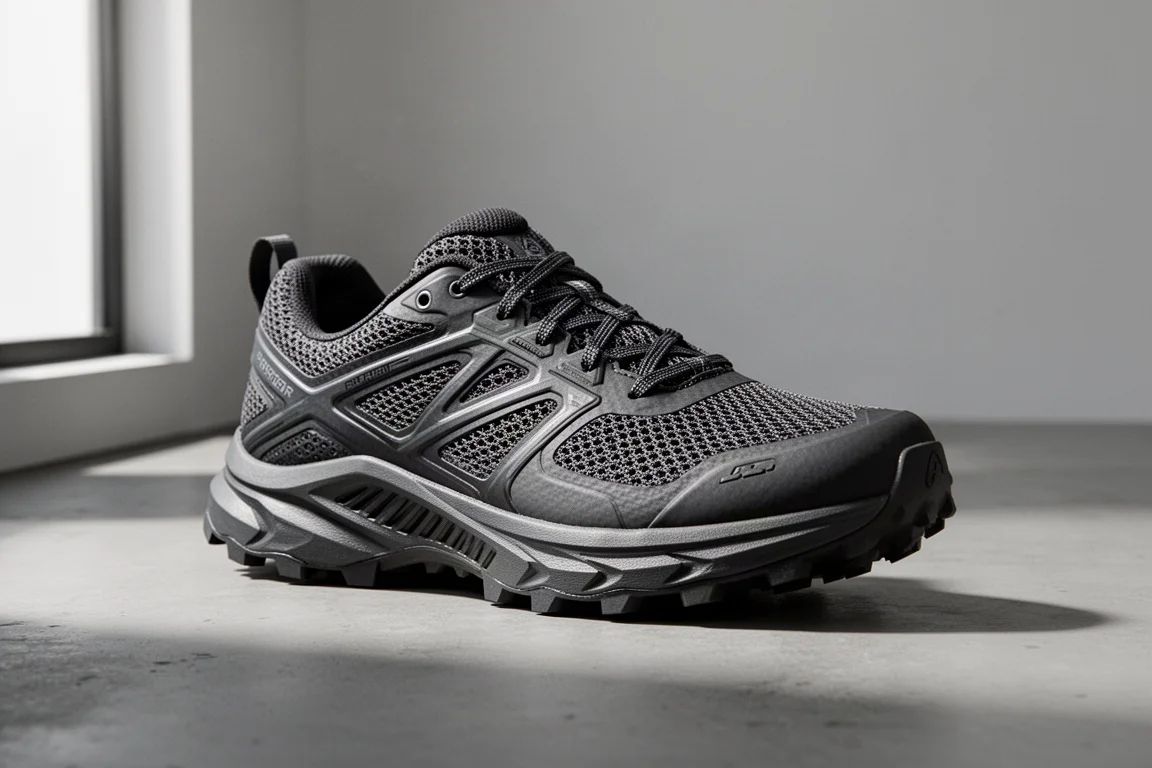
The Adidas Terrex Agravic Ultra is a trail running shoe that Adidas claims is built to handle the most challenging, mountainous terrain, developed with input from some of the best ultra runners in the world. After around 60 miles across dry trail, muddy trail, rocky trail, and tarmac, the verdict is a mixed one: several elements genuinely impressed, but a few serious flaws are hard to overlook.
This review covers the first 60 miles of real running, including a 10K over sand dunes and plenty of time on the Cornish Coast Path.

Key Specs and Fit
The Agravic Ultra retails for £140 in the UK and weighs 346g in a men’s UK 10. It runs an 8mm offset with a 32mm stack height under the heel, and it is available in several colorways for men and women. Sizing runs a little short: going up half a size from a normal UK 9.5 to a UK 10 was necessary, and the toe box width is average.
The upper uses open mesh with abrasion-resistant weldings, structural overlays around the toe box and lace eyelets, and a rubberized toe bumper for trail protection. At least 50% of the upper is made from recycled content, which is good to see. The tongue is thin with almost no padding and is not gusseted, and the heel cup and ankle collar are structured and stiff with little padding.
Underfoot, this is a plated trail shoe, though not with a carbon plate. Instead, there is a TPE bio-based plate made from 90% renewable carbon, running the full length of the midsole as lightweight rock protection. The midsole pairs Adidas’s latest Lightstrike compound with old-school Boost in the heel and forefoot, aiming for high energy return and deep cushioning across mixed terrain. The outsole has 4mm lugs in an aggressive layout, clad in Continental rubber for grip.
Strengths of the Agravic Ultra
The fit is a genuine highlight. Despite concerns about the unpadded tongue and lack of a gusset, the upper feels comfortable, secure, and well locked-in at the midfoot, with no discomfort across the top of the foot over long runs.
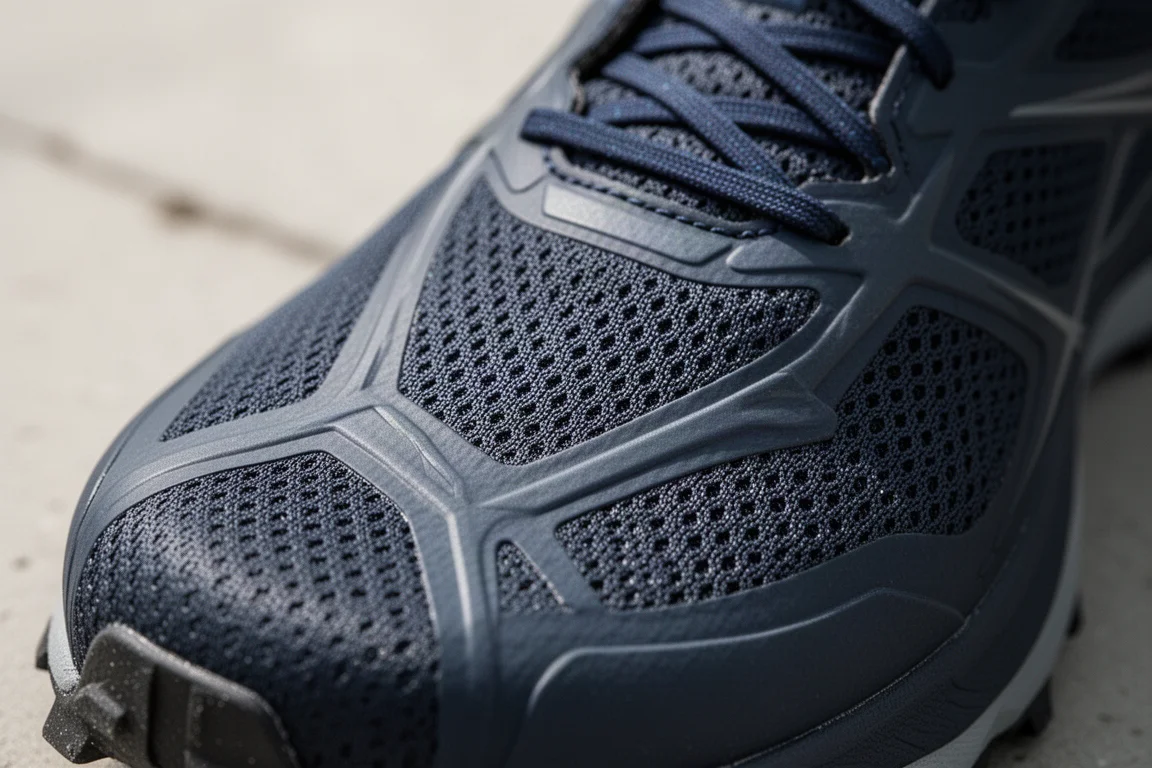
The midsole also surprised in a good way. The balance between cushioning, responsiveness, and ground connection feels well judged, and the shape of the midsole feels almost custom-molded to the foot, supportive under the instep and comfortable enough to suggest real long-distance potential. Durability looks strong too, with no early signs of wear on the upper or outsole after 60 miles.
Where It Falls Short
Unfortunately, the negatives outweigh the positives here. The biggest annoyance is the outsole’s stone-trap cavities: small stones regularly lodge in the outsole holes, forcing stops to dig them out, which is frustrating on stony trails like the Cornish Coast Path.
Worse still is the mud performance. Despite the sticky Continental rubber and aggressive lug layout, the outsole clogs with mud and loses all traction, producing genuinely alarming slip moments on off-camber muddy trails, bad enough that running had to be abandoned for walking. It ranks among the worst trail shoes tested in muddy conditions.
Then there is the ankle collar. The stiffness flagged in early impressions never softened up. After 60 miles, the collar still digs into the ankle on uneven ground to the point where running beyond half marathon distance would be a struggle. For a shoe marketed at long distances on technical terrain, that is a significant mismatch.
Scoring Summary
- Price: 7/10. At £140 it is a fair price for a plated trail shoe, and sale prices bring it down further.
- Comfort and performance: 3/10. Ankle collar irritation, poor mud grip, and stone traps make this hard to recommend for mixed trail use.
- Durability: 8/10. Solidly constructed with no early wear after 60 miles.
Total: 18/30. On looks, the bold colorways earn a thumbs up, though looks alone should never sell a running shoe. For context, the only comparable disappointment is the Nike Terra Kiger 7, another big-brand trail shoe that lacked outsole grip.
Buying Advice
If your trail running stays on flat, dry, buffed-out terrain such as fire roads and towpaths, the Agravic Ultra actually performs reasonably well there. The comfortable upper, supportive midsole shape, and strong durability make it usable in those conditions.
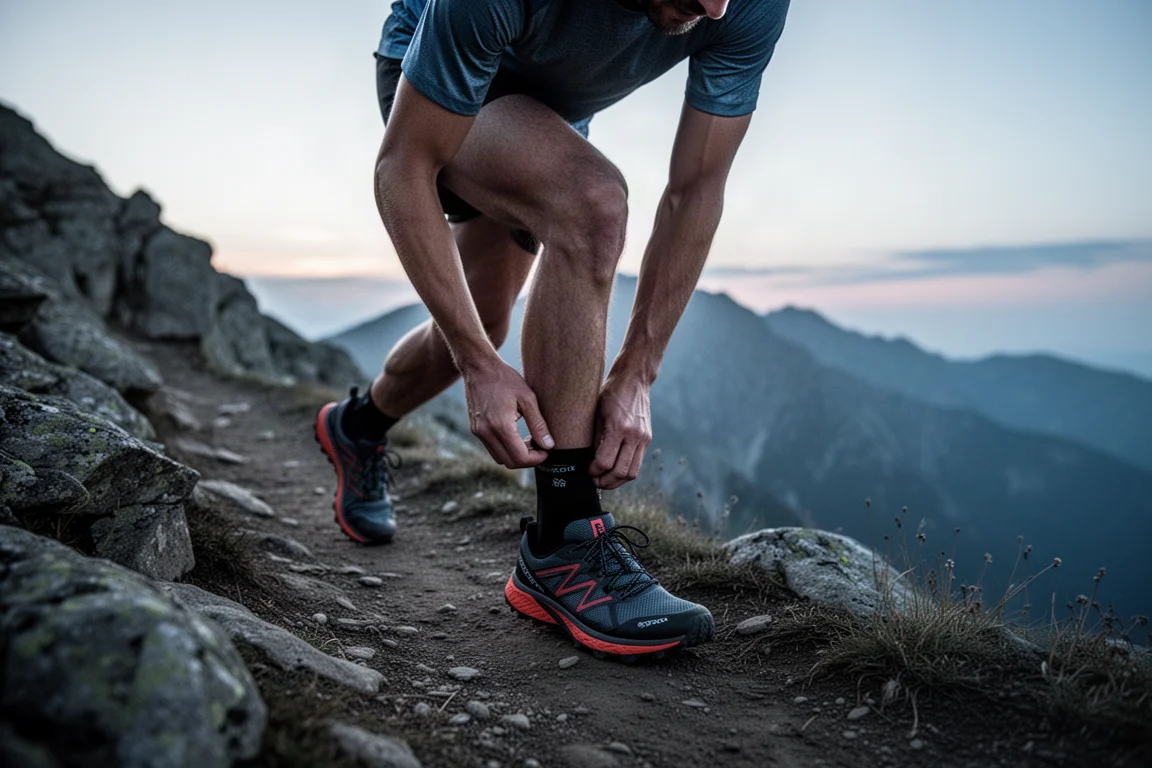
If you regularly run technical trails, especially wet and muddy ones, look elsewhere. Other shoes on the market handle that terrain far better, and the ankle collar irritation alone rules this out for long technical days.
Conclusion
The Adidas Terrex Agravic Ultra gets a lot right: the fit, the midsole feel, and the build quality are all genuinely good. But stiff ankle collars, stone-trapping outsole cavities, and shockingly poor mud traction undermine a shoe that claims to be built for tough, technical, long-distance trail running. Choose it only if your trails are dry and relatively tame.
Product link
View more details for Adidas Terrex Agravic Ultra
This product is mentioned in the review. Check the specifications, options, and compatibility before buying.
View more details for Adidas Terrex Agravic UltraFurther reading
Related Reviews
Trail Running Shoes
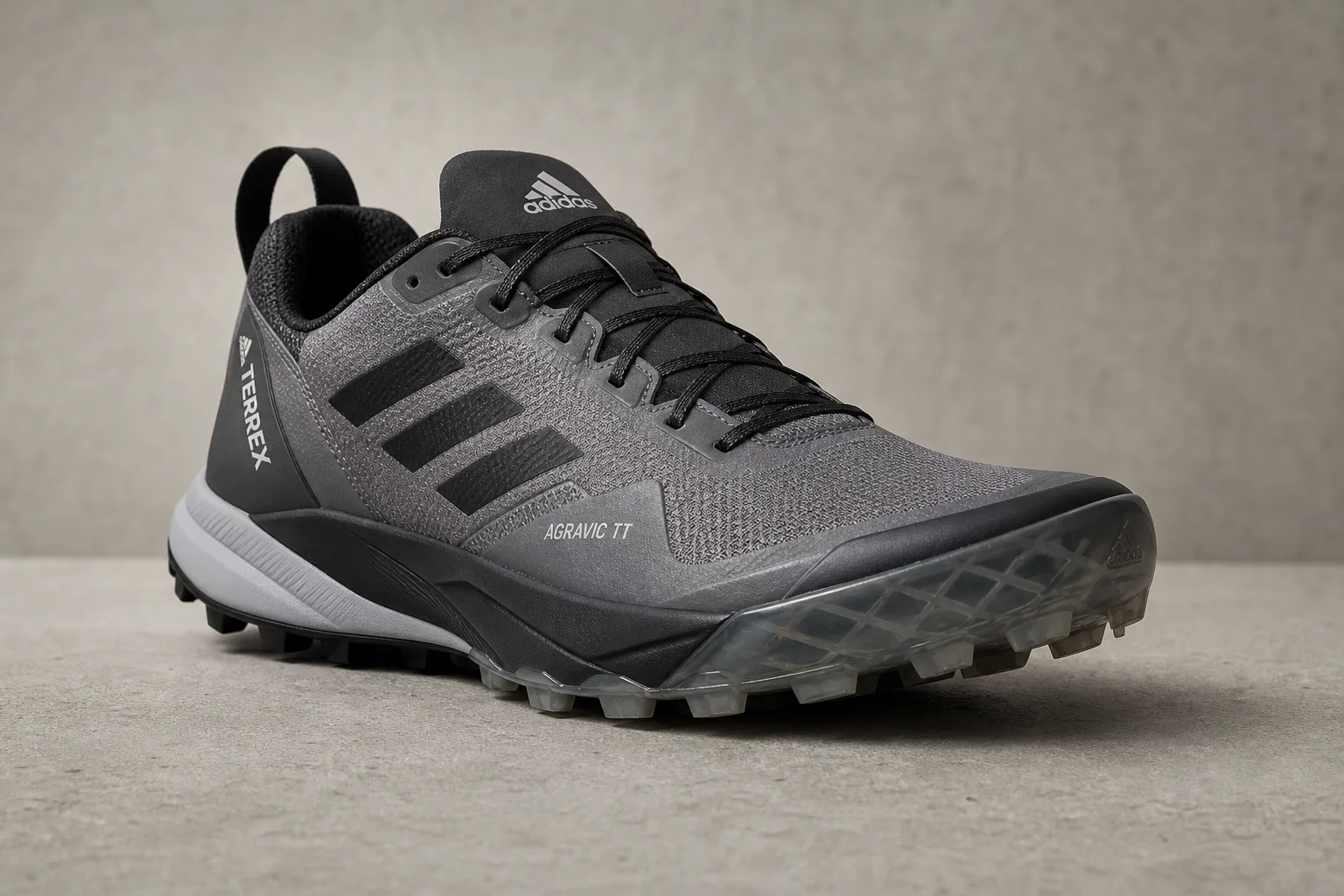
Adidas Terrex Agravic TT Review: A Technical Trail Shoe Built for Rocky Terrain
The Adidas Terrex Agravic TT combines a full-coverage rock plate with a firmer midsole to deliver protection and stability on technical, rocky trails. A capable choice for runners who prioritize underfoot defense over lightweight cushioning.
Trail Running Shoes
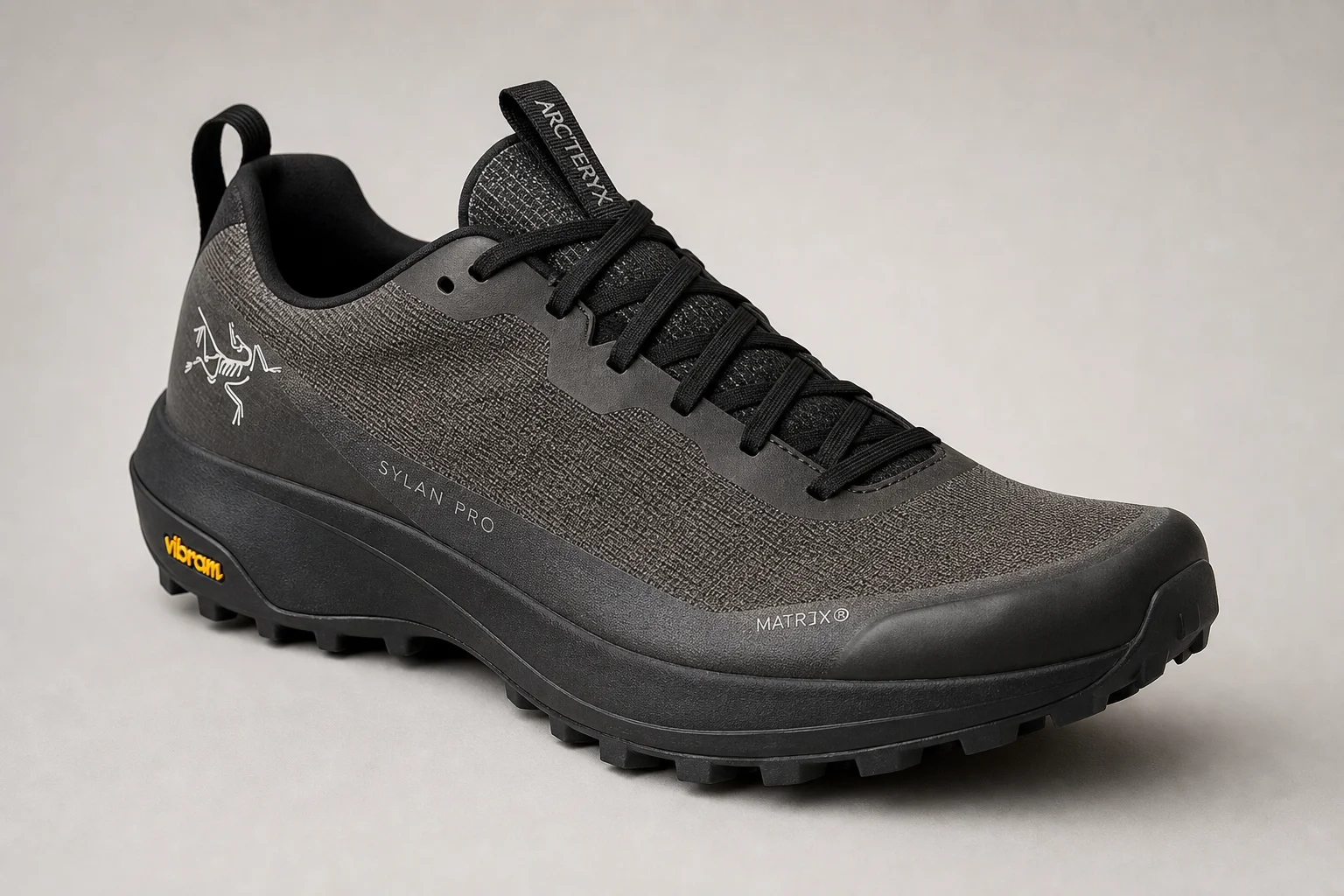
Arc'teryx Sylan Pro Review: A Rocker-Focused Mountain Running Shoe Tested on 20 Miles
The Arc'teryx Sylan Pro brings a pronounced rocker geometry and secure fit to mountain terrain. We tested it on a 20-mile Sawtooth loop to evaluate its climbing efficiency, protection, and handling of technical descents.
Trail Running Shoes
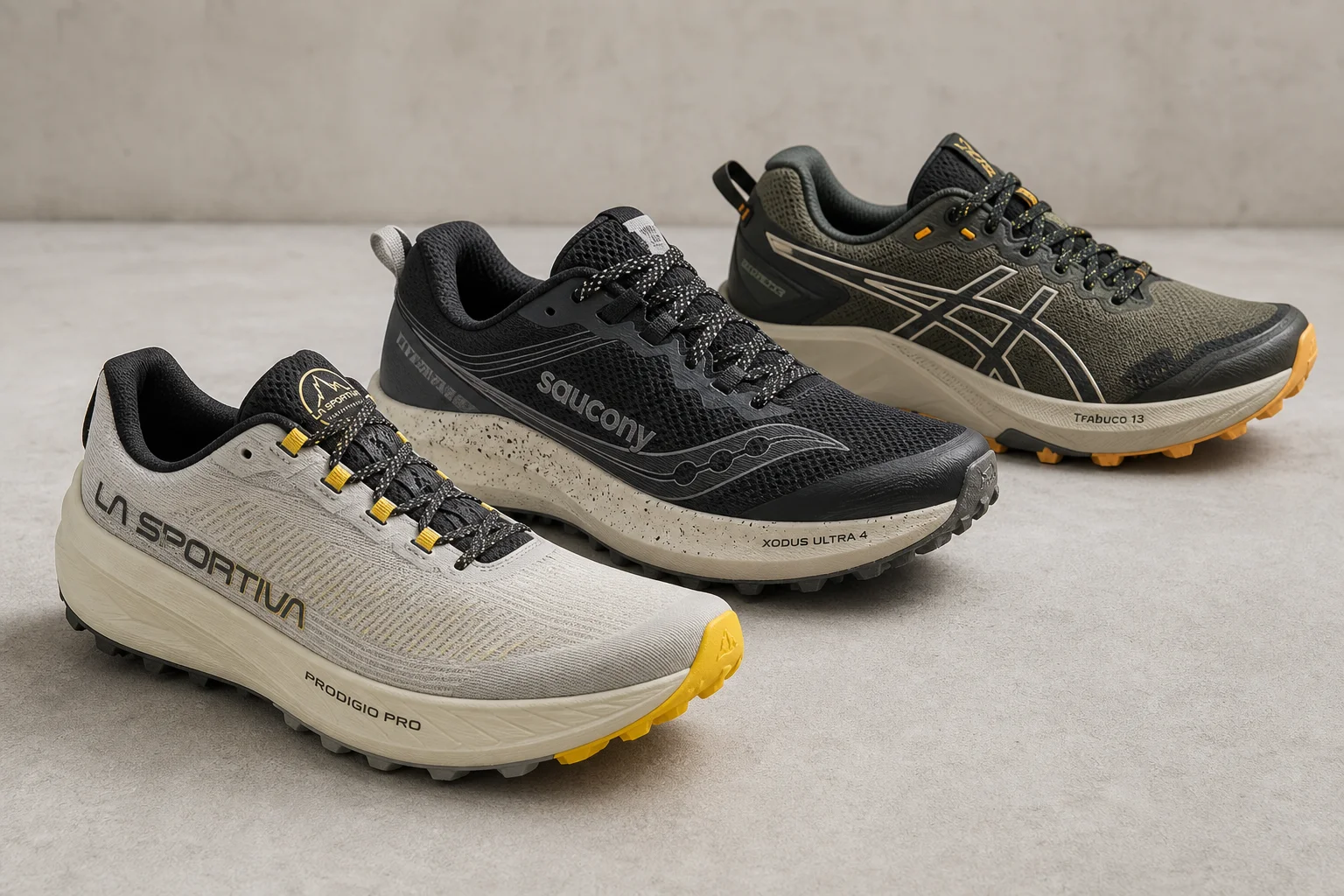
Best All-Mountain Trail Running Shoes: Three Versatile Options for Any Trail
A focused roundup of three all-mountain trail running shoes that handle technical terrain, long distances, and variable conditions with real strengths and practical trade-offs.