Trail Running Shoes
Adidas Terrex Agravic Ultra: First Run Impressions of a Carbon-Plated Trail Shoe
A plated trail running shoe built with ultrarunners for tough mountain terrain. Our first 10k on sand dunes and tarmac reveals real strengths and one stubborn flaw.
Introduction
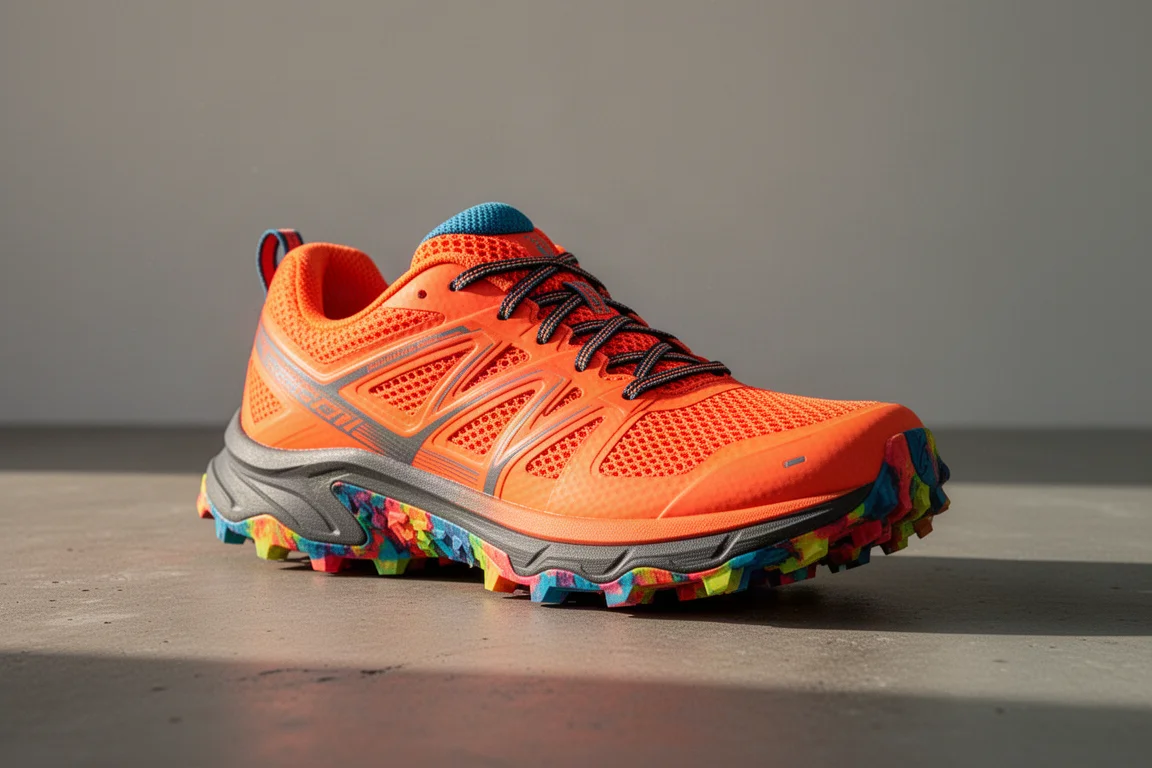
The Adidas Terrex Agravic Ultra is a plated trail running shoe designed to handle tough, mountainous conditions, developed with input from some of the best ultrarunners in the world. It retails in the UK for £140, though it has appeared at significant discounts, with one pair picked up during a Black Friday weekend for just £91.
The name “Agravic” is worth a mention on its own: it stands for zero gravity, which is an odd choice given the shoe is actually fairly heavy. In a men’s UK 10 it weighs a hefty 346 grams, and we went for a bold bright colorway, though more subdued options are available.
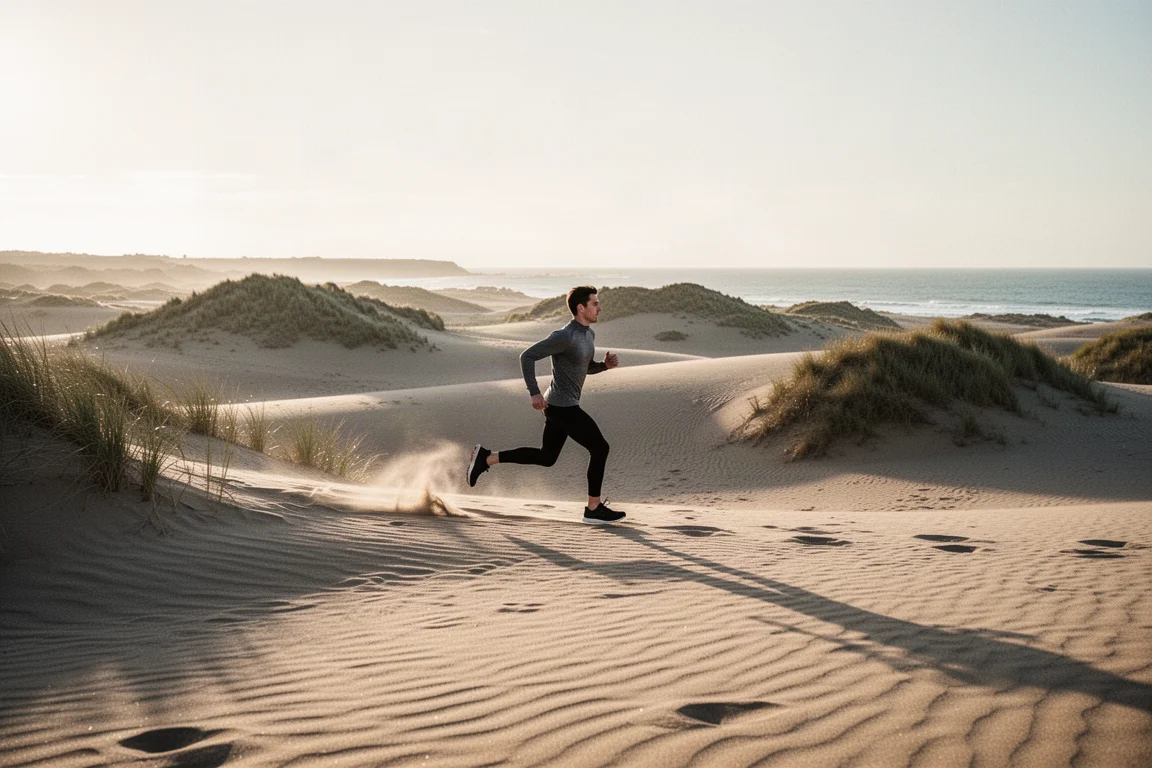
This first run covered around 10k across hard standing, parkland paths, and soft sand dunes, starting in darkness with a head torch and finishing as the sun came up. Here is how the shoe held up.
Key Specs and Construction
Starting with the upper, Adidas has used an open mesh material with lots of tiny perforations to aid airflow and keep feet cool. Abrasion-resistant overlays sit around the toe box and lace eyelets for extra durability and protection out on the trails.
There were some immediate concerns. The tongue is thin and, surprisingly, is not gusseted into the upper, which raised questions about midfoot lockdown. Padding around the tongue and ankle collar is minimal, and several owners have reported that the upper feels very stiff around the ankle collar before the shoe is broken in. That matched our experience on the first outing.

Midsole and Plate
The midsole is a dual-compound setup pairing Adidas’ classic Boost with the lighter Lightstrike cushioning, developed to deliver a high-energy-returning yet comfortable ride. The plate is not a standard carbon plate: it is a TPE bio-based plate made from 90% renewable carbon, running the full length of the shoe to add lightweight propulsion while doubling as a rock plate for underfoot protection on technical ground.
Despite the plate, the shoe does not feel rigid once you are running. While it is very stiff at the midfoot when flexed by hand, it felt noticeably more flexible under way, and should loosen further with miles.
Grip and Outsole Performance
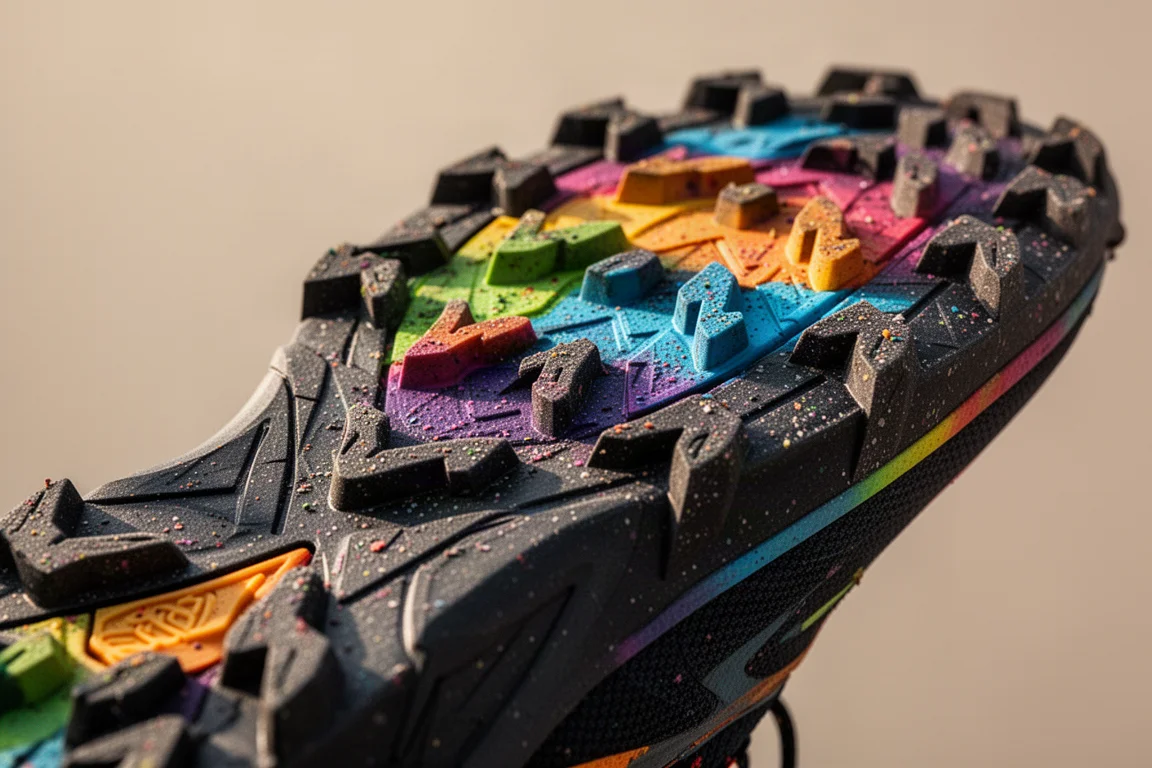
The outsole features 5mm, aggressive-looking lugs similar to what you would find on a Peregrine 10 or 11, coated in Continental rubber, the same company behind bike and car tyres. Sticky is the right word: walking on a tiled stairwell floor produced a genuine squeaking racket because the rubber was gripping so well.
Out on the run it gripped tarmac and rocky sections really well, and traction on soft sand was strong. Today’s run was dry with only short mud sections, so wet rock, wet tarmac, and proper boggy conditions still need testing.
How It Felt on the Run
The midsole was the biggest positive surprise. Although the high stack means you sit slightly sunk into the midfoot, the Boost and Lightstrike combination feels comfortable without being oversoft, so you stay connected and stable on the trail. The Boost under the forefoot adds a nice pop on toe-off, especially when picking up the pace, and the shoe ran comfortably on short tarmac sections.
The instep height lined up really well, giving good arch support and a sense of stability that should help as fatigue sets in on long runs. Fit was also better than feared: the heel locked in nicely, the midfoot fit well, and despite the thin, non-gusseted tongue there was no slippage or lace pull-through.
The main negative was exactly what had been warned about: on uneven ground the stiff ankle collar dug into the ankle bone, and after 10k the ankles felt sore. On flat terrain it was not an issue. A lighter weight, closer to 300 grams, would also be welcome; 346 grams is heavy for a men’s UK 10, even if it does not feel heavy while running.

Who Should Consider It
This is a shoe for runners targeting long distances in challenging, mountainous conditions, and the rock-plate doubling, grippy Continental outsole, and stable, supportive midsole all back up that intent. The price tag of £140 puts it in premium territory, but heavy discounts have appeared before, so patient shoppers may well find it closer to £91.
Things to Weigh Before Buying
The stiff ankle collar is the deal-breaker question. If it softens up with break-in, as many owners report, this could be a genuinely enjoyable long-distance trail shoe. If it does not, the irritation on technical and uneven ground would undermine long efforts, which is a strange flaw for a shoe with “Ultra” in its name. The weight and the unverified wet-condition grip are the other points to keep in mind.
First Run Verdict
This first run went far better than expected after initial concerns about the stiff midsole feel and the 346g weight. Comfortable, supportive cushioning, surprising flexibility under way, and outstanding grip made for a strong debut, but the ankle collar needs to bed in before this shoe can be recommended for genuinely long outings. A fuller verdict will follow after more miles and more testing in mud.
Product link
View more details for Adidas Terrex Agravic Ultra
This product is mentioned in the review. Check the specifications, options, and compatibility before buying.
View more details for Adidas Terrex Agravic UltraFurther reading
Related Reviews
Trail Running Shoes
Adidas Terrex Agravic TT Review: A Technical Trail Shoe Built for Rocky Terrain
The Adidas Terrex Agravic TT combines a full-coverage rock plate with a firmer midsole to deliver protection and stability on technical, rocky trails. A capable choice for runners who prioritize underfoot defense over lightweight cushioning.
Trail Running Shoes
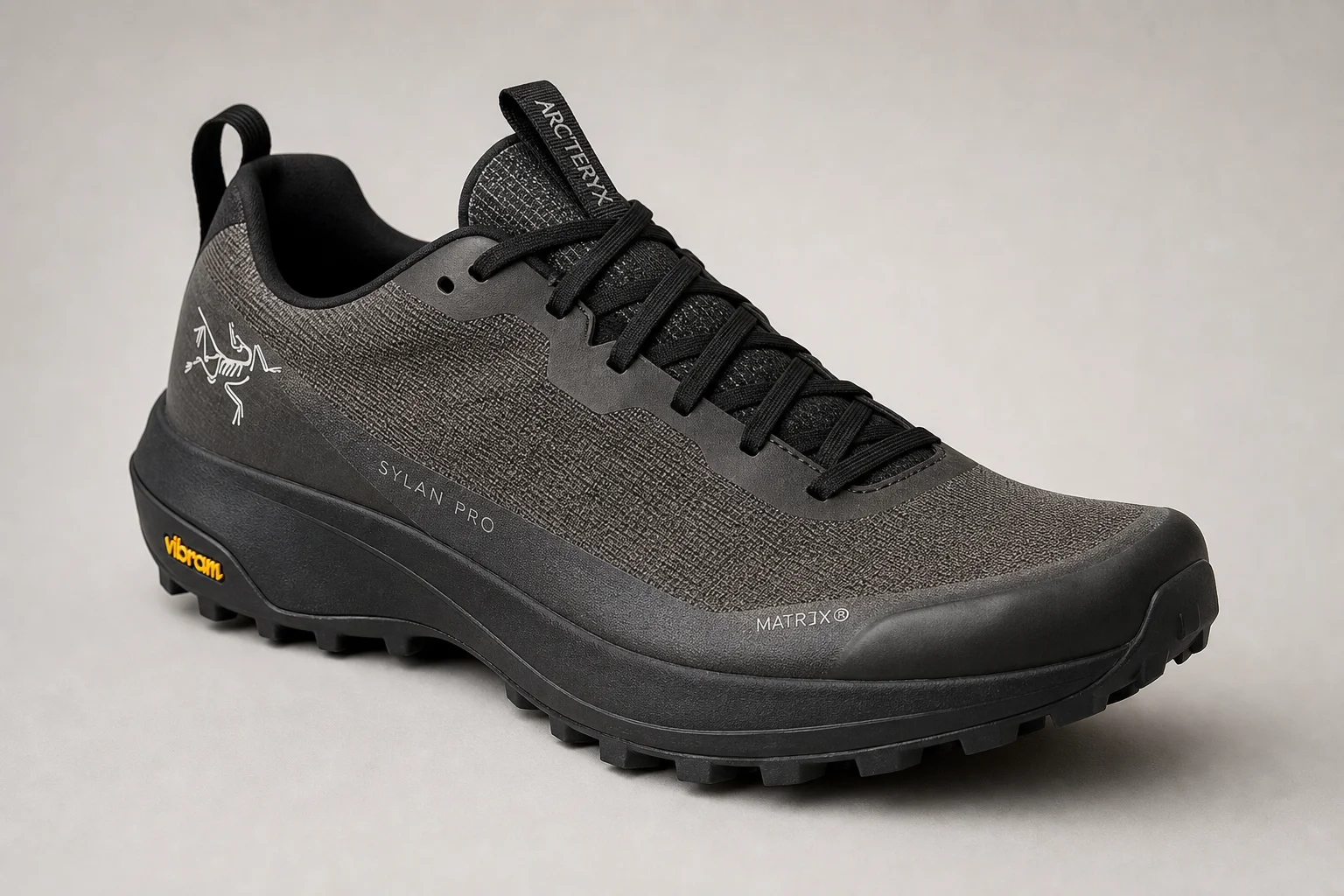
Arc'teryx Sylan Pro Review: A Rocker-Focused Mountain Running Shoe Tested on 20 Miles
The Arc'teryx Sylan Pro brings a pronounced rocker geometry and secure fit to mountain terrain. We tested it on a 20-mile Sawtooth loop to evaluate its climbing efficiency, protection, and handling of technical descents.
Trail Running Shoes
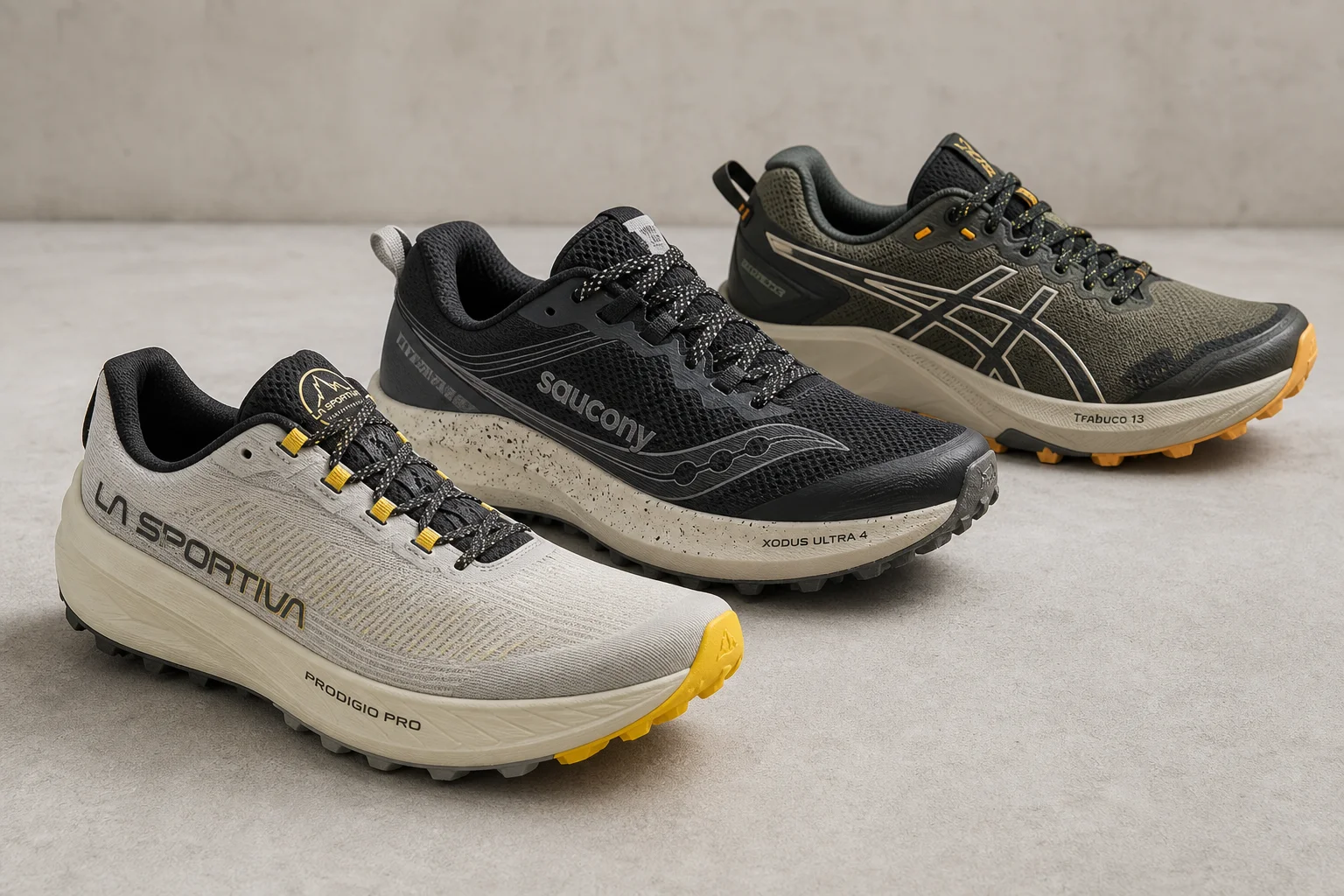
Best All-Mountain Trail Running Shoes: Three Versatile Options for Any Trail
A focused roundup of three all-mountain trail running shoes that handle technical terrain, long distances, and variable conditions with real strengths and practical trade-offs.