Trail Running Shoes
Adidas Terrex Agravic Speed Ultra Review: A Long-Awaited Trail Racer, Plus Four Alternatives Worth a Look
Adidas finally brings its Lightstrike Pro racing foam to the trails. We break down how the Agravic Speed Ultra performs and which rival trail shoes deserve a spot on your shortlist.
Introduction
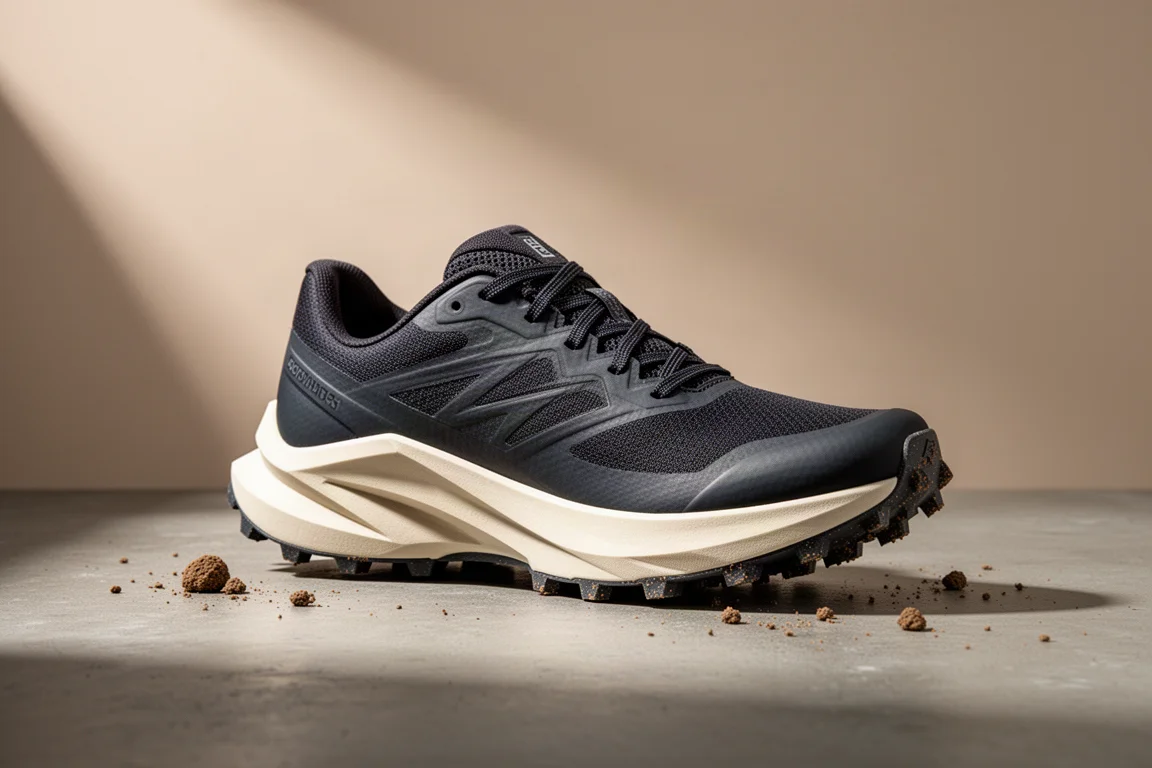
The Adidas Terrex Agravic Speed Ultra has had a long road to store shelves. Versions of this shoe have been on the feet of Western States winners and have landed on the podium in Chamonix, and it has finally arrived for everyday runners. The headline promise is simple: Adidas’s premier Lightstrike Pro racing foam, tuned for the dirt, in a jumbo stack that trail rules allow.
After time in the shoe, the picture is more nuanced. This is a competent, stable, all-day trail racer that never quite feels “super” in the way its road racing cousins do. Whether it earns its $220 price depends heavily on fit and on what kind of trail racing you actually do. Here is how it stacks up, along with four strong alternatives.
Adidas Terrex Agravic Speed Ultra: Specs and Design
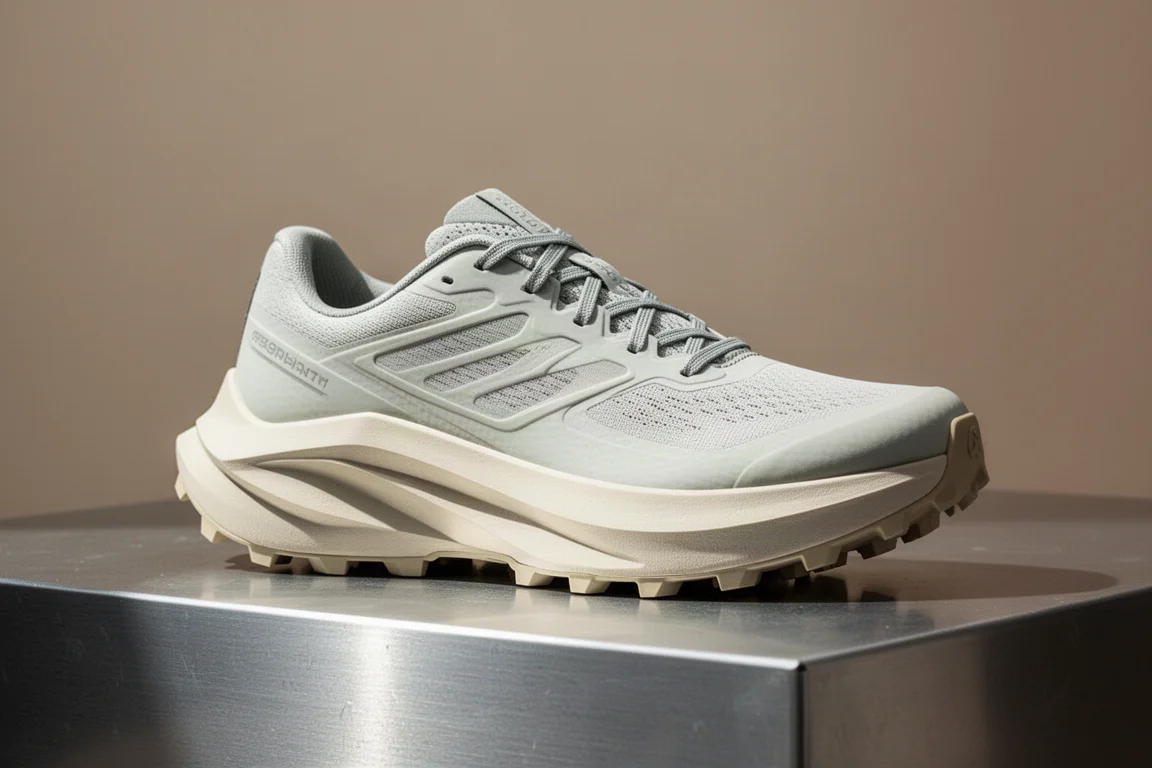
The headline spec is Lightstrike Pro, Adidas’s premier racing foam, built into a super tall stack: 42 mm in the heel and 34 mm in the forefoot. World Athletics rules do not apply on the trail, so a jumbo shoe above 40 mm is fair game here.
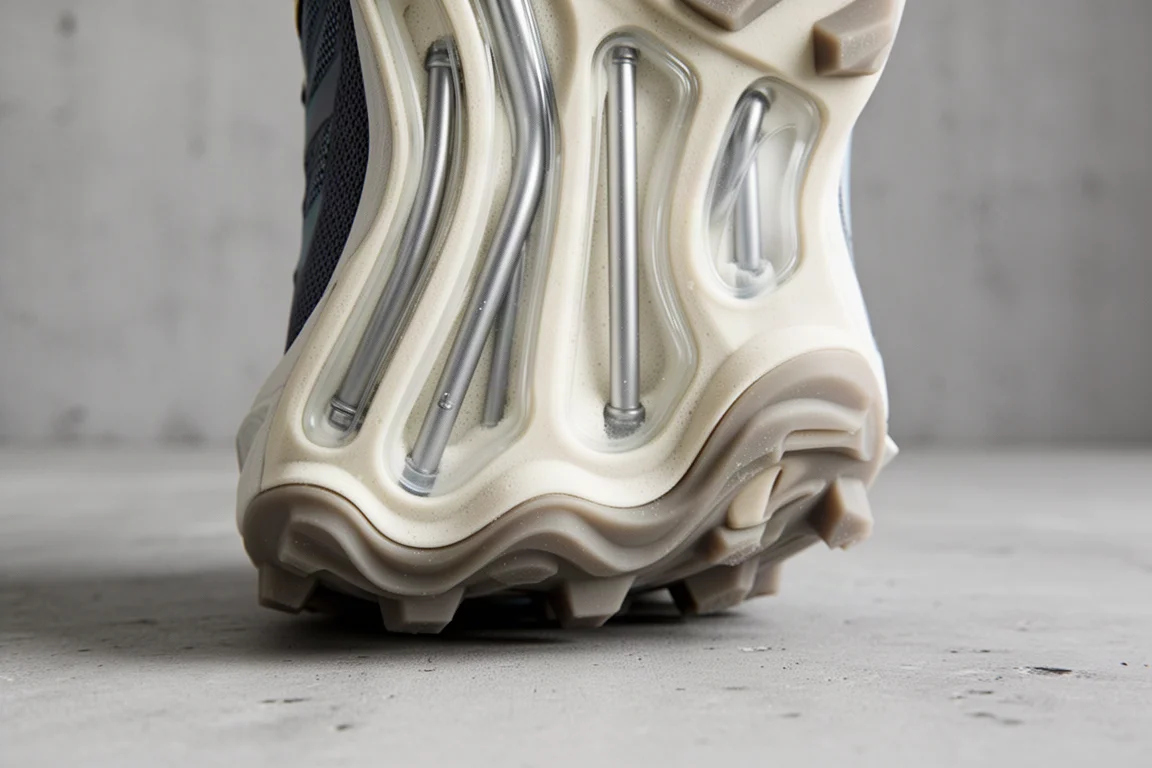
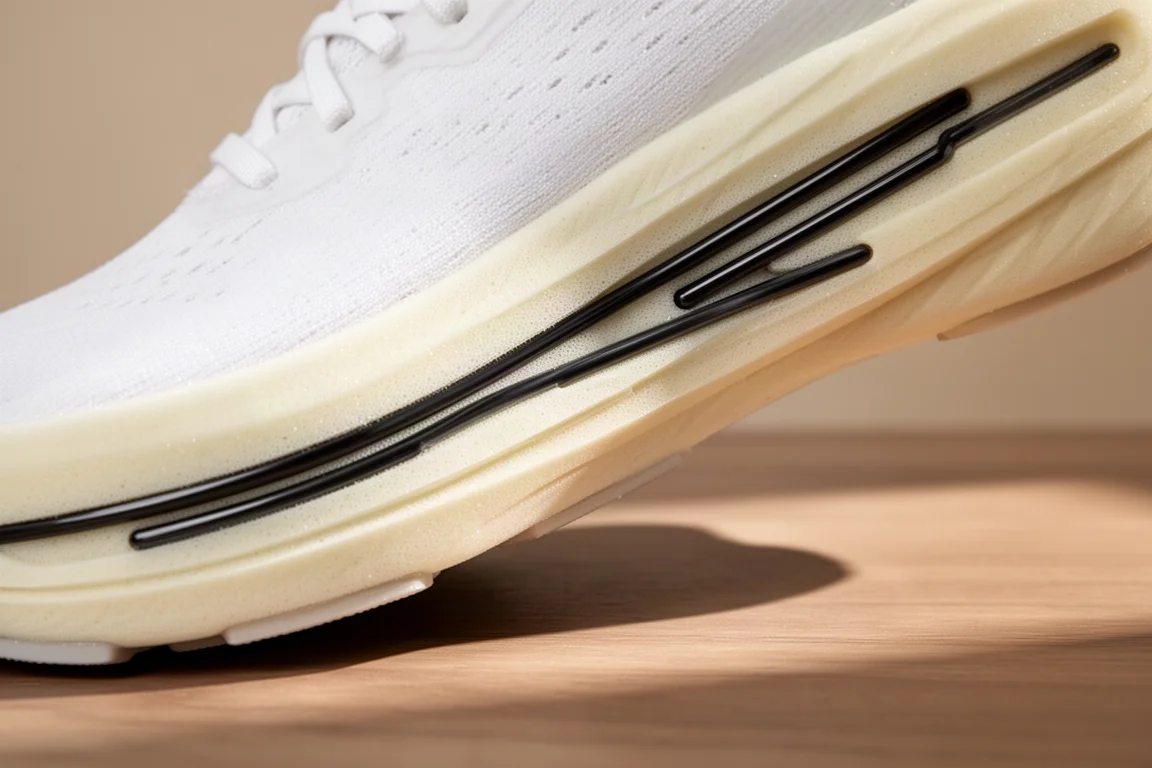
Instead of a carbon plate, Adidas uses its energy rods, visible through side windows on both the lateral and medial sides, giving the shoe a curved, smile-like profile. The outsole is Continental rubber in a melted crayon configuration with two lug depths: 2.5 mm for shorter lugs and 3.5 mm where you want more bite. The upper uses synthetic materials with seamless overlays and a gusseted tongue that is super thin with zero padding, which keeps the feel fast and minimalist all the way back to a floppy, road-racing-style heel cup. Total weight is a race-ready 9.5 oz (269 g).
How It Runs on the Trail
If you were hoping for an Adios Pro with trail lugs, that is not quite what this is, and honestly, that may be for the best. Road marathon efficiency and bounce do not always translate to terrain where you run different kinds of fast over different kinds of ground.
The Lightstrike Pro here feels denser and more stable than what you get in a shoe like the Adios Pro 3, closer in character to the Prime X 2. That added density makes real sense on trails, and the whole experience feels tuned for all-day and all-night racing. On shorter, punchier technical terrain, the shoe performed well.
The disappointment comes when the trail opens up. On buffed-out sections where you can finally open your stride, the foam’s density makes it less exciting when you want to turn your legs over quickly. The shoe felt fast and competent, but never super, and it seems Terrex went a touch too conservative on stability. There is also one fit caveat worth taking seriously: the arch area can rub underfoot, and after around two hours it can start to feel blister-prone for some runners. For a multi-hour effort, that is a dealbreaker if it affects you, and a non-issue if it does not.
Salomon Thunder Cross
The Salomon Thunder Cross was the pick for a long, climb-heavy 50K, and it earned that role. It strikes a nice balance between chill and technical, with traction good enough for messy conditions and enough comfort for a seven-hour day on your feet.
Where it falls short is pace. On flats and a lot of downhills, it does not turn over especially well, which is exactly where the Agravic Speed Ultra would have felt stronger. At $140, it is also considerably cheaper, making it an easy recommendation for long, grinding races where comfort and grip matter more than snap.
Craft Pure Trail
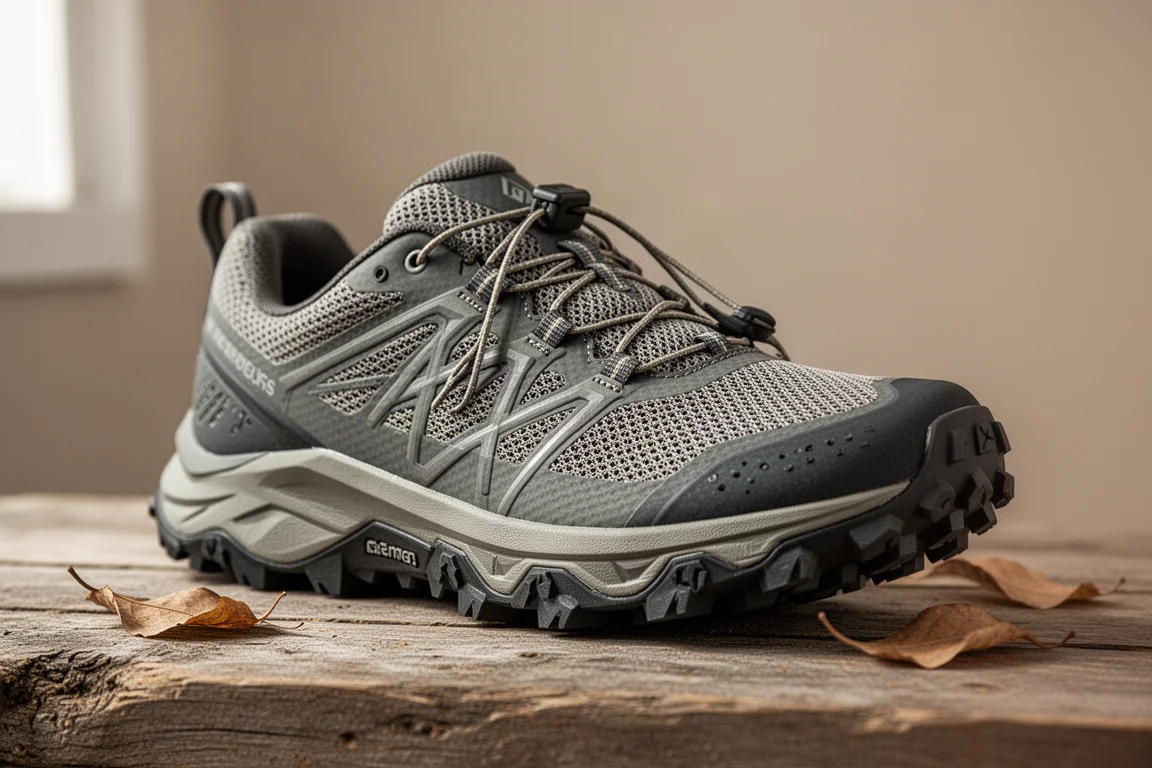
The Craft Pure Trail uses a critically tuned EVA foam with no carbon plate, yet the balance of softness and responsiveness is genuinely good for trail racing. You can go reasonably fast in it, and it stays comfortable enough for all-day running and racing.
At $170, it undercuts the Agravic Speed Ultra by $50. For a shorter, faster trail race where you want something lively but not fragile, it is a very fun choice and an easy alternative to shortlist.
Hoka Tecton X
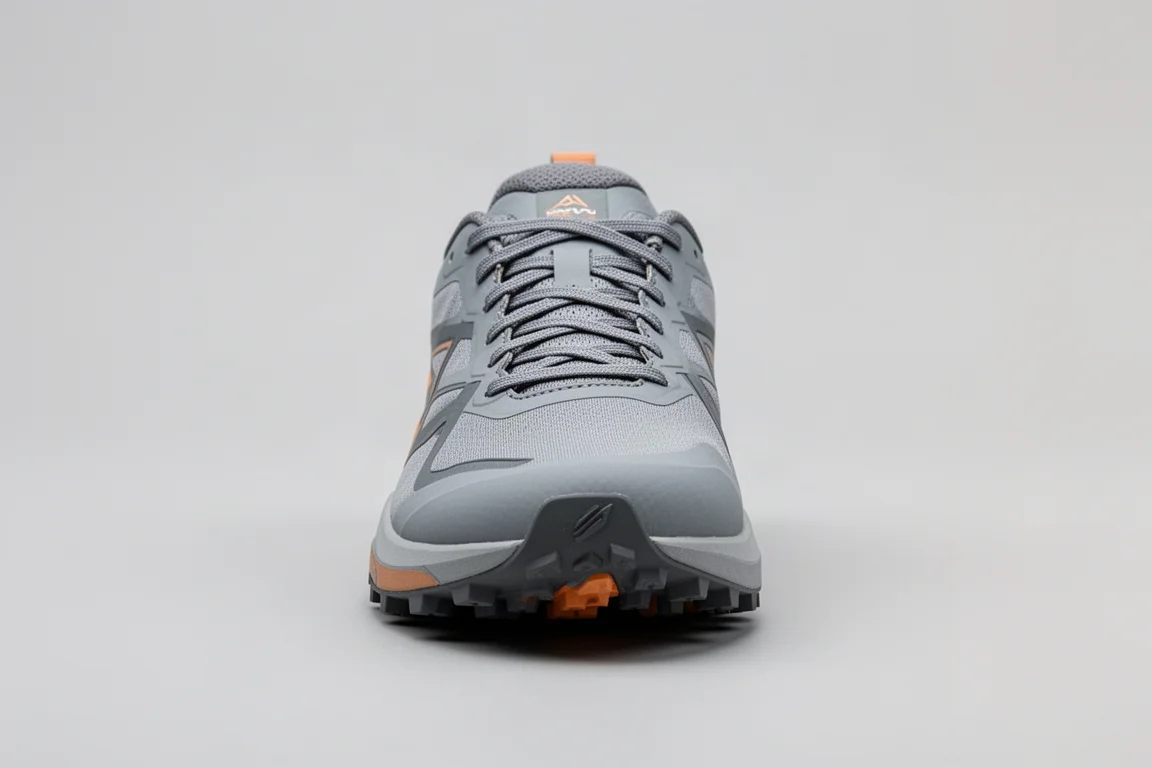
Hoka’s Tecton X pairs an updated Pro Flyte X midsole with a dual carbon blade system: two parallel carbon pieces running the length of the shoe. That layout keeps the foam stable and springy while leaving the platform flexible enough to handle varied terrain.
Like most serious trail racers, it is fast without feeling truly super, which is simply the reality of trail racing, where events can run five, eight, twenty-four hours or more. At $225, it prices slightly above the Agravic Speed Ultra, and newer versions are on the horizon if you prefer buying the latest generation.
Hoka Speedgoat 5
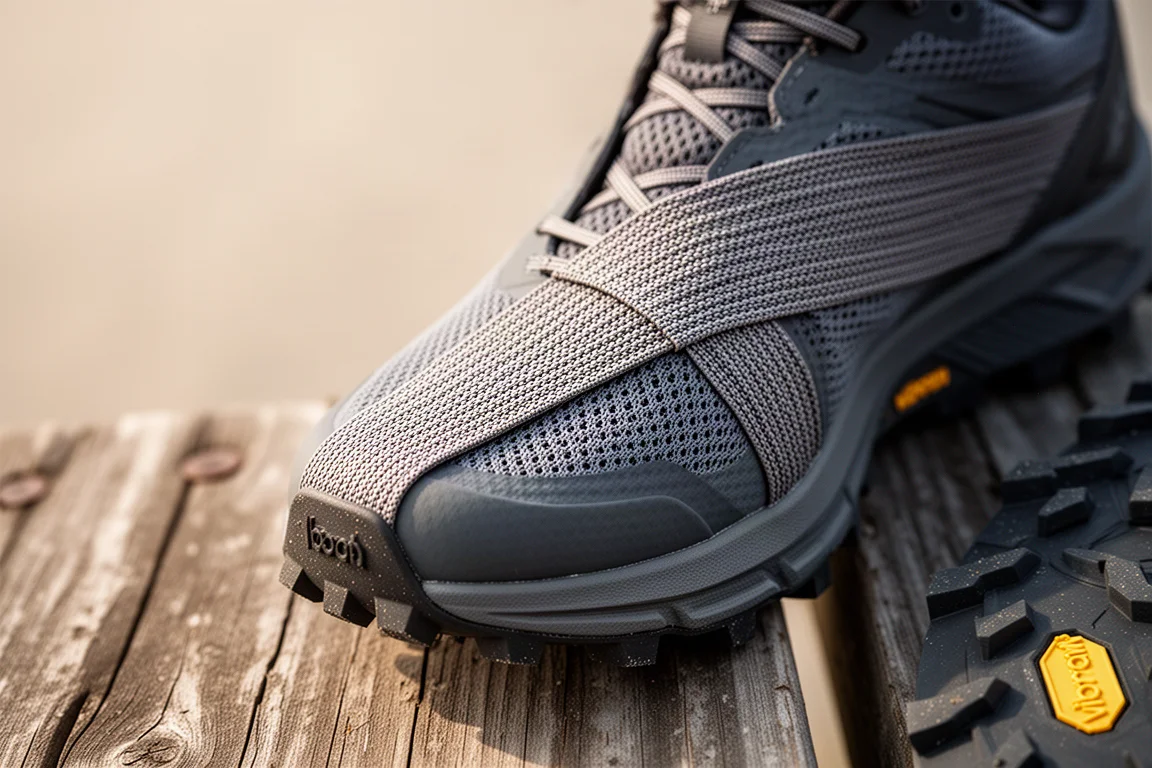
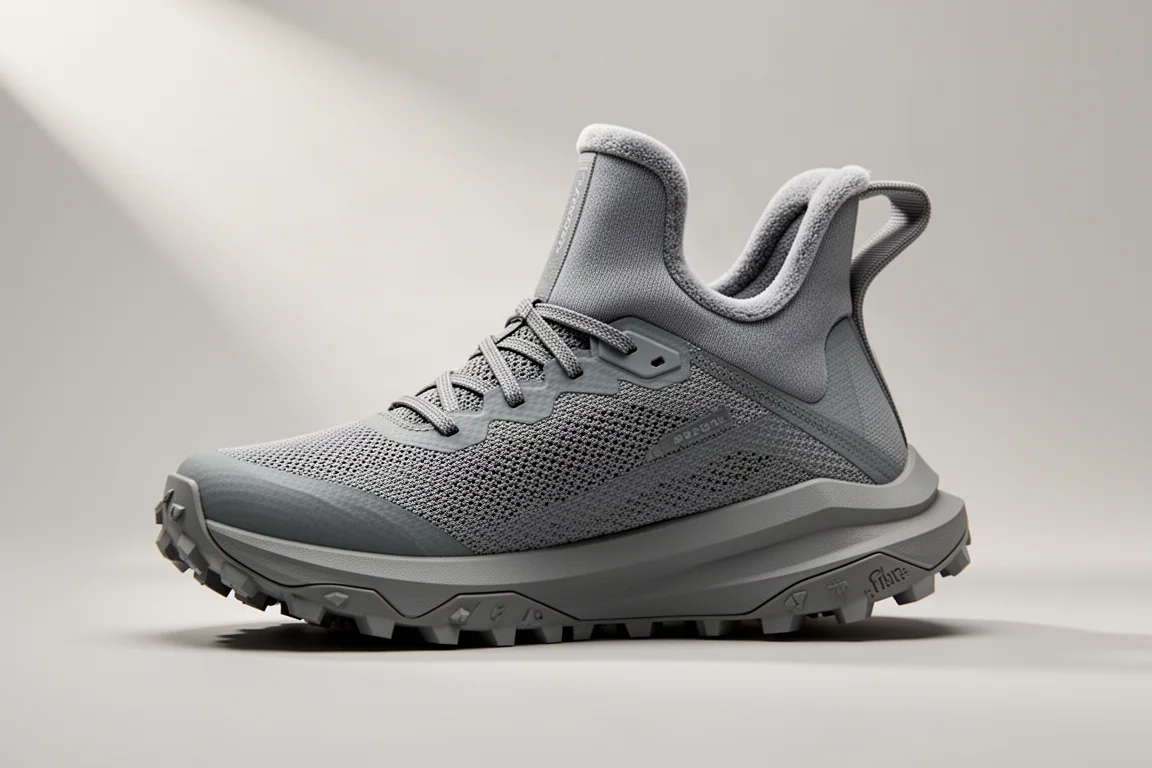
The Speedgoat 5 remains a compelling option while the Speedgoat 6 makes its way to market. A stretchy dynamic band across the forefoot makes the whole shoe noticeably more comfortable, and it still feels nimble and quick for its category.
Underfoot, Vibram traction lugs deliver plenty of grip across a wide variety of terrain. It uses compression-molded EVA with no carbon elements, but for races of five hours or longer it feels genuinely race-ready, and plenty of ultra runners already use it for exactly those distances. It retails at $155 and can currently be found as low as $124, nearly $100 less than the Agravic Speed Ultra, and it is fair to question whether the Adidas is $100 better.
Buying Advice
The Agravic Speed Ultra at $220 is not a terrible price for a race day shoe if you come from the road marathoning world, and for runners who do not experience the arch irritation, it should be a genuinely fun racing partner. Try it on carefully and test it beyond the two-hour mark before committing it to a long event.
If your race is long, climb-heavy, and potentially messy, the Thunder Cross is the more forgiving tool. If you want balanced speed without a plate, the Pure Trail is excellent value. If you want carbon-assisted propulsion, the Tecton X is the closest rival. And if you want proven ultra comfort and grip at the lowest price here, the Speedgoat 5 is hard to beat.
Conclusion
Two years of waiting raised expectations for the Terrex Agravic Speed Ultra, and it does not entirely clear the bar. It is stable, dense, and built for all-day racing, but it never feels truly super when the trail opens up, and the arch fit issue is a real risk for long efforts. For the right runner, it will still be a lot of fun. For everyone else, the alternatives above cover the same ground, often for less money.
Further reading
Related Reviews
Trail Running Shoes
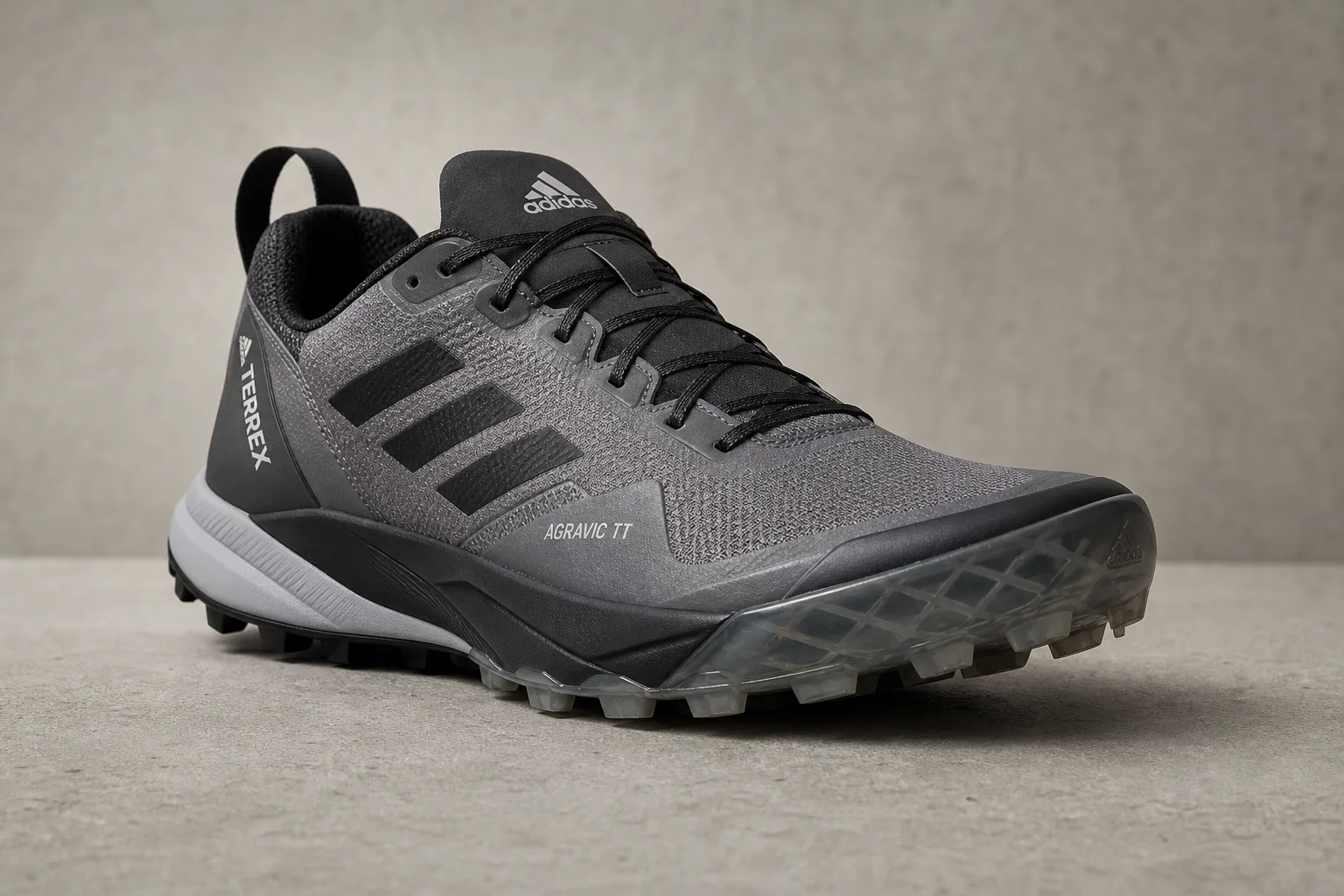
Adidas Terrex Agravic TT Review: A Technical Trail Shoe Built for Rocky Terrain
The Adidas Terrex Agravic TT combines a full-coverage rock plate with a firmer midsole to deliver protection and stability on technical, rocky trails. A capable choice for runners who prioritize underfoot defense over lightweight cushioning.
Trail Running Shoes
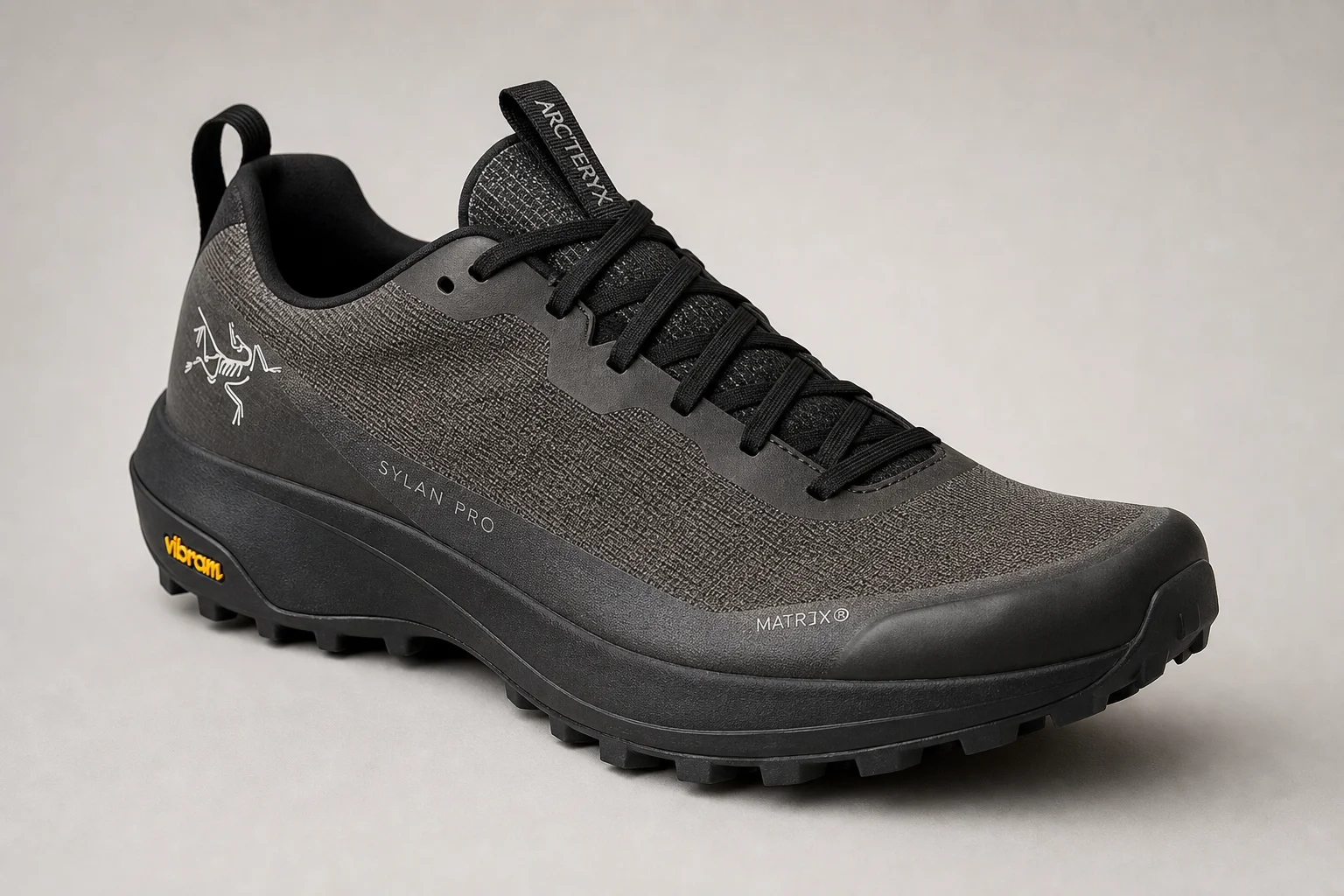
Arc'teryx Sylan Pro Review: A Rocker-Focused Mountain Running Shoe Tested on 20 Miles
The Arc'teryx Sylan Pro brings a pronounced rocker geometry and secure fit to mountain terrain. We tested it on a 20-mile Sawtooth loop to evaluate its climbing efficiency, protection, and handling of technical descents.
Trail Running Shoes
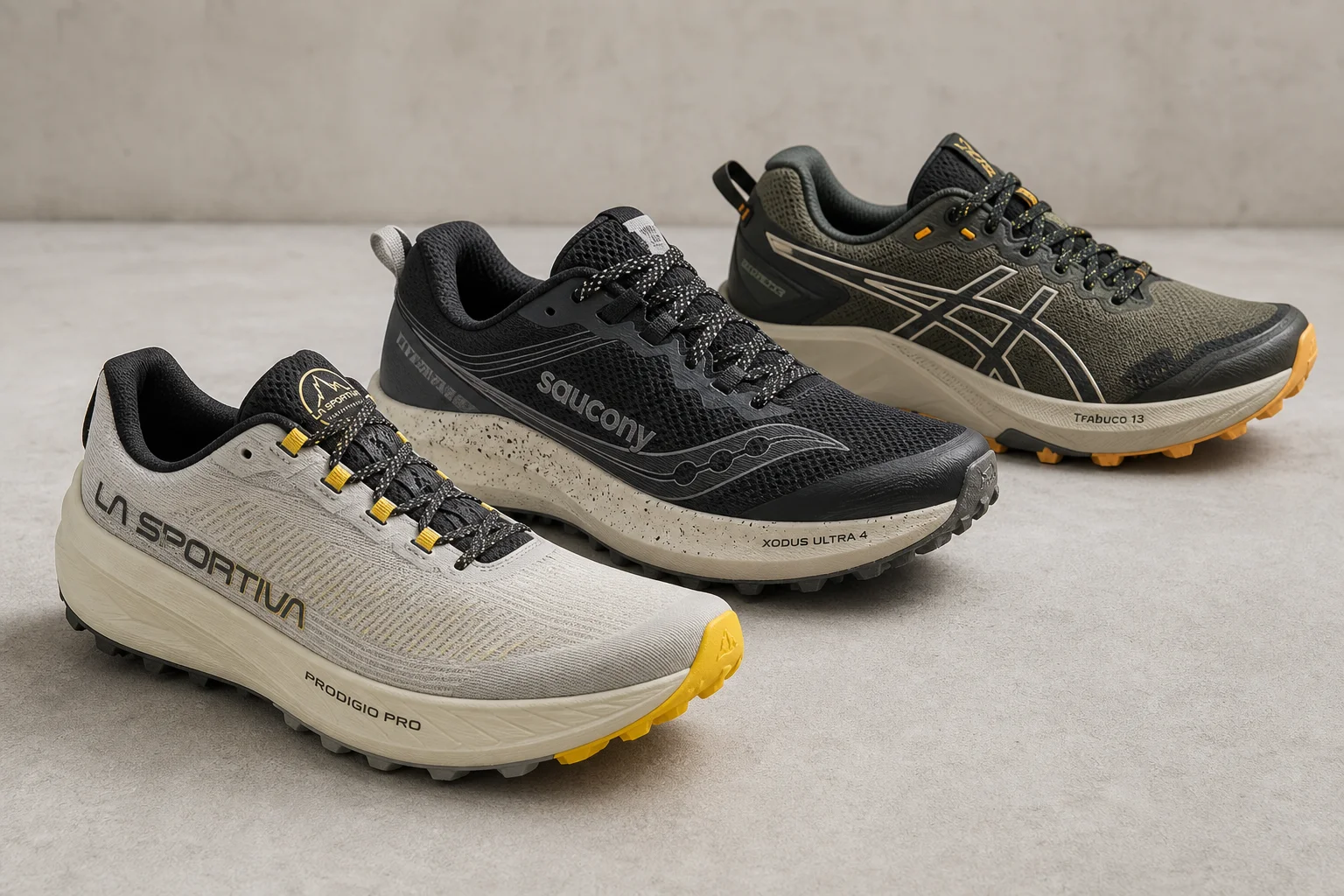
Best All-Mountain Trail Running Shoes: Three Versatile Options for Any Trail
A focused roundup of three all-mountain trail running shoes that handle technical terrain, long distances, and variable conditions with real strengths and practical trade-offs.