Trail Running Shoes
Adidas Terrex Agravic Speed Ultra 2 Review: A Unique Trail Racer, Refined
The Adidas Terrex Agravic Speed Ultra 2 keeps its one-of-a-kind ride but fixes the first version's fit and traction complaints with a new mono mesh upper, softer Lightstrike Pro foam, and a more aggressive outsole.
Introduction
The Adidas Terrex Agravic Speed Ultra 2 is a genuinely unusual trail running shoe, and that is both its biggest selling point and the thing that makes it hard to review. The first version built its identity on unique geometry, high-end foams, and energy rods, all combining into a ride that felt unlike anything else in the trail racing category. This second version keeps that same recipe, but layers in small, deliberate tweaks based on runner feedback, and those tweaks turn out to make a large difference in comfort.
It looks almost identical to the original, but the changes are real: a restructured upper, softer foam, and a more capable outsole. The result is a shoe that is more versatile and more performance-oriented than its predecessor, even if it is not without trade-offs.
Who This Shoe Is For
This is a race day shoe for low to moderate technical terrain. It is not built for hiking or for genuinely gnarly mountain trails, and it works best when you land midfoot to forefoot. If your foot fits it well, the ride is fast, fun, and highly energetic. If it does not, some irritation potential remains in the upper, which limits how far you will want to push it.
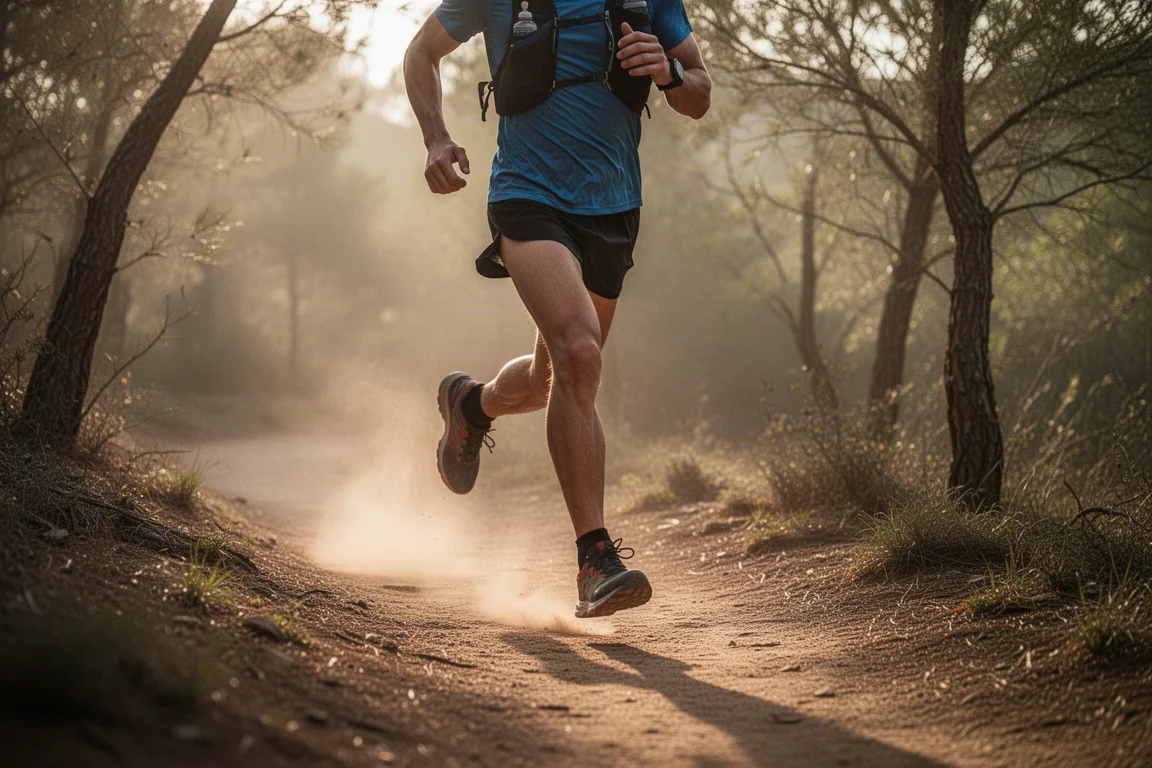
If you want a low to moderate technical terrain racer that can go the distance when you ask it to, this is a strong candidate. If you need one shoe to handle everything from rocky scrambles to soft bog, look elsewhere.
Upper and Fit
The mono mesh upper is a welcome change. The first version used an engineered mesh with too little structure, which caused real comfort problems, and sizing was a guessing game. This time the structure is back: interlace overlays run through the mono mesh and add support through the midfoot and heel, along with a firmer outer heel overlay that Adidas calls a slingshot mechanism.
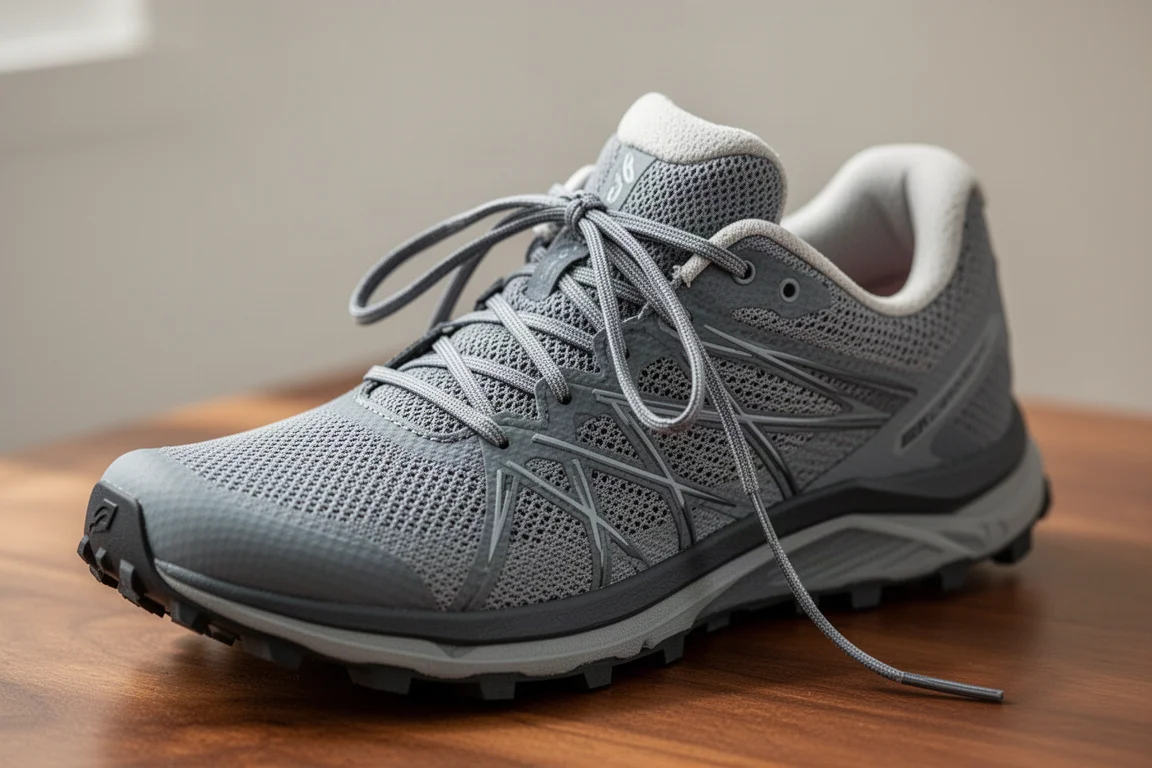
Sizing has also been corrected. In the original, testers went up and down multiple half sizes trying to find a fit. Here, a typical US men’s 10.5 simply works, with a little extra forefoot length and an accommodating, though not wide, forefoot width. The heel collar gains more padding and a softer liner that pokes above the collar, and heel irritation that was common in the first version was essentially eliminated.
Two fit caveats remain. There is minor irritation on the lateral side of the forefoot, and the thin, flimsy tongue folds in odd ways when you cinch the race laces, creating a strange spot over the big toe joint. The very long laces also benefit from a runner’s loop at the top to pull the heel back into the pocket. None of this approaches the problems of the first version, but it is worth noting.
Midsole and Ride
The Lightstrike Pro midsole is the same foam family used in Adidas’s road racing shoes, tuned here for the trail. Stack is 44mm in the heel and 36mm in the forefoot, an 8mm drop, which is rare in an era of aggressive rockers. Yes, there is still an aggressive heel-to-toe rocker, and there is also a side-to-side rocker sensation that some people will read as instability. It is intentional: think of a Bosu ball, where front-to-back motion propels you forward and side-to-side motion keeps bringing you back to center before toe-off.
This version’s foam is softer, borderline soft-to-medium, compared with the firmer original. Counterintuitively, that makes the shoe feel more stable, because a midfoot-to-forefoot strike lets the forked TPU energy rods splay and engage properly, delivering more energy return. The softer foam also cushions better over long distances, so the ride feels less harsh. Some runners have commented that it feels a bit bottom heavy now, partly due to the denser foam blend and the heavier, more durable outsole.
Outsole and Traction
The outsole was the original version’s chief complaint: unless you were on dry, perfect trails, it underperformed. This time Adidas keeps the Continental rubber and 4mm lugs but makes them sharper and deeper, with a more robust construction overall.
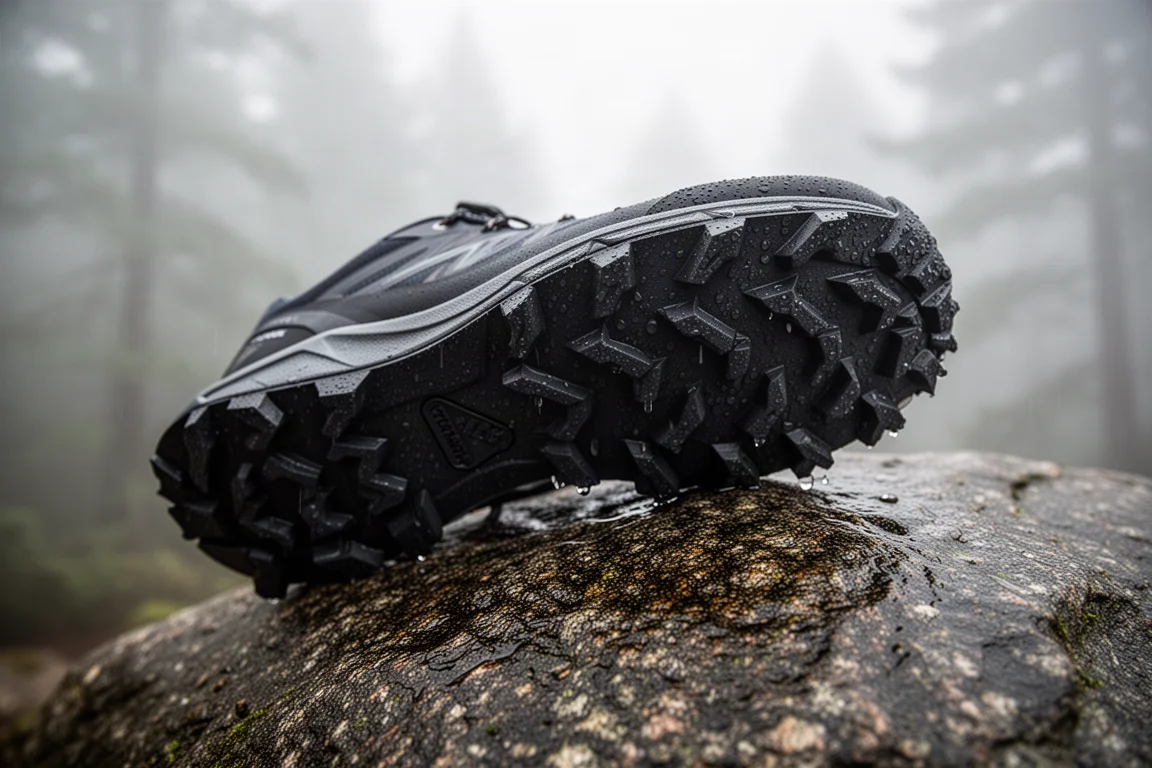
The result handles far more terrain. Wet grass in cross-country settings was fine, and even boggy areas were about the limit of what it could manage. The only genuine weakness is super soft, wet ground where nothing below the shoe offers purchase. For a race day shoe, that is a major versatility gain.
Weight is the trade-off: a US men’s 9 sample comes in at 9.34 oz (265 g), a US women’s 7.5 at 8.1 oz (230 g), and a US men’s 10.5 at around 10.4 oz, roughly half an ounce heavier than before. In practice, that weight is hard to perceive on the run, because the softer foam, better energy return, and more secure upper offset it.
Value
At $230, this sits alongside other premium race day options like the Hoka Rocket X Trail, On Cloud Ultra Pro, and the Brooks Cascadia Elite. The build quality is excellent: the upper is tenacious and built to last, the outsole should outlast the previous version’s, and the softer foam should not meaningfully shorten the shoe’s usable life compared with the original’s denser midsole. It is a fair price for what you get, on par with the rest of the category, but premium pricing in a specialized niche keeps it from being an outright bargain.
Design
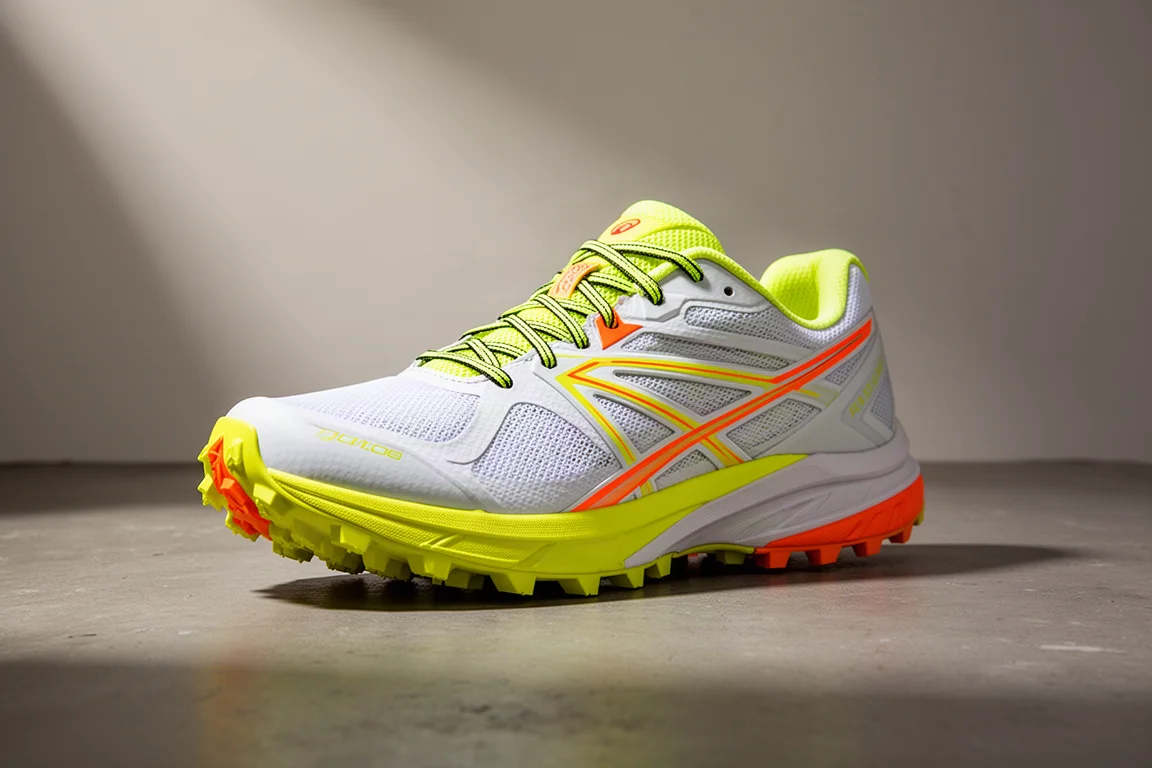
Aesthetically, the shoe looks very similar to its predecessor, just slightly more racy and enhanced. The white base with neon yellow and orange accents is not a colorway everyone will gravitate toward, but it works well here. More importantly, the form reflects function: it is a genuinely unique design, and it looks fast.
Performance Verdict
If the shoe fits your foot perfectly and you avoid hot spots, this could easily earn a top-tier rating. The ride is unique, fun, and highly energetic, and it inspires confidence on the right terrain.
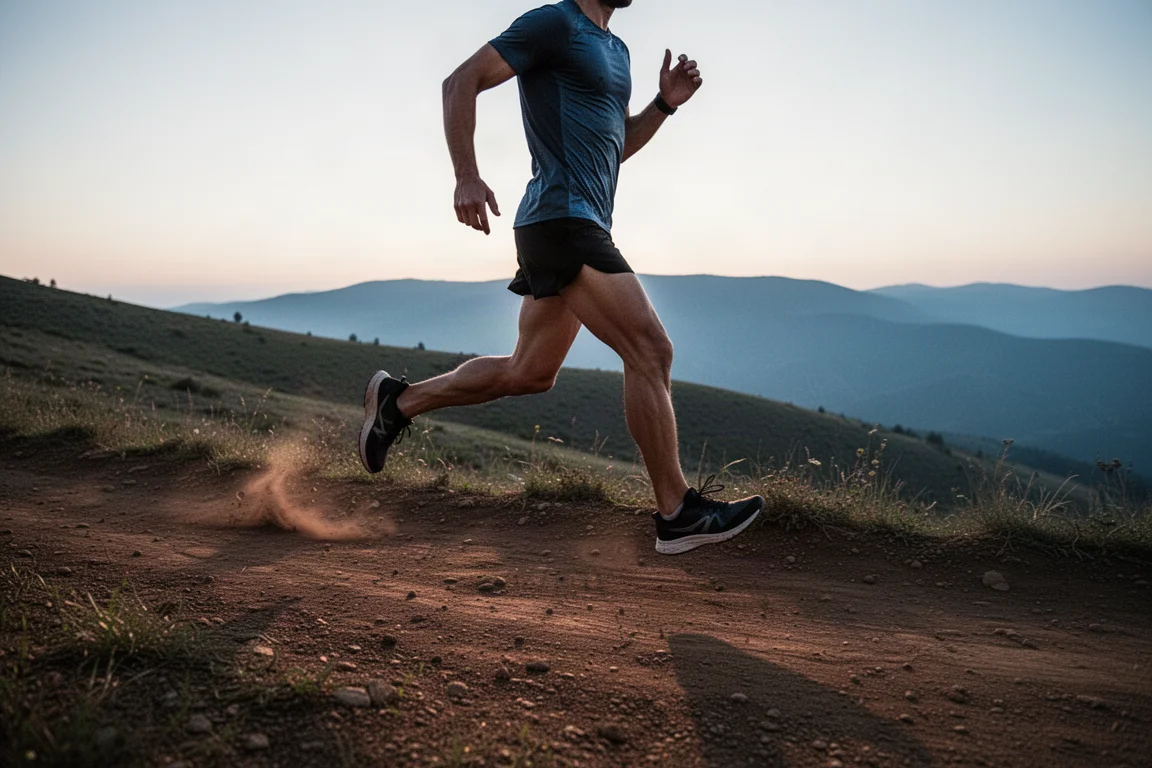
It is also now more versatile than before thanks to the secure fit, better outsole, and softer midsole working with the TPU rods. But limits remain: it is not for really technical ground, not for hiking, and if the fit is not exactly right, upper irritation caps how far you can take it. On balance, it earns a strong performance grade for being such a distinctive, enjoyable ride.
Buying Advice
Choose the Adidas Terrex Agravic Speed Ultra 2 if you race on low to moderate technical trails, run midfoot to forefoot, and want a shoe that feels fast and genuinely different. Skip it if you want a do-everything trail shoe, plan to hike in it, or have a foot shape that historically struggled with low-structured uppers. Sizing appears far more predictable this time, so your usual length should work, with a touch of extra forefoot room.
Conclusion
The Adidas Terrex Agravic Speed Ultra 2 keeps the unique, fun, energetic ride that made the original special while fixing most of what held it back. The mono mesh upper and added structure resolve the fit frustrations, the softer Lightstrike Pro midsole plays better with the energy rods, and the more aggressive Continental outsole dramatically expands the terrain it can handle. The extra weight is there, but it rarely shows up in the ride. For low to moderate technical terrain racing, this is a shoe worth serious consideration.
Product link
View more details for Adidas Terrex Agravic Speed Ultra 2
This product is mentioned in the review. Check the specifications, options, and compatibility before buying.
View more details for Adidas Terrex Agravic Speed Ultra 2Further reading
Related Reviews
Trail Running Shoes
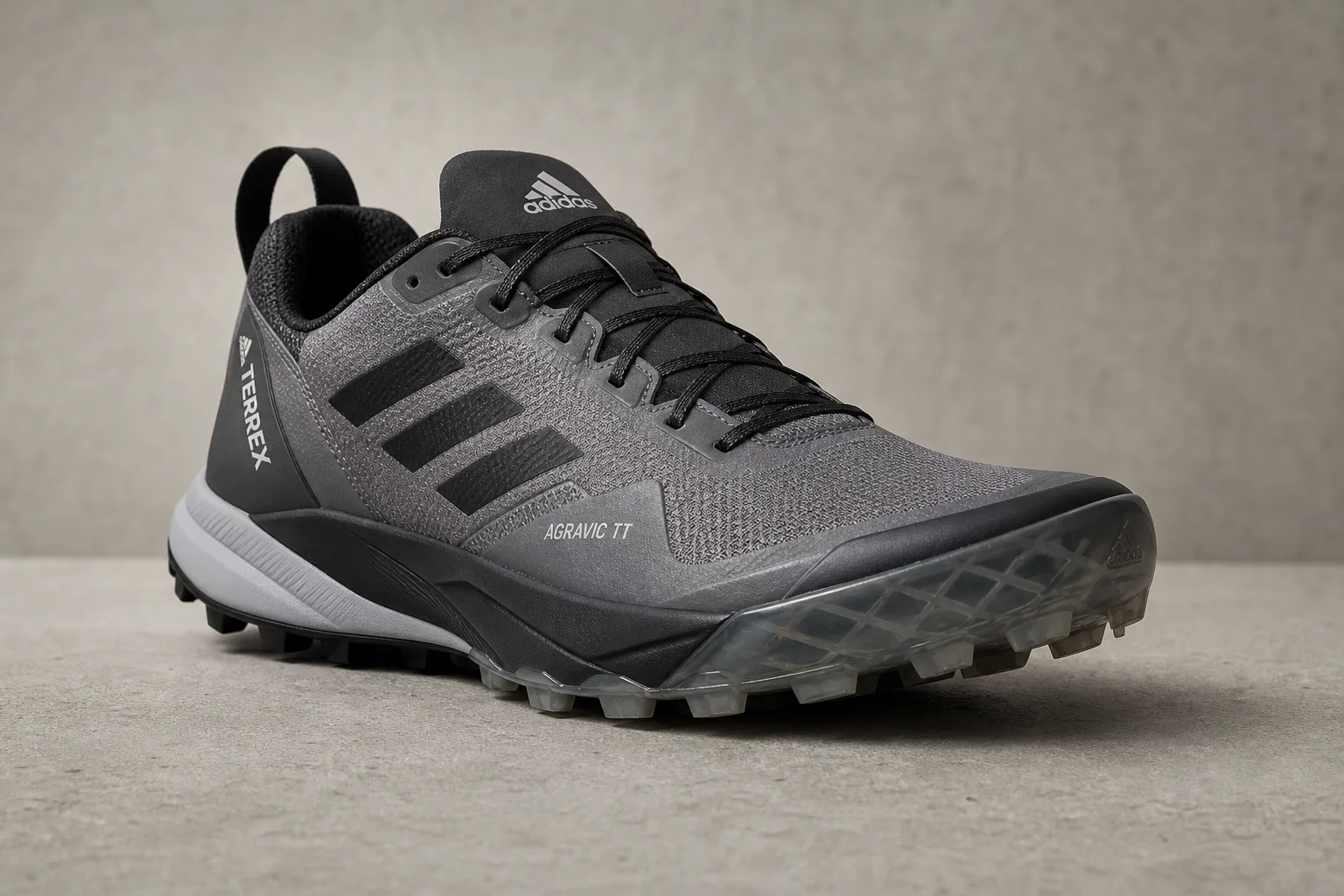
Adidas Terrex Agravic TT Review: A Technical Trail Shoe Built for Rocky Terrain
The Adidas Terrex Agravic TT combines a full-coverage rock plate with a firmer midsole to deliver protection and stability on technical, rocky trails. A capable choice for runners who prioritize underfoot defense over lightweight cushioning.
Trail Running Shoes
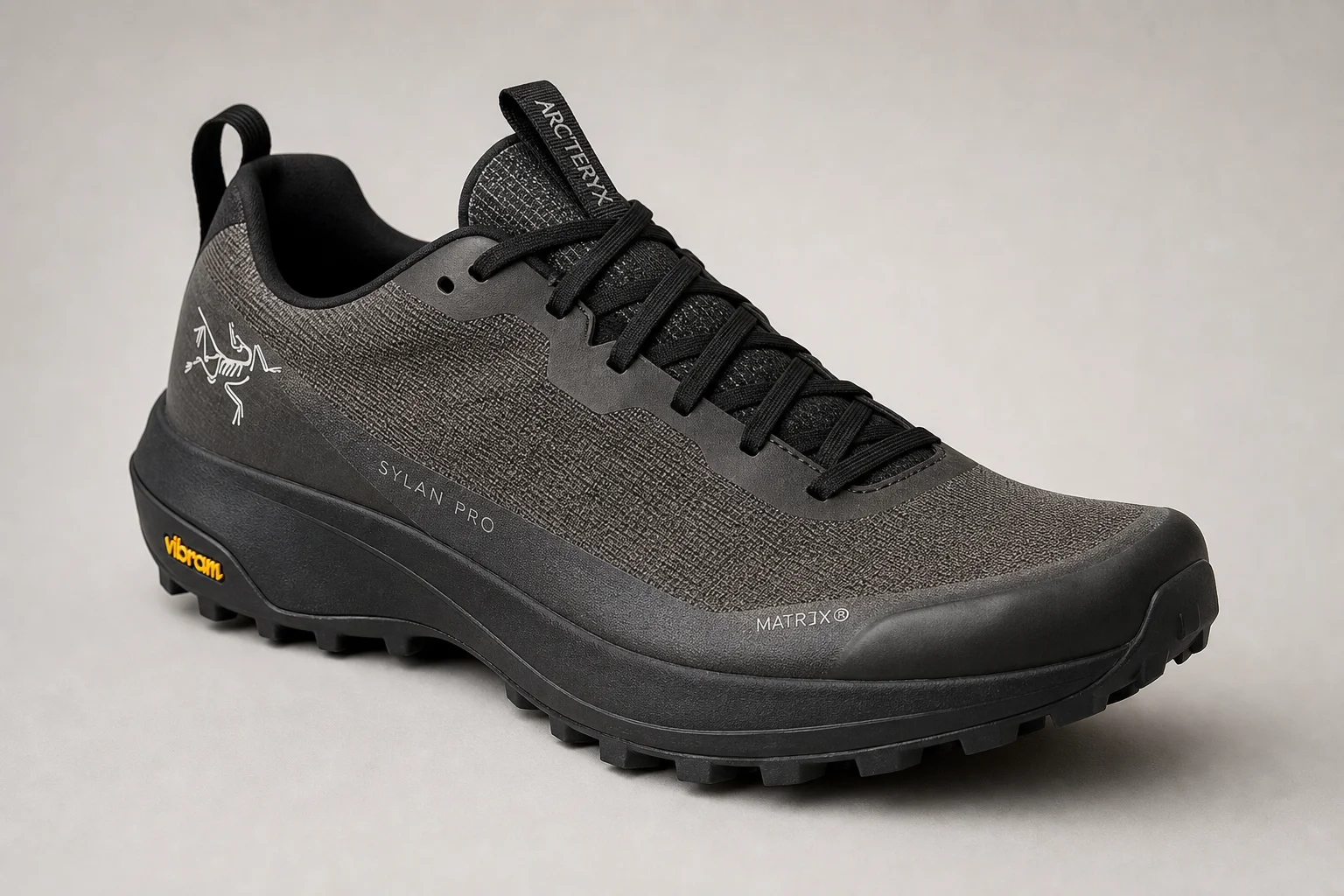
Arc'teryx Sylan Pro Review: A Rocker-Focused Mountain Running Shoe Tested on 20 Miles
The Arc'teryx Sylan Pro brings a pronounced rocker geometry and secure fit to mountain terrain. We tested it on a 20-mile Sawtooth loop to evaluate its climbing efficiency, protection, and handling of technical descents.
Trail Running Shoes
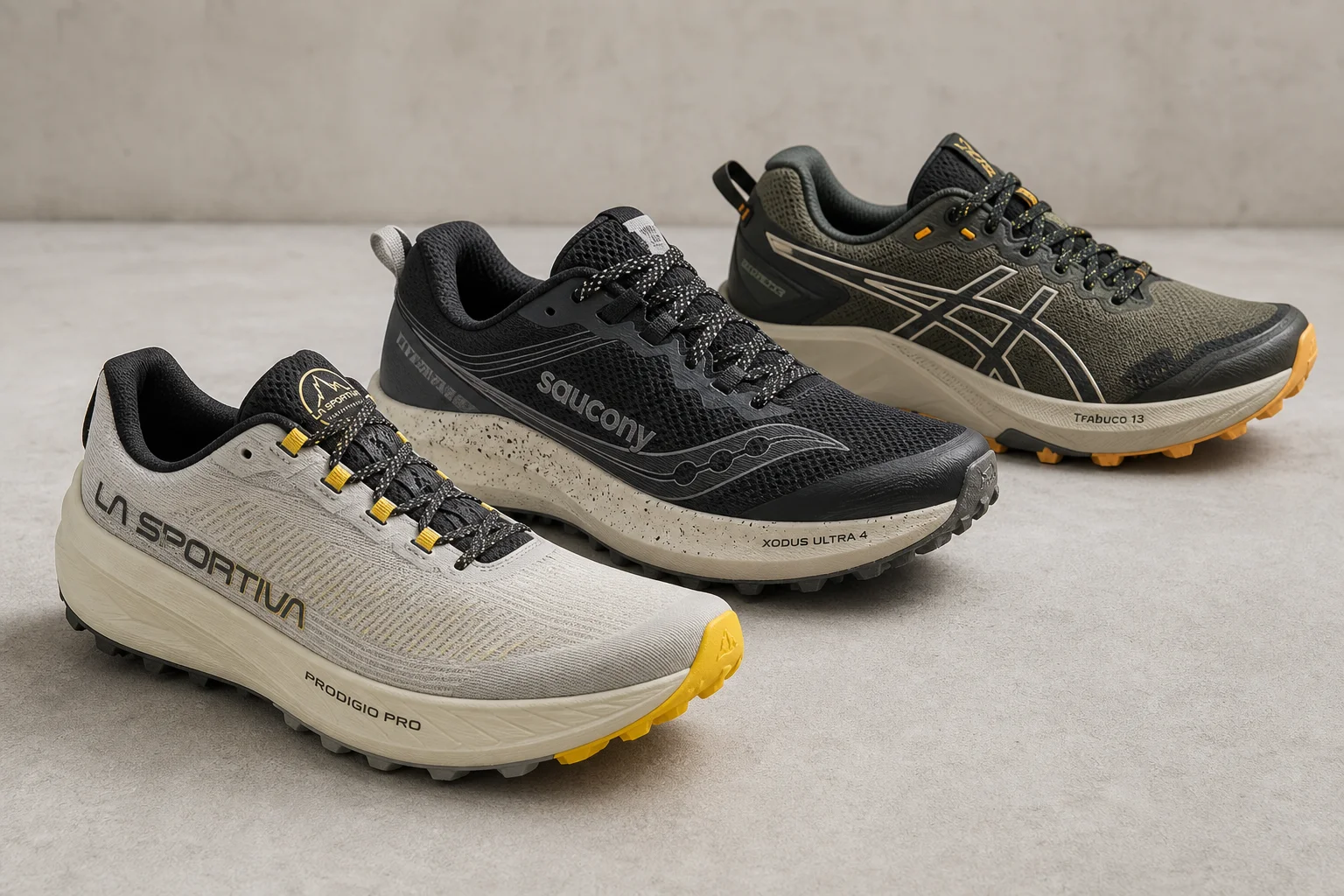
Best All-Mountain Trail Running Shoes: Three Versatile Options for Any Trail
A focused roundup of three all-mountain trail running shoes that handle technical terrain, long distances, and variable conditions with real strengths and practical trade-offs.