Trail Running Shoes
Adidas Terrex Agravic Speed First Run: A Fast Trail Shoe That Deserves a Second Look
Lightweight, snappy and surprisingly comfortable, the Adidas Terrex Agravic Speed impressed on a 9-mile first run despite a stripped-back upper.
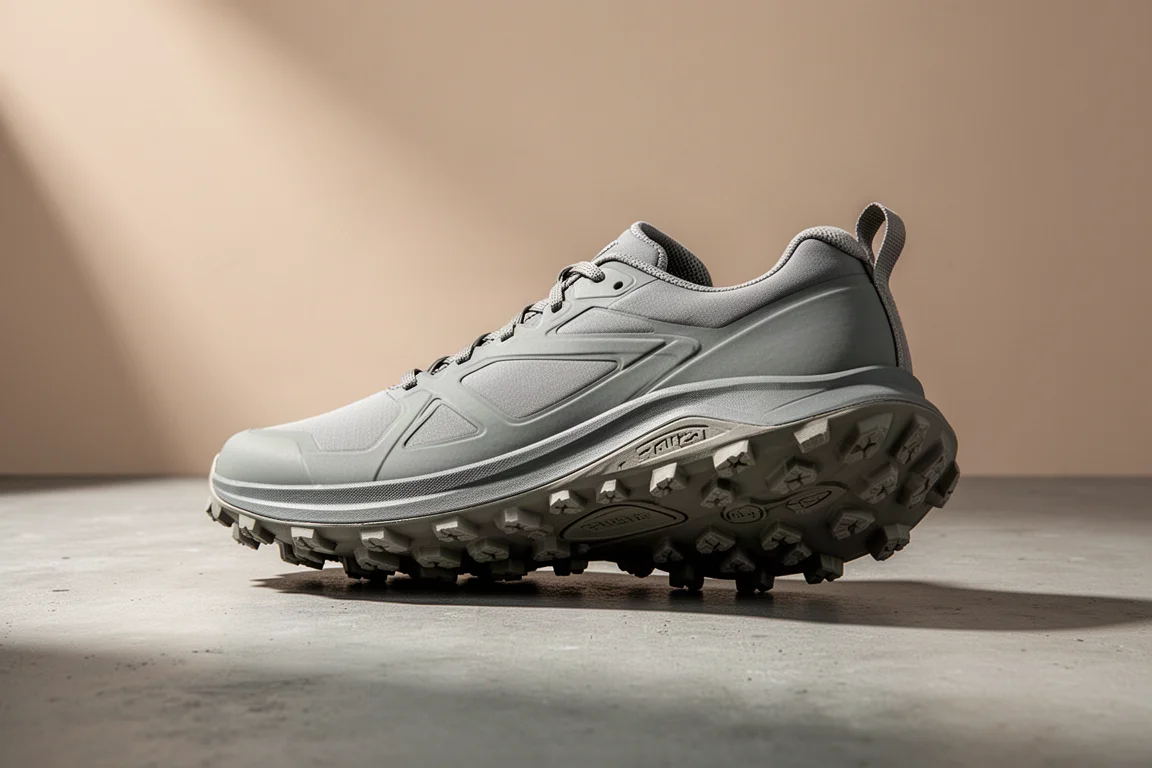
Introduction
Adidas trail running shoes and I have not always gotten along. The previous Terrex Agravic Ultra left a lot to be desired, with an outsole that struggled badly in muddy conditions and a very stiff ankle collar that caused constant irritation around the ankle bone. So picking up the new Terrex Agravic Speed was very much an act of giving the brand a second chance.
I am glad I did. After a first run of well over nine miles straight out of the box, this is an Adidas trail shoe that actually performed well, and I genuinely enjoyed running in it. Here is the full breakdown of the specs, the construction, and how it felt on the trails.
The Stats and Sizing
The Terrex Agravic Speed costs £150 and weighs 262g in a UK 10, so it sits firmly in the lightweight trail shoe category. Adidas lists it as true to size, which tripped me up: I normally go up half a size in Adidas shoes, ordered a UK 9.5 on their advice, and had to send them back because they were far too small. The UK 10 fits really well on length, so if you share my experience with Adidas sizing, consider sticking with your usual method rather than the website’s claim.
Stack height is 33mm at the heel and 26mm under the forefoot, giving a 7mm heel offset. That is a reasonably balanced platform for a shoe pitched at fast-paced adventures and race day performance.
Upper: Stripped Back but Comfortable
The upper is very stripped back and lightweight, with a fabric that feels quite rough to the touch. The ankle collar, heel and gusseted tongue have almost zero padding, apart from a small zonal padded strip down the centre of the tongue. Seamless overlays run from the heel along the midfoot, around the lace eyelets and the toe box to give the lightweight upper some substance and durability.
Given my history with the stiff collar of the Agravic Ultra, I had real reservations here. In practice, the heel and ankle area felt comfortable with no rubbing or irritation, and the tongue sat nicely over the top of the foot. The mesh also turned out to be far less noticeable while running than it seemed in hand, and breathability was good. My main criticism is that the back end of the shoe could use more structure and padding: it is very soft and flexible, perhaps slightly under-structured.
One small highlight is the lacing system. The laces have small notches on them, similar to the excellent laces on Nike’s carbon-plated Vaporfly racers, and they delivered exactly as hoped: a secure midfoot lockdown that stayed locked throughout the run. They are, however, far too long, and I ended up triple-knotting them to stop the ends flapping around.
Midsole: Where the Magic Happens
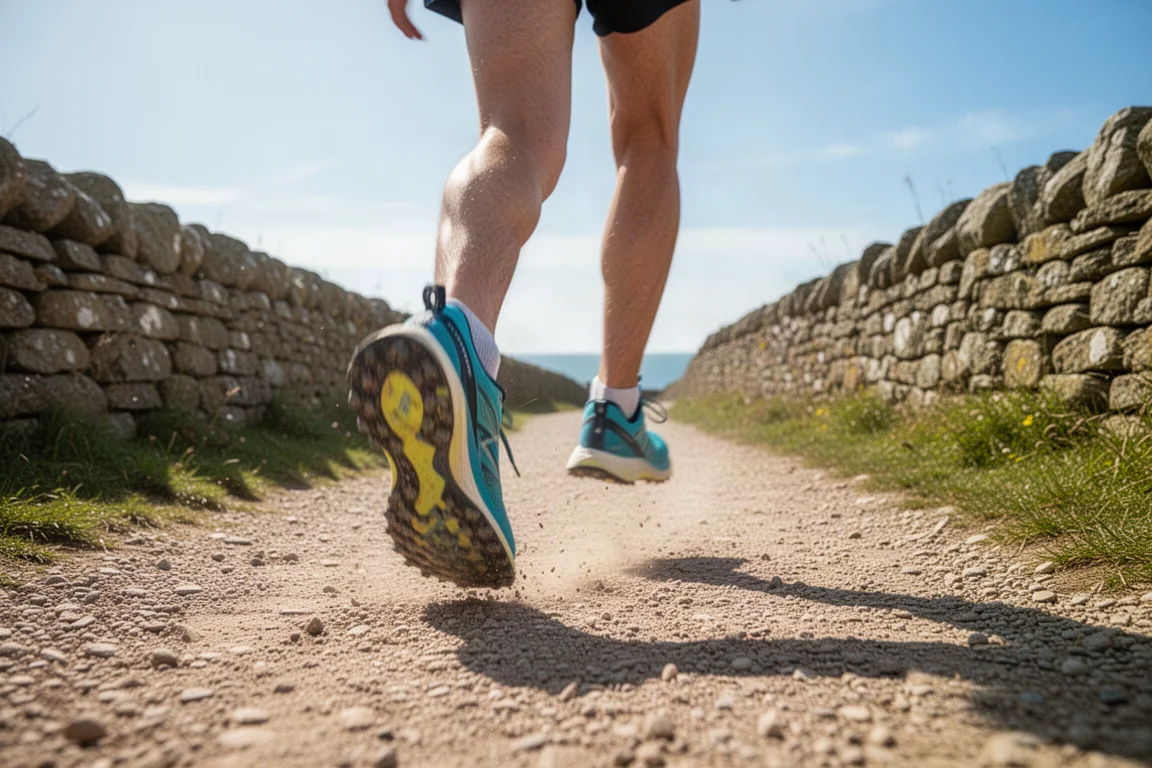
The midsole is the standout of this shoe. Adidas does not officially advertise it as a dual-compound setup, but it certainly feels like one. The top layer is a firmer Light Strike foam that cradles the foot, while the bottom layer is the softer, bouncier Light Strike Pro. The result is a genuinely good balance between comfort, performance and stability.
There is an aggressive rocker geometry worked into the design to promote a smoother roll-off and more efficient running, and it works. The shoe feels quick and snappy, and it makes you want to turn your legs over faster. It is not over-cushioned either, so you still feel well connected and stable underfoot on trails. It shares a platform with Adidas’s carbon-plated Terrex Agravic Speed Ultra, the shoe Tom Evans wore to a podium finish at UTMB, but you would never guess it feels this grounded.
Outsole and Grip
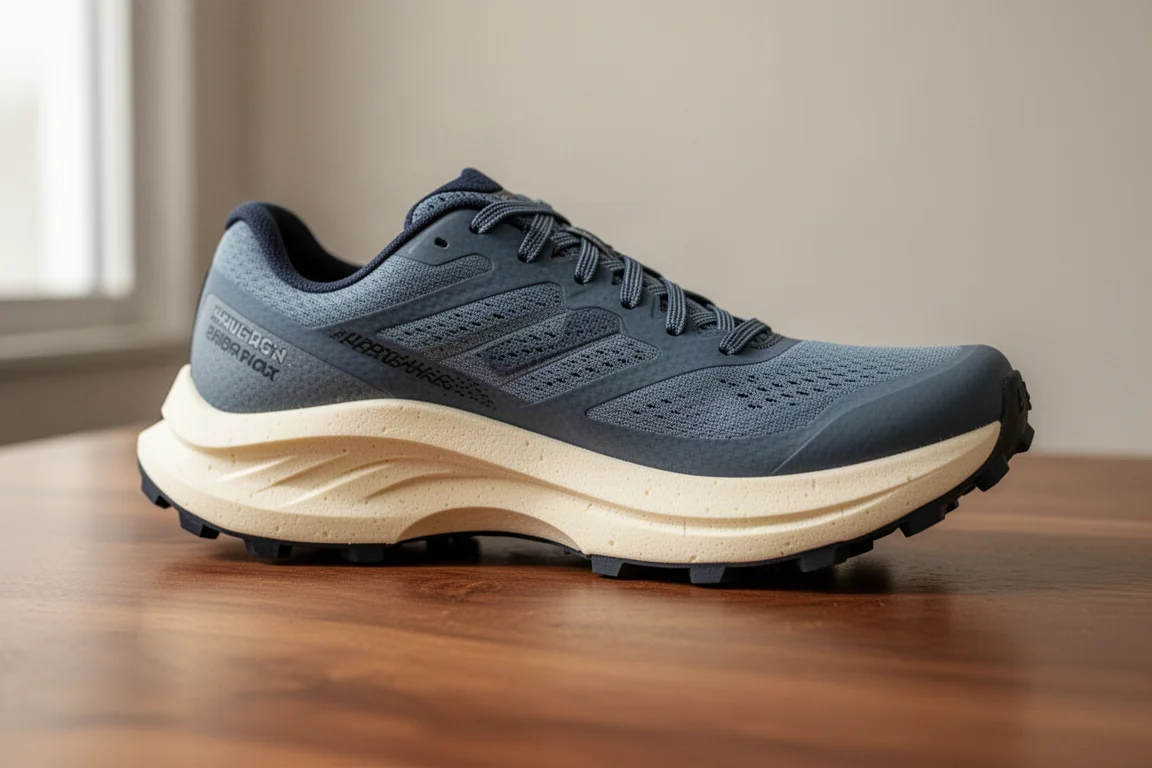
You get a full Continental rubber outsole with 3 to 4mm lugs. That should deliver really good grip in wet conditions, but the shallow lug depth means this is not a shoe for wet, muddy trails. Think of it as a spring, summer and autumn option: towpaths, fire roads, gravel trails and stretches of tarmac are where it belongs.
The outsole profile is unusual too: narrow at the heel, cutting in even narrower at the midfoot, flaring wide at the forefoot, then pinching in again at the toe. It looks quite different from most trail shoes, and it seems to suit a midfoot or forefoot strike best.
On the Trail: The First Run
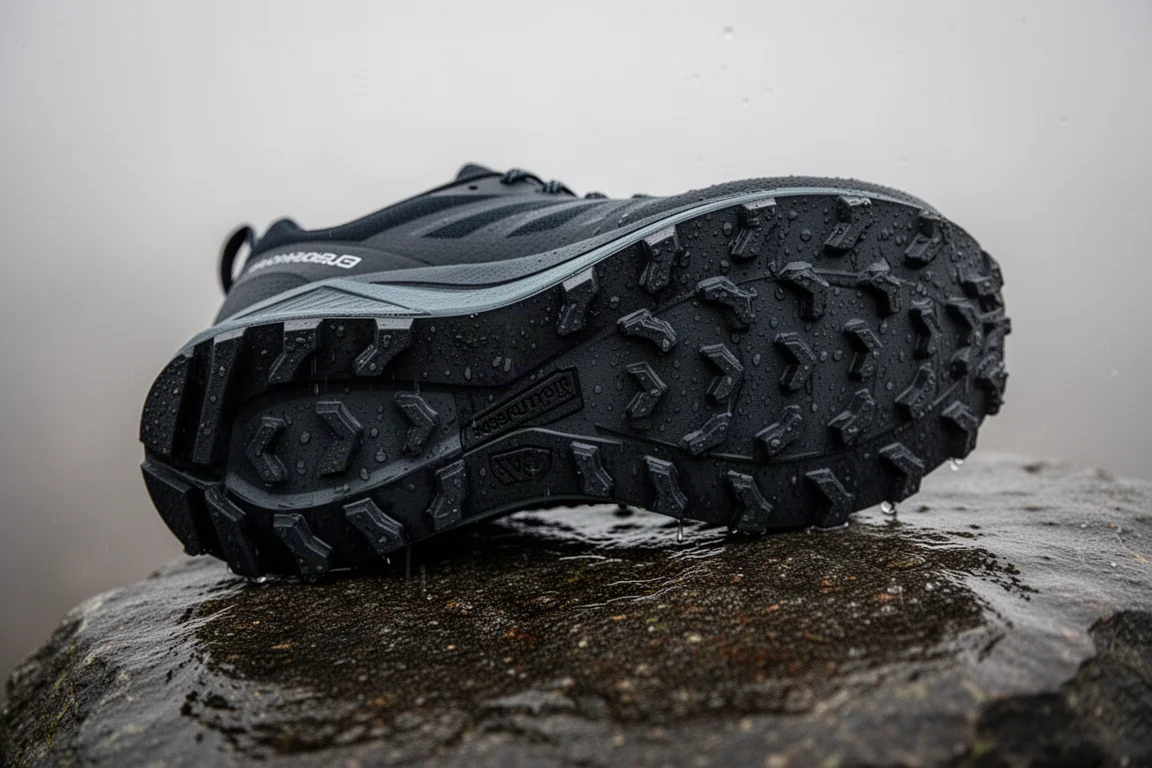
Conditions could not have been better for a first outing: a proper summer’s day with blue skies and sunshine, heading out onto roughly eight-plus miles of mixed terrain. The route covered tarmac, loose gravel, soft sand and compacted trails, and the shoe felt efficient and lively across all of them. At an easy 8:30 per mile pace, the comfort and energy return were immediately noticeable.
When I pushed the tempo up to around 6:45 to 7:00 per mile, the shoe really came alive. On the road sections, if I had not known I was in a trail shoe, I would have said I was wearing a performance road racing shoe. The rocker geometry genuinely felt like it was helping me along rather than just sitting under my feet.
By the end of the run, at 8.3 miles and counting, the upper still felt comfortable with no hot spots, and the lockdown was exactly as promised. That is a very good result for a brand-new shoe straight out of the box.
Who Should Buy the Terrex Agravic Speed
This shoe is aimed at the speedier runner, someone who spends most of their time on a midfoot or forefoot strike, because that is where it wants to be. I am not sure how stable it would feel if you load heavily through a heel strike. It also comes to life at quicker tempos, so easy-paced joggers may not get the most out of it.
If you fancy yourself as a bit of a racing snake and want a reasonably light, well-balanced, fast trail shoe for quicker training sessions or race day, but you still want a bit of underfoot comfort, the Terrex Agravic Speed ticks those boxes. I could see it handling longer distances comfortably, as long as the trails stay relatively dry.
For context, it is worth comparing it with the carbon-plated Terrex Agravic Speed Ultra. That shoe has a much deeper stack, 42mm at the heel and a hefty 34mm under the forefoot, which to me looks like far too much soft foam for a trail shoe, and potentially unstable on anything slightly technical. The standard Speed feels like the more sensible, grounded choice of the two.

Things to Consider Before Buying
- The upper is very minimal at the heel and ankle. It worked fine for me over nine miles, but if you want padding and structure back there, look elsewhere or wait for a longer-term verdict.
- The 3 to 4mm lugs and Continental rubber are excellent for wet rock and hardpack but not designed for mud.
- The laces are too long out of the box and need triple knotting.
- Sizing: the website says true to size, but if your experience with Adidas mirrors mine, order your proven size rather than trusting the listing.
Conclusion
Today’s run was a pleasant surprise and a perfect example of why second chances matter. The Adidas Terrex Agravic Speed is a fast, efficient and comfortable trail shoe with a genuinely excellent dual-compound midsole, and it performs more like a road racer on hard-packed terrain. I would put its rollover feel right up alongside Saucony’s brilliant Speedroll technology.
These are initial impressions after one long first run, and I will be clocking up more miles over the coming weeks for a full in-depth review. But if you want a light, quick trail shoe for dry trails and faster efforts, this one deserves a spot on your shortlist. I never thought I would say that about an Adidas trail shoe, but here we are.
Product link
View more details for Adidas Terrex Agravic Speed
This product is mentioned in the review. Check the specifications, options, and compatibility before buying.
View more details for Adidas Terrex Agravic SpeedFurther reading
Related Reviews
Trail Running Shoes
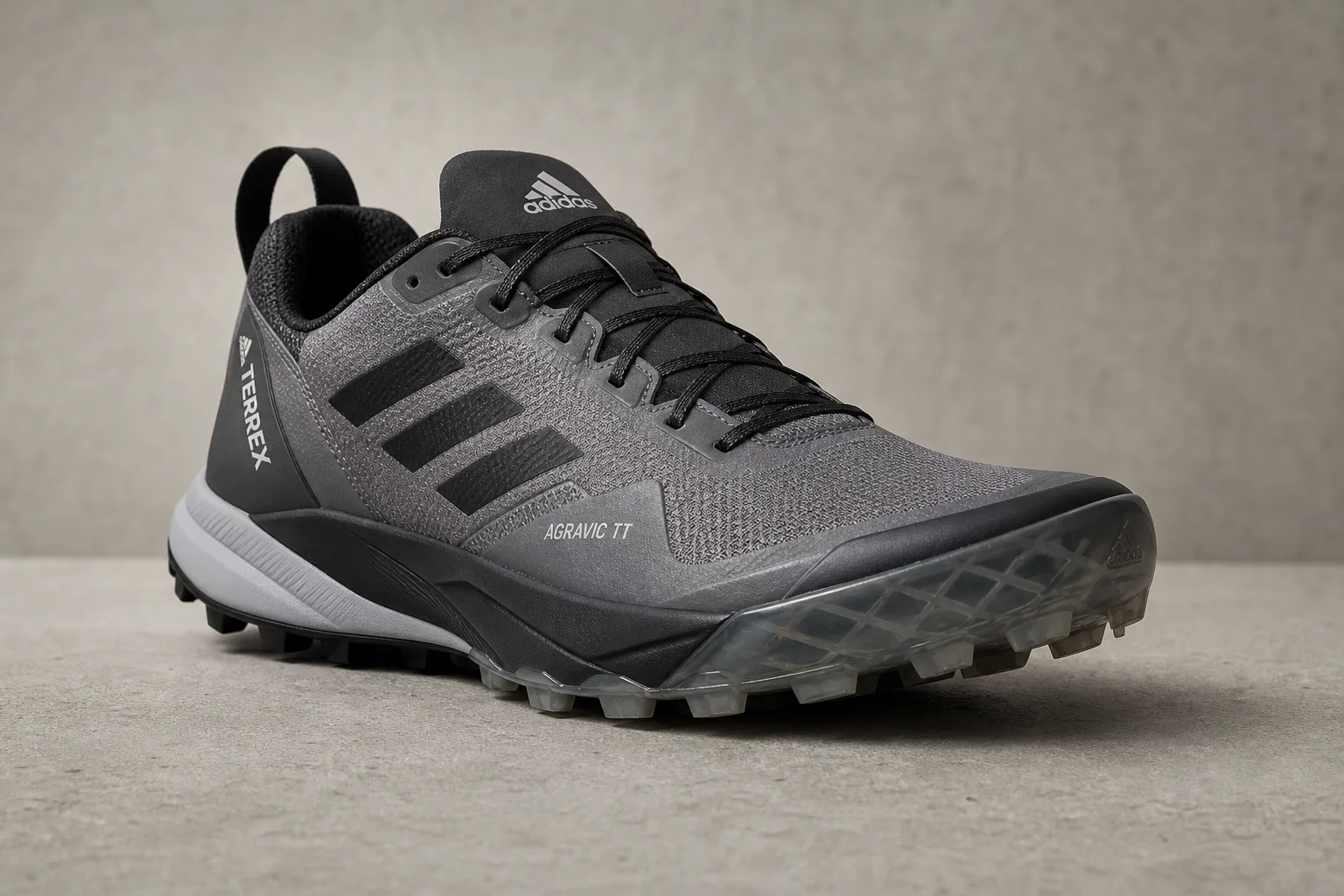
Adidas Terrex Agravic TT Review: A Technical Trail Shoe Built for Rocky Terrain
The Adidas Terrex Agravic TT combines a full-coverage rock plate with a firmer midsole to deliver protection and stability on technical, rocky trails. A capable choice for runners who prioritize underfoot defense over lightweight cushioning.
Trail Running Shoes
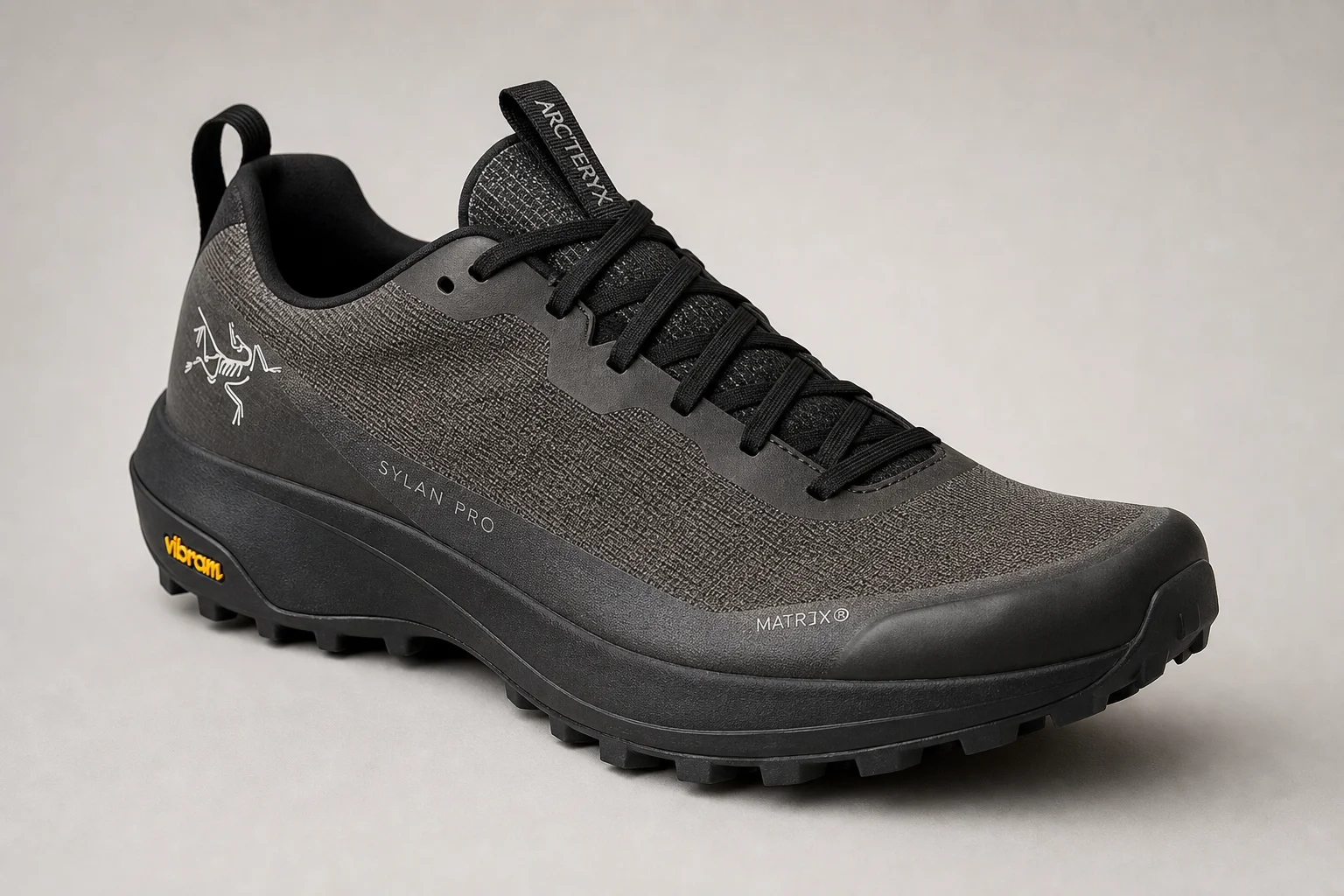
Arc'teryx Sylan Pro Review: A Rocker-Focused Mountain Running Shoe Tested on 20 Miles
The Arc'teryx Sylan Pro brings a pronounced rocker geometry and secure fit to mountain terrain. We tested it on a 20-mile Sawtooth loop to evaluate its climbing efficiency, protection, and handling of technical descents.
Trail Running Shoes
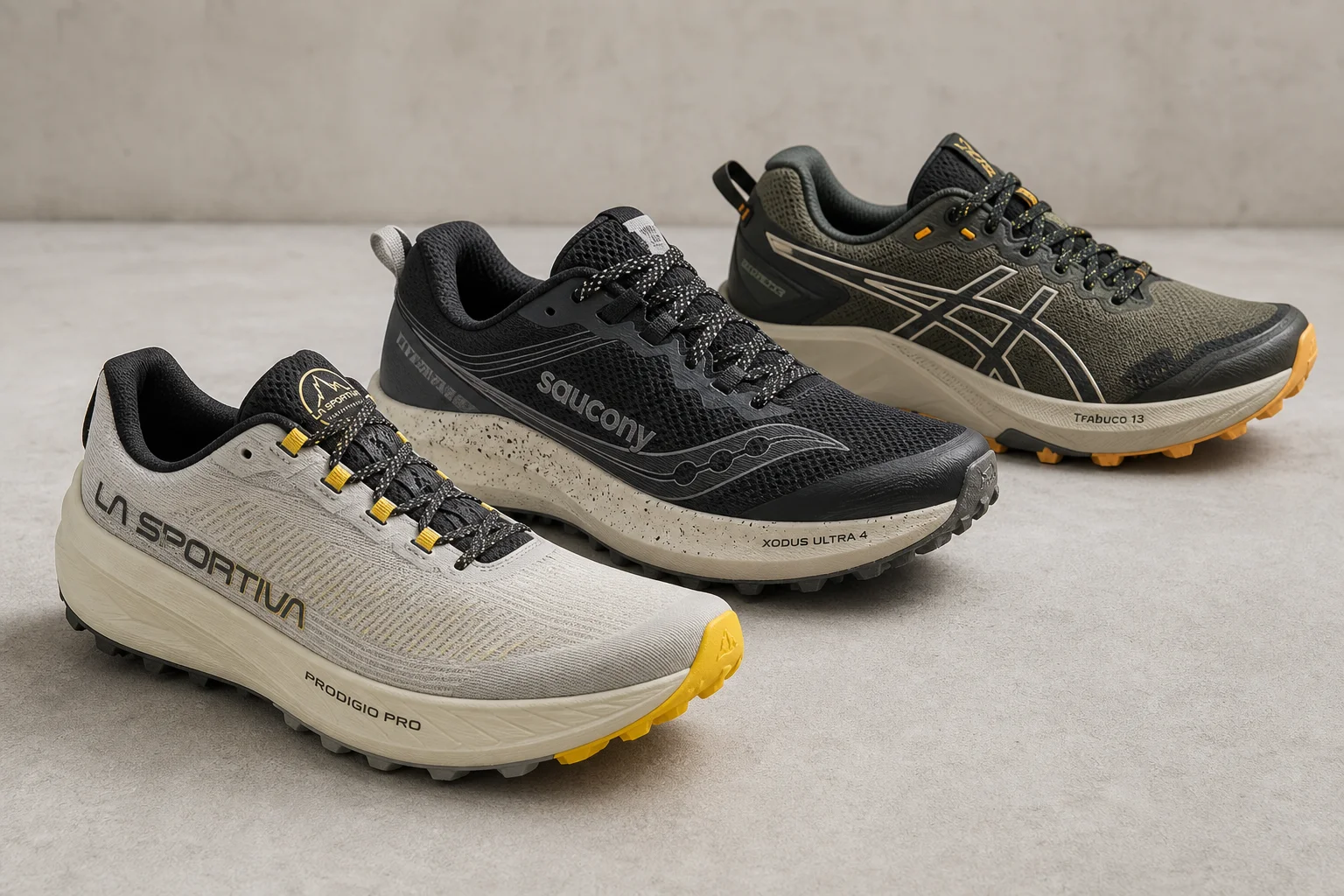
Best All-Mountain Trail Running Shoes: Three Versatile Options for Any Trail
A focused roundup of three all-mountain trail running shoes that handle technical terrain, long distances, and variable conditions with real strengths and practical trade-offs.