Running Shoes
Adidas Takumi Sen 8 vs Nike Vaporfly Next% 2: Head-to-Head Racing Shoe Comparison
Two top-shelf racing shoes with very different personalities: one built for popping off the forefoot at 5K pace, the other for floating through a marathon.
Introduction
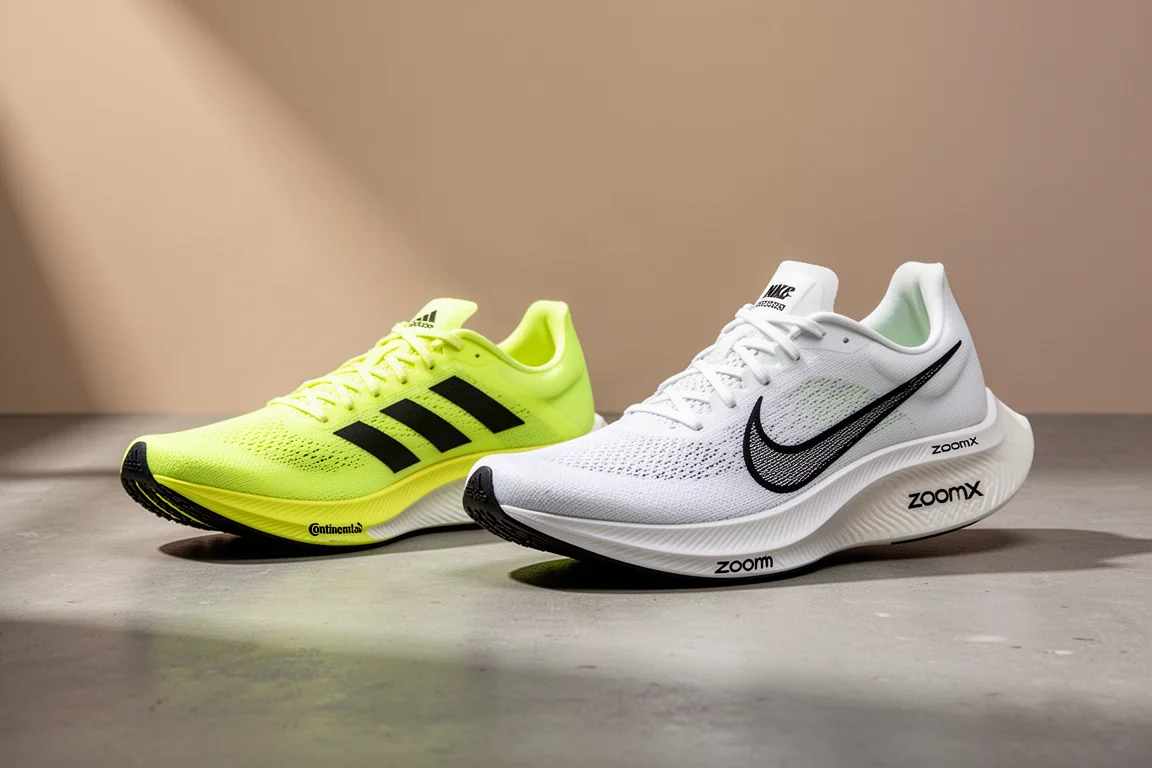
Few head-to-head matchups in the racing shoe market are as interesting as the Adidas Takumi Sen 8 against the Nike Vaporfly Next% 2. Both are featherweight racers that runners reach for when it matters, but they are built for subtly different jobs. The Takumi Sen 8 is aimed squarely at 5K and 10K racing with the half marathon as a stretch goal, while the Vaporfly Next% 2 has become a go-to for everything from marathons to track races. After testing both through track intervals, tempo runs, hill repeats, and long runs, the picture that emerges is of two excellent shoes that reward different running styles.
Specs and Construction
The numbers reveal why these shoes feel so different on foot. The Adidas Takumi Sen 8 weighs 6.8 ounces in a men’s size 9, with 33mm of heel stack, 27mm at the forefoot, and a 6mm drop. It uses Lightstrike Pro foam through the full length of the midsole, paired with energy rods. Notably, those rods are made from glass fiber rather than carbon fiber: slightly more flexible, but still fairly rigid overall. The Nike Vaporfly Next% 2 comes in at 6.9 ounces in a men’s size 9 with a much taller 40mm heel and 32mm forefoot stack, an 8mm drop, and the carbon fiber plate that defined the modern super shoe era.
The weight difference is negligible. The real story is in the plate design philosophy, where Adidas and Nike have clearly made different calls about how much flex to build into a fast shoe.

Adidas Takumi Sen 8: Pop and Ground Feel
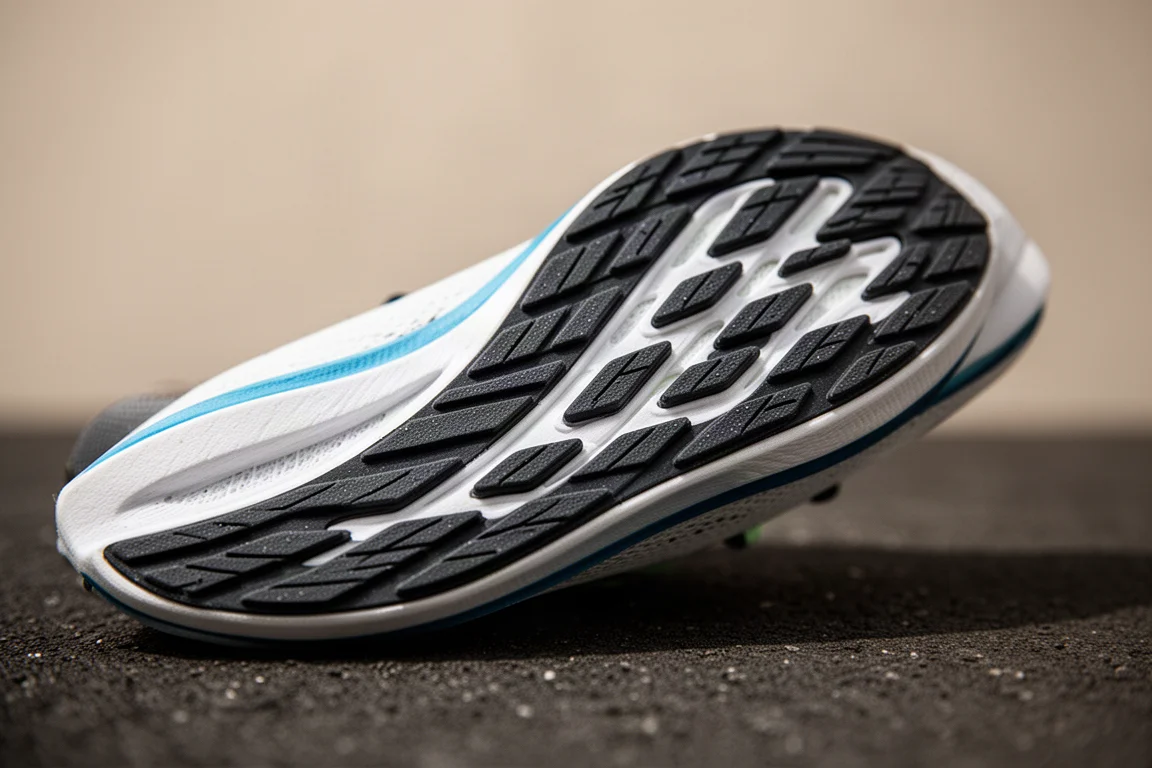
The Takumi Sen 8 feels like a hybrid between a traditional road flat and a modern long-distance racer. The Lightstrike Pro foam actually reads a touch softer than ZoomX when pressed, but there is less of it, so you sit lower and closer to the ground. The ride rewards effort: when you load the shoe and drive off the forefoot, the glass fiber rods flex and then snap back, delivering a distinctly poppy sensation. Continental rubber traction under the medial great-toe region adds a genuine connection to the ground on every push-off.
That ground connection is why the Takumi Sen 8 shines on the track and in faster road intervals. Rolling in off the great toe and exploding off the forefoot feels planted and purposeful, and the outsole grips better than most racing shoes regardless of surface. For runners in the 5K to 10K range who want to feel the ground and generate their own rebound, this is a compelling pick. It even suits runners transitioning into super shoes who find full-carbon racers feel like too much shoe.
Nike Vaporfly Next% 2: Float and Geometry
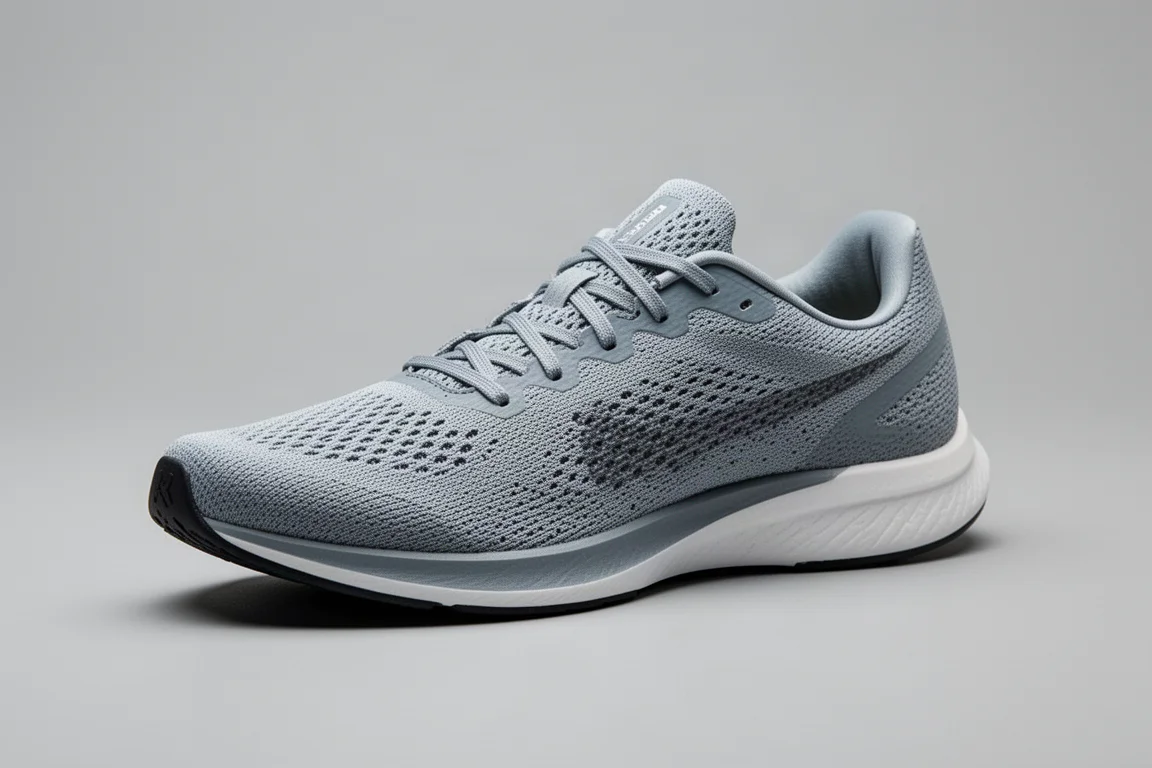
The Vaporfly Next% 2 takes the opposite approach. Rather than demanding a forceful push-off, it leans on geometry and the bounce of ZoomX foam. You roll in, the rocker transitions you forward through the forefoot, and toe-off feels smooth with a little pop at the end. The result is a floaty, effortless sensation where you simply do not feel like you are working as hard.
That efficiency makes it the stronger pick as the distance grows. On long runs, tempos, and hill workouts it has performed superbly, and it has logged marathon-distance racing for many runners. The trade-off is that the ground feel is softer than the Takumi Sen 8; the bounce is there, but the connection to the surface underneath is not quite as sharp. On the track, that distance from the platform is noticeable when compared to the lower, more connected Adidas.

Fit, Upper, and Durability
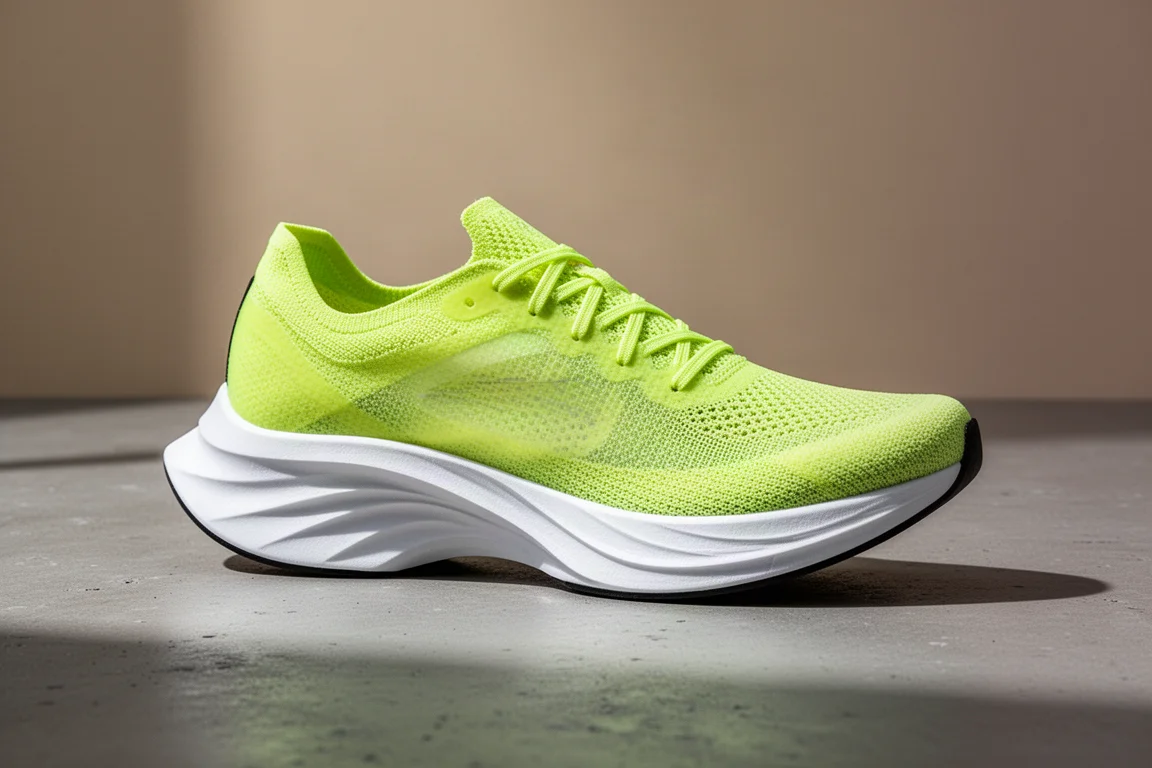
Both shoes use very lightweight, nearly translucent mesh uppers with a performance fit and excellent midfoot and forefoot lockdown. The Takumi Sen 8 runs narrow even accounting for sizing, while the Vaporfly offers a bit more width through the midfoot. Heel lockdown is better on the Takumi Sen 8, though a heel-lock lacing helps if you size up. Durability holds up well on both: the Takumi Sen 8 showed only minor wear on the thin outsole panels after roughly 50 miles, and the Vaporfly Next% 2 looked great after about 40 miles.
Buying Advice: Which One for You?
The cleanest way to think about these two is by distance and intent. For 5K racing, the Takumi Sen 8 is the natural pick: lower stack, better ground feel, and a poppy ride that rewards hard loading of the forefoot. At 10K, the two are genuinely interchangeable and may come down to a coin flip. From 10K up through the half marathon and marathon, the Vaporfly Next% 2 takes over, keeping you fresher over long efforts thanks to its geometry and ZoomX bounce.
The Takumi Sen 8 also works as a great entry point into the super shoe market for runners who prefer lower-stack racers, and it could even handle a full marathon for the right individual. The Vaporfly Next% 2 remains the unofficial gold standard of recent years, and once you are comparing it, you are comparing it against other super shoes rather than against a 5K specialist.
Conclusion
Both are top-shelf racing shoes, and neither is the wrong answer. The Takumi Sen 8 offers more pop, more ground feel, and better traction, at the cost of asking you to work a little harder for the speed. The Vaporfly Next% 2 floats, saves energy over long distances, and delivers a smooth, bouncy ride. Match the shoe to the distance and to how you like to run, and both will reward you.
Further reading
Related Reviews

Running Shoes
Best Road-to-Trail Running Shoes: Three Versatile Options for Mixed Terrain
A practical guide to three road-to-trail running shoes that handle both pavement and mild trails, with clear strengths and trade-offs for different runner types.

Running Shoes
Best Running Shoes for Achilles Tendonitis: Three Options Explained
Three running shoes with different heel drops and support features designed to help reduce Achilles tendon pain during walking and running.

Running Shoes
Best Running Shoes for Women: Five Top Choices Ranked
A ranked guide to five women's running shoes, from versatile daily trainers to high-performance racing options, with real strengths and trade-offs for each.