Running Shoes
Adidas Takumi Sen 8 vs New Balance Rebel v3: Plated vs Non-Plated Speed Trainers
A plated interval weapon against a soft, flexible speed-day trainer: stack, ride, fit, and outsole compared to help you pick the right one.
Introduction
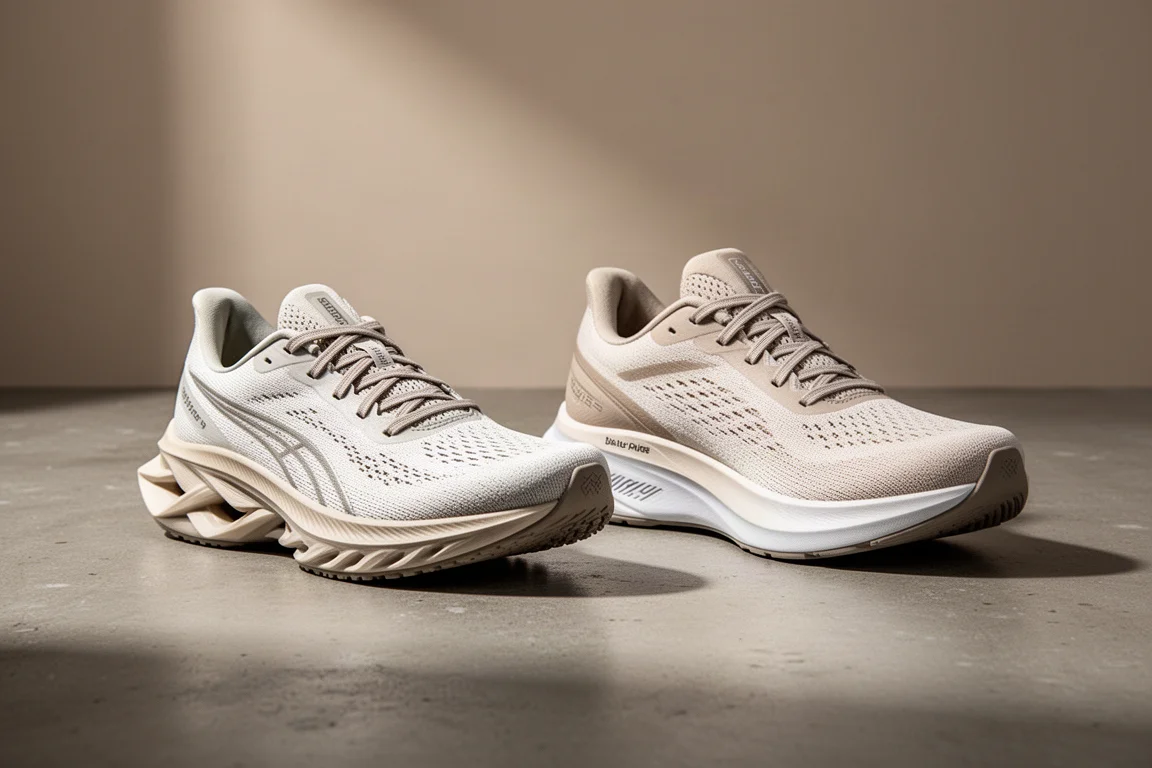
Comparing a plated trainer with a non-plated one is one of the most useful ways to figure out what you actually need for speed days. The Adidas Takumi Sen 8 is a dedicated 5K and 10K style racing and interval shoe with a firm, aggressive character, while the New Balance Rebel v3 is a softer, more flexible option that can stretch well beyond the track.
Both sit in speed-focused lineups: the Takumi Sen is part of the Adizero collection, which spans daily trainers up to marathon racers, and the Rebel v3 belongs to New Balance’s FuelCell family. They also overlap in real-world pricing, which makes the choice between them genuinely interesting.
At a Glance: Two Different Speed-Day Philosophies
On paper, the two shoes look closer than they feel. The Takumi Sen 8 weighs 6.2 ounces against 7.1 ounces for the Rebel v3, yet neither feels heavy on the foot. The bigger gap is list price: the Takumi Sen sits at $180 while the Rebel v3 launched around $130. In practice, both can often be found for around $100 or below if you dig for deals, which softens the price argument considerably.

The real difference is intent. The Takumi Sen is built to be pushed hard at 5K and 10K paces and little else, while the Rebel v3 is comfortable enough to double as a lightweight daily trainer. That intent shapes everything from the midsole geometry to the fit.
Midsole and Stack
The Takumi Sen 8 uses a full bed of Lightstrike Pro, the same foam found in Adidas’s top marathon racer, strengthened by energy rods running through the platform. It is dense and slightly firm but very bouncy and responsive, a platform that rewards hard-charging runners who put a lot of force into the ground. The stack is 33mm in the heel and 27mm in the forefoot for a 6mm drop, though on foot it feels far more minimal and low-profile than those numbers suggest, helped by strategic foam cutouts and a narrow platform.
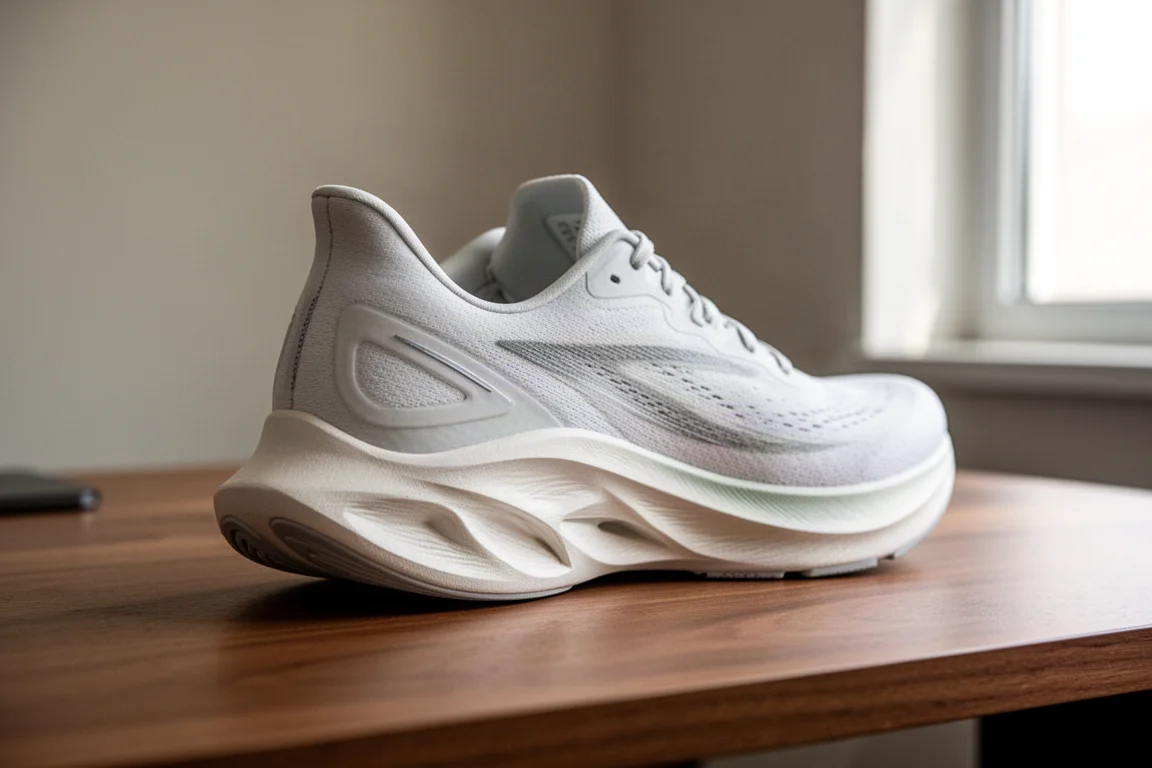
The Rebel v3 uses FuelCell foam in a noticeably softer formulation than its plated siblings. It is comfortable underfoot and still responsive when the pace picks up, but the wider base combined with softer foam can feel a little jelly-like on easy miles. Runners who overpronate or need support may not find it the most stable option. Its stack is 27.5mm in the heel and 21.5mm in the forefoot, also with a 6mm drop, so despite a 6mm difference in spec, both shoes feel decently low to the ground.
Both foams are supercritical compounds, meaning gas is injected during manufacturing to add bounce, airiness and responsiveness. Adidas’s Lightstrike Pro is a supercritical TPE, while FuelCell is a supercritical EVA and TPU blend.
Ride Comparison
The sharpest contrast between the two shows up on the run. The Takumi Sen 8 is clearly the firmer shoe, and it earns its place exclusively on interval days, track sessions, or all-out efforts of two to five miles. The midfoot and forefoot cutouts encourage you to run up on the forefoot and fire off the toes. Landing on the heel is not rewarded here, and the ride is not comfortable enough for anything slower.
The Rebel v3 is far more relaxed. It works as a daily trainer, and for efficient runners it can even handle long runs. In testing it handled a 10-mile steady run mixing aerobic pace with marathon-pace pickups comfortably, staying fast when pushed without feeling harsh when eased off. If you prefer a softer feel for interval work or want a slightly faster, more minimal daily trainer, it fits that role well. Its notably flexible feel is a highlight for runners who like a natural, minimal ride.
Upper and Fit
This is where the gap is widest. The Rebel v3 has a much more forgiving, wider fit with materials that are comfortable enough to wear to the gym, though breathability has limits: in a hot session the insole soaked through with sweat. The construction is not premium, but that is forgivable at its price point.
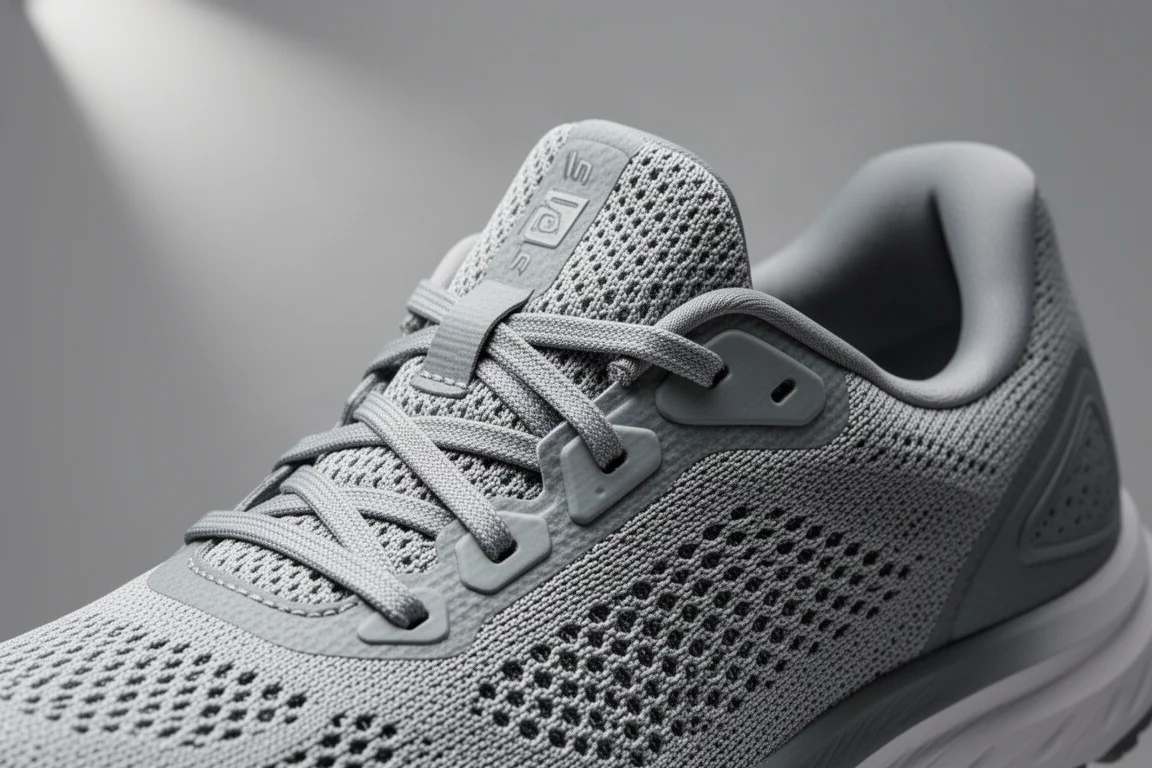
The Takumi Sen 8 fits like a track spike. It is tight, hard to get on, and laces arrive from the factory threaded incorrectly, so expect to re-lace it before your first run. For a standard or high-volume foot, getting it on is a struggle. The construction quality, however, is beautiful and clearly a step above, and breathability is decent to good on both shoes. Think soccer cleat rather than casual sneaker.
Outsole and Durability
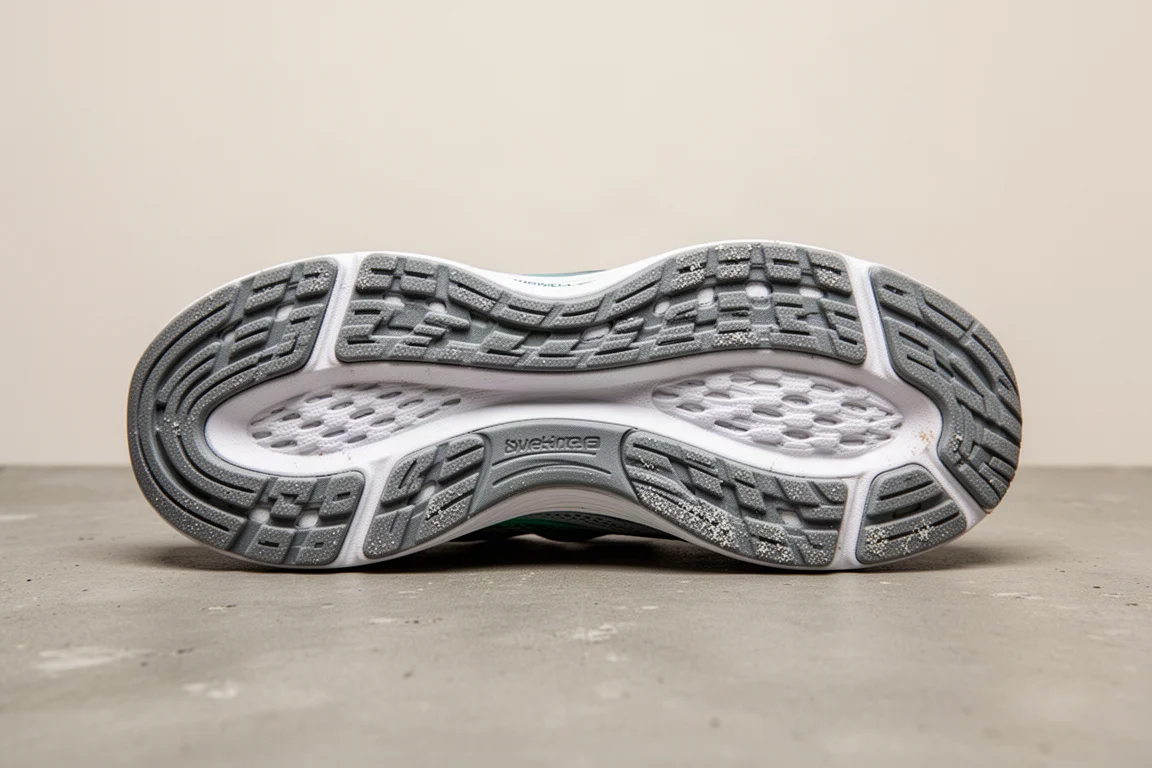
The Takumi Sen 8 uses Adidas’s Continental rubber, one of the most praised rubbers in running: tacky, sticky, and durable. It held up confidently in a rainy, windy, hilly half marathon with no traction issues, and after roughly 100 miles the rubber still looks intact. One caveat for heel strikers: the exposed foam at the back can start to chew up, as seen at around the 100-mile mark here.
The Rebel v3 carries a bit more rubber coverage since its midfoot has no foam cutout, but the compound is slightly less sticky. If the Takumi Sen is an eight or nine out of ten for grip, the Rebel v3 lands around a six or seven. Neither had issues in wet, dry, or muddy road conditions, and neither is meant for real trails, though the Rebel v3 can get by on light gravel paths.
Who Each Shoe Is Best For
The Takumi Sen 8 is best for advanced runners in marathon or race training who want a shoe to push the pace on their fastest interval days. It suits workouts up to around 10 miles total with three to six miles of quality work at 5K, 10K, or faster paces. It is not a shoe for the rest of the week, and while it is designed as a 5K and 10K racing shoe, many runners will prefer a super shoe for race day.
The Rebel v3 suits runners who want a soft, flexible shoe for tempo work and intervals, or a lightweight, durable daily trainer. Its durability stands out in its class, and it works well as a secondary speed shoe or a tempo option for efforts of 10 to 12 miles at a pushed pace. Runners who want more firmness for their very fastest pieces may look elsewhere, but as a versatile fallback it is excellent.
Buying Advice
Both shoes are worth their price, and with both frequently discounted to around $100 or below, the decision comes down to how specialized you want to be. If your week already has a dedicated speed-day slot and you want maximum aggression at fast paces, the Takumi Sen 8 delivers it. If you want one shoe that can cover tempo days, easy miles, and even the gym, the Rebel v3 is the more flexible investment.
Conclusion
The Takumi Sen 8 is a firmer, tighter, more aggressive tool built almost entirely for fast intervals, while the Rebel v3 is the softer, roomier all-rounder that still holds its own on tempo days. Choosing between them is less about which is better and more about how much of your training you want one shoe to cover.
Product link
View more details for Adidas Takumi Sen 8
This product is mentioned in the review. Check the specifications, options, and compatibility before buying.
View more details for Adidas Takumi Sen 8Further reading
Related Reviews

Running Shoes
Best Road-to-Trail Running Shoes: Three Versatile Options for Mixed Terrain
A practical guide to three road-to-trail running shoes that handle both pavement and mild trails, with clear strengths and trade-offs for different runner types.

Running Shoes
Best Running Shoes for Achilles Tendonitis: Three Options Explained
Three running shoes with different heel drops and support features designed to help reduce Achilles tendon pain during walking and running.

Running Shoes
Best Running Shoes for Women: Five Top Choices Ranked
A ranked guide to five women's running shoes, from versatile daily trainers to high-performance racing options, with real strengths and trade-offs for each.