Running Shoes
Adidas Takumi Sen 11 Review: The 5K-10K Racer That Got Softer, Not Slower
The Takumi Sen 11 stays true to its fast flat roots while feeling more forgiving underfoot, plus how it compares to the Adios 9, Nike Streakfly 2, and Hoka Cielo Road.
Introduction
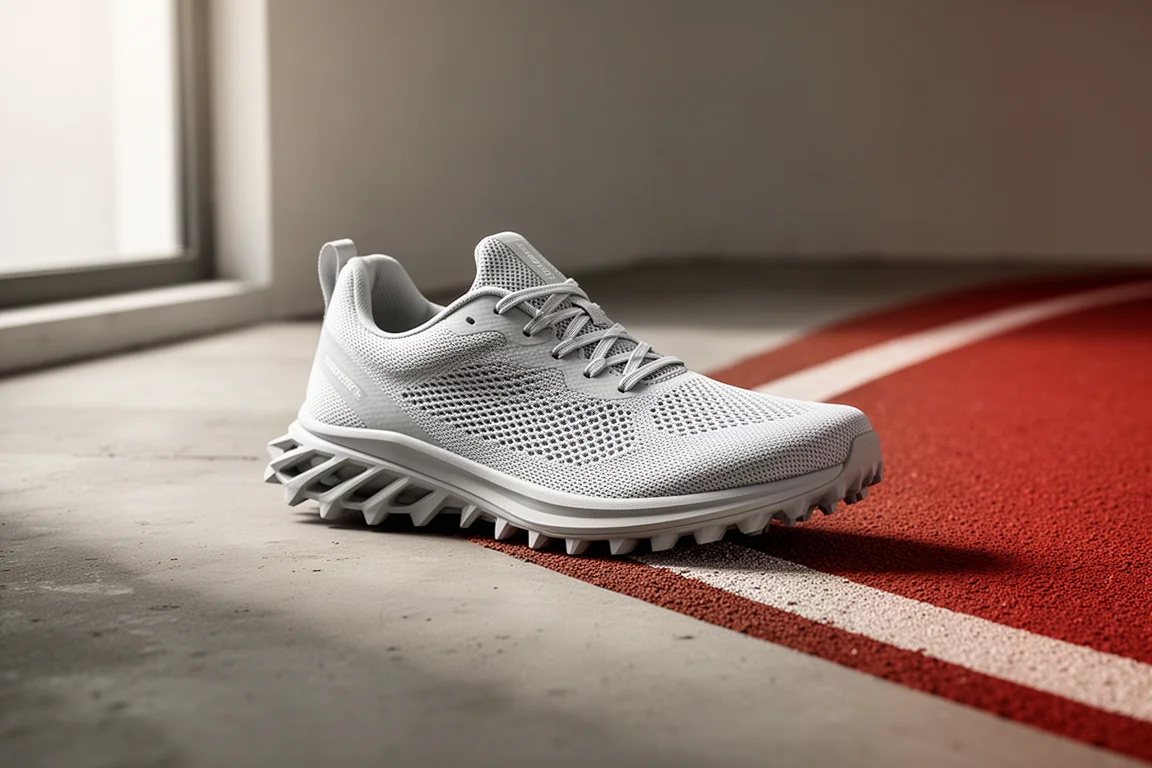
Some racing shoes chase headlines with radical redesigns. The Adidas Takumi Sen 11 takes the opposite approach: the more things change, the more they stay the same. It remains one of the most quietly beloved shoes in the Adidas lineup, and this year’s version softens the experience slightly without losing the low, snappy character that made the series a favorite for fast road racing.
If you race 5Ks and 10Ks, or you train for marathons and want a sharp shoe for faster workouts, this one deserves a close look. Below we break down the specs, the ride, how it fits into Adidas’ broader racing lineup, and the alternatives worth considering.
Specs and Construction
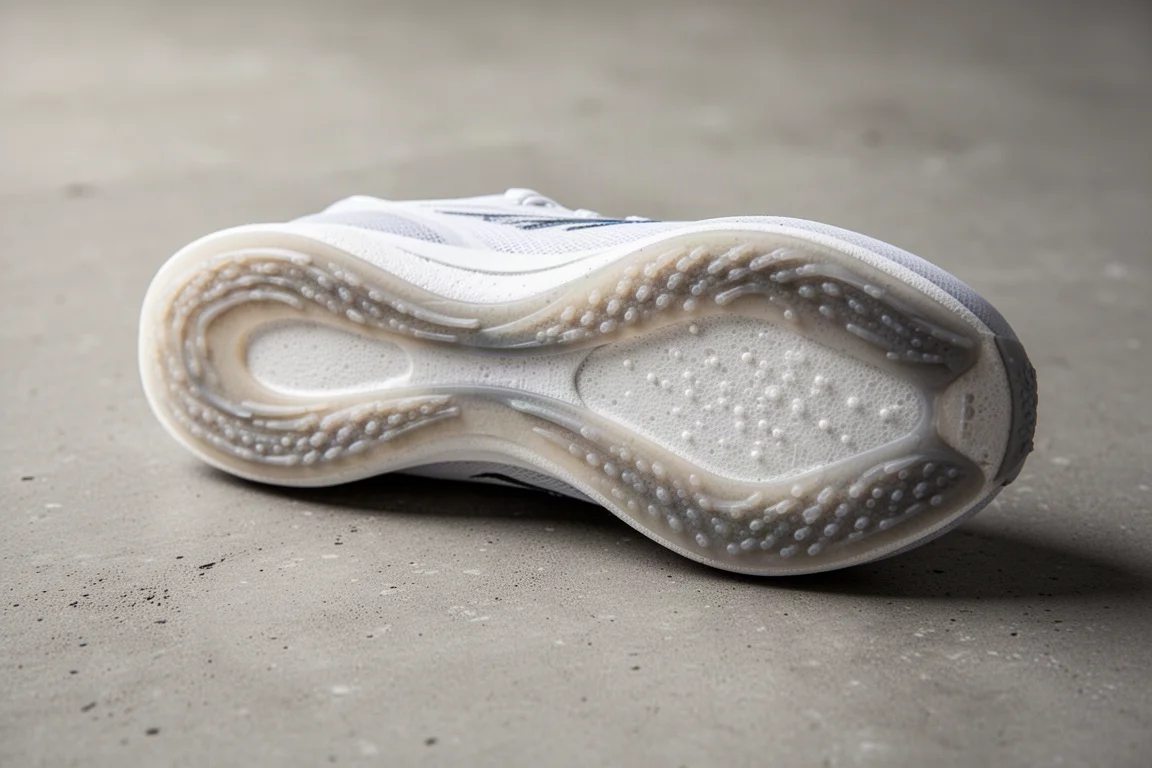
The Takumi Sen 11 uses a 33 mm heel stack with a 6 mm drop, giving 27 mm of foam under the forefoot. Two components define the shoe: Lightstrike Pro, Adidas’ race-caliber foam, and Energy Rods 2.0, a set of rods that mimic the shape and placement of the bones of the foot instead of using a traditional plate. Outsole grip comes from Continental rubber paired with Light Traction, a combination similar to what appears on the Adios Pro 4.
In a US men’s size 9, the shoe weighed 6.5 oz (184 g), noticeably light for a shoe with this much cushioning. The upper is Adidas’ Lightlock material, a departure from previous Takumi Sen uppers, with a thin, full-size tongue that is sewn in at the sides to stay put. The heel collar includes a couple of bumper pads for fit but stays otherwise floppy, which suits a race shoe well, plus a soft felt patch near the Achilles.
What the Takumi Sen 11 Is Built For
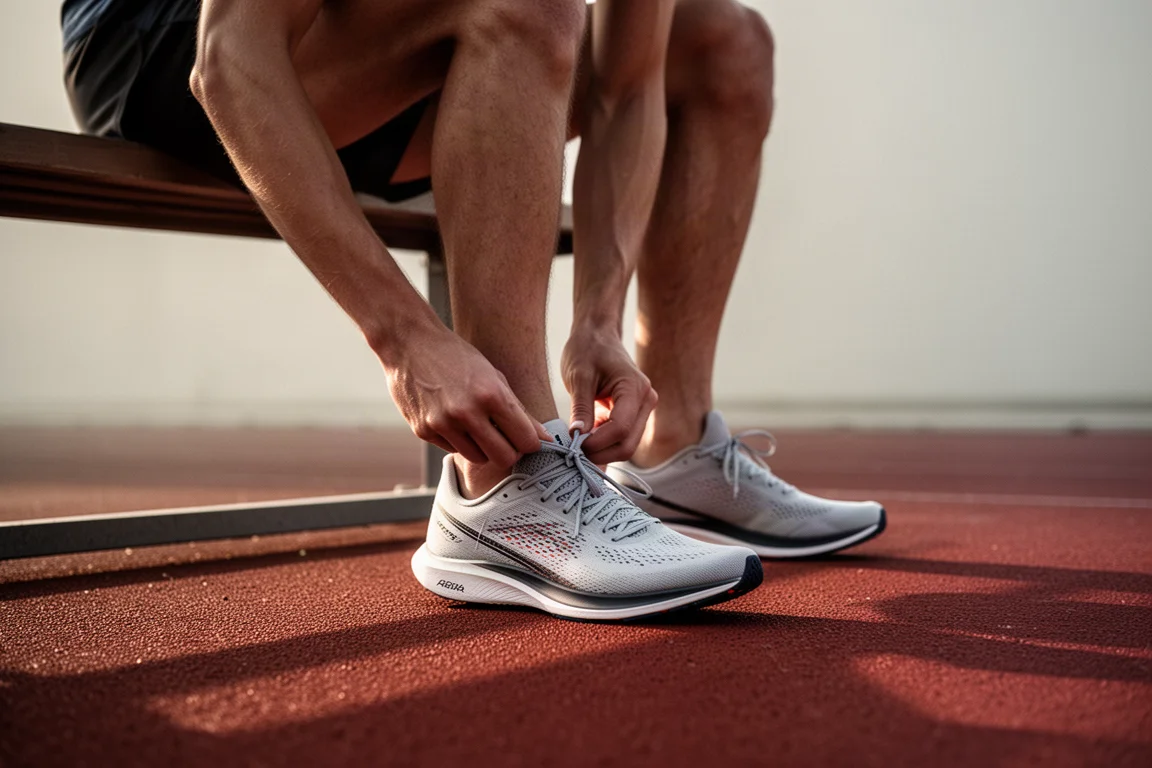
This remains a favorite 5K and 10K racer, and it also works beautifully for track racing when spikes feel like too much. For a 5,000 m on the track, the Takumi Sen offers a far more forgiving ride than spikes over roughly 20 minutes of hard running.
For runners who don’t race many short road events but do plenty of marathon training, it shines in threshold sessions and mile repeats. It is a workout shoe that keeps the legs honest without beating them up.
Ride Feel and On-Foot Experience
Although the spec sheet matches last year’s foam volume, the Takumi Sen 11 feels like it has more foam underfoot than the Takumi Sen 10, which was the harshest of the recent versions. The shoe feels more forgiving this year while keeping its pop, agility, and low-to-the-ground road feel. You get plenty of road feedback without the road harshness.
The compression and decompression of the Lightstrike Pro here is different from typical race foam. Rather than a big crumple-and-rebound cycle, it feels sinewy and slightly chewy, moving less underfoot while staying responsive. Compared with older versions like the Takumi Sen 8, the forefoot landing pad has grown larger and wider each year, while the medial cutout has shrunk until only a small notch remains. The direction is clear: bring the Takumi Sen experience closer to the Adios Pro 4. For longtime fans, though, the changes still honor the essence of the original Takumi feel.
Adidas Adios 9: The Lower, Simpler Sibling
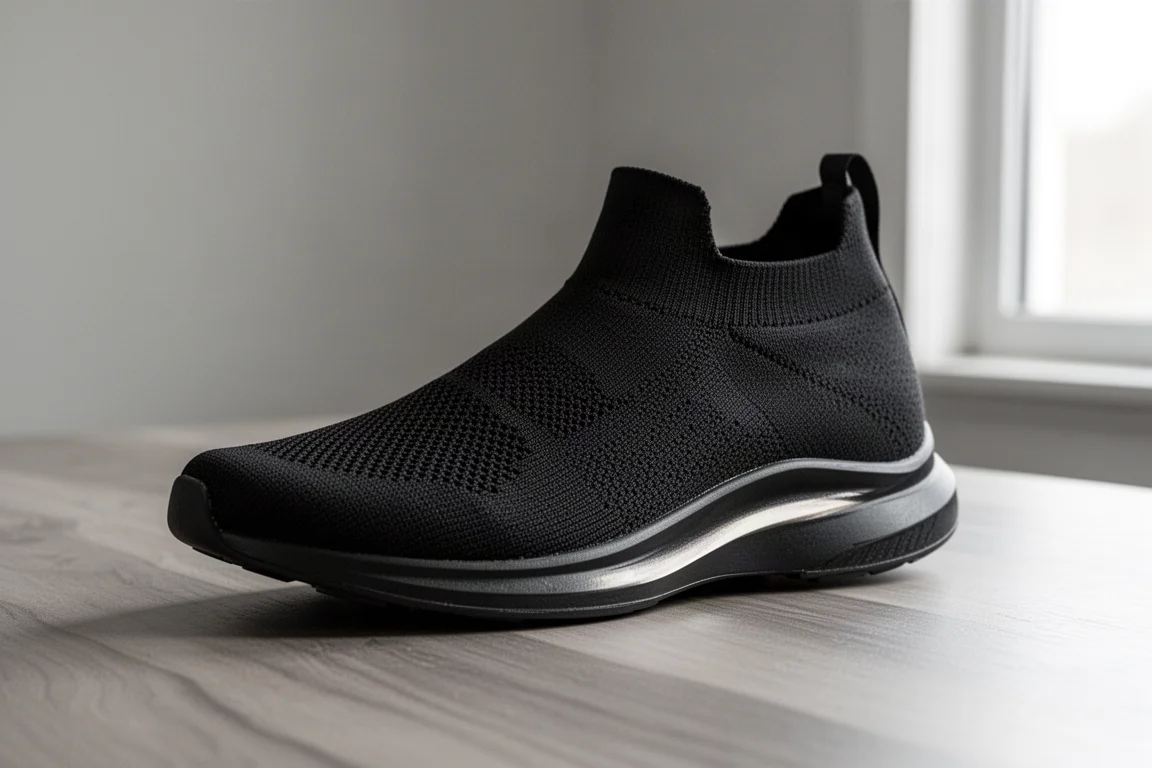
The Adios 9 is arguably the lowest-stack shoe in the Adidas range at 27 mm in the heel, and it has evolved from a marathon racer into something closer to a more affordable version of the Takumi Sen 11. There are no Energy Rods, but you still get the Lightlock upper, Continental and Light Traction rubber, and a decidedly racing-oriented feel. Slightly more padding in the tongue and heel cup makes it a touch more livable day to day.

It suits 5K road races and shorter, and it is an excellent non-spike option for track workouts: neutral, sock-like, low to the ground, and fast-feeling. Availability is a catch, as it disappeared quickly from the US market, so you may need overseas vendors that ship to the United States. If you can spend $180 on the Takumi Sen 11 but prefer to stay lower to the ground and skip the Energy Rods entirely, the Adios 9 is the shoe to consider.
How the Takumi Family Fits Together
It helps to think of Adidas as building a Takumi silo. The Takumi Sen is the centerpiece, the Adios 9 is the knockdown version, and the Adios Pro Evo 1 plays the role of the super Takumi. The geometries and low-to-the-ground sensations across all three feel related: one for the track, one for the road, one for the marathon.
The Adios Pro Evo 1 is extremely aggressive, too much for a full marathon for many runners, but it delivered a half marathon PR and an unforgettable ride. The Takumi Sen 11 sits in the middle of this family as the most versatile of the three.
Alternatives Outside the Three Stripes
The 5K-10K racing market remains under-served, so true alternatives are limited, but two are worth knowing.
Nike Streakfly 2
The Nike Streakfly 2 went the opposite direction from the Takumi Sen 11: more aggressive, not softer. ZoomX foam, a carbon fiber plate, and a very snug, stripped-down racer upper make it feel like a true race flat, almost spike-like. It is listed as a 5K-10K racer but rides more like a mile or 5K shoe, keeping you up on your toes and essentially running on the plate. It is fast and fun, but for many runners it is simply too harsh to handle for long. If you dislike the Takumi Sen 11’s move toward softness, the Streakfly 2 is your shoe.
Hoka Cielo Road
The Hoka Cielo Road is another road racing flat that sits low to the ground with a snug, minimal upper. It lacks a carbon plate, using only a small shank, and that shows in a ride that feels less explosive than the Takumi Sen. If you dislike the interference of carbon and want an old-school race flat sensation, it is worth a look.
Buying Advice
The Takumi Sen 11 retails at $180, a price it has held for a long time, and it feels fair for what you get. Old-school 5K racers who prefer a true race flat may prefer tracking down a Takumi Sen 10 in their size. If $180 is more than you want to spend, the Adios 9 saves you a significant amount: you lose some stack height and the Energy Rods, but the spirit of the shoe is very similar. It is a flatter, more neutral road flat, and a great pick for younger racers or anyone racing on roads and asphalt outside of spikes.
For everyone else shopping specifically for a 5K-10K racer or a fast workout shoe, the Takumi Sen 11 is the easiest recommendation in this group.
Conclusion
The Takumi Sen 11 proves that a racing shoe can evolve without losing its identity. It is slightly softer and more livable than before, yet still low, light, and snappy, with excellent grip and a comfortable race upper. The Adios 9 offers a cheaper, flatter route to a similar feeling, the Streakfly 2 caters to runners who want maximum aggression, and the Cielo Road serves the plate-free purists. But for most runners who want one shoe for short races and fast marathon workouts, the Takumi Sen 11 remains the benchmark.
Further reading
Related Reviews

Running Shoes
Best Road-to-Trail Running Shoes: Three Versatile Options for Mixed Terrain
A practical guide to three road-to-trail running shoes that handle both pavement and mild trails, with clear strengths and trade-offs for different runner types.

Running Shoes
Best Running Shoes for Achilles Tendonitis: Three Options Explained
Three running shoes with different heel drops and support features designed to help reduce Achilles tendon pain during walking and running.

Running Shoes
Best Running Shoes for Women: Five Top Choices Ranked
A ranked guide to five women's running shoes, from versatile daily trainers to high-performance racing options, with real strengths and trade-offs for each.