Running Shoes
Adidas Takumi Sen 10 vs Takumi Sen 8 vs Boston 12: Choosing Your Speed Shoe
The Takumi Sen 10 returns with a new rod setup and upper, but the Sen 8 still has a special kind of pop. Here is how it stacks up against its predecessor and the Boston 12.
Introduction
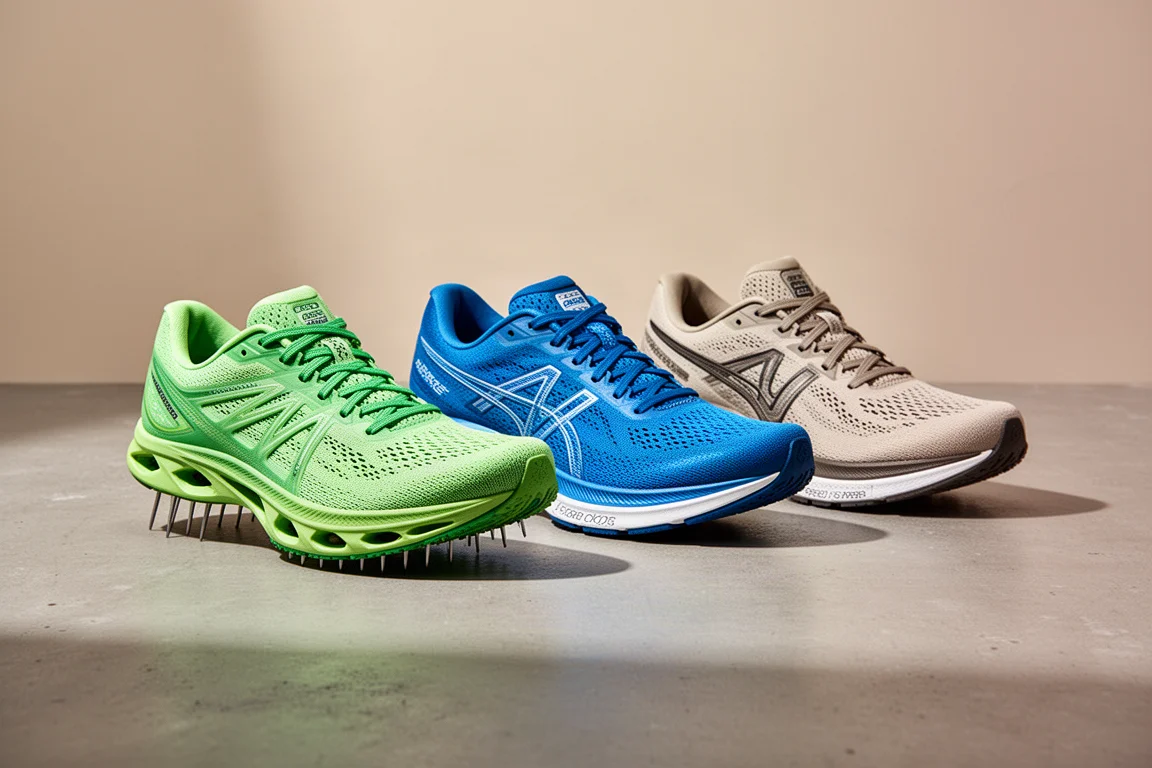
The Adidas Takumi Sen line has long been one of the most focused speed shoes in any rotation: lightweight, low to the ground, and built for short-distance racing and fast workouts. The Takumi Sen 8 was a favorite no-frills speed shoe of recent years, so the arrival of the Sen 10 was a big deal. After several weeks of delays outside the US, the Sen 10 finally landed, and the immediate questions are obvious: is it still special, and does a dedicated 5K/10K racer still earn a spot when the Boston 12 is already such a capable speed trainer?
Evaluation Criteria
This comparison focuses on what matters for a short-distance racing shoe: weight, ground feel and pop, fit and lockdown, durability of the outsole, and where each shoe fits in a broader rotation alongside heavier, more versatile options.
What Changed in the Takumi Sen 10
The big changes are the rod setup and the upper. The Sen 8 and 9 shared the same midsole, and both used carbon rods. The Sen 10 moves to fiberglass rods, similar to the Boston 12, with a new rod geometry intended to add a bit more flexibility than a traditional carbon plate. The stack height stays the same at 33mm, though the midfoot cutout looks slightly less aggressive and the forefoot foam appears widened a touch.
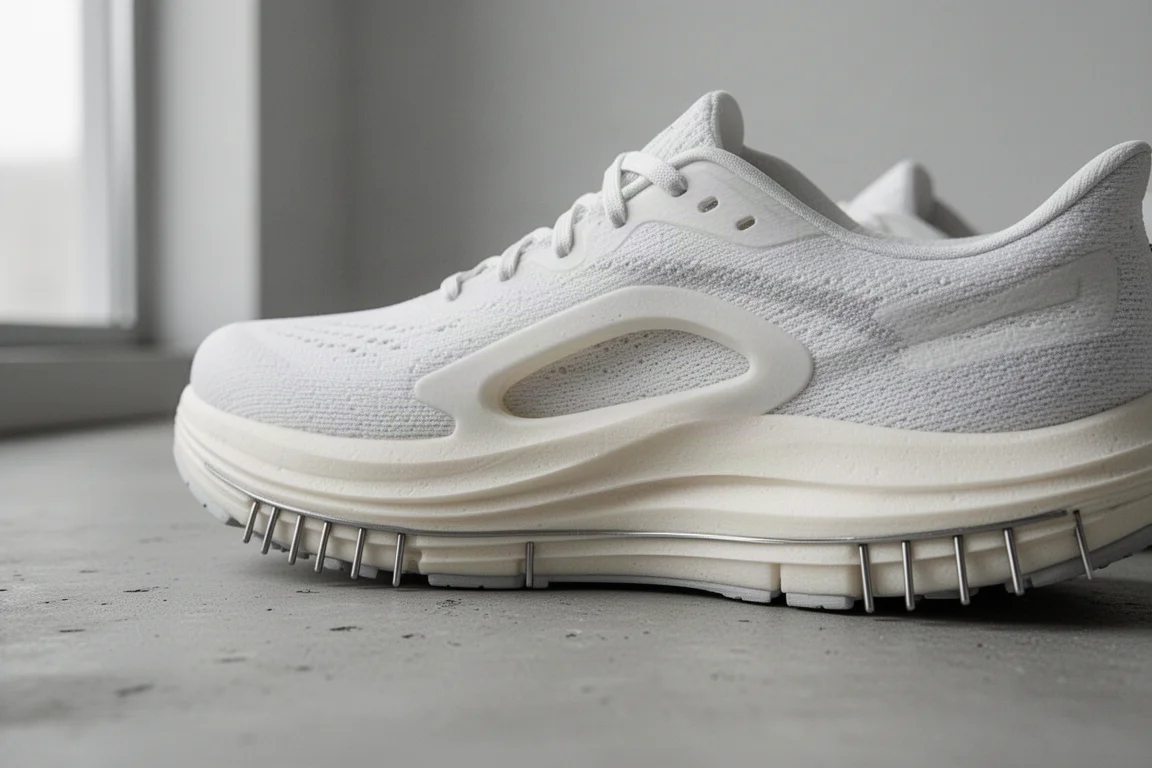
The Light Strike Pro formulation also feels different. Pressing into the foam, the Sen 10 feels firmer than both the Boston 12 and the Sen 8, though it is possible the foam simply needs breaking in. Weight went up slightly: around 215-216g in a men’s 10.5, versus roughly 210g for the Sen 8. For reference, the Boston 12 sits around 267g, still far lighter than a max-cushion trainer.
Fit and Feel: Sen 10 vs Sen 8 on Foot
The Sen 10 gets an all-new upper material that is closer to the Boston 12’s. Both are very breathable mesh, and the Boston 12’s upper has proven remarkably durable and easy to clean, staying nearly pristine even after close to 300 miles. The trade-off is that it is not the stretchiest material, and lockdown around the heel can feel a little odd on longer runs.

On foot, the Sen 10 is noticeably easier to get into than the Sen 8, which was a real fight to slip on and felt very tight through the midfoot. The Sen 10 seems to have a slightly adjusted last, a more comfortable and less constraining fit, and a platform that feels wider and more planted. Sizing appears consistent with other Adidas shoes. One shared trait: you need to crank the laces down to get proper lockdown on the narrow platform, especially when cornering and pushing off hard.
Speed Test: 400 Meter Repeats
To test a 5K/10K racer properly, the Sen 10 was taken straight into 4-6 x 400m reps at 10K pace or faster. The verdict: it is still a lightweight, fast shoe with good ground feel and control, and the faster the pace, the better it felt. It is clearly a much faster shoe than the Boston 12 for high-end speed.

But the Sen 8 had something the Sen 10 does not quite replicate: a dense, bouncy pop, a sense of sinking in for a split second and rebounding immediately. The Sen 10 feels more like just having a lightweight shoe on, asking the runner to do more of the turnover work. It also produced underfoot hot spots near the ball of the foot on the first run, likely related to lockdown not being dialed in yet. The takeaway: roughly a 10-15% change from the Sen 8, different but still competitive.
Where the Takumi Sen Fits in a Rotation
This is the trickiest question. For most recreational runners, a specialty 5K/10K racer has the most limited use case of nearly any shoe category. The Boston 12 handles long days and volume with speed, marathon racers handle race day, and plated trainers handle almost anything. The Sen is not comfortable past roughly 30-45 minutes for many runners.
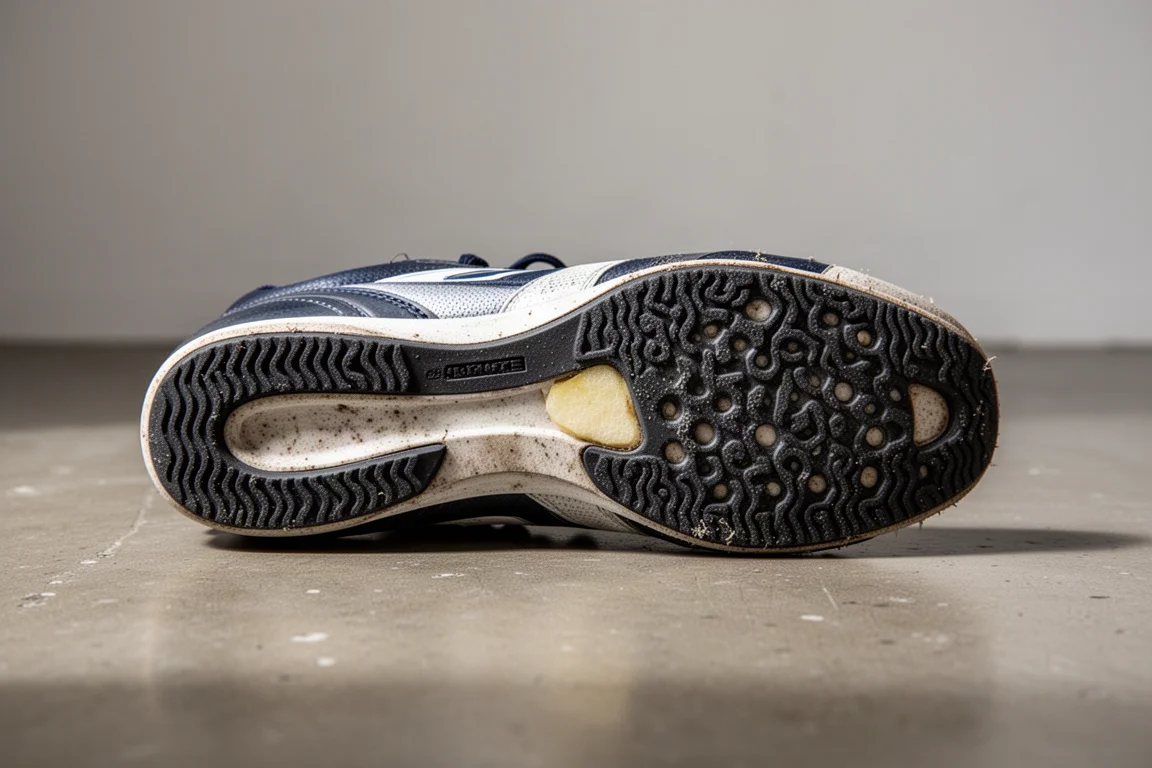
Its sweet spot is narrow: fast interval days at sub-6-minute pace, and runners taking a training block focused on 5K or 10K racing where high-end speed needs development. It is genuinely excellent for that. One durability note: after a single run, the exposed foam on the Sen 10’s outsole already showed wear from foot strike, an area where the Sen 8’s extra rubber coverage delayed visible damage until well past 70-80 miles.
Overall Buying Advice
If you already own and love the Sen 8, there is no urgency to upgrade. The Sen 10 is a good, fast, competitive 5K/10K racer with a better fit, but it does not have the same bite. If you want one shoe for both speed work and longer distance days, the Boston 12 is the more versatile pick. If you are specifically chasing short-distance speed and want the lightest, most connected option, the Sen 10 earns its place.
Conclusion
The Takumi Sen 10 is a slightly heavier, slightly firmer evolution of a beloved speed shoe. It trades some of the Sen 8’s dense pop for a more comfortable fit and a fiberglass rod setup that adds flexibility. For dedicated 5K and 10K racers it remains a strong choice; for everyone else, the Boston 12 likely covers more ground.
Product link
View more details for Adidas Takumi Sen 10
This product is mentioned in the review. Check the specifications, options, and compatibility before buying.
View more details for Adidas Takumi Sen 10Further reading
Related Reviews

Running Shoes
Best Road-to-Trail Running Shoes: Three Versatile Options for Mixed Terrain
A practical guide to three road-to-trail running shoes that handle both pavement and mild trails, with clear strengths and trade-offs for different runner types.

Running Shoes
Best Running Shoes for Achilles Tendonitis: Three Options Explained
Three running shoes with different heel drops and support features designed to help reduce Achilles tendon pain during walking and running.

Running Shoes
Best Running Shoes for Women: Five Top Choices Ranked
A ranked guide to five women's running shoes, from versatile daily trainers to high-performance racing options, with real strengths and trade-offs for each.