Running Shoes
Adidas Takumi Sen 10 vs Takumi Sen 11: Should You Upgrade?
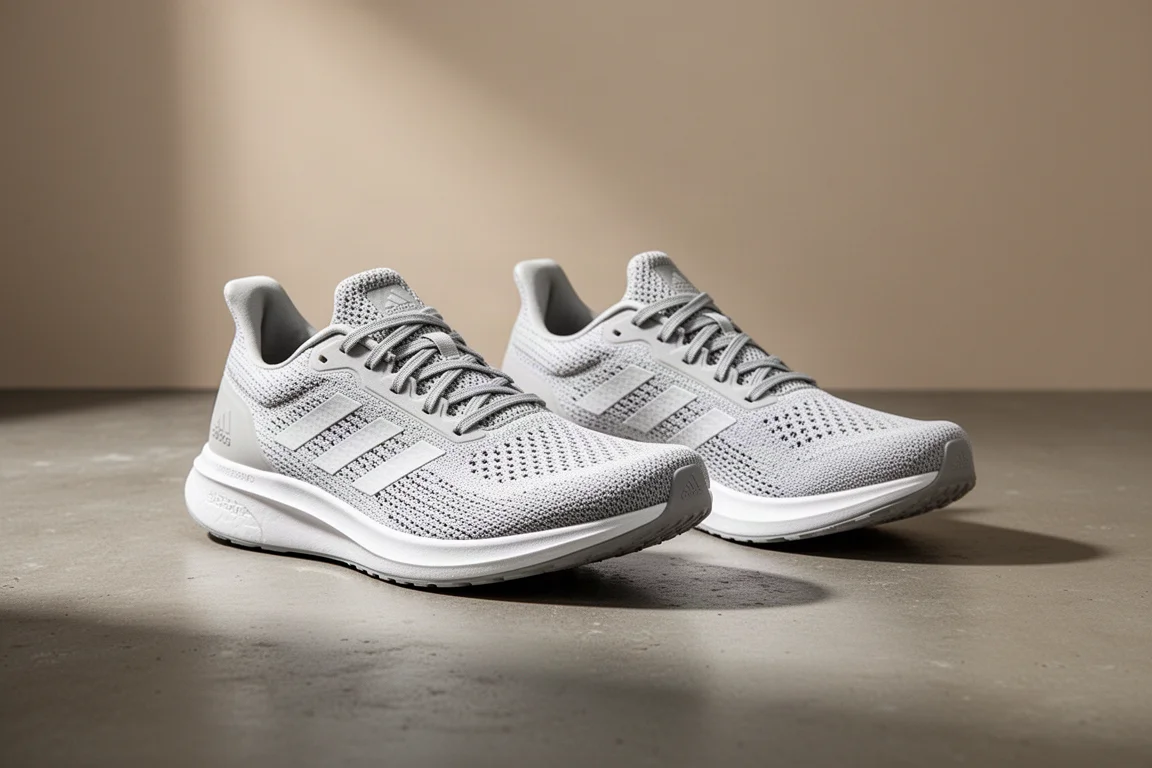
Two versions of Adidas' short-distance racing shoe side by side: a firmer traditional racing flat versus a softer, bouncier moderate super shoe.
Introduction
The Adidas Takumi Sen line has long occupied the lighter, shorter-distance racing slot in the Adidas lineup. Over its lifetime the shoe has worn a few different personalities: the earliest versions were classic Japanese-style racing flats versatile enough for everything from 5K to the marathon, later versions moved through Boost, and more recent editions settled on Lightstrike Pro. Even then, the shoe stayed on the firmer side, without the bounce most people associate with super shoes.
The Takumi Sen 11 changes that formula in a meaningful way. This comparison breaks down both versions across midsole feel, stability, upper fit, and overall value, so you can decide whether the older shoe on sale fits your mechanics or whether the newer foam justifies the upgrade.
Two Versions, Two Personalities
Before diving into details, it helps to frame what separates these shoes. The Takumi Sen 10 sits closer to a traditional racing flat: firmer, stiffer, and reliant on low weight rather than bounce. The Takumi Sen 11 moves firmly into the moderate super shoe category, with a much softer and bouncier Lightstrike Pro midsole at a similar stack height.
That single difference in foam character shapes nearly everything else about how each shoe rides, transitions, and fits into a training rotation.
Specs at a Glance
In a men’s size 10, the Takumi Sen 10 weighs 7.4 oz (about 210 g), while the Takumi Sen 11 drops to 7.0 oz (about 200 g). Both share the same stack geometry: 33 mm in the heel, 26 mm in the forefoot, for a 7 mm drop.
The weight drop is meaningful given identical stack heights, but the real divergence is underfoot, where the two generations use very different Lightstrike Pro midsoles.
Adidas Takumi Sen 10: The Traditional Racing Flat
The Takumi Sen 10 is firmer underfoot. It is not harsh, but it lacks the bounce you would expect from a modern super shoe, and much of its appeal comes from simply being light and stiff. The ride feels stiff overall, and the transition is not as smooth as it could be. A small posterior heel flare makes landings feel slightly clunky, and a laterally flared sole combined with stiff rods through the midsole tends to push the foot inward, which makes longer efforts difficult.
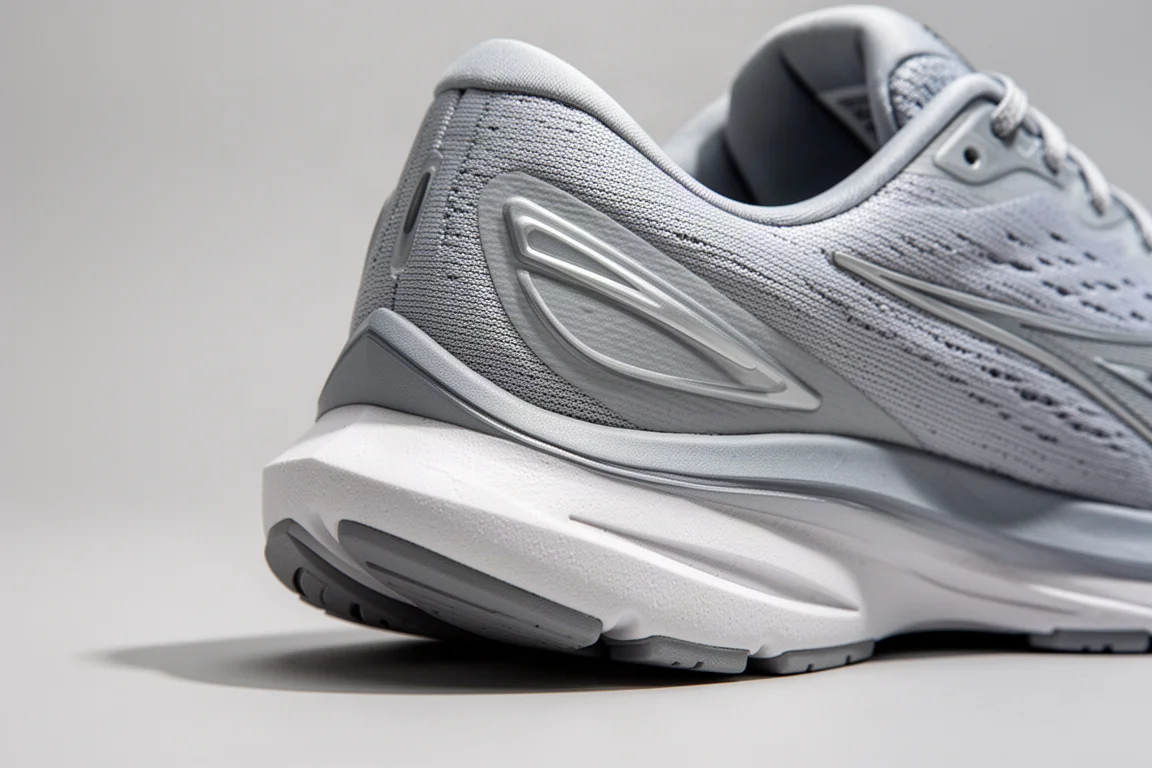
If you dislike bouncy foams and prefer a firmer, more connected ride, this character is actually a feature rather than a flaw. It is best treated as a 5K-and-under racing shoe for most runners, though stronger runners with a preference for moderate stack could stretch it further. With the 11 now out, the 10 is widely available at around the $100 mark on sale, which makes it a genuinely good deal for a more traditional racing flat.
Adidas Takumi Sen 11: Softer, Bouncier, More Supershoe
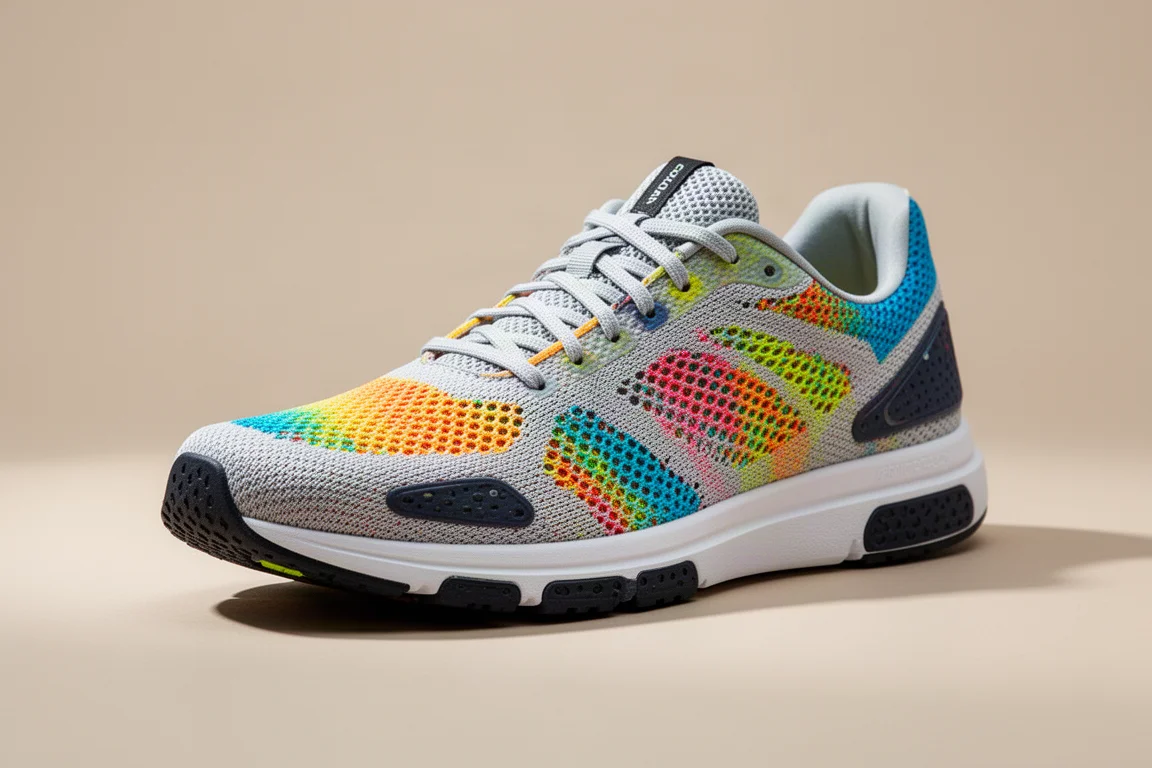
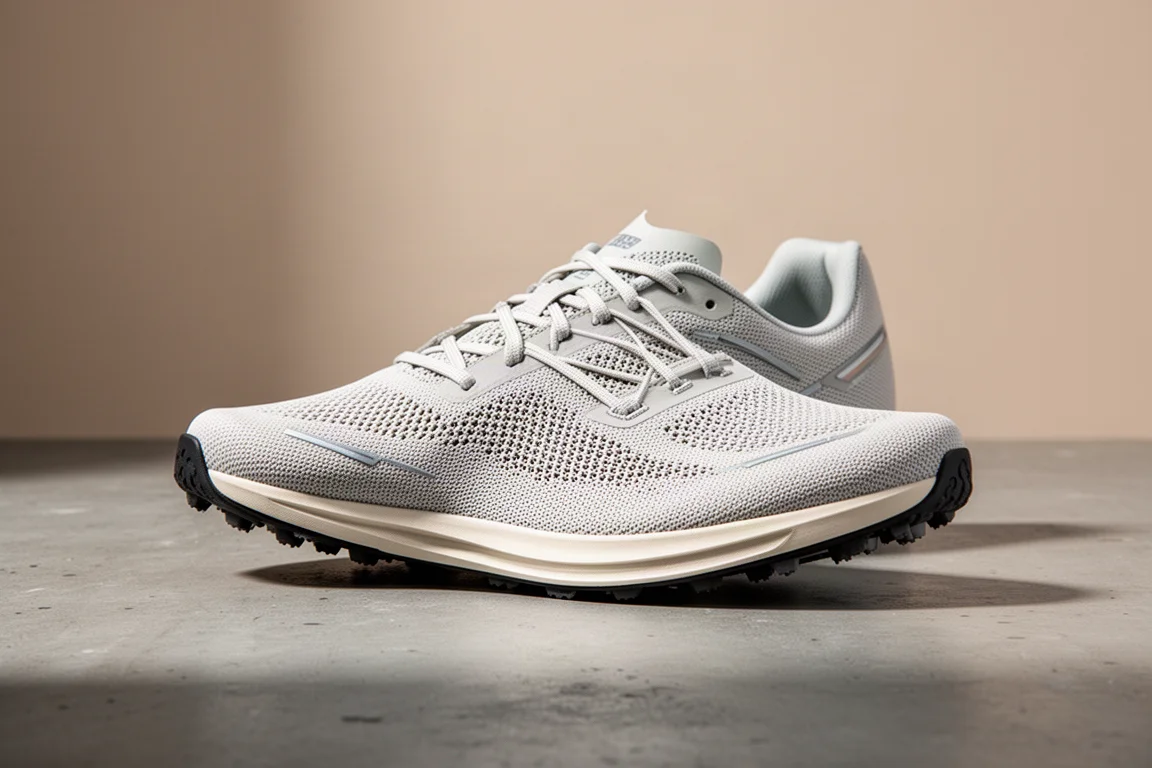
The Takumi Sen 11 keeps a similar stack height but transforms the ride. The new Lightstrike Pro midsole is dramatically softer and bouncier, felt immediately from the first steps, and gives the shoe a protective, cushioned quality the 10 never had. The heel flare is gone too: the heel is much better beveled, the wider forefoot platform is noticeably more stable, and a mild medial sidewall helps keep the runner centered through the transition.

The fiberglass Energy Rods 2.0 feel stiff in hand but bend and snap back under load, adding bounce and forward snap that make the shoe excellent for intervals, tempo runs, and longer racing. The softer foam also brings a bit more flex under foot strike, which helps the shoe roll into a rhythm and pick up the pace with far less effort. At $180, it is a strong value for a super shoe, and durability has been impressive. Most runners will get the most out of it from 10K on down, though it could stretch further than the 10 ever could.
Upper Fit and Breathability
Both shoes fit true to size and offer a surprising amount of room for racing shoes, but the uppers behave differently. The Takumi Sen 10 uses a stretchier mesh with a touch more volume and better breathability, which matters in hot conditions. Its heel lockdown is slightly better, though the free-floating tongue can slip.
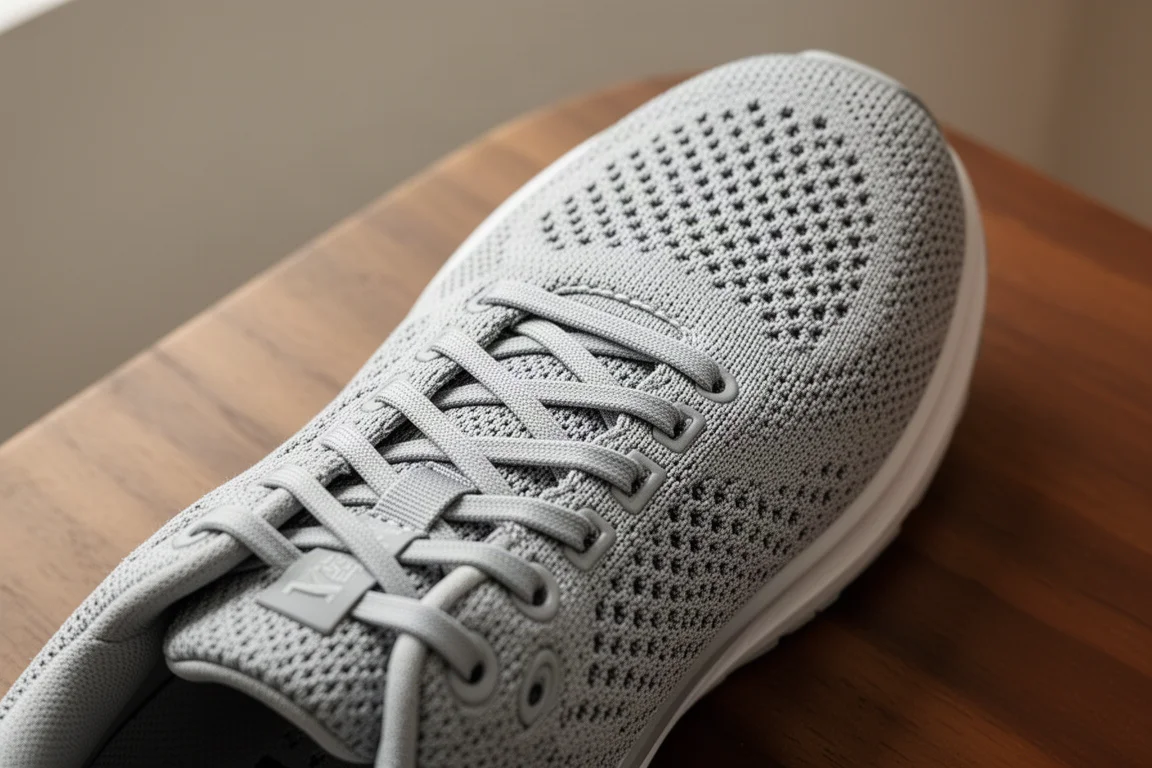
The Takumi Sen 11 has a touch more width but a fully gusseted tongue that secures the midfoot far better. The trade-off is a woven mesh that breathes less, so feet can run warm in hot weather. Neither shoe has a heel counter, which is excellent news for runners with sensitive heels or Haglund’s deformity. Just be sure to lock down the heel on the 11, where there is a little more room.
Which One Should You Buy?
Choose the Takumi Sen 10 if you want a firmer, more traditional racing flat, prefer less bounce, run mostly 5K and under, or simply want strong value at the current sale pricing. Choose the Takumi Sen 11 if you want a moderate-stack super shoe with real bounce, smoother transitions, better stability, a more secure midfoot, and the versatility to race everything from intervals up to the 10K and beyond. Runners with toe mobility issues should note that the 11’s rods flex under load, so trying it on first is wise.
Conclusion
Both shoes are capable racing options, but they answer different questions. The Takumi Sen 10 rewards runners who want simplicity, firmness, and price, while the Takumi Sen 11 recaptures some of the magic of the originals in a modern, bouncier package. Matching the shoe to your mechanics and race distances matters more than picking a winner.
Further reading
Related Reviews

Running Shoes
Best Road-to-Trail Running Shoes: Three Versatile Options for Mixed Terrain
A practical guide to three road-to-trail running shoes that handle both pavement and mild trails, with clear strengths and trade-offs for different runner types.

Running Shoes
Best Running Shoes for Achilles Tendonitis: Three Options Explained
Three running shoes with different heel drops and support features designed to help reduce Achilles tendon pain during walking and running.

Running Shoes
Best Running Shoes for Women: Five Top Choices Ranked
A ranked guide to five women's running shoes, from versatile daily trainers to high-performance racing options, with real strengths and trade-offs for each.