Running Shoes
Adidas Supernova Solution 2 vs Saucony Tempest 2: Lightweight Stability Super Foam Shoes Compared
Two of the only lightweight stability trainers with super foam on the market, compared on weight, stack, ride feel, stability, and fit.
Introduction
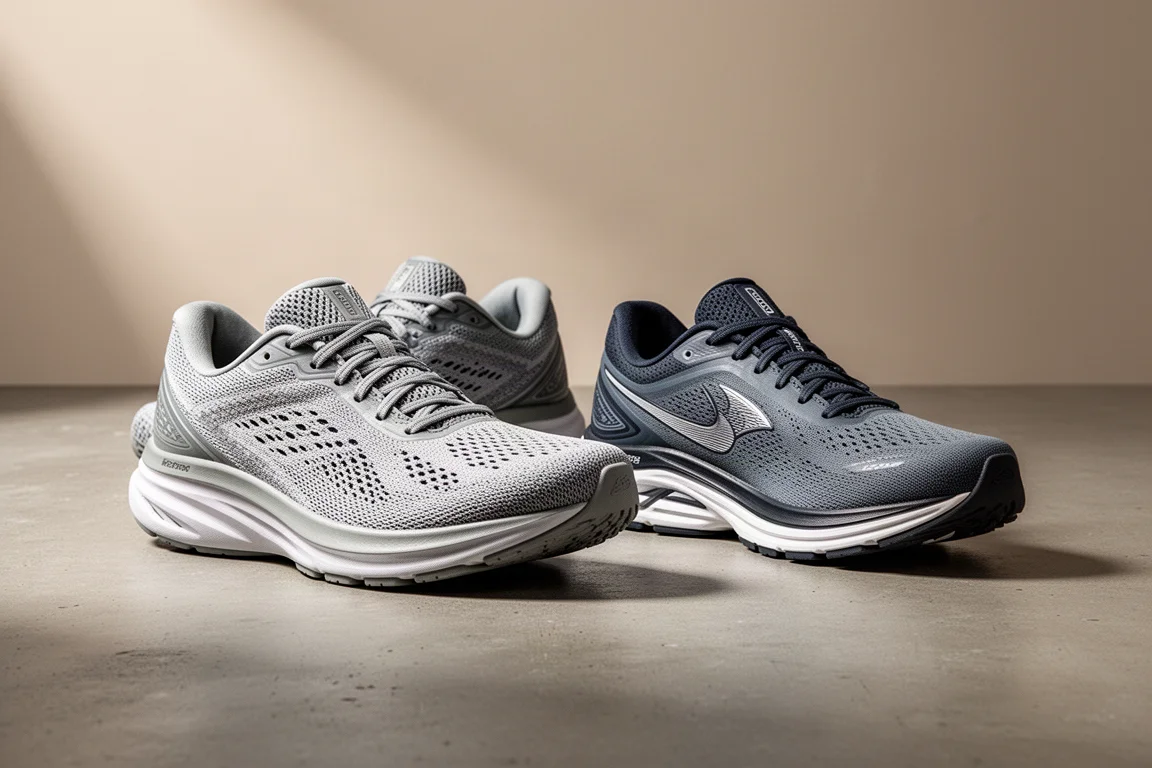
Lightweight stability trainers with super foam are a rare breed. For a long time the Saucony Tempest 2 sat in this space almost on its own, and now the Adidas Supernova Solution 2 has arrived to give it real competition. Neither is a plated super shoe, and both still carry some EVA in the midsole, but they bring enough super foam to move faster than a typical daily stability trainer. That makes them interesting twice over: as lighter-weight daily training shoes, and as a fallback racing option for runners who find most super shoes simply too unstable.
I put real mileage on both, including tempo runs and intervals, and they are genuinely different shoes that could each be the right pick depending on your feet and your stability needs.
Specs and First Impressions
Measured in a men’s size 10, the Adidas Supernova Solution 2 comes in at 280 g, or about 9.9 oz. The Saucony Tempest 2 is slightly lighter at 272 g, roughly 9.6 oz. Stack heights differ too: the Tempest 2 sits at 30 mm in the heel and 22 mm in the forefoot for an 8 mm drop, while the Solution 2 lists 36 mm in the heel and 26 mm in the forefoot for a 10 mm drop.
Those numbers on paper, though, do not tell the whole story. The Solution 2 runs and feels lighter and lower-drop than its listed specs suggest, which is one of the more surprising things about it.
Ride and Foam Feel
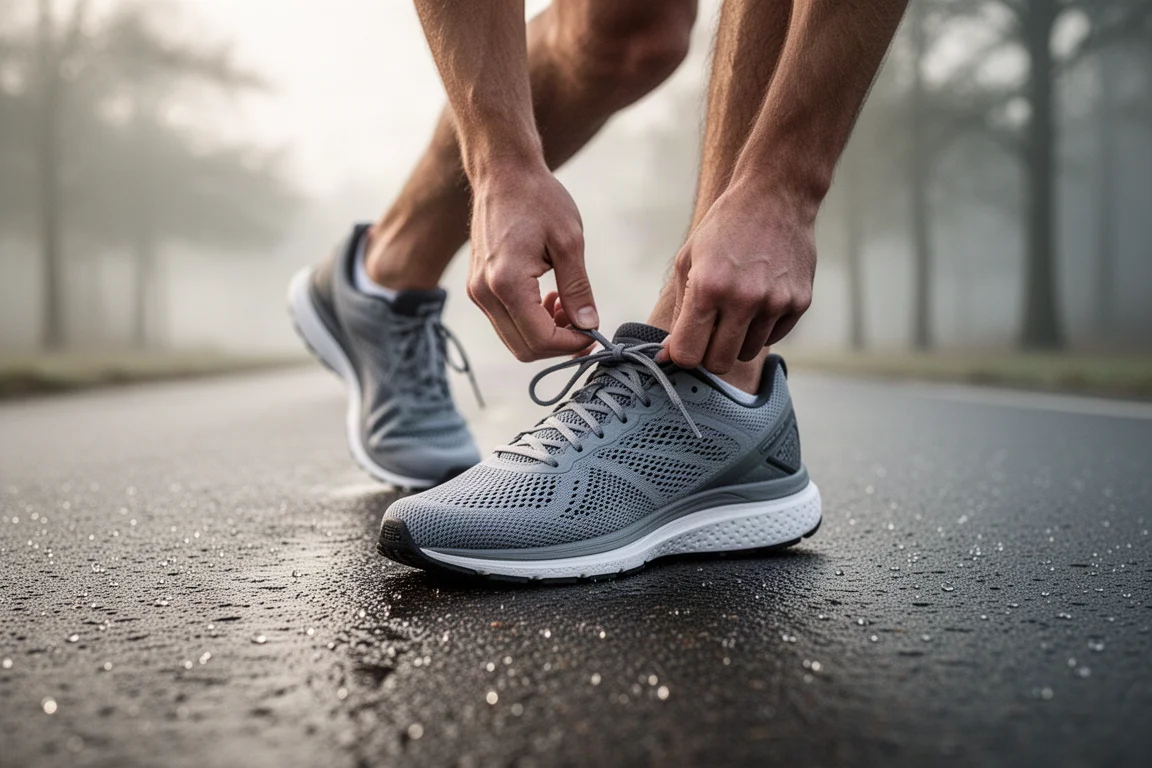
The Solution 2 uses Adidas’ Dreamstrike Plus foam, which is noticeably softer than the PWTP PB foam in the Tempest 2. That softness is the heart of the shoe’s character: the foam compresses really well underfoot, and combined with a large posterolateral heel bubble, the shoe runs with a much lower effective drop and feels lighter and nimbler than the numbers imply. Landing at the heel, it can feel closer to a 6 to 7 mm drop because the foam gives so nicely.
The result is a smooth ride with a pleasant bounce. It is not the most aggressive foam on the market, but the balance makes it feel light, and the compression gives a nice roll forward through the transition. The forefoot is a little flexible, so if you want a stiff-plated feel, this is not it. It handled a long, very hilly 13-mile run comfortably, and it transitions especially well from the heel thanks to an elongated heel bevel that continues past the posterolateral flare.
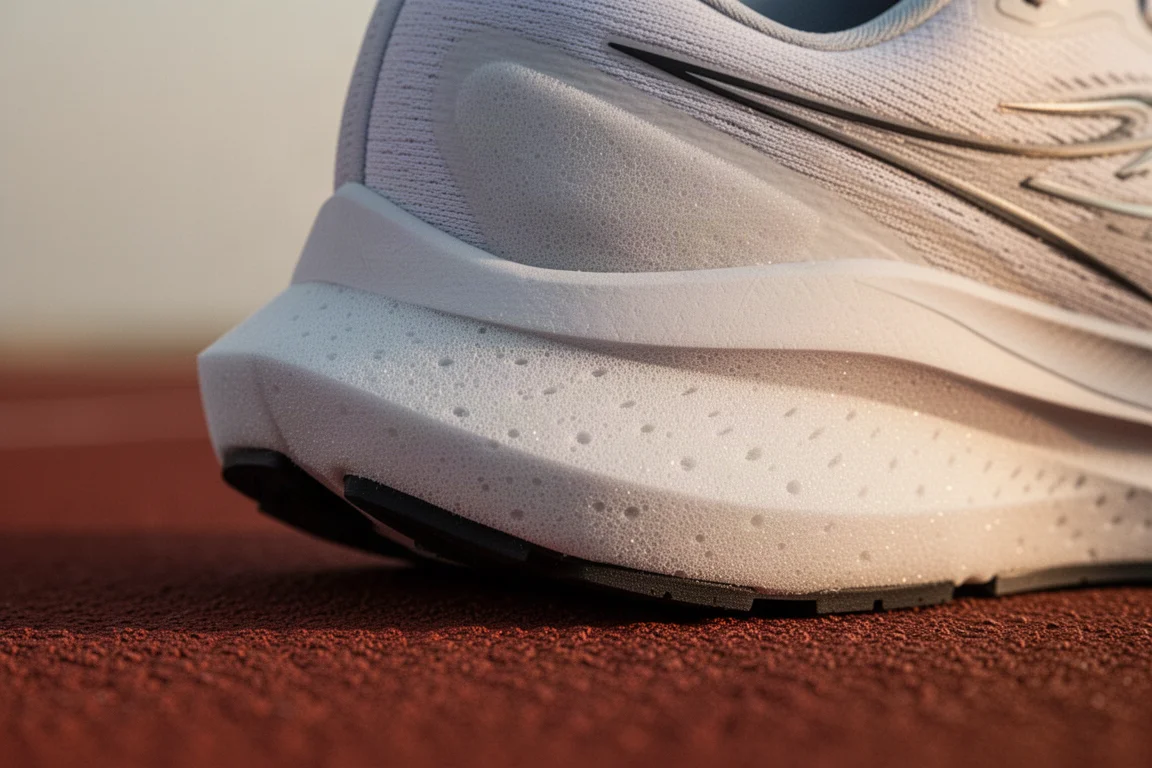
The Tempest 2 is firmer and a touch stiffer, though it has no plate. The contrasting foam construction adds some rigidity and snap underfoot, which suits runners who want to push the pace. The two foams, PWTP and PWTP PB, give it a more centered but decidedly stable ride. Its heel has only a small bevel, and that slight posterior flare can feel a touch clunky at easy paces, though it disappears once you speed up.
In practice: intervals felt slightly better in the Tempest 2, while longer efforts and easy running felt better in the Solution 2, which is more forgiving with softer heel transitions. The Solution 2 works well from easy runs up to tempo work; the Tempest rewards speed.
Stability and Support
Stability is where these two really diverge. The Tempest 2, built on the dual-density Power Run and Power Run PB combination, has substantial support on both the medial and lateral sides, making it a centered but very stable shoe. Runners with even moderate stability needs should do really well in it.
The Solution 2 is better suited to mild stability needs. It uses dual-density stability rods: firmer foam set deeper into the medial side and less on the lateral side, forming mild sidewalls. Medial support is more noticeable after break-in, once the foam compresses, and it works mainly from the heel into the midfoot. The forefoot is more flexible and offers less support up front.

So if you need meaningful, full-length, more aggressive stability, the Tempest 2 is the better bet. If you just need a gentle amount of support in the heel and midfoot, plus a softer ride, the Solution 2 fits that brief nicely.
Upper and Fit
The Tempest 2’s update is mostly an upper update, and it went narrow. Runners with narrow feet will love it: the upper is thicker, a lot more secure, with a gusseted tongue and a race-like snug fit. There is a stiff heel counter, so be aware of that.
The Solution 2 has a wider fit, wider than it even looks, because the mesh has plenty of volume and a bit of stretch. Runners who need more room will prefer it. Its tongue is not gusseted and is a little thicker, which sat slightly awkwardly on top of the foot at first, but once laced down properly it is fine. It also has a stiff heel counter, though it is more padded, which should suit runners with sensitive heels.
Overall Buying Advice
Both are strong options, and they are essentially the only two shoes doing this lightweight stability super foam job right now. The biggest differences are consistent: the Tempest 2 is narrower, firmer, stiffer, and more stable with a more aggressive ride, while the Solution 2 is roomier, softer, and smoother, working especially well for longer runs at easier efforts while still able to pick up the pace.
If pushed to pick one, the nod goes to the Solution 2 for its comfort and versatility across a wider range of paces, and for a softer foam that simply works better for longer days. The Tempest 2 remains a great shoe, but its firmer PWTP PB feels like first-generation super foam, and a newer blend could make the next version a real winner.
For runners with mild guidance needs who want a stable race option, stable neutral racing shoes such as the Hoka Rocket X2 or the Saucony Endorphin Pro 4 are worth a look. If those do not work for you, these two are the next best route.
Conclusion
The Adidas Supernova Solution 2 and Saucony Tempest 2 are two very different answers to the same question: a lightweight stability trainer with super foam. The Solution 2 wins on softness, smoothness, roomier fit, and pace versatility; the Tempest 2 wins on stability, snap, and speed. Choose based on your foot width and how much support you actually need, and either one can earn a spot in your rotation.
Product link
View more details for Adidas Supernova Solution 2
This product is mentioned in the review. Check the specifications, options, and compatibility before buying.
View more details for Adidas Supernova Solution 2Further reading
Related Reviews

Running Shoes
Best Road-to-Trail Running Shoes: Three Versatile Options for Mixed Terrain
A practical guide to three road-to-trail running shoes that handle both pavement and mild trails, with clear strengths and trade-offs for different runner types.

Running Shoes
Best Running Shoes for Achilles Tendonitis: Three Options Explained
Three running shoes with different heel drops and support features designed to help reduce Achilles tendon pain during walking and running.

Running Shoes
Best Running Shoes for Women: Five Top Choices Ranked
A ranked guide to five women's running shoes, from versatile daily trainers to high-performance racing options, with real strengths and trade-offs for each.