Running Shoes
Adidas Supernova Rise vs Supernova Prima: Which Daily Trainer Fits Your Running?
Two Adidas daily trainers built to fill the same gap, one with more foam and a softer ride, the other lighter and firmer. Here is how they compare.
Introduction
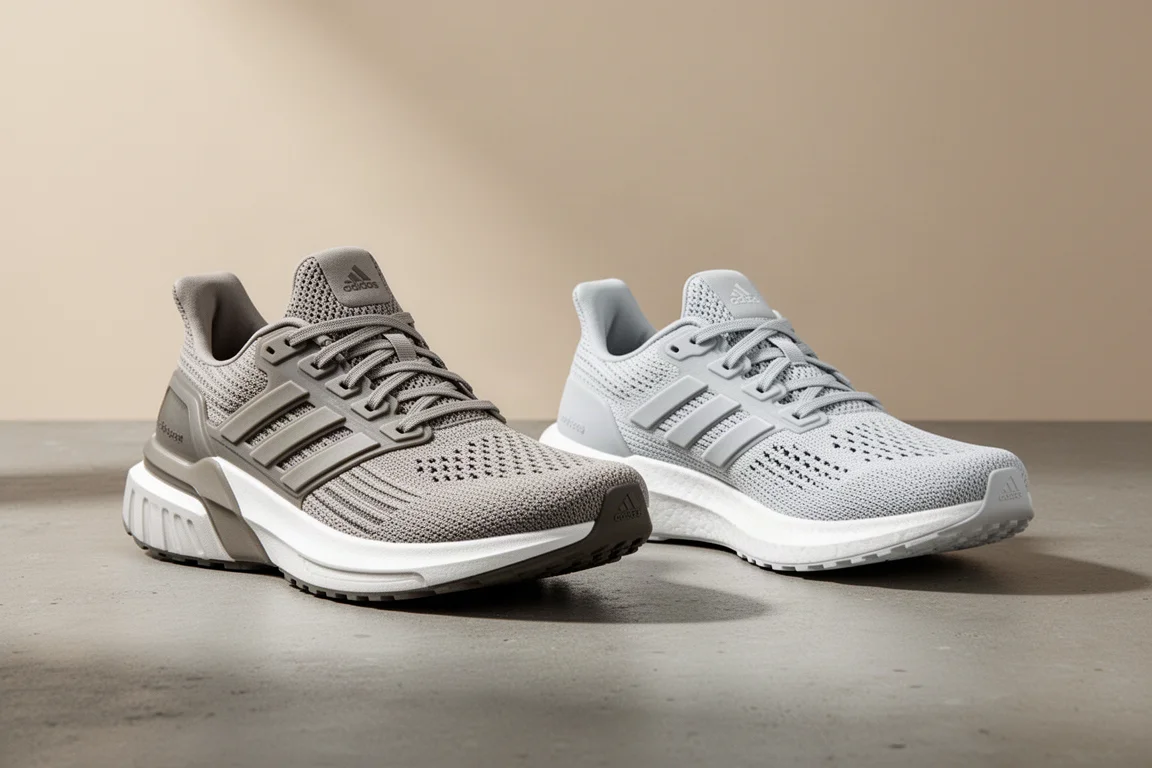
Adidas has been missing capable cushioned daily trainers from its lineup for a while now, and the Supernova Rise and Supernova Prima are its answer to that gap. Both sit behind the brand’s race shoes, aimed at everyday runners who want something controlled, balanced and comfortable rather than super aggressive.
The two shoes are more similar than they are different, which makes the choice genuinely interesting. One costs more, carries more foam and delivers a softer, more cushioned ride. The other is lighter, firmer and a touch nimbler. This comparison breaks down where each one shines so you can pick the right one for your running.
Quick Specs and Stack Comparison
The Supernova Prima carries 38mm of foam in the heel and 30mm in the forefoot for an 8mm drop, while the Rise packs 36mm in the heel and 26mm in the forefoot for a friendlier 10mm drop. On the scales, the Prima weighs 10.1oz (286g) in a UK men’s 8, with the Rise coming in at 9.7oz (275g).
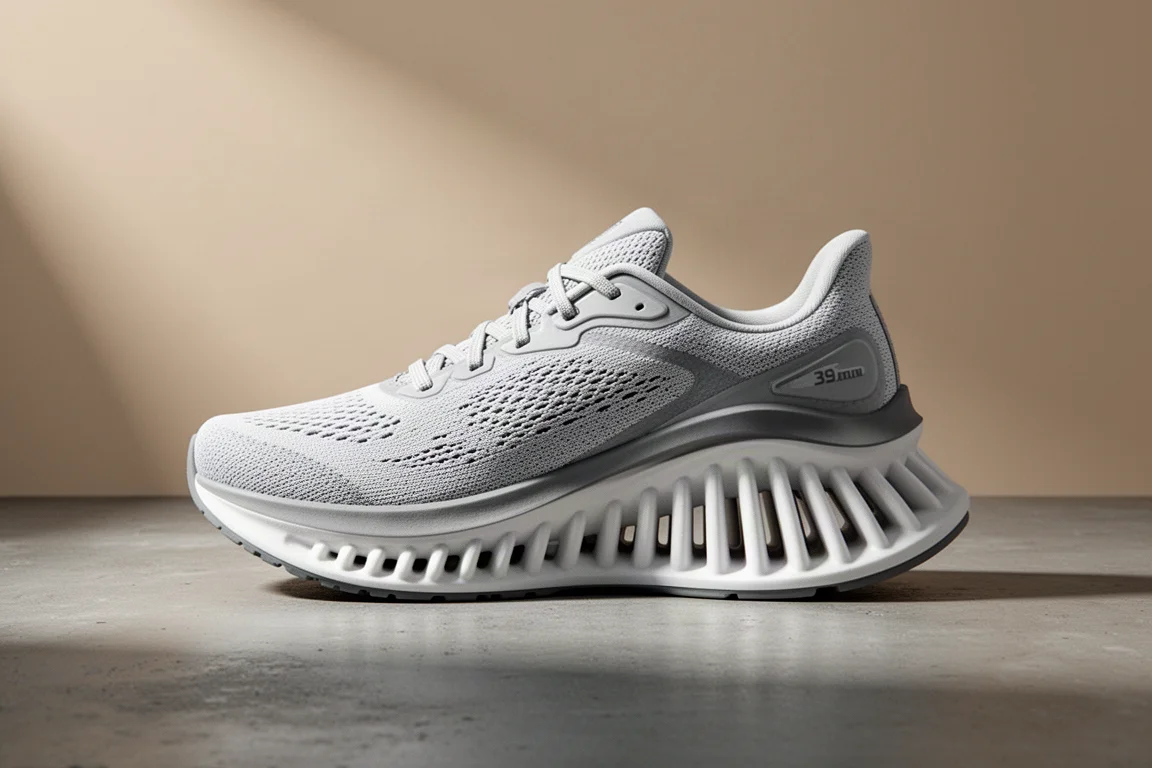
On price, the Prima costs £150 or $160, while the Rise is £130 or $140. Both use Adidas’s newer Dream Strike Plus foam, with the Prima simply carrying more of it. Adidas claims 33% more foam in the Prima’s midsole, with an additional 2mm in the heel and 4mm extra under the forefoot targeting the ball of the foot.
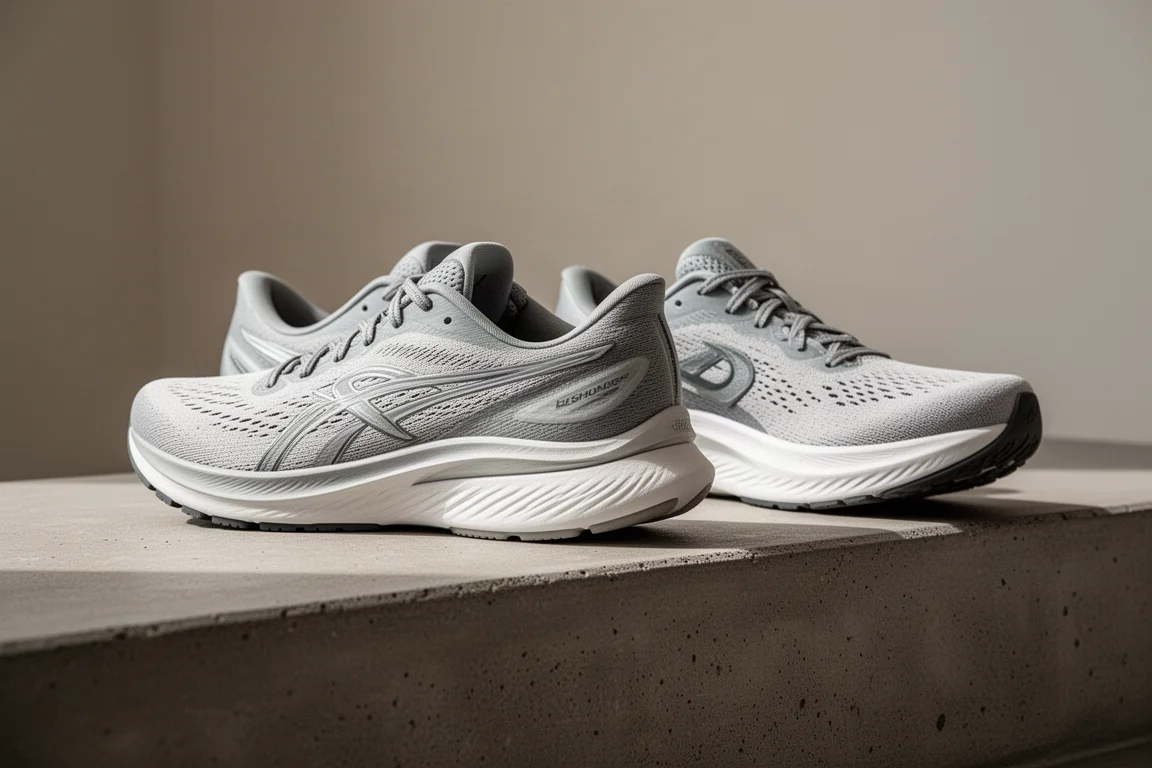
Both shoes also feature what Adidas calls Support Rods, a foam-based system riffing off the Energy Rods found in its racing shoes. The idea is that these rods let designers tune the ride. In practice, the denser, wider foam rods in the Prima enhance stability, while the Rise feels slightly firmer and quicker to stiffen underfoot, giving its ride a good sense of immediacy.
Fit, Sizing and Upper Feel
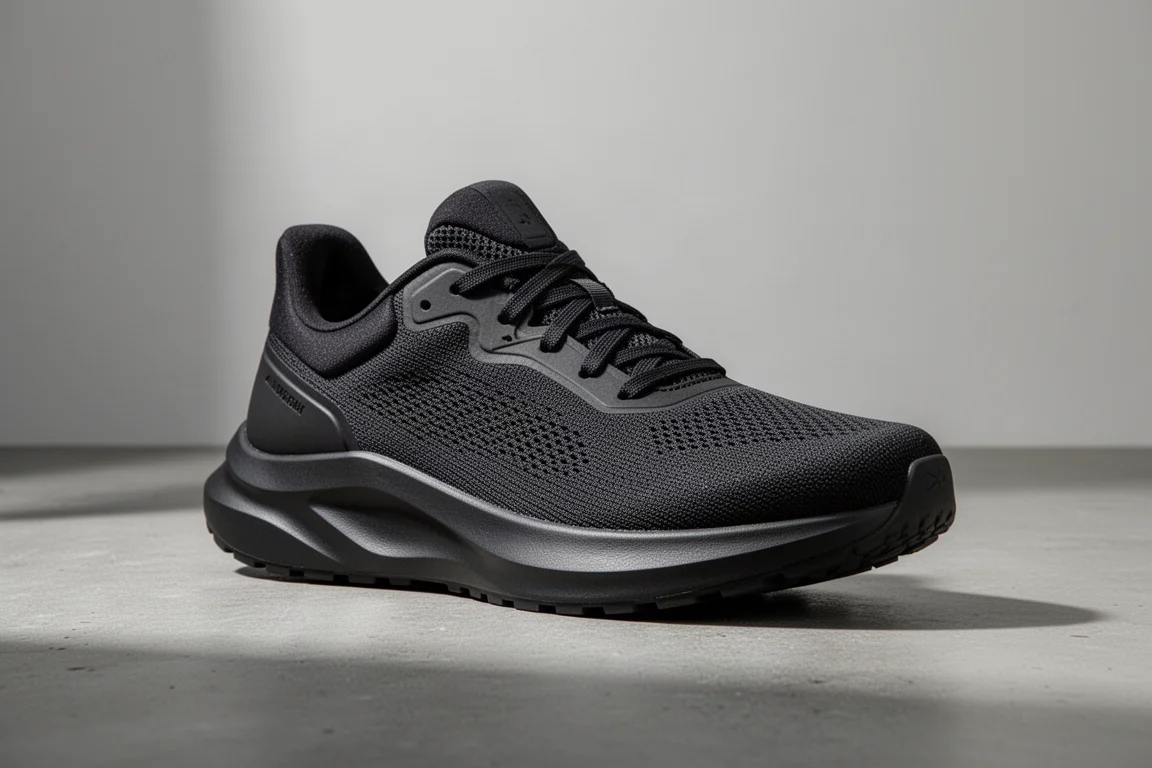
Both shoes have mesh uppers with similar breathability and generously padded heel collars. The Rise uses a sandwich mesh upper with a bit more tongue padding, and its look is marginally narrower. The Prima also has a mesh upper with a padded lace-down point that thins into a wrapping tongue, though it still feels cushioned once laced up.
Testers who ran in both consistently recommended going true to size, and found midfoot lockdown and heel hold solid in each. The Prima bucks the narrow-adidas trend somewhat, offering more flex in the toe box and a slightly more supportive, structured feel. One caveat worth noting: the Prima’s stiff heel counter and generous rear padding can run a little warm and can slightly irritate the Achilles area for some runners.
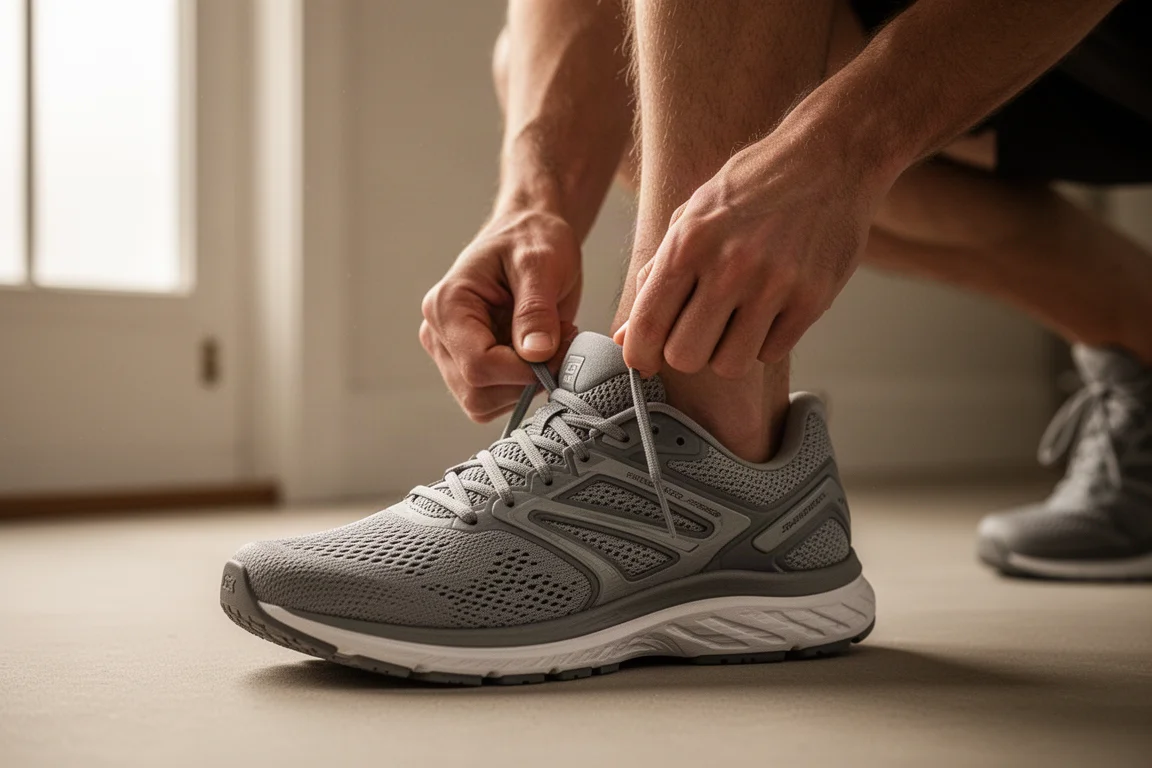
The Rise, by contrast, is the less fussy upper: less structure, more flexibility and a slightly more accommodating feel overall. If you have very narrow feet, both work well without needing to size up or down. If you have struggled with narrow Adidas shoes before, the Prima’s roomier toe box may be the safer bet.
Ride Feel and Performance
The Rise sits at the firm and responsive end of the spectrum, though not uncomfortably so. The Dream Strike Plus midsole and support rods stiffen quickly underfoot and give the ride a nice immediacy, without much sink. It takes the edge off the road while staying compliant and responsive. Fans of very soft cushioning shoes may want more, but for runners who like feeling connected, it works well. On longer runs, though, the foam distribution leans toward the heel, and some runners miss the extra forefoot cushioning.
The Prima is noticeably more cushioned thanks to that bigger stack, but it manages the extra protection without feeling too high or too soft. The ride is nicely balanced, with a wide, reliable, stable platform. It cushions well without losing that all-important connection to the road, and the extra foam under the forefoot makes longer runs feel more comfortable and balanced. Transitions are smoother too, helped by the heel extension at the back of the shoe.
Neither shoe truly excels at fast paces. Both feel best in the easy daily training zone, happy to pick up the pace a little but much more at home in comfortable cruising. If you have a rotation with a dedicated faster shoe, neither of these is it. They are do-it-all cushioned daily trainers, with the Prima roughly comparable to something like a Saucony Ride 17 or Brooks Ghost Max in character, and the Rise as a firmer antidote to big-stack dailies that is marginally better on stability.
Grip and Durability
Both shoes grip very well in all conditions, including wet roads, with plenty of testing opportunities in UK weather backing that up. The outsoles use groove patterns that follow the ergonomics of the foot, and rubber coverage is focused in key zones.
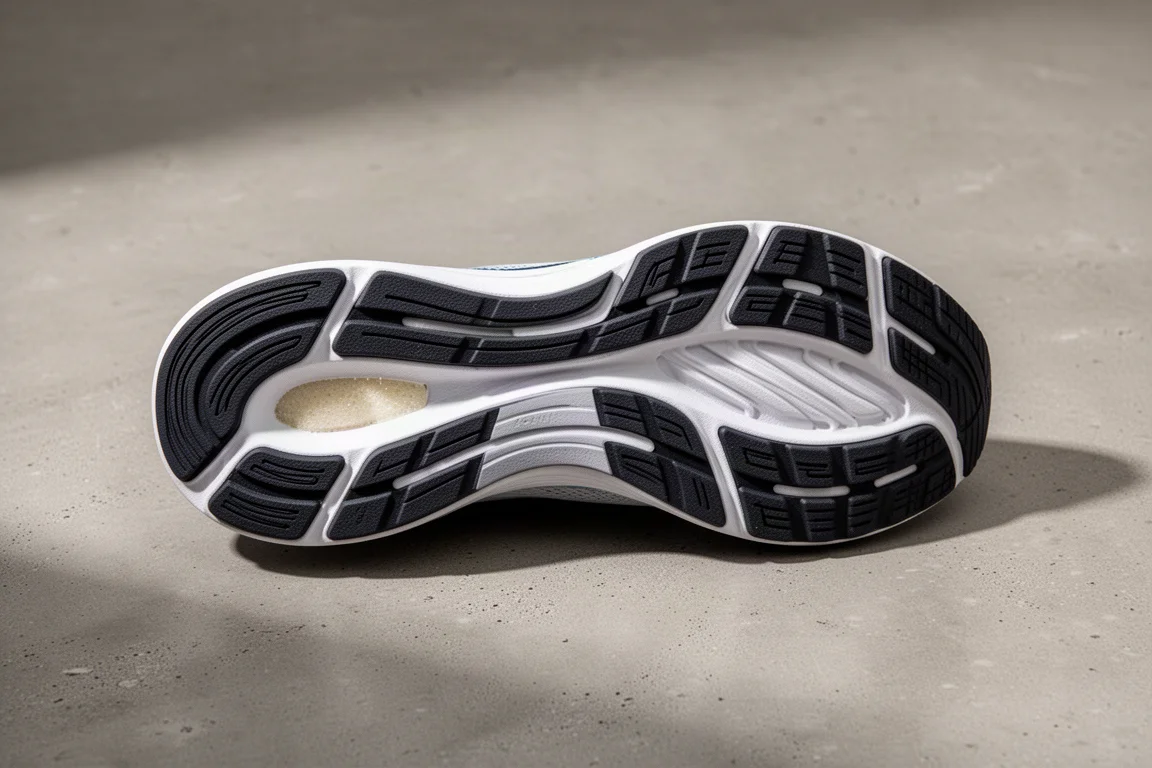
There is one difference worth watching: the Prima uses a new Light Traction outsole designed to keep the shoe light and grippy, but it has less protection in the heel impact zones, with some early signs of wear showing in that area for heel strikers. The Rise, with its Adiwear outsole, looks better protected, particularly through the midfoot. Neither showed serious wear overall, but heavy heel strikers should keep an eye on the Prima’s heel.
Which Shoe Should You Buy?
The choice boils down to ride preference and budget. If you prefer a softer ride with more long-haul protection, the Prima earns its extra £20 or $20 by handling everything the Rise can, with extra comfort on easy days and a better foam balance for longer distances. If you like things firmer, more connected and slightly more responsive, the Rise delivers that in a lighter, nimbler package, and its simpler upper is arguably the more comfortable of the two for many runners.

For runners mostly doing 5K to 10K runs at easy to moderate paces, the Rise does the job for less money. But for a cushioned daily trainer covering everything from short recovery miles to long runs, the Prima offers a slicker experience with that extra level of protection. On balance, the extra cushioning here does not cost the Prima much versatility, which is why it edges ahead for a wider range of runs. If the upper feel matters more to you than the ride, though, the Rise remains a very solid and slightly cheaper pick.
Conclusion
The Supernova Rise and Prima successfully plug the gap in Adidas’s everyday lineup. Think of them a bit like the Brooks Ghost and Glycerin relationship: same foam family, similar rides, with the Prima as the more built-up, more premium-feeling sibling. For most runners looking to bang out daily training in comfort, the Supernova Prima is the recommendation. Runners who favour a firmer, lighter, more connected feel, or who found the Prima’s heel counter uncomfortable, will be very happy with the Rise instead.
Further reading
Related Reviews

Running Shoes
Best Road-to-Trail Running Shoes: Three Versatile Options for Mixed Terrain
A practical guide to three road-to-trail running shoes that handle both pavement and mild trails, with clear strengths and trade-offs for different runner types.

Running Shoes
Best Running Shoes for Achilles Tendonitis: Three Options Explained
Three running shoes with different heel drops and support features designed to help reduce Achilles tendon pain during walking and running.

Running Shoes
Best Running Shoes for Women: Five Top Choices Ranked
A ranked guide to five women's running shoes, from versatile daily trainers to high-performance racing options, with real strengths and trade-offs for each.