Running Shoes
Adidas Supernova Rise Review: A New Daily Trainer Plus Five Shoes to Build a Rotation Around It
Adidas gives the Supernova line the flagship treatment with new Dreamstrike Plus foam. We break down the Supernova Rise, its closest competitors, and the Adidas racing shoes to pair with it.
Introduction
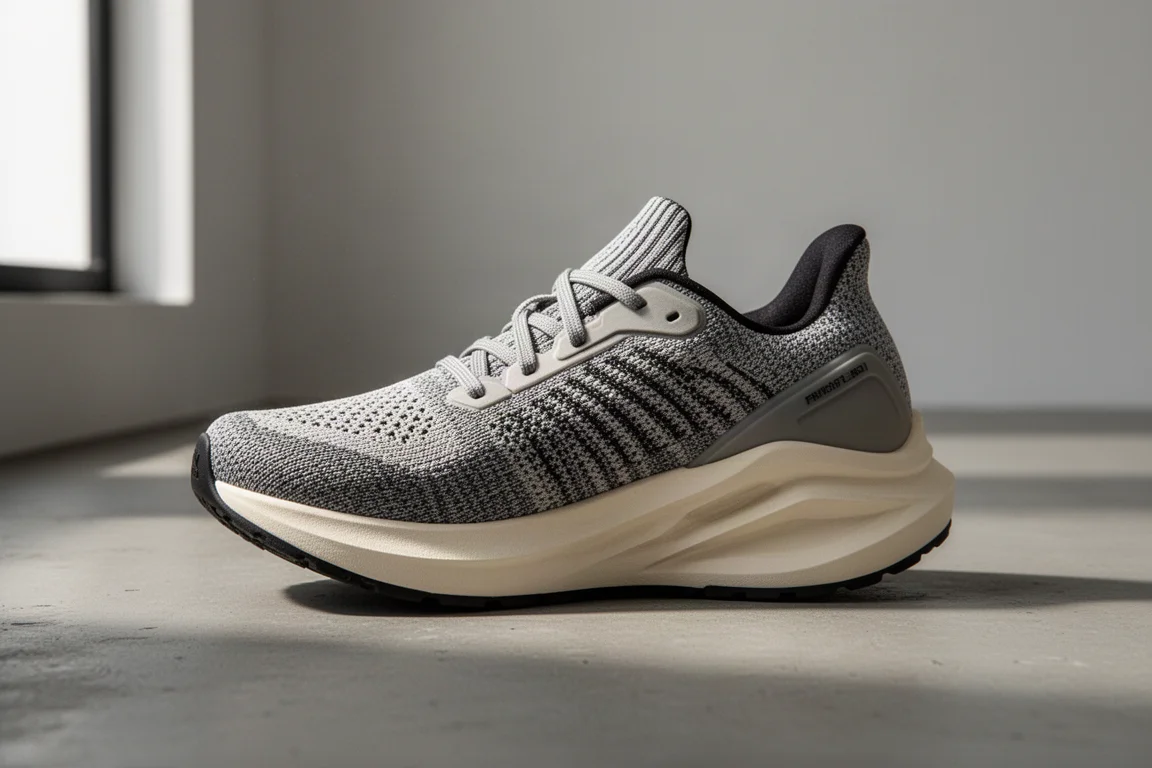
The Adidas Supernova line has long been positioned as a value option, but the Supernova Rise changes that story. With a brand-new Dreamstrike Plus midsole, an EVA stabilizer layer borrowed in spirit from Adidas racing shoes, and a comfortable, accommodating fit, it steps firmly into the premium daily trainer conversation. In this review we take a close look at what makes the Rise work, where it falls short, and which shoes you might pair with it or consider instead.
The Headline: Dreamstrike Plus Foam
The big story here is Dreamstrike Plus, a new foam making its first appearance from Adidas. It is produced through a super critical process and incorporates 20% bio-based materials. In practice it sits in a sweet spot: lighter than Boost, softer than Lightstrike, and lively enough to feel peppy on easy days.
To keep that softer foam in check, Adidas adds a base layer of EVA rods underneath the midsole, inspired by the rod systems in its racing shoes. This is not a carbon plate setup, but it does a good job of reducing the chaos as your foot hits the ground. A wide footprint through the toe box and midfoot adds further inherent stability, and a full layer of non-Continental rubber outsole provides traction that proved grippy in testing.
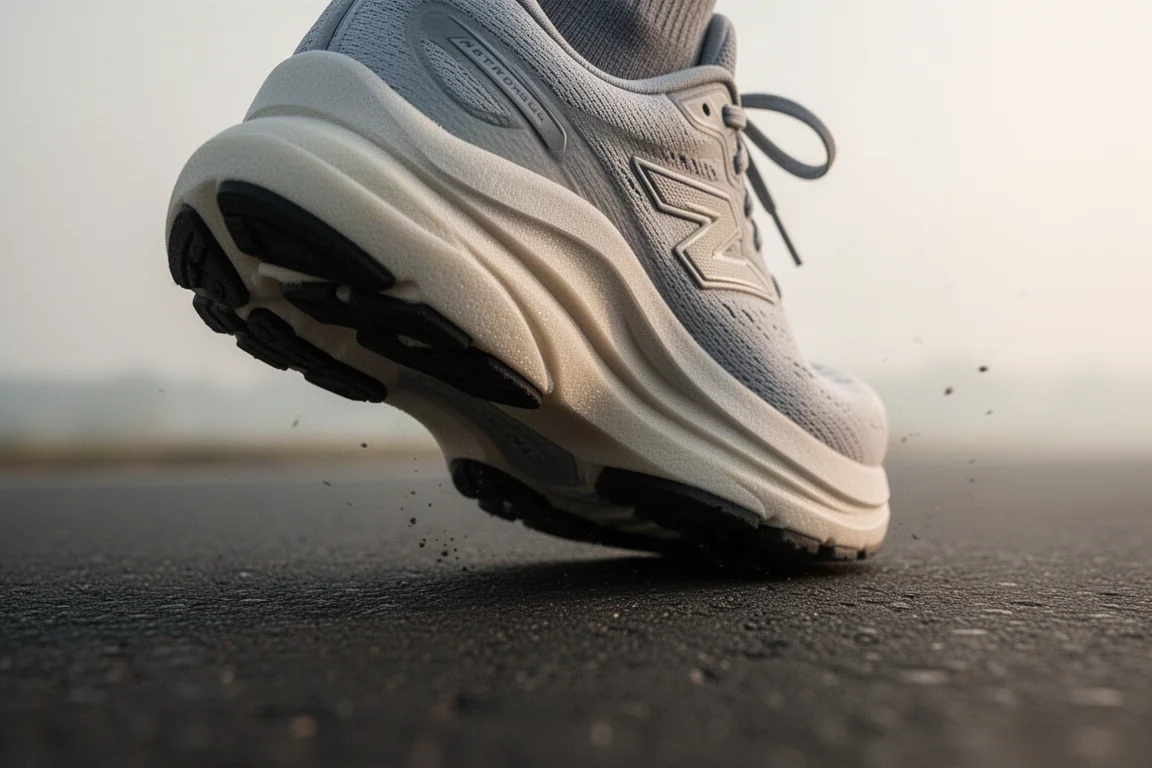
At 277 g (9.7 oz), the weight is reasonable for a cushioned daily trainer. The upper is stretchy, breathable, and comfortable, with a padded tongue and plush heel padding that some may find slightly excessive. The heel gets a pronounced bevel plus a long, rigid plastic heel counter, locking you in with a ball-and-socket feel. If you prefer a lot of structure around your heel, this delivers; if you like freedom back there, it may feel like a lot.
Everyday Performance and Fit
On the run, the Rise delivers cushioned comfort with enough snap to stay enjoyable over the bulk of weekly mileage. That stabilizing EVA layer does have a trade-off: the shoe is a little reluctant to pick up the pace, so it is not the first choice for fast interval sessions. For easy and everyday running, though, it is exactly the kind of experience many runners want from a daily trainer in this generation of foams.
Fit went true to size, and the toe box is more accommodating than the Adizero SL. The overall comfort also makes the Rise a genuinely pleasant casual shoe for wear outside of running. For runners who find max-bounce daily trainers too squishy and unstable, the Rise offers a more controlled ride without being a stability shoe. It launched on December 1st at $140, which now feels like the standard daily trainer price, but you get a lot of shoe for it.
ASICS Novablast 4
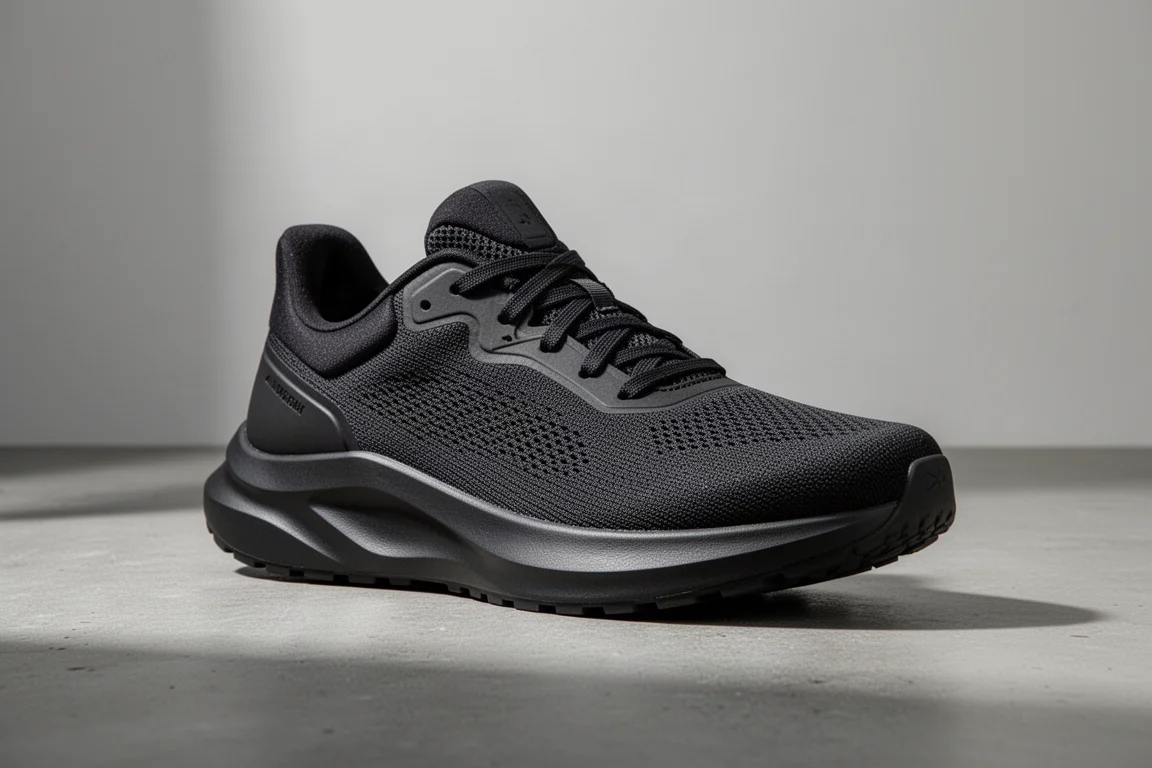
The ASICS Novablast 4 released on the same day at the same $140 price, and the comparison is natural: both use midsole foams with 20% bio-based content and share similar squish dynamics on paper. Where they differ is geometry and stabilization.
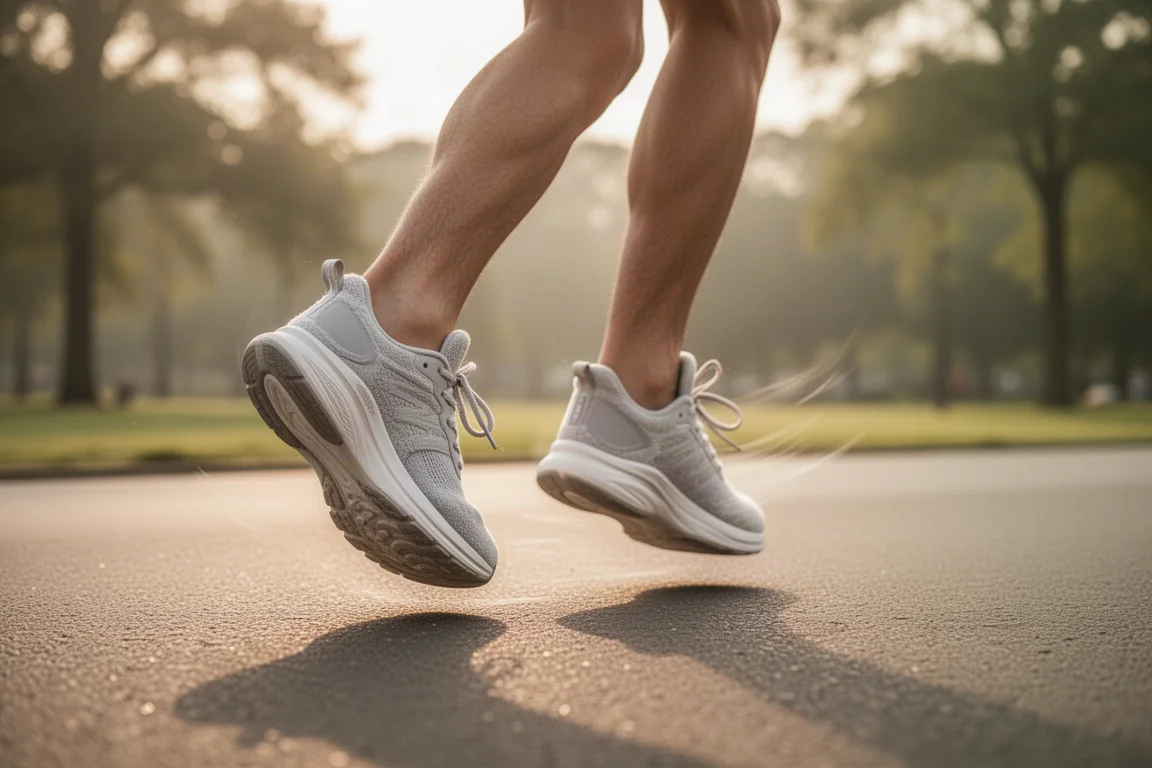
The Novablast 4 has a taller stack with nothing but FF Blast Plus Eco underfoot, producing a springier, lighter, more peppy ride than the Supernova Rise. The Rise counters with a more stable experience and considerably more outsole rubber. If stability and durability coverage top your list, the Rise wins; if you want maximum bounce and energy, the Novablast 4 is the pick.
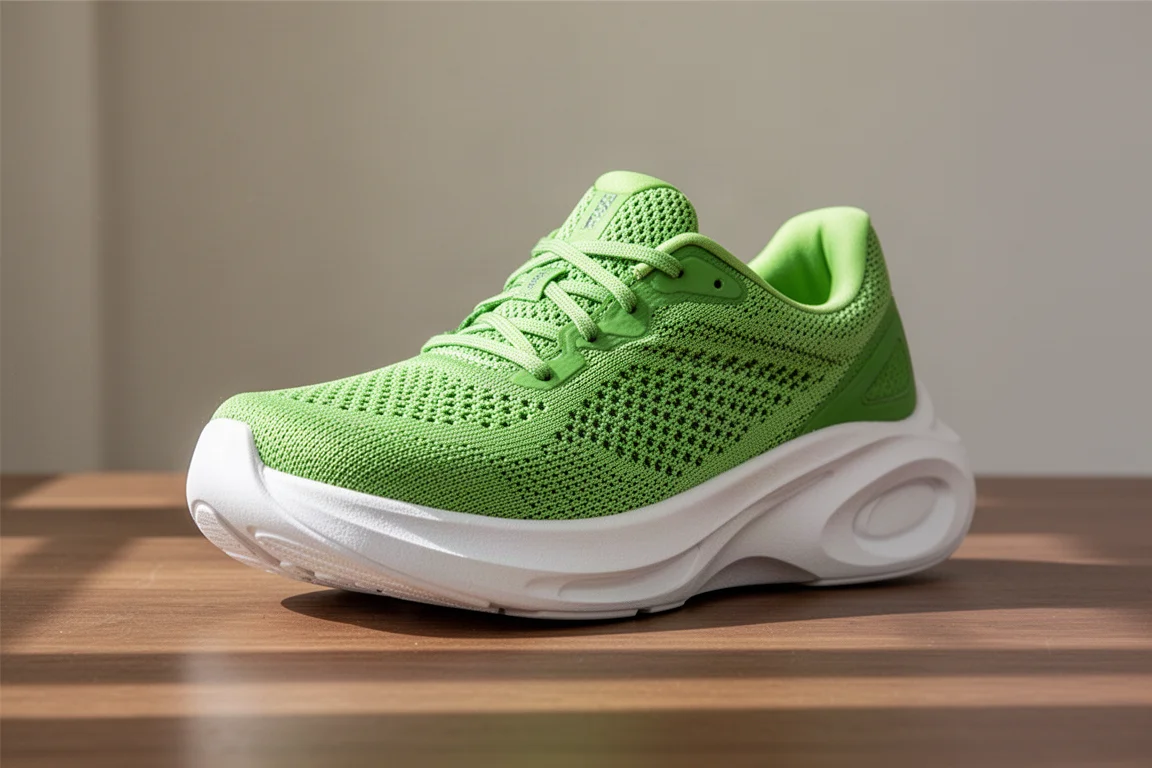
Hoka Clifton 9
Released earlier in the year, the Hoka Clifton 9 is arguably the closest competitor. The foam feel is nearly identical between the two, so the real differences come down to geometry and stack height. Both shoes are relatively wide for daily trainers, lending each a dose of inherent stability from the landing footprint.
The Clifton 9 costs $145, a $5 premium over the Rise, buying a slightly lighter and slightly peppier ride that is possibly a touch less stable. It is a fine margin, and many runners will need to try both to feel the difference.
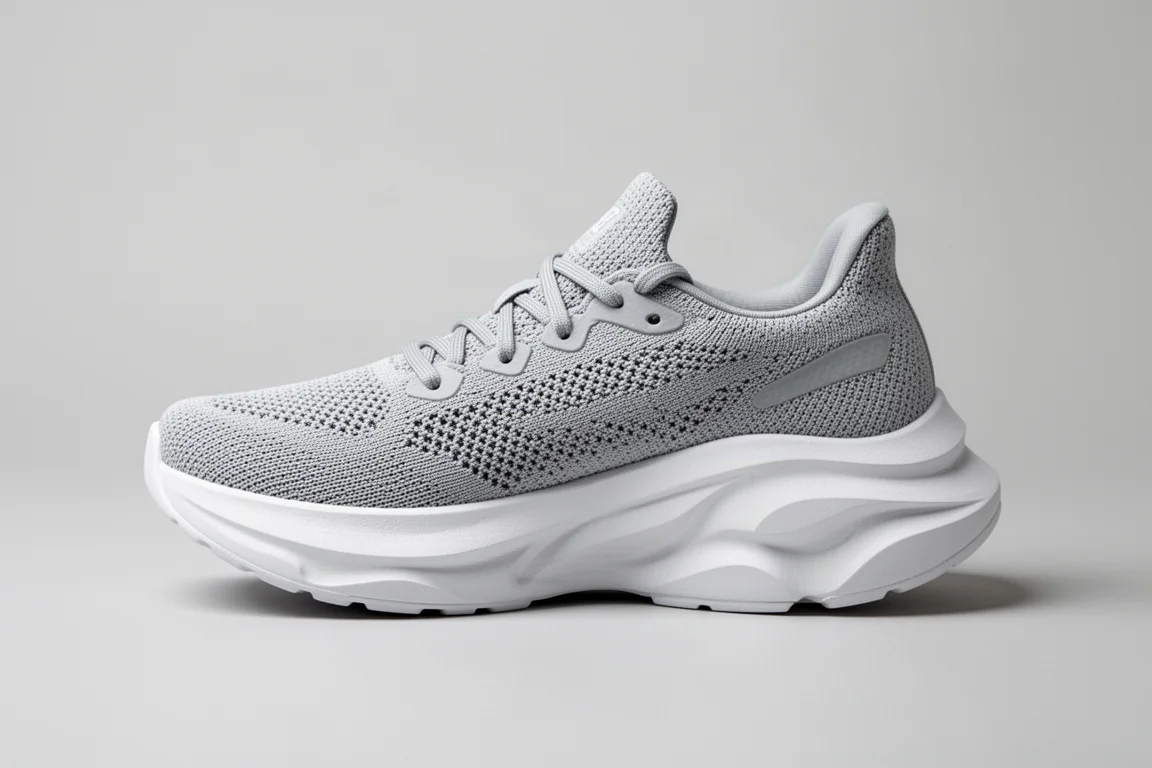
New Balance Fresh Foam X 1080 v13
The New Balance Fresh Foam X 1080 v13 rounds out the direct competitors with a reconfigured Fresh Foam X midsole: squishy yet bouncy, very reminiscent of the Rise. The key difference is footprint width. The 1080 v13 is narrower than both the Clifton 9 and the Supernova Rise, which gives it a more nimble, agile, and fun ride.
That lightness and agility comes at a cost, literally: $165, a $25 premium over the Rise. If you prize a lively, agile daily trainer, the 1080 v13 justifies its price; if you want a dampened, stable ride, the Supernova Rise remains the stronger choice.
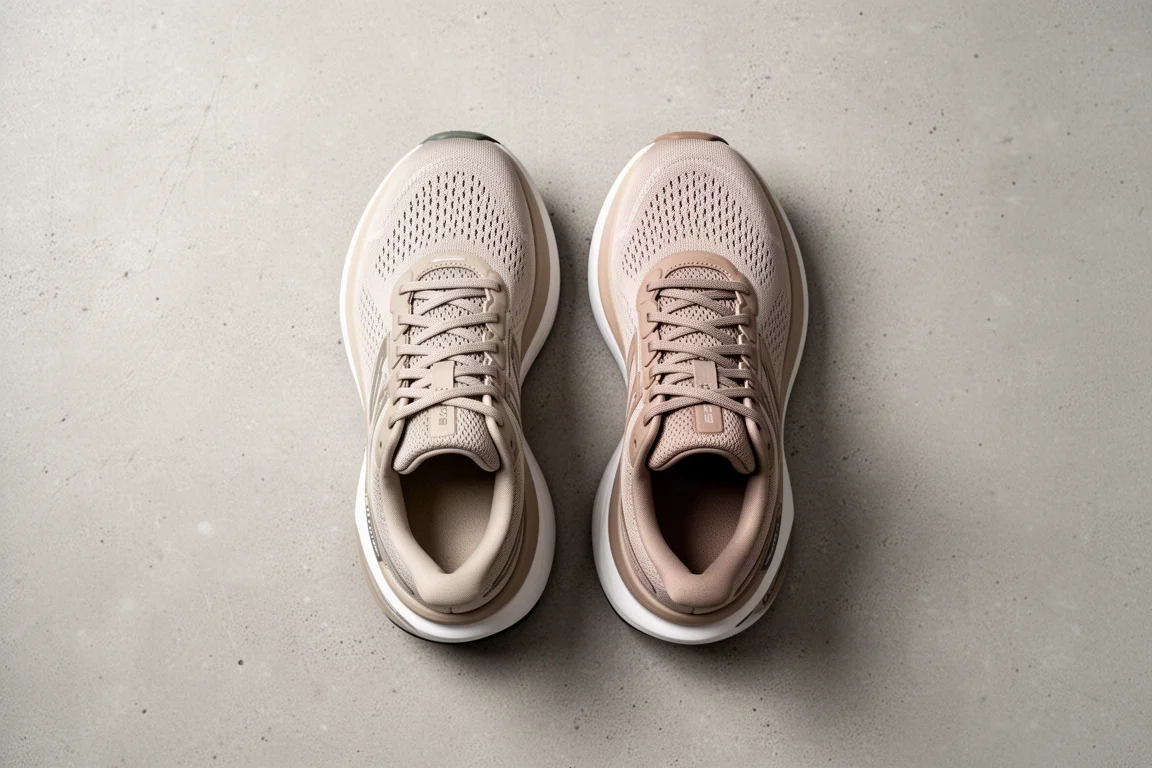
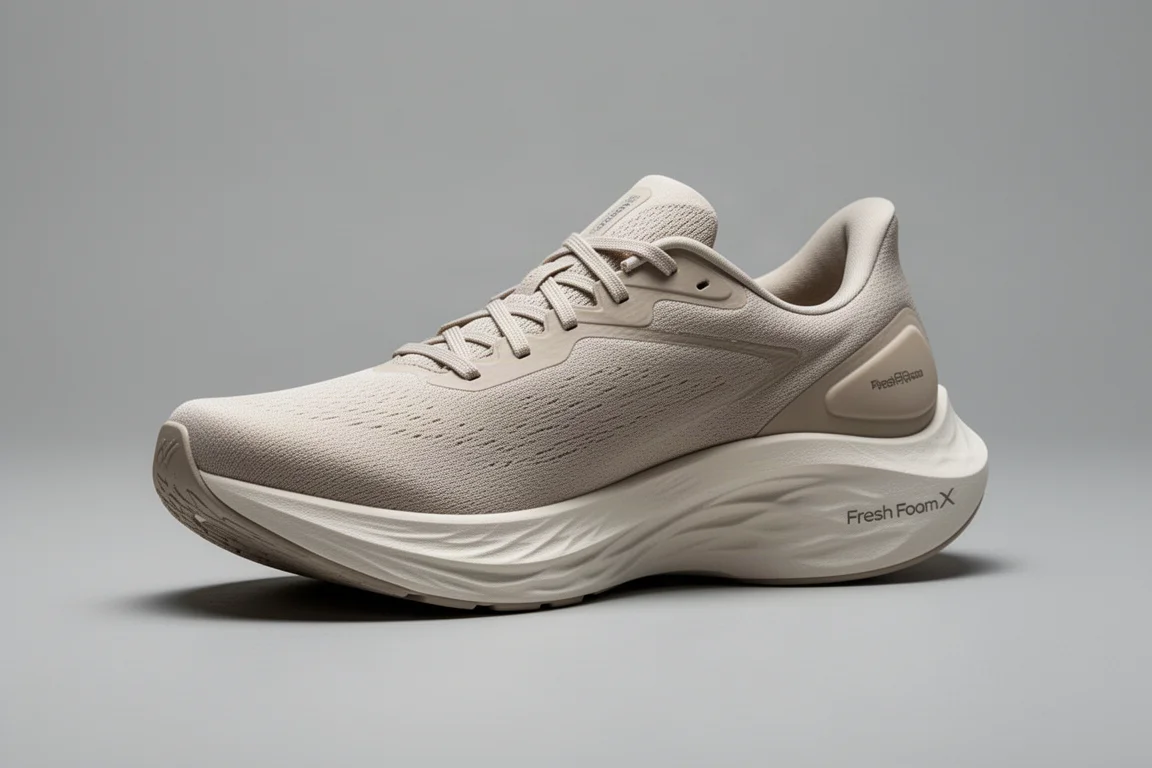
Building a Marathon Rotation Around the Rise
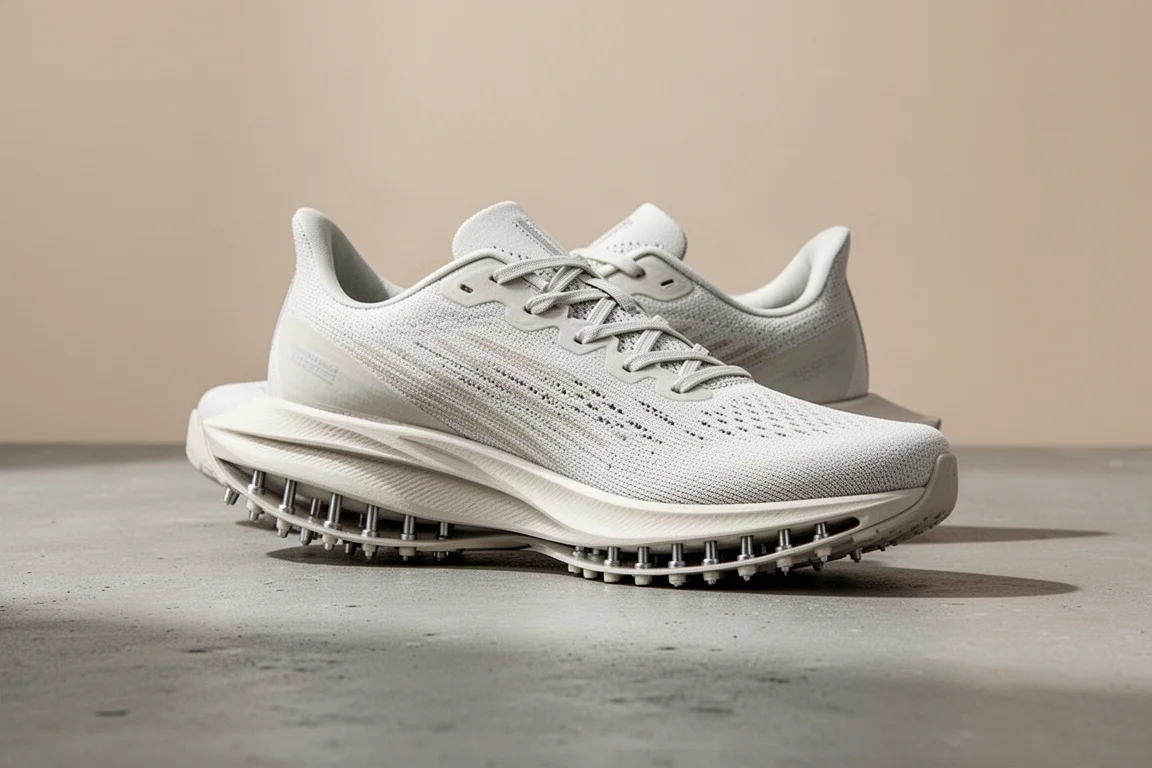
For runners thinking in rotations rather than single shoes, the Rise anchors the easy-mileage slot nicely, and Adidas offers two logical complements. For workouts, the Takumi Sen 9 brings Lightstrike Pro and real energy rods, the inspiration for the Rise’s EVA stabilizer layer. It is lightweight, nimble, and fast, well suited to quick interval sessions and even some longer marathon workouts.
Race Day: Adidas Adios Pro 3
For race day, the natural step up is the Adios Pro 3, essentially the Takumi Sen 9 formula bulked up for marathon distance and the longest, most demanding workouts. Together with the Supernova Rise, these three shoes form a very complete lineup for a marathon build: daily miles in the Rise, quick sessions in the Takumi Sen 9, and the marathon itself in the Adios Pro 3.
Buying Advice
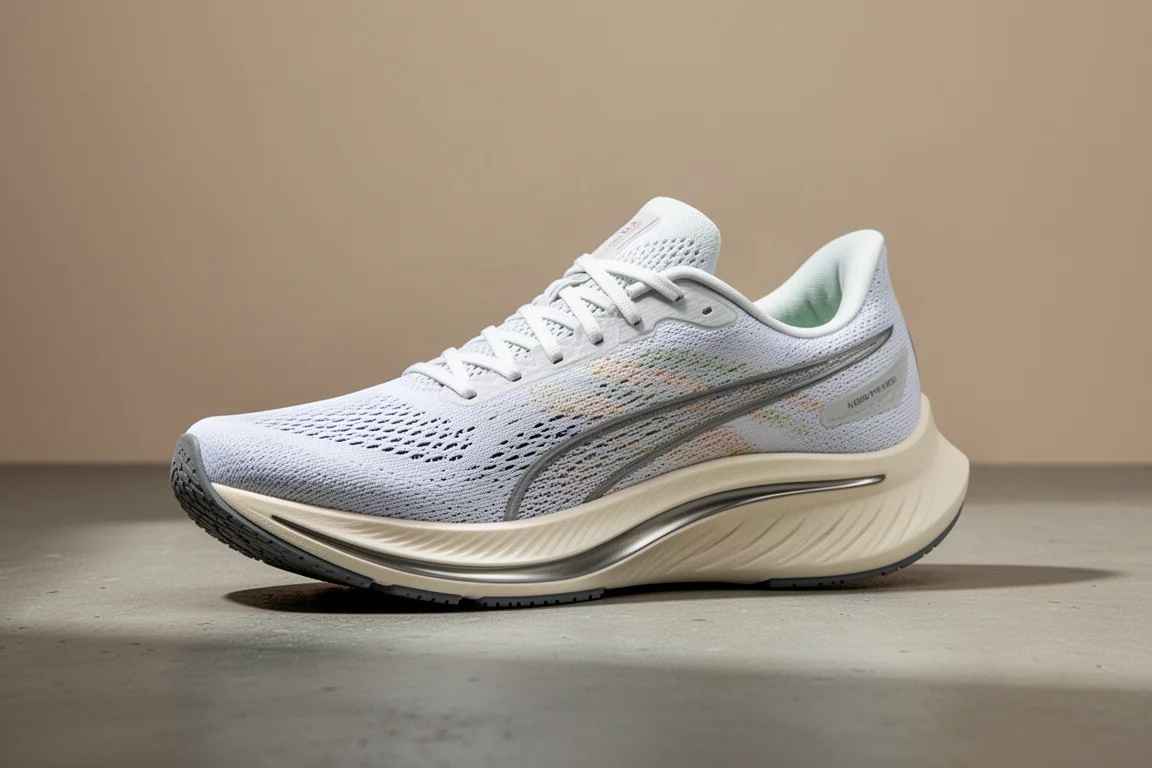
Placing these daily trainers on a spectrum from peppy and slightly unstable to dampened and stable, the Supernova Rise sits at one end and the Novablast 4 at the other, with the 1080 v13 and Clifton 9 in between. All four are excellent at the modern daily trainer job, and the differences are subtle enough that trying them on in person is genuinely worthwhile. Decide whether your priority is stability and structure or bounce and agility, then let that guide you. And if you want to keep everything in one family, the Adidas trio of Rise, Takumi Sen 9, and Adios Pro 3 covers every run in a marathon training block.
Conclusion
The Adidas Supernova Rise marks a real elevation for the line: new Dreamstrike Plus foam, a smart stabilizing EVA layer, generous rubber coverage, and a comfortable, lock-in fit at $140. It gives up some speed for that stability, but as a daily trainer for the bulk of your mileage it is easy to recommend, and it slots neatly into a broader rotation alongside faster Adidas racing shoes.
Further reading
Related Reviews

Running Shoes
Best Road-to-Trail Running Shoes: Three Versatile Options for Mixed Terrain
A practical guide to three road-to-trail running shoes that handle both pavement and mild trails, with clear strengths and trade-offs for different runner types.

Running Shoes
Best Running Shoes for Achilles Tendonitis: Three Options Explained
Three running shoes with different heel drops and support features designed to help reduce Achilles tendon pain during walking and running.

Running Shoes
Best Running Shoes for Women: Five Top Choices Ranked
A ranked guide to five women's running shoes, from versatile daily trainers to high-performance racing options, with real strengths and trade-offs for each.