Running Shoes
Adidas Supernova Rise First Run: A Protective Daily Trainer With a Dense PEBA Edge
The Supernova Rise blends a Dreamstrike Plus midsole with firmer EVA support rods for a stable, cushioned everyday ride that sits naturally alongside the Nike Vomero 17 and Pegasus.
Introduction
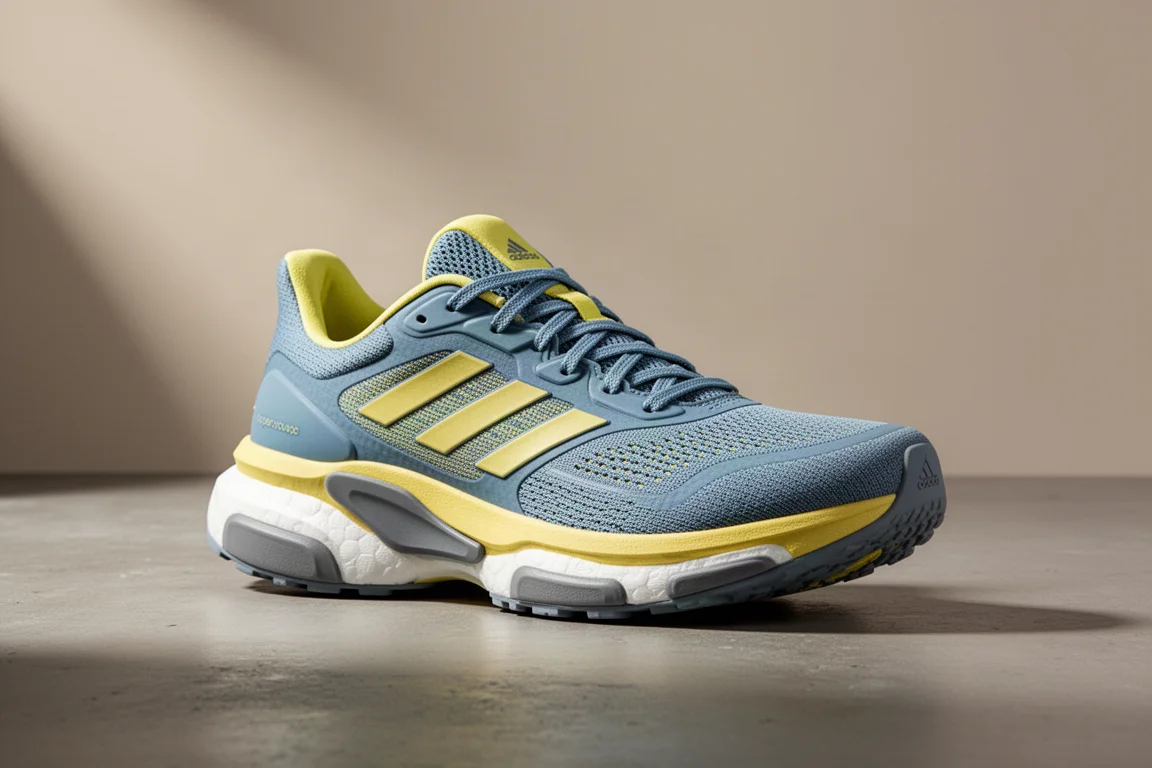
The Adidas Supernova Rise arrives with a clear job: be the comfort-oriented everyday running shoe in Adidas’ core lineup that still has enough pop for faster miles. It sits above the Adizero SL in price and construction, and it goes head to head with the Nike Vomero 17, which is priced at $160 versus the Supernova Rise at $140. Both brands now run a two-shoe daily trainer strategy: Adidas pairs the Supernova Rise with the Adizero SL, while Nike pairs the Vomero with the Pegasus. The SL and Pegasus are the simpler, cheaper, low-frill options; the Supernova Rise and Vomero are the pricier, more cushioned picks.
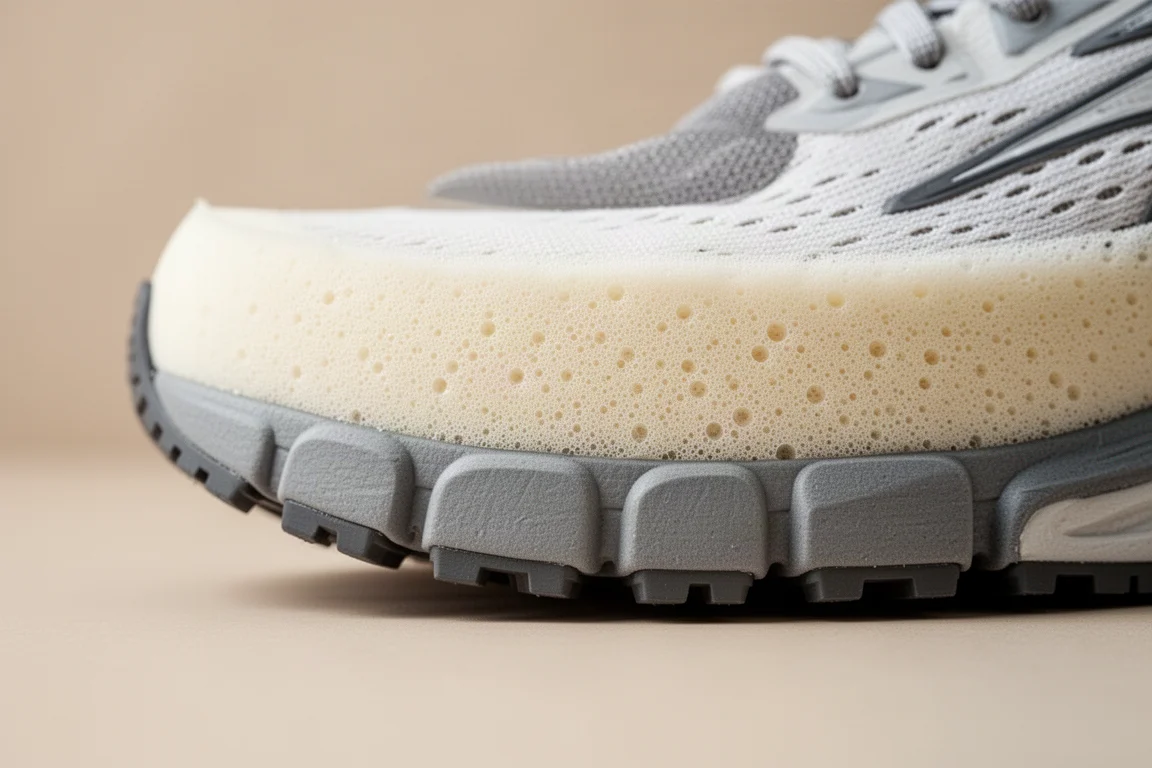
The headline feature is the Dreamstrike Plus midsole, a PEBA-based foam that runs through the entirety of the midsole. On touch it feels noticeably softer than the Lightstrike Pro in the Adizero SL, though on the run it reads as a dense formulation rather than a light and airy PEBA.
Specs and Construction
The Supernova Rise measures 34 mm in the heel and 24 mm in the forefoot with a 10 mm drop. That is not max-stack territory, and it does not feel like a lot of foam underfoot, which is a good thing if you dislike fighting against your shoe. The stack should feel decently cushioned without being excessive, and at 24 mm in the forefoot it stays nimble; anything below 27 mm generally feels that way.
This is a non-plated shoe, but it uses a dual-foam construction: Dreamstrike Plus on top with a firmer traditional EVA layer below, with grey pieces Adidas calls support rods adding stability toward the back of the shoe. The forefoot rocker up front adds a little natural roll to the ride. One design quirk: some PEBA foam is left exposed where it bleeds over the side near the forefoot, which could wear through for heavy forefoot strikers despite the otherwise comprehensive rubber coverage.
Weight and Positioning
On the scale, the Supernova Rise came in at about 302 g in a US men’s 10.5, roughly 10.6 oz. That makes it the heaviest shoe in this daily trainer comparison set. For context, the Adizero SL weighs about 277 g (9.7 oz), the Adizero Boston 12 about 268 g (9.45 oz), the Nike Vomero 17 about 302 to 303 g, and the Pegasus about 286 g (10 oz). Competitors like the Cloudmonster (282 g), New Balance 1080 (288 g), and Puma Velocity Nitro 3 (285 g) all undercut it slightly.
The weight places it at the upper end of the daily trainer segment, closest to the Vomero. That is not a dealbreaker for a shoe that is not designed for PRs or speedwork, but it is worth knowing before you buy.
Fit and Upper
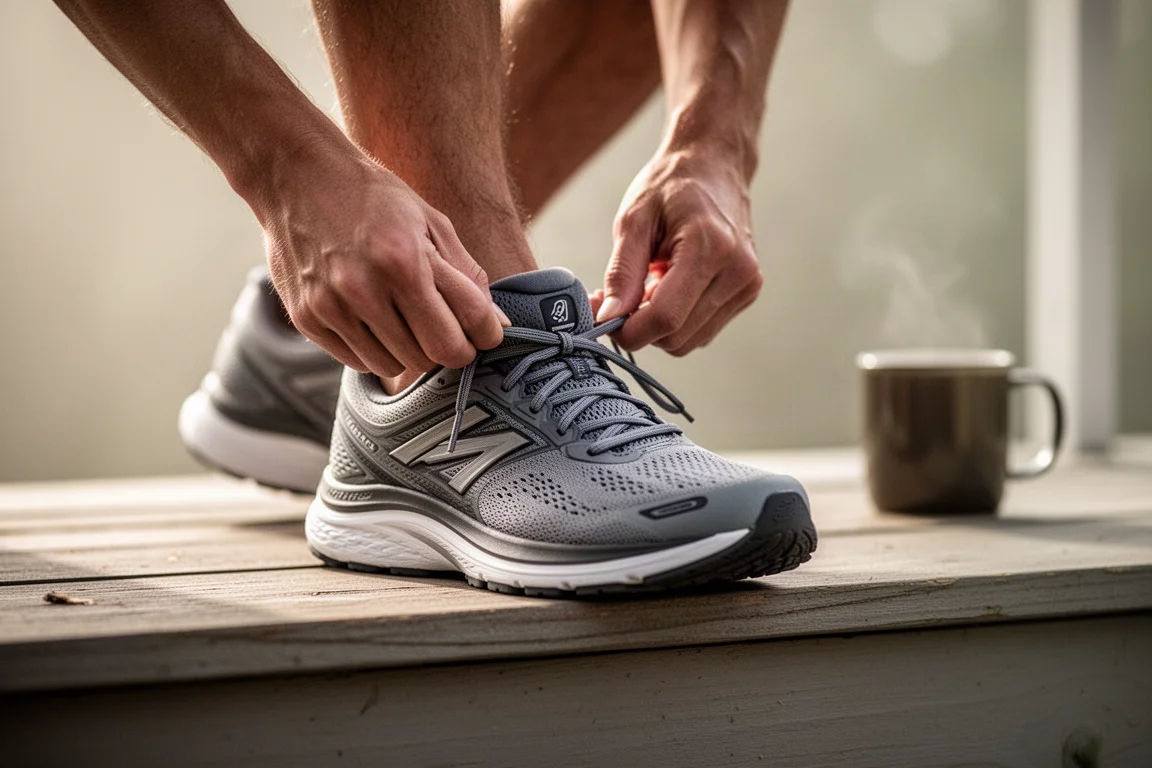
The fit is fairly normal and generous, definitely not as snug as a Puma or Saucony, but not as roomy as a New Balance either. It sits right in the middle. The toe box has enough room for a US men’s 10.5 with a little space at the sides, the arch area of the insole feels clean with no odd bumps, and lockdown is solid once the laces are cinched properly.
That said, Adidas uppers remain a work in progress. It took some effort to find the right lace tension, and the platform feels long and narrow on foot, a trait common to several European brands. If you have wider feet, a wide version exists, but the standard fit is probably not the best option. Compared to the Adizero SL, the Supernova Rise is more comfortable: chunkier padding around the heel, a more padded tongue, and foam rising higher along the sides to lock the foot in. It gives off some 1080 vibes in terms of padding, though it is less stretchy and not as plush, at $25 less than the 1080.
First Run Impressions
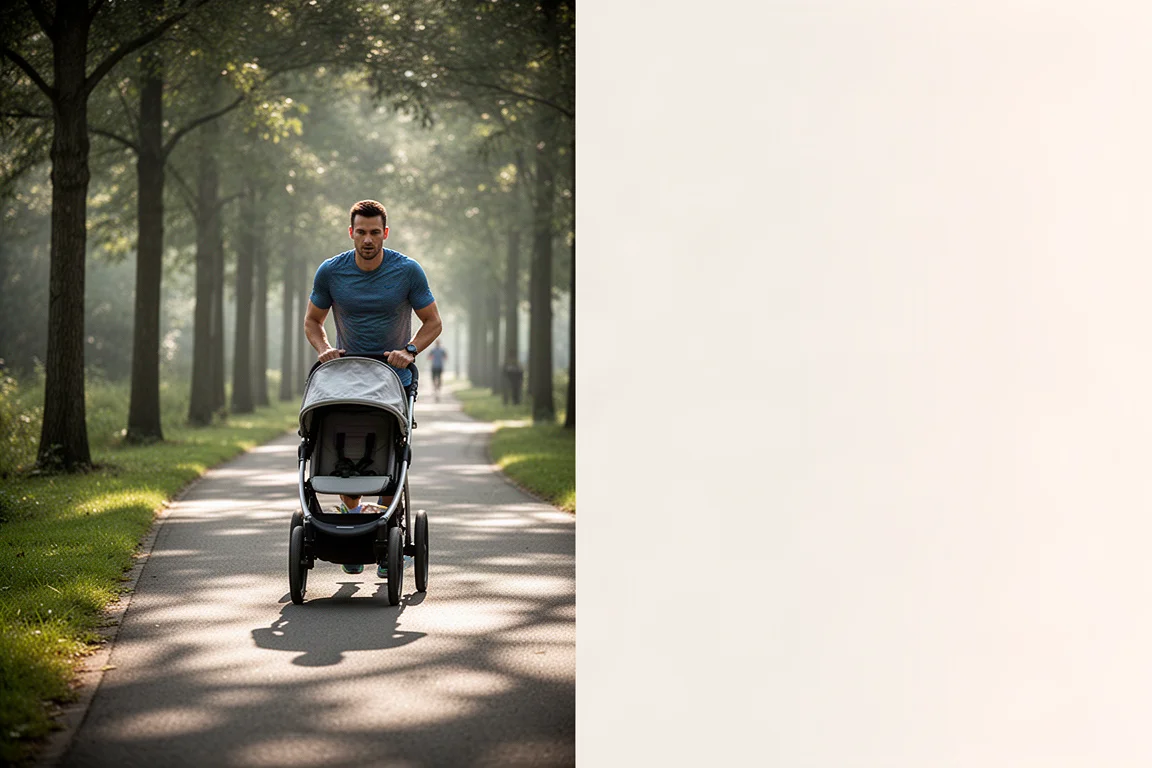
The step-in feel is a little deceiving: firmer than expected on first stepping in, though very comfortable just walking around the house. On the first run, a 10-mile stroller effort at an 8:07 average pace, the shoe took a few miles to warm up. Early miles felt peppy and poppy, and as the pace picked up the Dreamstrike Plus came alive with a nice bit of pop. At slower paces it can feel a bit clunky and stiff.
The most interesting takeaway is the character of the PEBA. This is not the soft, squishy, fast PEBA you might expect; it is a dense formulation that almost feels like an EVA blend underfoot. The firmer EVA layer likely mutes some of that feel at slower paces while adding stability, which is now table stakes across the running shoe market. Over an hour and a half on foot, the shoe felt highly protective and did a good job keeping legs fresh, even if the ride was not the most exciting.
One odd note: the shoe felt peppier in the first half of the run and lost some steam toward the back half. It is a confusing shoe in that sense, part workhorse, part rocker-driven roller, and it will be worth watching whether the EVA softens and breaks in around the 30 to 70 mile mark.
How It Compares
Against the Vomero 17, the two weigh nearly identically, but the characters differ. The Vomero has a much chunkier EVA layer on the bottom and a ZoomX top layer that feels softer underfoot, with more forefoot flexibility and a more workmanlike, robust feel. Its stack measurement also appears to include the rubber height, which is why it reads high despite feeling lower. The Supernova Rise feels more naturally cushioned in the forefoot, while the Vomero feels more minimal up front.
Against the Pegasus, the Supernova Rise offers more comfort and a bit more natural pop, while the Pegasus feels more flexible, natural, and almost minimal. The Supernova Rise’s firmer forefoot EVA rolls you through with more of a rockered, less flexible feel, which could appeal if you prefer a little speed assistance in everyday miles.
Against the Adizero SL, the Rise is heavier and pricier but more comfortable, with a chunkier heel for stable planted landings and a much better padded upper. The SL’s quirk, a bump in the arch area, is absent here.
On durability, the outlook is promising. The Adizero SL has shown almost no rubber loss at nearly 300 miles, and the Boston 12 held up similarly at 260 to 270 miles. The comprehensive Adidas rubber outsole here suggests another highly durable shoe, even though it uses Adidas’ own rubber rather than the Continental compound known for extreme grip. The Adizero SL’s non-Continental rubber performed nearly as well in wet conditions, so wet-weather worries are mild.
Things to Consider Before Buying
The 10 mm drop and chunky heel are the most debatable choices here. The higher heel encourages a slightly scuffed, dragging stride compared to a 6 or 8 mm drop like the Adizero SL, where landing more flat-footed feels natural. A lower drop and an EVA-free version of Dreamstrike Plus would be the obvious wishlist items for a future version.
Also note the exposed PEBA near the forefoot: if you are a heavy forefoot striker, that patch could wear through faster than the surrounding rubber.
Buying Advice
The Supernova Rise makes sense as a highly protective, moderately cushioned daily trainer for runners who want comfort for long everyday miles without max-stack foam, and who will occasionally pick up the pace. It competes naturally with the Vomero 17, Gel Cumulus, and similar comfort-first trainers. It is not the shoe for dedicated speedwork; that is where the Boston 12 and Adizero SL line sits in the Adidas range. If you dislike 10 mm drops or need lots of forefoot flexibility, the Pegasus or Vomero may suit you better.
Conclusion
The Supernova Rise is a decently comfortable workhorse-style shoe that will not blow you away with its ride but delivers protection, stability, and a bit of fun from the forefoot rocker and the dense Dreamstrike Plus foam. Expect it to feel better as the EVA breaks in over the first several dozen miles, making it a sensible pick for runners who value protection over excitement in their everyday trainer.
Product link
View more details for Adidas Supernova Rise
This product is mentioned in the review. Check the specifications, options, and compatibility before buying.
View more details for Adidas Supernova RiseFurther reading
Related Reviews

Running Shoes
Best Road-to-Trail Running Shoes: Three Versatile Options for Mixed Terrain
A practical guide to three road-to-trail running shoes that handle both pavement and mild trails, with clear strengths and trade-offs for different runner types.

Running Shoes
Best Running Shoes for Achilles Tendonitis: Three Options Explained
Three running shoes with different heel drops and support features designed to help reduce Achilles tendon pain during walking and running.

Running Shoes
Best Running Shoes for Women: Five Top Choices Ranked
A ranked guide to five women's running shoes, from versatile daily trainers to high-performance racing options, with real strengths and trade-offs for each.