Running Shoes
Adidas Supernova Rise 3 Review: A Great Midsole Held Back by an Unrefined Upper
The Supernova Rise 3 finally lets its Dreamstrike Plus foam breathe, delivering a smooth, bouncy ride. But a stiff, oversized upper keeps this $140 daily trainer from reaching its full potential.
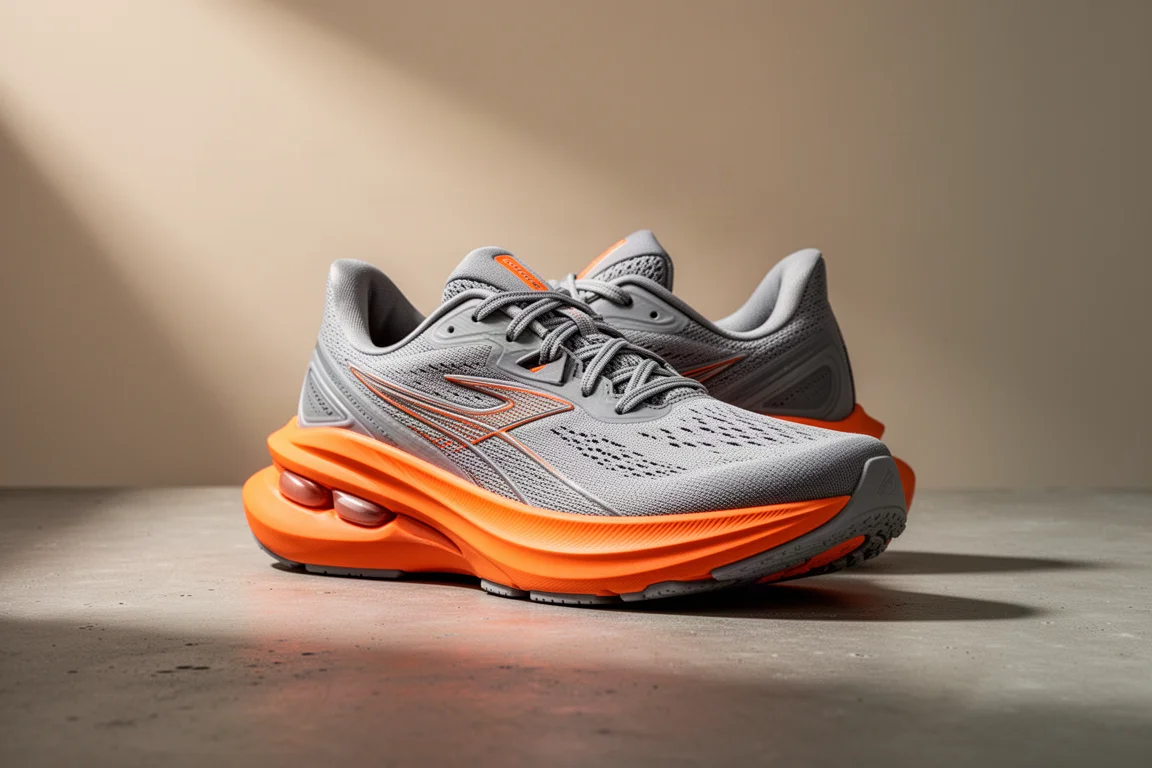
Introduction
The Adidas Supernova Rise 3 arrives at a moment when the $140 daily trainer category is more crowded than it has ever been. The Supernova line was built around a simple philosophy: create the most comfortable daily trainer possible, with the Rise sitting as the standard everyday option alongside the Prima and the Solution. The original Rise was always a solid, workmanlike shoe. Not the fastest, not the lightest, but a comfort-leaning trainer that made sense at a budget-friendly price.
This third version makes meaningful changes to the formula. The question is whether those changes are enough to push the Rise 3 out of the ordinary and into the company of standouts like the Novablast and Puma Velocity Nitro 4. After a first eight-mile run, the answer is complicated in a very specific way: the midsole is genuinely excellent, and the upper is genuinely not.
What Changed in the Rise 3
The most important update is underfoot. Previous versions of the Rise paired the Dreamstrike Plus foam, an approachable training blend of Adidas’s race foam chemistry, with firmer standard EVA on the bottom layer and gray “support rods” intended to guide the foot and add stability. That firmer layer consistently muted the better foam above it, keeping the ride restrained.
The Rise 3 removes the support rods entirely and goes 100% Dreamstrike Plus to the eye. The drop drops from the historical 10 mm to 8 mm, and the outsole switches from rubber to a light CPU compound, a material reportedly first developed for skateboard wheels. There is also a new “lateral landing platform,” a wide rubber piece running across the rear outsole that appears to take over the stability role the support rods used to play.
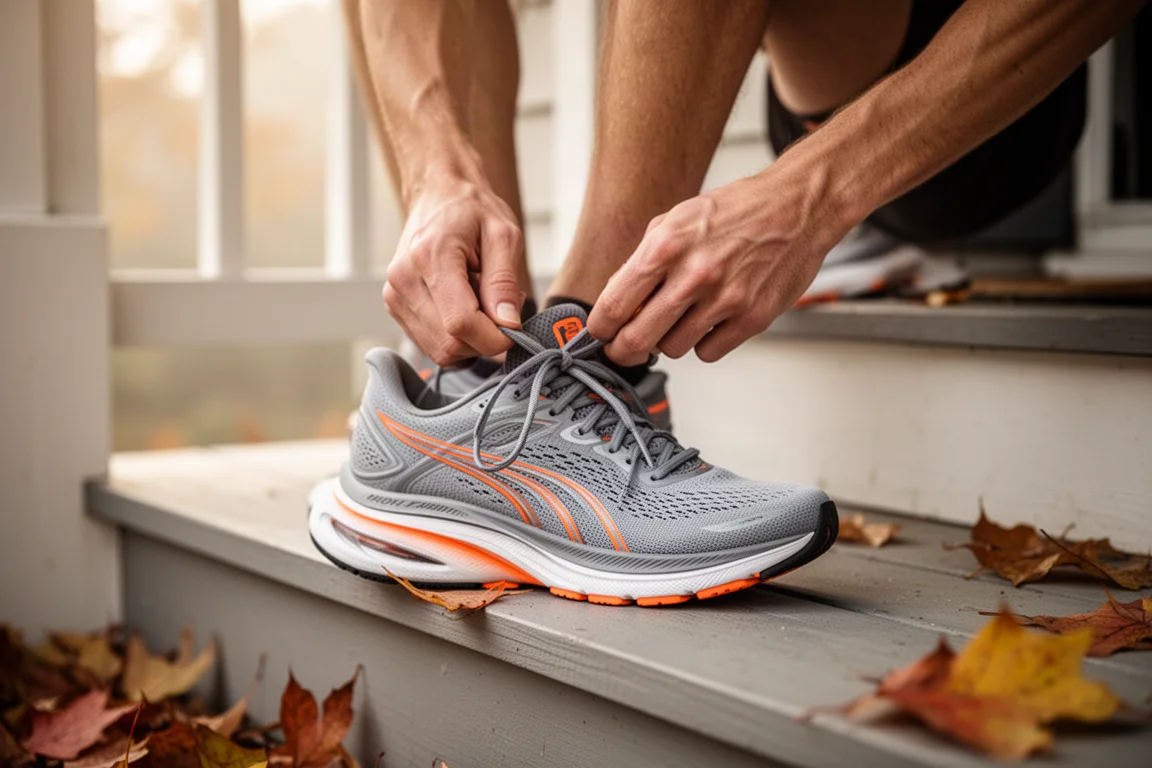
Adidas also claims the new foam compound is 20% softer and bouncier than before. Out of the box, the softer part is debatable, but the bouncier part turns out to be absolutely true once you start running.
Specs and Weight
The numbers are very standard for the category. In a men’s size around 11, the Rise 3 weighs approximately 290 to 291 grams per shoe, with impressively consistent quality control between the left and right pair. That is roughly 10 grams lighter than the original Rise, which came in around 300 grams.
Stack height measures approximately 37.8 mm in the heel and 37 mm on the forefoot side as measured, which lands the shoe right around a 37 mm heel figure rather than the 40 mm it visually suggests. It is not a max-stack shoe. It is a standard daily trainer with a chunky-looking heel and more visible foam under the forefoot than the Rise 1, which makes sense given the reduced 8 mm drop.
The price is $140, placing it directly against shoes like the Puma Velocity Nitro 4, the Nike Pegasus, the Ghost, and the 880, and well below premium daily trainers in the $180-plus range.
The Midsole: Dreamstrike Plus Finally Breathes
This is where the shoe earns its keep. With the EVA layer and support rods gone, the Dreamstrike Plus compound finally delivers the bounce it was always capable of. The ride is smooth, comfortable, controlled, and surprisingly fun for a shoe in this price class.
The foam character sits in a recognizable but distinct place. It calls to mind a blend of the DNA Loft v3 in the Ghost Max and ASICS FF Blast Plus, but more energetic and slightly softer than the Ghost Max foam, and with a bit more bounce than the FF Blast Plus. It does not feel dramatically softer than before on a thumb press, but the bounce is undeniable, and the protection is great. It genuinely feels more like a max-cushion shoe than the stack numbers suggest.
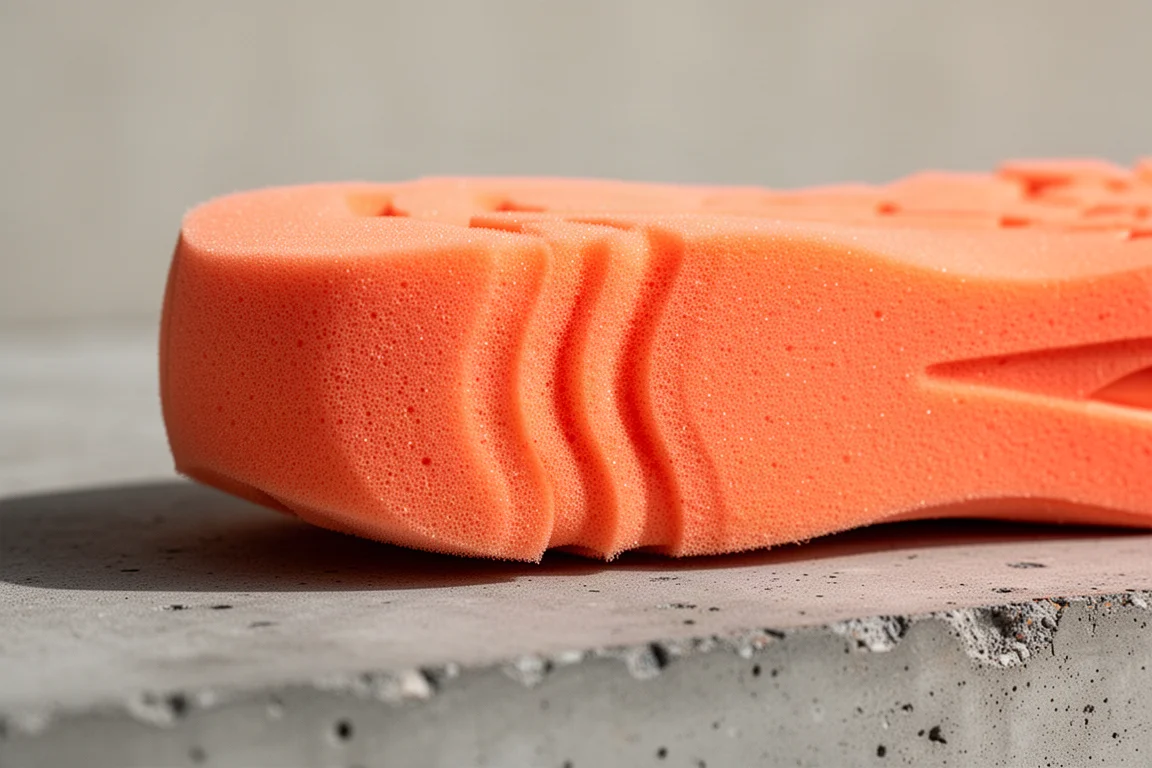
On an easy eight-mile run at roughly 7:30 pace, the ride felt buttery. It had just enough pep without pushing the pace, and it felt just as good during the slower warm-up miles. The geometry favors relaxed miles: a substantial heel with good protection up front, and no urge to force a faster tempo. The chunky heel works in the shoe’s favor here rather than against it, and it makes the Rise 3 a strong candidate as a recovery run or cruiser.
The Upper: Where Things Fall Apart
Unfortunately, everything above the midsole feels unpolished. The upper is stiff and cheap-feeling right out of the box, with a rigid heel counter and collar that have padding but no real softness. Step-in comfort, the entire reason this shoe line exists, is simply not there.
The tongue is the biggest offender. The original Rise had a pillowy, fully padded tongue borrowed from the Prima. The Rise 3 swaps it for a thin, unpadded tongue, apparently chasing weight savings. The result was real lace bite during the first run, even with the laces tied loosely, and difficulty cinching the laces down appropriately at all.
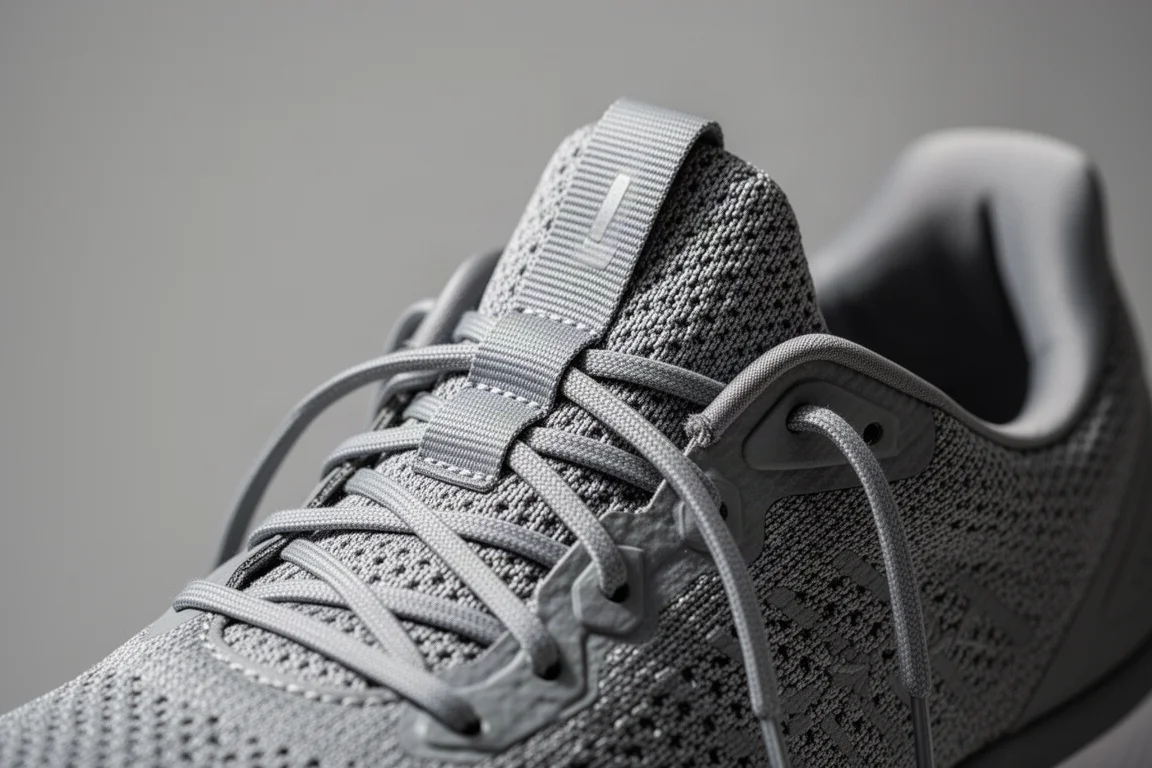
The fit is also loose and high-volume, running what feels like a half size too big, with roughly a quarter to half inch more toe room than expected for the size. Adidas sizing has been inconsistent across recent releases, so this may vary pair to pair, but it adds to the overall sense that the upper was not dialed in. None of this feels like necessary cost-cutting, since uppers, tongues, and laces are inexpensive to manufacture. It reads as an engineering and design shortfall rather than a budget constraint.
One point in its favor: the lacing system is straightforward and gimmick-free, so there is no fragile hardware to worry about, and swapping the laces is an easy fix.
How It Compares to the Rest of the Market
Against its direct category rivals, the Rise 3 holds a strong position. Compared with the Ghost, 880, and Pegasus, the foam here is arguably the best training midsole at this price point, and it brings both comfort and pep to a buyer who wants one shoe for everything, including the occasional race if needed. Forefoot strikers or runners who want a shoe for fast racing alongside training may prefer something like the Puma Velocity Nitro 4, since the Rise 3 has over 30 mm of foam in the forefoot and encourages a midfoot to rearfoot landing.

Versus premium max-cushion shoes, the Rise 3 feels lighter underfoot than the Nimbus and lighter than the Vomero Plus, though it is less protective once fatigue sets in past the five or six mile mark. That is the expected trade-off at this price: slightly less foam for a nimbler, peppier feel. For runners who find the Bondi too soft but want something firmer than the Novablast with a similar energetic ride, this sits right on that line, and heavier runners who find softer foams too squishy may find the balance appealing.
Should You Buy It
If you care primarily about ride quality and can tolerate, fix, or break in an unrefined upper, the Rise 3 is one of the most compelling $140 daily trainers available right now. The midsole alone feels like it belongs in a $160 to $170 shoe, and the removal of the support rods is exactly the change this line needed.
If, however, you are the kind of runner who notices and cares about step-in feel, tongue padding, and a dialed fit, be aware that this shoe will feel a step below its midsole quality every time you put it on. It is a comfort-oriented workhorse that does not feel comfortable when you lace it up, which is a strange and avoidable contradiction.
Conclusion
The Adidas Supernova Rise 3 lands in the B+ to A- range: a genuinely excellent midsole wrapped in an upper that feels unfinished. The Dreamstrike Plus compound, freed from the old EVA layer and support rods, delivers a smooth, bouncy, protective ride that competes with shoes costing more. If Adidas simply refined the upper, added back a padded tongue, and tightened the fit, this would be one of the best daily trainers on the market. As it stands, it is a great ride for runners willing to look past the details, and a frustrating near-miss for everyone else.
Product link
View more details for Adidas Supernova Rise 3
This product is mentioned in the review. Check the specifications, options, and compatibility before buying.
View more details for Adidas Supernova Rise 3Further reading
Related Reviews

Running Shoes
Best Road-to-Trail Running Shoes: Three Versatile Options for Mixed Terrain
A practical guide to three road-to-trail running shoes that handle both pavement and mild trails, with clear strengths and trade-offs for different runner types.

Running Shoes
Best Running Shoes for Achilles Tendonitis: Three Options Explained
Three running shoes with different heel drops and support features designed to help reduce Achilles tendon pain during walking and running.

Running Shoes
Best Running Shoes for Women: Five Top Choices Ranked
A ranked guide to five women's running shoes, from versatile daily trainers to high-performance racing options, with real strengths and trade-offs for each.