Running Shoes
Adidas Supernova Rise 2 vs Nike Pegasus 41: Which Neutral Daily Trainer Fits You?
Two of the most popular neutral daily trainers go head to head on weight, ride, fit, and durability to help you pick the right one.
Introduction
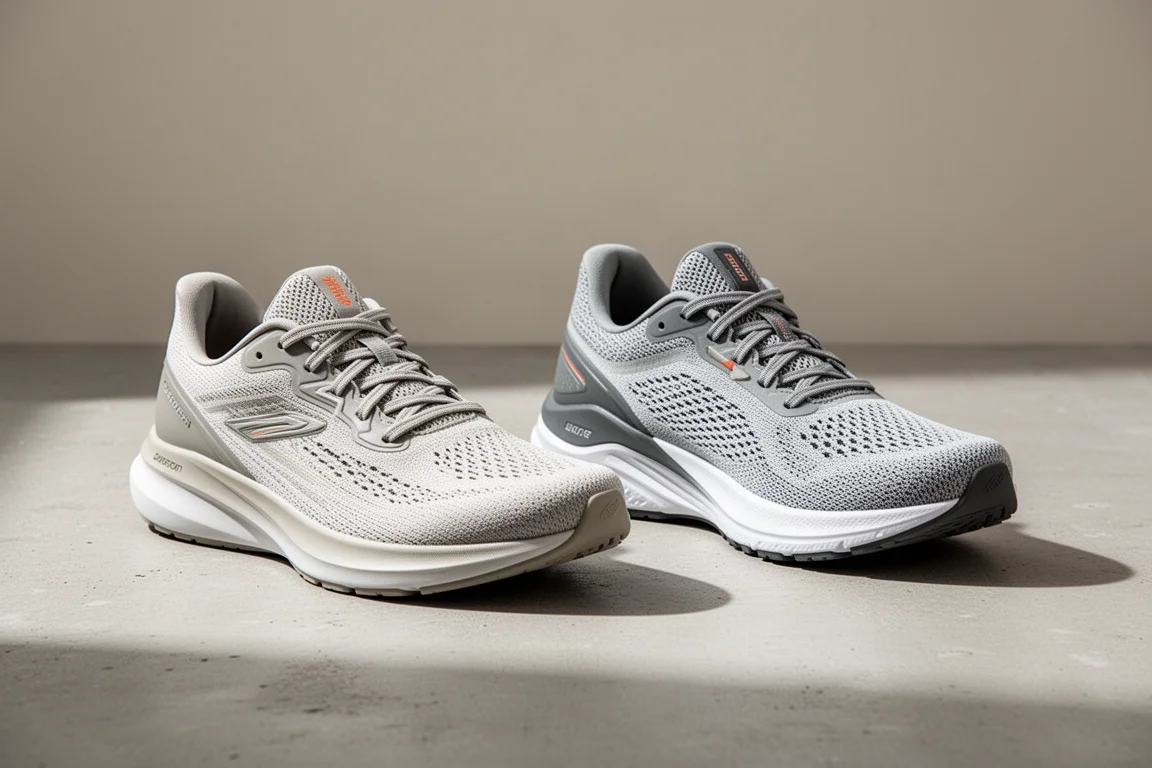
The Adidas Supernova Rise 2 and Nike Pegasus 41 are the two flagship neutral daily trainers from their respective lineups, and both are among the most commonly recommended shoes for runners who want one reliable pair for everyday miles. The Pegasus 41 has long been one of the best-selling running shoes in the world, while the Rise 2 is Adidas’ standard neutral trainer that is still working to find consistent footing with buyers after years of shifting naming across the lineup.
This comparison looks at how they differ on weight, stack, ride, fit, and durability so you can decide which one suits your running better.
Specs and First Impressions
Measured in a men’s size 10, the Supernova Rise 2 weighs 9.7 oz (about 274 g), while the Pegasus 41 comes in noticeably heavier at 10.6 oz (about 300 g). Stack heights are nearly identical: the Rise 2 sits at 36 mm in the heel and 26 mm in the forefoot, and the Pegasus 41 at 37 mm and 27 mm, both with a 10 mm drop.
On paper they look like twins, but the midsole foams and underfoot feel are very different, and that is where the real decision lives.

Heel Feel and Stability
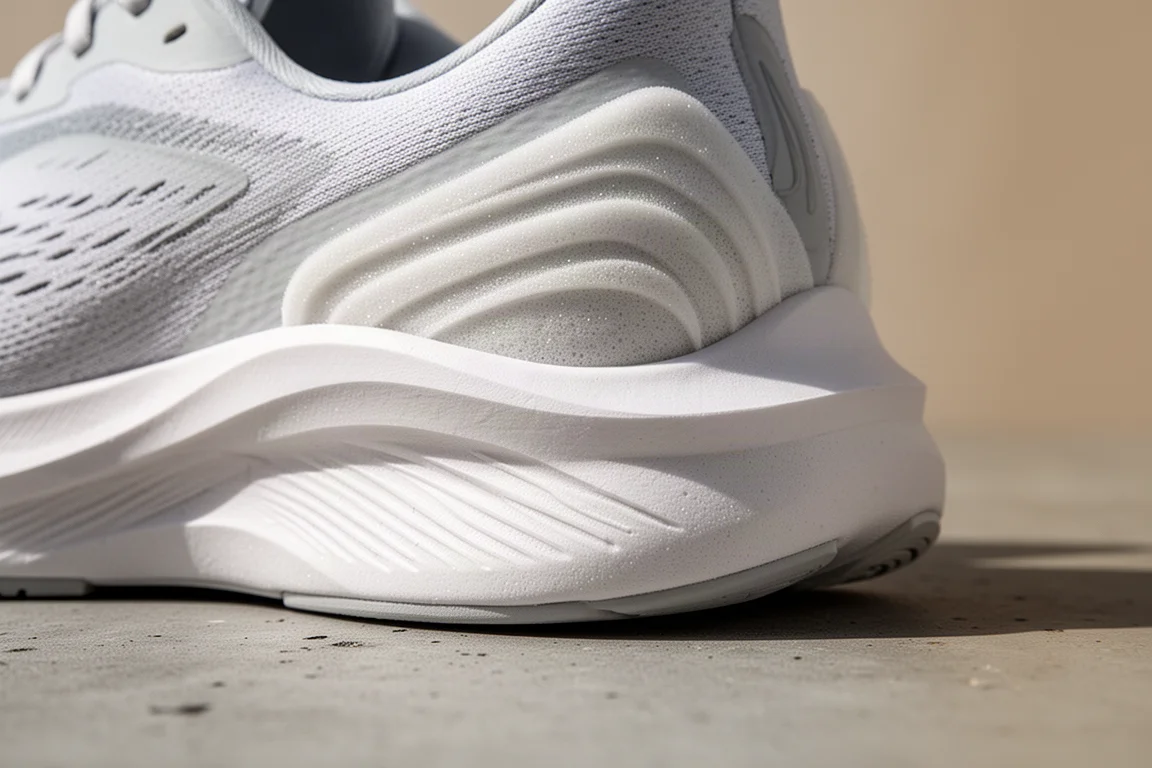
Both shoes have a slightly clunky rearfoot, but for different reasons. The Pegasus 41 has gained solid sidewalls and increased width in the heel, making it the more stable rearfoot option of the two. It feels a touch higher in drop because the heel is stiffer and slightly clunky at first, though a well-shaped heel bevel helps it roll through nicely.
The Rise 2 has a generous posterolateral heel flare that is partly offset by a large posterolateral heel bevel. Because its foam compresses better, it feels slightly lower to the ground and transitions a bit more smoothly through the heel, though it is still slightly clunky like the Pegasus.
Ride and Workout Versatility
The Pegasus 41 is the more consistent, predictable shoe, and it feels best at easier efforts and long run paces. It has historically been known to handle faster workouts, but in this version the heel can get in the way during quicker running, and the extra weight shows when the pace picks up.
The Rise 2 uses DreamStrike Plus midsole foam, a PEBA-based compound that feels noticeably bouncier, snappier, and more responsive underfoot. That makes it the better option for workouts and faster road efforts. In the midfoot, both are neutral with moderate flexibility, with the Rise 2 running slightly wider overall.
Uppers and Fit
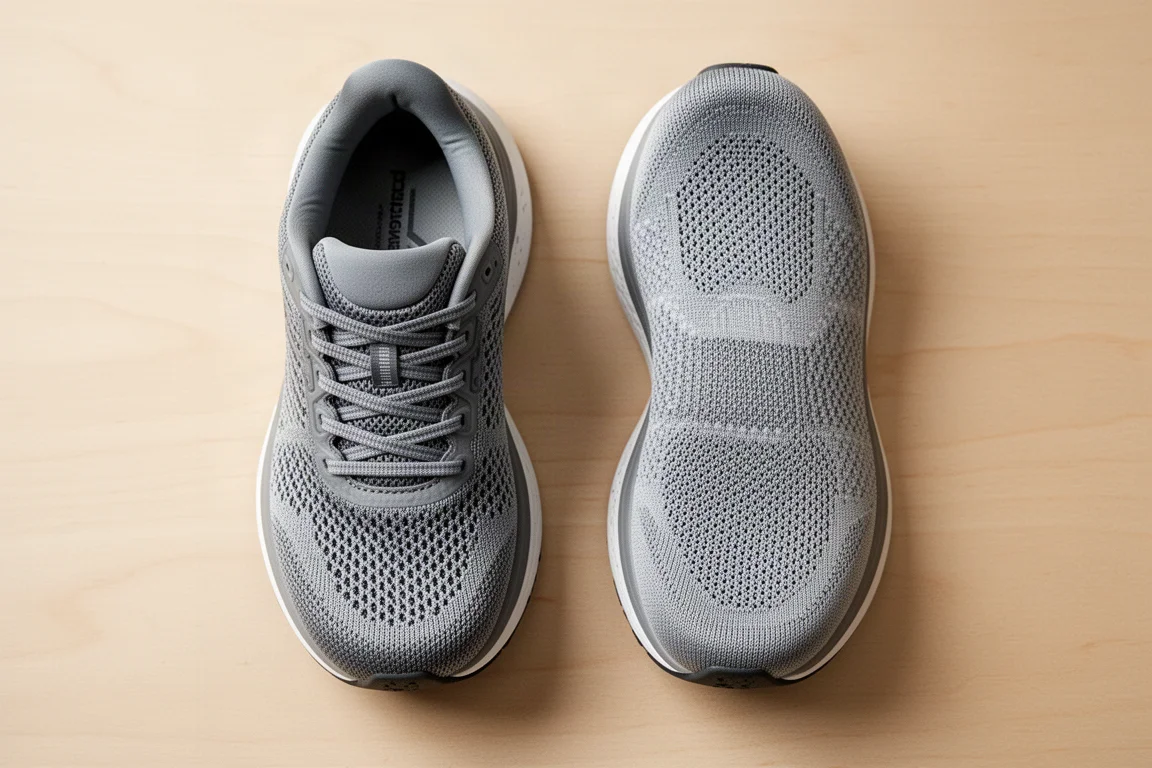
Fit is where these two diverge the most. The Pegasus 41 has a thicker upper that runs wider but lower in volume, so it can feel almost short at first until the upper breaks in. The Rise 2 has a thinner, more streamlined upper that is snugger in width but taller in volume, so it expands comfortably and slips right on from day one.
If you dislike an upper that rides low across your foot, the Rise 2 is the safer pick. If you want more width and are willing to give the upper a few runs to break in, the Pegasus earns its place. Both shoes feature stiff heel counters, worth noting if that matters to you.
Outsole Durability and Traction
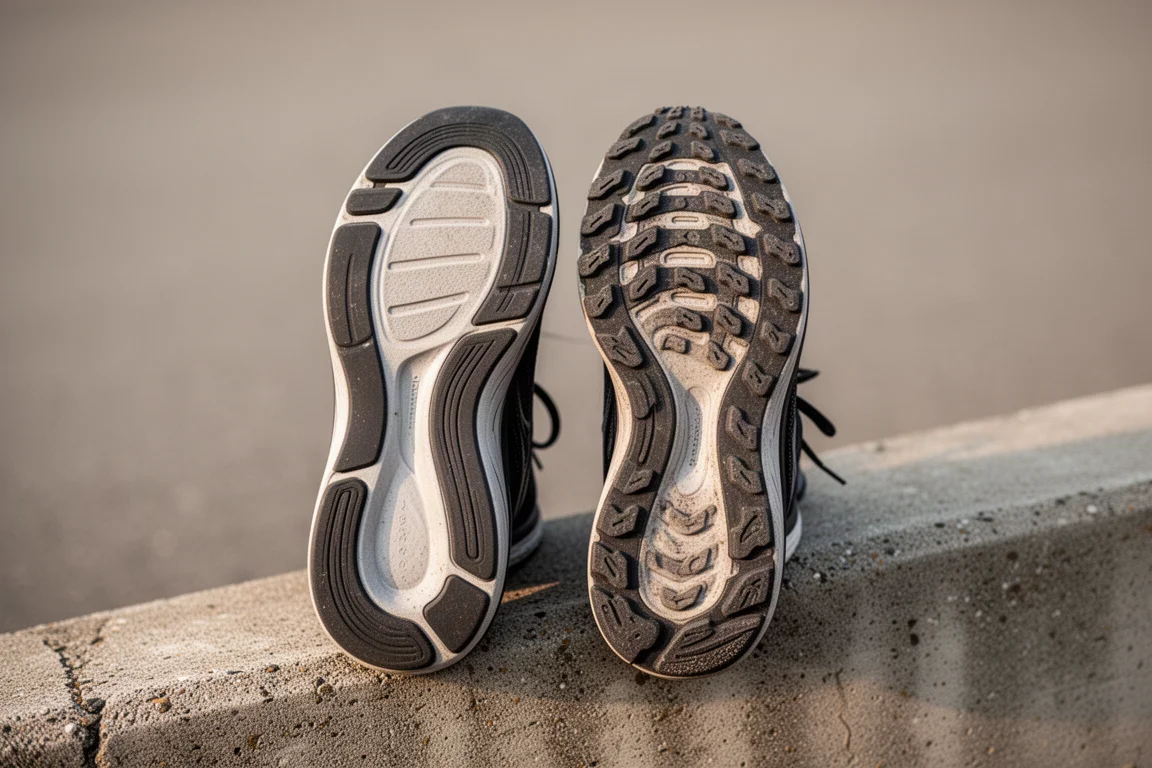
Both outsoles are durable. After roughly 40 miles in each, the Rise 2 showed almost no wear, while the Pegasus 41 was starting to show light lug wear, though not through the outsole. Both should last a long time.
Traction favors the Pegasus 41. Its small lugs perform well even on mild trails, giving it a bit more versatility. The Rise 2 is more road specific, performing best on track and smooth pavement where its smoother outsole is not a limitation.
Which One Should You Buy?
Both are excellent choices for beginners who just need a simple, dependable shoe to log miles in. The Pegasus 41 is the consistent, time-tested pick with more traction and a more stable rearfoot for long, easy efforts. The Rise 2 is the snappier option with better pace versatility and a more comfortable, higher-volume upper from the first wear.
Choose the Pegasus if you want width, consistency, and mild trail capability. Choose the Rise 2 if you want a lighter, bouncier ride that transitions better into faster running.
Conclusion
The Supernova Rise 2 and Pegasus 41 are similar in many ways yet different where it counts: ride character, fit volume, and surface versatility. Matching those differences to your own running is the fastest way to pick the right daily trainer.
Product link
View more details for Adidas Supernova Rise 2
This product is mentioned in the review. Check the specifications, options, and compatibility before buying.
View more details for Adidas Supernova Rise 2Further reading
Related Reviews

Running Shoes
Best Road-to-Trail Running Shoes: Three Versatile Options for Mixed Terrain
A practical guide to three road-to-trail running shoes that handle both pavement and mild trails, with clear strengths and trade-offs for different runner types.

Running Shoes
Best Running Shoes for Achilles Tendonitis: Three Options Explained
Three running shoes with different heel drops and support features designed to help reduce Achilles tendon pain during walking and running.

Running Shoes
Best Running Shoes for Women: Five Top Choices Ranked
A ranked guide to five women's running shoes, from versatile daily trainers to high-performance racing options, with real strengths and trade-offs for each.