Running Shoes
Adidas Supernova Rise 1 vs Rise 2: Which One Should You Buy?
A closer look at the two versions of Adidas' daily trainer, covering weight, ride feel, fit, and durability to help you pick the right one.
Introduction
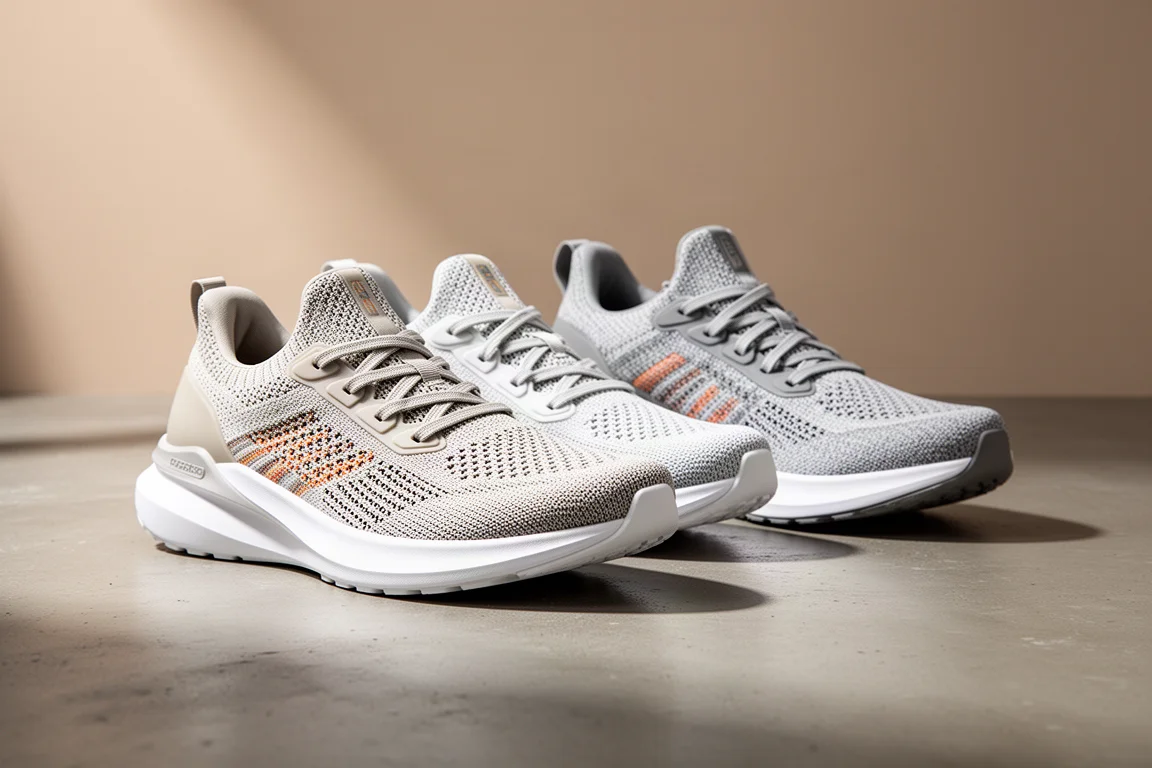
When the Adidas Supernova Rise 1 launched, it was part of a cleaner, better-organized running line: a neutral trainer, a stability option, and a more cushioned model. The original Rise was a solid daily trainer with one gap between its marketing and its reality. Version 2 sets out to close that gap, and it does so in several noticeable ways.
This comparison covers what actually changed, from weight and ride feel to fit and durability, so you can decide whether to buy the newer shoe, pick up the first one on sale, or upgrade from a pair you already own.
Specs and First Impressions
In a men’s size 10, the Rise 1 weighs 10.3 oz (about 292 g), while the Rise 2 comes in noticeably lighter at 9.7 oz (about 276 g). Stack heights are close: the Rise 1 measures roughly 35 mm in the heel and 25 mm in the forefoot, and the Rise 2 about 36 mm and 26 mm, both with a 10 mm drop. On foot, they feel fairly similar, though the Rise 2 can come across as having a slightly lower drop.
Both shoes share the same basic character: normal fits, thick midsoles, and a heel that can feel a touch clunky at first contact. The differences show up once you start moving.
Ride Feel and Responsiveness
The Rise 1 uses the original Dreamstrike midsole. Despite promises of a PE-based, responsive ride, it lands closer to a slightly soft, fairly ordinary training feel. It is great for easy miles, less inspiring when you want to push, but it is impressively durable, with well over 100 miles of wear possible.
The Rise 2 shifts to Dreamstrike Plus foam, and the character changes meaningfully. The ride firms up slightly and gets a lot snappier, closer to what the PE-based marketing originally suggested. It handled tempo-style workouts and track sessions comfortably in testing. It is still a training shoe rather than a racing shoe, but it finally feels like the shoe Adidas described.

If you want an easygoing, relaxed ride, the Rise 1 does that well. If you want pace versatility and something that picks up when you do, the Rise 2 is the better option.
Stability and Geometry
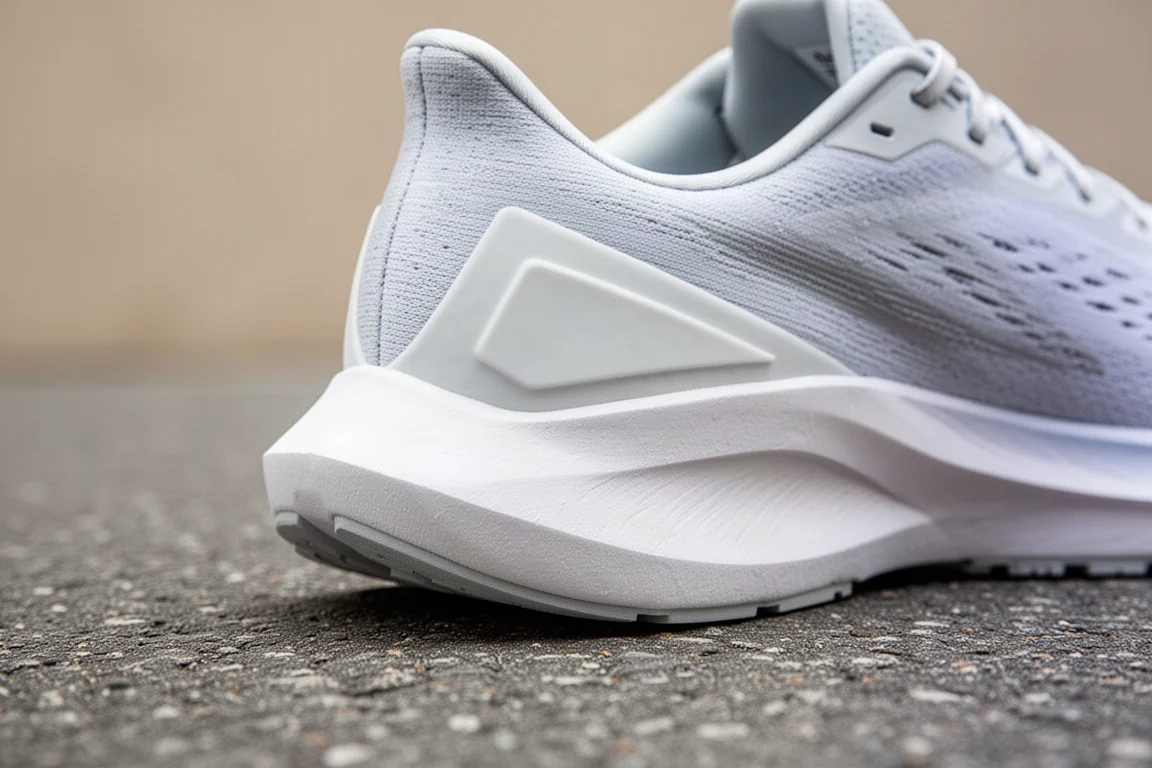
Both shoes include a posterior heel flare, which has always made them feel a little clunky in the heel. The Rise 2 improves this by lengthening the bevel on the lateral side, so the heel does not feel as high at initial contact and transitions flow a little better.
In terms of stability, they are essentially identical. Neither shoe is unstable, but neither is notably stable either, and both work well for neutral mechanics. That has not changed between versions.
Upper and Fit
The Rise 1 has a slightly thicker upper with overlays, which snug up the fit and reduce volume a touch. It fits very normally overall, making it a good match for normal to narrower feet.
The Rise 2 uses a slightly thinner, more flexible upper, which adds a bit of wiggle room in the forefoot. If you have a normal-width foot and want more space and flexibility up front, version 2 fits that preference better.
Durability
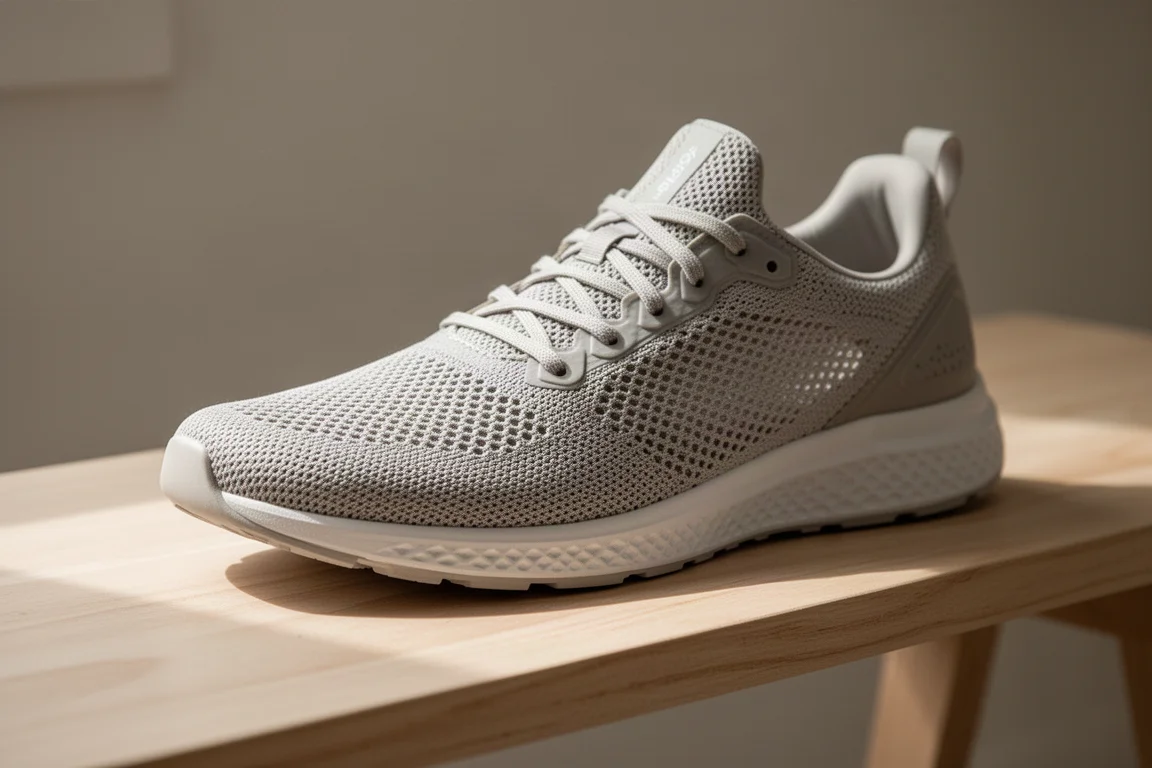
Durability is a strength for both. The Rise 1 proved itself over 100-plus miles without issue. The Rise 2 is showing no meaningful wear after around 30 to 35 miles, which points in the same direction. Either shoe can absorb daily training miles without complaint.
Which One Should You Buy?
The core decision comes down to how you want the shoe to feel. The Rise 2 is lighter, snappier, more flexible in the forefoot, and finally delivers the responsive ride the line was advertised around. The Rise 1 is a touch more relaxed, slightly stiffer up front, and has the longer durability track record, and it is likely to be the cheaper pick when on sale.

If the promise of livelier PE-style foam is what attracted you to this line in the first place, go for the Rise 2. If you just want a smooth, easy-riding daily trainer and can find the Rise 1 at a discount, it remains a very sensible buy.
Conclusion
The Adidas Supernova Rise 2 is the more refined shoe: lighter, snappier, with a better beveled heel and a more flexible upper. The Rise 1 is still an excellent, durable easy-mile trainer, especially at a lower price. Choose based on whether you value a relaxed ride or a bit of pace versatility, and both will serve daily training well.
Product link
View more details for Adidas Supernova Rise 1
This product is mentioned in the review. Check the specifications, options, and compatibility before buying.
View more details for Adidas Supernova Rise 1Further reading
Related Reviews

Running Shoes
Best Road-to-Trail Running Shoes: Three Versatile Options for Mixed Terrain
A practical guide to three road-to-trail running shoes that handle both pavement and mild trails, with clear strengths and trade-offs for different runner types.

Running Shoes
Best Running Shoes for Achilles Tendonitis: Three Options Explained
Three running shoes with different heel drops and support features designed to help reduce Achilles tendon pain during walking and running.

Running Shoes
Best Running Shoes for Women: Five Top Choices Ranked
A ranked guide to five women's running shoes, from versatile daily trainers to high-performance racing options, with real strengths and trade-offs for each.