Running Shoes
Adidas Speed Shoes Explained: Where the Adizero Boston 10 Actually Fits
The Boston 10 puzzled a lot of runners. Here is how it compares with the Adios Pro 2, Adios 6, SL20, and Takumi Sen, and which shoe suits which kind of running.
Introduction
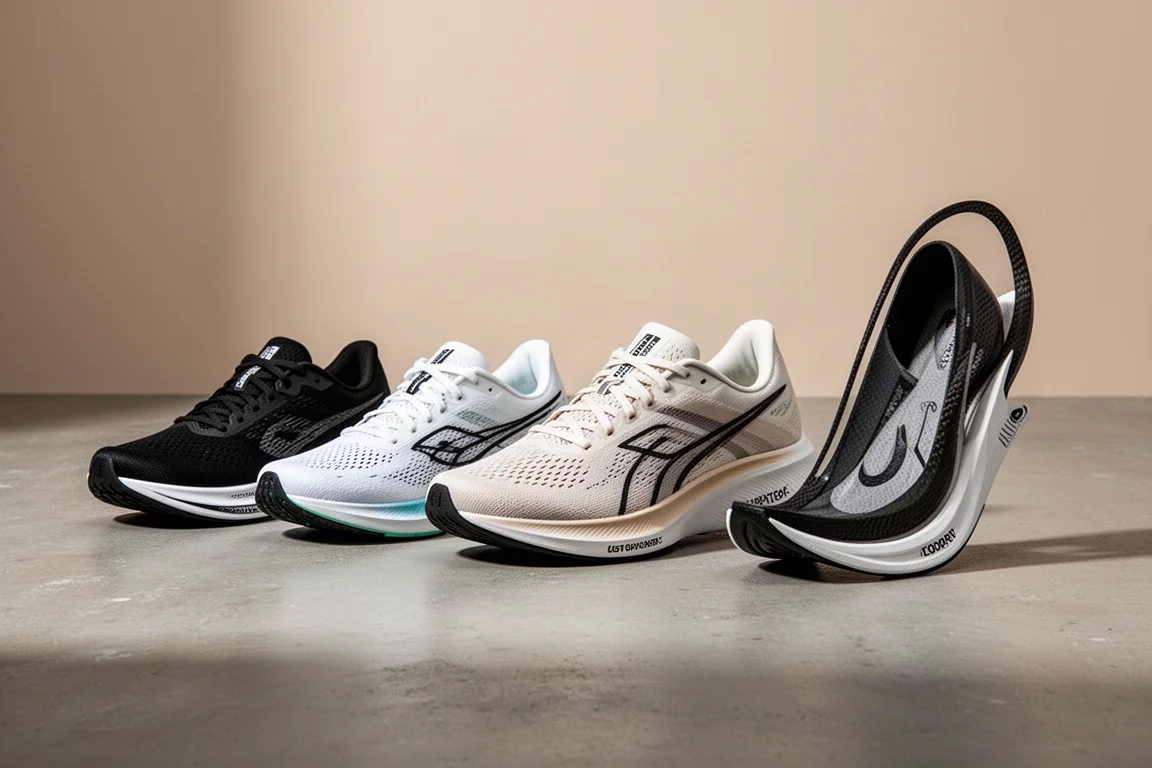
The Adidas Adizero Boston 10 has been called one of the most misunderstood shoes in the brand’s lineup, and it is easy to see why. Rumors before release suggested it would get Lightstrike Pro foam and energy rods, the same ingredients found in the Adios Pro 2 and the Prime X. When it arrived, the reaction was largely disappointment. It felt too firm in the forefoot and too heavy in the back, and it did not feel like a shoe built for training hard or racing hard, despite carrying the name of the Boston Marathon.
After spending time running 5K-pace workouts in it, the picture looks quite different. The Boston 10 may not be the marathon trainer its name implies, but at faster efforts it starts to make real sense as a road speed work shoe. This guide walks through where the Boston 10 fits, and how it lines up alongside the Adios Pro 2, Adios 6, SL20, and Takumi Sen.
The Boston 10: Adidas’s Most Misunderstood Shoe
The Boston has history. For years it was the shoe runners used both to train for marathons and to race them, or it sat in the lineup next to the Adios as a similar option. Around the start of the super shoe era, marathon racing shoes changed dramatically, and the Boston’s role started to blur.
The Boston 10 combines Lightstrike Pro, Adidas’s premier foam, with firmer Lightstrike and energy rods. That combination behaves in a specific way: Lightstrike is a foam that generally stays on the firmer side and really only loosens up once you hit it harder, at more intense paces, with more force through the ground. Run it easy and it feels firm and somewhat heavy. Run a 5K-pace session in it, and the story changes.

In a workout of 10 by 3 minutes at 5K effort with short jog recoveries, the Lightstrike Pro and Lightstrike working together with the energy rods came alive. There was no excess sponginess at the bottom of the foot strike when pushing off into the next stride, something that was noticeable even in the Adios Pro 2 at the same effort. At 5K intensity, the two shoes are very similar running experiences. The theory is simple: many people are disappointed in the Boston 10 because they simply are not running hard enough in it.
That said, some of the confusion is well warranted. It is a shoe named after the Boston Marathon, and yet it no longer reads as a marathon trainer or a marathon racer. It feels like a shoe for 5K speed work or 5K races. And even granting that proposition, questions remain: why is it so heavy for a speed shoe, and why does it carry a half carbon fiber plate in the back? The SL20 manages daily training perfectly well without one.
Adios Pro 2: The Marathon Racer
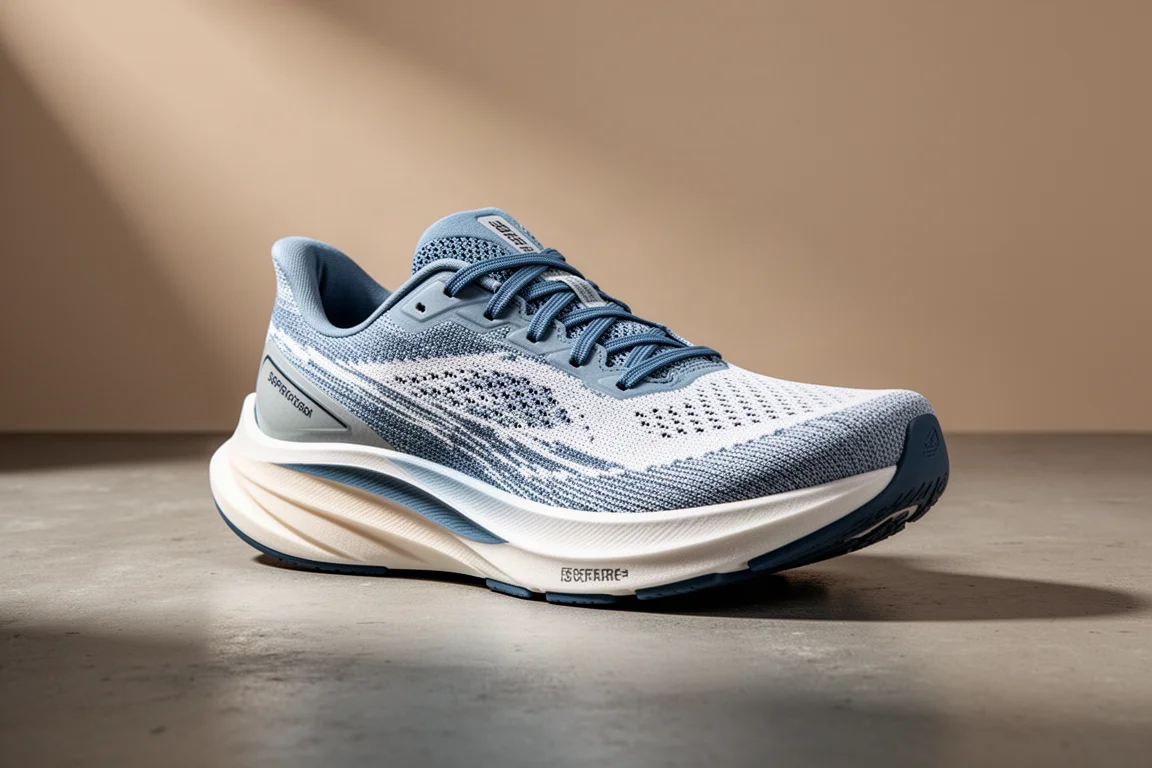
For racing the marathon, the Adios Pro 2 is the shoe to look at. It is also a fantastic choice for threshold work and marathon training, and it performs like a proper super shoe at every distance from the half marathon up.
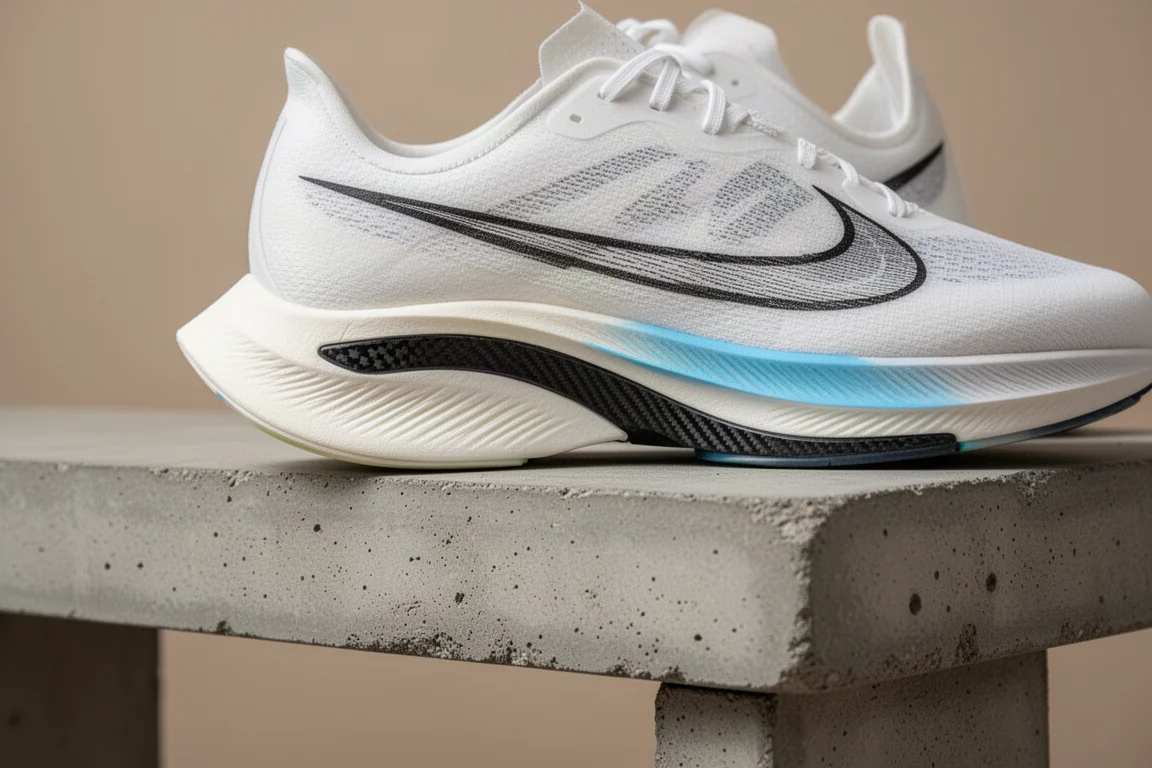
There is one nuance worth knowing: at 5K efforts, the Lightstrike Pro in the Adios Pro 2 can feel a little too squishy. It never holds you back, but at very high intensity there is a slight sense of softness under foot at push-off. For half marathon and marathon work, though, it remains the benchmark in this lineup.
Adios 6: The Modern Boston Replacement
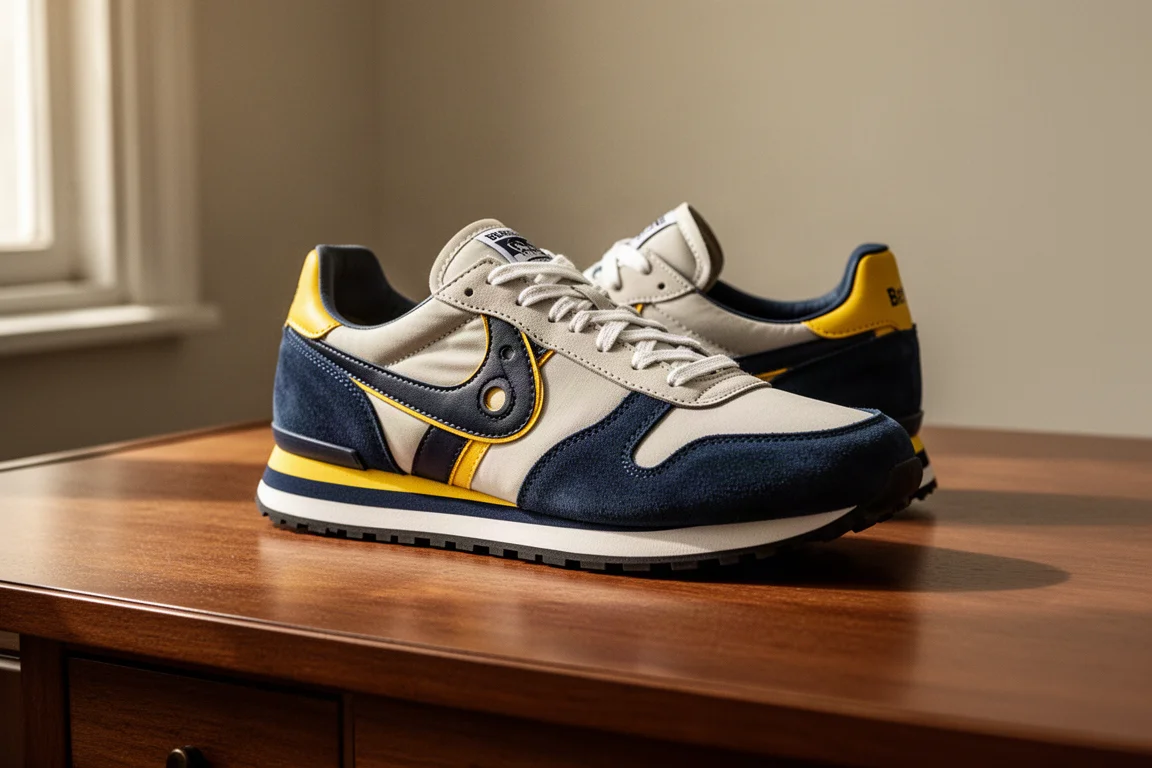
If you liked the Boston 8 or Boston 9 and are wondering where to go next, the Adios 6 is the answer. This version adds Lightstrike Pro, and in terms of modernizing the Boston concept, it arguably makes for a better Boston than the Boston 10 itself.
It slots in as a training companion to the Adios Pro 2: a shoe for threshold work and hard training days when you do not want to reach for the super shoe for every workout. Together, those two form a sensible one-two punch for anyone training for a marathon in Adidas shoes.
SL20: The Lightweight Daily Trainer
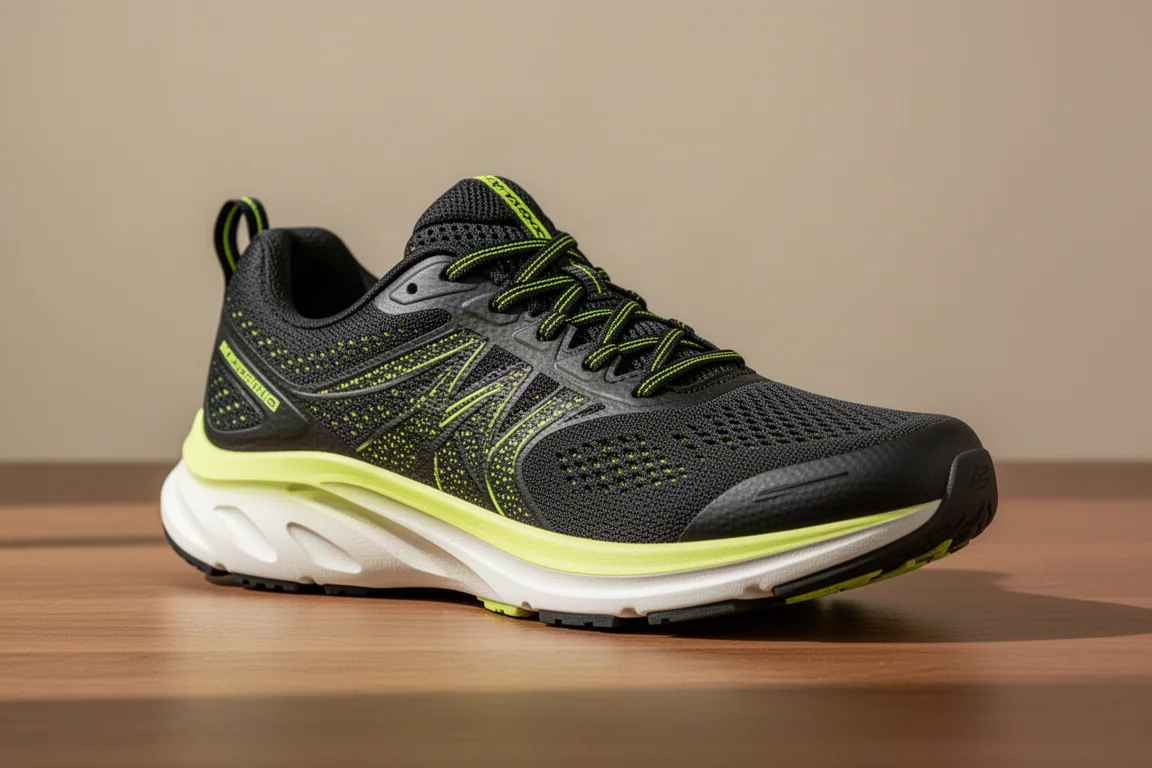
For daily training, the SL20 stands out as the best lightweight option in the current lineup. Yes, there are the Ultraboost and Solarboost, but those are considerably heavier. The SL20 is an all-Lightstrike shoe with a decent amount of stack in the heel, and at no point does it feel unstable enough to need a stabilizing plate in the heel.
It is best suited for everyday miles and general training, leaving the faster shoes in the lineup free for workouts and racing.
Takumi Sen: The Wild Card for Shorter Races
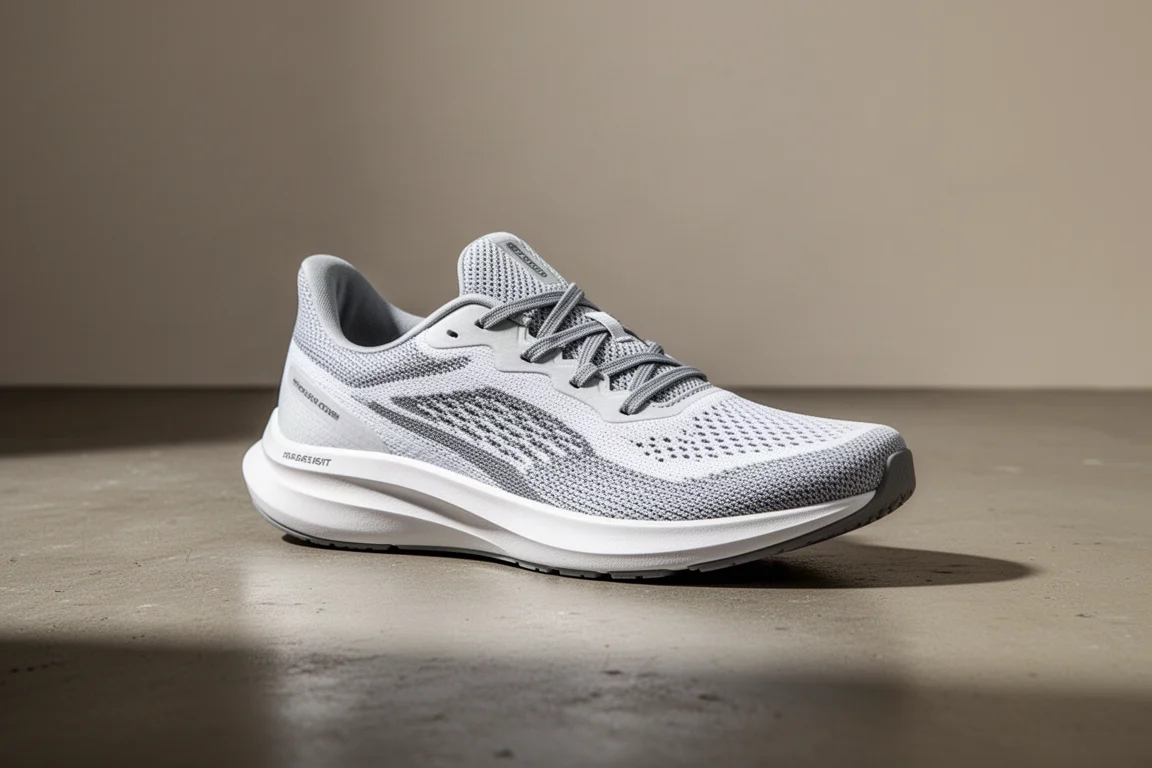
The Takumi Sen is the shoe that complicates the lineup further. It has only just arrived, with no testing yet, so firm conclusions have to wait. The early hypothesis, though, is that it is the race shoe for shorter road distances.
If that holds up, the structure looks like this: for road 10Ks and 5Ks, the Takumi Sen would be your race shoe and the Boston 10 your training companion, while the Adios 6 and Adios Pro 2 cover marathon training and racing.

How the Lineup Comes Together
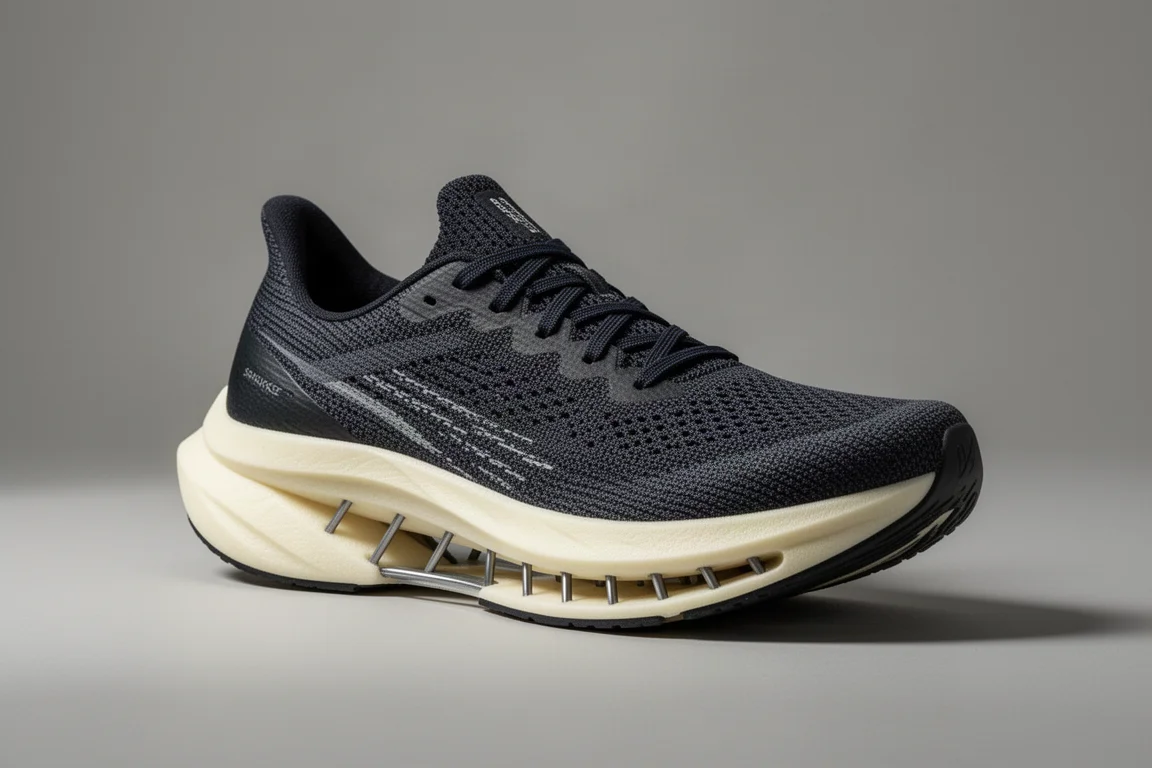
Putting it all together:
- Marathon racing and threshold work: Adios Pro 2
- Road speed work at 5K effort or faster: Boston 10
- Hard training and threshold days without the super shoe: Adios 6
- Daily training: SL20
There may not be a completely well-thought-out plan behind all of these shoes. Adidas may simply be throwing things at the wall to see what sticks. But if the pieces land the way they appear to, the lineup covers nearly every kind of runner, from daily miles to marathon race day.
Conclusion
The Boston 10 is not broken; its role just shifted. Treat it as a speed work shoe for 5K efforts and it rewards you, while marathon runners should look to the Adios Pro 2 and the Adios 6 instead. Add the SL20 for daily training and the Takumi Sen for shorter races, and Adidas has a shoe for every session. Match the shoe to the workout, and the confusion largely disappears.
Further reading
Related Reviews

Running Shoes
Best Road-to-Trail Running Shoes: Three Versatile Options for Mixed Terrain
A practical guide to three road-to-trail running shoes that handle both pavement and mild trails, with clear strengths and trade-offs for different runner types.

Running Shoes
Best Running Shoes for Achilles Tendonitis: Three Options Explained
Three running shoes with different heel drops and support features designed to help reduce Achilles tendon pain during walking and running.

Running Shoes
Best Running Shoes for Women: Five Top Choices Ranked
A ranked guide to five women's running shoes, from versatile daily trainers to high-performance racing options, with real strengths and trade-offs for each.