Running Shoes
Adidas Solar Glide 5 vs Ultraboost 22: Which Daily Trainer Should You Buy?
Two new Adidas trainers with a lot in common but very different price points and personalities. Here is how they compare for everyday running.
Introduction
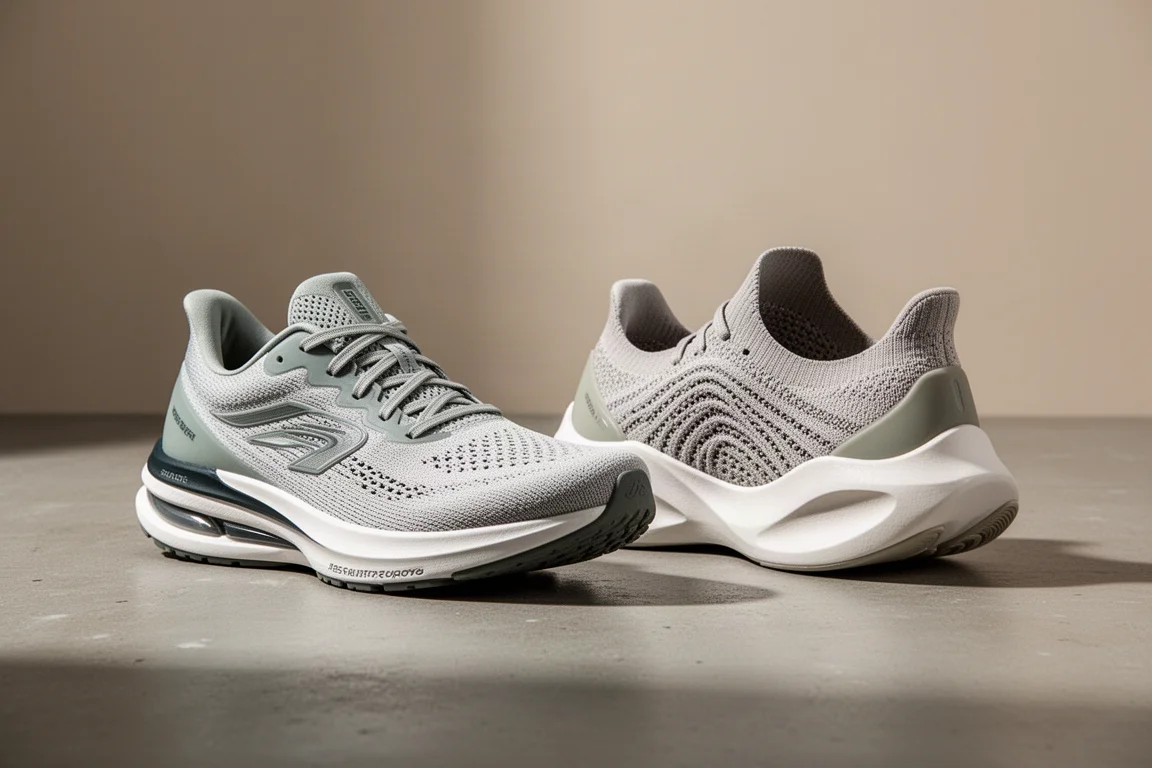
Adidas released both the Solar Glide 5 and the Ultraboost 22 within the same year, and on paper they look like close relatives. They share a lot of the same technology, but they differ in midsole construction, fit philosophy and price. The Solar Glide 5 sits at 120 pounds, while the Ultraboost 22 costs 165 pounds, so there is roughly a 40 pound gap between them. This comparison breaks down where they match, where they diverge, and which runner each shoe suits best.
What They Share
Both shoes use the same Linear Energy Push (LEP2) system: a plastic element embedded in the midsole that prongs out in four directions and works like a plate, adding a responsive push during the run. The trade-off is firmness, since that plastic plate makes each shoe feel stiffer underfoot.
They also share the same upper, which Adidas calls Primeblue Circular. It is a thick, sock-like knit made from recycled materials, and both shoes have a similar silhouette with a wider toe box and wider heel.
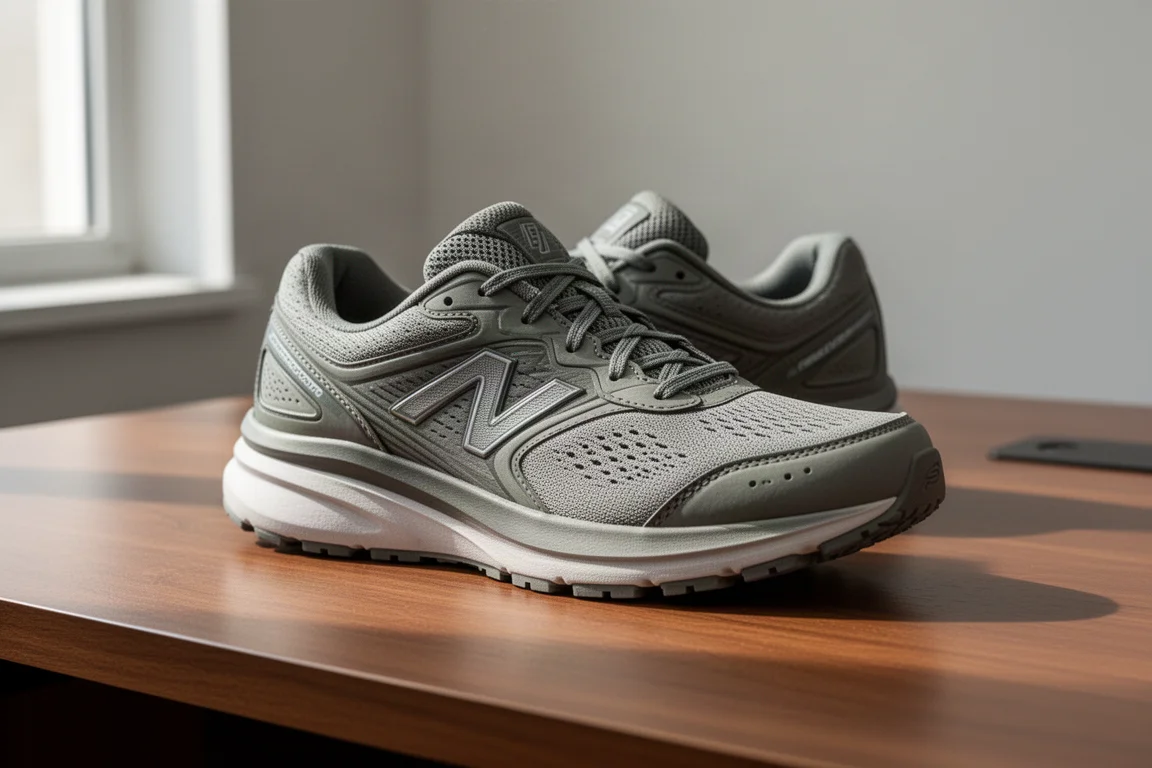
Adidas Solar Glide 5
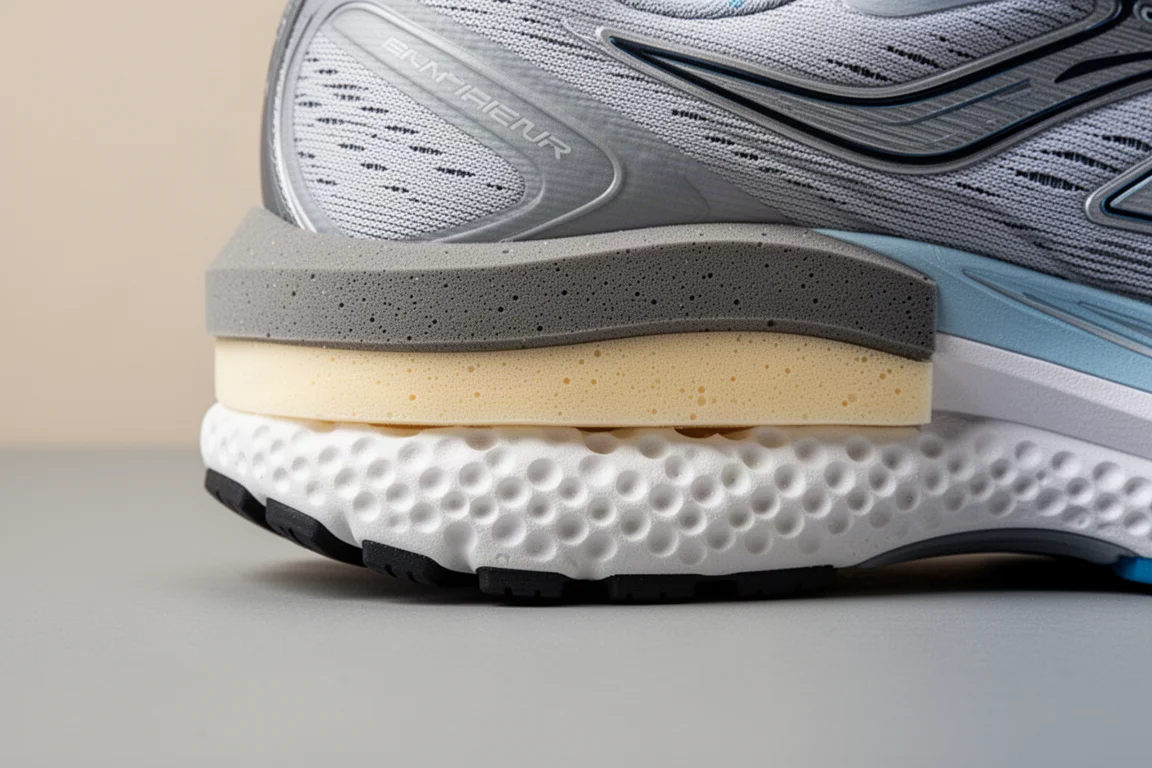
The Solar Glide 5 combines two midsole materials: a top layer of EVA above Adidas Boost foam. The layout puts larger sections of foam at the forefoot and heel, where landing and toe-off happen, in what Adidas describes as a double bubble. Because of the EVA, the ride feels noticeably firmer than the numbers suggest. It takes a good few miles to break the shoe in before the foam softens up.
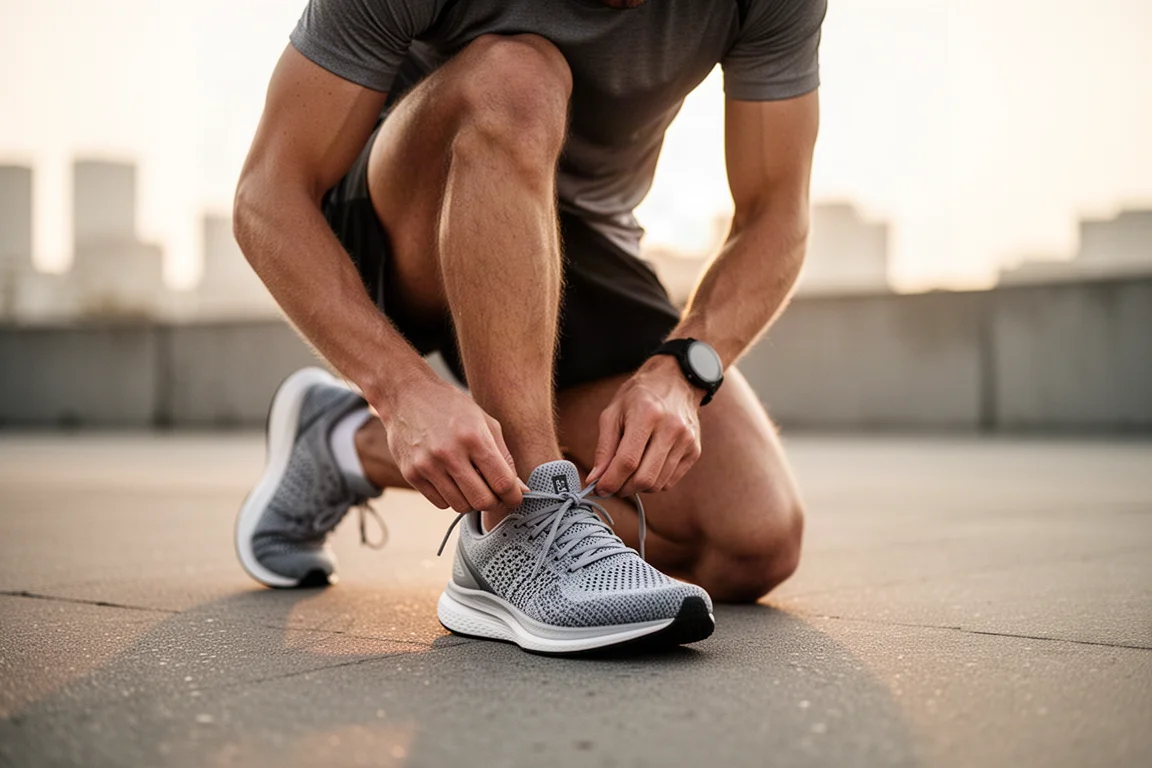
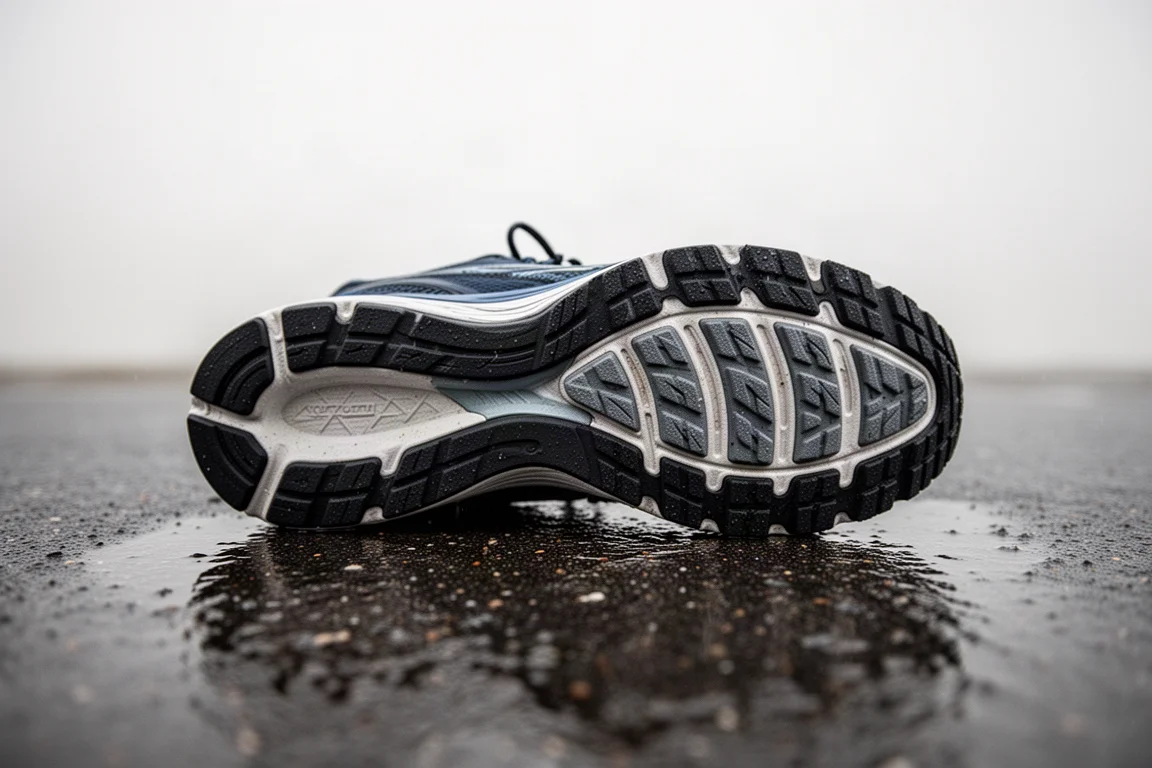
At 335 grams in a UK 5.5, it is not a light shoe, and some runners will notice that on easy runs. The upside is a durable, reassuring platform for long miles. The Continental rubber outsole delivers a lot of grip, tested on hot pavement and in snow, and the shoe is built to last. It would even cope with light off-road paths, though not a technical trail.
For beginners and runners who mostly want a shoe for easy miles and relaxed parts of a run, the more affordable price point makes it easy to get a lot of value out of it.
Adidas Ultraboost 22
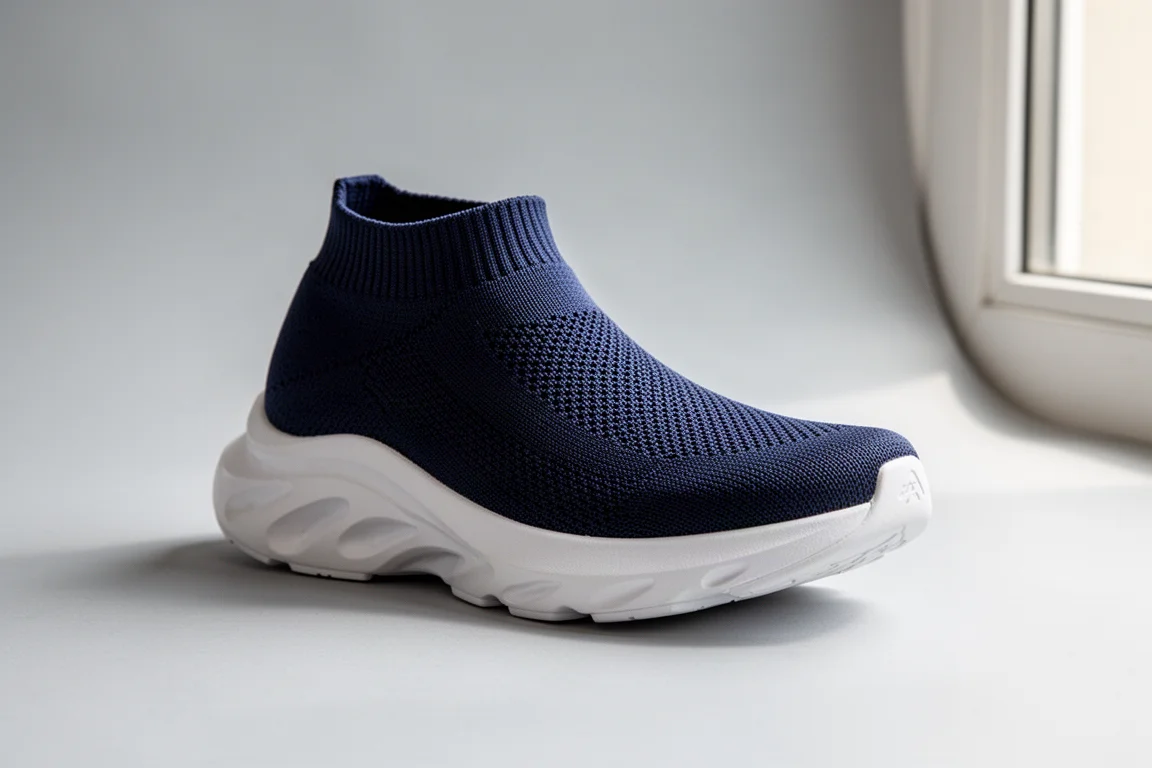
The Ultraboost 22 has a notable design story: Adidas built it around scans of the female foot and released it as a female-first shoe. For runners who always found the Ultraboost tight across the top of the foot, this version fits noticeably better and keeps the heel secure with plenty of cushioning around the heel, although it sits higher up the heel than the Solar Glide, which not every runner will prefer.
It carries more Boost than ever, aimed at greater energy return, but it is still a firmer shoe than the very soft max-cushion options from other brands. The ride is responsive rather than squishy. At 289 grams in a UK 5.5, it is actually lighter than the Solar Glide 5.

Its real strength is versatility. It is a strong option for easy and long runs but can pick up the pace when needed, which makes it a good single-shoe choice for experienced runners. You could comfortably run a half marathon or even a marathon in it, and while lighter options exist for tempo work, there is no reason you could not do a tempo session in these.
Which Shoe Should You Buy?
It comes down to the running you plan to do and your budget. Neither shoe is particularly fast because both are fairly heavy, and both suit long runs and easy miles best. Heavier shoes are not a drawback for everyone: some runners find they encourage a steadier pace on long runs instead of sprinting off the line and fading later.
The Ultraboost 22 fits some feet better, especially female runners, and offers more versatility for experienced runners who want one shoe that can handle varied sessions. The Solar Glide 5 is the more affordable route into a durable, well-built everyday trainer with a very grippy outsole, making it a great beginner shoe. For reference, lighter alternatives around the same price as the Ultraboost exist, but they lack its cushioned comfort.
Conclusion
Both trainers share the same LEP2 plate, recycled knit upper and firmer-than-expected ride. Choose the Solar Glide 5 for an affordable, durable easy-mile shoe with excellent grip, and the Ultraboost 22 if fit and all-round versatility matter more and the higher price fits your budget.
Further reading
Related Reviews

Running Shoes
Best Road-to-Trail Running Shoes: Three Versatile Options for Mixed Terrain
A practical guide to three road-to-trail running shoes that handle both pavement and mild trails, with clear strengths and trade-offs for different runner types.

Running Shoes
Best Running Shoes for Achilles Tendonitis: Three Options Explained
Three running shoes with different heel drops and support features designed to help reduce Achilles tendon pain during walking and running.

Running Shoes
Best Running Shoes for Women: Five Top Choices Ranked
A ranked guide to five women's running shoes, from versatile daily trainers to high-performance racing options, with real strengths and trade-offs for each.