Running Shoes
Adidas Solar Glide 5 Review: A Training Shoe First, a Running Shoe Second
The Adidas Solar Glide 5 brings double-stacked cushioning and serious durability, but a fussy upper and heavy, blocky ride hold it back as a daily runner.
Introduction
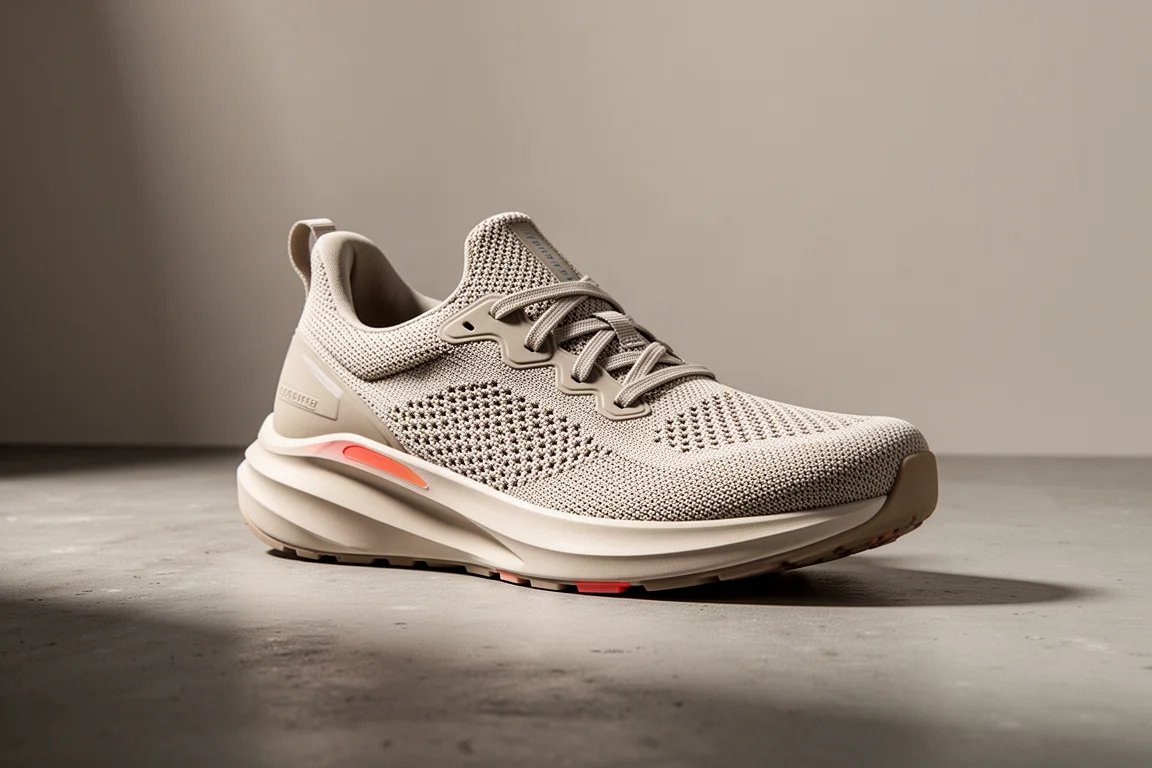
The Solar Glide 5 is Adidas’ fifth version of the shoe, and it lands firmly in the neutral daily trainer category, leaning toward the max-cushion end of that range. It is not the lightest shoe out there, and it is not trying to be a dedicated performance runner. Instead, it splits its personality between the road and everyday life, with styling that genuinely works as a streetwear shoe.
That dual identity is the core of this review. As a pure running shoe, it has real shortcomings. As a comfortable, durable training and lifestyle shoe, it makes a much stronger case.
Who This Shoe Is For
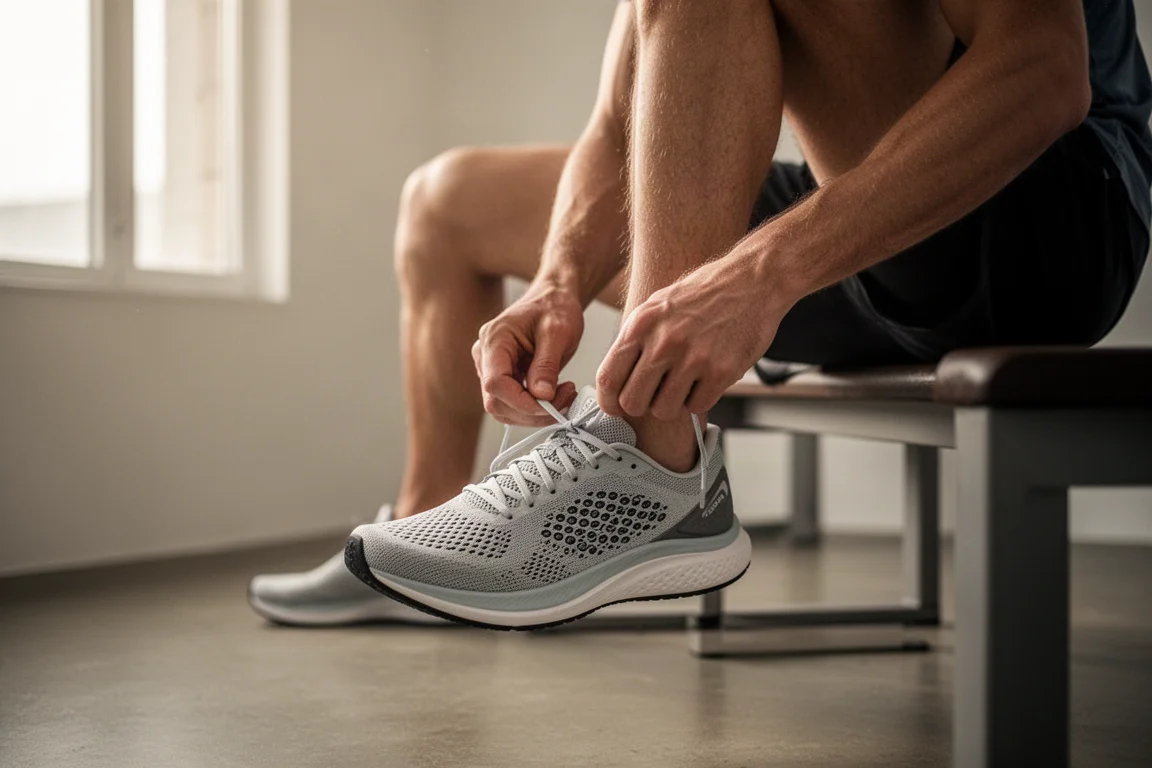
The Solar Glide 5 is aimed at people who want one shoe for multiple jobs: an easy run, a gym session, or just wearing it around town. Adidas clearly knows it has a lifestyle audience here, and the design reflects that with a look that fits concerts, the gym, or hanging out with friends as easily as an easy-paced run.
If you think of your footwear in terms of a gym-to-run rotation rather than run-specific gear, this shoe was essentially made for you. If you are hunting for a dedicated, energetic daily runner for serious mileage and speed work, that is a different story.
Main Strengths
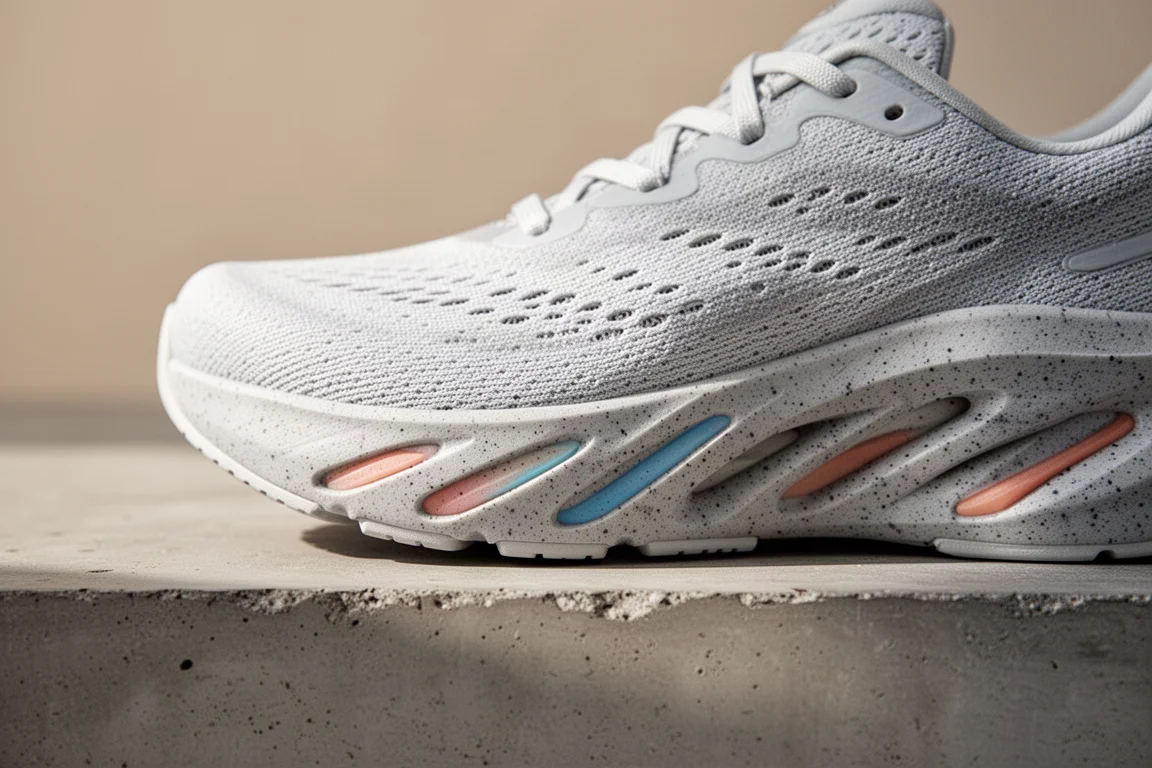
The standout feature is the midsole. Adidas stacked two foams here: a soft, bouncy Boost layer at the heel with real cushioning you can feel just by pressing into it, topped with a Solar Glide foam layer in a dual-density setup. The heel is noticeably thick, giving the shoe its max-cushion character.
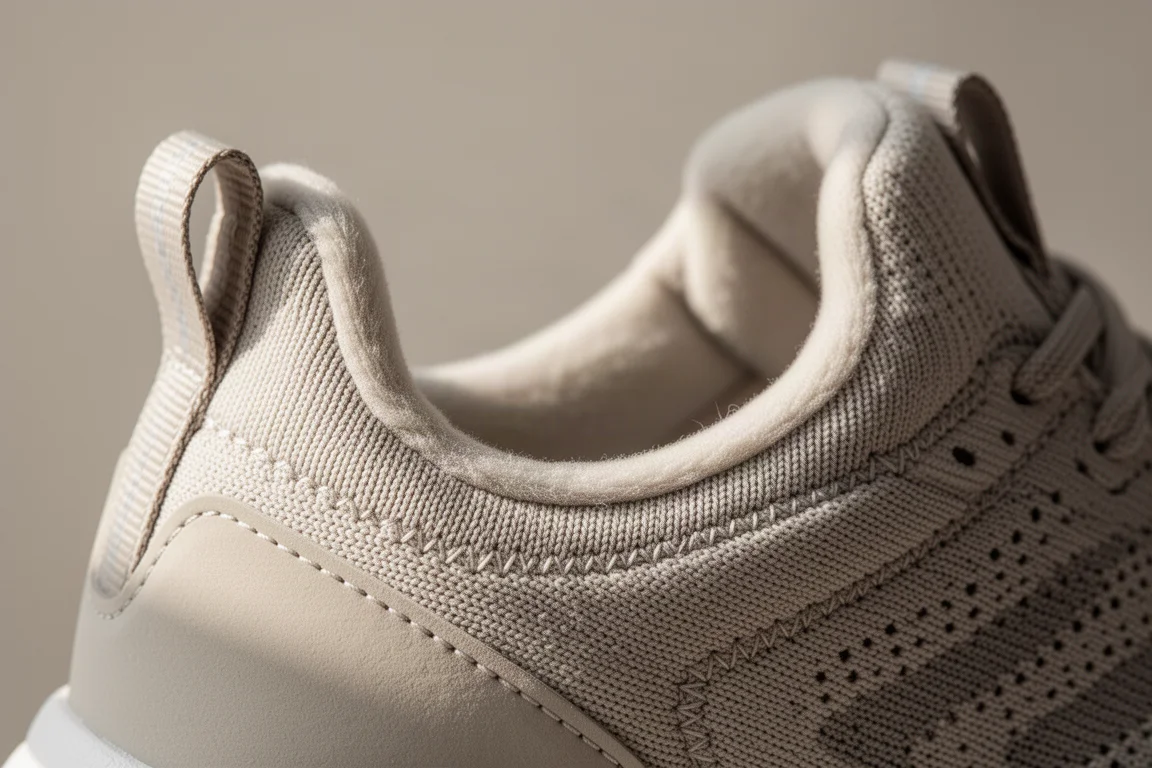
The second major strength is durability. The outsole uses Continental rubber, and combined with Boost’s well-known resistance to breakdown, this is a shoe built to last hundreds of miles without falling apart. The LEP 2.0 control platform, a full-length TPU insert running through the shoe, keeps every facet of the shoe held together and adds a lot of underfoot stability. It is not a plate exactly, more of a rigid fork, but it makes the platform feel planted and secure.
The fit stats: a 10 mm drop, with 36 mm in the heel and 26 mm in the forefoot. At a size 8.5, it weighs 315 g (11.1 oz), which is on the heavier end for a daily trainer.
Things to Consider Before Buying
The upper is where this shoe struggles most. It uses a Primeblue upper made from recycled material, with a jacquard-like knit-and-mesh texture that looks good. The problem is the fit. The shoe is extremely wide by nature and runs long, so a half size down is recommended if you have anything close to a narrow or average foot.
The lacing system is the biggest frustration. It combines dual-crossing rows with yellow elastic bands meant to hold everything in place, but they hold too well: once cinched, the laces are genuinely difficult to loosen and readjust. Even after getting the fit dialed in, the midfoot felt overly tight while the rest of the foot shifted around.
Underfoot, the ride is rigid and blocky. The Solar Glide foam on top is not particularly exciting, the shoe has no rocker or smooth roll-through, and toe-off feels flat. The weight compounds this: at 11.1 oz in a size 8.5, it fails any honest weight test for a daily trainer. If drop matters little but weight matters a lot to you, that is the number to watch here.
Buying Advice
Priced at $130, the Solar Glide 5 sits in the competitive range of ordinary daily trainers, so it is neither overpriced nor a bargain; Boost pricing has simply come down from its premium era. For what you get in durability, the value is reasonable.
As a running shoe, this one earns a red light. It simply does not fit an arsenal built around daily miles, speed work, and racing. As a fitness and lifestyle shoe, though, it flips to a green light. Think of it as a training shoe: good for gym cardio, kicking around town, courtyard ball, or everyday wear. If you want the next three-stripes shoe in your rotation and you care more about versatility and looks than running performance, this is a solid pick.

Conclusion
The Adidas Solar Glide 5 is a durable, stable, well-styled max-cushion shoe that falls short as a dedicated runner. Its fussy lacing system, wide and long fit, heavy weight, and rigid ride hold it back on the road, but as a gym-to-street training shoe at $130, it makes a lot more sense. Buy it for everything else you do; look elsewhere for your running rotation.
Product link
View more details for Adidas Solar Glide 5
This product is mentioned in the review. Check the specifications, options, and compatibility before buying.
View more details for Adidas Solar Glide 5Further reading
Related Reviews

Running Shoes
Best Road-to-Trail Running Shoes: Three Versatile Options for Mixed Terrain
A practical guide to three road-to-trail running shoes that handle both pavement and mild trails, with clear strengths and trade-offs for different runner types.

Running Shoes
Best Running Shoes for Achilles Tendonitis: Three Options Explained
Three running shoes with different heel drops and support features designed to help reduce Achilles tendon pain during walking and running.

Running Shoes
Best Running Shoes for Women: Five Top Choices Ranked
A ranked guide to five women's running shoes, from versatile daily trainers to high-performance racing options, with real strengths and trade-offs for each.