Running Shoes
Adidas Solar Glide 4 and Solar Glide 4 ST: Old-School Trainers for Steady Mileage
Two sister trainers from Adidas with Boost midsoles, firm rides, and full-length stability in the ST version. Here is what to know before buying.
Introduction
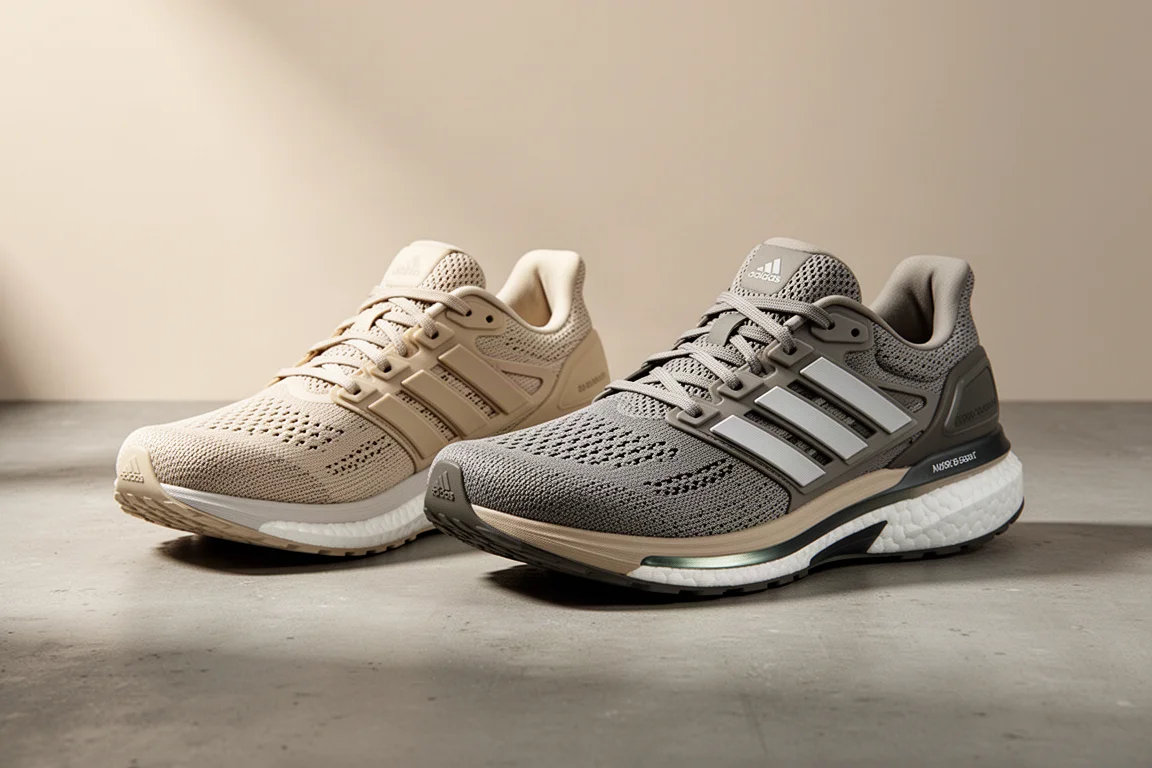
The Adidas Solar Glide 4 and Solar Glide 4 ST are two of the more traditional trainers still on the market. They are not speed shoes and they are not flashy: they exist to get steady mileage done on the pavement. The two versions are closely related, with the ST adding a full-length stability frame for runners who want guidance through every phase of the stride.
Both shoes are on the heavier side, and that shapes who they suit. If you want a soft, bouncy daily trainer for long easy runs, neither of these will be the answer. If you miss the firm, flat, durable feel of trainers from five to ten years ago, these are among the few remaining options in that style.
Two Shoes, One Platform
The core difference between the two shoes sits in the midsole. The Solar Glide 4 ST uses a full-length stable frame that runs the entire length of the shoe, turning it into a genuine stability trainer. The standard Solar Glide 4 uses an EVA frame instead, and the difference between the two foams is subtle enough that testers could not reliably feel the transition while running.
Both shoes ride on Boost foam, and the ride is firmer than many people expect from the material. The firm EVA layer sitting directly under the foot dominates the feel, so the softness of the Boost underneath rarely comes through unless you land hard on your heel. An extended torsion system that runs up through the forefoot adds a touch of rigidity, though it is more noticeable in hand than underfoot.

Adidas Solar Glide 4: A Firm, Flat Traditional Trainer
The standard Solar Glide 4 is best described as a durable mileage shoe with a flat geometry and firm foam. It is bottom-heavy, and turning the shoe over quickly is not much fun, which rules it out for long runs, recovery runs, or any session where pace matters. Where it works is the five-to-seven-mile steady run, where you are simply heading out the door rather than pushing hard.
The upper is low volume and pushes down over the top of the toes, which caused some irritation on longer efforts for at least one tester. On the plus side, the heel area is one of the standout features: the heel counters sit slightly forward, leaving an open, pressure-free zone around the achilles insertion. Runners with Haglund’s deformity or a sensitive pump bump will appreciate that design a lot.
Adidas Solar Glide 4 ST: Full-Length Stability
The ST version takes the same formula and adds a full-length stable frame made from a firmer EVA compound. The frame locks in the forefoot noticeably, and there appears to be resistance both medially and laterally, which guides the foot forward rather than tilting it one way or the other. For runners who want genuine full-length stability rather than a token medial post, this is one of the more complete executions available.
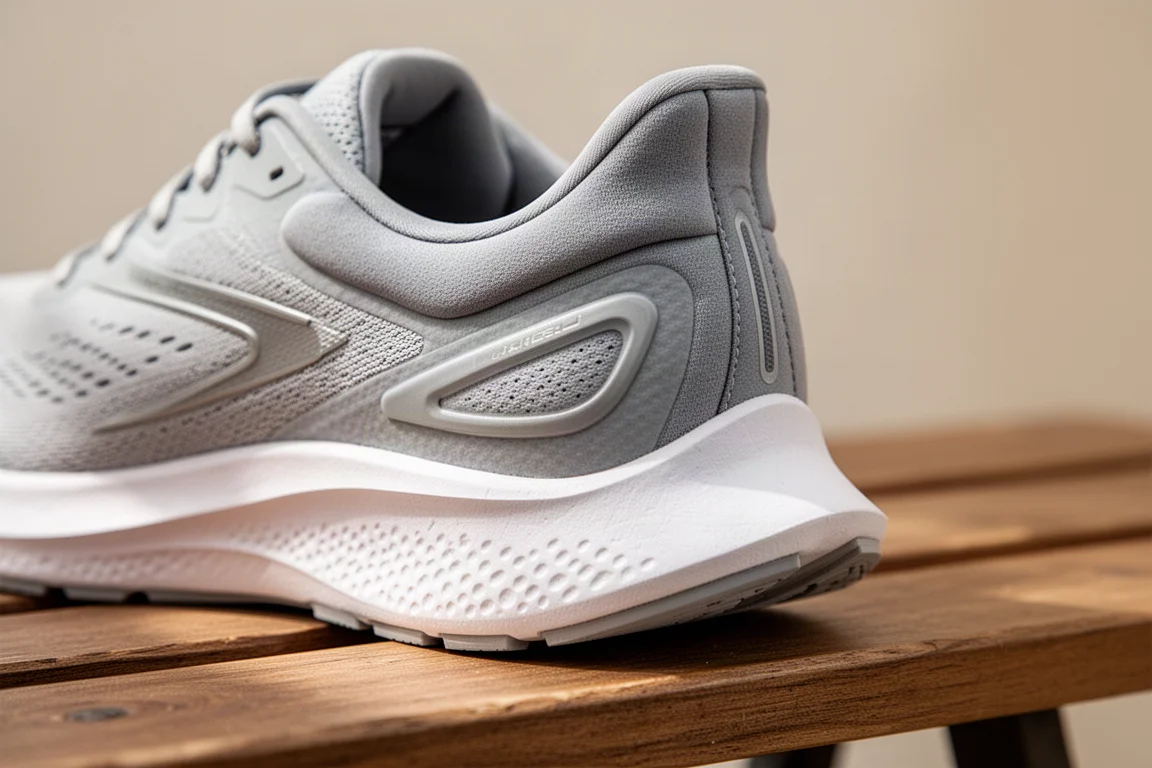
The trade-off is stiffness. The stable frame, the torsion system, and the heel counters combine to make the ST noticeably less flexible, especially in the forefoot. Runners who do not like to slow down and still want a firm shoe up front may get along with it, but the transition through the stride is clunky. Deeper flex grooves or a higher toe spring would help, and those are the updates this series needs most.
Fit and Upper Feel
Both shoes share a low-volume upper consistent with other recent Adidas trainers. It locks the heel in well thanks to that forward-positioned heel counter, but the snug fit over the top of the toes can cause discomfort after longer runs. The shoes also feature a significant posterior heel flare, where the midsole extends behind the heel.
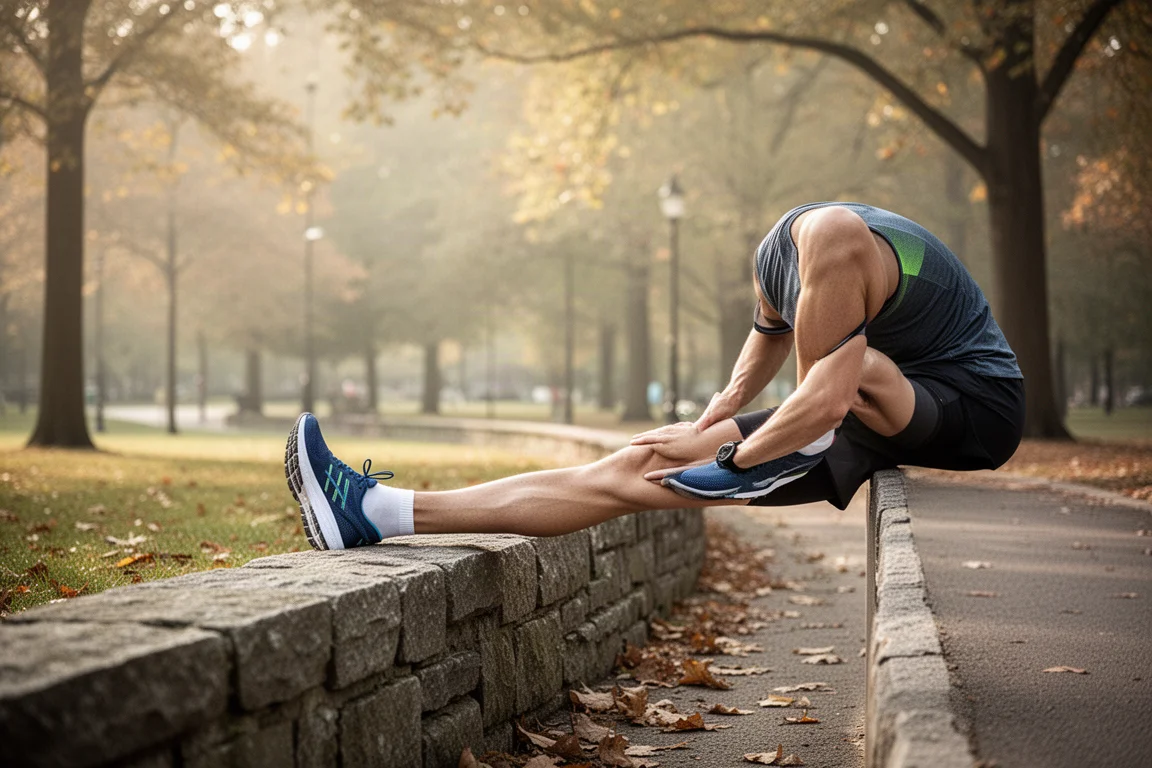
That heel flare deserves attention before buying. It creates extra torque on the muscles at the front of the shin at initial contact, and for heel strikers with a history of shin or anterior tibialis issues, this shoe can aggravate those problems over longer runs. One tester reported pain the next day after runs longer than an hour. Not everyone will feel this, but if you are sensitive in that area, it is a real consideration.
Buying Advice
Both shoes are steady, clunky, old-school trainers, and they break in slightly as the miles accumulate. The Solar Glide 4 is the pick if you simply want a firm, durable pavement shoe for moderate-distance easy runs. The Solar Glide 4 ST is the pick if you want that same ride with genuine stability from heel to forefoot, and you are not bothered by the added stiffness.

Skip both if you want softness, flexibility, or versatility beyond easy mileage. Adidas has poured most of its innovation into other lines, and the Solar Glide series has changed very little over several years. That means these shoes feel dated in some ways, but also that the firm, stable ride they offer has become genuinely hard to find elsewhere.
Conclusion
The Solar Glide 4 and Solar Glide 4 ST serve a narrow but real niche: runners who want a firm, stable, traditional trainer for steady mileage. The achilles-friendly heel is a genuine strength, and the ST delivers full-length stability that actually works. The posterior heel flare and the stiff, heavy ride are the main caveats, so match them to easy, moderate-length runs and they make sense.
Product link
View more details for Adidas Solar Glide 4
This product is mentioned in the review. Check the specifications, options, and compatibility before buying.
View more details for Adidas Solar Glide 4Further reading
Related Reviews

Running Shoes
Best Road-to-Trail Running Shoes: Three Versatile Options for Mixed Terrain
A practical guide to three road-to-trail running shoes that handle both pavement and mild trails, with clear strengths and trade-offs for different runner types.

Running Shoes
Best Running Shoes for Achilles Tendonitis: Three Options Explained
Three running shoes with different heel drops and support features designed to help reduce Achilles tendon pain during walking and running.

Running Shoes
Best Running Shoes for Women: Five Top Choices Ranked
A ranked guide to five women's running shoes, from versatile daily trainers to high-performance racing options, with real strengths and trade-offs for each.