Running Shoes
adidas Running Lineup: Six Shoes From Easy Miles to Marathon Race Day
A full walk-through of the adidas running range, from the cushioned Adistar to the extreme-stack Prime X, with honest notes on what each shoe does best.
Introduction
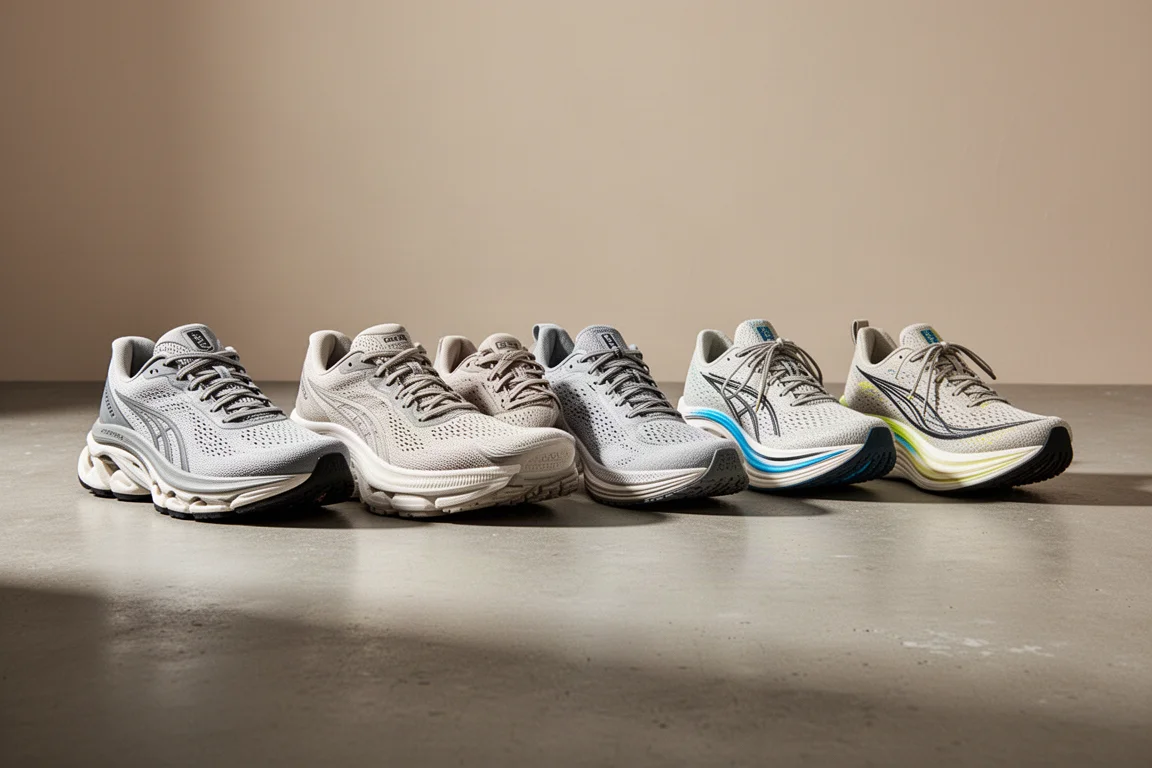
adidas covers an unusually wide spread of running needs, and the current lineup makes that clear: one shoe for slow, comfortable mileage, several trainers that can still turn over quickly, and a set of race day options that push stack heights to and beyond the legal limit. Before getting into individual shoes, it helps to know the shared technology. Most of these models use a lightweight, breathable mesh upper made in part from recycled ocean plastic, part of adidas’s wider initiative to remove plastic from the ocean. Midsoles revolve around Lightstrike, a firmer, almost hollow-feeling EVA-style material, and Lightstrike Pro, the softer, bouncier super-foam found in the racing lineup. Carbon fiber energy rods appear in the high-end shoes, TPU versions in others, and Continental rubber outsoles provide standout grip across the range. From slowest to fastest, here is how the lineup shakes out.
adidas Adistar: The Easy Miles Specialist
The Adistar is built for exactly one job: long, slow, comfortable miles. It is the only shoe in this lineup that uses the Repetitor+ foam, and it delivers a rockered, cushioned ride with a heavy, plush feel underfoot. A thick tongue, comfortable upper, and a roomy forefoot cage add to the comfort-first character. Like everything in the range, it features recycled materials in the upper.
This is a shoe for recreational runners and for anyone building a rotation who wants a dedicated slow-day trainer, the kind of shoe that stops you from pushing the pace when you should be recovering. At a price of $130, it sits at the entry point of the premium side of the line.

adidas Boston 10: Beautiful, but Confusing
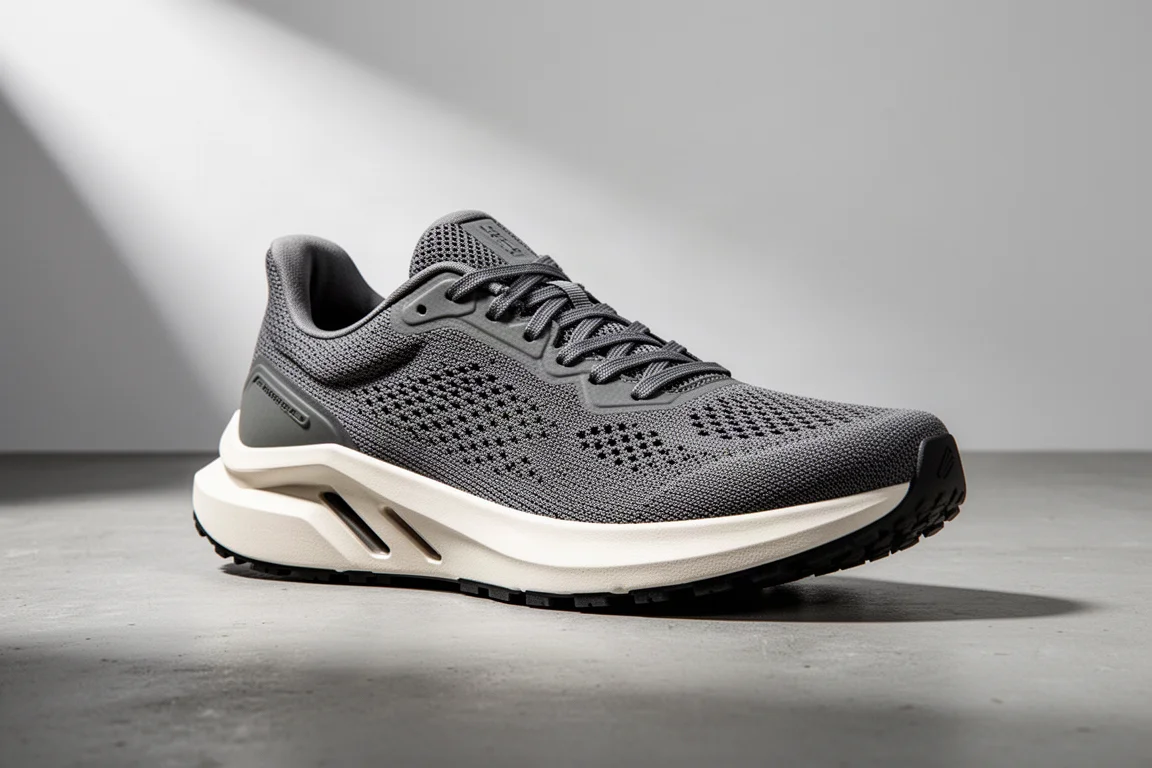
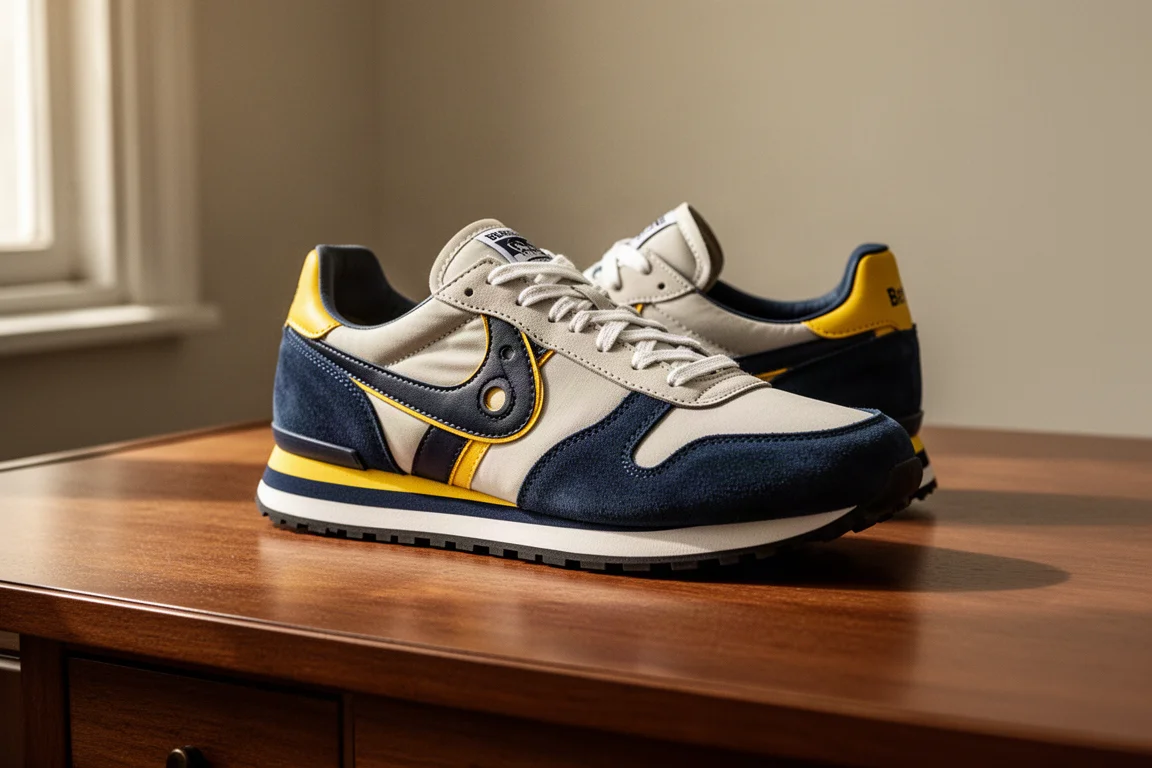
The Boston 10 may be the most divisive shoe of its release year. It shares the Boston name, but it feels nothing like any previous Boston, and that disconnect proved hard for many runners to warm up to. On paper the specs are strong: Lightstrike Pro combined with Lightstrike in the midsole, carbon energy rods, a gusseted tongue, Continental rubber outsole, and attractive suede accents around the front.
In practice, many runners found it clunky and heavy underfoot, with a break-in period that never quite resolved. The firm Lightstrike base makes it a loud shoe on the pavement, and the ride did not reward tempo or racing attempts. It works best strictly as a daily miles shoe, and it makes a convincing lifestyle sneaker, but runners hoping for a Boston update were largely disappointed.
adidas Adios 6: The Best Value All-Rounder
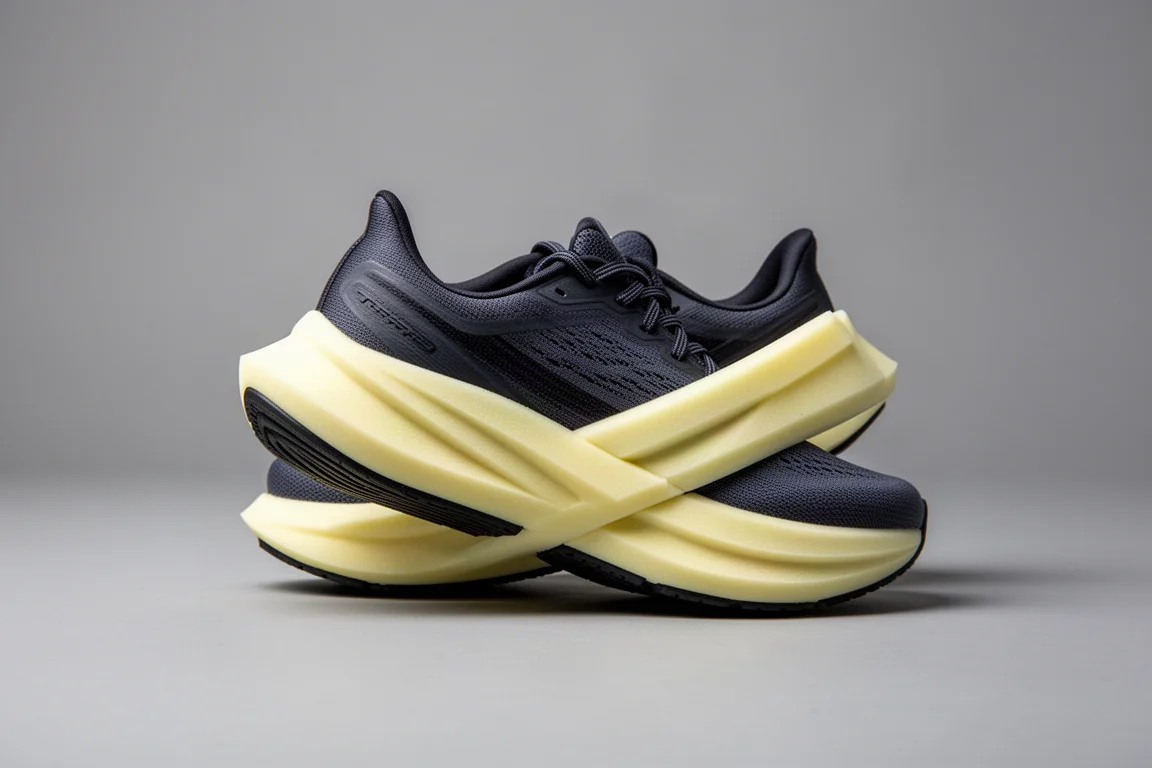
At $120, the Adios 6 is the most budget-friendly shoe here, and it is a genuinely good deal. This model used to be adidas’s elite racer and world record shoe, and the Adios 6 stays close to that traditional racing-flat feel while adding a bit more modern float. The lower stack keeps a classic, connected ride, and the result lands somewhere between where the old Adios and the pre-10 Boston lived. Lightstrike Pro sits under the toes for squish and pop, while Lightstrike in the rear adds a touch of stability that the Takumi Sen lacks. A TPU torsion plate and Continental rubber round it out.
Coming in around nine ounces for a men’s size 10.5, it is a daily trainer that can genuinely go fast. For anyone who does not want to spend $200 on a modern plated racing shoe, this is arguably the one adidas shoe that could carry you through an entire training cycle, from easy days to race day.

adidas Takumi Sen 8: The Team Favorite
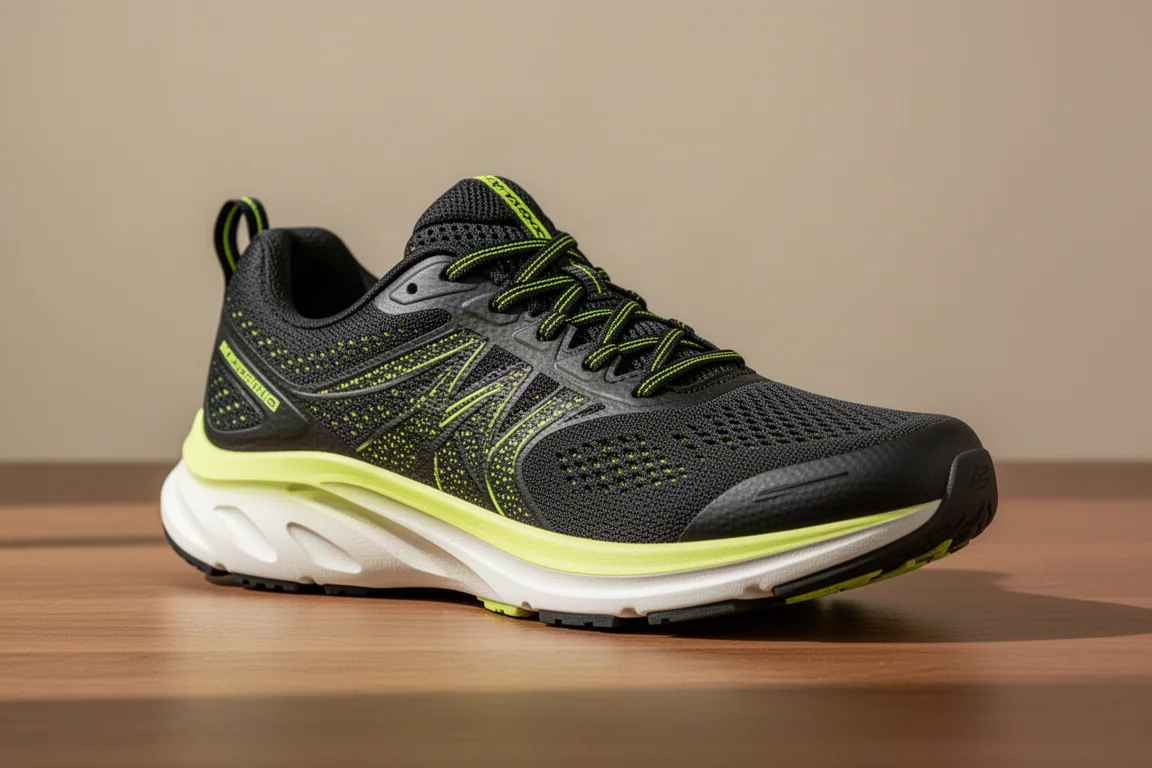
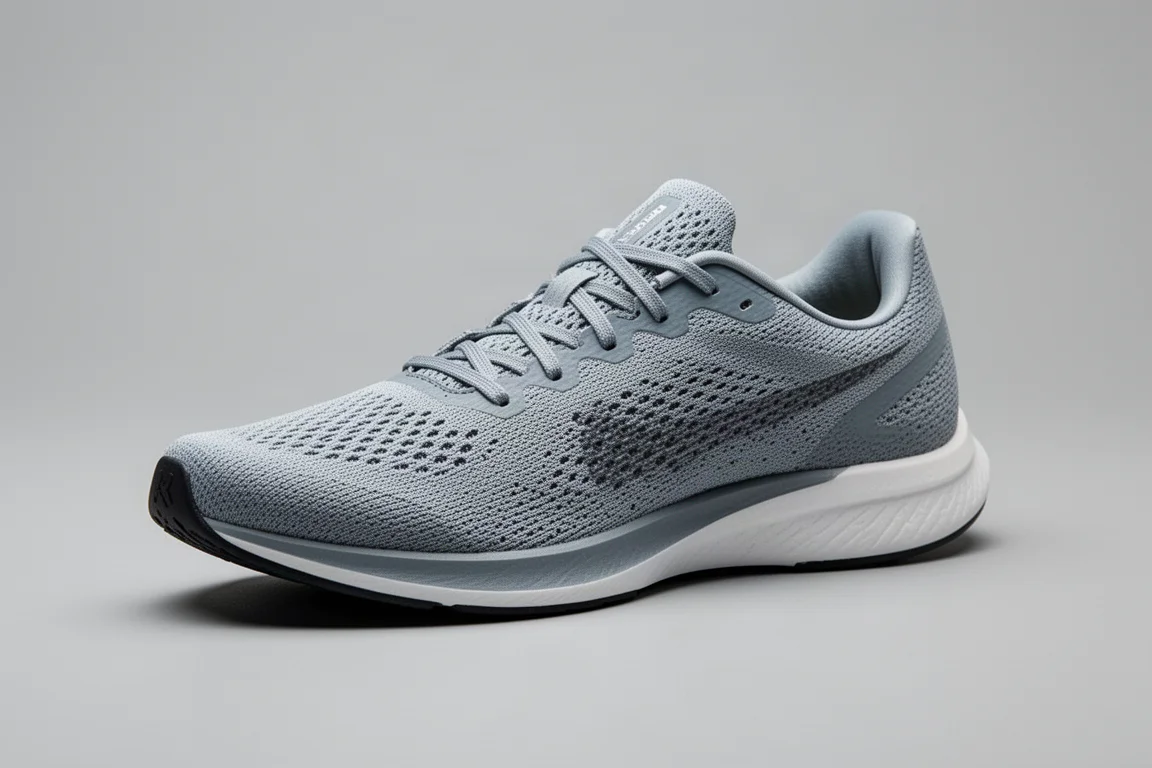
The Takumi Sen 8 was the unanimous favorite of the lineup, and it is easy to see why. It is extremely lightweight, uses Lightstrike Pro throughout the midsole, adds energy rods, and finishes with Continental rubber for outstanding grip. The ride is bouncy, comfortable, and it actively makes you want to pick up the pace.
adidas positions it as a 5K to half marathon shoe, but the stack tells a different story: a 33mm heel is not far off modern marathon racers, and it could easily serve as a marathon shoe. The one caveat is stability, since the Lightstrike Pro rear is not as planted as the Adios. At $180, it is $70 cheaper than the top-end racers while using the same premium midsole, and for some runners the smoother long-run feel actually beats the more expensive Pro model. A serious contender at this price.
adidas Adios Pro 2: Fast, but Demanding
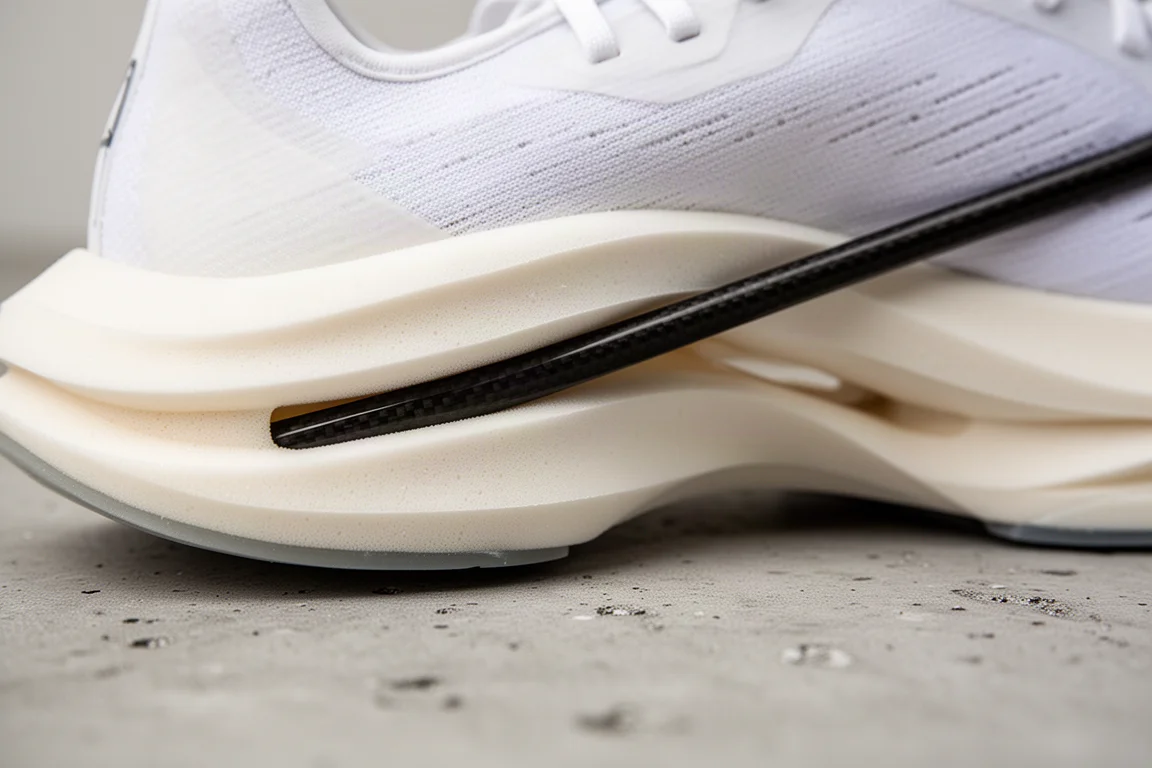
The Adios Pro 2 shares the full Lightstrike Pro midsole setup with the Takumi Sen 8 but adds carbon energy rods and a much higher stack, with the heel sitting right up against the World Athletics limit for marathon legality. It is a $220 shoe, slightly cheaper than several competing super shoes.
The experience, however, proved polarizing. The high stack and the way the rods line up pushed some runners’ ankles outward, forcing constant work to stay on the big toe at push-off, and the cutout in the midsole contributed to a twisting, unstable feel. This is a shoe with essentially one speed: very fast, with good mechanics required. It does gain more Continental rubber traction than its predecessor, and it looks fantastic. But for runners who preferred the Pro 1’s fit and ground contact, the Adios Pro 2 is a step in a demanding direction rather than an easy upgrade.
adidas Prime X: The Rule-Breaking Super Stacker
The Prime X throws out the rulebook entirely with a 50mm stack of full Lightstrike Pro, sitting far beyond the World Athletics limit. That much foam underfoot brings serious bounce, and the first mile can feel remarkably quick, but stability is the glaring problem. The heel is narrow, the center cutout adds further instability, and the thin unstructured upper gives no lateral support. One tester cut a planned 10-mile run short at 8.5 miles after repeated ankle rolls on anything less than perfectly smooth ground.
For runners with strong ankles who stay up on their toes at speed, it can be a lot of fun. There is also a real market argument here: not everyone is racing against the world’s best, so legal stack limits do not matter for everyone who wants maximum cushioning and bounce. But as currently built, the Prime X demands a lot from the runner to deliver it.
Which One Should You Buy?
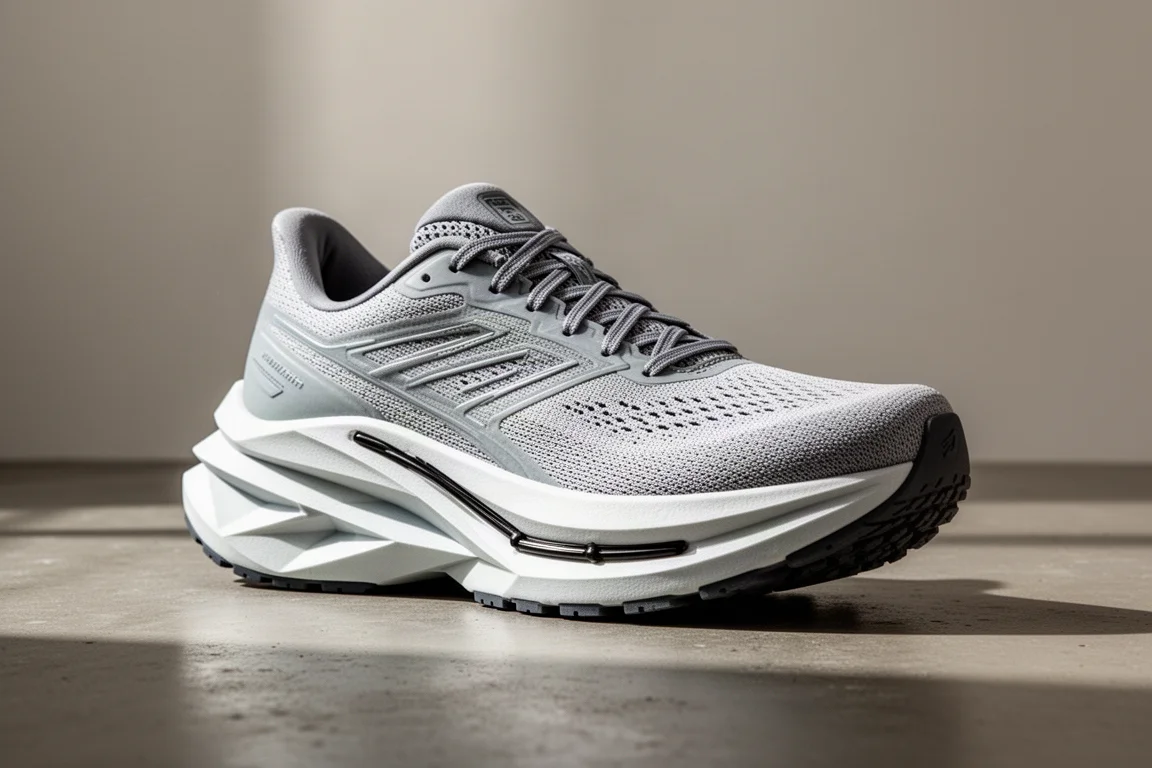
If you want one shoe to do everything, the Adios 6 is the strongest value in the lineup. If you want a dedicated slow-day trainer, the Adistar fills that role comfortably. For fast days and even marathon racing on a budget, the Takumi Sen 8 stands out as the overall favorite. The Adios Pro 2 and Prime X are specialist tools for confident runners chasing maximum speed or maximum stack, and the Boston 10 is best appreciated as a stylish daily shoe rather than a successor to the Bostons of old.
Conclusion
adidas’s current range rewards matching the shoe to the job. The Takumi Sen 8 delivers racing performance without the top-tier price, the Adios 6 covers nearly everything else, and the Adistar handles easy mileage. The super shoes are genuinely fast but demand strong mechanics, so try before committing if stability is a concern for you.
Further reading
Related Reviews

Running Shoes
Best Road-to-Trail Running Shoes: Three Versatile Options for Mixed Terrain
A practical guide to three road-to-trail running shoes that handle both pavement and mild trails, with clear strengths and trade-offs for different runner types.

Running Shoes
Best Running Shoes for Achilles Tendonitis: Three Options Explained
Three running shoes with different heel drops and support features designed to help reduce Achilles tendon pain during walking and running.

Running Shoes
Best Running Shoes for Women: Five Top Choices Ranked
A ranked guide to five women's running shoes, from versatile daily trainers to high-performance racing options, with real strengths and trade-offs for each.