Running Shoes
Adidas Running Shoe Foam Guide: Six Shoes, Five Foams, One Clear Picture
From Lightstrike to Lightstrike Pro, Boost, and Lightstrike, here is how Adidas's core running shoe foams compare and which shoes they belong in.
Introduction
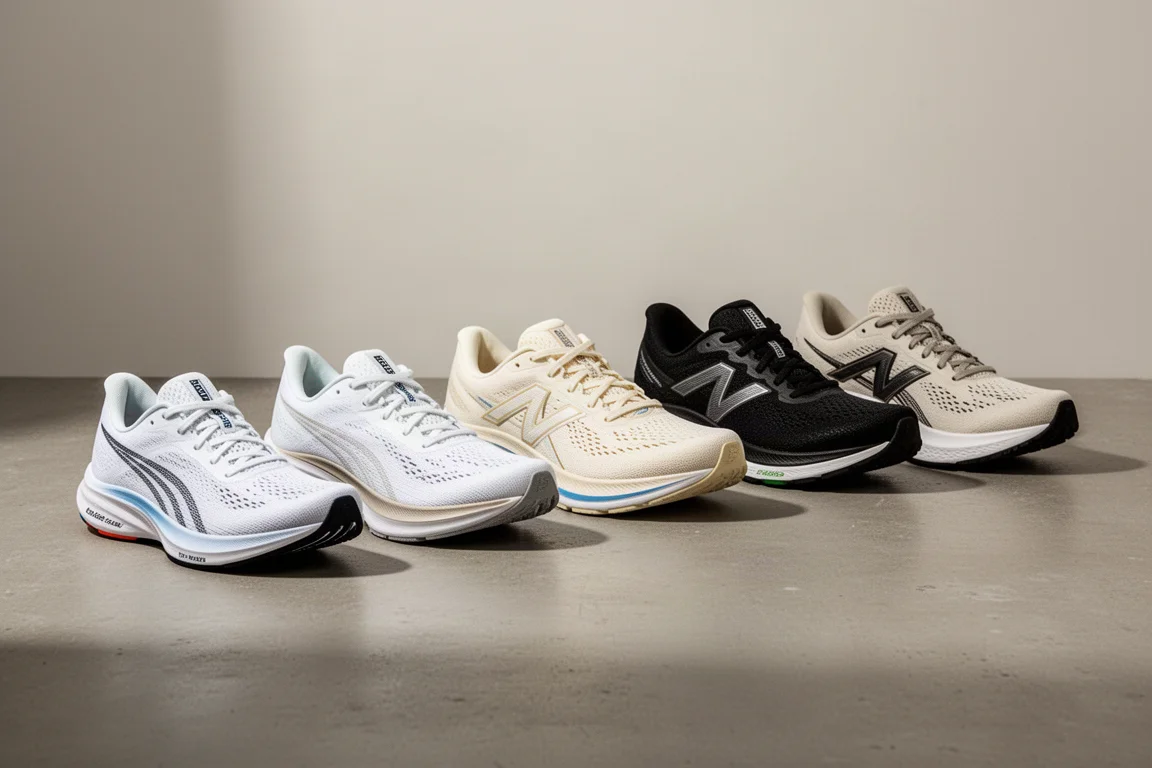
Adidas runs more foam names than most brands, and it is easy to get lost between Lightstrike, Lightstrike 2.0, Lightstrike Pro, Boost, and Lightstrike. Each one has a distinct job, and matching the foam to your running style matters more than chasing any single “best” compound. This guide breaks down what each Adidas foam is made of, which shoes use it, and where it fits next to competing foams from other brands.
Lightstrike: The Reliable EVA Daily Foam
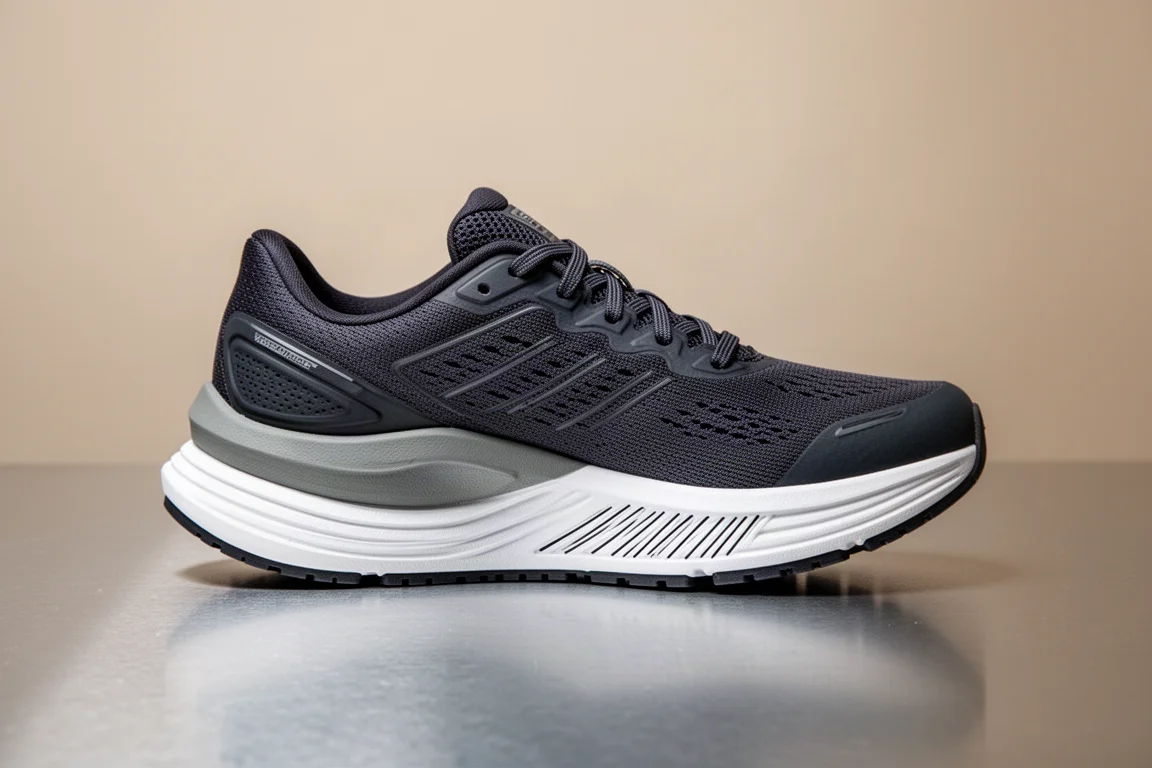
Lightstrike is the classic EVA compound that anchors shoes like the Adidas Adizero SL. EVA dates back to the 1970s and remains the foundation of most traditional running shoe cushioning. It does not deliver the big energy return of modern super foams, but it gives dependable impact absorption and a stable, predictable ride across the full length of a run.
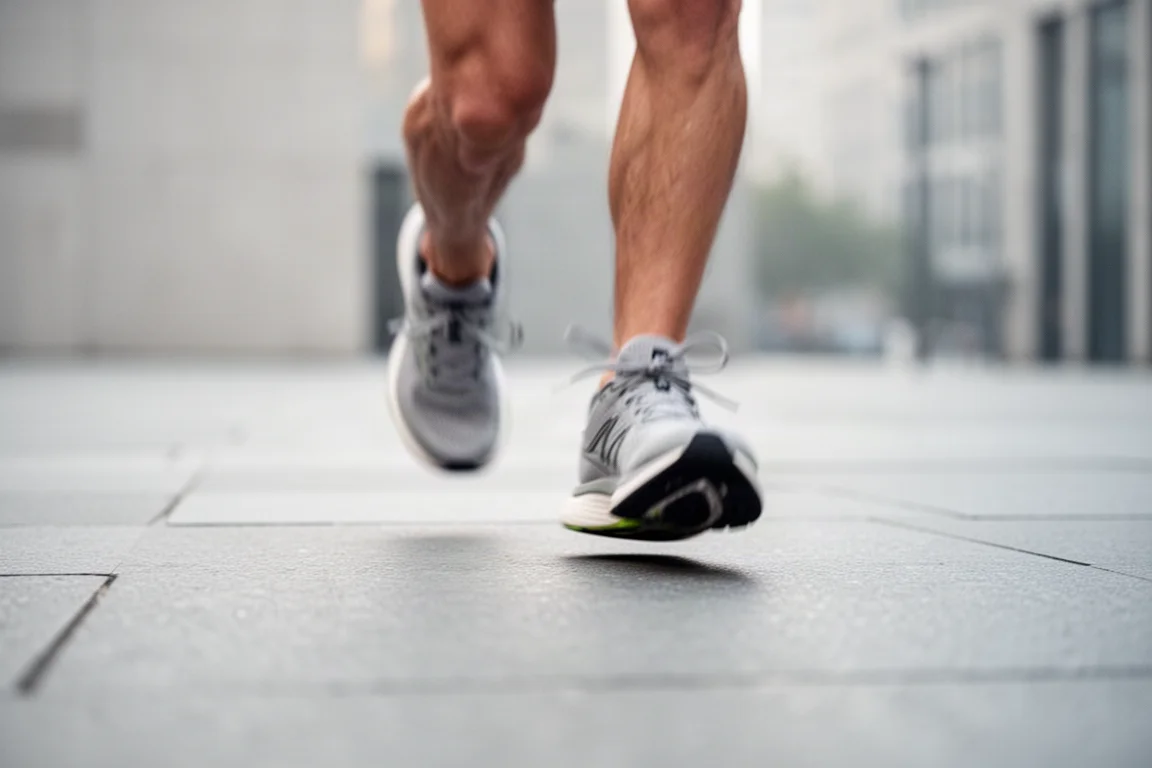
The Lightstrike compound sits on the firmer side, which brings stability and a more normal ride feel compared with very squishy or very bouncy modern foams. Against other standard EVA compounds, such as Saucony’s Powerrun, Lightstrike is only slightly firmer; there is limited differentiation between standard EVA compounds across brands.
Lightstrike 2.0: Softer, But Still Stable
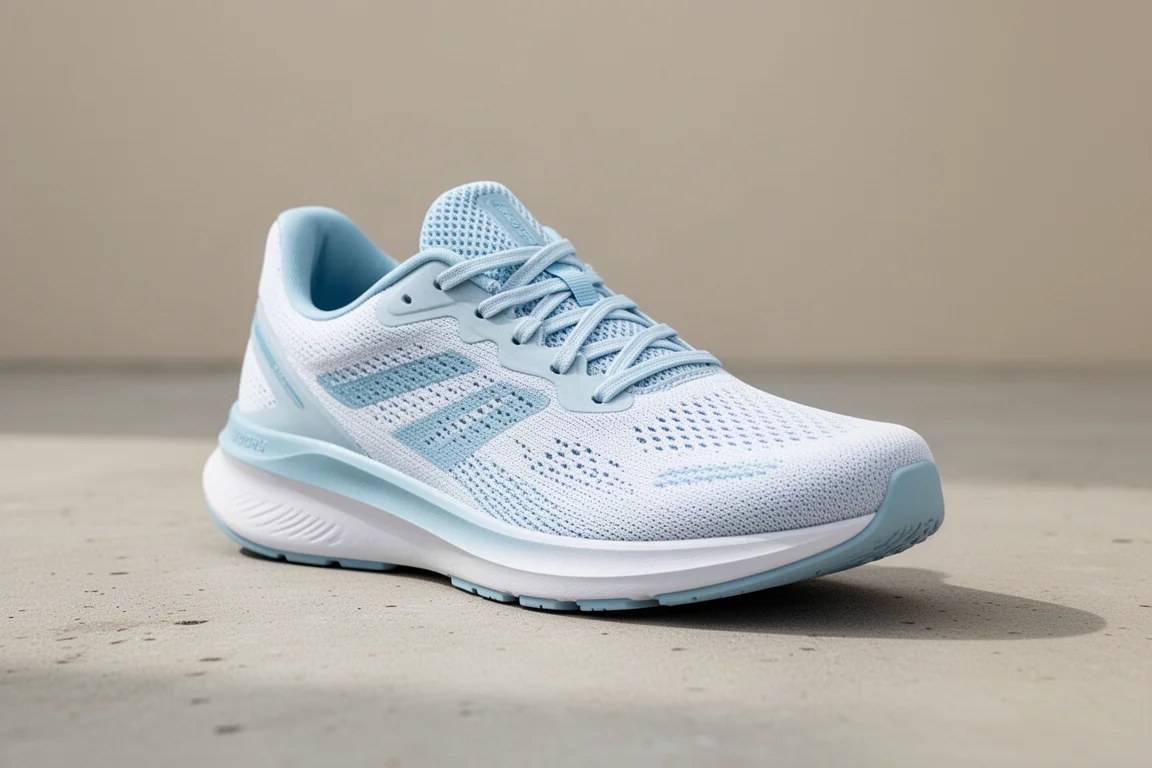
Lightstrike 2.0 is a reformulated version of the same EVA base, softened up in a way that suggests a new blend, possibly with additional polymers mixed in. It retains that firm, reliable EVA character but feels a touch more forgiving.
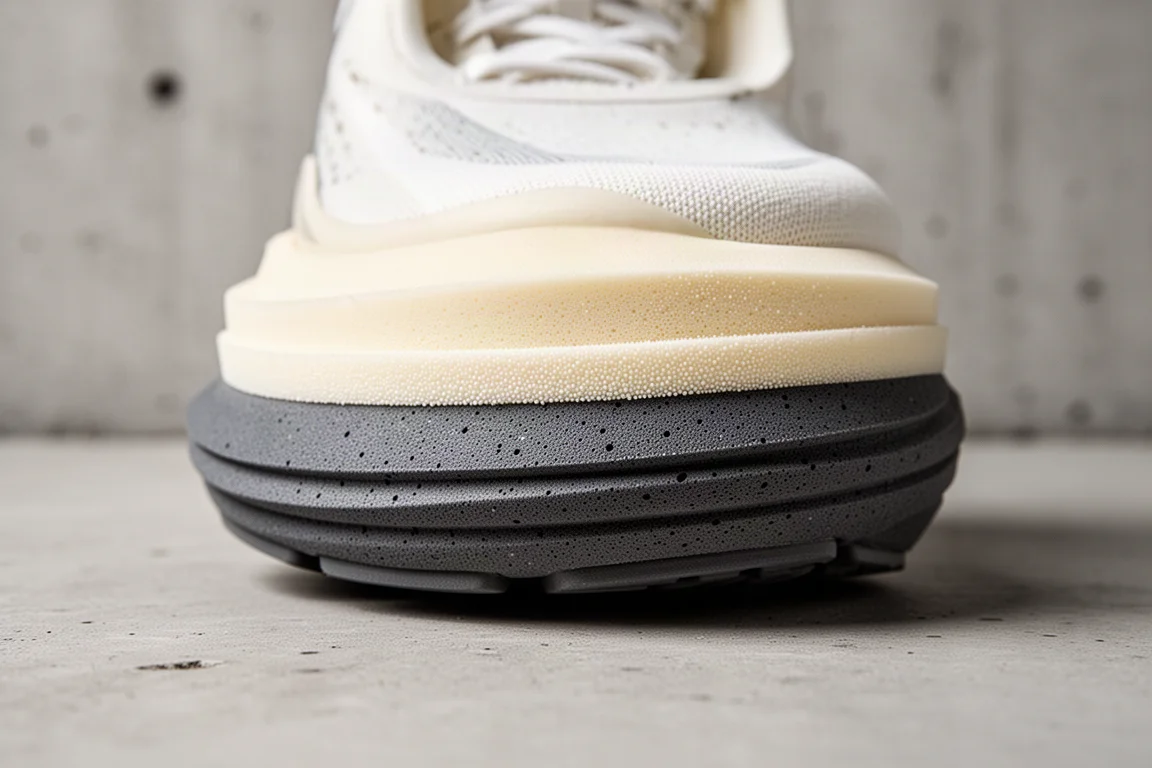
You will find it in the Adidas Boston 12, where it forms the bottom layer of the midsole. The logic is straightforward: Lightstrike adds stability, especially in the heel area, giving a stable platform at heel landing without the excessive squish some PEBA-based super foams can produce.
Lightstrike Pro: Adidas’s Marathon Racing Foam
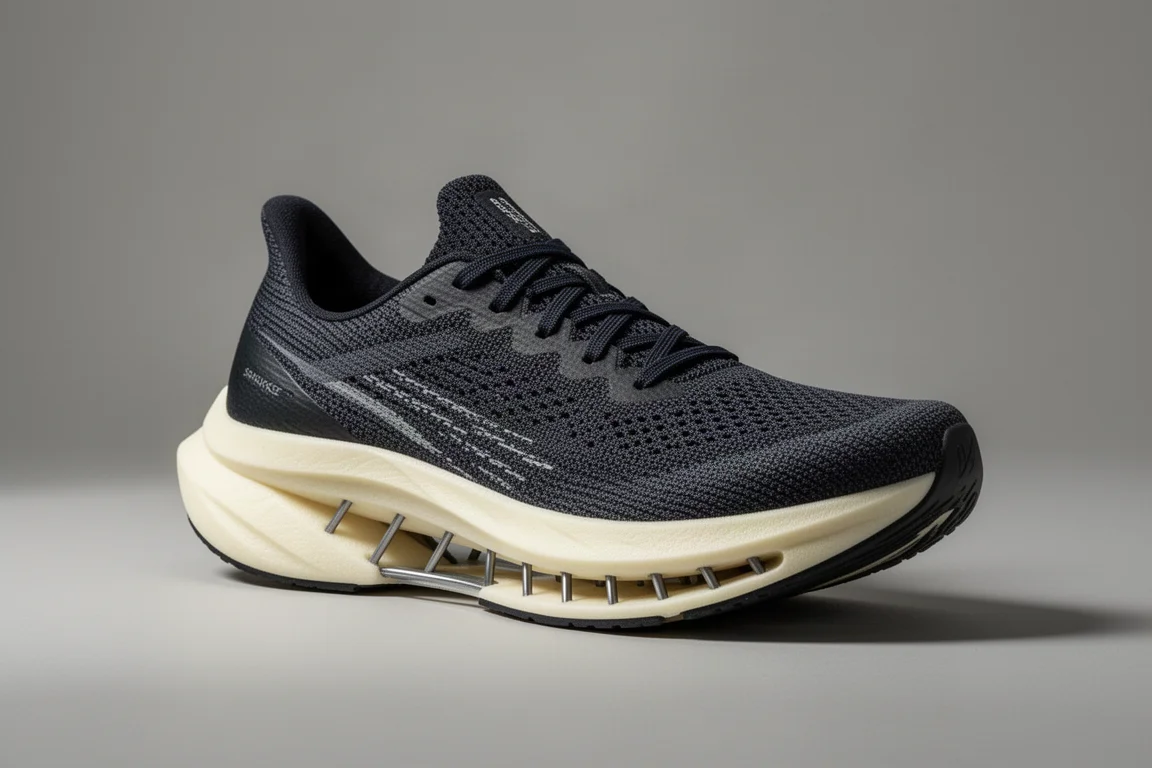
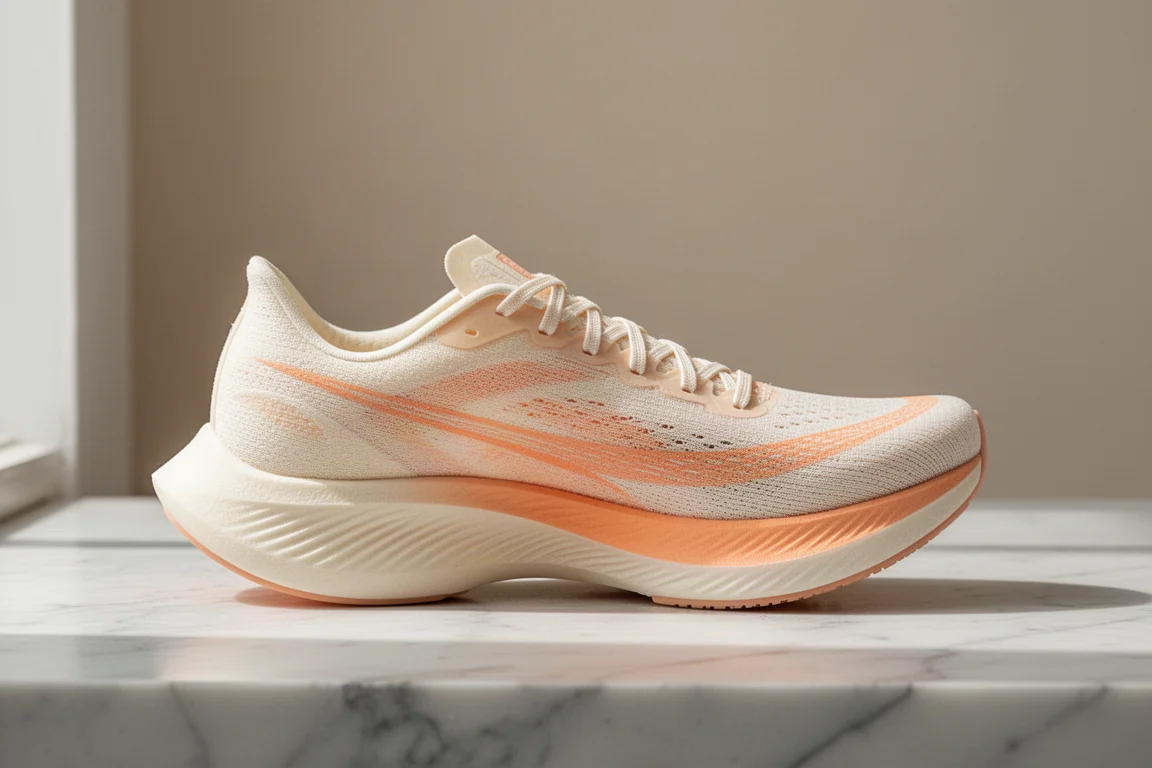
Lightstrike Pro is the top-tier marathon racing foam, found in the Adidas Takumi Sen, the Adizero Pro 3, and the fast marathon racer that set the new women’s marathon world record. It is a supercritical TPEE foam, meaning gas is injected into the material to make it airier, lighter, and bouncier than a non-supercritical foam.
The result is a dense, very bouncy ride that still feels firmer and more supportive than PEBA-based foams like Saucony’s Powerrun PB. That character suits heavier or harder-footed runners who find softer super foams unstable under load. If you have tried shoes like Nike’s Vaporfly with ZoomX and found them too soft, Lightstrike Pro is a sensible alternative.
The Adizero Evo: Fast Marathon Racing pedigree
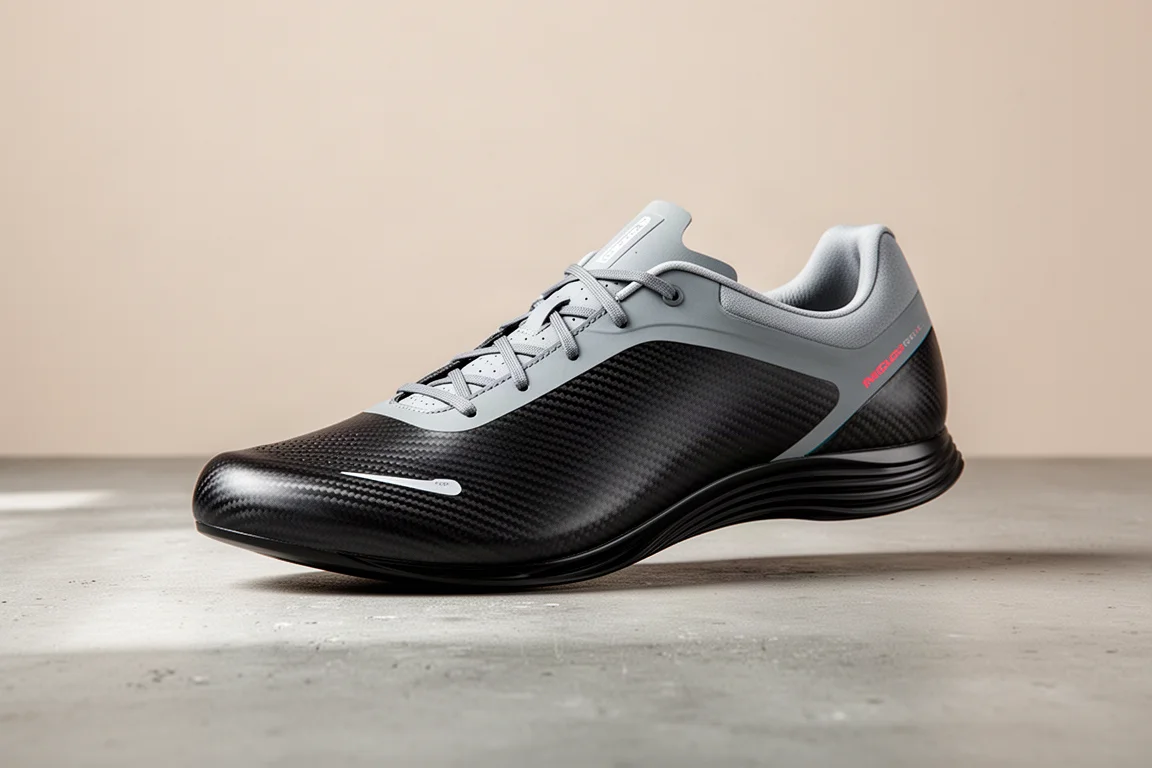
The Adizero Evo family sits in Adidas’s fast marathon racing lineup, built around Lightstrike Pro as the engine. It represents the brand’s current push for lightweight race-day speed, and that world-record pedigree is exactly the kind of company the shoe keeps.
For racers chasing a fast marathon shoe with a bouncier-than-PEBA stability profile, the Evo side of the lineup is where Lightstrike Pro is pushed hardest.
Boost: The Retired Racing Foam
Boost is a beaded TPU foam that once held the top-tier racing spot, offering the highest energy return and lightest feel on the market at its peak. Then PEBA foams shifted the entire landscape, and Adidas stopped using Boost in performance running shoes.
Today Boost lives in lifestyle products, including Adidas hiking boots and the Ultraboost casual series. The compound has not advanced much, so it is heavier than modern racing foams. If you miss the Boost sensation from an older Ultraboost, Saucony’s Triumph series offers beaded TPU that has been lightened for a more modern, agreeable feel while keeping strong energy return and cushioning.
Lightstrike vs Lightmotion: Entry-Level Comfort
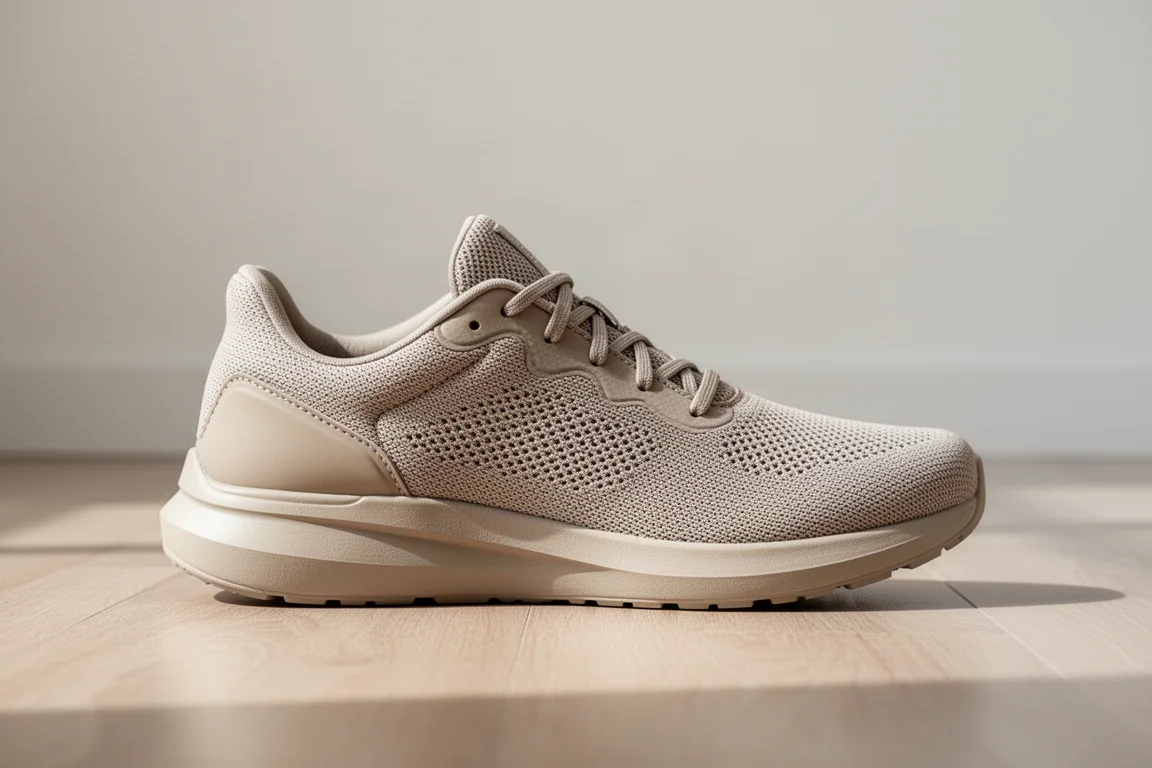
Lightmotion is Adidas’s bottom-tier foam, used in the Duramo SL. The Duramo SL takes the Adizero SL template and strips it down, swapping Lightstrike for Lightmotion, which is most likely a very basic EVA compound.
That simplification means a firmer, less cushioned ride that is not built for high mileage. Shoes in this tier work well as walking shoes, gym shoes, or for a short treadmill warm-up, but they will not deliver the marathon-training performance you get from Lightstrike in the Adizero SL.
Which Adidas Foam Should You Choose?
For daily training with a stable, classic feel, Lightstrike in the Adizero SL is the strongest pick. For tempo work with extra cushioning, the Boston 12 layers Lightstrike 2.0 over a stable base. For race day, Lightstrike Pro in the Takumi Sen, Adizero Pro 3, or Adizero Evo delivers bouncy, supportive speed. And for casual wear or the gym, Boost and Lightmotion cover the low-intensity ends of the range.
Conclusion
Adidas’s foam lineup is less complicated than it sounds: Lightstrike for stable daily training, Lightstrike 2.0 for a softened tempo ride, Lightstrike Pro for fast marathon racing, Boost for lifestyle, and Lightmotion for budget casual use. Match the foam to the run you actually do, and the right shoe becomes obvious.
Further reading
Related Reviews

Running Shoes
Best Road-to-Trail Running Shoes: Three Versatile Options for Mixed Terrain
A practical guide to three road-to-trail running shoes that handle both pavement and mild trails, with clear strengths and trade-offs for different runner types.

Running Shoes
Best Running Shoes for Achilles Tendonitis: Three Options Explained
Three running shoes with different heel drops and support features designed to help reduce Achilles tendon pain during walking and running.

Running Shoes
Best Running Shoes for Women: Five Top Choices Ranked
A ranked guide to five women's running shoes, from versatile daily trainers to high-performance racing options, with real strengths and trade-offs for each.